
The 1970s were a wild time for food and drinks. From disco balls to bell-bottoms, everything had a certain flair — and the beverages were no different.
Bartenders and home cooks alike were mixing up some truly unusual concoctions that seemed totally normal back then but feel almost unbelievable today. Here are 17 drinks from the ’70s that most people tried once and never looked back.
1. Pink Squirrel
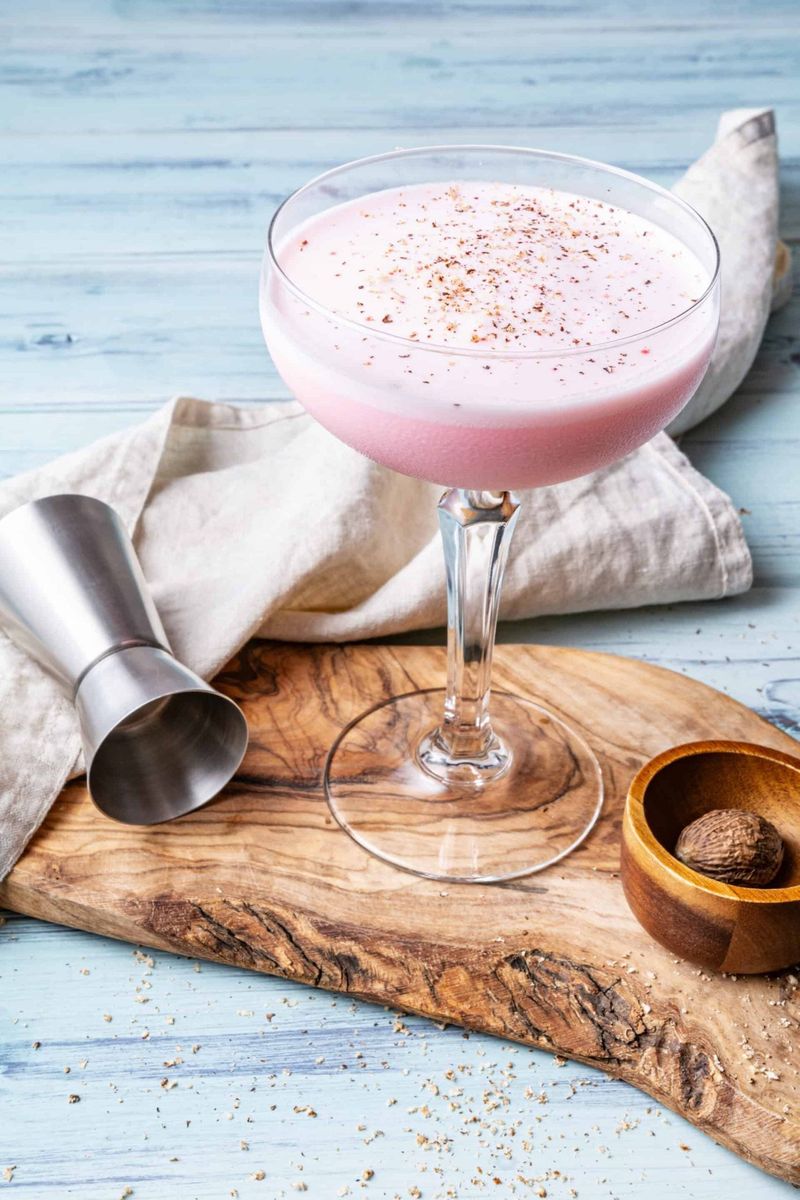
Pretty in pink and sweet as candy, the Pink Squirrel was a cocktail that turned heads at any 1970s dinner party. Made with crème de noyeaux — an almond-flavored liqueur — it had a rosy hue and a sugary taste that felt more like dessert than a drink.
The problem? Crème de noyeaux nearly vanished from store shelves over the decades, making this cocktail nearly impossible to recreate.
Without the key ingredient, the Pink Squirrel quietly faded into cocktail history.
2. Five Alive
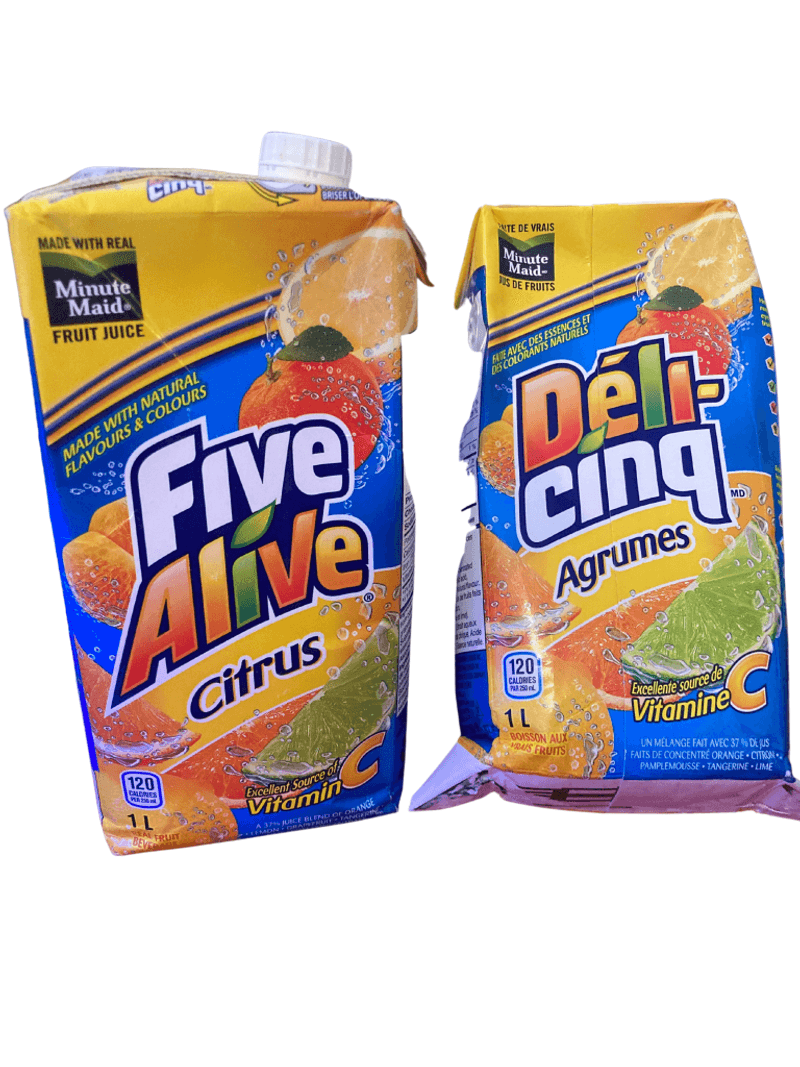
Bursting onto grocery shelves in the late 1970s, Five Alive was a citrus juice blend that promised the flavor of five fruits in one carton. Kids loved the sweet, tangy taste, and parents appreciated the variety it offered over plain orange juice.
Sales slowly fizzled throughout the 1980s and 1990s until the drink largely vanished from U.S. stores. By the time juice boxes took over, Five Alive had already said its quiet goodbye to American refrigerators.
3. Tab Soda
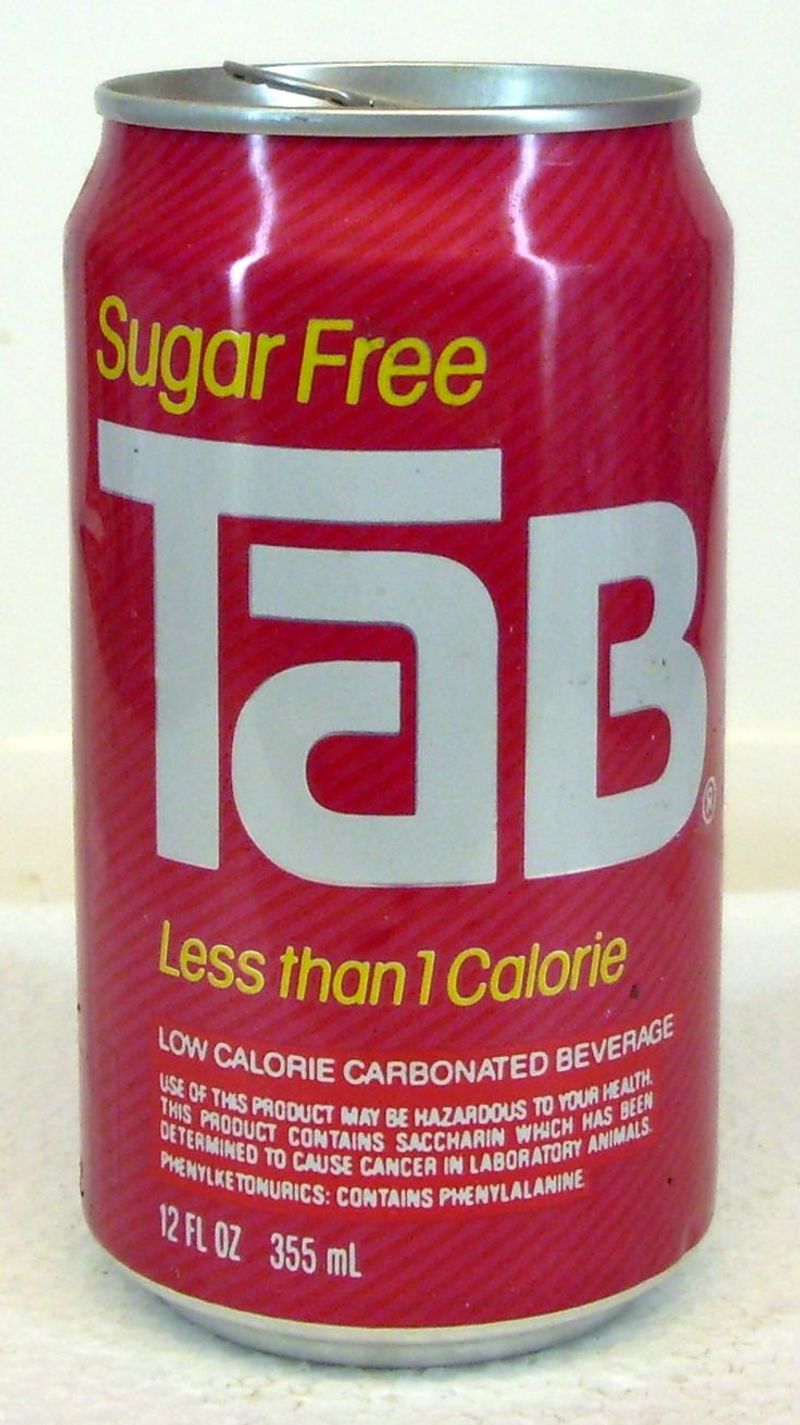
Back when diet sodas were just getting started, Tab was the queen of the refrigerator. Coca-Cola launched it as their flagship diet drink, and throughout the 1970s, it had a fiercely loyal fan base — especially among women watching their calorie intake.
Tab had a bold, slightly medicinal aftertaste that either hooked you or pushed you away for good. After Diet Coke launched in 1982, Tab slowly lost its crown and was officially discontinued in 2020.
4. Donald Duck Orange Juice Concentrate
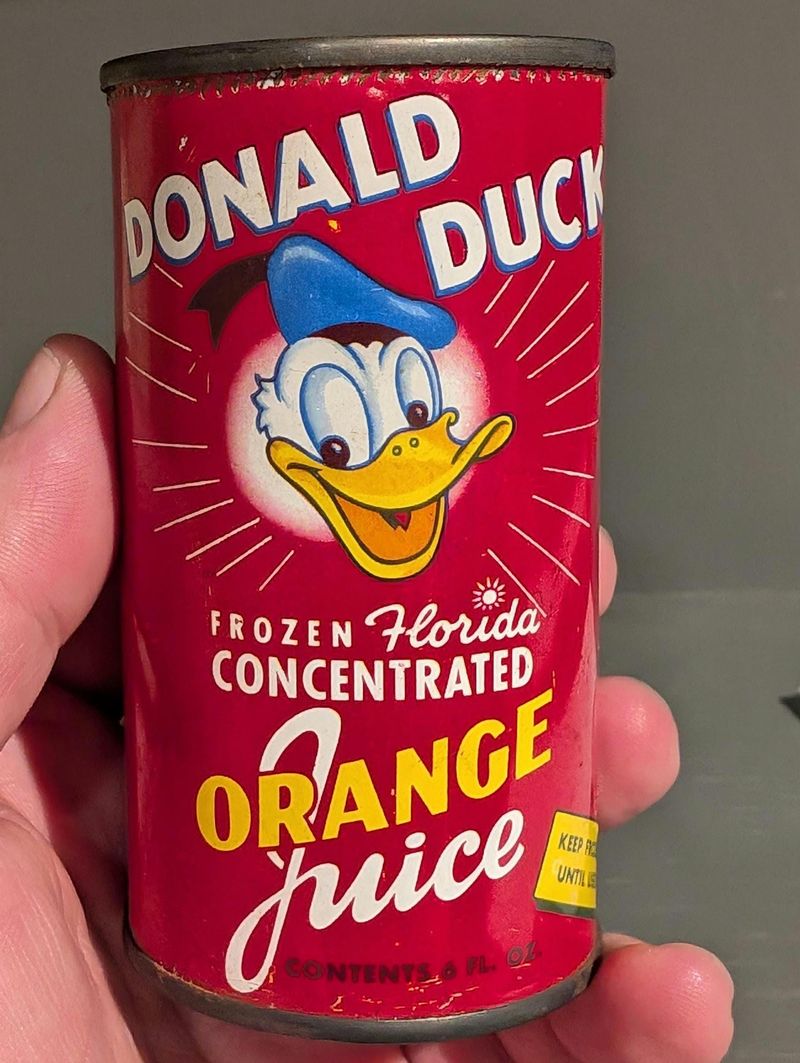
Opening the freezer in a 1970s American home almost always meant spotting one of those cardboard cans with Donald Duck grinning from the label. You’d pop it open, mix it with water, and stir — hoping the result tasted more orange juice than watered-down syrup.
The flavor was sweet and a little thin compared to fresh-squeezed juice, but it got the job done on a budget. Once Minute Maid and juice boxes took over, Donald Duck quietly waddled off the shelves.
5. Cragmont Soda
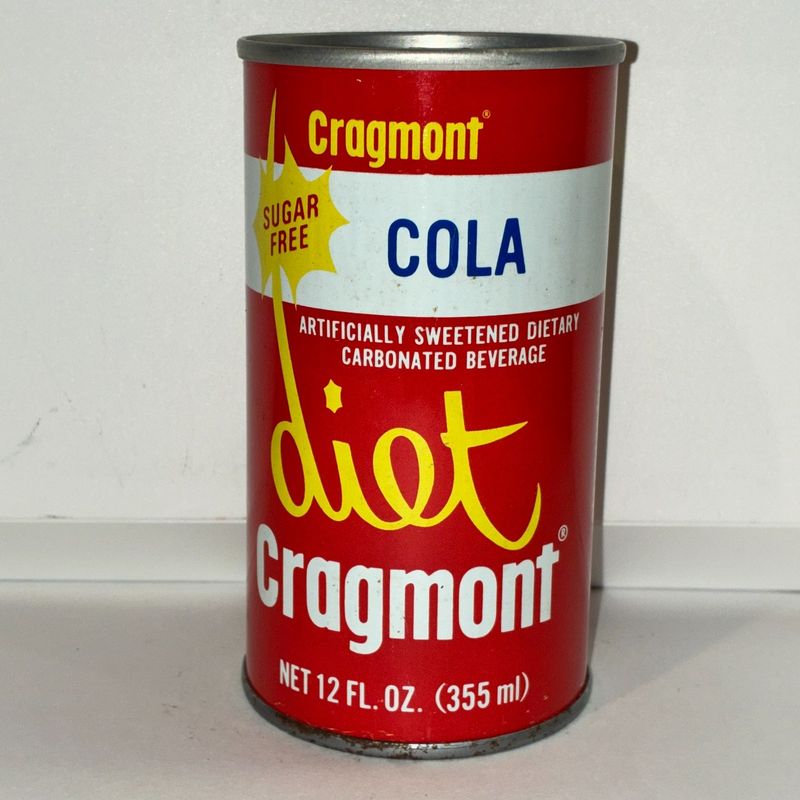
Safeway’s in-house soda brand, Cragmont, was the budget-friendly choice for families who wanted a cold, fizzy drink without the big-brand price tag. You could grab a bottle for almost nothing, and the flavors ranged from cola to grape to cream soda.
It never had the flashy advertising of Pepsi or Coke, but loyal Safeway shoppers kept it alive for years. Eventually, store-brand sodas evolved and rebranded, and Cragmont faded out of the cooler aisle without much fanfare.
6. Midori Sour
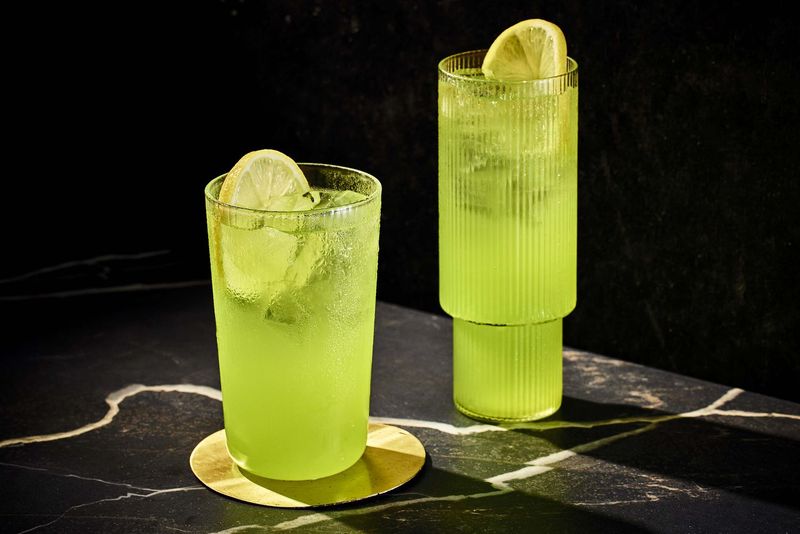
Few drinks screamed the 1970s quite like the Midori Sour. That electric green color made it look like something out of a science fiction movie, and the sweet, honeydew melon flavor was unlike anything most people had tasted in a cocktail before.
Midori, the Japanese melon liqueur, launched in the U.S. at Studio 54 in 1978 — which tells you everything about its disco-era vibe. The drink fell out of fashion in later decades but has recently shown signs of a slow, sweet comeback.
7. Slow Comfortable Screw Up Against the Wall
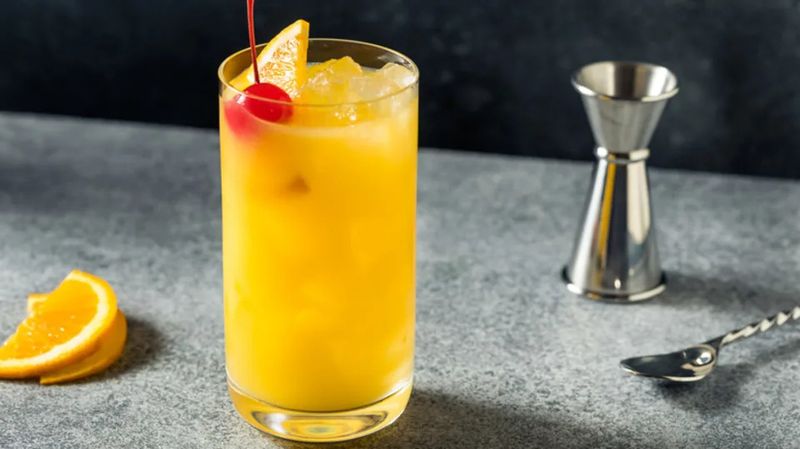
Only the 1970s could produce a cocktail with a name this outrageous and serve it with a straight face. The Slow Comfortable Screw Up Against the Wall combined sloe gin, Southern Comfort, orange juice, and Galliano — a layered drink as bold as its name suggests.
Part of the fun was ordering it at a bar just to watch the bartender’s reaction. The drink’s novelty was half the appeal, and once the disco era ended, its suggestive charm lost most of its punch.
8. Merry Widow(er)
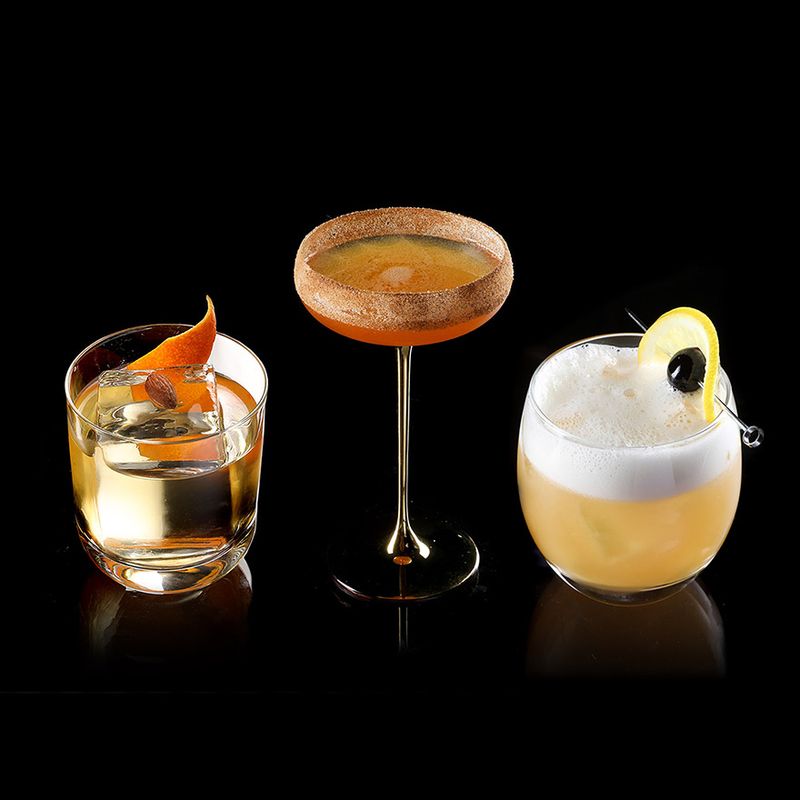
Stan Jones’ 1977 Jones’ Complete Bar Guide listed no fewer than five variations of the Merry Widow — a sign of just how popular this cocktail was during the decade. Depending on the version, it combined dry vermouth, Benedictine, bitters, and various other spirits.
Despite its impressive presence in ’70s bar guides, the Merry Widow is rarely seen on menus today. Most modern drinkers have never even heard of it, which makes it one of the era’s most forgotten cocktail legends.
9. Sack (Medium Dry Sherry)
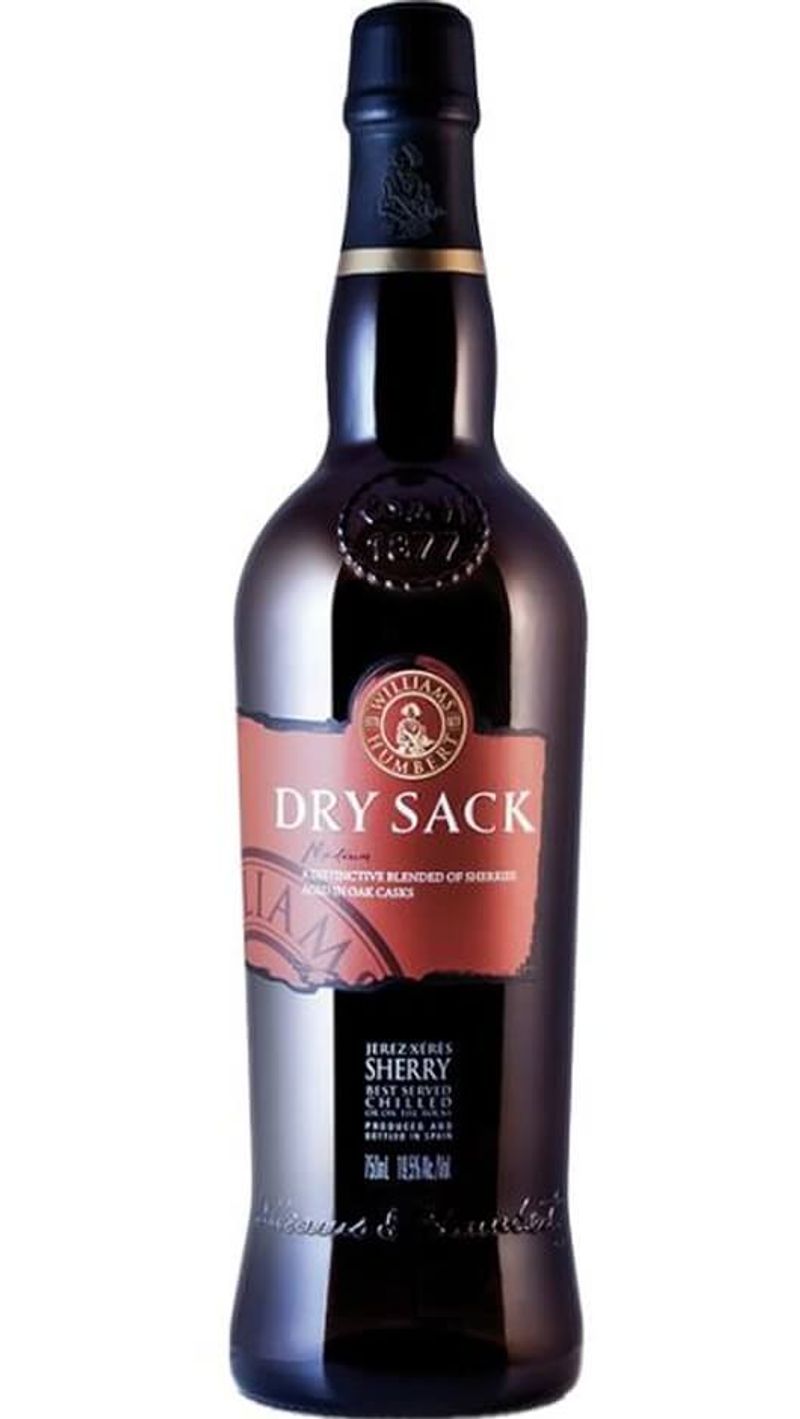
Sherry was a perfectly respectable drink in the 1970s, and Sack — a medium dry variety — had its place on many home bar carts and at dinner parties. Adults would sip it before meals, treating it as a sophisticated aperitif with European flair.
Over the years, sherry’s popularity took a serious hit as wine and cocktail culture evolved. Sack, in particular, lost its foothold in the modern drinks market, becoming more of a footnote in vintage cocktail books than a staple on anyone’s shelf.
10. Dubonnet
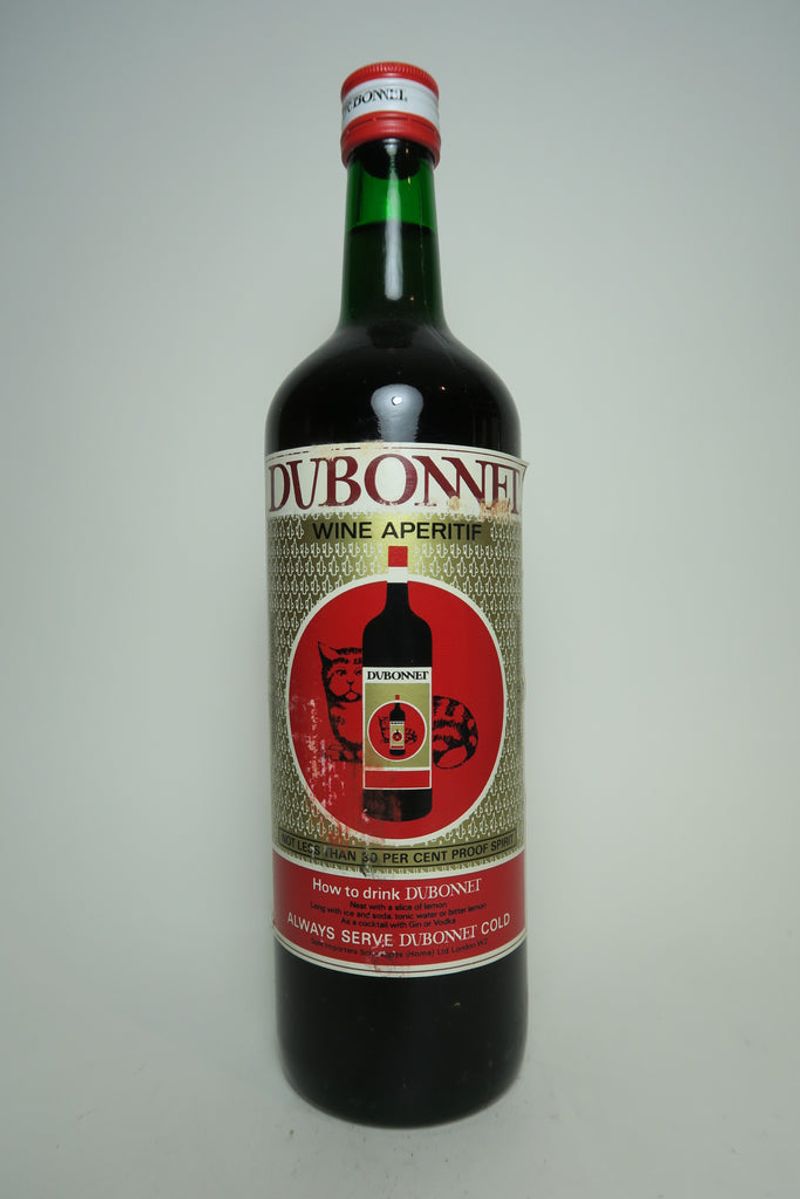
Dubonnet earned the nickname “the Queen’s favorite tipple” — and that royal seal of approval helped keep it relevant through much of the 20th century. This French aperitif, made with fortified wine and herbs, had a rich, slightly bitter flavor that felt elegant and old-world.
By the time the ’70s ended, younger drinkers were chasing trendier options, and Dubonnet’s aristocratic image started working against it. Today, it survives mostly in specialty liquor stores, a quiet relic of a more formal drinking era.
11. Snowball
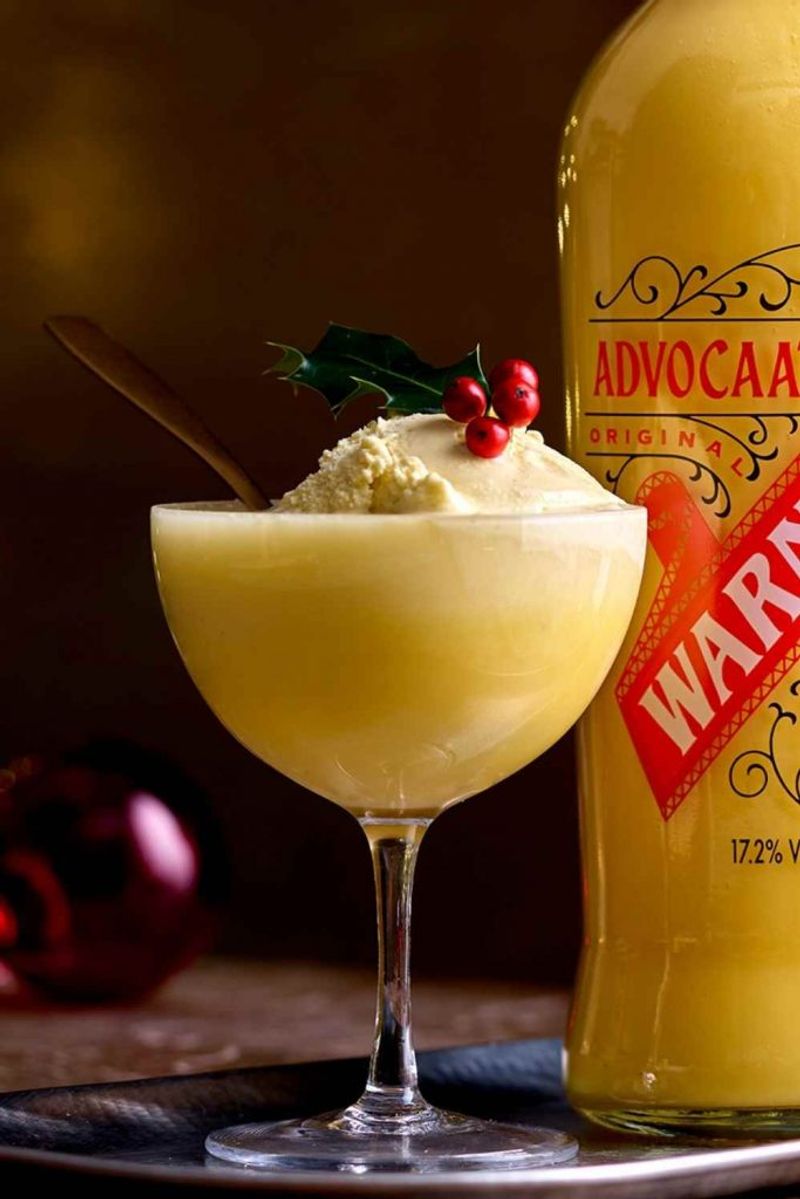
The Snowball was a British classic — a frothy, pale yellow drink made by mixing advocaat (a thick egg-based liqueur) with fizzy lemonade and a squeeze of lime. It was especially popular during the Christmas season, showing up at family gatherings across the UK in the 1960s and ’70s.
Its very specific combination of ingredients made it a love-it-or-leave-it kind of drink. As advocaat became harder to find and tastes shifted, the Snowball melted away from most people’s holiday traditions.
12. Harvey Wallbanger
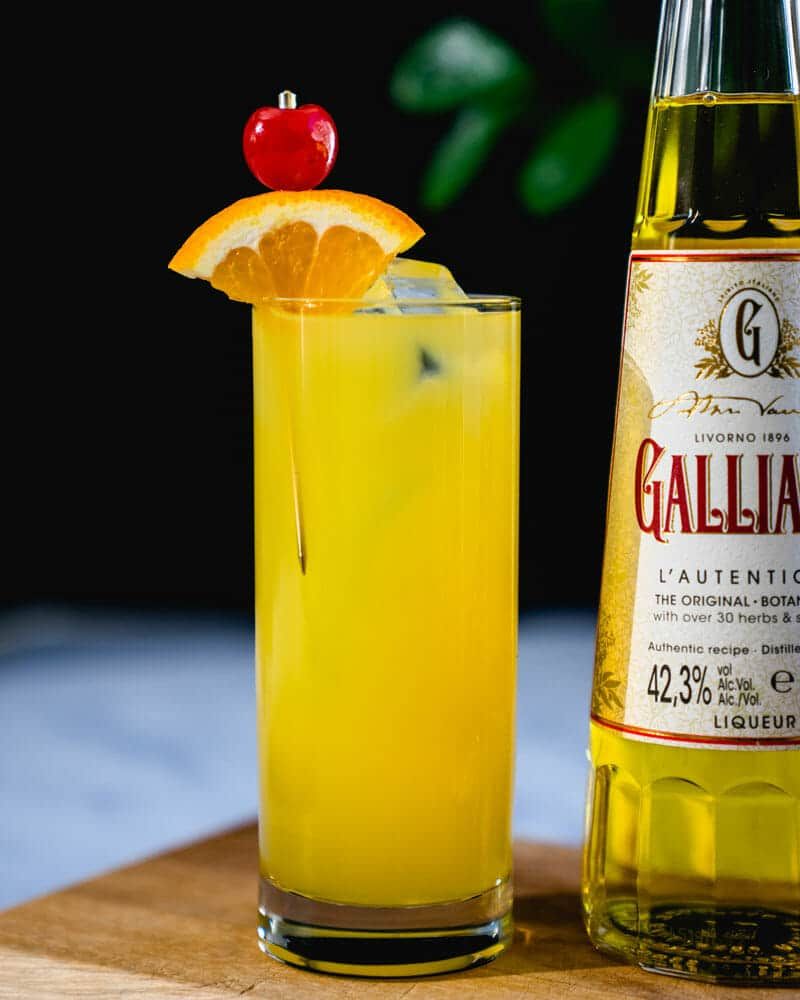
Starting in 1973, Galliano liqueur launched one of the most aggressive marketing campaigns in cocktail history — and the Harvey Wallbanger was their star. Named after a fictional surfer, this drink mixed vodka, orange juice, and a float of Galliano on top for a sweet, herbal kick.
Billboards, magazines, and TV ads made it impossible to ignore. The marketing blitz worked brilliantly for a while, but once the campaign cooled, so did the cocktail’s fame, leaving it as a charming relic of ’70s excess.
13. Pink Lady
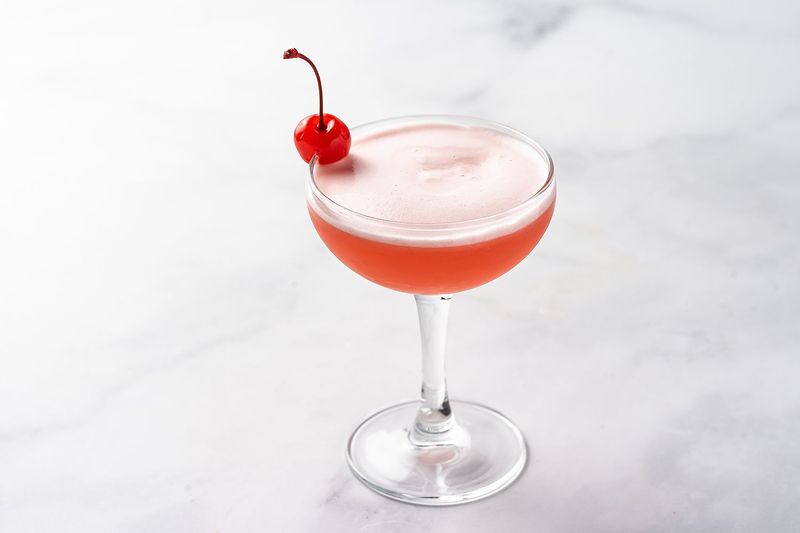
Named after a 1912 Broadway play, the Pink Lady had remarkable staying power — lasting through multiple cocktail eras before finally landing in the 1970s as a symbol of “girly” drinking culture. Made with gin, applejack, grenadine, lemon juice, and egg white, it was frothy, pink, and surprisingly complex.
The gendered stigma attached to it eventually worked against its reputation. As cocktail culture moved toward inclusivity and sophistication, the Pink Lady’s old-fashioned image made it harder to order without a raised eyebrow.
14. Brandy Alexander
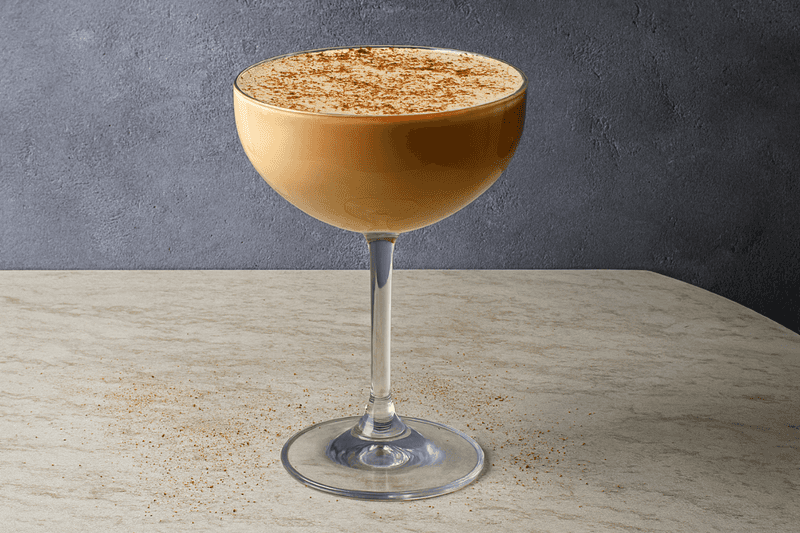
Rich, creamy, and unapologetically indulgent — the Brandy Alexander was the dessert cocktail of the 1970s. Blending brandy, crème de cacao, and heavy cream, it tasted more like a milkshake than a serious drink, which was precisely the point for many party guests.
John Lennon reportedly loved them, which only added to the drink’s cultural cachet during the decade. As lighter cocktails became fashionable, the heavy cream base felt increasingly old-fashioned, nudging the Brandy Alexander off most modern menus.
15. Golden Cadillac
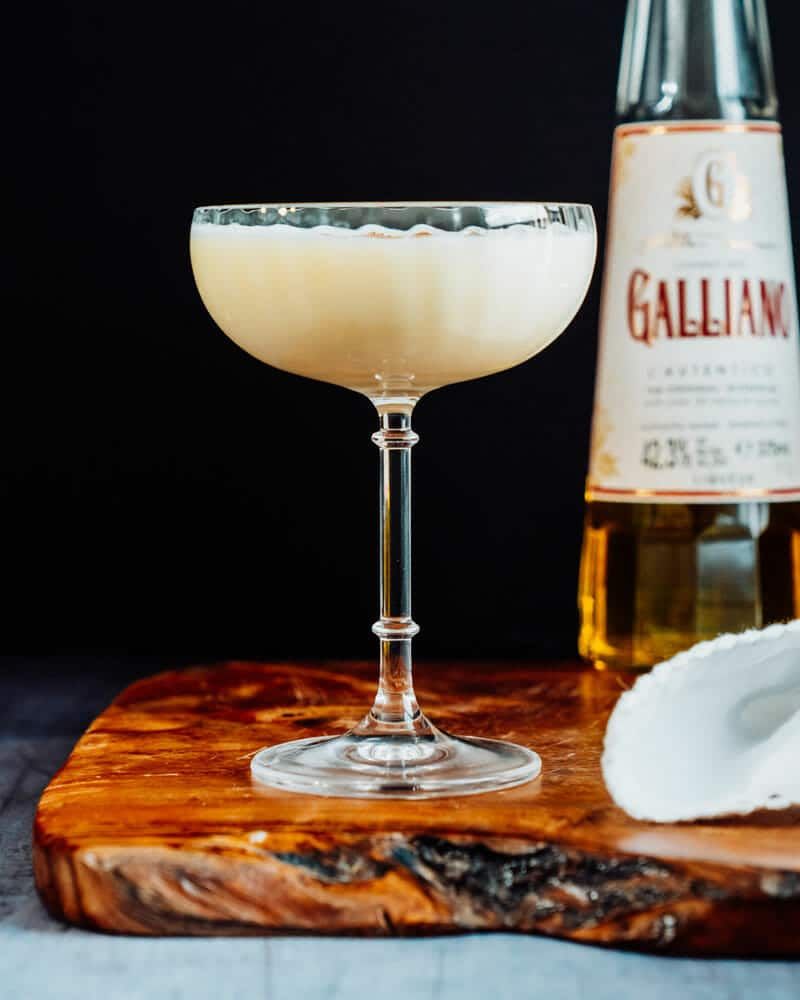
Smooth, golden, and sweet enough to make you forget it was alcoholic — the Golden Cadillac was a 1970s party staple that rode on the same wave as the Harvey Wallbanger. Combining Galliano, white crème de cacao, and heavy cream, it was practically a liquid dessert.
Originally created in 1952, the drink hit its true peak of popularity during the disco decade. Once the cream-based cocktail trend faded and lighter drinks took over, the Golden Cadillac parked itself firmly in the past.
16. Amaretto Sour (with Pre-Made Mix)
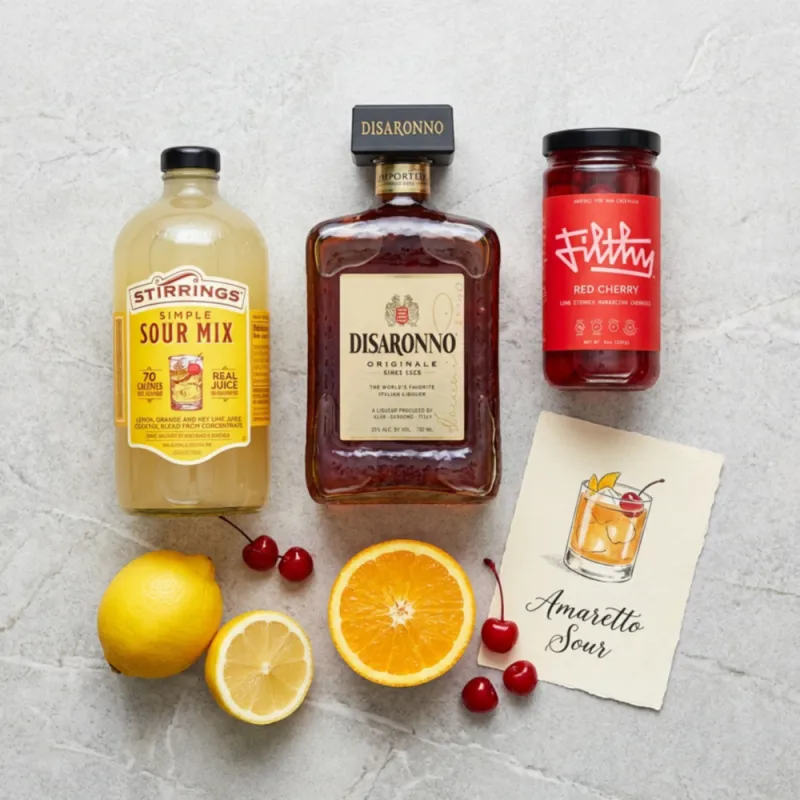
Few drinks captured the shortcut spirit of 1970s home bartending quite like the Amaretto Sour made with pre-made sour mix. Disaronno ran a clever marketing campaign that convinced millions of Americans to combine their sweet almond liqueur with a bottle of store-bought mix for instant cocktail magic.
The result was sugary, convenient, and wildly popular at house parties. Craft cocktail culture eventually pushed back against the pre-made mix habit, favoring fresh lemon juice instead and quietly retiring the original shortcut version.
17. Shasta Crazy Flavors
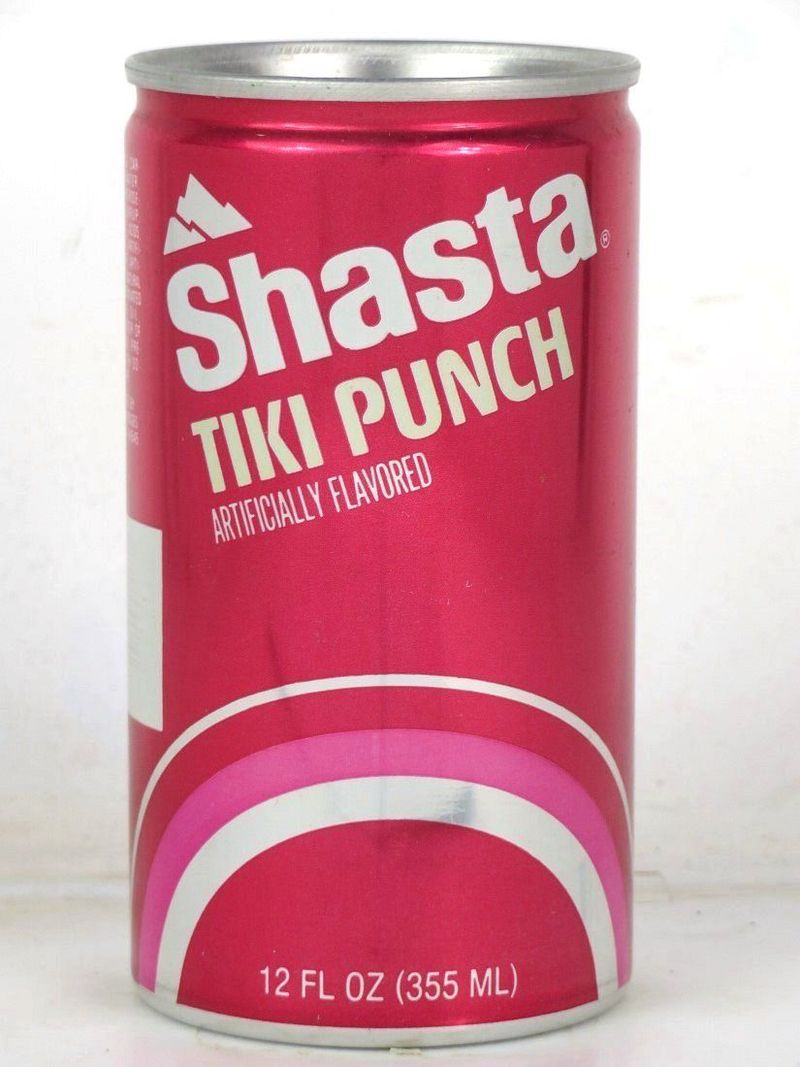
Shasta soda was always the adventurous kid on the block, and in the 1970s, it went completely off the rails with flavors like Tiki Punch, Grapefruit Zazz, and Bubble Gum. These weren’t your average sodas — they were bold experiments in artificial flavor that either delighted or confused anyone who cracked one open.
The brand still exists today, but those outrageous experimental flavors are long gone. They belonged to an era when food companies threw caution to the wind and let creativity — however bizarre — lead the way.