
Some songs just hit different — they stay with you long after the music stops. These 20 tracks have earned a special place in music history, not just because they sound amazing, but because they changed how we think about what a song can be.
Fans across generations keep coming back to them, calling them masterpieces, and honestly, it’s hard to argue. Get ready to rediscover why these songs continue to blow minds worldwide.
1. Bohemian Rhapsody by Queen
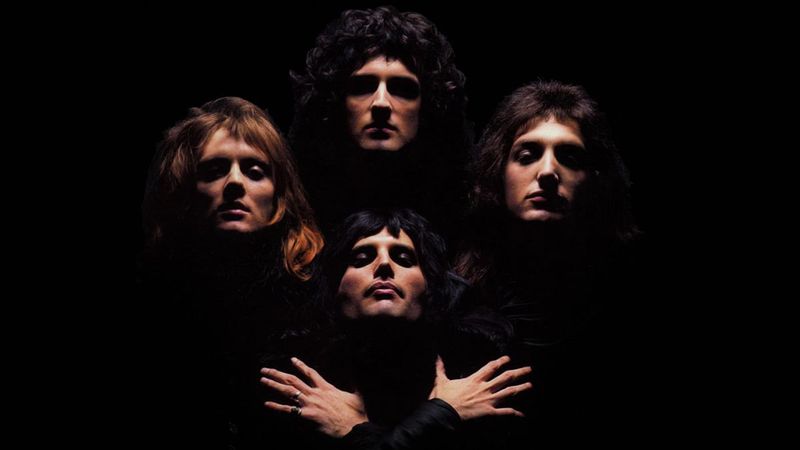
Radio stations refused to play it because it was too long. Freddie Mercury and Queen didn’t care — they released their six-minute opera-rock monster anyway, and fans went absolutely wild for it.
Nobody had ever heard a song shift from a soft ballad to full operatic chaos to hard rock thunder all in one track.
That bold gamble paid off in a massive way. “Bohemian Rhapsody” shot to number one and never really left the cultural conversation. It remains one of the most streamed classic rock songs ever.
2. Stairway to Heaven by Led Zeppelin
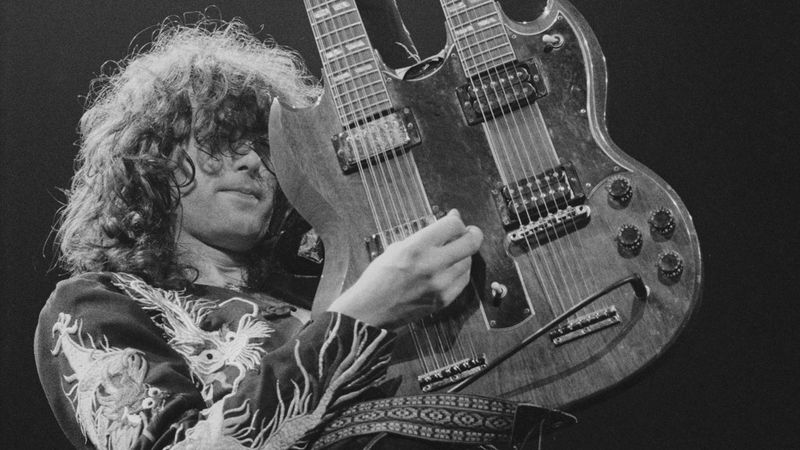
Starting with nothing but a gentle acoustic guitar, this eight-minute epic slowly builds into one of the most legendary guitar solos ever recorded. Jimmy Page crafted something that feels like a journey — quiet and mysterious at first, then explosive and unforgettable by the end.
Robert Plant’s cryptic lyrics about a lady buying stairways have sparked decades of debate and fan theories. Whether you decode the words or just feel the music, “Stairway to Heaven” rewards every single listen with something new.
3. Hotel California by Eagles
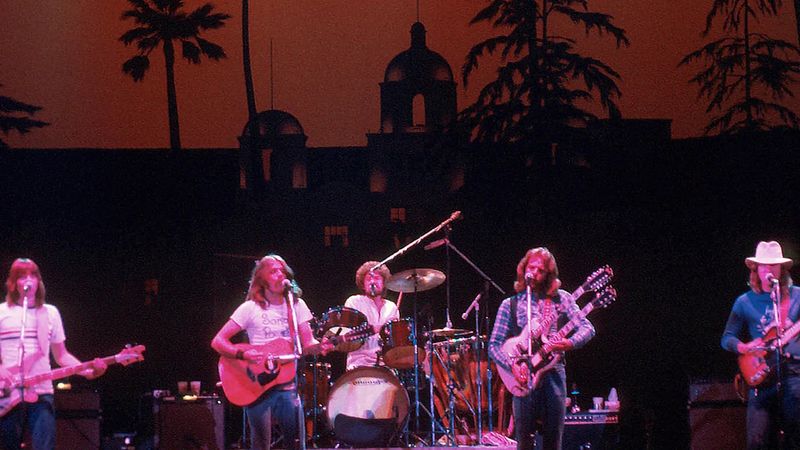
Few songs tell a story as vividly as this one. The Eagles painted a picture of a mysterious hotel that checks you in but never lets you leave — a haunting metaphor for the trap of excess and fame in 1970s California.
What makes it truly special is the guitar work. Don Felder and Joe Walsh trade off in a closing guitar duel that fans still call one of the greatest instrumental endings in rock history.
That alone earns it masterpiece status without any argument.
4. Imagine by John Lennon
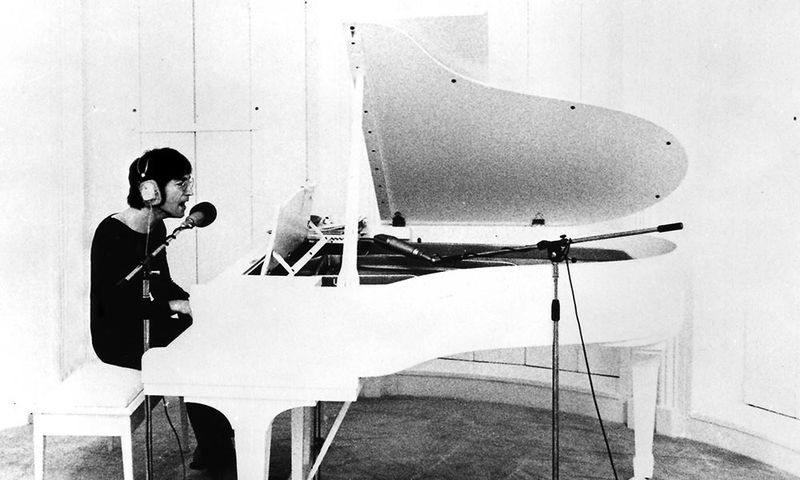
Written in a single morning at his home studio, John Lennon turned a simple piano melody into the world’s most recognizable peace anthem. The song asks listeners to picture a world without borders, religion, or war — and somehow, that message feels just as urgent today as it did in 1971.
Paul McCartney once said it was “anti-religious, anti-nationalistic, anti-conventional,” yet it never felt preachy. That balance between boldness and gentleness is exactly why “Imagine” has never stopped mattering to people everywhere.
5. Smells Like Teen Spirit by Nirvana
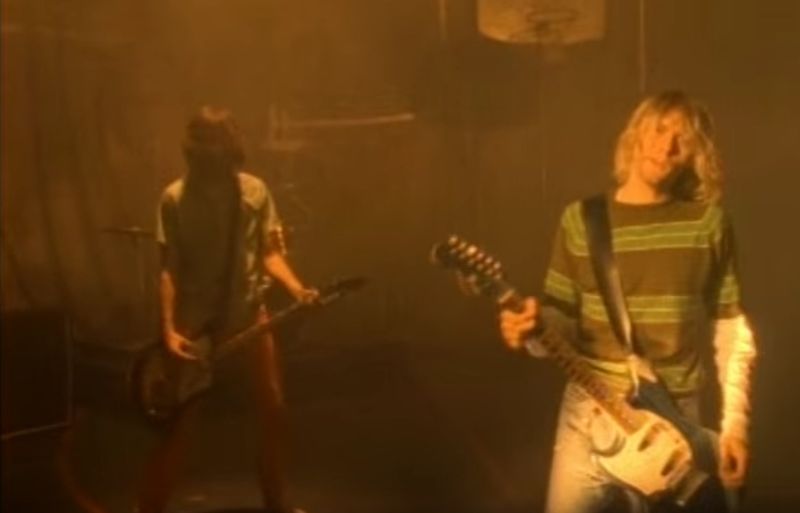
When this track exploded onto radio in 1991, it felt like someone had kicked the door off popular music. Kurt Cobain’s raw, distorted guitar riff and his mumbled yet emotionally charged vocals captured a restless generation that felt ignored by mainstream culture.
Nirvana didn’t just write a hit — they accidentally launched the entire grunge movement into the mainstream spotlight. Even Cobain seemed surprised by the song’s massive impact.
Decades later, its opening riff is instantly recognizable to virtually anyone who’s ever turned on a radio.
6. Like a Rolling Stone by Bob Dylan
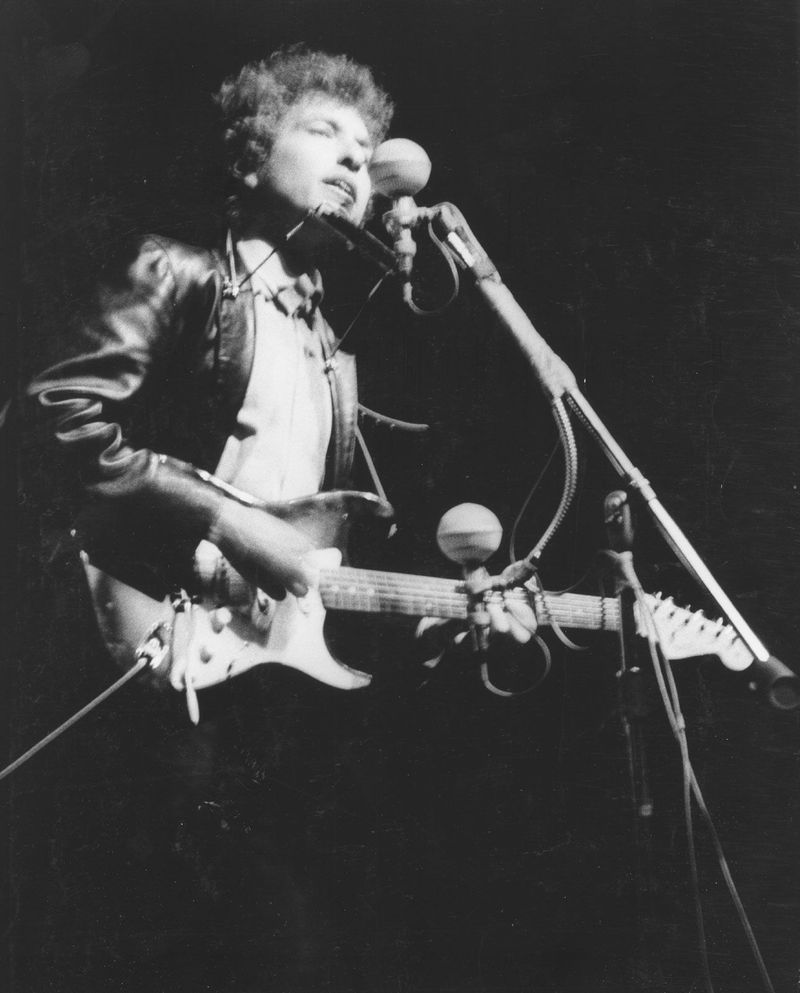
Bob Dylan shocked the folk music world when he plugged in an electric guitar and unleashed this blistering six-minute track in 1965. The song was a sharp, poetic takedown aimed at a spoiled socialite who had fallen from grace — and it changed what pop music was allowed to say.
Rolling Stone magazine once ranked it the greatest song ever written. The organ riff, the snarling vocals, and the relentless chorus create an energy that still sounds thrillingly rebellious.
Dylan proved songs could be literature.
7. What’s Going On by Marvin Gaye
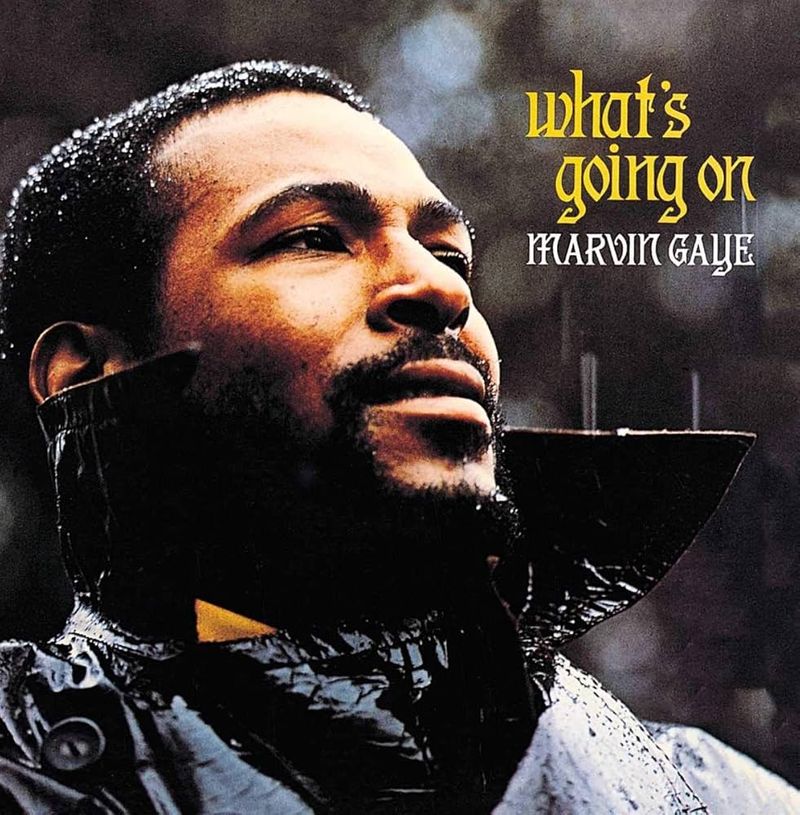
Marvin Gaye recorded this song against his record label’s wishes — Motown executives thought it was too political and refused to release it. Gaye pushed back hard, and when it finally came out in 1971, it became one of the best-selling singles in Motown history.
The song addressed Vietnam War veterans, police brutality, and environmental destruction with a warmth and tenderness that felt completely new for soul music. Its layered production and Gaye’s silky vocals made a heavy message feel like a warm embrace.
8. Billie Jean by Michael Jackson
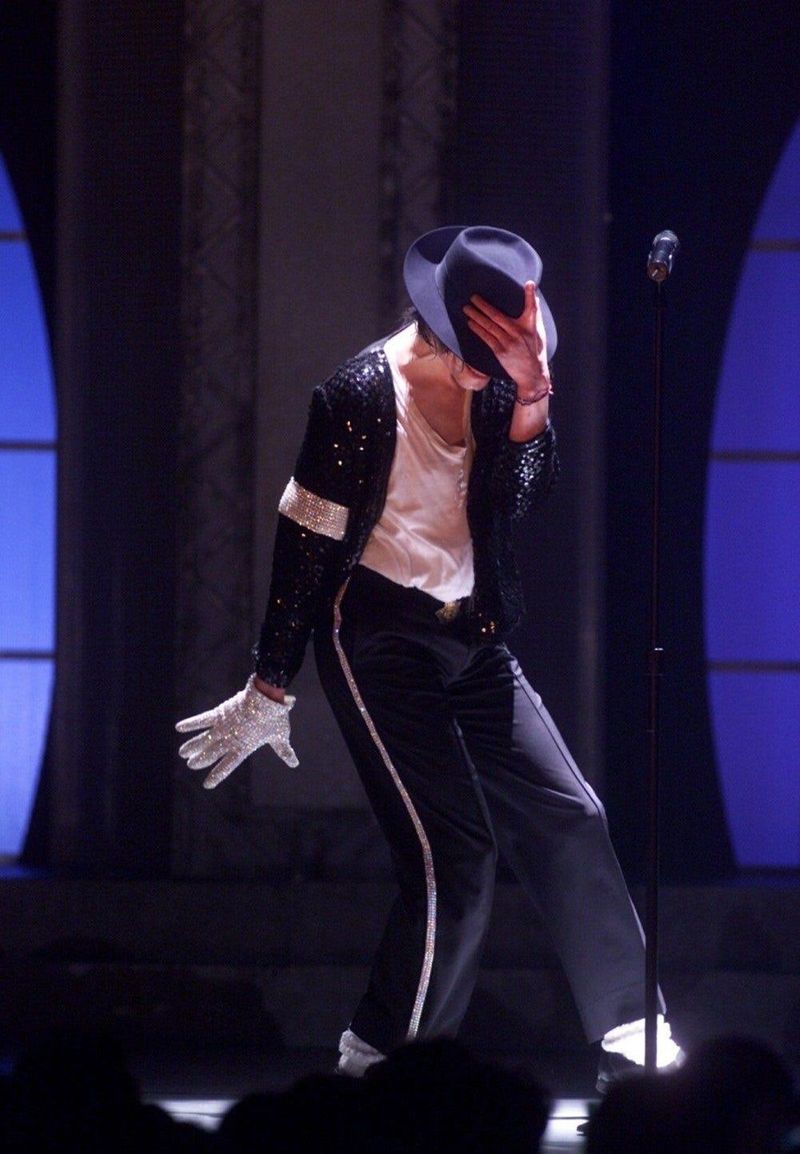
The bassline alone is enough to make anyone stop what they’re doing. Producer Quincy Jones actually wanted to cut “Billie Jean” from the Thriller album because he thought the intro was too long — and Michael Jackson refused to budge, insisting every second was necessary.
Jackson was absolutely right. That relentless groove, combined with a tightly wound story about a woman falsely claiming paternity, created pure pop perfection.
The song also debuted the moonwalk on live television, cementing its place in music legend forever.
9. A Day in the Life by The Beatles
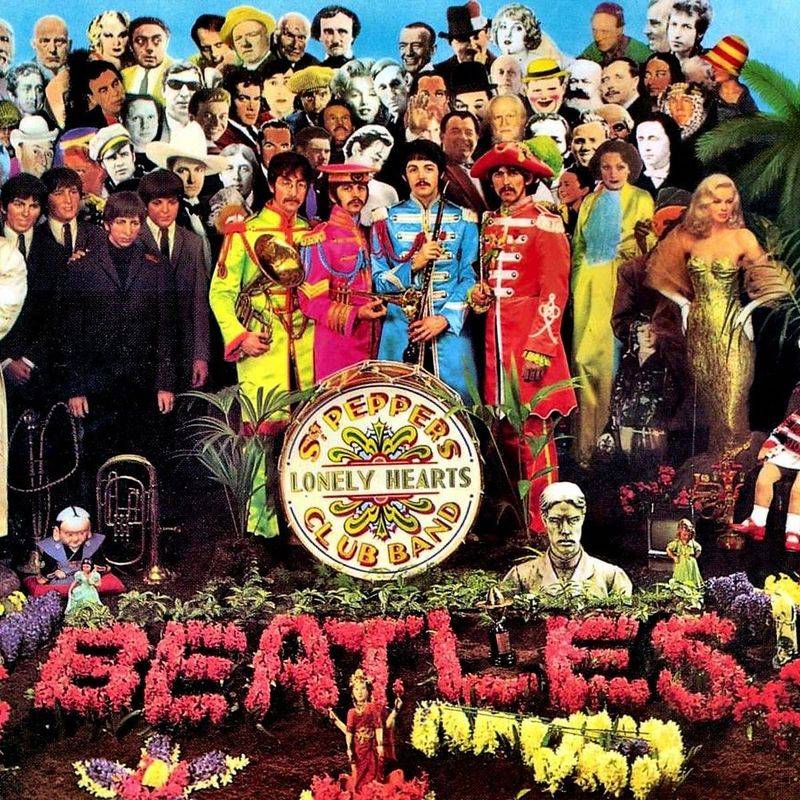
Closing out “Sgt. Pepper’s Lonely Hearts Club Band,” this track stitched together two unfinished song ideas from John Lennon and Paul McCartney into something far greater than either piece could have been alone.
The result was experimental, cinematic, and genuinely unlike anything pop music had attempted before.
That massive orchestral build in the middle — followed by pure silence, then another crescendo — still gives listeners chills. The final piano chord rings for nearly a full minute.
It’s the sound of a band operating at the absolute peak of their creative powers.
10. Respect by Aretha Franklin
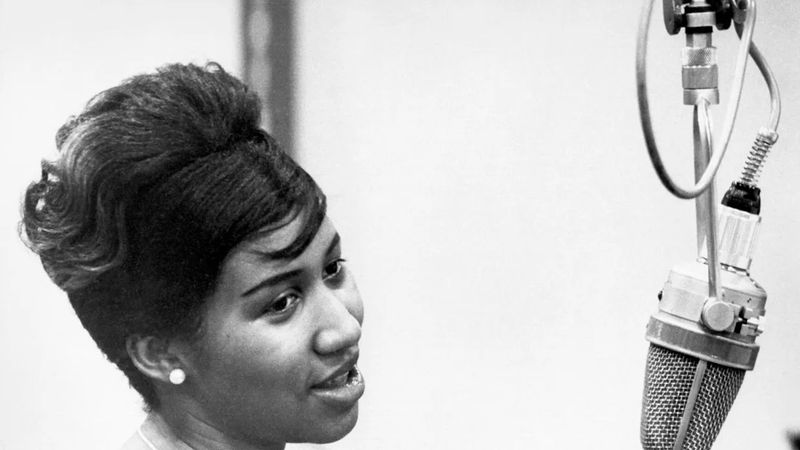
Originally written and recorded by Otis Redding, this song transformed completely when Aretha Franklin got hold of it. She flipped the perspective, added her sisters on backup vocals, and turned a man’s plea into a woman’s powerful demand — spelling out R-E-S-P-E-C-T with absolute authority.
The song became an anthem for both the civil rights movement and the women’s liberation movement simultaneously. Franklin’s vocal performance is so commanding and full of fire that it’s nearly impossible to imagine anyone else singing it with the same conviction.
11. Purple Rain by Prince
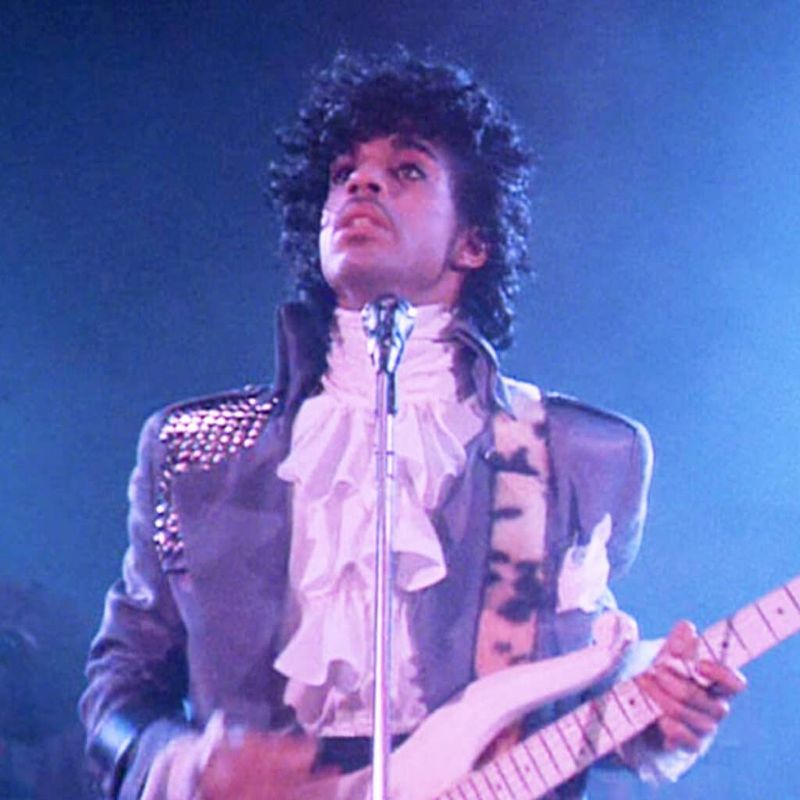
Prince closed out his 1984 film with this eight-minute guitar-driven ballad, and audiences sat in stunned silence before erupting into applause. The song wasn’t just a movie moment — it was a declaration that Prince belonged in the same conversation as the greatest rock performers who ever lived.
His guitar solo near the end is raw, emotional, and technically jaw-dropping all at once. It’s the kind of performance that makes musicians put down their instruments in awe. “Purple Rain” remains the crown jewel of one of music’s most dazzling careers.
12. Comfortably Numb by Pink Floyd
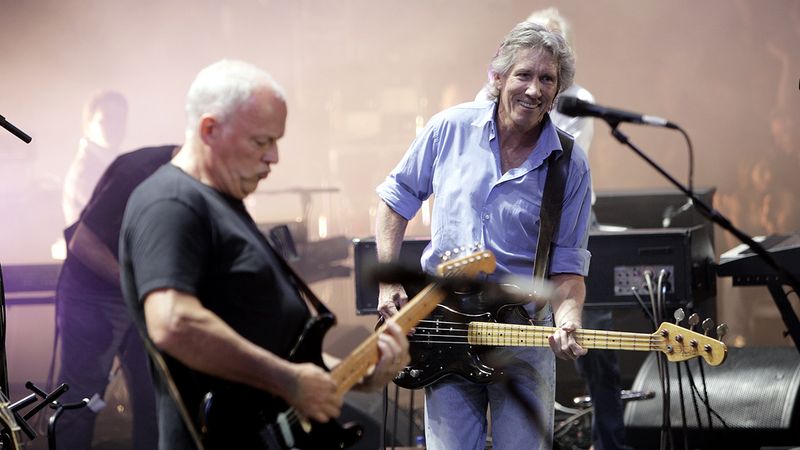
Built around two of the most celebrated guitar solos David Gilmour ever recorded, this song captures the eerie feeling of emotional disconnection with haunting precision. Roger Waters wrote the lyrics inspired by a real moment when a doctor injected him with tranquilizers before a show, leaving him numb and detached.
The contrast between Waters’ flat, clinical verses and Gilmour’s soaring, emotionally rich solos creates a tension that feels genuinely unsettling. Fans consistently rank the second guitar solo among the greatest ever committed to tape.
It hits somewhere deep every time.
13. Hallelujah by Leonard Cohen
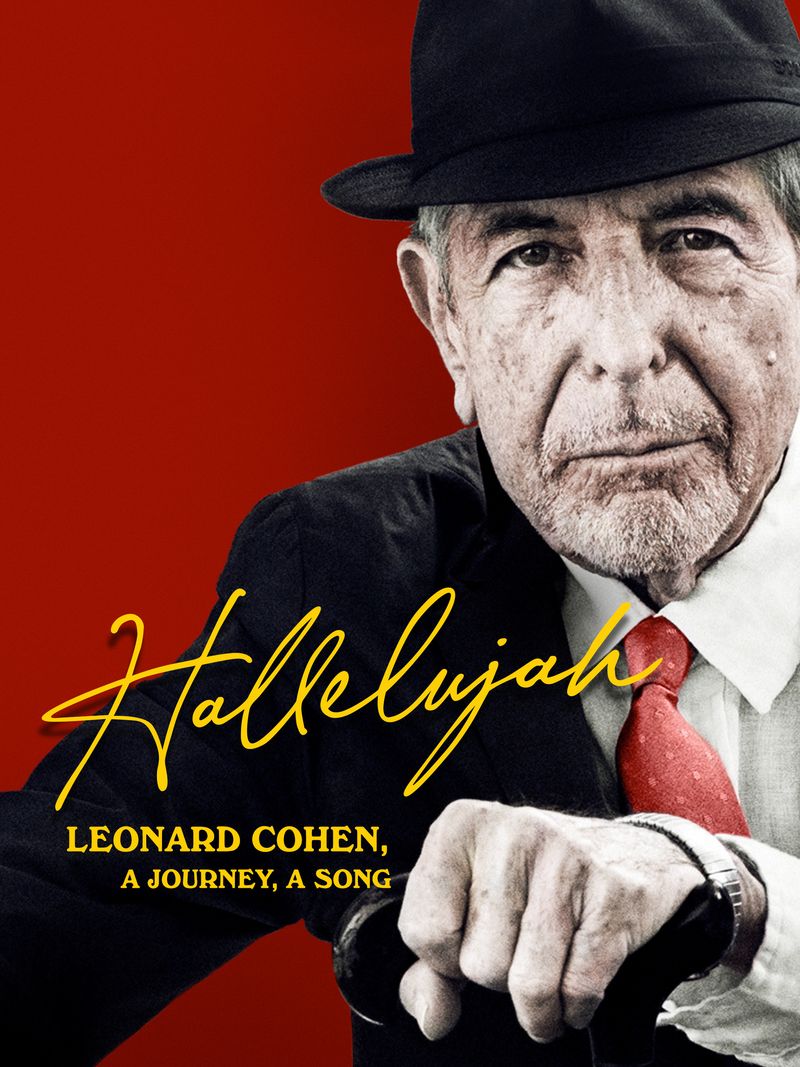
Leonard Cohen spent years writing and rewriting this song, reportedly filling two notebooks with discarded verses before settling on the final version. He called it a song about the struggle between the sacred and the profane — and that tension gives every line its emotional punch.
Jeff Buckley’s 1994 cover introduced the song to a whole new generation with a vocal performance so heartbreaking it became its own legend. Today, “Hallelujah” is considered one of the most covered songs in history, yet it never loses its power no matter who sings it.
14. God Only Knows by The Beach Boys
Paul McCartney has called this the greatest song ever written — and coming from a Beatle, that’s no small compliment. Brian Wilson crafted a chord progression so unusual and emotionally rich that it still catches musicians off guard when they try to figure it out on piano.
The song was groundbreaking for another reason too: it was one of the first pop songs to use the word “God” in its title without being labeled a gospel track. That small detail showed how seriously Wilson took the emotion he was trying to express.
15. Hey Jude by The Beatles
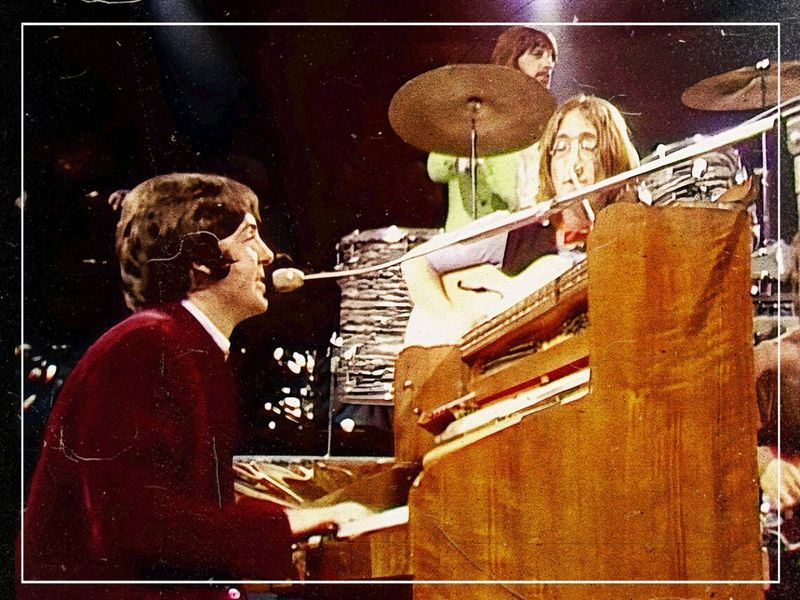
Paul McCartney wrote this song for John Lennon’s young son Julian during his parents’ painful divorce, turning a personal act of kindness into a universal anthem of encouragement. The opening piano line is one of the most comforting sounds in all of popular music.
At over seven minutes long, the song’s extended “na na na” outro became one of the most joyful sing-alongs in concert history. When McCartney plays it live today, entire stadiums join in without hesitation.
Few songs have ever made that many people feel so genuinely uplifted together.
16. Born to Run by Bruce Springsteen
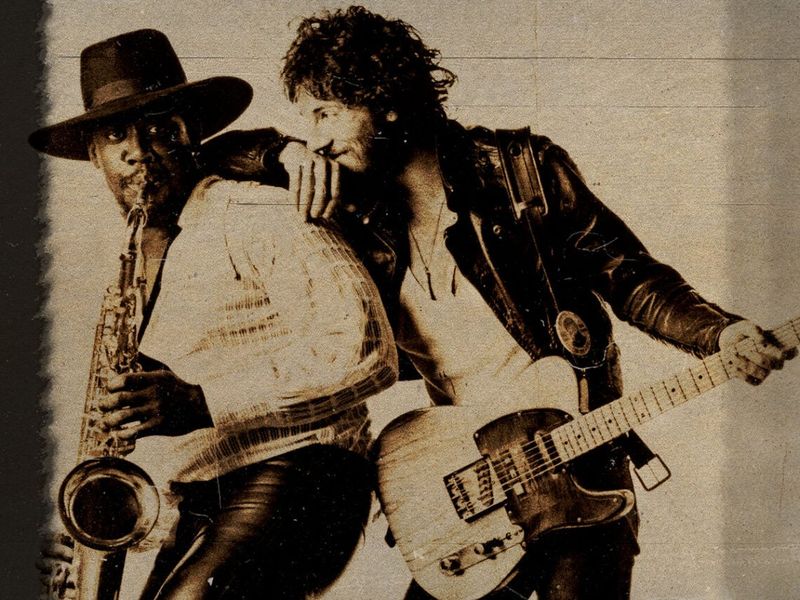
Springsteen spent six months recording this song, obsessing over every detail until it captured exactly the desperate, romantic feeling of two young people trying to escape their small-town lives. The result was a wall of sound so enormous it felt like the music itself was trying to break free.
Clarence Clemons’ saxophone solo tears through the track like a burst of pure adrenaline. Critics praised the song for packing the emotional weight of a short story into under five minutes.
It turned Springsteen from a promising newcomer into a genuine rock and roll icon overnight.
17. (I Can’t Get No) Satisfaction by The Rolling Stones
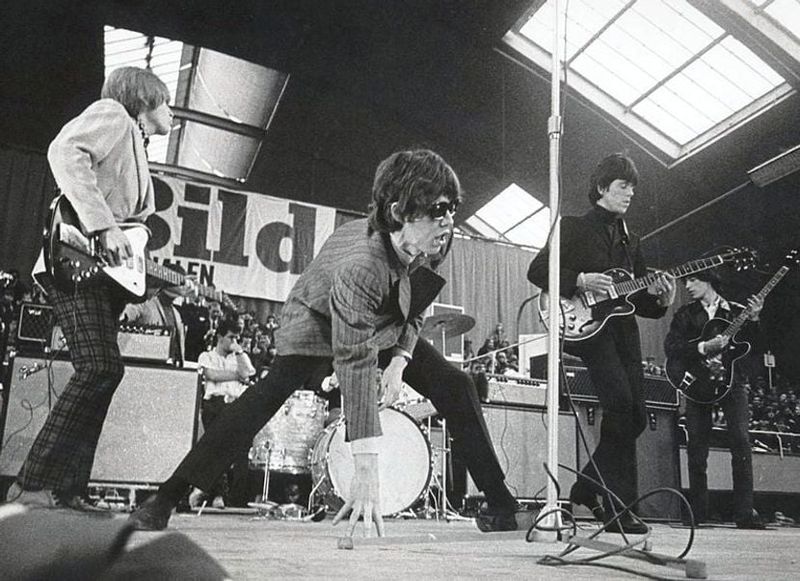
Keith Richards woke up in the middle of the night, grabbed a tape recorder, played the riff that would change rock history, and immediately fell back asleep. When he listened the next morning, he found two minutes of that immortal guitar hook followed by 40 minutes of snoring.
Mick Jagger’s lyrics captured the frustration of modern consumer culture with a directness that felt almost shocking for 1965. The song topped charts worldwide and defined what the Rolling Stones stood for: restless, rebellious, and impossible to ignore.
It remains their signature track over half a century later.
18. Sweet Child O’ Mine by Guns N’ Roses
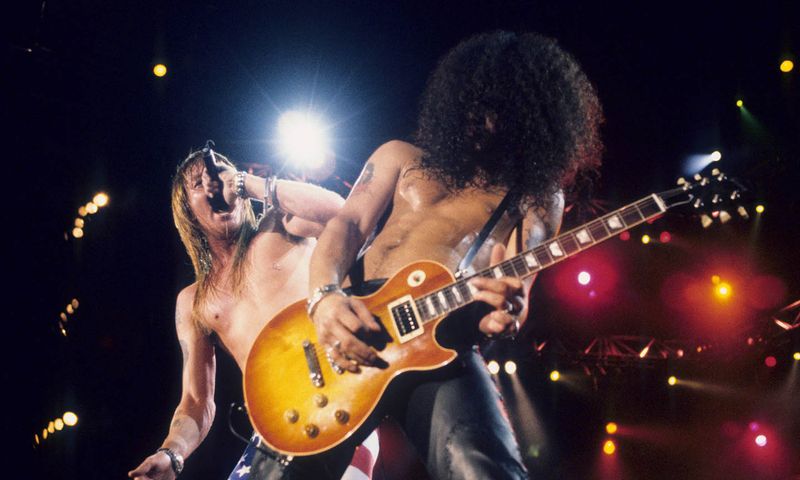
Slash came up with the opening guitar riff as a warm-up exercise — he called it a “circus melody” and never intended it to be a real song. Axl Rose heard it, wrote lyrics about his then-girlfriend in about 15 minutes, and one of the biggest rock anthems of the decade was born.
That combination of Slash’s melodic guitar work and Rose’s passionate vocals created something unexpectedly tender for a hard rock band. The song hit number one in the United States and introduced a softer, more vulnerable side of Guns N’ Roses that fans absolutely adored.
19. Thunder Road by Bruce Springsteen
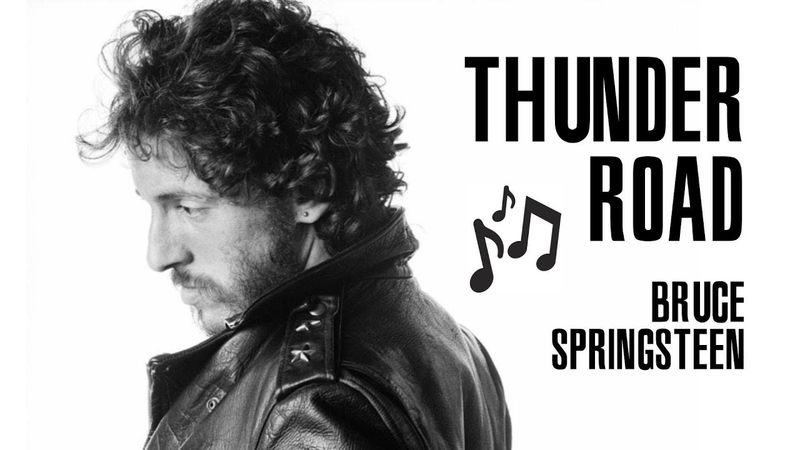
Opening “Born to Run” with nothing but a harmonica and a piano, this song sets up the entire album’s theme of escape and hope in under five minutes. Springsteen introduces characters so vivid and specific — Mary dancing across the porch, the radio playing — that listeners feel like they know these people personally.
Critics have called it the greatest album opener in rock history. Every word earns its place, and the emotional payoff when the full band kicks in is genuinely thrilling.
Springsteen himself has called it one of his proudest achievements as a songwriter.
20. Let It Be by The Beatles
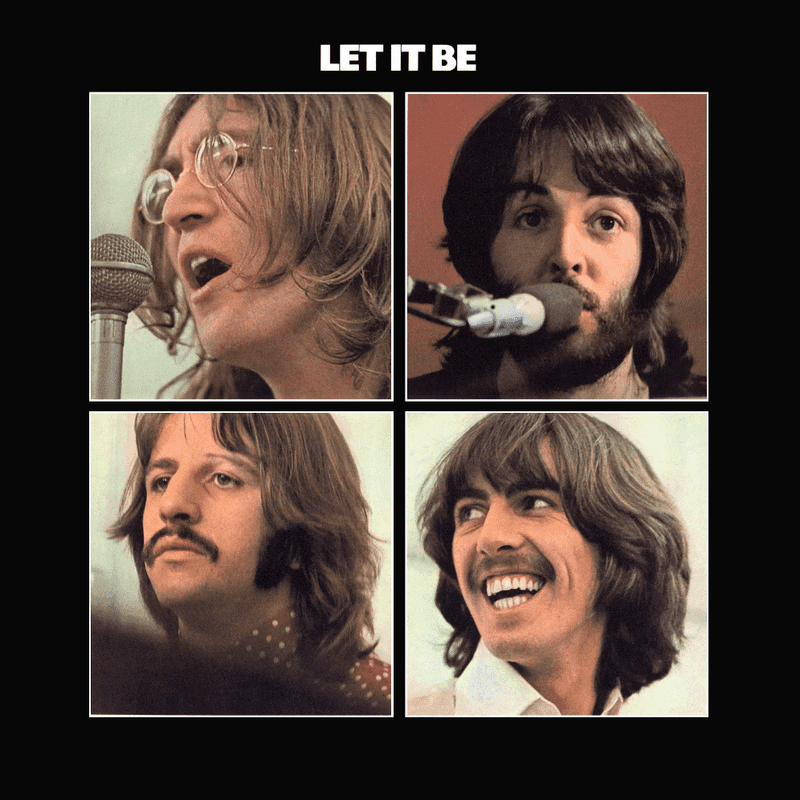
Paul McCartney wrote this song after dreaming about his late mother, Mary, who died of cancer when he was just 14 years old. In the dream, she came to him during a troubled time and told him simply to let it be — and he woke up and wrote the song immediately.
That deeply personal origin gives the track a spiritual warmth that feels almost hymn-like. The gospel piano, Billy Preston’s organ, and McCartney’s earnest delivery combine into something that feels both intimate and timeless.
As a farewell from the greatest band in history, it’s nearly perfect.