
Some movies are made purely for entertainment, but others seem almost designed to make your brain work overtime. These 16 films are packed with complex ideas, twisted timelines, and deep philosophical questions that leave most viewers scratching their heads.
Understanding them fully might just mean your mind operates on a higher level. Get ready to see how many of these cinematic puzzles you can truly crack.
1. Primer (2004)
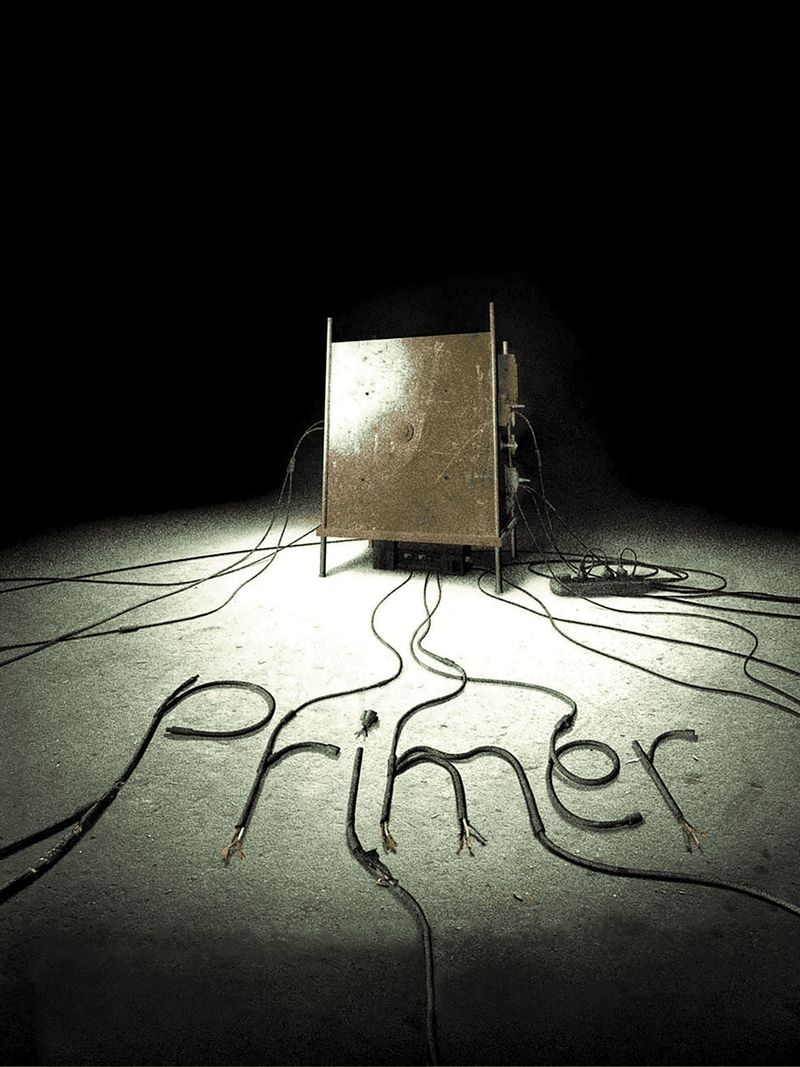
Made on a budget of just $7,000, Primer might be the most brain-bending time travel film ever created. Engineers Shane Carruth and David Sullivan wrote it with real science in mind, skipping Hollywood shortcuts entirely.
The film never holds your hand. Characters talk in technical jargon, timelines overlap, and cause-and-effect relationships fold in on themselves repeatedly.
Most viewers need multiple watches just to build a basic map of events.
Truly grasping Primer signals a sharp, detail-oriented mind.
2. Mulholland Drive (2001)
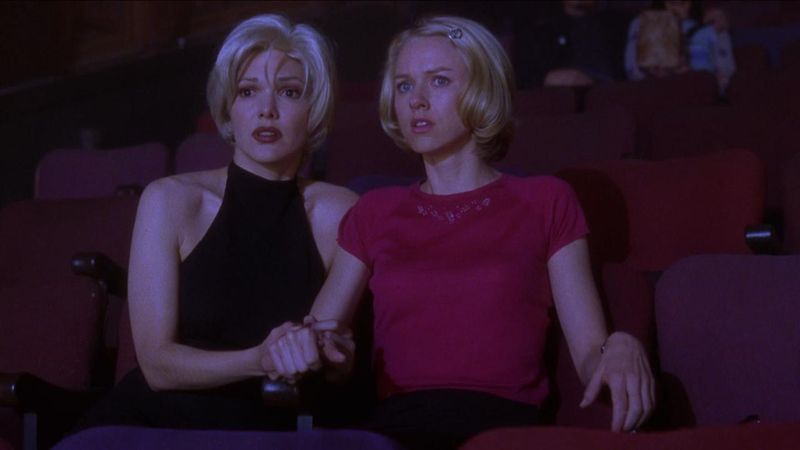
David Lynch built this film like a waking dream that slowly curdles into a nightmare. An aspiring actress arrives in Los Angeles full of hope, only for reality and illusion to collapse into each other without warning.
Lynch deliberately refuses to offer clean answers. Symbols repeat, identities shift, and logic bends at every turn.
Viewers who try to watch it like a normal movie will walk away completely lost.
Understanding it means embracing beautiful, productive confusion.
3. Inception (2010)
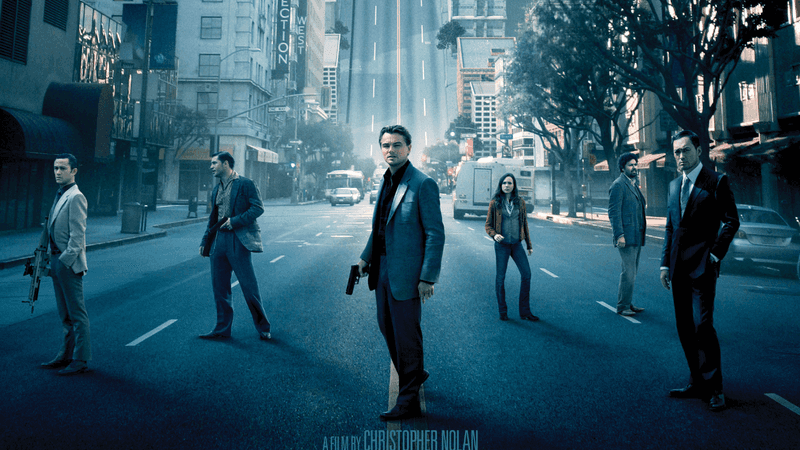
Christopher Nolan turned the concept of dreams into a multi-layered action thriller that rewards careful thinkers. Dom Cobb and his team enter dreams within dreams, each level operating under slightly different rules of time and physics.
The film asks serious philosophical questions about consciousness, memory, and what makes reality real. Casual viewers enjoy the spectacle, but sharper minds notice the deeper architecture Nolan carefully constructed beneath the surface.
That spinning top at the end still sparks debates today.
4. Memento (2000)
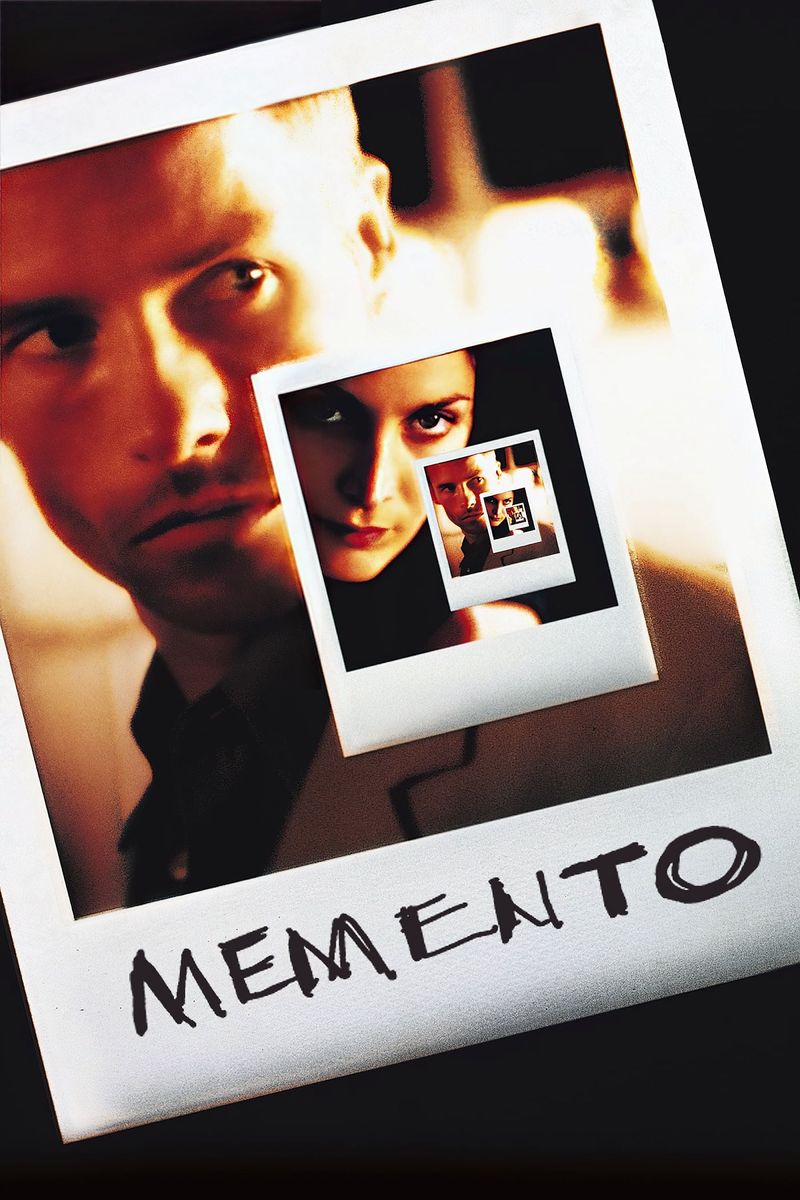
Nolan told this detective story backward, starting at the end and working toward the beginning. Leonard Shelby cannot form new memories, and the audience experiences his confusion firsthand because the film structure mirrors his fractured mind.
Piecing together the truth requires active engagement at every scene. You cannot zone out for even a minute without losing critical information.
Most viewers only grasp the full picture after a second careful viewing.
It rewards patience and sharp analytical thinking beautifully.
5. 2001: A Space Odyssey (1968)
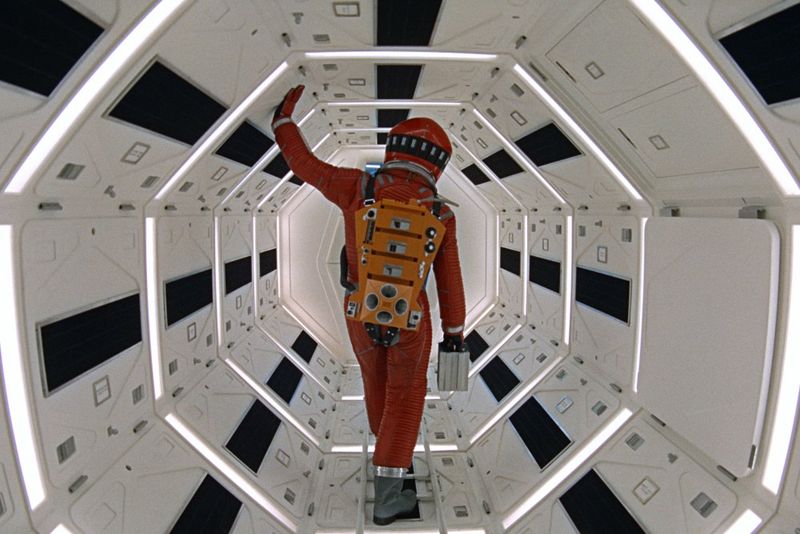
Stanley Kubrick crafted a film that deliberately refuses to explain itself. From the bone-to-spaceship jump cut to the psychedelic Star Gate sequence, every frame is packed with meaning that critics have spent decades trying to decode.
The film touches on human evolution, artificial intelligence, and the terrifying vastness of the cosmos. HAL 9000 alone raises questions about machine consciousness that still feel urgent today.
Fully understanding this film is almost a philosophical achievement.
6. Eternal Sunshine of the Spotless Mind (2004)
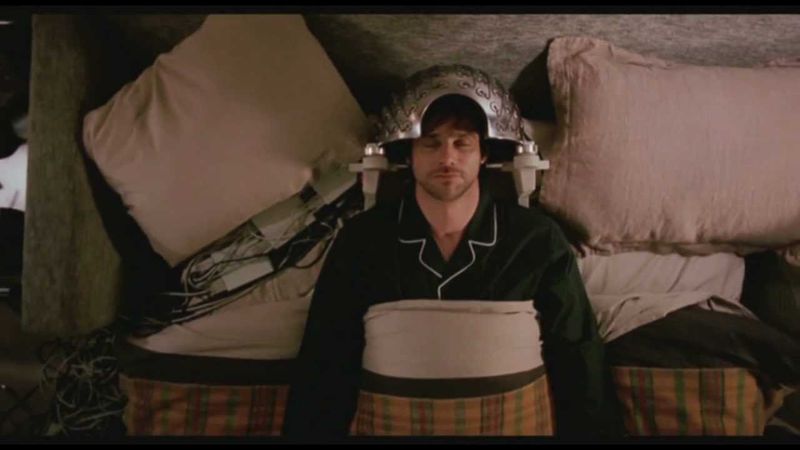
Charlie Kaufman wrote a love story where memories are literally erased, and the film structure mirrors that emotional unraveling in real time. Joel watches his memories of Clementine disappear one by one, moving from recent to oldest.
The non-linear timeline demands constant mental recalibration. Viewers must track which version of Joel they are watching at every moment.
Beyond the structure, the film asks whether painful memories are worth keeping, which is a genuinely hard question.
7. Donnie Darko (2001)
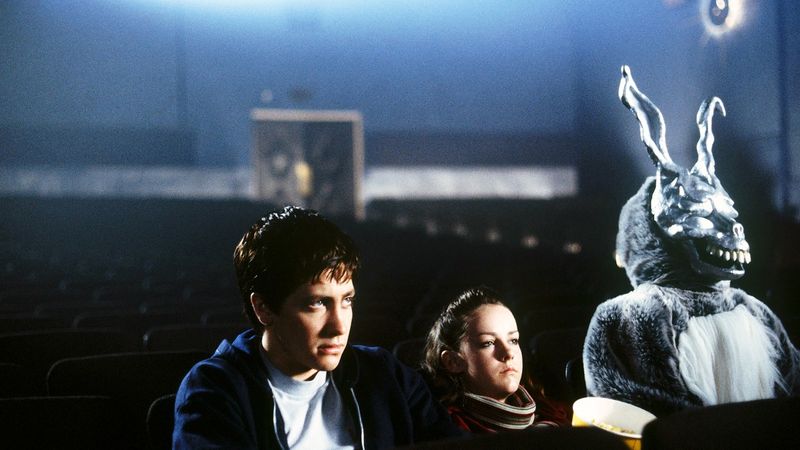
Jake Gyllenhaal plays a troubled teenager who receives apocalyptic visions from a terrifying rabbit named Frank. The film blends suburban anxiety, time travel theory, and teenage alienation into something that feels impossible to pin down.
Richard Kelly packed the story with references to philosophy, quantum physics, and religious symbolism. Many viewers enjoy it as a moody coming-of-age story without realizing the elaborate theoretical framework hiding underneath every scene.
Spotting all those layers is genuinely impressive.
8. Paprika (2006)
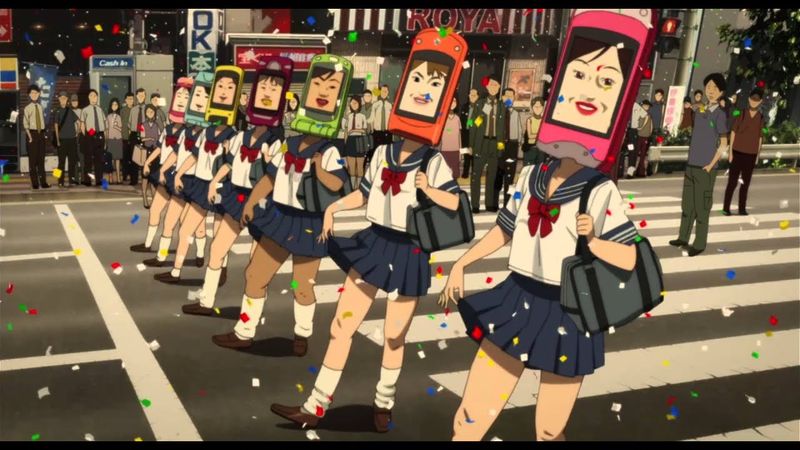
Years before Inception hit theaters, Satoshi Kon created this anime masterpiece about a device that allows therapists to enter patients’ dreams. The boundaries between dream and reality dissolve almost immediately, and the chaos escalates beautifully.
Kon layers visual metaphors so densely that a single pause-and-study session reveals new details every time. The parade sequences alone contain enough symbolic imagery to fill an entire film studies course.
Fully appreciating Paprika requires both patience and a sharp eye.
9. Solaris (1972)
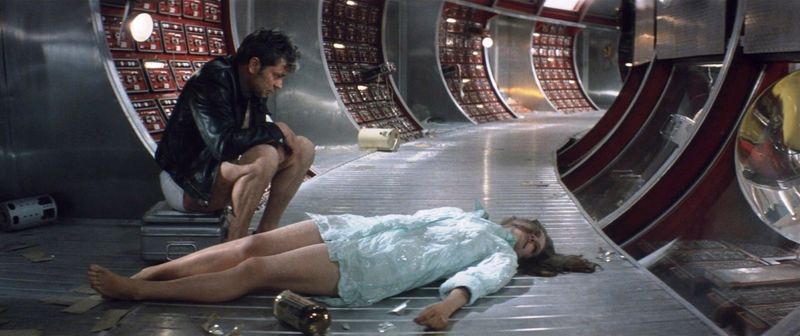
Andrei Tarkovsky made a science fiction film that has almost nothing to do with space adventure. Solaris is a slow, meditative exploration of grief, guilt, and the impossibility of truly knowing another person’s inner world.
The alien ocean does not communicate with logic but with memory, sending back perfect replicas of people the crew has lost. Tarkovsky wanted viewers to feel confused and unsettled by design.
Understanding it requires genuine philosophical openness, not just plot-following.
10. Tenet (2020)

Nolan invented the concept of temporal pincer movements for this film, where people and objects can flow backward through time while others move forward around them. The physics are genuinely complicated, not just movie-complicated.
Action sequences happen simultaneously in both directions, meaning a single fight scene requires understanding two timelines at once. Even dedicated viewers admit they leave the theater with more questions than answers.
Truly following Tenet is a real cognitive workout.
11. Synecdoche, New York (2008)
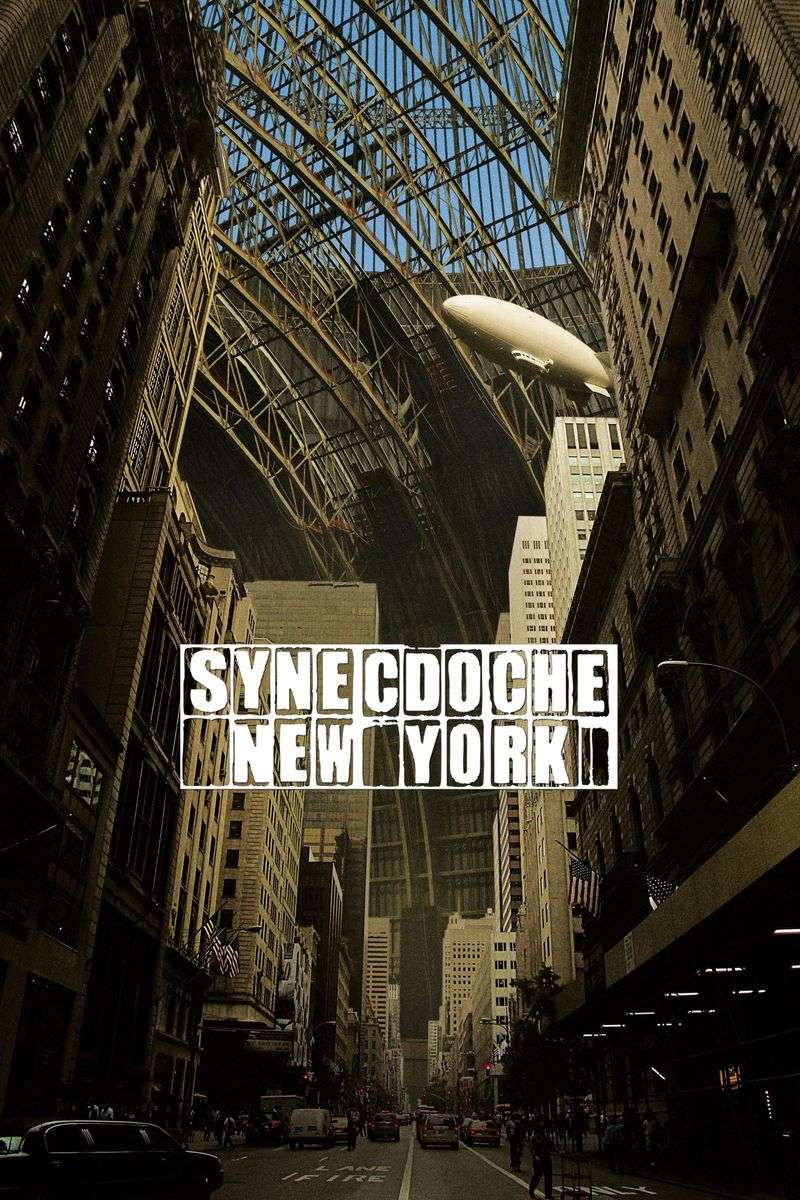
Charlie Kaufman directed this film about a theater director who builds an endlessly expanding replica of New York City inside a warehouse, casting actors to play everyone in his life including himself. Time moves unpredictably throughout.
The film functions as a meditation on mortality, creative obsession, and the impossibility of capturing real human experience in art. Most viewers find it deeply uncomfortable without being able to explain exactly why.
That discomfort is precisely the point Kaufman intended.
12. The Lobster (2015)

Yorgos Lanthimos built a world where single people must find a romantic partner within 45 days or be transformed into an animal of their choosing. The premise sounds absurd, but the film plays it completely straight-faced throughout.
Beneath the dark comedy lives a sharp critique of societal pressure around relationships and conformity. The film never winks at the audience or softens its strange rules.
Viewers who catch the satire beneath the surface are reading the film on the right frequency.
13. Arrival (2016)

On the surface, Arrival is about communicating with alien visitors. Underneath, it teaches audiences about semiotics, the Sapir-Whorf hypothesis, and the idea that the language you speak shapes how you experience time itself.
The emotional gut-punch at the end only lands fully if viewers understood the non-linear time concept woven quietly through every earlier scene. Many people cry without fully knowing why.
Those who grasp the linguistic framework feel the film on an entirely deeper level.
14. Ex Machina (2014)
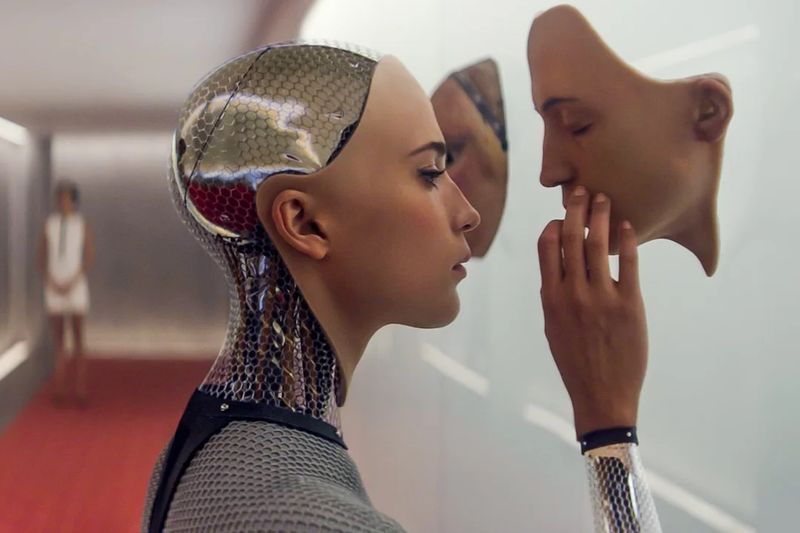
Alex Garland stripped artificial intelligence down to its most unsettling core question: how would you know if a machine was truly conscious or simply simulating consciousness perfectly? Caleb arrives thinking he is testing an AI named Ava, but Ava is quietly testing him right back.
The film builds its tension through conversation and subtle manipulation rather than action sequences. Viewers who catch Ava’s strategy early are thinking like the film wants them to think.
Missing it means the ending hits like a cold surprise.
15. Interstellar (2014)
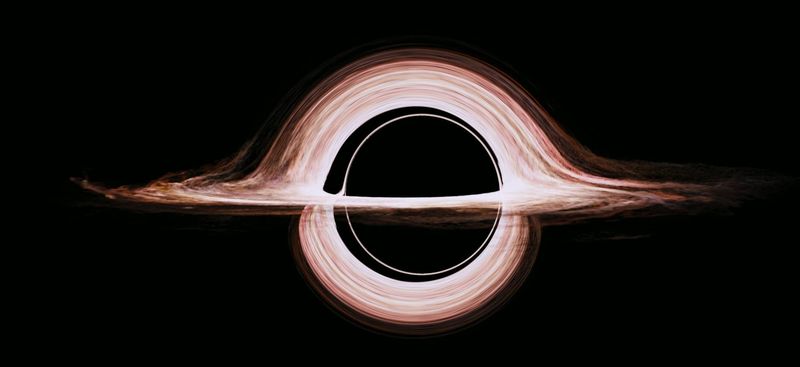
Nolan collaborated with physicist Kip Thorne to make this film as scientifically grounded as possible. Black holes, time dilation, wormholes, and the fifth dimension are all presented with real theoretical backing rather than pure science fiction convenience.
The tesseract scene near the end requires understanding that love and gravity might operate across dimensions of time. Casual viewers call it beautiful and confusing.
Viewers who studied the science beforehand experience something closer to genuine awe mixed with intellectual satisfaction.
16. A Beautiful Mind (2001)
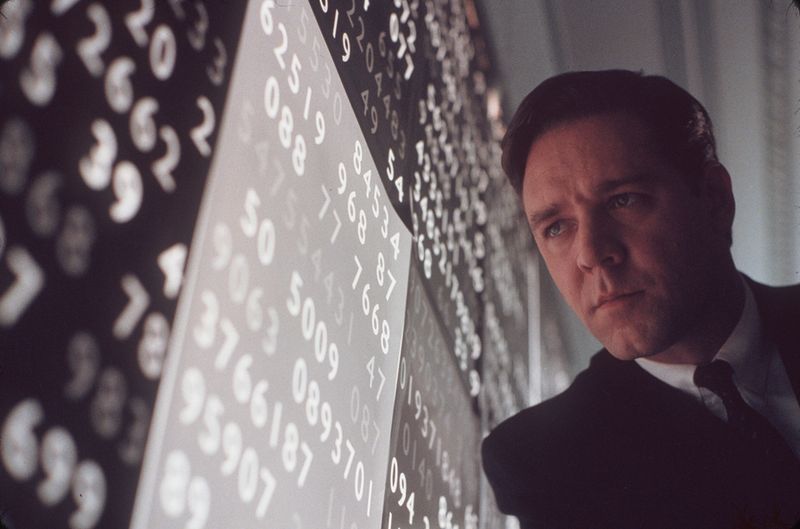
Russell Crowe plays John Nash, a real Nobel Prize-winning mathematician whose groundbreaking work on game theory transformed economics and social science forever. The film captures both his genius and his devastating struggle with schizophrenia.
Early in the film, viewers are deliberately tricked into seeing Nash’s hallucinations as reality, mirroring his own inability to distinguish between the two. Catching that trick early rather than being shocked by the reveal is a genuine sign of sharp, attentive viewing.