
Some people seem to feel everything more deeply than the rest of us, and there’s actually a reason for that. Highly empathetic people, sometimes called empaths, experience the world in ways that can feel overwhelming, magical, and exhausting all at once.
Their behaviors can seem strange or even quirky to others who don’t share the same emotional depth. If you’ve ever wondered why certain people cry at commercials, avoid crowds, or always seem to know exactly how you’re feeling, this list is for you.
1. They Absorb Other People’s Emotions Like a Sponge

Walk into a room where someone is furious, and a highly empathetic person doesn’t just notice the anger — they start feeling it themselves. This emotional absorption happens automatically, almost like breathing.
It’s not a choice; it’s simply how their nervous system responds to the energy around them.
Over time, this can cause genuine exhaustion, because carrying emotions that aren’t yours is heavy work. Many empaths struggle to separate their own feelings from those they’ve picked up from others.
2. Loud Noises and Strong Smells Affect Them More Intensely
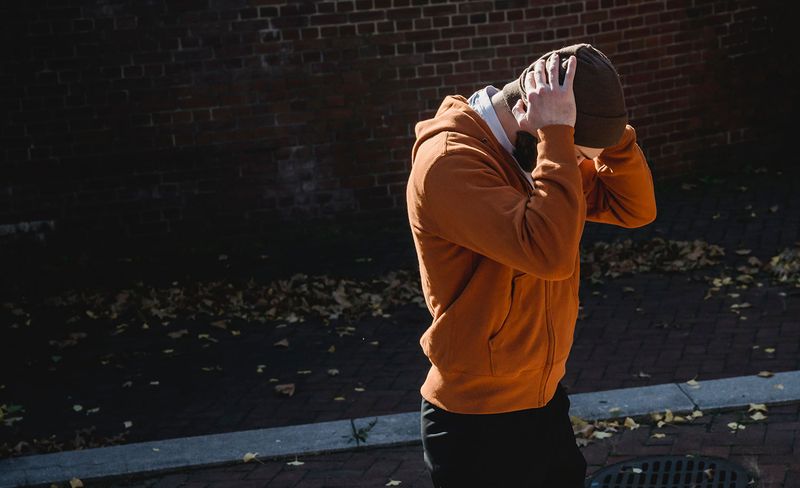
For most people, a loud concert or a strong perfume is just a minor inconvenience. For highly empathetic individuals, those same sensory experiences can feel genuinely overwhelming.
Their brains process sensory input at a much deeper level, which means everything hits harder and lingers longer.
Bright lights, strong scents, or scratchy fabrics can ruin an entire day. This heightened sensitivity is closely tied to their emotional awareness — their whole system is simply turned up louder than average.
3. Big Crowds Leave Them Feeling Completely Drained

Grocery stores, concerts, busy malls — these places can feel like emotional war zones for empaths. Every person in a crowd carries their own emotional energy, and an empath’s system picks up on all of it simultaneously.
What feels exciting to most people feels like emotional overload to them.
After spending time in crowded spaces, empaths often need hours alone just to recover. It’s not antisocial behavior — it’s emotional survival.
Solitude genuinely restores their mental and physical energy.
4. Their Gut Feelings Are Surprisingly Accurate

You know that moment when something just feels off, even though nothing obvious is wrong? Empaths live in that feeling constantly.
Their intuition is so finely tuned that they often sense dishonesty, hidden pain, or unspoken tension long before anyone else does.
Science suggests this may be linked to their heightened ability to read microexpressions and body language unconsciously. Many empaths describe knowing things they have no logical reason to know — and being right more often than not.
5. Saying “No” Feels Almost Physically Painful to Them

Empaths feel other people’s disappointment so deeply that refusing a request can feel genuinely agonizing. Their natural instinct is to help, soothe, and support — even when doing so comes at a serious personal cost.
This makes boundary-setting one of their biggest lifelong challenges.
People pleasers often develop this pattern because saying no triggers guilt that feels unbearable. Learning to protect their own energy without guilt is something many highly empathetic people spend years working through in therapy or self-development.
6. Romantic Relationships Can Feel Suffocating to Them

Being deeply emotionally connected sounds romantic, but for empaths, it can tip into overwhelm quickly. When they love someone, they feel that person’s moods, stress, and worries as if they were their own.
The emotional weight of a close relationship can sometimes feel like too much to carry.
Empaths often need more alone time than their partners expect, which can cause misunderstandings. It’s not emotional distance — it’s self-preservation.
Without regular space to decompress, they risk losing their own sense of identity entirely.
7. They Tend to Attract People Who Drain Their Energy
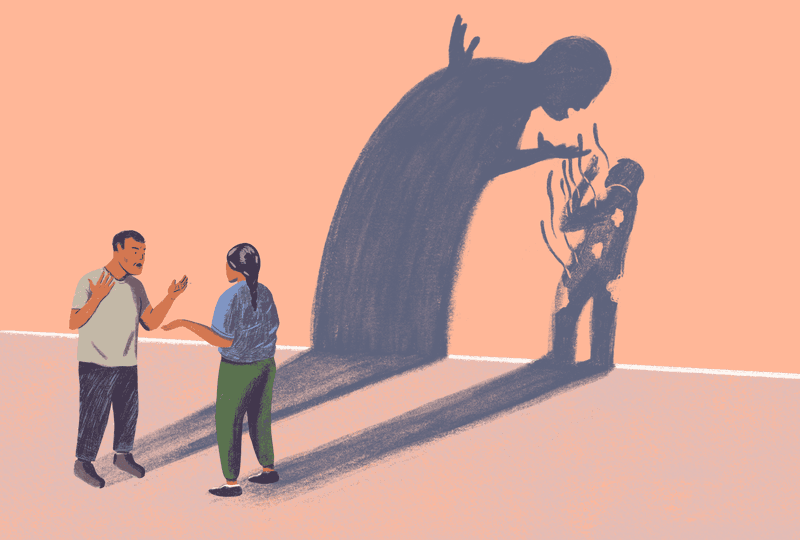
There’s a pattern many empaths notice over time: certain people seem to find them like magnets. These so-called “energy vampires” are drawn to empaths because empaths listen without judgment, give freely, and rarely push back.
It feels like a safe place to unload — because it genuinely is.
The problem is that empaths often leave these interactions feeling completely hollow. Recognizing this pattern is the first step toward protecting themselves.
Not every person who seeks their energy deserves unlimited access to it.
8. Nature Feels Like a Genuine Reset Button for Them

Ask an empath where they go when life gets to be too much, and many will say the same thing: outside. Trees, rivers, open fields, and ocean waves have a grounding effect that feels almost medicinal to highly sensitive people.
Nature doesn’t demand anything emotionally — it just exists.
Research supports this too. Spending time outdoors lowers cortisol levels and calms the nervous system.
For empaths, whose systems are constantly overstimulated, nature isn’t just pleasant — it’s genuinely necessary for emotional balance and recovery.
9. Conflict Makes Them Feel Physically Ill

Most people find arguments unpleasant. For empaths, conflict registers as something closer to a physical threat.
Their bodies tense up, their stomachs churn, and the emotional chaos of everyone involved floods their system all at once. Even witnessing an argument between strangers can leave them shaken.
This isn’t weakness — it’s their empathy working overtime. They feel every sharp word and frustrated sigh as if it were directed at them personally.
Many empaths will go to extraordinary lengths just to keep the peace around them.
10. Sad Movies and News Stories Hit Them Unusually Hard
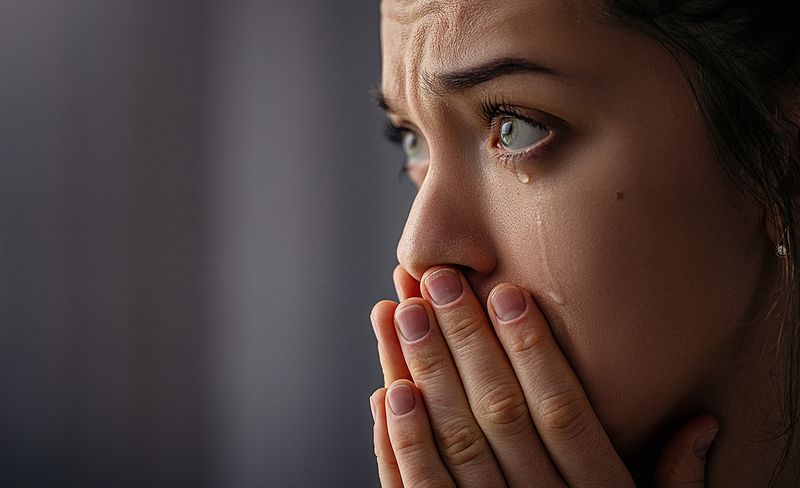
Fictional characters, real disaster victims, animals in distress — empaths grieve all of them with startling intensity. A news story about suffering halfway around the world can ruin their entire week.
They don’t just feel sympathy; they absorb the pain as though it’s happening to someone they love.
Many empaths have to carefully manage their media consumption to protect their mental health. This isn’t oversensitivity — it’s their emotional system responding exactly as it’s wired to.
The pain is real, even when the source is a movie screen.
11. Emotional Overload Can Show Up as Real Physical Symptoms

Headaches, fatigue, stomach aches, and even chest tightness — empaths frequently experience physical symptoms that doctors sometimes struggle to explain. When emotional overload goes unchecked, it doesn’t stay in the mind.
It migrates into the body, creating very real discomfort that has an emotional root.
Chronic fatigue and anxiety are especially common among people who absorb others’ emotions daily without proper recovery time. Learning to recognize these signals as emotional rather than purely physical can be a game-changer for empaths managing their long-term health.
12. They Overanalyze Situations to Try to Prevent Pain

Replay. Rewind.
Analyze. Repeat.
Empaths often get caught in loops of overanalyzing past conversations or upcoming situations because they desperately want to prevent hurt — for themselves and for others. If they can just anticipate what might go wrong, maybe they can stop it from happening.
This habit, while well-intentioned, often creates anxiety rather than preventing it. The truth is, not every painful moment can be predicted or avoided.
Many empaths benefit greatly from mindfulness practices that help quiet the mental chatter and accept uncertainty.
13. Strangers Open Up to Them Almost Immediately
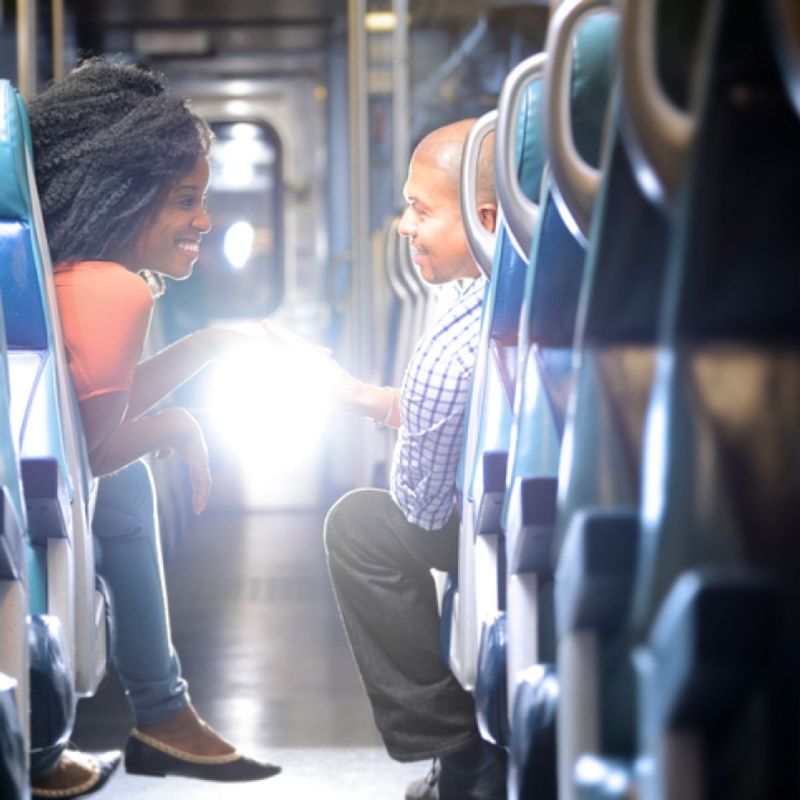
There’s something about empaths that makes people feel instantly safe. Strangers on planes, cashiers at grocery stores, people at parties — they all seem to sense that this is someone who will truly listen.
Within minutes, people are sharing things they haven’t told their closest friends.
Empaths don’t always invite these conversations, but they rarely push them away either. Their natural warmth and non-judgmental energy create an invisible open door.
While this can be beautiful, it also means empaths carry a lot of other people’s stories and pain.
14. They Feel a Deep, Unexplained Connection to Animals

Animals and empaths often find each other with uncanny reliability. Dogs calm down around them, cats choose their laps, and even wild animals seem less skittish in their presence.
Empaths connect with animals on an emotional frequency that bypasses language entirely.
Many empaths say animals feel safer than people — and honestly, it makes sense. Animals don’t have hidden agendas or complicated emotional baggage to absorb.
The relationship is pure, honest, and restorative in a way that human connection, as beautiful as it is, sometimes can’t match.
15. Creative Expression Feels Like an Emotional Necessity

Writing, painting, music, dance — for highly empathetic people, creative outlets aren’t hobbies. They’re pressure valves.
With so much emotional energy constantly flowing in, empaths need somewhere healthy to channel it out. Art becomes a way of processing what words alone can’t contain.
Many famous artists, writers, and musicians have described themselves as deeply empathetic. Their work carries emotional weight that resonates with audiences precisely because it was born from genuine feeling.
For empaths, creating isn’t optional — it’s how they stay emotionally balanced and sane.
16. They Struggle to Watch Others Suffer Without Intervening

Watching someone struggle and doing nothing about it is almost impossible for an empath. Whether it’s a coworker who looks stressed, a child crying in a store, or a homeless person on the street, the pull to help is overwhelming and immediate.
Standing by feels like a personal failure.
This impulse is beautiful but can also be exhausting. Empaths sometimes overextend themselves trying to fix problems that aren’t theirs to fix.
Learning when to help and when to step back is one of the most important skills an empath can develop.
17. They Need More Recovery Time After Social Events

After a party or social gathering, most people feel energized or simply tired. Empaths often feel like they’ve run an emotional marathon.
Every interaction, every mood they absorbed, every unspoken tension they sensed — it all accumulates and demands serious recovery time afterward.
This is why empaths are often mistaken for introverts, even when they genuinely enjoy socializing. The issue isn’t people — it’s the emotional residue that lingers long after the event ends.
A quiet evening alone isn’t antisocial; it’s essential maintenance for their well-being.
18. They Often Know What Someone Needs Before Being Asked

Before a word is spoken, empaths have often already assessed the emotional temperature of the room. They notice the tight jaw, the forced smile, the slightly too-quiet voice.
And they act on it — bringing comfort, changing the subject, or simply sitting in silence with someone who needs company.
This ability can feel almost supernatural to the people on the receiving end. It’s not magic, though — it’s years of unconscious emotional reading made effortless through constant practice.
For empaths, tuning into others isn’t something they do. It’s simply who they are.