
Life as a homemaker in the 1950s was a world of its own, shaped by strict expectations, new gadgets, and a culture that celebrated domesticity above almost everything else. Women were expected to keep spotless homes, raise well-behaved children, and greet their husbands with a hot meal every evening.
Behind the cheerful magazine covers and TV commercials, though, the real story was far more complex and surprising. Get ready to discover what daily life truly looked like for homemakers during this iconic decade.
1. The Picture-Perfect Image Was Mostly a Myth
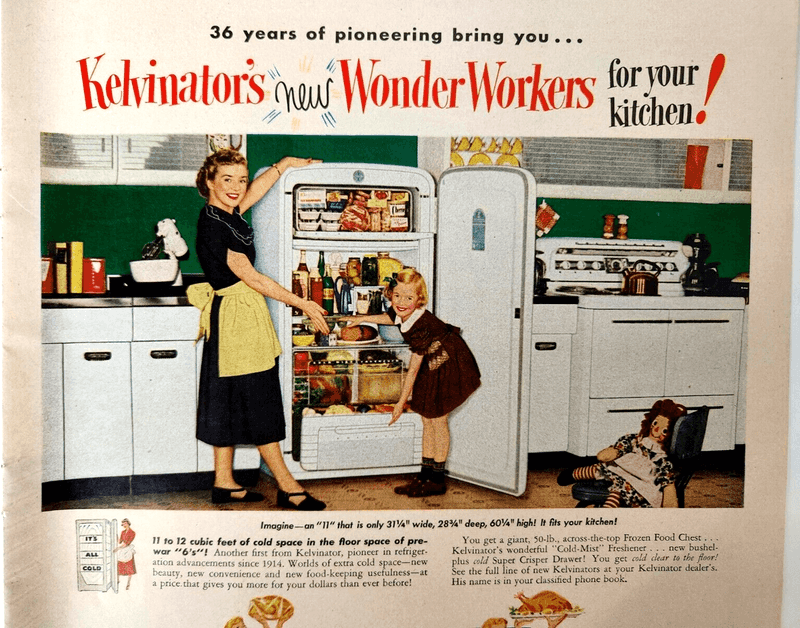
Flip through any 1950s magazine and you would find the same glowing image: a perfectly dressed woman beaming over a spotless kitchen. Advertisers and TV shows worked overtime to sell this “happy homemaker” fantasy.
But real women knew the truth. Behind the cheerful smile were long hours, physical exhaustion, and little recognition.
The gap between the ideal and reality was enormous, yet most women felt pressure to keep up appearances anyway.
2. Marriage Was Considered the Greatest Goal
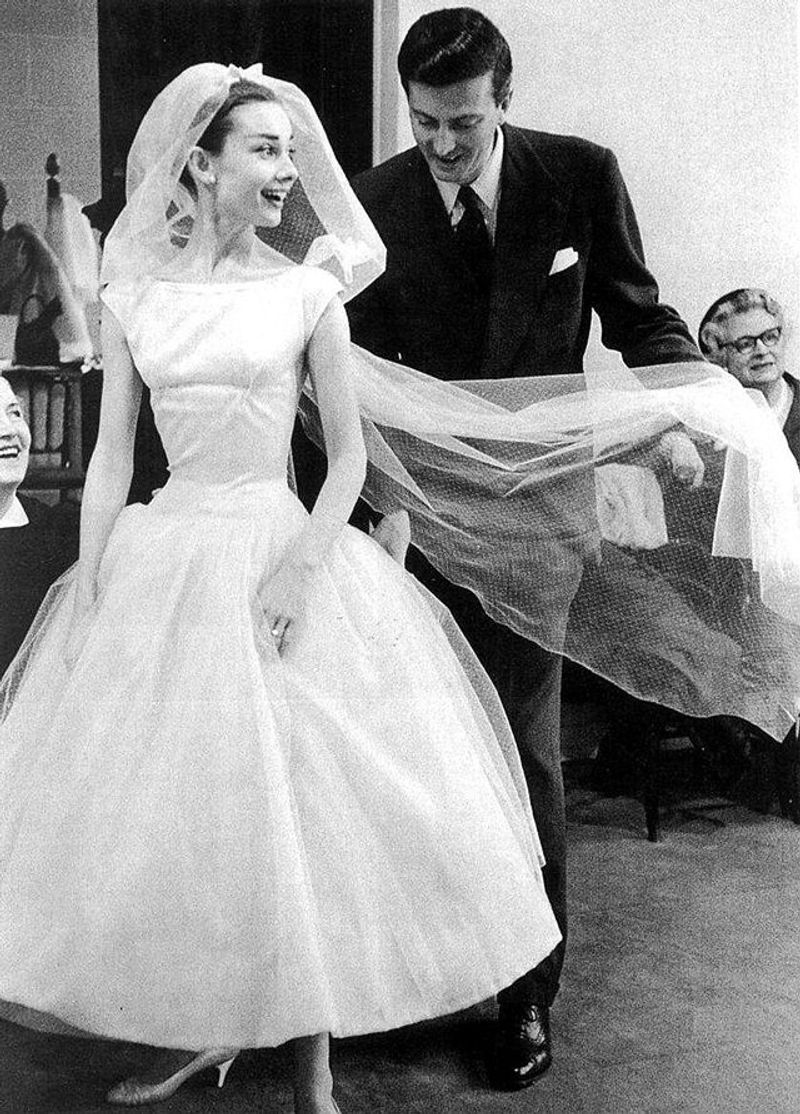
Getting married young was not just common in the 1950s, it was practically expected. Many girls married straight out of high school or shortly after college, with society treating a wedding ring as the ultimate life achievement for a woman.
Career ambitions often took a backseat. A woman who chose work over marriage was sometimes viewed with suspicion or pity.
The cultural message was loud and clear: a good life meant a husband, a home, and children.
3. Mornings Were an Olympic-Level Workout
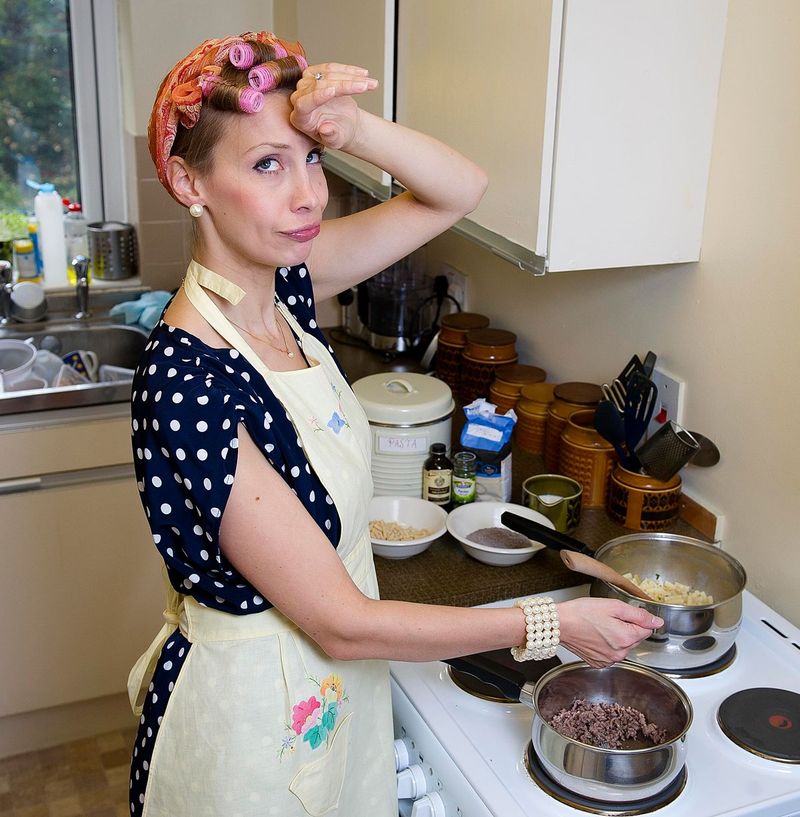
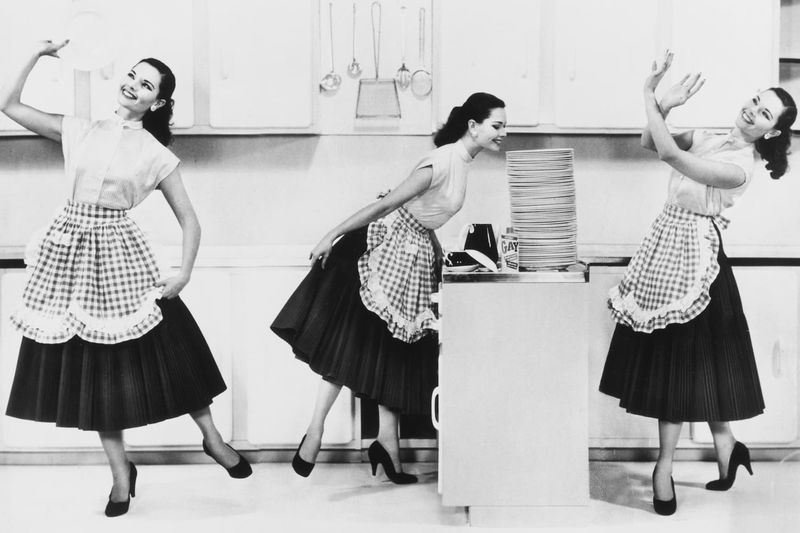
Before most families even finished breakfast, the average 1950s homemaker had already tackled a mountain of chores. Waking up early, she would serve breakfast, wash dishes by hand, make beds, sweep floors, and dust furniture, all before mid-morning.
Some women even followed morning exercise programs on early television shows to stay active. The physical demands of running a household without modern conveniences made every single morning feel like a full-body workout before the real work even began.
4. Grocery Shopping Was a Daily Adventure
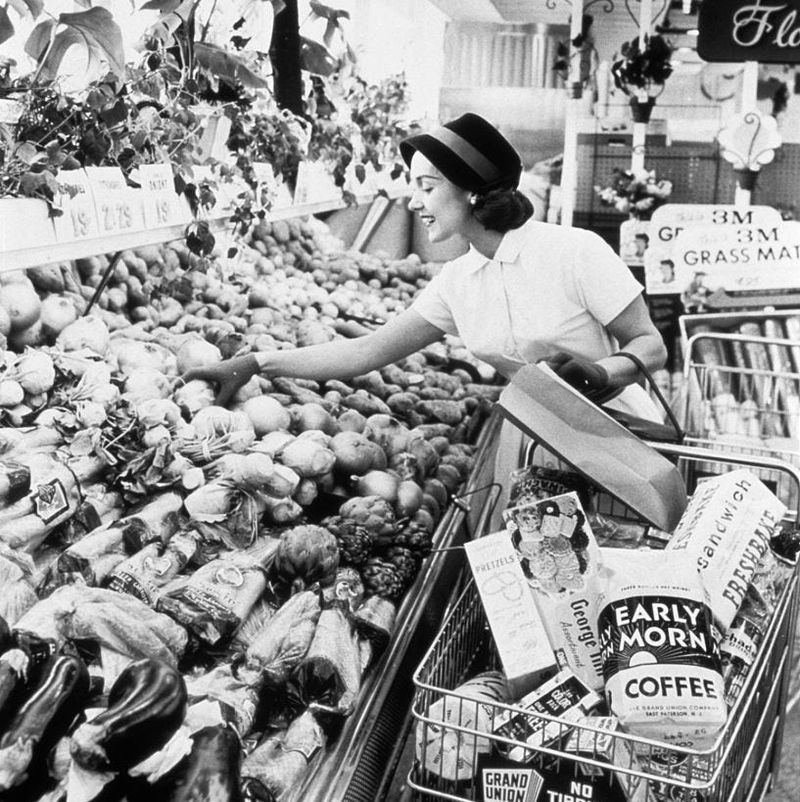
Forget one big weekly supermarket trip. In the 1950s, grocery shopping meant visiting several different local shops every single day.
A homemaker would head to the baker for bread, the butcher for meat, and the greengrocer for vegetables, often on foot.
Large supermarkets were just beginning to appear, so this daily routine was standard. It was time-consuming but also social, giving women a chance to chat with neighbors and shopkeepers as part of their regular community life.
5. The Dress Code Was Surprisingly Strict
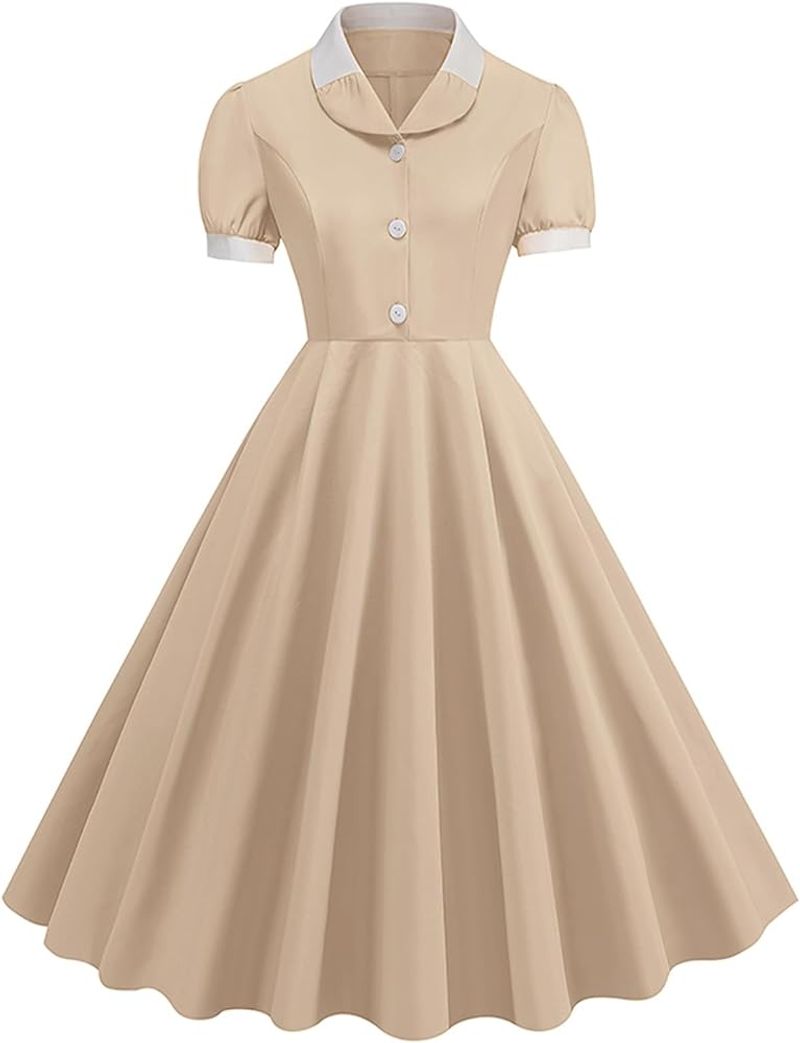
Most 1950s homemakers had two distinct wardrobes for one single day. Practical “housedresses” were worn during the messy morning chores, but by afternoon, women were expected to change into something prettier and more presentable.
This unwritten rule applied even when staying home. The idea was that a well-kept appearance reflected a well-kept household.
Looking put-together was considered part of the job, and many women took this expectation seriously, even if it added another task to their already packed day.
6. Dinner Had to Be Hot, Homemade, and on Time
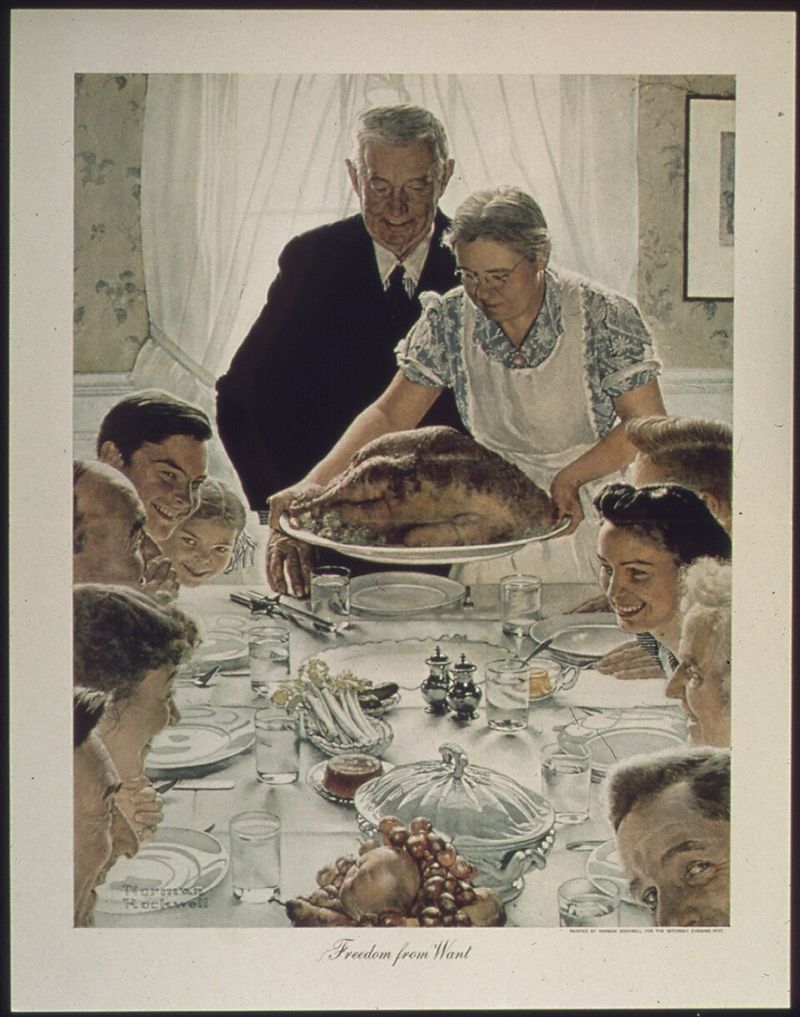
Few things carried more pressure in a 1950s household than dinnertime. A homemaker was expected to have a hot, home-cooked meal ready the moment her husband returned from work, presented beautifully on a properly set table.
Meals were rarely simple. Roasts, casseroles, and freshly baked goods were standard expectations.
Women spent significant portions of their afternoon planning and preparing, because serving a cold or unimpressive dinner was seen as a reflection of poor homemaking skills.
7. Laundry Day Was a Serious All-Day Commitment
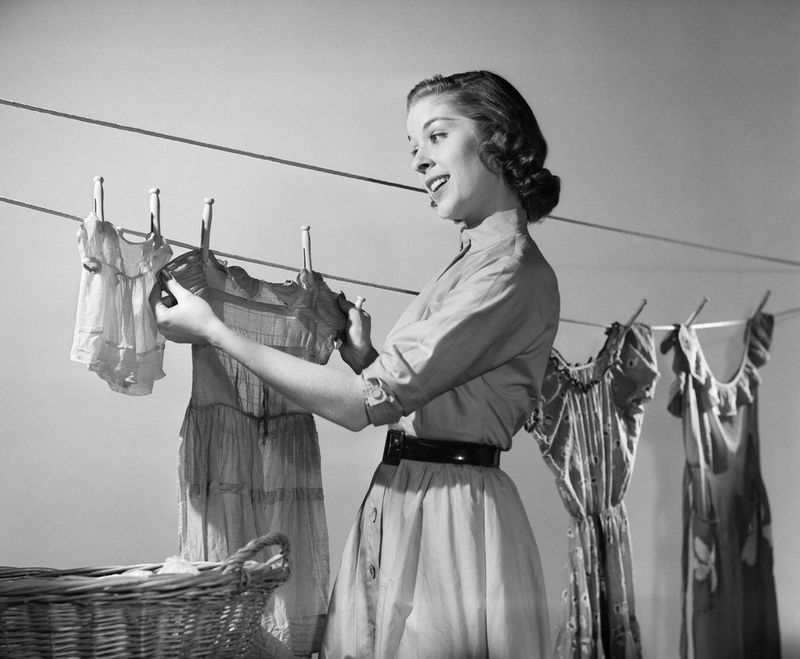
Laundry in the 1950s was not a quick chore you could squeeze between other tasks. Dedicated laundry days often consumed an entire day, involving soaking, washing, wringing, hanging, and later ironing every single item.
Even though electric washing machines were becoming more common, many households still used older crank-handle models or did portions by hand. Ironing alone could take hours.
A crisp, wrinkle-free shirt was a point of pride, and homemakers took that responsibility very seriously.
8. New Appliances Were Exciting But Overhyped
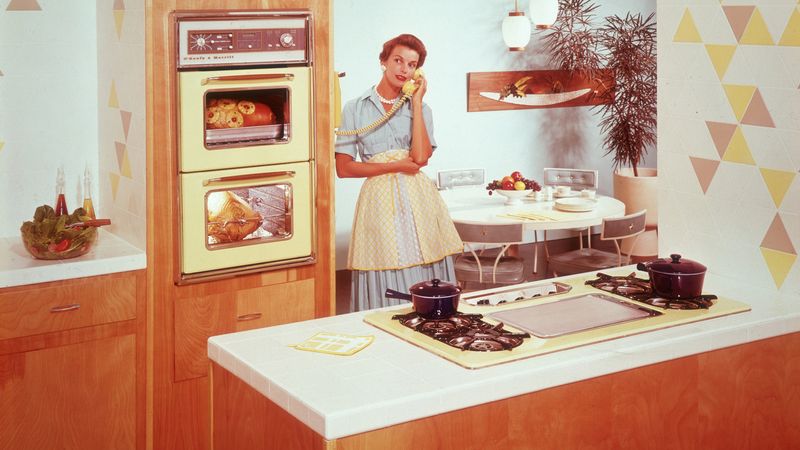
Refrigerators, automatic washing machines, blenders, and electric toasters were flooding American homes in the 1950s, and advertisers promised they would revolutionize housework. For many women, these gadgets genuinely were exciting and helpful.
However, the reality was more complicated. New appliances raised expectations rather than reducing workload.
If you had a modern refrigerator, you were expected to keep it stocked with perfectly fresh food. Convenience tools often just created higher standards, meaning homemakers worked just as hard as before.
9. Processed Foods Changed the Kitchen Forever
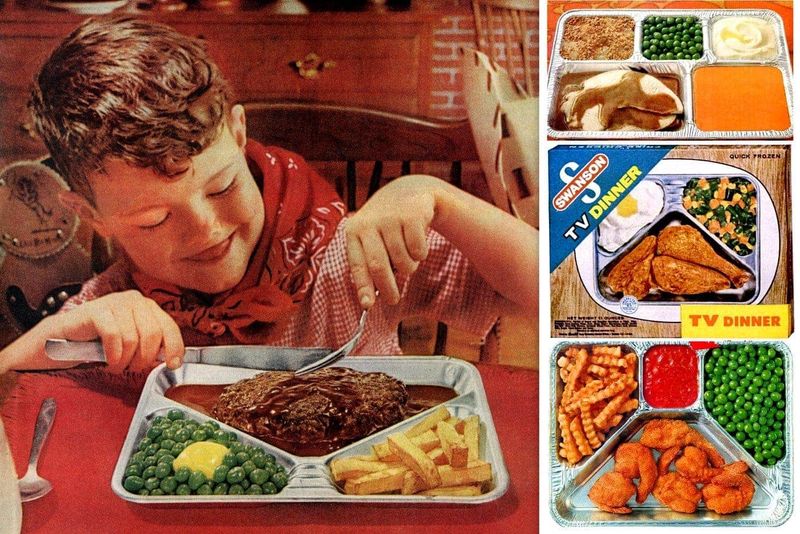
The 1950s saw processed and convenience foods explode onto grocery store shelves. Canned soups, boxed cake mixes, frozen TV dinners, and powdered drink mixes were marketed as modern miracles that would save homemakers precious time and effort.
Many women embraced these products enthusiastically, experimenting with new recipes that combined convenience foods with fresh ingredients. Still, home economics experts and magazines pushed back, insisting that a truly good homemaker cooked from scratch.
Balancing convenience with expectation was a constant juggling act.
10. Women Formed Tight-Knit Social Communities
Neighborhood coffee mornings, sewing circles, book clubs, and PTA meetings were the social lifelines of 1950s homemakers. These gatherings were not just fun, they were genuinely important for mental health and a sense of belonging.
Women who stayed home full-time could easily feel isolated without these connections. Community groups gave homemakers a space to share advice, swap recipes, vent frustrations, and build real friendships.
These tight social bonds helped many women cope with the repetitive and often lonely demands of domestic life.
11. Afternoons Had More Freedom Than You Might Think

Once morning chores were wrapped up and children were settled, many 1950s homemakers actually enjoyed a surprisingly relaxed afternoon. Women attended local clubs, played bridge with neighbors, volunteered at church organizations, or simply read magazines and tended to personal grooming.
This downtime was considered an acceptable and even encouraged part of a homemaker’s day. It was seen as a reward for completing morning duties efficiently.
Of course, the afternoon break always had to end in time to prepare that all-important evening meal.
12. Women Were Judged by a Very Specific Rulebook
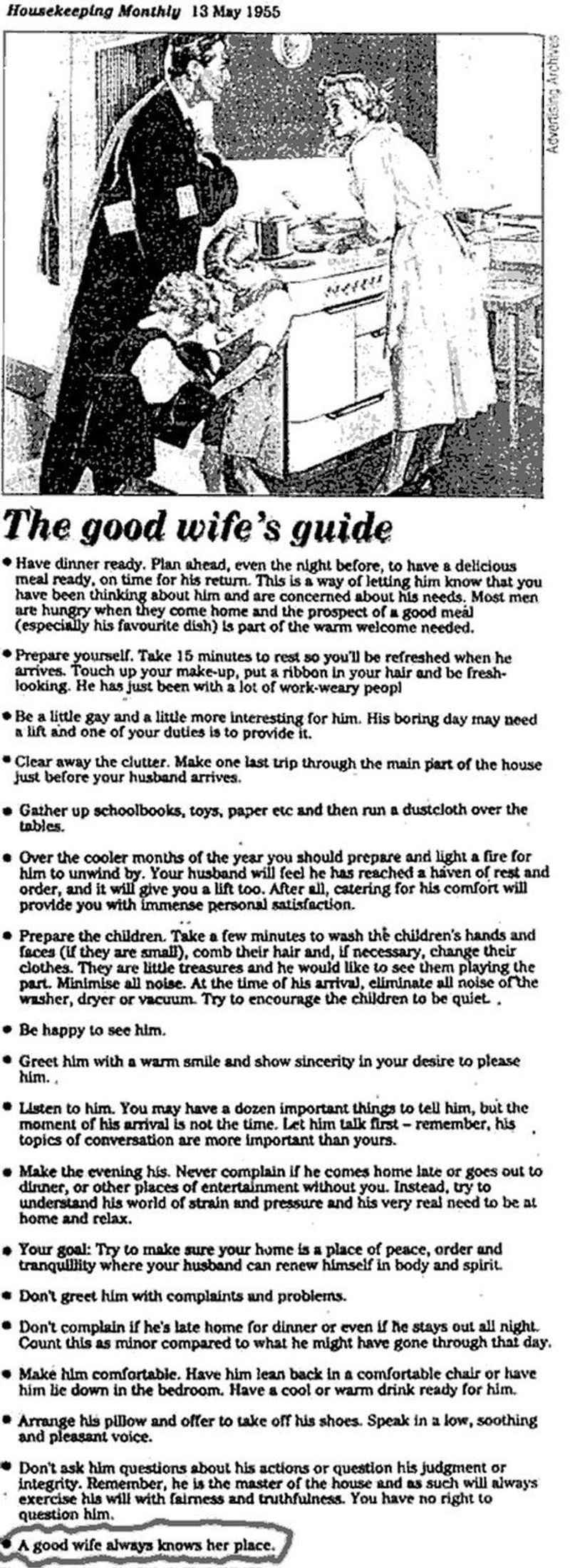
Home economics textbooks and popular women’s magazines provided detailed instructions on how to be the perfect wife. These guides covered everything from how to greet your husband cheerfully after work to how to keep children quiet so he could relax.
Cheerfulness, obedience, and putting the family first were presented as non-negotiable virtues. Some of these published “rules” read as shockingly controlling today, but at the time, many women genuinely internalized these standards as the correct blueprint for a successful, respectable life.
13. Working Outside the Home Carried a Social Stigma
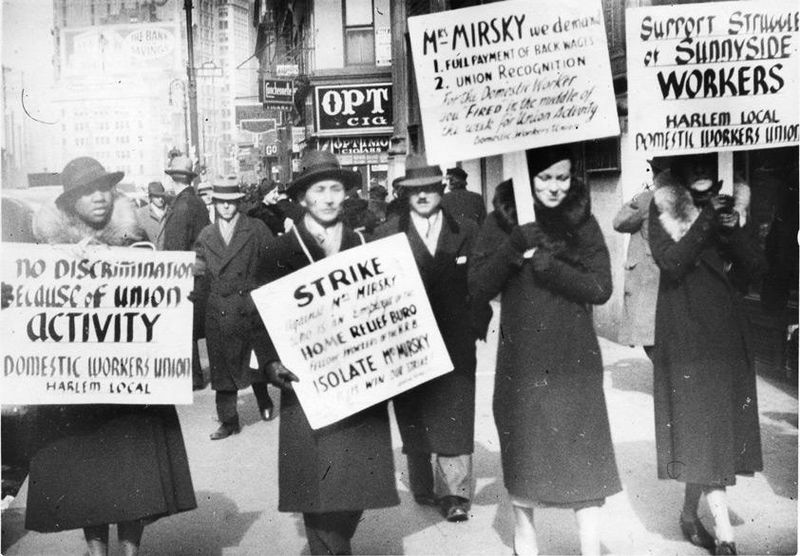
Women who worked outside the home without financial necessity faced real social judgment in the 1950s. Neighbors, family members, and even friends might quietly question whether she was neglecting her children or failing as a wife.
The prevailing attitude was that a woman who truly valued her family would dedicate herself fully to the home. This stigma kept many women from pursuing careers or further education, even when they longed for intellectual challenge or personal independence beyond domestic responsibilities.
14. Many Homemakers Quietly Struggled With Their Roles

Beneath the polished surface of 1950s domesticity, many homemakers privately battled feelings of isolation, anxiety, and unfulfillment. The repetitive nature of household work, combined with limited personal freedom, left some women longing for something more.
Depression was rarely discussed openly, and seeking help was often seen as weakness. Author Betty Friedan would later call this quiet discontent the “problem that has no name” in her groundbreaking 1963 book.
Many women recognized themselves in her words immediately and with great relief.
15. Evening Routines Closed the Day With More Work
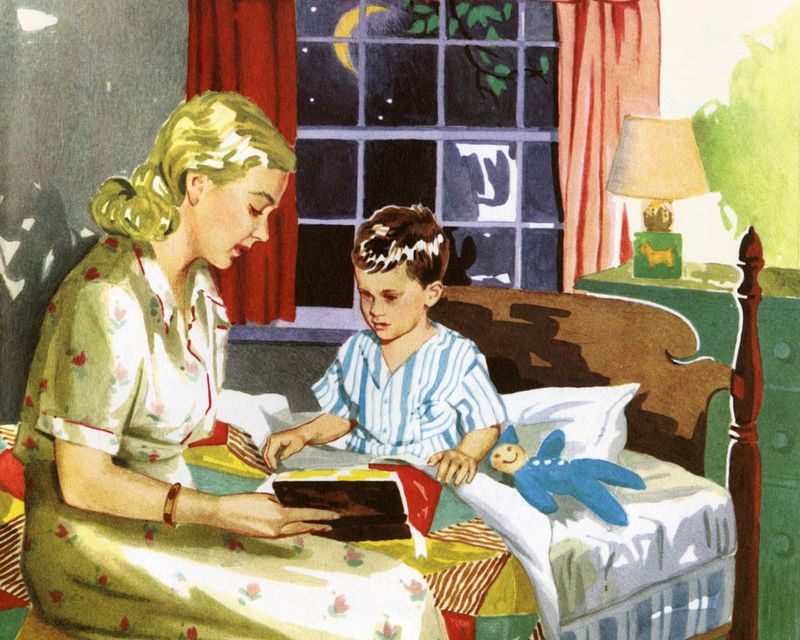
Even after dinner was served and cleared away, a 1950s homemaker’s day was far from finished. Dishes needed washing, the kitchen had to be spotless before bed, clothes required mending, and children needed bathing and bedtime stories.
By the time everything was done, exhaustion was a given. Yet many women found quiet satisfaction in the evening routine, especially the tender moments of reading to children before lights out.
Those small, peaceful rituals were often the most genuinely rewarding parts of an incredibly demanding day.