
School is supposed to teach us the truth, but it turns out some of what we learned was just plain wrong. From science facts to history stories, plenty of lessons have been proven outdated or totally inaccurate over the years.
New discoveries, better research, and more honest storytelling have changed the game. Get ready to have your mind blown by 19 things your teachers might have gotten wrong.
1. Pluto Is the Ninth Planet
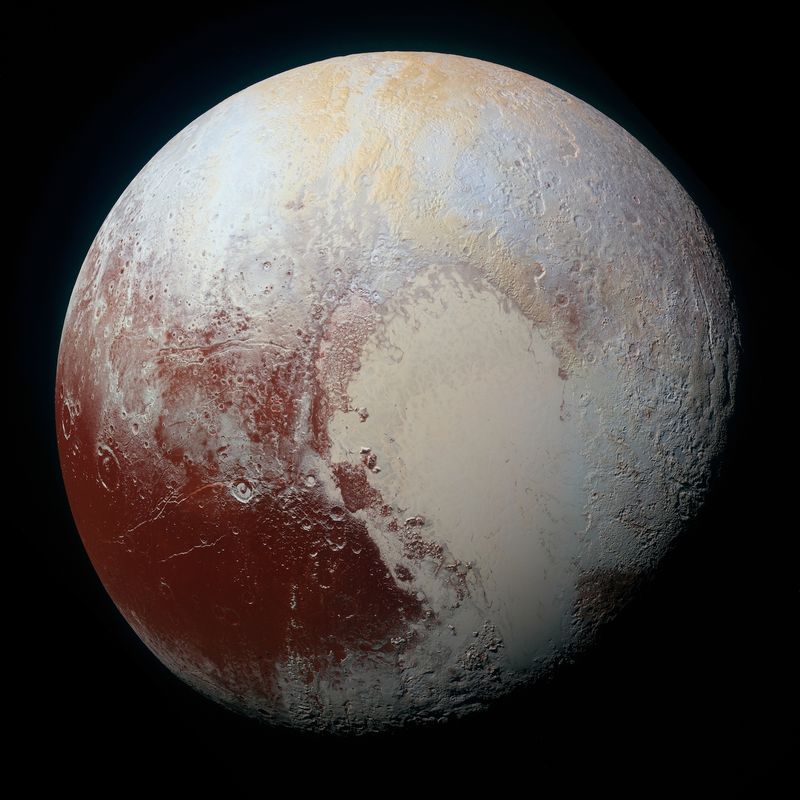
For years, kids memorized “My Very Educated Mother Just Served Us Nine Pizzas” to remember the planets — with Pluto being the ninth. Then in 2006, the International Astronomical Union reclassified Pluto as a dwarf planet.
Scientists discovered several similar-sized objects floating in the Kuiper Belt, making it impossible to keep Pluto in the planet club.
So the mnemonic got a makeover, and Pluto quietly lost its planetary title. Sorry, Pluto.
2. The Great Wall of China Is Visible from Space
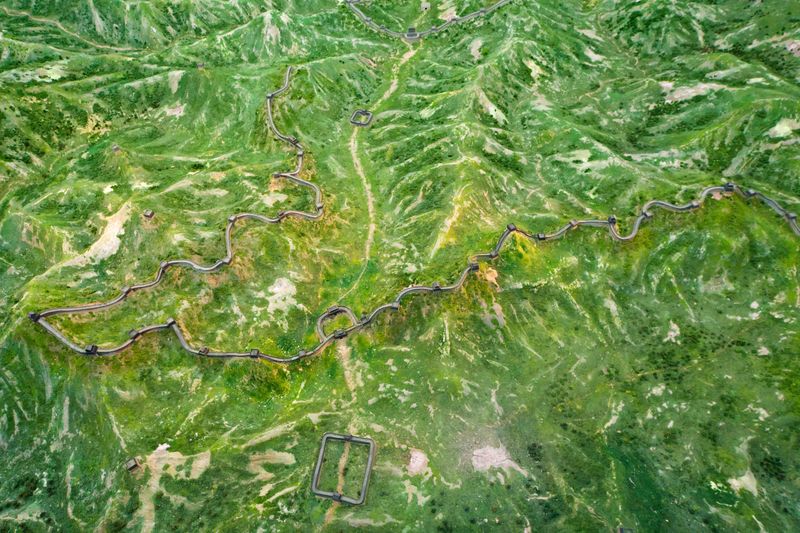
Teachers loved dropping this “fact” to make geography class feel exciting. The truth?
Astronauts have confirmed you cannot see the Great Wall of China from space with the naked eye. It is incredibly long but only about 15 to 30 feet wide — far too narrow to spot from orbit.
China’s first astronaut, Yang Liwei, looked for it during his 2003 mission and saw absolutely nothing. Even cool facts need a fact-check.
3. Christopher Columbus Discovered America
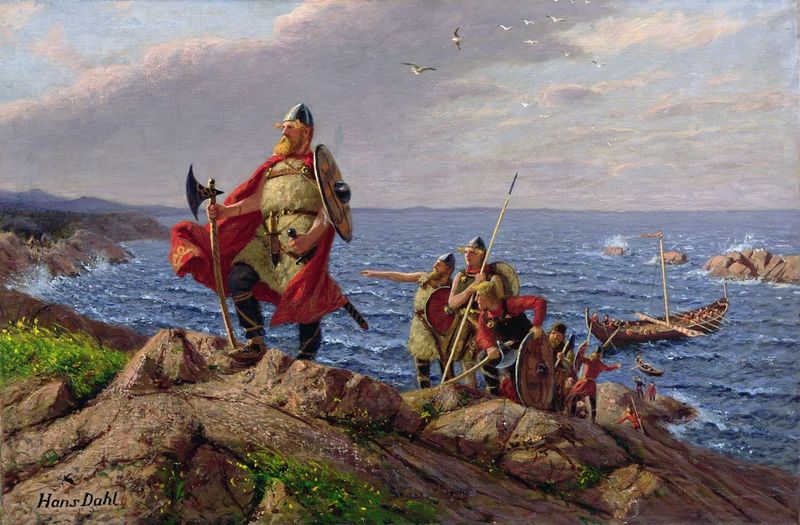
Columbus gets a holiday, a parade, and a ton of credit — but he was not even close to the first. Viking explorer Leif Erikson arrived in North America around 1000 A.D., nearly 500 years before Columbus ever set sail.
And long before Erikson, millions of Indigenous people had already been living on the continent for thousands of years.
Calling Columbus’s voyage a “discovery” erases enormous amounts of history and human experience that deserve recognition.
4. Blood Is Blue When It Lacks Oxygen
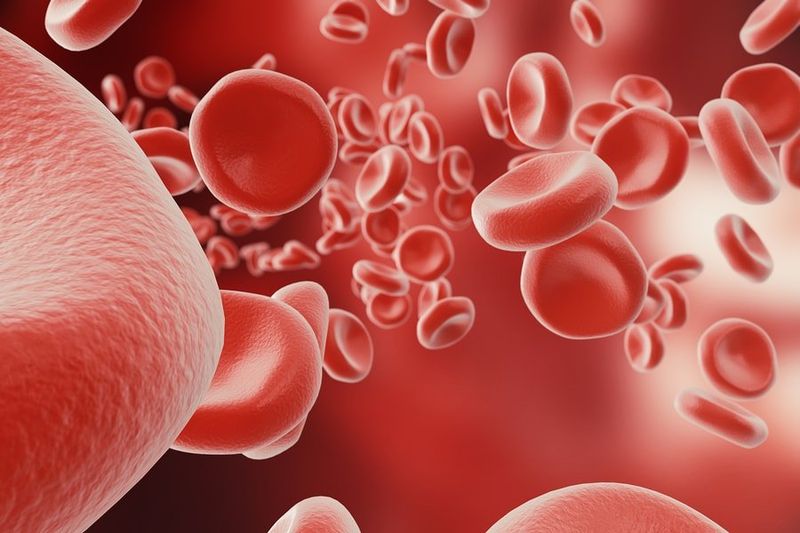
Look at the veins on your wrist — they look bluish, right? That optical trick convinced generations of students that deoxygenated blood is blue.
Blood is always red, no matter what. Oxygenated blood is bright red, while deoxygenated blood is a darker, deeper red shade.
Veins appear blue because of the way different wavelengths of light penetrate and reflect through layers of skin tissue. Your blood has never once been blue.
5. We Only Use 10% of Our Brains
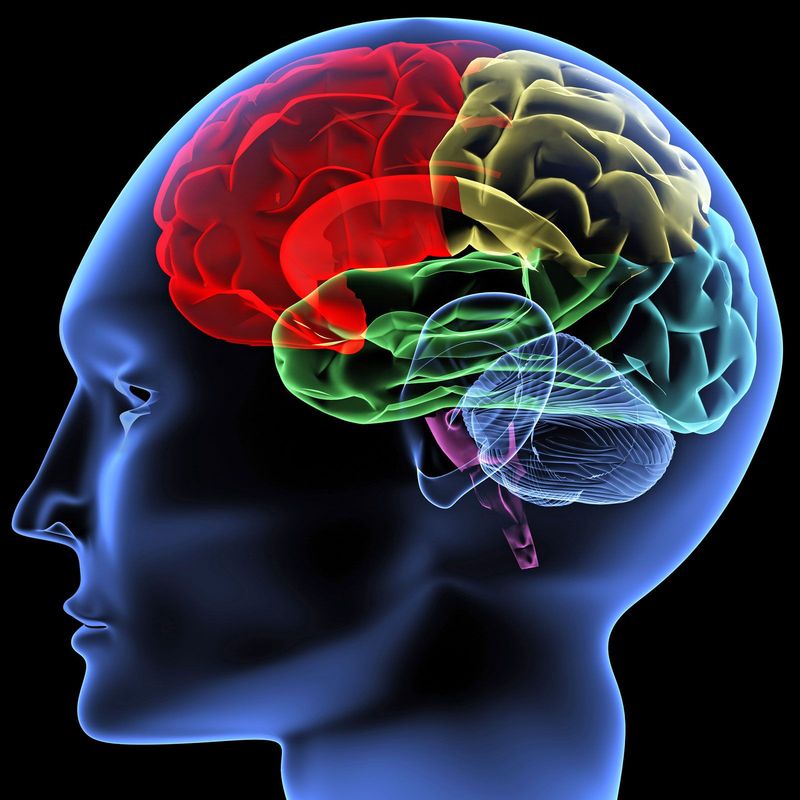
This myth probably inspired every “unlock your brain’s potential” self-help book ever written. Brain imaging technology like MRI scans has shown clearly that humans use virtually all of their brain — just not all regions at the exact same moment.
Different tasks activate different areas, but over the course of a day, the entire brain gets put to work.
Believing this myth for so long made it seem like untapped genius was hiding just out of reach.
6. Seasons Are Caused by Earth’s Distance from the Sun
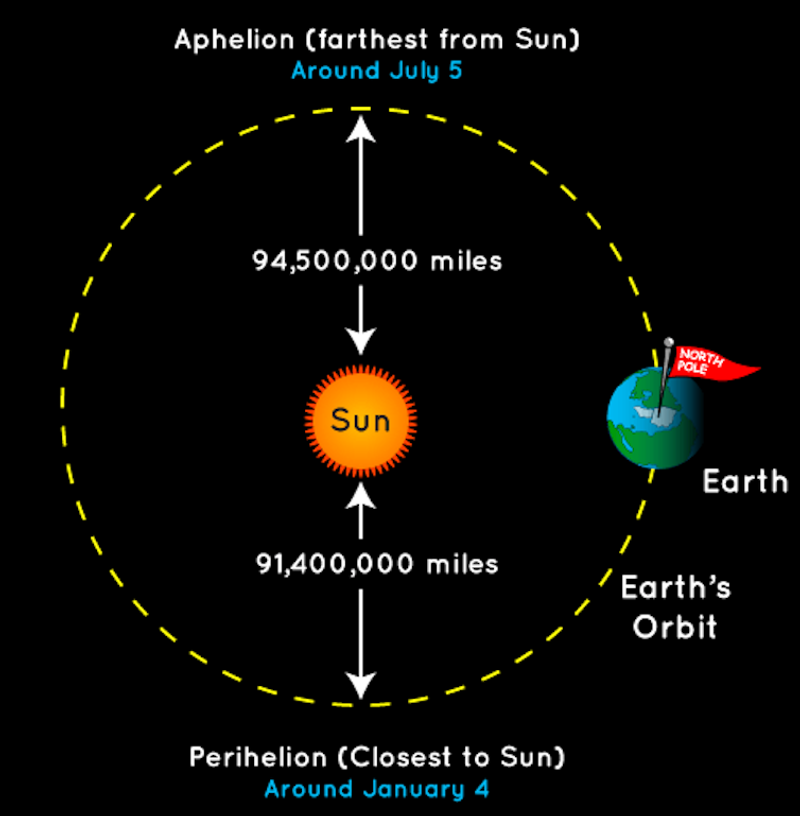
It sounds logical — summer must be when Earth is closest to the Sun, winter when it is farthest away. Except that reasoning falls apart immediately when you realize Australia has summer in December.
Earth’s axial tilt of about 23.5 degrees is what actually drives the seasons.
When the Northern Hemisphere tilts toward the Sun, it gets more direct sunlight and warmth. Distance from the Sun barely factors into seasonal temperature changes at all.
7. Napoleon Bonaparte Was Unusually Short
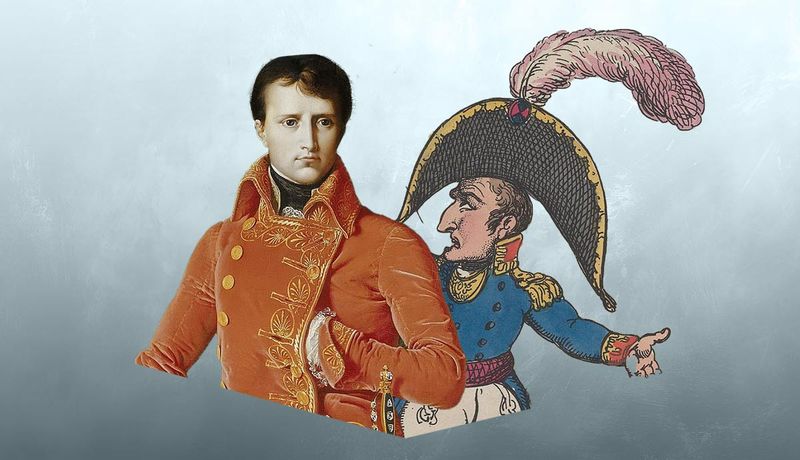
Napoleon’s supposed shortness became one of history’s most enduring jokes. The reality is far less dramatic.
He stood around 5 feet 7 inches tall, which was completely average for a French man of his era. The confusion came from a mix-up between French and British units of measurement, combined with deliberate British wartime propaganda designed to mock him.
His nickname “le petit caporal” was a term of affection from soldiers, not a comment about his height at all.
8. Your Tongue Has Separate Taste Zones
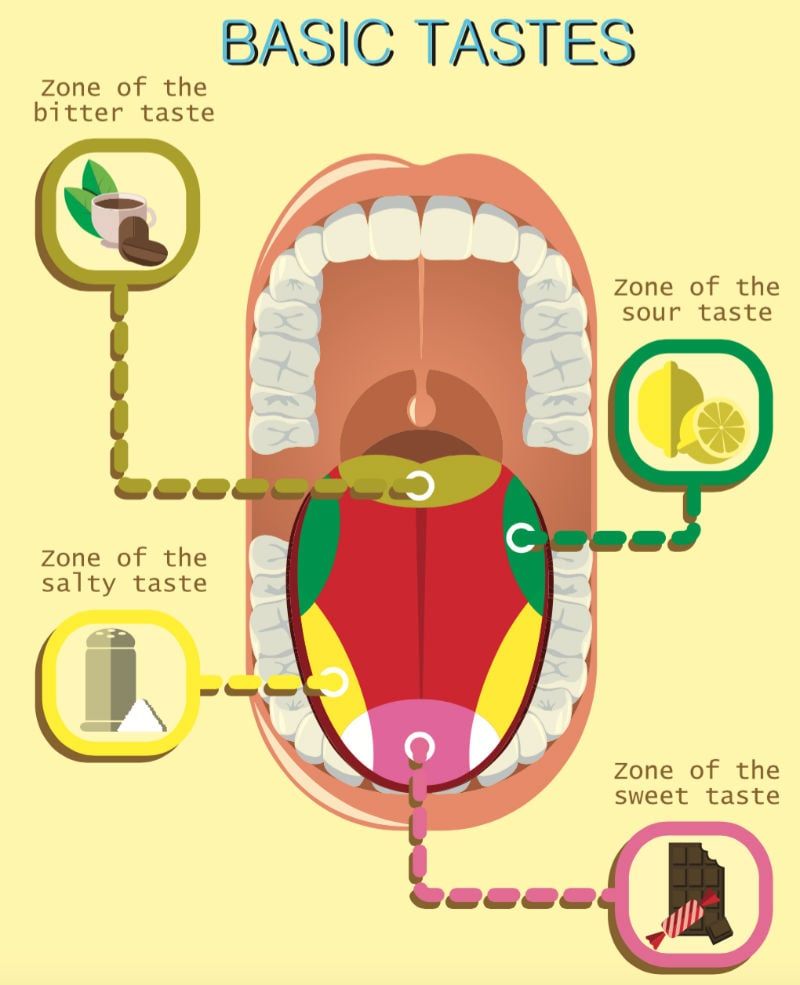
Remember that tongue map poster in science class? Sweet at the tip, bitter at the back, salty and sour on the sides?
Pure fiction. Research has thoroughly dismantled the taste zone theory.
Every taste bud on your tongue can detect all five basic tastes: sweet, salty, sour, bitter, and umami.
The original idea came from a misreading of an old German study from the 1900s. One bad translation managed to mislead classrooms for over a century.
9. Dinosaurs Were Wiped Out by Volcanoes
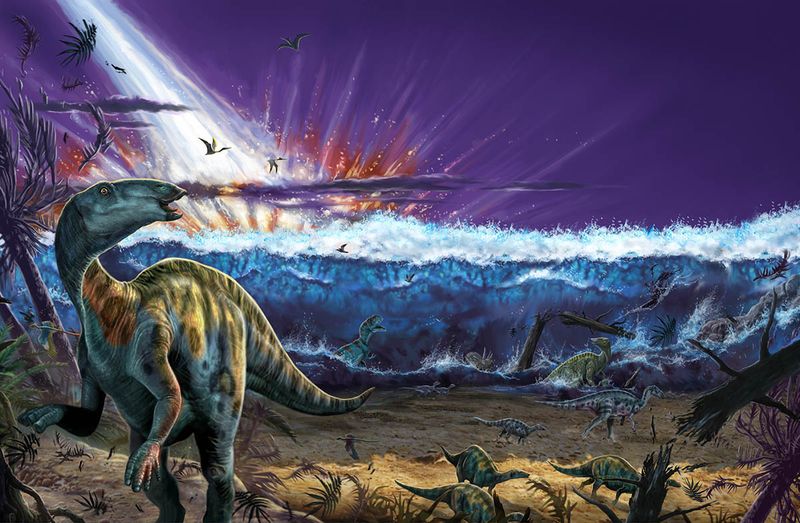
Volcanoes did exist during the time of the dinosaurs, but they were not the main culprit behind the mass extinction. The dominant scientific theory today points to a massive asteroid strike about 66 million years ago near what is now Mexico’s Yucatan Peninsula.
The impact triggered fires, tsunamis, and a “nuclear winter” effect that blocked sunlight and destroyed food chains.
Volcanic activity may have played a supporting role, but the asteroid gets most of the scientific credit.
10. George Washington Had Wooden Teeth
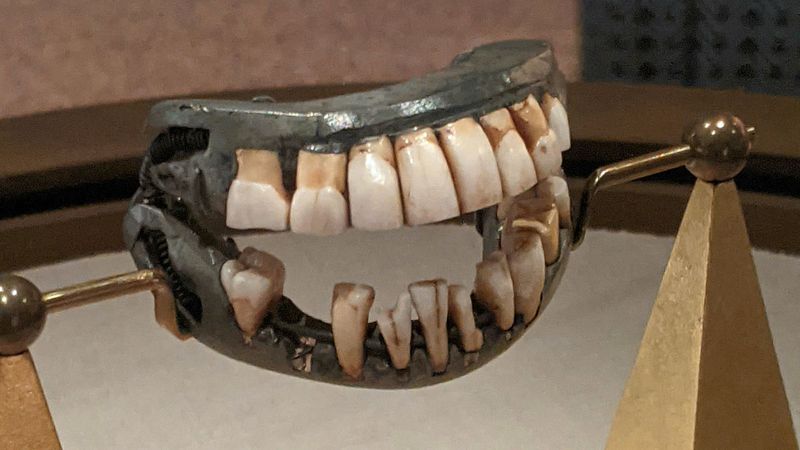
Wooden teeth sound uncomfortable enough to make anyone grateful for modern dentistry. Washington did struggle terribly with his teeth his whole life, but wood was never involved.
His dentures were actually crafted from a bizarre combination of human teeth, cow teeth, horse teeth, ivory from elephants and hippos, and metal alloys.
Painful and strange — but definitely not wood. The wooden teeth story likely spread because ivory dentures stained and developed grooves that could resemble wood grain over time.
11. Lightning Never Strikes the Same Place Twice
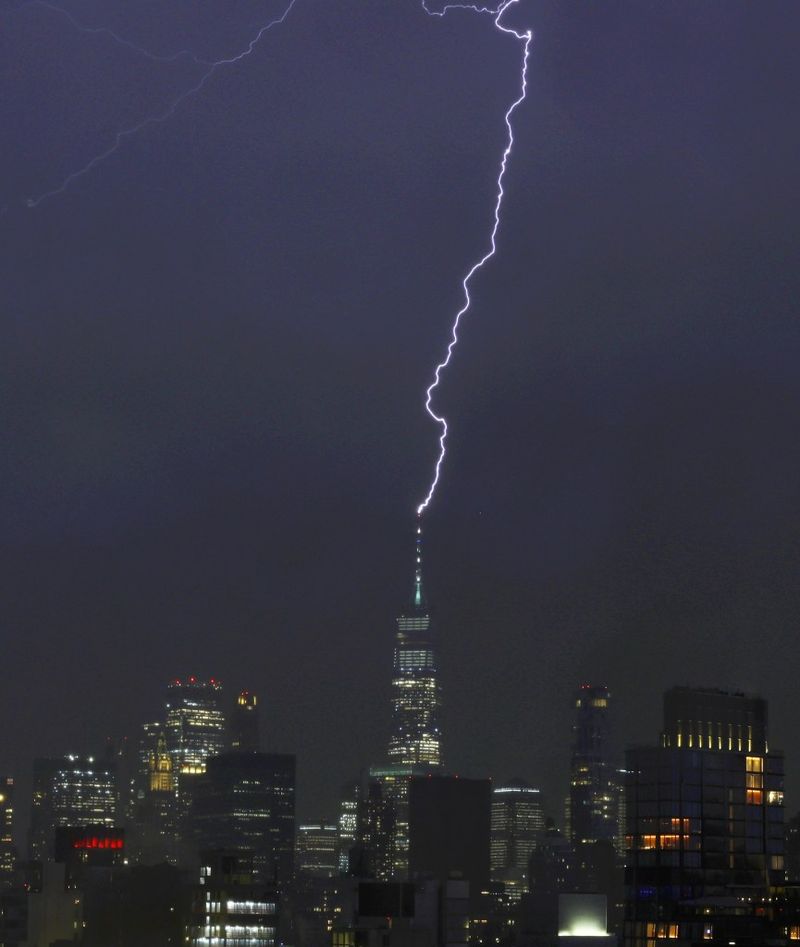
Lightning absolutely strikes the same place twice — and then some. The Empire State Building gets hit by lightning roughly 20 to 25 times every single year.
Tall structures act like natural lightning rods, drawing repeated strikes because they offer the path of least resistance between storm clouds and the ground.
This myth probably started as a way to comfort people after a scary event. As a physics lesson, though, it was spectacularly wrong and potentially dangerous advice.
12. There Are Only Three States of Matter
Solid, liquid, gas — that trio was the whole story in most elementary science classes. But matter is far more interesting than that.
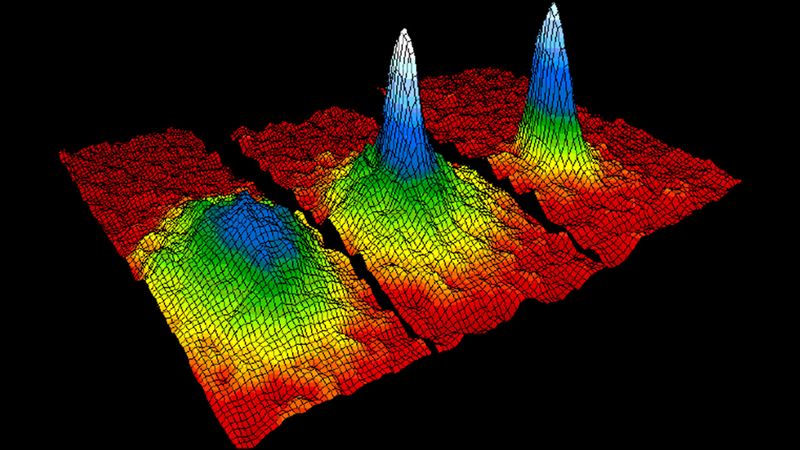
Plasma, which makes up stars and lightning bolts, is actually the most abundant state of matter in the observable universe. Bose-Einstein condensate, created at temperatures near absolute zero, is another recognized state discovered in 1995.
Teaching only three states was like reading the first chapter of a book and calling it finished. Science has much more to offer.
13. Ulcers Are Caused by Stress

Stress gets blamed for a lot of things, but stomach ulcers turned out to have a very different cause. Australian researchers Barry Marshall and Robin Warren discovered in the 1980s that most ulcers are caused by a bacterium called Helicobacter pylori.
Marshall famously drank a petri dish full of H. pylori to prove his theory — and developed gastritis within days.
Their discovery earned a Nobel Prize in 2005 and completely changed how doctors treat ulcers worldwide.
14. Chameleons Change Color to Camouflage
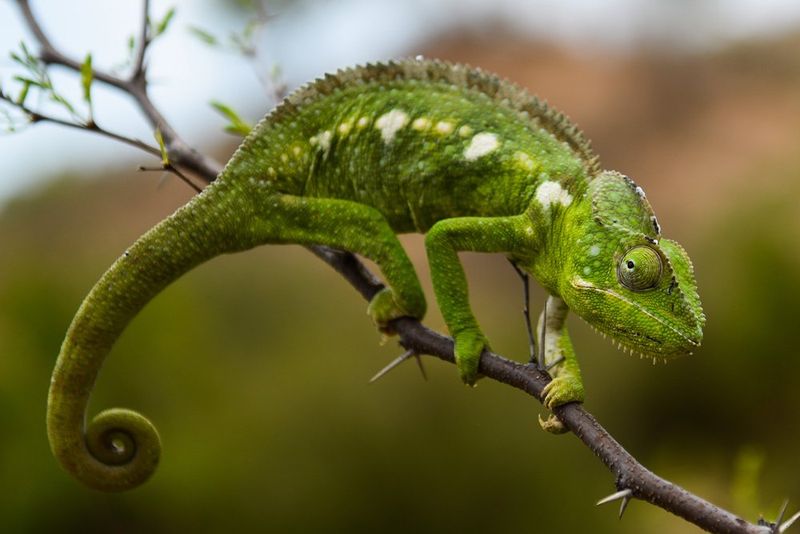
Chameleons are famous for blending in, but camouflage is actually a secondary benefit of their color-changing ability. The primary reasons chameleons shift colors are to regulate their body temperature and to communicate with other chameleons.
Darker colors absorb more heat, while lighter shades reflect it. Bright, bold color changes often signal excitement, aggression, or readiness to mate.
Their skin contains special cells called chromatophores that reflect light differently when the chameleon stretches or relaxes them.
15. Diamond Is the Hardest Material on Earth

Diamonds have enjoyed a rock-solid reputation as the hardest substance on Earth for a very long time. Turns out, they have some competition.
Materials like wurtzite boron nitride and lonsdaleite — a rare form of diamond created by meteorite impacts — have both been calculated to be harder than conventional diamond under certain conditions.
Science keeps finding ways to humble even the most confident facts. The diamond industry probably wishes researchers would stop looking so closely at other minerals.
16. Learning Styles Are Fixed and Determine How You Learn Best

The visual, auditory, and kinesthetic learning styles theory felt revolutionary when it swept through education in the 1990s. Decades of research have since failed to find solid evidence that teaching to a student’s preferred style actually improves learning outcomes.
Mixing multiple teaching methods — seeing, hearing, doing — works better for almost everyone, regardless of any supposed preference.
Labeling kids as strictly one type of learner may have actually limited how teachers approached instruction in some classrooms.
17. Memorizing Facts Is the Main Goal of Education
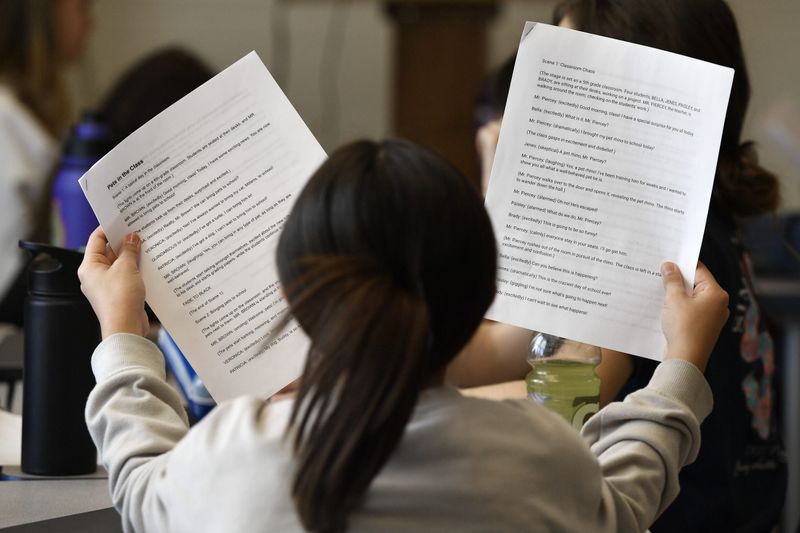
Rote memorization ruled classrooms for generations — dates, capitals, formulas, names, all drilled into students until they stuck. The problem is that memorized facts without context or understanding are quickly forgotten and rarely useful.
Modern education increasingly values critical thinking, problem-solving, and knowing how to find and evaluate information over simply storing it.
When every answer in the world is a few taps away on a phone, knowing how to think clearly matters far more than memorizing state capitals.
18. The Egyptians Used Slaves to Build the Pyramids
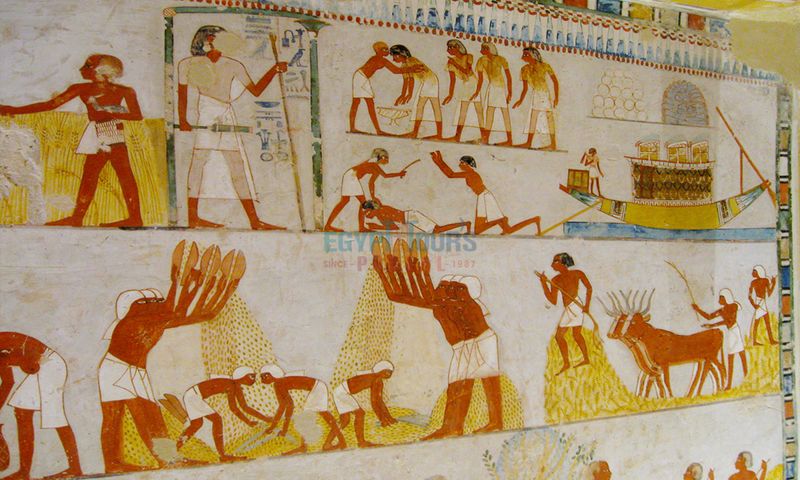
Hollywood epics and old textbooks painted vivid pictures of enslaved workers toiling under the desert sun to build the pyramids. Archaeological discoveries over the past few decades tell a completely different story.
Evidence shows the pyramids were built by a rotating workforce of paid skilled laborers who received food, medical care, and burial honors near the pyramids themselves.
Graffiti found at the site even shows workers gave their teams nicknames like “Friends of Khufu.” They were proud of their work.
19. Important Historical Events Were Left Out of Textbooks
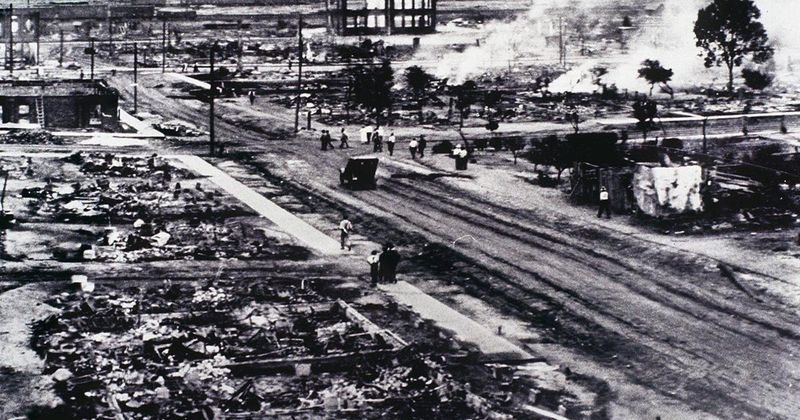
For decades, many school textbooks glossed over or completely skipped events that did not fit a tidy national narrative. The Tulsa Race Massacre of 1921, one of the worst incidents of racial violence in American history, was absent from most curricula until very recently.
Japanese American internment camps during World War II were often mentioned only briefly.
Honest history education means including uncomfortable chapters. Students deserve the full story, not just the highlights that make everyone feel good.