
Intelligence shows up in many different ways, and researchers have spent decades studying what sets apart people with lower cognitive abilities. While no single trait defines someone’s intelligence level, science has identified patterns that tend to appear together.
Understanding these traits isn’t about judging people — it’s about recognizing behaviors so we can grow and improve. Read on to explore what the research actually says.
1. Lack of Curiosity About the World

Curiosity is like fuel for the brain — without it, learning slows down dramatically. Research shows that people with lower intelligence often show little interest in exploring new ideas, asking questions, or digging deeper into topics.
They tend to feel satisfied with surface-level understanding.
This lack of wonder can limit personal growth over time. When someone never asks “why” or “how,” they miss out on the mental exercise that builds smarter thinking habits.
2. Accepting Information Without Questioning It
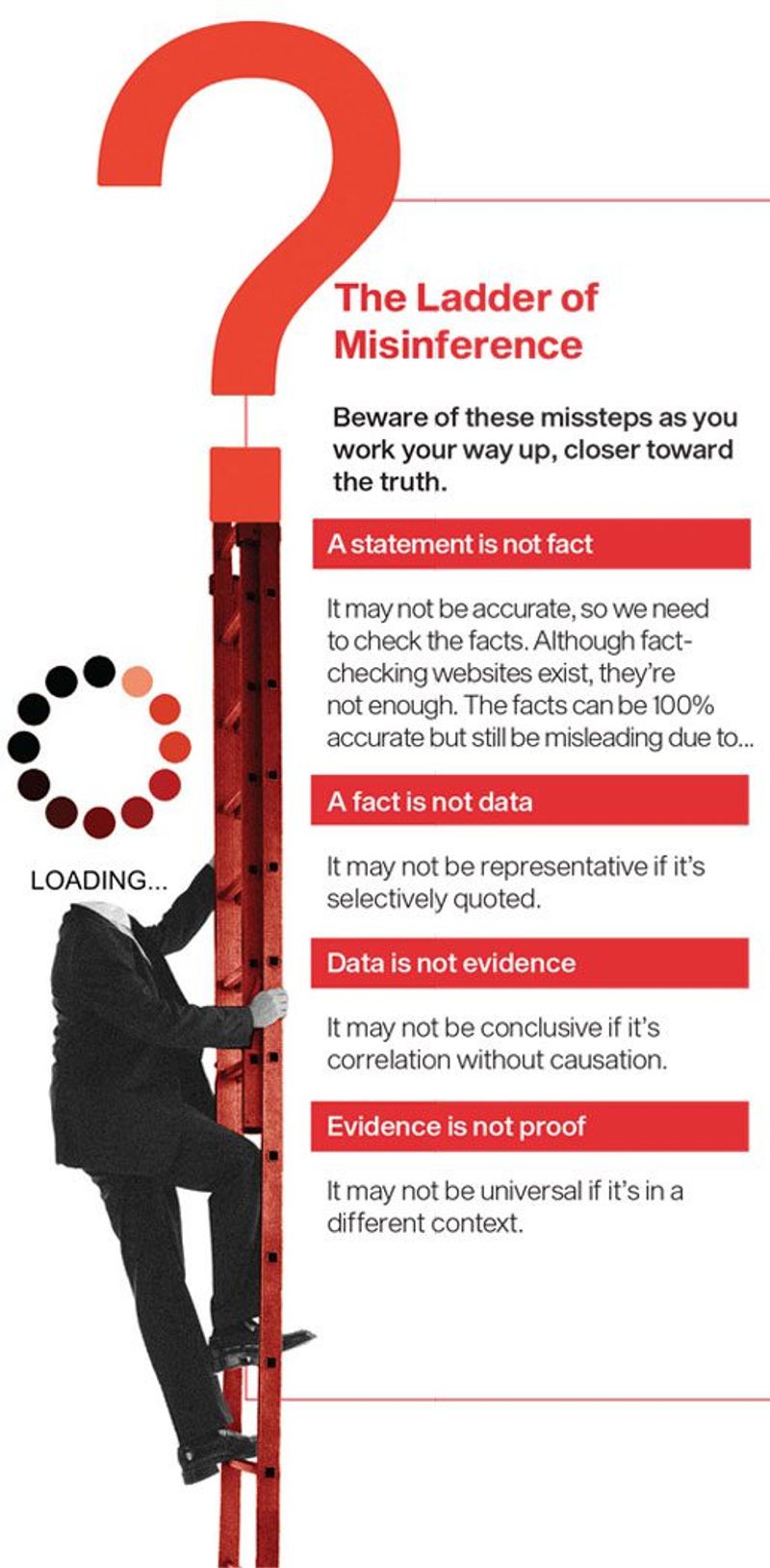
Critical thinking means pausing to ask, “Is this actually true?” Research shows that people with lower intellectual engagement tend to accept claims at face value without checking facts or considering other viewpoints. This makes them more vulnerable to misinformation and conspiracy theories.
Studies have found a notable link between lower cognitive ability and belief in unverified claims. Practicing the habit of questioning sources — even trusted ones — is a powerful way to sharpen analytical thinking skills.
3. Black-and-White Thinking Patterns

A 2021 Japanese study linked dichotomous thinking — seeing everything as either right or wrong, always or never — to lower cognitive abilities and reduced educational attainment. Life is rarely that simple, and rigid either-or thinking makes complex conversations nearly impossible.
People stuck in black-and-white patterns often miss the nuance that leads to real understanding. Learning to say “it depends” and genuinely meaning it is a small but powerful mental shift that opens the door to smarter reasoning.
4. Inability to Plan and Strategize
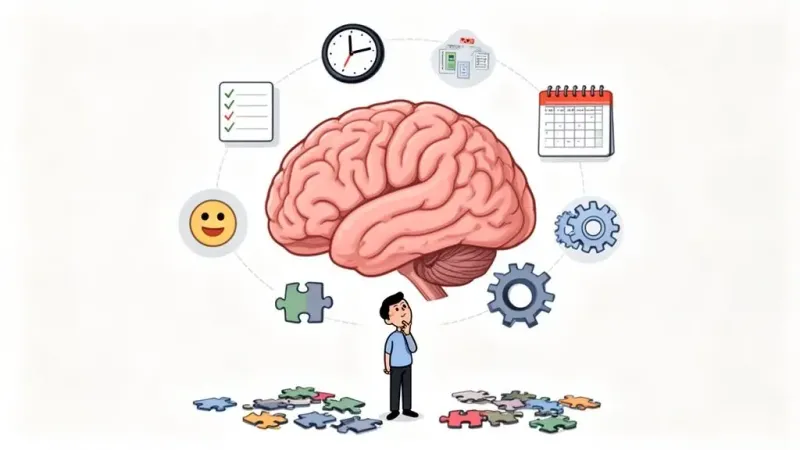
Planning requires holding multiple steps in mind simultaneously — a demanding cognitive task. Research suggests that people with lower intelligence often struggle with tasks that require conscious mental effort, forward thinking, and strategic organization.
Spontaneity is fine, but chronic inability to plan creates real-life consequences.
Missed deadlines, unfinished goals, and constant last-minute scrambling are common outcomes. Simple tools like written checklists or daily planners can act as external scaffolding to support planning skills while stronger habits develop.
5. Rash and Impulsive Decision-Making
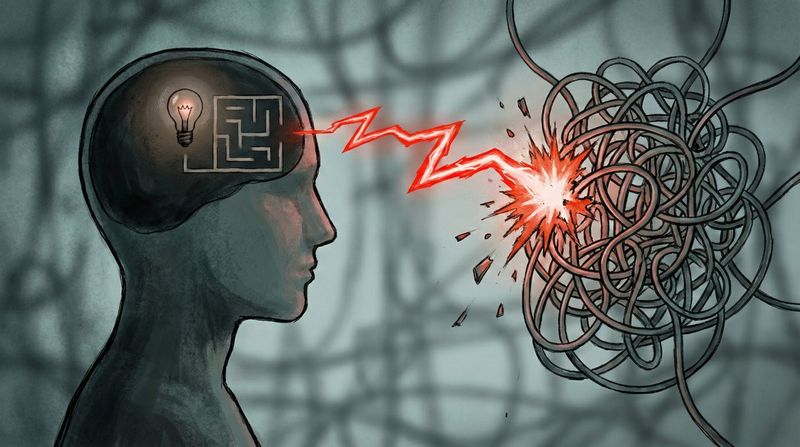
Think before you leap — easier said than done for some. Research links impulsive decision-making to lower analytical ability, where actions are taken quickly without weighing outcomes.
This pattern can lead to financial trouble, damaged relationships, and missed opportunities over time.
Intelligent decision-making involves pausing to consider consequences, which requires both working memory and self-control. Practicing the simple habit of waiting 24 hours before major decisions can dramatically improve outcomes for people prone to impulsive choices.
6. Only Understanding Things at a Surface Level

Real understanding goes beyond memorizing facts — it means grasping why things work the way they do. Research indicates that people with lower intelligence often process information at a superficial level, missing underlying patterns and deeper connections between ideas.
Surface-level thinkers can repeat information but struggle to apply or adapt it in new situations. Asking “why does this work?” instead of just “what is this?” is a deceptively simple habit that builds much deeper comprehension over time.
7. Trouble Grasping Consequences of Actions
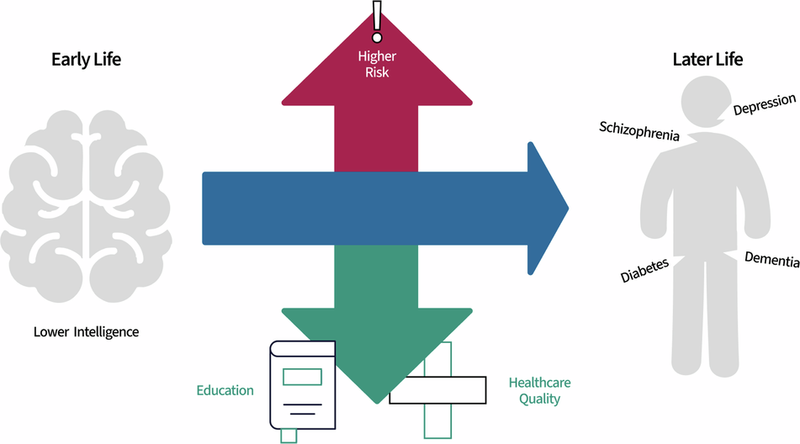
Understanding cause and effect is fundamental to navigating life wisely. Research shows that lower practical intelligence is often connected to difficulty predicting how today’s choices will affect tomorrow’s outcomes.
This goes beyond poor judgment — it’s a genuine cognitive gap in connecting actions to results.
People who can’t easily picture consequences tend to repeat harmful patterns. Role-playing scenarios and guided reflection — “what happens next if I do this?” — are practical strategies that can help build consequence-awareness over time.
8. Avoiding Mental Challenges

Comfort is tempting, but consistently avoiding anything mentally demanding is a red flag researchers associate with lower cognitive engagement. People who shy away from puzzles, complex reading, or challenging conversations miss out on the mental exercise that keeps thinking sharp.
Psychologists often describe this as low “need for cognition” — a measurable trait linked to lower intelligence scores. The encouraging news?
The brain responds to challenge. Gradually increasing mental difficulty through games, reading, or learning new skills can build cognitive strength.
9. Difficulty Adapting to Unfamiliar Situations

Adaptability is a core survival skill, and research consistently links difficulty adjusting to new environments with limited problem-solving capacity. When routines are disrupted, people with lower cognitive flexibility often feel overwhelmed rather than curious or resourceful about finding solutions.
This rigidity can show up in small ways — like struggling with a new phone layout — or in bigger life transitions like starting a new job. Deliberately trying small new experiences regularly can gradually build the mental flexibility needed to handle bigger changes.
10. Overestimating Personal Abilities (Dunning-Kruger Effect)
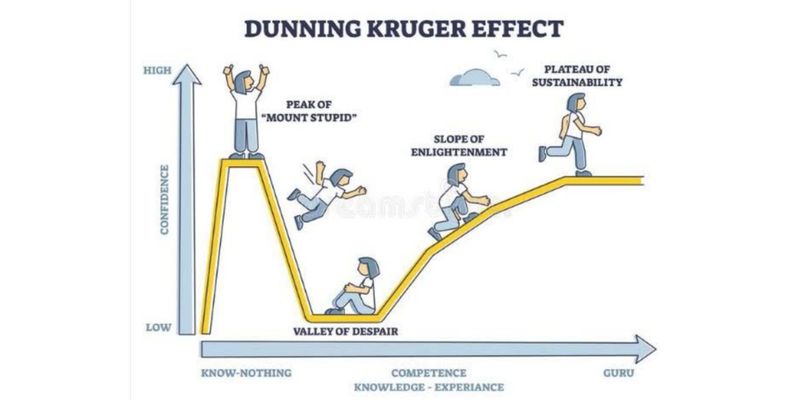
The Dunning-Kruger effect is one of psychology’s most famous findings: people with lower competence in a given area often overestimate how good they actually are. They lack the self-awareness to recognize the limits of their own knowledge, which creates a false sense of confidence.
Ironically, gaining more knowledge tends to make people feel less certain, not more — because they begin to see how much they don’t know. Humility and openness to feedback are early signs of growing intelligence.
11. Failure to Recognize Gaps in Knowledge
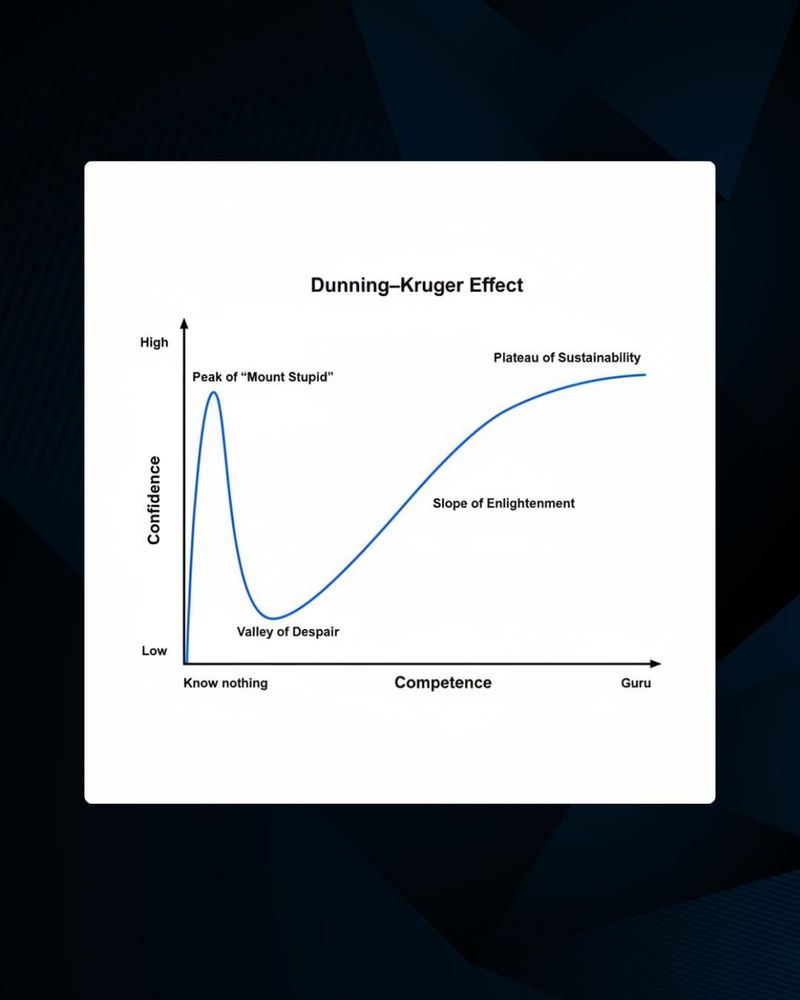
Knowing what you don’t know is actually a sophisticated cognitive skill. Research shows that people with lower intelligence often fail to recognize their own knowledge gaps, which prevents them from seeking help, asking questions, or pursuing further learning when it’s genuinely needed.
This blind spot creates a frustrating loop: without awareness of ignorance, there’s no motivation to fill it. Encouraging honest self-assessment — even through simple reflection questions like “what am I unsure about here?” — can begin to break this cycle effectively.
12. Getting Defensive When Receiving Feedback

Feedback is a gift — but only if you can receive it. Research connects defensive reactions to criticism with rigid thinking patterns and an inability to self-reflect, both of which are associated with lower intelligence.
Instead of processing the message, defensive people attack the messenger.
This pattern stunts growth significantly. People who can hear difficult feedback, sit with it, and extract something useful are exercising a high-level cognitive and emotional skill.
Building tolerance for discomfort around criticism is one of the fastest routes to personal improvement.
13. Chronic Comfort Zone Behavior
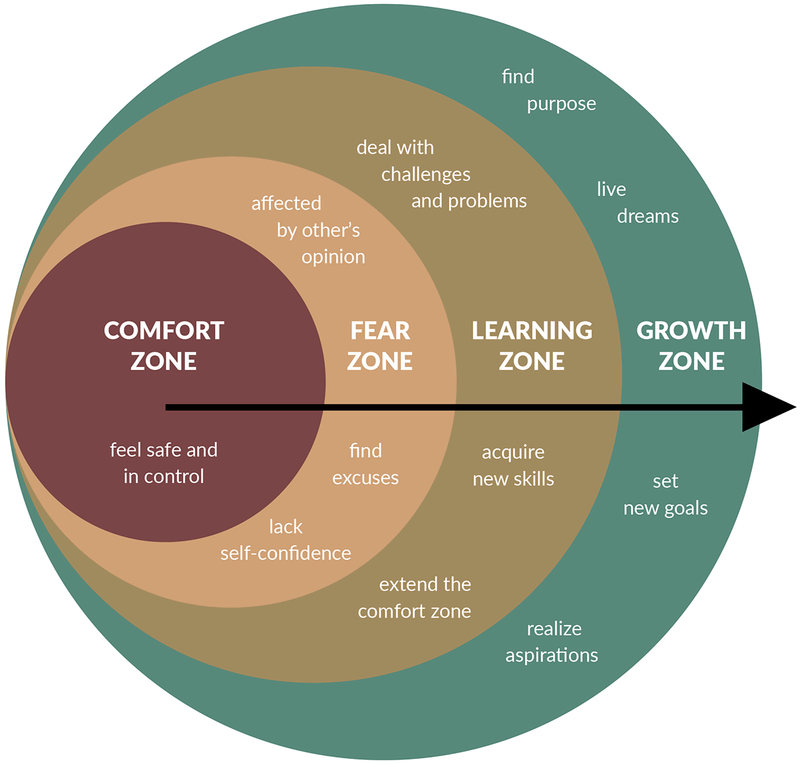
Growth lives just outside the comfort zone — and research backs this up. People who chronically avoid unfamiliar experiences, challenges, or ideas they don’t understand tend to score lower on measures of intelligence and openness.
Staying comfortable feels safe but quietly limits mental development.
Psychologists note that intellectual growth almost always requires some degree of productive discomfort. Saying yes to one new experience per week — a new food, a new route, a new book genre — gradually expands both confidence and cognitive range in meaningful ways.
14. Low Self-Awareness and Poor Introspection

Self-awareness — the ability to understand your own thoughts, feelings, and impact on others — is closely tied to cognitive ability. Research shows that people with lower intelligence often struggle to recognize their own behavioral patterns or understand how their actions affect the people around them.
This lack of introspection frequently leads to repeated social mistakes and defensive reactions when others point out problems. Journaling, therapy, or simply asking trusted friends for honest feedback are practical tools for building stronger self-awareness over time.
15. Weak Social Skills and Poor Emotional Intelligence

Social intelligence and cognitive intelligence often travel together. Research consistently shows that lower cognitive ability predicts deficits in prosocial skills — things like reading social cues, adjusting tone based on context, or navigating conflict without escalating it unnecessarily.
People with weak social skills tend to experience more conflict, loneliness, and communication breakdowns. The encouraging part is that social skills can be learned and practiced deliberately.
Observing socially skilled people, reading about emotional intelligence, and rehearsing conversations can all produce real improvement.
16. Preference for Overly Simplistic Explanations
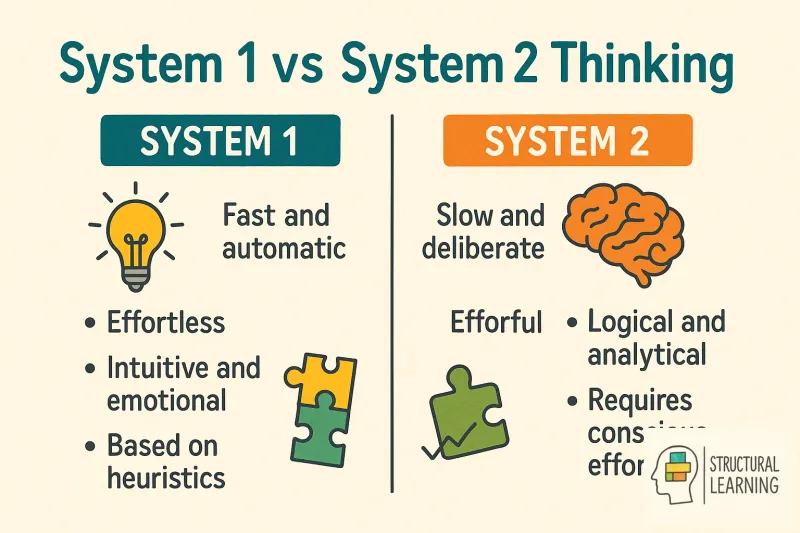
“Keep it simple” is wise advice — but there’s a difference between elegant simplicity and intellectual laziness. Research shows that people with lower cognitive ability often prefer crude, oversimplified explanations for complex events, even when those explanations are clearly incomplete or inaccurate.
This preference for simplicity can make someone susceptible to misleading narratives and easy answers to hard problems. Developing the patience to sit with complexity — to say “this is complicated and I need to understand more” — is a mark of growing intellectual maturity.
17. Repeating the Same Mistakes Repeatedly

Learning from mistakes requires recognizing a pattern — and that’s a genuine cognitive skill. Research links difficulty learning from past errors to lower intelligence, where the brain fails to connect previous outcomes with current choices.
The same wall gets walked into again and again.
This isn’t stubbornness in every case — sometimes it reflects a genuine inability to process experiential feedback. Structured reflection after mistakes, like writing down what went wrong and why, can serve as an external thinking tool that bridges this cognitive gap effectively.
18. Excessive Focus on Status Symbols

Flashy cars, designer labels, and luxury accessories aren’t inherently bad — but research suggests that an excessive, almost compulsive focus on status symbols correlates with lower intelligence and shallow value systems. The fixation often prioritizes appearance over substance or financial wisdom.
Psychologists note this behavior can stem from insecurity and a need for external validation that smarter emotional regulation would address internally. True social confidence rarely needs a brand logo attached.
Redirecting energy toward building real skills tends to produce far more lasting satisfaction.