
Every year, the Oscars spark debates about which films truly deserve the top prize. Some Best Picture nominees and winners have left critics scratching their heads, wondering how certain movies even made the cut.
From bloated epics to feel-good crowd-pleasers that missed the mark, Hollywood’s biggest night has had its share of head-scratching moments. Get ready to look back at some of the most controversial Best Picture nominees that critics just couldn’t get behind.
1. The Greatest Show on Earth (1952)
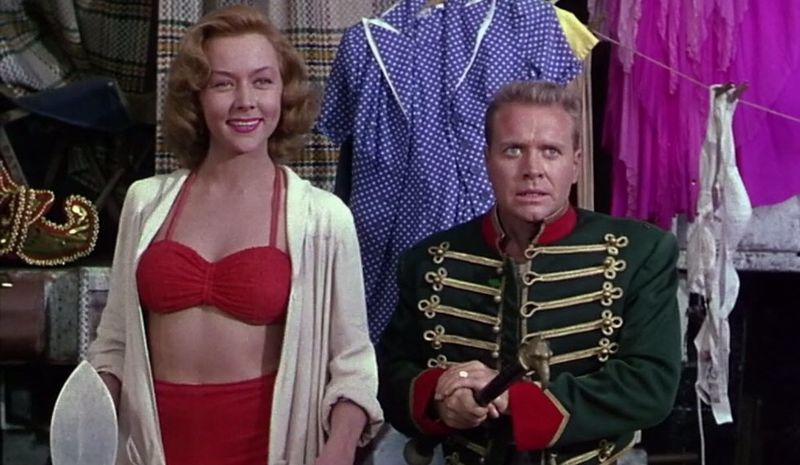
Winning Best Picture over classics like High NoonSingin’ in the Rain and is no small controversy. Cecil B.
DeMille’s circus epic clocked in at nearly three hours and was slammed for its thin plot, melodramatic acting, and reliance on spectacle over storytelling.
Critics called it overlong and cliche-stuffed. Today, it holds just a 50% on Rotten Tomatoes and is frequently ranked among the weakest Best Picture winners in Oscar history.
2. Crash (2004)
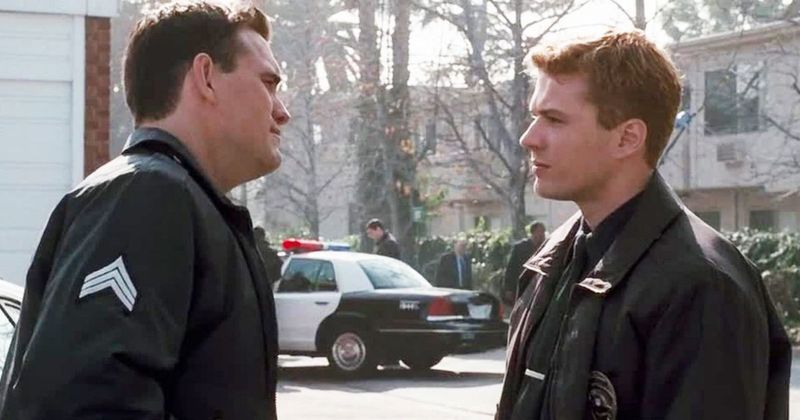
Few Oscar upsets sting quite like this one. Crash beat out Brokeback Mountain for Best Picture, a decision that still frustrates film fans two decades later.
Critics argued the film leaned heavily on racial stereotypes while pretending to challenge them. Even director Paul Haggis later admitted he didn’t think it deserved the win.
Its reputation has only faded further over time, making it one of the most disputed Best Picture victories ever recorded.
3. Doctor Dolittle (1967)
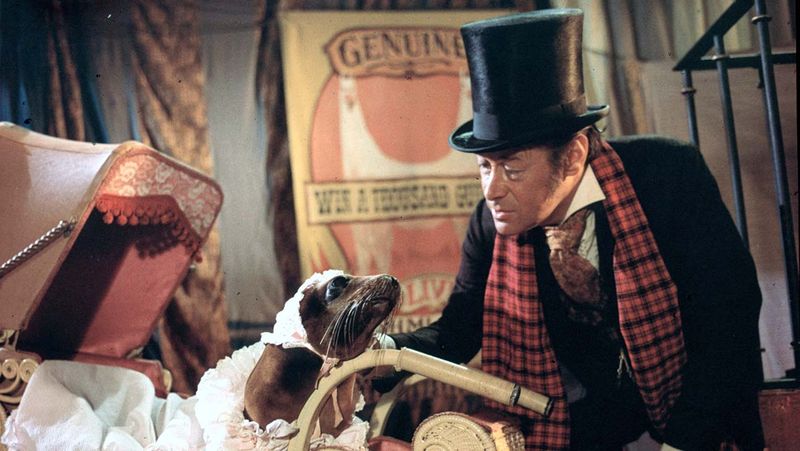
Calling something an “unmitigated disaster” is pretty harsh, but that’s exactly how critics described this lavish musical. With a bloated budget and a story that couldn’t keep audiences awake, Doctor Dolittle flopped hard at the box office.
One reviewer famously warned it “will put the kids to sleep, but it may kill you.” Despite all that, it somehow landed a Best Picture nomination. Its 29% Rotten Tomatoes score tells the real story.
4. Bohemian Rhapsody (2018)
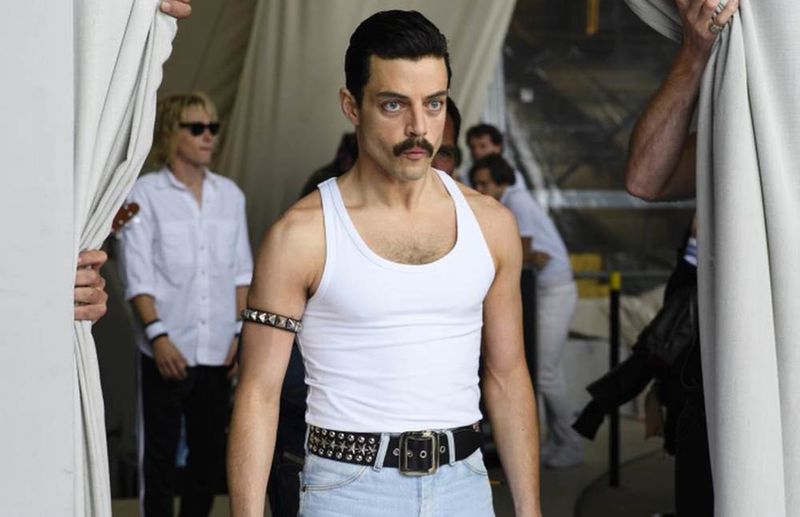
Rock biopics live and die by their accuracy, and Bohemian Rhapsody took some serious liberties with Queen’s story. Critics weren’t impressed, handing it a 60% on Rotten Tomatoes and a Metascore of just 49.
The film was widely ridiculed for its choppy editing and muddled timeline, yet it walked away with four Oscars including Best Actor. Audiences loved it, but critics felt the Academy had been swept up by nostalgia rather than quality filmmaking.
5. Extremely Loud and Incredibly Close (2011)

Tackling 9/11 grief through the eyes of a child sounds powerful on paper, but critics weren’t moved. Extremely Loud and Incredibly Close earned a Metascore of just 46 and a 44% on Rotten Tomatoes, with reviewers calling it manipulative and overly sentimental.
Its Best Picture nomination raised eyebrows, especially given how the Academy’s preferential voting system worked that year. Many felt the film exploited tragedy rather than honoring it with genuine emotional depth.
6. The Broadway Melody (1929)
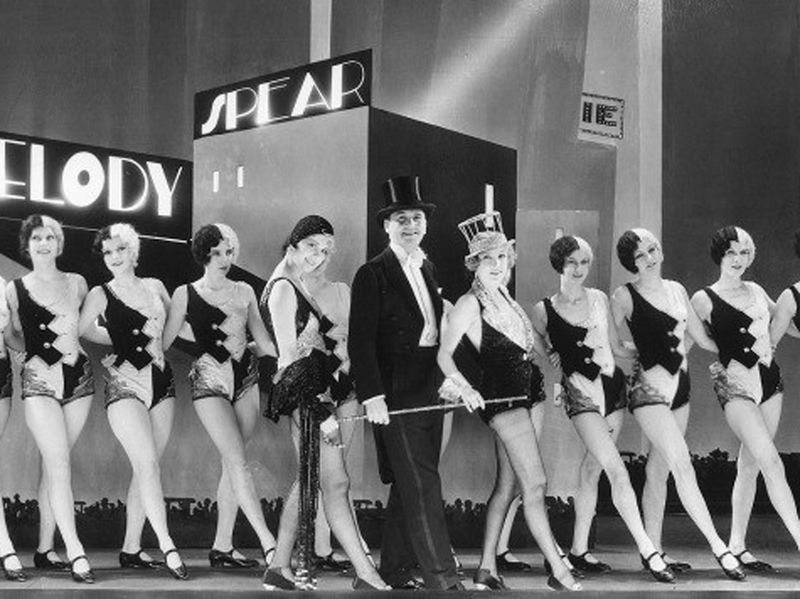
Here’s a fun fact: the very first sound film to win Best Picture is also one of the least respected. The Broadway Melody beat out more artistically ambitious films largely because the Academy was dazzled by the novelty of synchronized sound.
Today it holds a 42% on Rotten Tomatoes, and most film historians view its win as a product of technological excitement rather than genuine cinematic merit. History hasn’t been kind to this early talkie.
7. The Robe (1953)
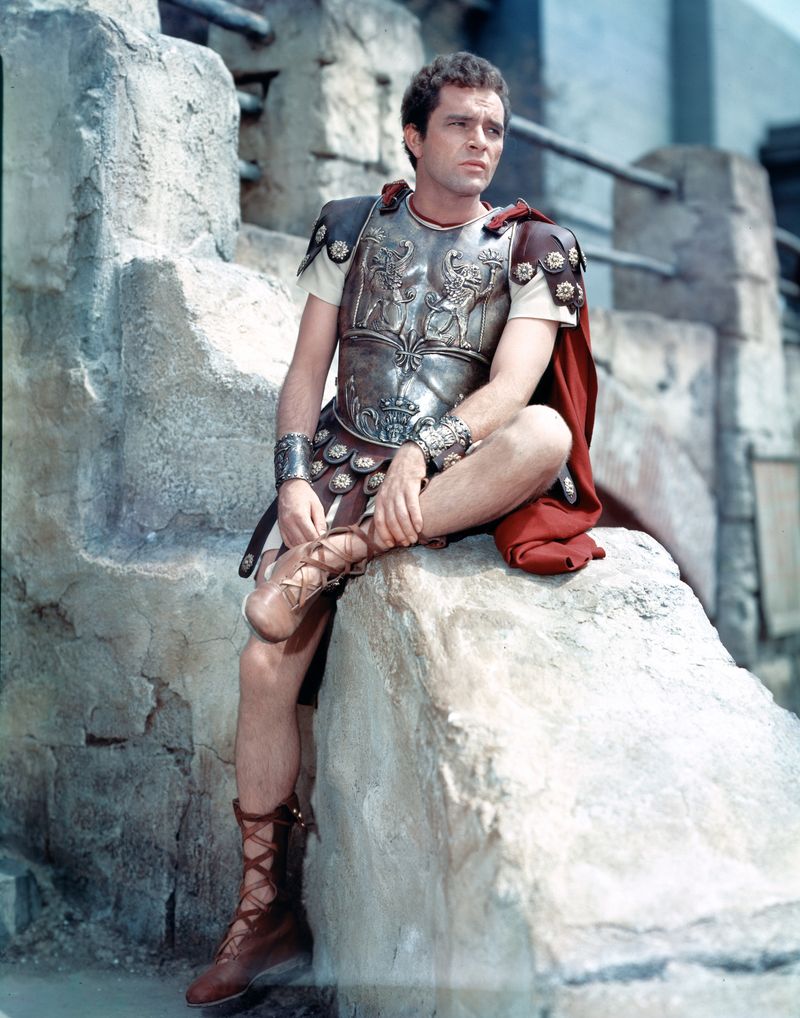
“Overblown melodramatic biblical nonsense” isn’t exactly a glowing review, but that’s what critics had to say about The Robe. The film was the first ever shot in CinemaScope, and the Academy seemed more impressed by its technical achievement than its storytelling.
Holding a 38% on Rotten Tomatoes, the film is remembered more as a visual experiment than a great drama. Its Best Picture nomination feels more like a reward for innovation than for actual quality.
8. Anthony Adverse (1936)
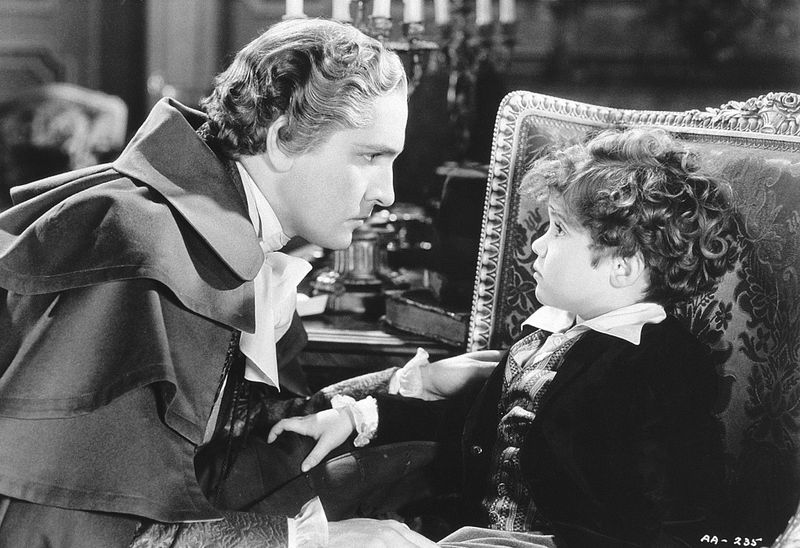
At nearly three hours long and packed with a story that wanders in every direction, Anthony Adverse tested critics’ patience in 1936. Reviewers called it a “bulky, rambling and indecisive photoplay” with a pointless script and unimaginative direction.
Its 18% Rotten Tomatoes score makes it one of the lowest-rated Best Picture nominees ever. Despite winning four Oscars in technical categories, the film’s dramatic shortcomings were hard to overlook, even by the standards of classic Hollywood.
9. Cimarron (1931)
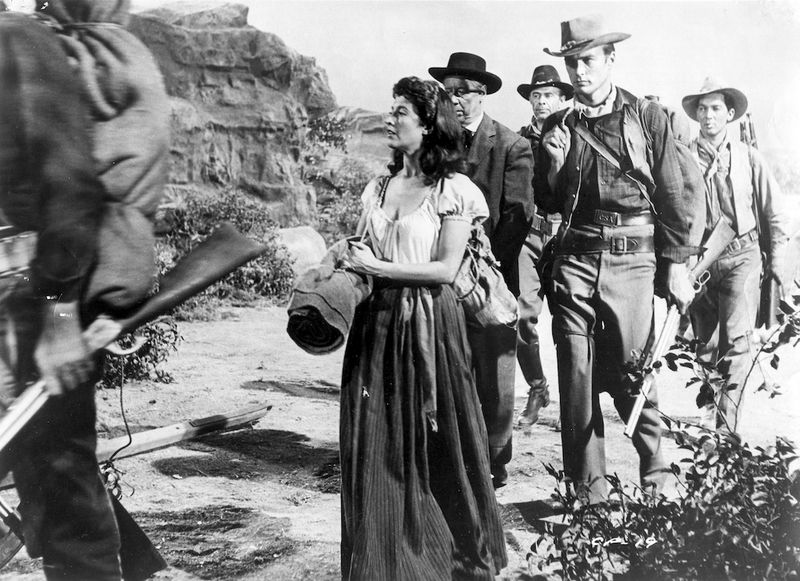
Winning Best Picture and Best Adapted Screenplay should signal a masterpiece, but Cimarron has aged poorly by almost any measure. Modern audiences find its handling of race and social issues ham-fisted at best and borderline offensive at worst.
Critics point to inconsistent storytelling and cringe-worthy dialogue as major flaws. Sitting at 50% on Rotten Tomatoes, it remains one of those wins that makes film historians uncomfortable.
Even in 1931, it wasn’t universally beloved.
10. Vice (2018)
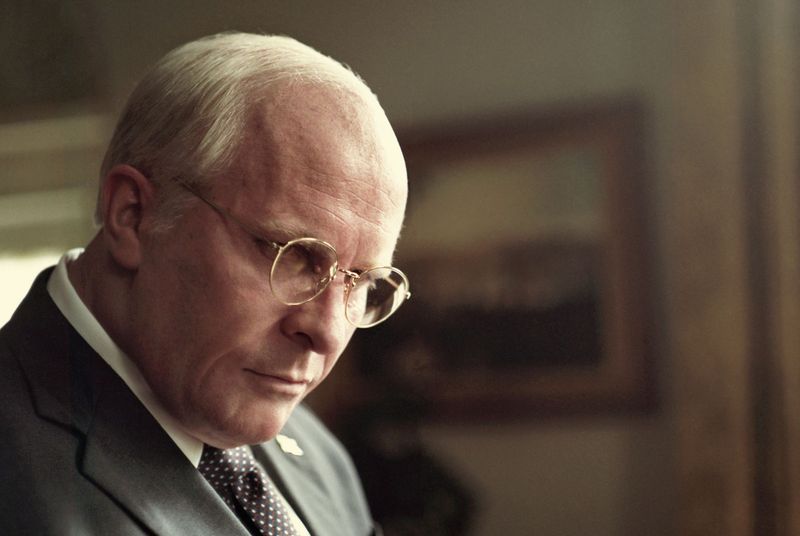
Adam McKay’s satirical take on Dick Cheney was bold, messy, and deeply polarizing. Critics split sharply on whether the film’s comedic approach to political drama was clever or just shallow.
Many reviewers found the stylistic tricks off-putting rather than insightful, leaving Vice with a 64% on Rotten Tomatoes and a Metascore of 61. Its eight Oscar nominations surprised plenty of people who felt the film mistook style for substance, leaving real political analysis on the cutting room floor.
11. Les Miserables (2012)
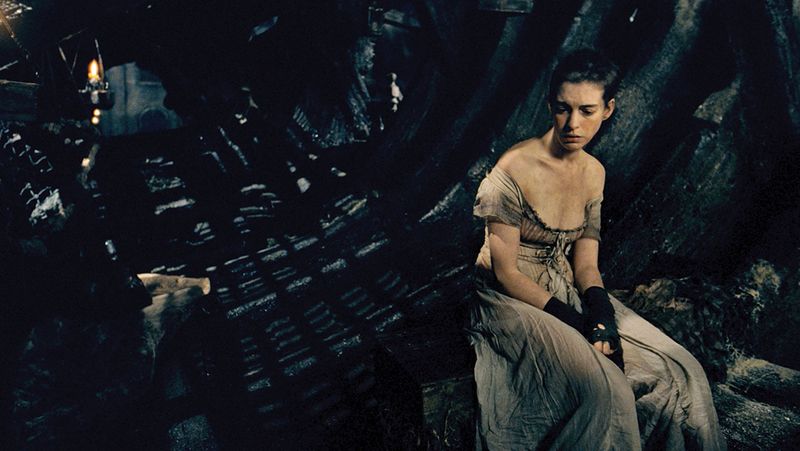
Few films have split critics and audiences quite so dramatically. Tom Hooper’s decision to have actors sing live on set was admired by some and mocked by others, with close-up camera work that many reviewers found exhausting rather than intimate.
Roger Ebert famously trashed it in one of his final reviews. The film landed a 69% on Rotten Tomatoes and a Metascore of 63.
Performances were praised, but the overall execution left many critics cold and unmoved.
12. Joker (2019)
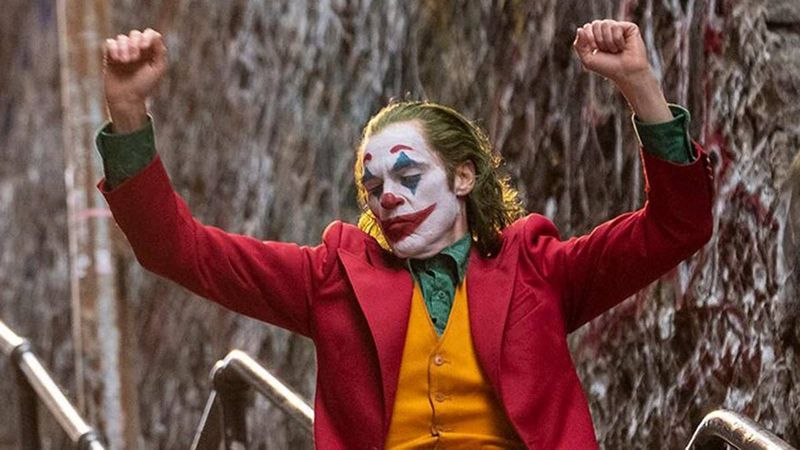
Joaquin Phoenix’s performance was practically bulletproof, earning near-universal praise. But the film surrounding him?
That’s where critics got complicated. Many reviewers felt Joker‘s script oversimplified its themes and leaned too heavily on references to Scorsese films without matching their depth.
With a 68% on Rotten Tomatoes and a Metascore of 59, the film was considered technically impressive but narratively shallow. Its 11 Oscar nominations made it one of the most debated entries of the year.
13. Don’t Look Up (2021)
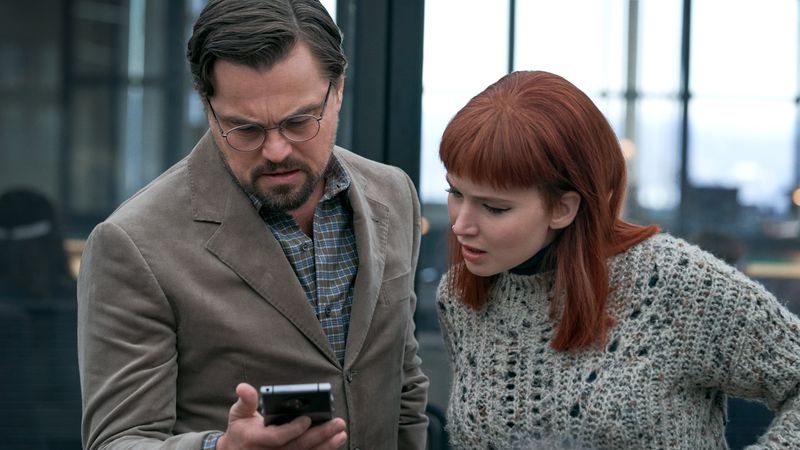
Netflix’s star-studded climate change satire arrived with enormous hype and left critics genuinely divided. Some praised its sharp political edge while others found it heavy-handed and exhausting, like being lectured for two and a half hours straight.
A 56% on Rotten Tomatoes and a Metascore of 49 reflect just how polarizing it was. Audiences seemed to enjoy it more than critics did, but the Best Picture nomination still raised plenty of eyebrows among serious film reviewers.
14. The Reader (2008)
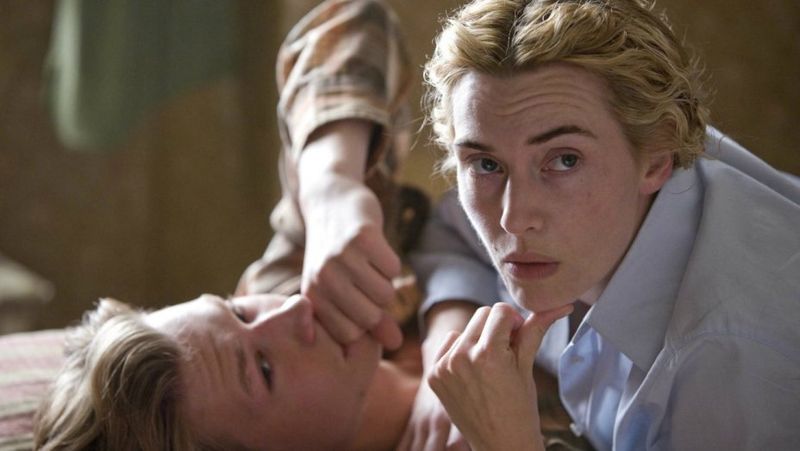
Kate Winslet won Best Actress for this one, and nobody argued with that. The film itself, though, was a different story.
Critics largely found The Reader emotionally cold and morally murky in ways that felt unearned rather than thought-provoking.
A 63% on Rotten Tomatoes and a Metascore of 58 suggest it resonated more with older Academy voters than with working critics. Many felt stronger films that year were passed over in its favor.
15. Chocolat (2000)
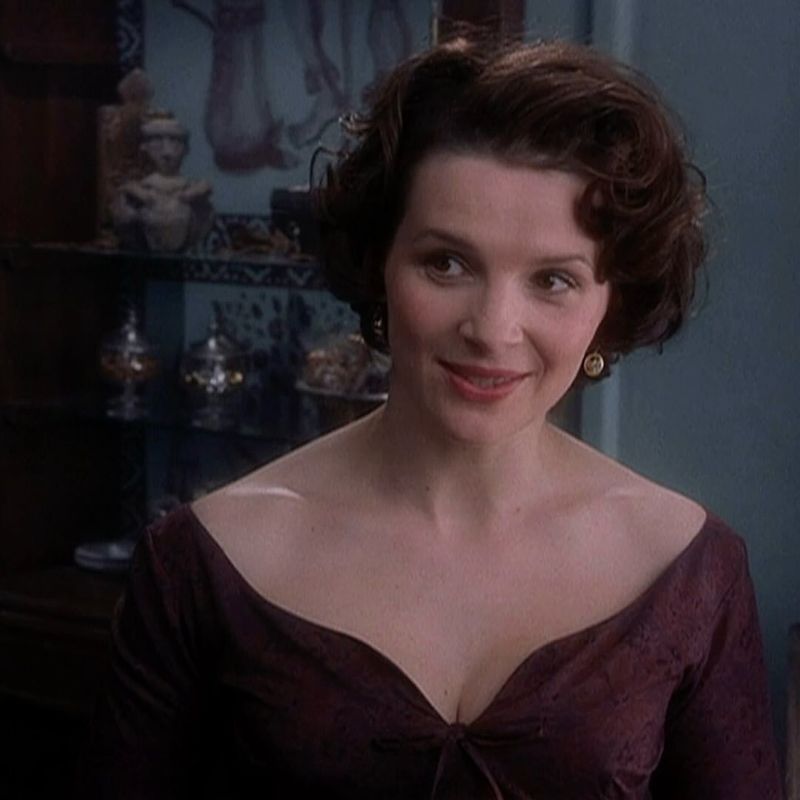
Sweet, charming, and utterly harmless – that’s the kindest way to describe Chocolat. Critics found it pleasant enough but questioned whether a lightweight fairy tale about chocolate had any business competing for Hollywood’s biggest prize.
With a 63% on Rotten Tomatoes and a Metascore of 64, the film sits in a strange middle ground. It’s not bad enough to be infamous, but not strong enough to justify its five Oscar nominations, including Best Picture.
16. The Godfather Part III (1990)
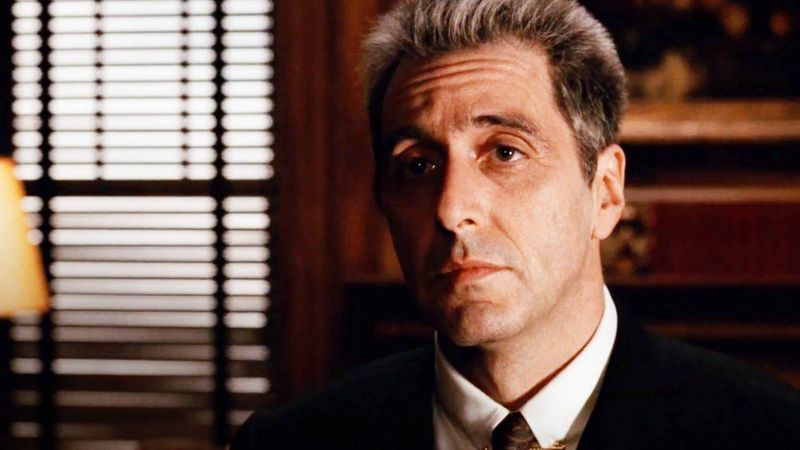
Following two of the greatest films ever made was always going to be a losing battle. The Godfather Part III arrived carrying impossible expectations and fell well short, with critics calling it lumbering and dramatically inert compared to its predecessors.
Sofia Coppola’s performance drew particular criticism. A 68% Rotten Tomatoes score and a Metascore of 60 reflect a film that disappointed far more than it satisfied.
Its Best Picture nomination felt more like a tribute to the franchise than a genuine endorsement.
17. Out of Africa (1985)
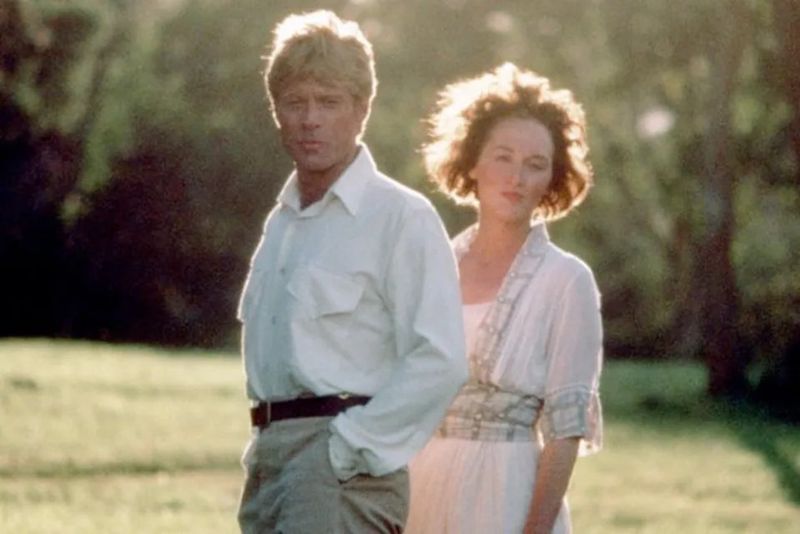
Winning Best Picture is one thing. Being remembered fondly decades later is another entirely.
Out of Africa managed the first but struggled with the second, as critics have grown increasingly cool toward its slow pacing and romanticized colonial setting.
At nearly three hours long with a 62% Rotten Tomatoes score, the film strikes many modern viewers as creaky and overlong. Its win over stronger contenders like The Color Purple remains a sore spot for many film fans.
18. Shakespeare in Love (1998)
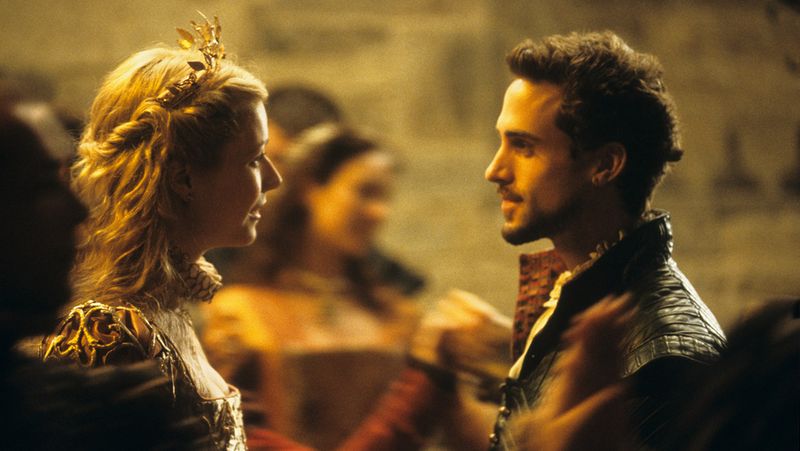
Ask any film buff about Oscar’s most controversial wins, and this one comes up almost immediately. Shakespeare in Love beat Saving Private Ryan, a decision widely blamed on a relentless lobbying campaign by producer Harvey Weinstein.
The film itself is enjoyable enough, but the behind-the-scenes maneuvering overshadowed its merits permanently. Many critics and industry insiders consider it a symbol of how money and politics can override artistic judgment when Oscar season turns into a full-contact sport.
19. Around the World in 80 Days (1956)
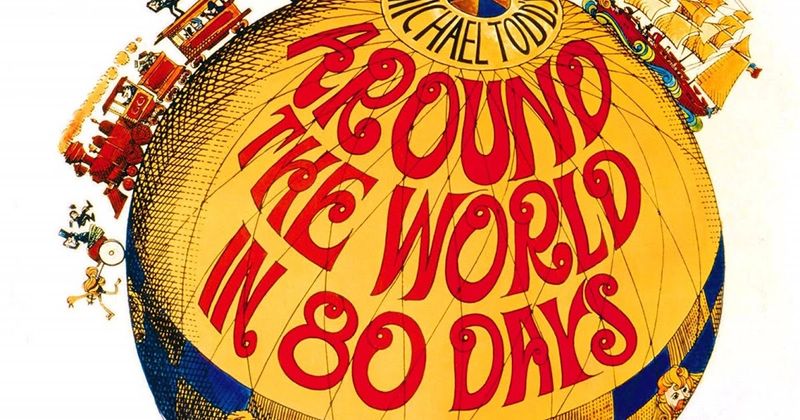
Cinephiles still bring this one up when listing the Academy’s most baffling decisions. Around the World in 80 Days beat out both The Ten Commandments and The King and I for Best Picture, a choice that puzzled critics then and continues to puzzle them now.
The film is a breezy, globe-trotting adventure more interested in spectacle than story. Fun to watch, sure, but Best Picture worthy?
Most serious film historians would firmly say no.
20. Blossoms in the Dust (1941)
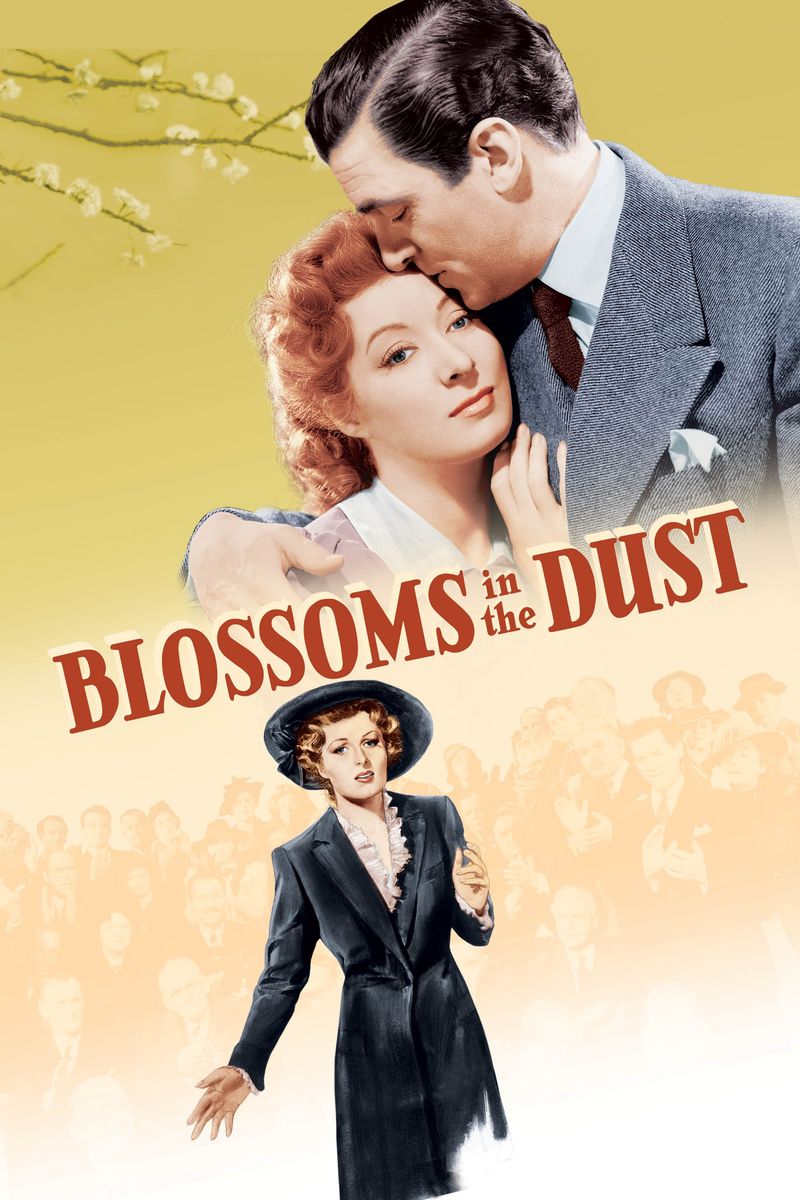
Greer Garson plays real-life Texas reformer Edna Gladney in this glossy Technicolor tearjerker, and her performance is the clear highlight. Critics at the time found the film emotionally manipulative, leaning on sentimentality rather than genuine dramatic power.
A 33% Rotten Tomatoes score confirms that modern viewers largely agree. The film is more of a polished MGM product than a truly great drama.
Its Best Picture nomination reflects the Academy’s long-standing soft spot for earnest, inspirational stories over challenging or innovative filmmaking.