
Divorce is one of the hardest experiences a person can go through, and it often leaves behind a trail of “what ifs” and “if onlys.” Many divorced couples, looking back, wish they had done certain things differently or paid closer attention to warning signs before it was too late. Their stories carry powerful lessons for anyone in a relationship.
Whether you are married, dating, or simply curious, these honest reflections can help you build stronger, healthier connections.
1. Failing to Put the Relationship First

Work deadlines, social media, and daily stress have a sneaky way of pushing a marriage to the back burner. Many divorced people admit they simply stopped making their partner a priority, and over time, the emotional distance grew into something impossible to bridge.
Small gestures matter more than most people realize. A quick check-in, a shared laugh, or even cooking dinner together can quietly hold a relationship together when life gets busy.
2. Wishing They Had Tried Harder Before Giving Up
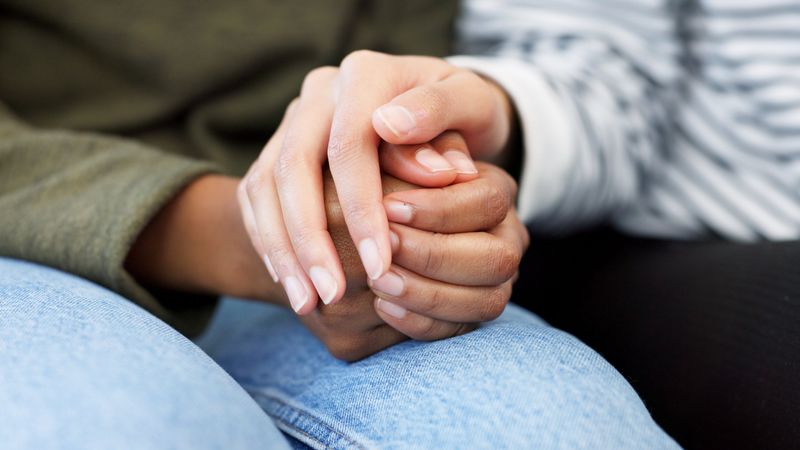
“I just wish I had fought harder for us” is one of the most common things divorced people say years later. Letting problems pile up without really tackling them head-on is a pattern many recognize only after the relationship has already ended.
Trying harder does not always mean grand gestures. Sometimes it simply means staying in the room during a tough conversation instead of walking away or shutting down.
3. Underestimating How Much Divorce Would Hurt
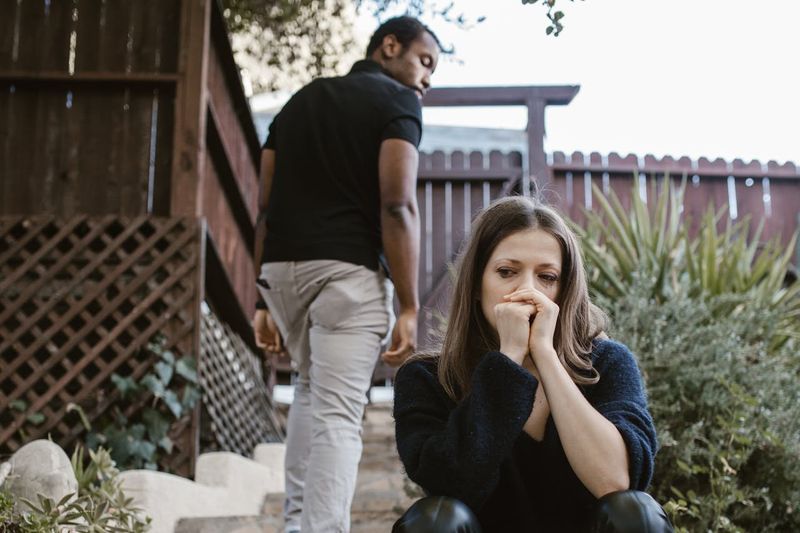
Nobody walks into a divorce expecting to feel completely fine, but the emotional weight still catches most people off guard. Grief, guilt, anger, and loneliness can hit in waves, sometimes months or even years after the papers are signed.
Therapists who specialize in divorce often say the healing process mirrors that of losing a loved one. Giving yourself permission to feel all of it, without rushing through the pain, is actually a healthy and necessary step.
4. Regret Over How Divorce Affected the Kids
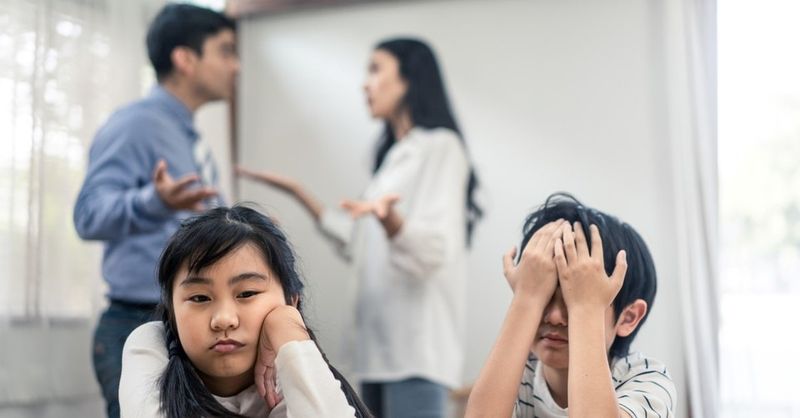
Children absorb far more than parents expect, and many divorced adults carry deep guilt about the toll the split took on their kids. From behavioral changes to struggles in school, the ripple effects can last well into adulthood.
Research consistently shows that how parents handle co-parenting after divorce matters enormously. Kids tend to adjust better when both parents stay respectful toward each other, even when it is genuinely difficult to do so.
5. The Financial Hit Nobody Saw Coming

Splitting one household into two is expensive in ways that are hard to fully prepare for. Legal fees, separate rent or mortgage payments, and dividing shared assets can leave both parties in a significantly tighter financial position than before.
Many divorced individuals wish they had understood the full financial picture of their marriage much earlier. Transparent conversations about spending habits, debt, and savings goals could have prevented some of the messiest post-divorce surprises.
6. Letting Poor Communication Slowly Erode the Marriage

Silence can be just as damaging as shouting. Countless divorced couples trace the beginning of the end back to small frustrations that were never actually talked about, building up quietly until resentment took root.
Good communication is a skill, not a natural talent, and most people never formally learn it. Saying “I feel hurt when this happens” instead of “you always do this” is a tiny shift that can completely change the direction of a difficult conversation.
7. Missing the Companionship and Sense of Belonging
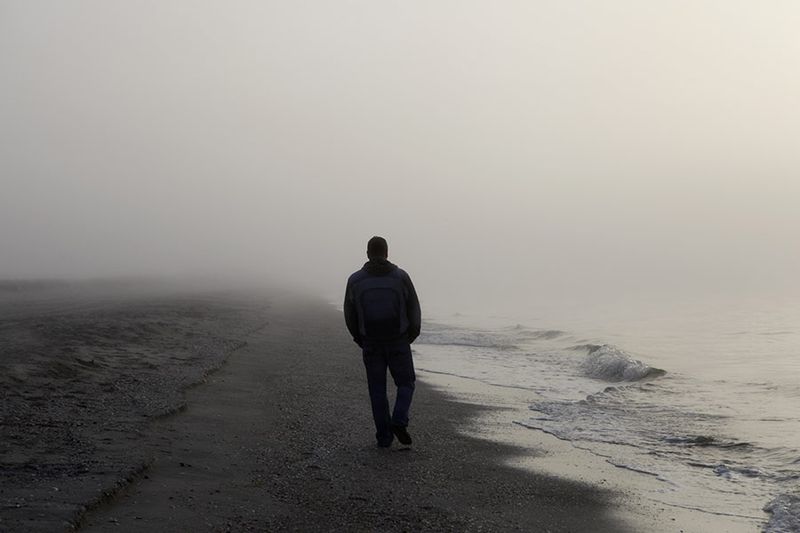
Marriage is not just a legal arrangement. For many people, it is their primary source of daily companionship, shared routines, and a sense of belonging somewhere.
When that disappears, the silence can feel surprisingly loud and disorienting.
Some divorced individuals describe feeling like they lost their identity along with their partner. Rebuilding a social life and rediscovering personal interests takes real time and intentional effort after a long marriage ends.
8. Acting on Impulse Instead of Thinking It Through
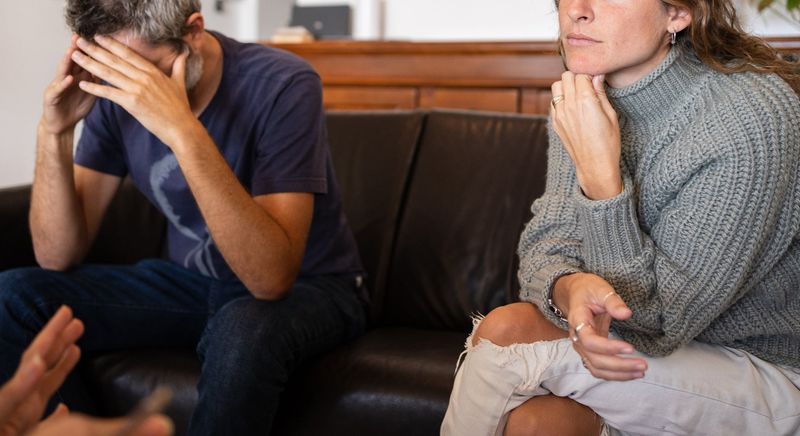
Anger has ended more marriages than incompatibility ever has. Some divorced people admit they made the decision to split during a particularly bad argument, without pausing to consider whether the relationship was truly beyond repair or just going through a rough patch.
Waiting even a few weeks before making a permanent decision can create enough emotional space to think more clearly. Impulsive choices made in moments of peak frustration rarely reflect what someone actually wants long-term.
9. Not Owning Their Part in the Breakdown

It is much easier to list everything your partner did wrong than to honestly examine your own behavior. Many divorced individuals eventually come to realize they played a bigger role in the relationship’s decline than they originally admitted to themselves.
Self-reflection after divorce is uncomfortable but genuinely valuable. Recognizing your own patterns, whether it is avoidance, criticism, or emotional withdrawal, is the only way to avoid bringing those same habits into future relationships.
10. Watching the Same Patterns Play Out Again

One of the most eye-opening post-divorce realizations is discovering that the same arguments, the same emotional walls, and the same dynamics show up in the next relationship. That pattern is a clear sign that some personal work was left unfinished.
Therapists call this “repetition compulsion,” and it is more common than most people expect. The good news is that once you recognize the pattern, you actually have the power to break it before it causes more damage.
11. Wishing They Had Made More Quality Time Together

Looking back, many divorced couples realize that their relationship did not fall apart in one dramatic moment. It quietly faded through years of cancelled date nights, distracted evenings, and conversations that never went deeper than logistics.
Quality time does not have to be elaborate or expensive. Even thirty minutes of genuinely focused attention, without phones or television in the background, can do wonders for maintaining emotional closeness over the long haul.
12. Wishing They Had Sought Counseling Much Earlier

Therapy still carries an unfair stigma for some people, which means many couples wait until they are already at a breaking point before finally picking up the phone to make an appointment. By then, the damage can be incredibly hard to undo.
Marriage counselors frequently note that the couples who benefit most are those who come in early, before habits become entrenched. Seeking help is not a sign of weakness; it is one of the most proactive things a couple can do.
13. Wishing They Had Communicated More Openly and Honestly

Honest communication feels risky because it requires vulnerability, and vulnerability means the possibility of being hurt. Many divorced people wish they had pushed past that fear and said the things that really needed to be said while there was still time.
Learning to express needs clearly, listen without immediately defending yourself, and revisit difficult topics calmly are skills that genuinely transform relationships. Most people are never taught these skills, but they absolutely can be learned at any age.
14. Wishing They Had Truly Understood Their Partner Before Marrying

Falling in love and truly knowing someone are two very different things. Some divorced individuals reflect that they were so caught up in the excitement of a new relationship that they skipped the slower, more honest process of understanding who their partner really was under pressure.
Knowing how someone handles financial stress, family conflict, or personal failure matters enormously in a long-term partnership. Those conversations feel awkward early on, but they are some of the most important ones a couple can have.
15. Wishing They Had Handled Finances More Transparently

Money is one of the top causes of conflict in marriages, yet many couples avoid the subject entirely until it becomes a crisis. Hidden debt, mismatched spending habits, and financial secrets have quietly destroyed more marriages than most people would guess.
Financial therapists suggest that couples have regular, judgment-free check-ins about their money goals and concerns. Even just knowing where each other stands on saving versus spending can prevent years of simmering resentment from building up.
16. Wishing They Had Nurtured Intimacy More Intentionally

Intimacy is not just physical. Emotional closeness, feeling truly seen and heard by your partner, is what keeps a marriage feeling like a safe place rather than just a shared living arrangement.
Many divorced couples admit they let both types of intimacy quietly fade.
Life gets busy, and affection is often the first thing to get squeezed out of a packed schedule. Rebuilding that closeness requires deliberate effort, but even small daily acts of warmth and attention can make a meaningful difference over time.
17. Wishing They Had Taken Personal Accountability Sooner

Accountability is not about blame. It is about honestly asking yourself, “What did I bring to this relationship that made things harder?” That question takes real courage, and many people only start asking it after a marriage has already ended.
Therapists who work with divorced individuals often say that the ones who heal fastest are those willing to own their part early. That self-awareness does not just help in future relationships; it also tends to improve how people show up in every area of life.
18. Wishing They Had Stood Up for Each Other More

Marriage is supposed to mean having someone firmly in your corner. Yet some divorced individuals look back and realize they failed to defend their partner in front of family or friends, or never clearly communicated their own needs and boundaries within the relationship.
Feeling unsupported by the person who is supposed to be your closest ally is quietly devastating. Making it a habit to check in with your partner after difficult social situations can go a long way toward building that sense of true partnership.
19. Wishing They Had Chosen Forgiveness Over Grudges

Holding onto anger feels powerful in the short term, but it quietly poisons everything around it. Many divorced people admit they clung to old wounds far longer than was healthy, letting grievances pile up until forgiveness started to feel impossible.
Forgiveness does not mean pretending something did not hurt. It means choosing not to let that hurt run your decisions anymore.
Couples who practice it regularly tend to bounce back from conflicts faster and with far less lasting damage to their bond.
20. Wishing They Had Invested in Personal Growth Earlier

A healthy relationship cannot be built on two people who have never examined their own emotional baggage. Many divorced individuals eventually recognize that unresolved personal issues, whether from childhood, past relationships, or untreated anxiety, quietly seeped into their marriage and caused real damage.
Investing in your own mental and emotional health is not selfish; it is one of the most loving things you can do for a partner. The version of yourself that has done some genuine inner work is a far better partner than one who has not.