
Every relationship has its own set of challenges, but some issues go way beyond normal bumps in the road. Deal breakers are serious problems that can make a relationship unhealthy, painful, or even dangerous.
Knowing what your deal breakers are before things get too serious can save you a lot of heartache. Paying attention to these warning signs early on is one of the smartest things you can do for yourself.
1. Abuse of Any Kind

No one ever deserves to be hit, screamed at, or made to feel worthless by the person who claims to love them. Abuse comes in many forms — physical, verbal, emotional, and sexual — and all of them leave real scars.
Verbal abuse like name-calling, gaslighting, and constant criticism slowly chips away at your self-esteem. If your partner uses your vulnerabilities against you or makes you feel afraid, that is never acceptable.
Walk away — your safety always comes first.
2. Lying and Dishonesty

Trust is the foundation of any healthy relationship, and once it cracks from dishonesty, it is incredibly hard to repair. Whether someone lies about big things like cheating or smaller things like where they spent their money, the pattern is the same.
Consistent lying signals that your partner does not respect you enough to be straight with you. Hiding financial details or bending the truth about their past are also forms of dishonesty.
A relationship without honesty is a house built on sand.
3. Substance Abuse and Addiction

Loving someone who struggles with addiction is one of the most exhausting and heartbreaking experiences a person can go through. Alcohol, drug, or even tobacco dependency can completely change a person’s behavior, priorities, and reliability.
When a partner’s substance use starts affecting your safety, finances, or emotional health, it crosses into deal-breaker territory. Many people try to fix or save their partner, but real change only happens when the person chooses it themselves.
You cannot pour from an empty cup.
4. Controlling Behavior and Excessive Jealousy

Jealousy in small doses can feel flattering at first, but when it turns into control, that is a major red flag you should never brush aside. A controlling partner may dictate what you wear, who you talk to, how you spend money, or where you go.
This kind of behavior slowly shrinks your world and your sense of self. Healthy love does not come with a leash.
If your partner treats you like property instead of a person, that relationship is doing more harm than good.
5. Poor Communication and Inability to Resolve Conflict

Every couple argues sometimes — that is completely normal. The real problem shows up when one or both partners refuse to talk things through honestly or find a middle ground that works for everyone.
Poor communication leads to built-up resentment, misunderstandings, and feelings of loneliness even when you are in the same room. A partner who shuts down, stonewalls, or constantly deflects during disagreements makes it nearly impossible to grow together.
Healthy conflict resolution is a skill, and both people need to be willing to learn it.
6. Lack of Ambition or Financial Irresponsibility

Money issues are one of the top reasons couples break up or get divorced, so it makes sense that financial habits are a major deal breaker for many people. A partner who refuses to work, spends recklessly, or hides debt creates real stress for everyone involved.
Ambition does not mean chasing millions — it means having goals and working toward them. When one person carries all the financial weight while the other stays stagnant, resentment builds fast.
Shared financial responsibility keeps a relationship balanced and fair.
7. Disagreements About Having Children

Few topics carry as much weight in a relationship as the question of whether to have kids. One person dreaming of a house full of children while the other never wants any is not a small difference — it is a fundamental life goal mismatch.
Some couples hope their partner will eventually change their mind, but that is a risky gamble with your future. Timing disagreements can also cause serious friction.
Having this honest conversation early can save both people years of frustration and heartbreak down the line.
8. Disrespectful Behavior

Respect is not something you earn in a relationship — it should be the starting point, not a reward for good behavior. A partner who constantly belittles you, mocks your opinions, or criticizes you in front of others is showing you exactly how little they value you.
Dismissing your feelings as overreactions or making you feel stupid for your beliefs is emotional damage dressed up as casual conversation. You deserve a partner who lifts you up, not one who quietly tears you down every chance they get.
9. Selfishness and Greed

A relationship only works when both people are invested in the “us” — not just the “me.” A consistently selfish partner rarely considers your needs, preferences, or feelings when making decisions that affect you both.
Greed shows up in many ways: hoarding money, refusing to compromise, or always prioritizing their own comfort over yours. Over time, feeling invisible and unimportant in your own relationship is exhausting.
A loving partnership is built on give and take — not just take, take, take.
10. Unwillingness to Commit

When two people want completely different things from a relationship, someone always ends up getting hurt. One partner wanting marriage and a future together while the other refuses to commit beyond casual dating is a recipe for prolonged pain.
Waiting around hoping someone will eventually change their mind about commitment is a gamble that rarely pays off. Your time and heart are too valuable to spend on someone who cannot meet you where you are.
Knowing your relationship goals upfront saves everyone unnecessary suffering.
11. Poor Hygiene and Physical Turn-Offs

Physical attraction and basic hygiene play a bigger role in relationship satisfaction than people sometimes admit out loud. Consistently bad breath, poor dental care, or general sloppiness can genuinely affect how you feel about your partner over time.
Some people feel guilty for caring about these things, but physical comfort matters in an intimate relationship. The good news is hygiene habits can often be improved with honest, kind communication.
If someone refuses to make even small efforts after a caring conversation, that itself says a lot about them.
12. Lack of Accountability and Blaming Others
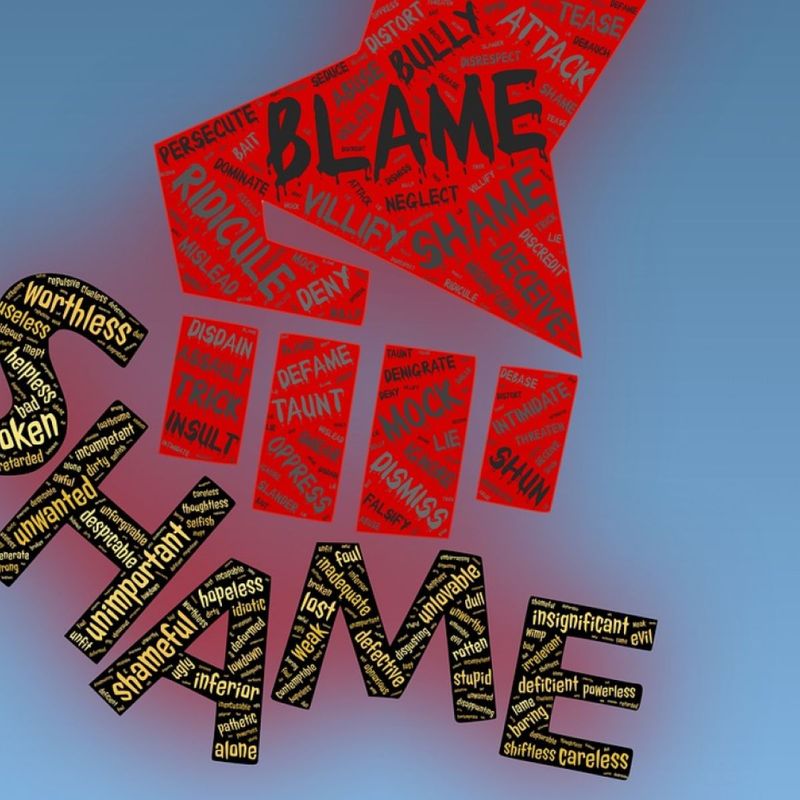
“It is never my fault” — if that sounds like your partner’s personal motto, you have a serious problem on your hands. Someone who refuses to take responsibility for their actions will always find a way to make you the villain in every story.
Blame-shifting is emotionally draining and prevents any real growth in the relationship. Whether they blame their ex, their parents, or you, the pattern stays the same.
Accountability is not just about admitting mistakes — it is about respecting the other person enough to be honest about your role in problems.
13. Mismatched Lifestyles and Values

Opposites can attract, but deeply mismatched values tend to create friction that never fully goes away. Conflicting beliefs about religion, politics, money, or morality can turn everyday conversations into exhausting battles.
Lifestyle differences like one person being a homebody while the other craves constant social activity can also wear a couple down over time. Shared values do not mean you have to agree on everything, but the big stuff — how you live, what you believe, what you stand for — needs at least some common ground.
14. Still Obsessed with an Ex

Starting a new relationship with someone who is still emotionally stuck on their ex is like trying to plant flowers in frozen ground — nothing healthy can grow there. Constant references to an ex, comparing you to them, or staying in suspiciously close contact are all warning signs.
Being emotionally unavailable because of unresolved feelings from a past relationship is unfair to a new partner. Everyone deserves someone whose heart is actually present.
If they are still living in the past, they are not ready for a future with you.
15. Lack of Support for Your Goals and Interests

Feeling invisible in your own relationship is a special kind of lonely. A partner who dismisses your ambitions, shows zero interest in what you love, or actively discourages you from pursuing your goals is not your teammate — they are your obstacle.
Support does not mean your partner has to share every hobby, but showing genuine interest and encouragement goes a long way. When someone consistently makes you feel like your dreams are not worth their attention, that emotional neglect adds up.
You deserve a cheerleader, not a critic.
16. Anger Issues and Emotional Instability

Everyone gets frustrated sometimes, but there is a big difference between normal frustration and explosive, unpredictable rage. A partner with unchecked anger issues can turn a peaceful home into a place where you are always walking on eggshells.
Emotional instability — wild mood swings, overreacting to minor inconveniences, or becoming verbally aggressive during disagreements — creates an unsafe and exhausting environment. Anger management is something people can work on, but only if they acknowledge the problem.
Staying with someone who refuses to address their rage puts your mental health at serious risk.
17. Attempts to Isolate You from Friends and Family

Healthy relationships add to your life — they do not shrink it. A partner who tries to cut you off from the people who love you is not being protective; they are being controlling, whether they admit it or not.
Isolation tactics include making you feel guilty for spending time with friends, criticizing your family constantly, or creating drama every time you make plans without them. Over time, this leaves you dependent and alone.
Keeping strong connections outside your relationship is not disloyalty — it is essential to your well-being.
18. Immaturity and Refusing to Take Responsibility

Dating someone who acts more like a child than a partner gets old very quickly. Emotional immaturity shows up as throwing tantrums, refusing to apologize, blaming parents or exes for every flaw, or expecting their partner to manage all of the adulting for both of them.
A relationship needs two emotionally grown people who can handle hard conversations without falling apart. If you constantly feel like the parent in the relationship, that dynamic will drain you completely.
Growth is possible, but only for people willing to put in the real work.