
Rock music has always sparked strong opinions, but some bands take that debate to a whole new level. Whether fans love them or can’t stand them, these groups keep showing up in conversations, arguments, and heated comment sections across the country.
From legendary stadium acts to nu-metal troublemakers, America just can’t seem to make up its mind about these 20 rock bands.
1. The Eagles
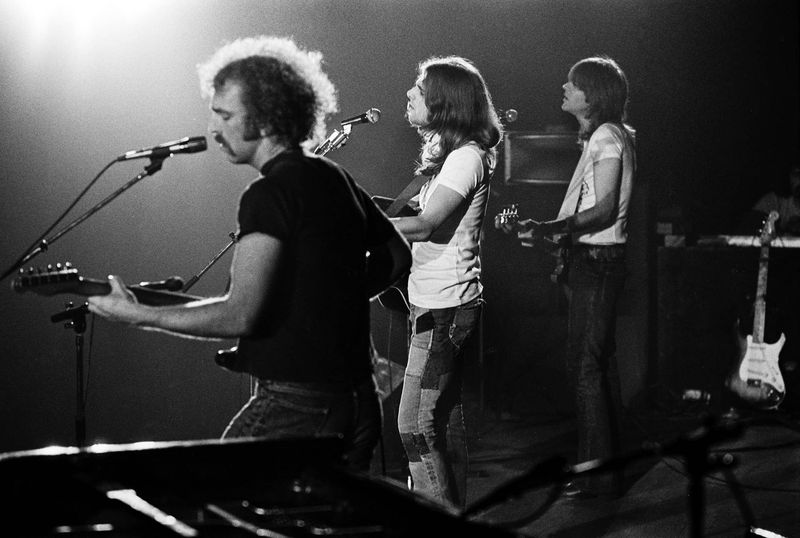
Few bands split a room quite like The Eagles. Some people consider them the gold standard of 1970s rock, pointing to timeless tracks that still dominate classic rock radio today.
But critics have long argued their polished, radio-friendly sound pushes them closer to pop than rock. Whether you’re a devoted fan or someone who changes the station, one thing is certain — The Eagles are impossible to ignore.
2. Kiss
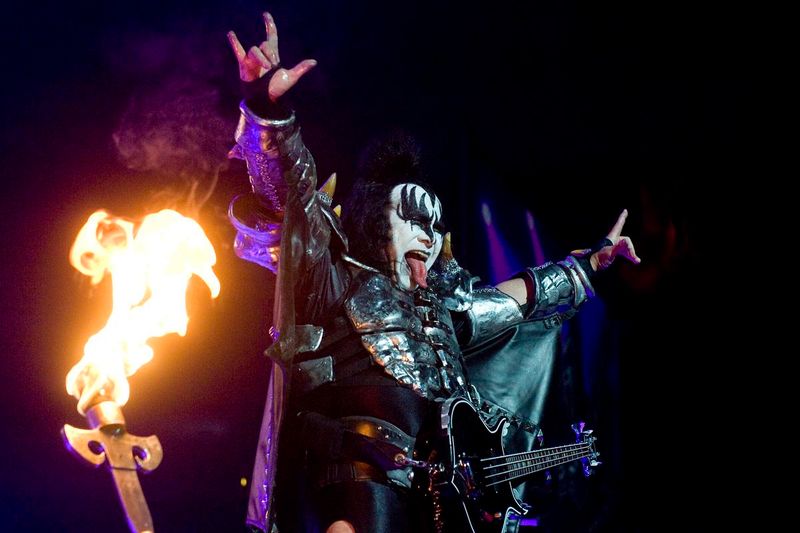
Full face paint, fire-breathing, and platform boots — Kiss made rock a full-blown theatrical event. Their live shows were spectacles that packed arenas and launched one of music’s most aggressive merchandising empires.
That’s exactly where the debate starts. Plenty of rock fans argue the costumes and commercialism overshadowed the actual music.
Supporters fire back that the songs were solid hard rock all along, and the showmanship was just a bonus.
3. Pink Floyd
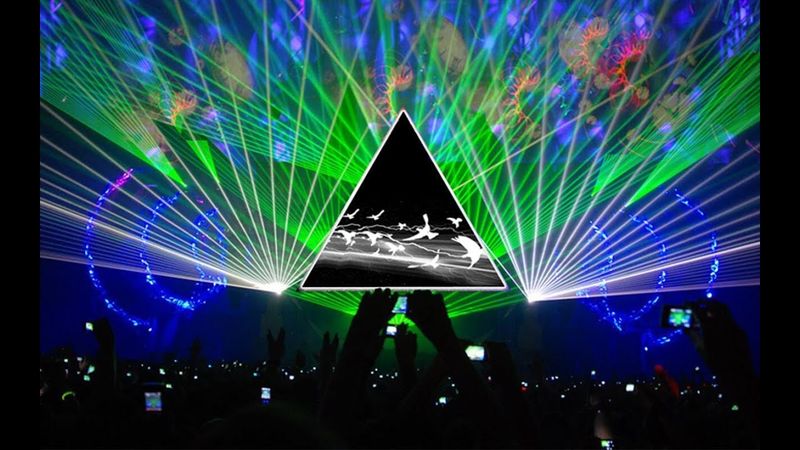
Pink Floyd built some of the most ambitious concept albums in rock history. Albums like “The Wall” and “Dark Side of the Moon” pushed the boundaries of what rock music could sound like or say.
Not everyone was impressed, though. Some critics felt their sprawling compositions were self-important and bloated, more art project than rock band.
Still, their influence stretches across generations, and that alone keeps the conversation going strong.
4. Aerosmith
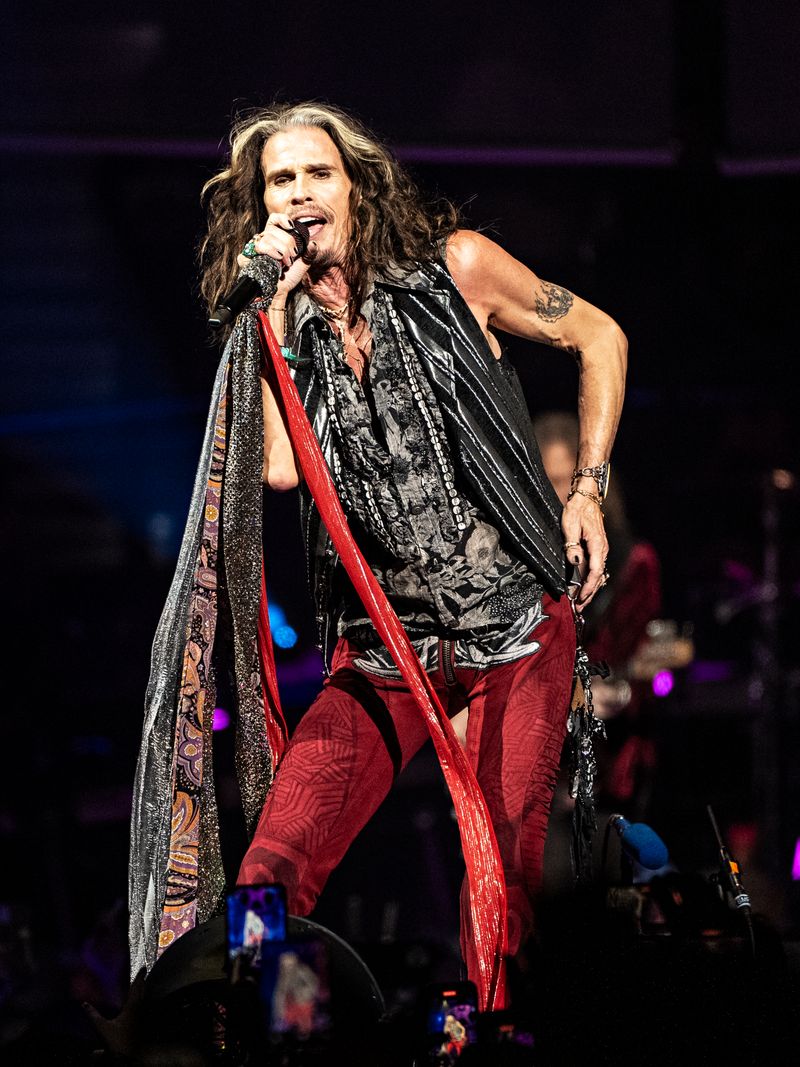
Aerosmith started as a gritty, hard-driving rock band in the 1970s before hitting a rough patch and then roaring back in the late 1980s. Their comeback was massive — but it came with a new, polished sound.
Power ballads and MTV-friendly videos replaced some of the raw edge that original fans loved. Many felt the band traded their identity for pop stardom.
Others say reinvention is just smart survival. The debate never fully settled.
5. Metallica
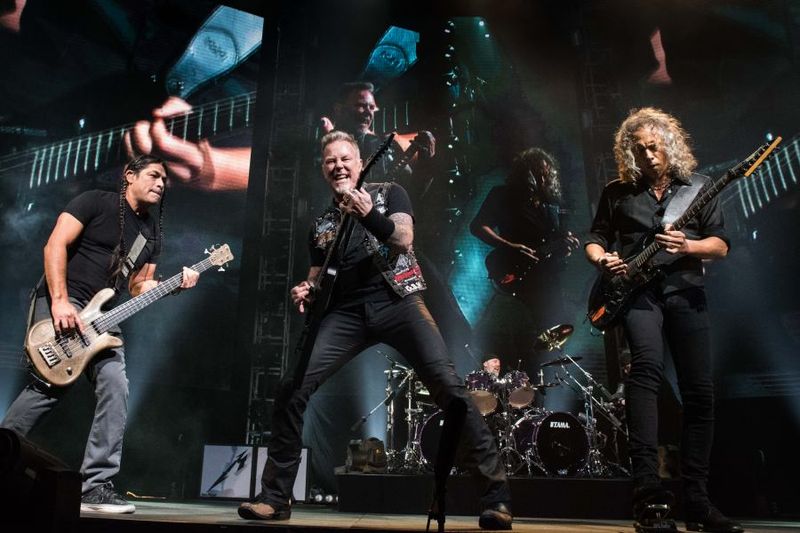
Back in the 1980s, Metallica was the undisputed king of thrash metal — fast, aggressive, and unapologetically heavy. Then 1991 arrived with the self-titled “Black Album,” and everything changed.
Slower tempos and radio-friendly production shocked longtime fans who felt the band had gone soft. Newer listeners loved it and discovered the band through that album.
Decades later, those two camps still argue about which version of Metallica represents the real one.
6. Nirvana
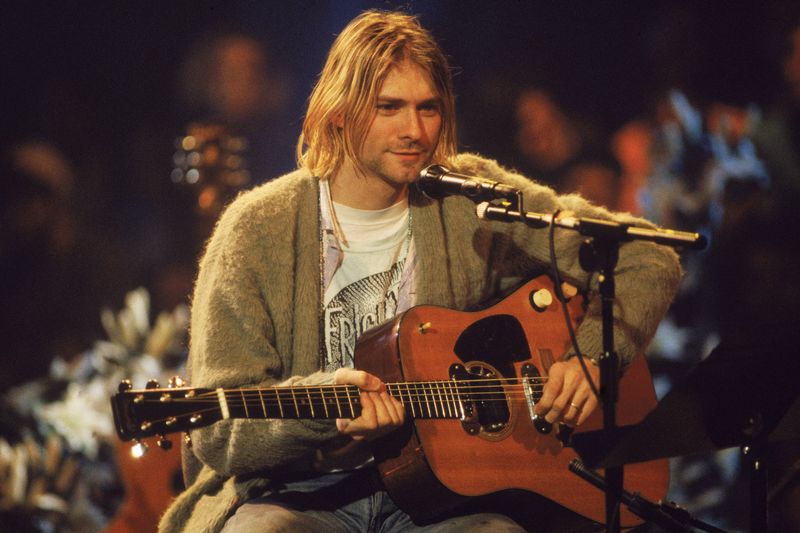
Nirvana’s arrival in 1991 felt like a cultural earthquake. “Smells Like Teen Spirit” didn’t just top charts — it supposedly killed hair metal and launched an entire generation’s soundtrack.
But not everyone buys the legend. Some critics argue the band’s actual sound was messy and inconsistent, and that Kurt Cobain’s tragic story inflated their legacy far beyond what the music warranted.
It’s a genuinely uncomfortable debate, especially for devoted fans who grew up with them.
7. U2
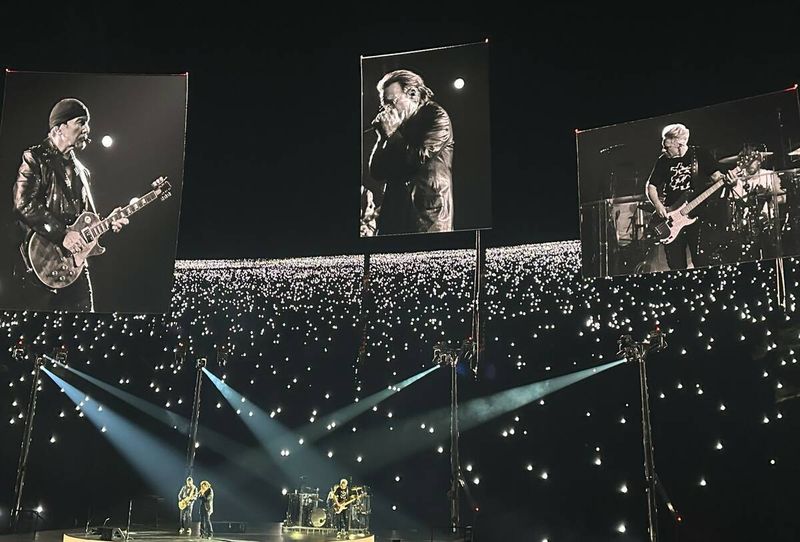
U2 spent decades building one of rock’s most celebrated catalogs, winning Grammys and selling out stadiums on every continent. Bono became as famous for his activism as for his voice.
That celebrity do-gooder image turned plenty of people off. Then came 2014, when Apple automatically pushed a U2 album onto millions of devices without asking.
Many listeners felt invaded rather than gifted. Supporters call it generosity; detractors call it arrogance.
The split is real.
8. Nickelback
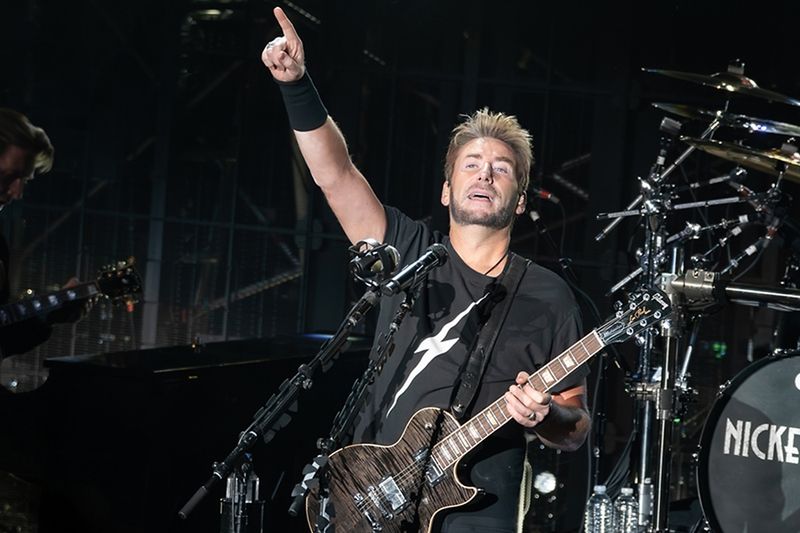
Nickelback became one of the best-selling rock bands of the 2000s, which also made them one of the most mocked. Internet jokes about their repetitive chord progressions and formulaic lyrics turned into a full cultural phenomenon.
Here’s the twist — millions of people kept buying the albums anyway. Critics argue their polished production represents everything wrong with mainstream rock.
Fans counter that catchy hooks aren’t a crime. Nickelback somehow became a symbol of the whole debate.
9. Creed
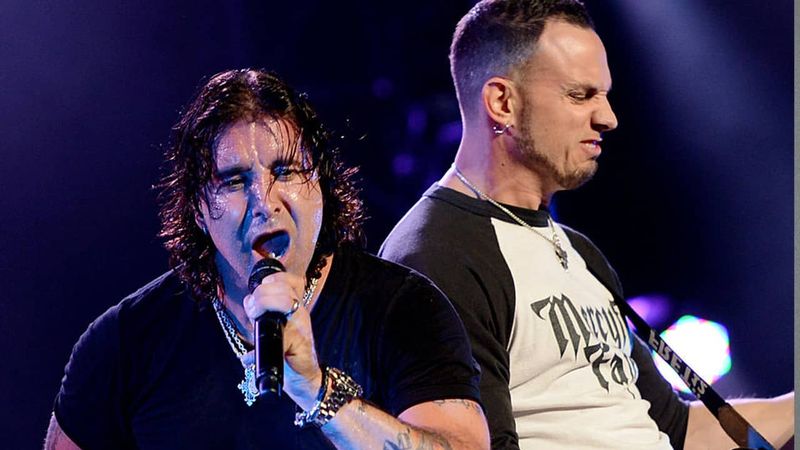
Creed dominated late-1990s rock radio with anthemic songs about faith, struggle, and identity. Scott Stapp’s powerful voice and dramatic delivery made them a stadium sensation almost overnight.
Critics weren’t buying it. Many dismissed the band as a watered-down Pearl Jam knockoff with corporate polish replacing genuine grit.
The Christian undertones in their lyrics also divided listeners. Even today, bringing up Creed at a party will almost guarantee a passionate argument from at least two people in the room.
10. Limp Bizkit
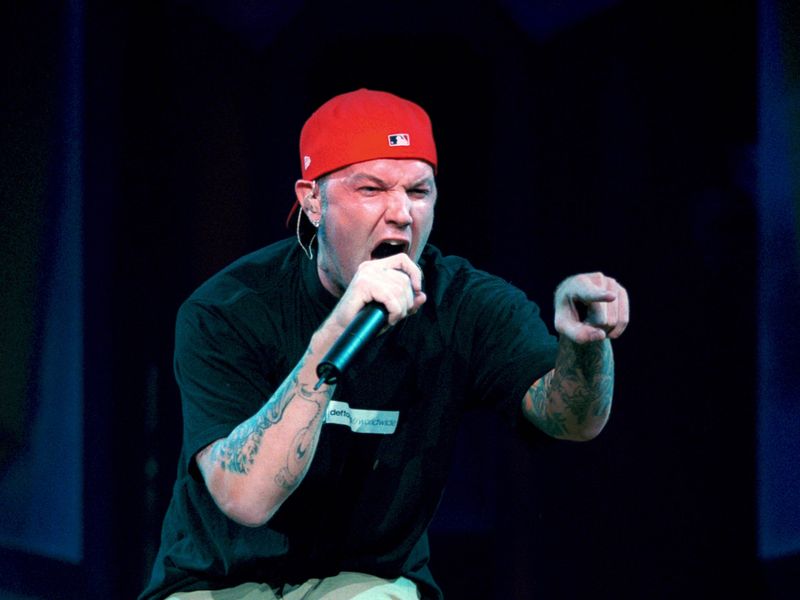
Nobody embodied the chaotic energy of late-1990s nu-metal quite like Limp Bizkit. Fred Durst’s backwards red cap became an icon of teenage rebellion, and the band sold millions of albums on pure attitude alone.
Critics labeled them frat-boy rock with juvenile lyrics and minimal musical depth. The band’s connection to the disastrous Woodstock ’99 riots added serious controversy to their legacy.
Whether you loved the aggression or cringed at it, Limp Bizkit was impossible to ignore during their peak.
11. Red Hot Chili Peppers
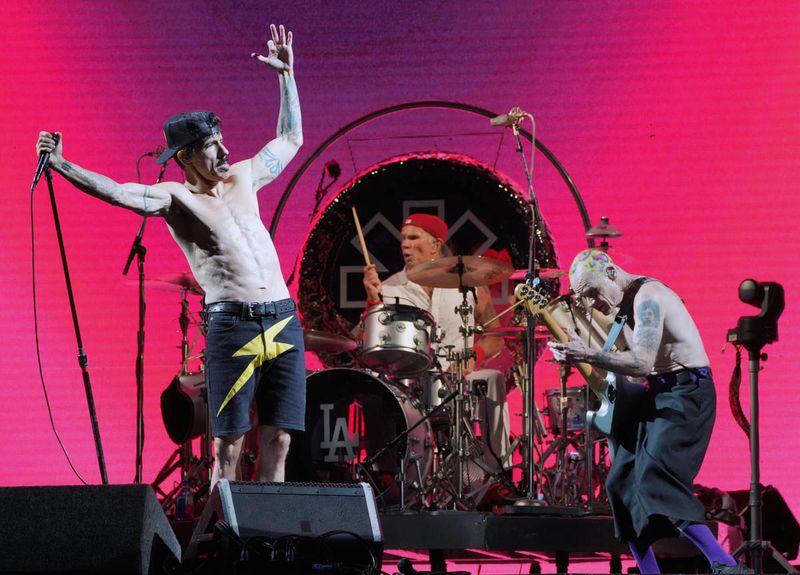
Starting out as a quirky funk-rock band from Los Angeles, Red Hot Chili Peppers seemed like an unlikely candidate for global superstardom. Critics initially dismissed them, and their early records were polarizing.
As they evolved into polished stadium rockers, a new set of debates emerged. Longtime fans felt the raw funk energy got traded for radio-friendly smoothness.
Newer fans wondered what the fuss was about. Their journey from weird to worldwide is genuinely fascinating, and deeply divisive.
12. The Beach Boys
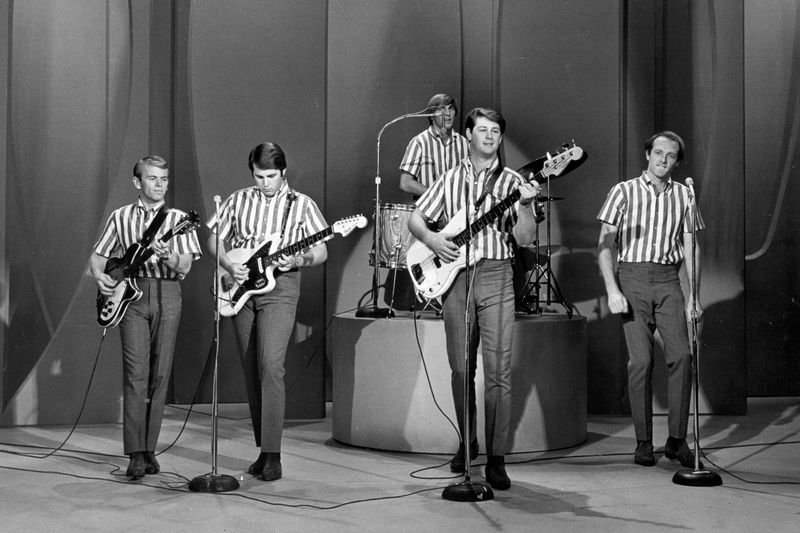
Sunny harmonies and surfboard imagery made The Beach Boys America’s feel-good band of the 1960s. Brian Wilson’s “Pet Sounds” album is still considered one of the greatest records ever made by music scholars worldwide.
Behind the cheerful image, though, was a band torn apart by personal struggles, legal battles, and constant lineup changes. The ongoing tension between members — especially the Wilson brothers — kept the group in tabloid territory as much as on the charts.
Their legacy is complicated.
13. Guns N’ Roses
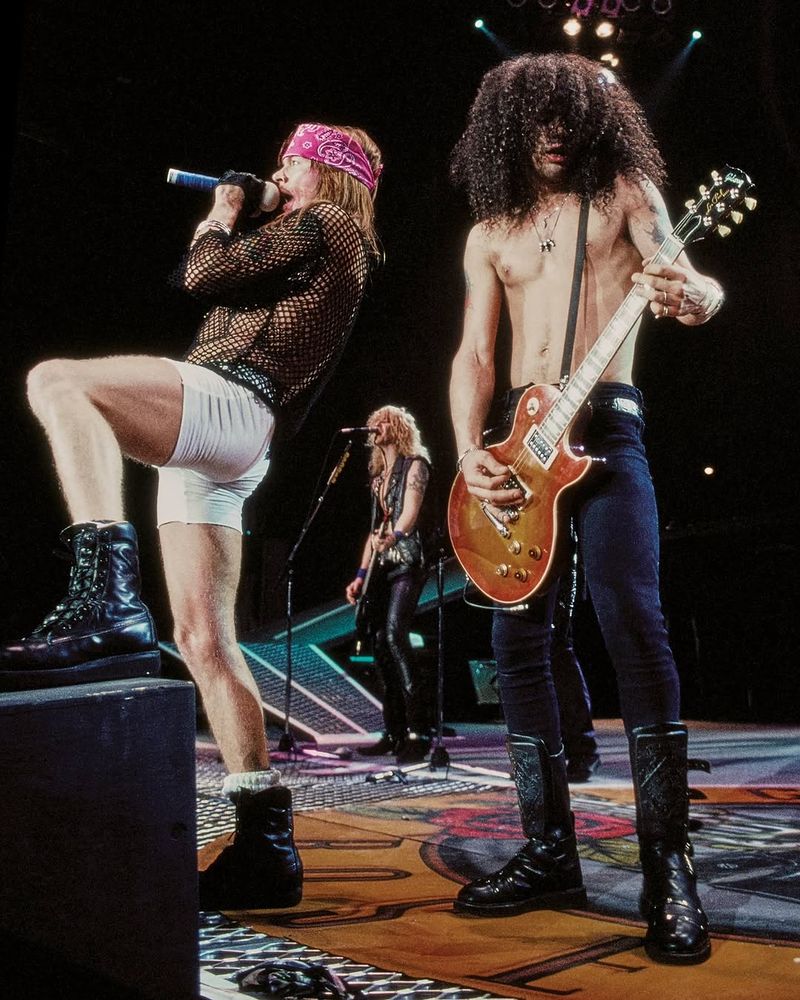
When “Appetite for Destruction” dropped in 1987, Guns N’ Roses sounded like nothing else on the planet. Raw, dangerous, and unapologetically loud, they brought real edge back to mainstream rock.
Off-stage chaos quickly became part of the story — late shows, mid-concert walkouts, riots, and controversial lyrics kept them in headlines for all the wrong reasons. Some fans consider the drama inseparable from the art.
Others believe the mayhem ultimately robbed the band of its full potential.
14. Journey
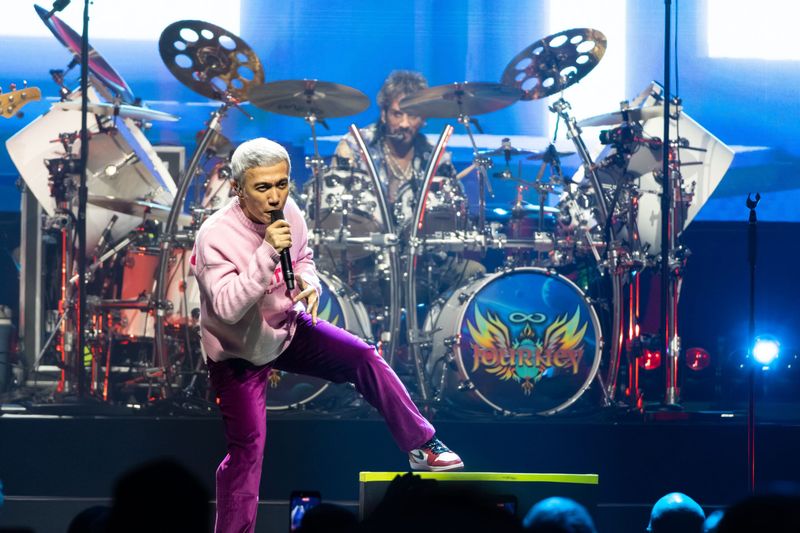
“Don’t Stop Believin'” is one of the most-streamed classic rock songs in history, which says a lot about Journey’s staying power. Their anthemic style connected with millions of people who needed a little hope set to a guitar riff.
Critics, however, have long labeled them the poster band for corporate arena rock — polished, calculated, and emotionally manipulative. The ongoing debate about replacement singers after Steve Perry’s departure adds another layer of argument that fans still haven’t resolved.
15. The Grateful Dead
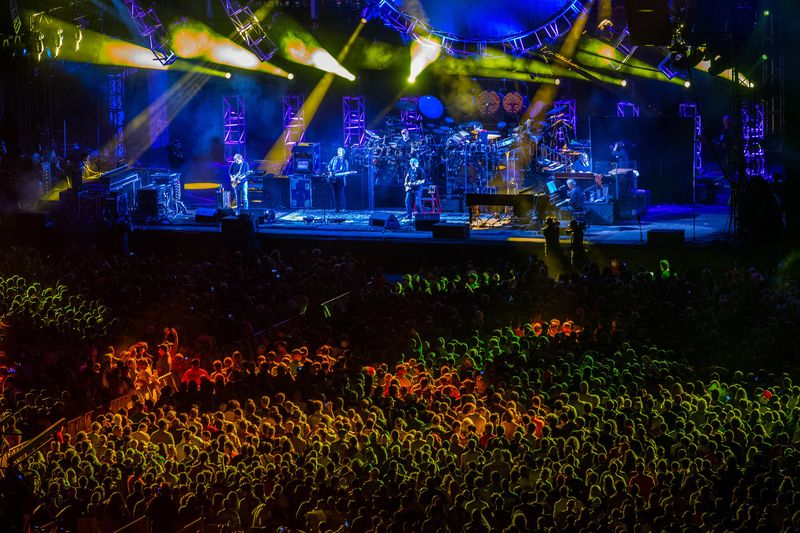
The Grateful Dead built something most rock bands can only dream about — a devoted, traveling community of fans called Deadheads who followed them from city to city for decades. Their improvisational jams were legendary.
But not every show was magic. Critics pointed to wildly inconsistent performances, especially during periods when Jerry Garcia’s personal struggles visibly affected the music.
Some listeners found the extended jams meandering rather than mesmerizing. The Dead remain one of rock’s most passionately argued-over acts.
16. Bon Jovi
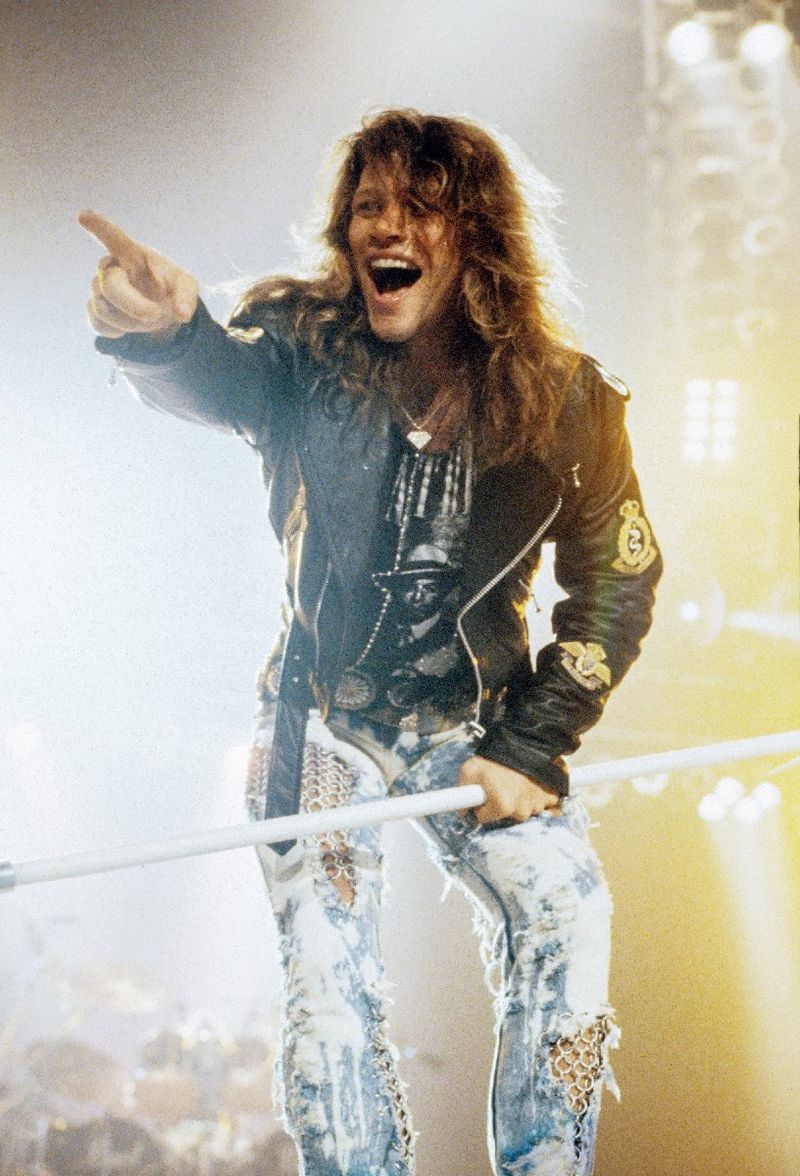
Jon Bon Jovi had a gift for writing songs that felt like personal anthems — working-class stories wrapped in big guitar hooks and singalong choruses. “Livin’ on a Prayer” still fills stadiums decades after its release.
Rock purists never quite warmed up to that formula. Many argued the band’s glossy production and pop accessibility put them firmly in the guilty-pleasure category rather than legitimate rock royalty.
Whether that criticism is fair or snobbish is exactly what people keep arguing about.
17. Kansas
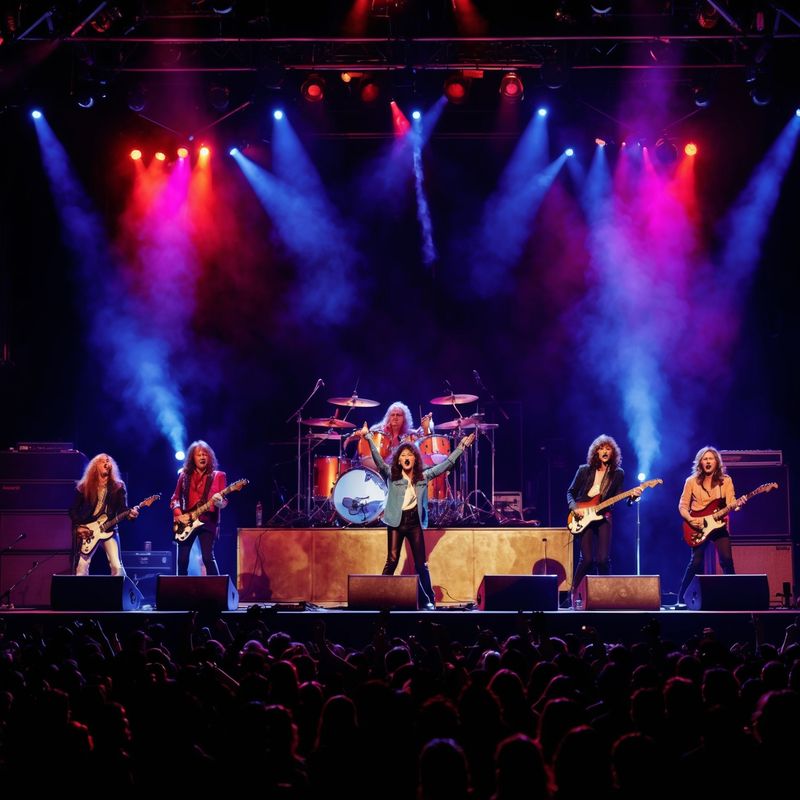
Kansas brought something genuinely unusual to mainstream rock — a violin, classical influences, and progressive arrangements that most bands wouldn’t dare attempt on commercial radio. “Carry On Wayward Son” is still a rock staple today.
That prog-meets-pop approach earned them fans and critics in equal measure. Some listeners felt the technical ambition was admirable; others thought the polished radio edits stripped away any real artistic courage.
Kansas sits in a strange space where prog fans and pop fans both feel a little unsatisfied.
18. Imagine Dragons
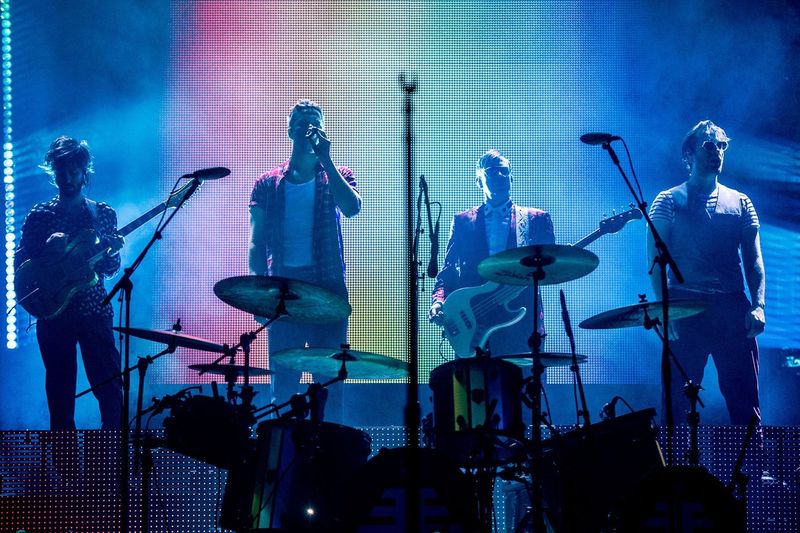
Imagine Dragons exploded onto rock radio with a string of massive anthems that dominated playlists and movie trailers simultaneously. Their arena-ready sound connected with millions of casual listeners almost instantly.
Rock purists, though, were not impressed. Many accused the band of engineering algorithm-friendly songs specifically designed for mass consumption rather than artistic expression.
The debate about whether they count as a real rock band or a pop act wearing a rock costume is one that keeps getting louder every year.
19. Van Halen
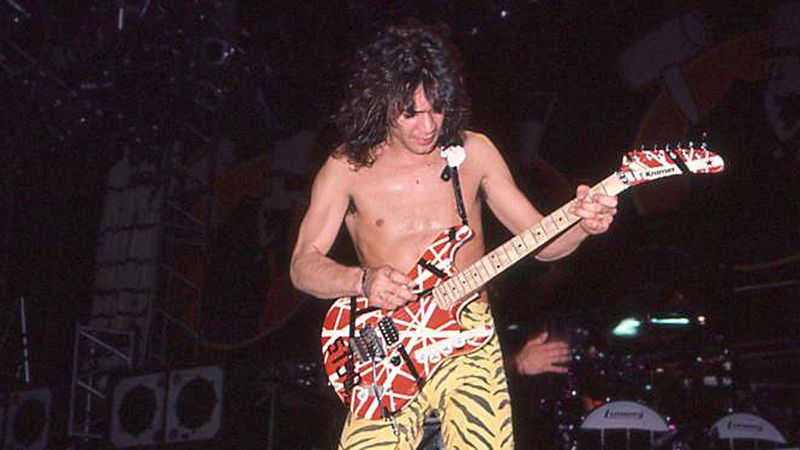
Eddie Van Halen didn’t just play guitar — he completely rewrote what the instrument could do. His two-handed tapping technique inspired an entire generation of guitarists and earned near-universal respect from musicians worldwide.
The band itself, however, is a different conversation. David Lee Roth’s showboating vocal style divided listeners, and the quality gap between different eras of the group sparked real arguments.
Some fans insist the Roth years were brilliant; others prefer the Sammy Hagar era. Neither side backs down easily.
20. Emerson, Lake and Palmer
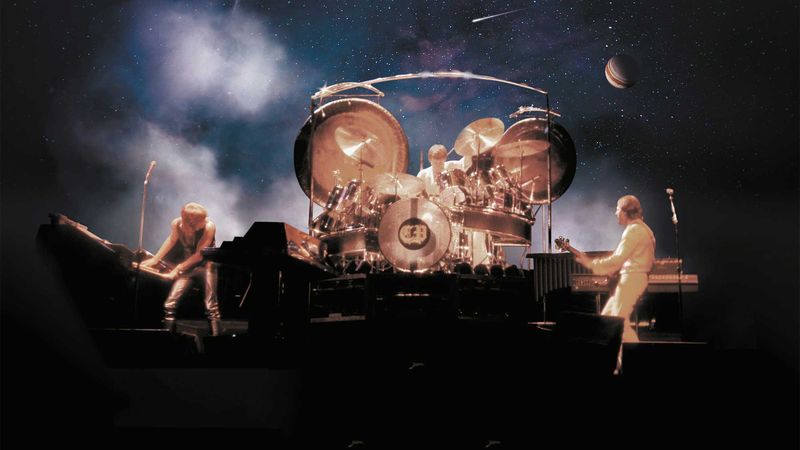
Emerson, Lake and Palmer tackled classical compositions, jazz, and rock simultaneously, creating a sound that felt genuinely unlike anything else in the 1970s. Their technical skill was extraordinary, and their live shows were elaborate productions.
That ambition cut both ways. Critics accused the trio of being pompous and self-indulgent, stretching compositions well past any reasonable length just to show off.
Fans called it visionary. ELP remains the ultimate test case for whether progressive rock is brilliant art or glorified noodling.