
Sometimes the greatest inventions come with the heaviest regrets. History is full of brilliant minds who changed the world, only to watch their creations spiral far beyond what they ever intended.
From weapons of mass destruction to everyday annoyances, these inventors found themselves wishing they could take it all back. Their stories remind us that innovation is powerful, and power always comes with responsibility.
1. Mikhail Kalashnikov and the AK-47

Few weapons have caused as much suffering as the AK-47, and its creator knew it. Mikhail Kalashnikov spent the final years of his life haunted by “unbearable spiritual pain” over how his invention was used by terrorists and warlords across the globe.
Millions of people lost their lives to the rifle he designed.
He once said he would have rather invented a lawnmower. That quiet wish says everything about the burden he carried until his death in 2013.
2. Alfred Nobel and Dynamite
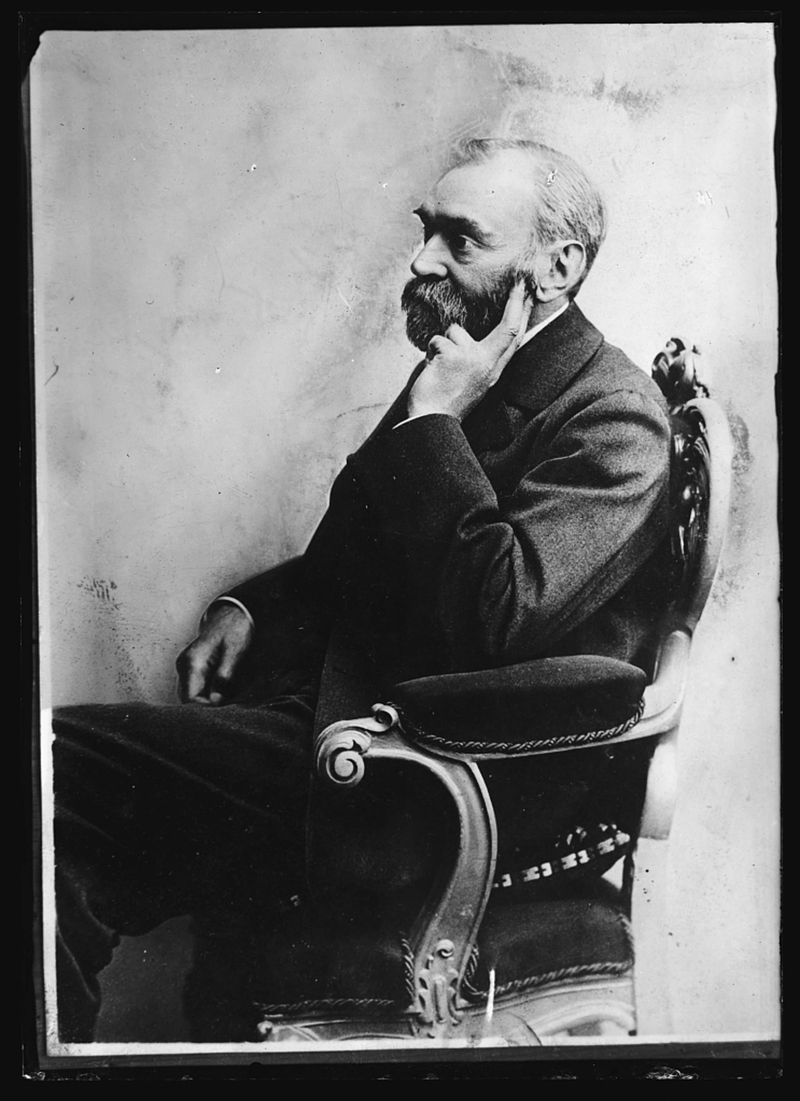
Alfred Nobel invented dynamite in 1867 to make mining safer, never imagining it would become a tool of war. The wake-up call came in the form of a premature obituary that called him “The Merchant of Death.” Reading those words shook him to his core.
Determined to rewrite his legacy, he used his fortune to create the Nobel Prizes, including the Nobel Peace Prize. It was his way of saying sorry to the world he had accidentally helped destroy.
3. J. Robert Oppenheimer and the Atomic Bomb
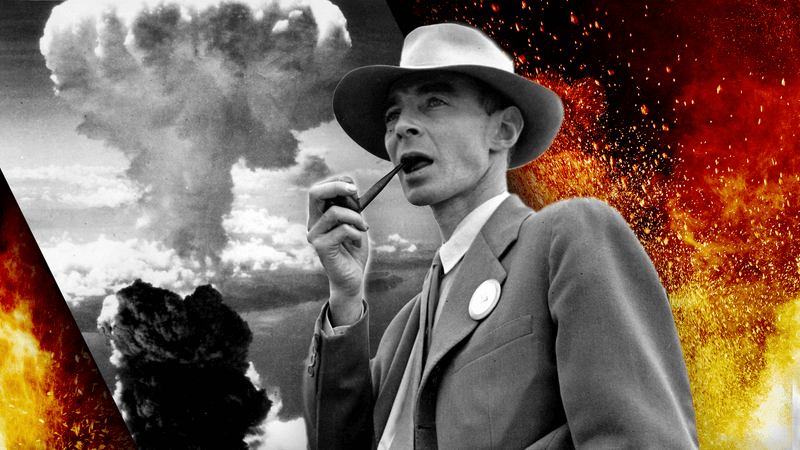
When the atomic bomb detonated over Hiroshima, J. Robert Oppenheimer reportedly recalled a chilling line from Hindu scripture: “Now I am become Death, the destroyer of worlds.” As scientific director of the Manhattan Project, he had led the effort to build the most destructive weapon in human history.
The aftermath sent him into deep depression. He later told President Truman he felt he had “blood on his hands” and spent years publicly opposing nuclear weapons development.
4. Albert Einstein and the Theory That Unleashed the Bomb
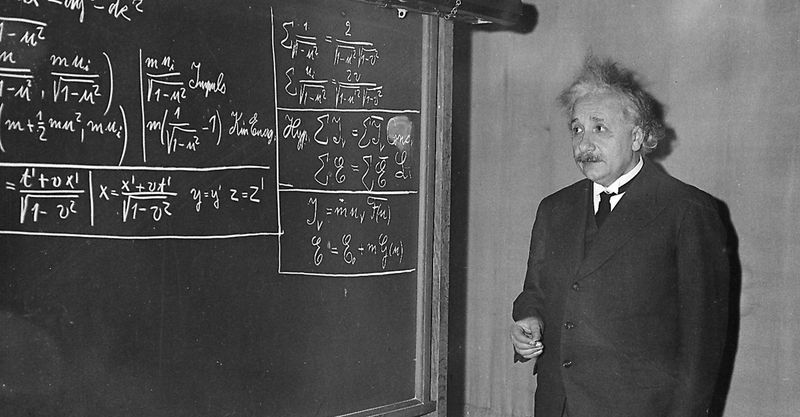
Albert Einstein never built a bomb, but his famous equation E=mc2 helped make one possible. When the U.S. dropped atomic bombs on Japan, Einstein was horrified.
He had actually signed a letter urging President Roosevelt to develop nuclear technology before Nazi Germany could, a decision he later deeply regretted.
In 1947, he admitted that had he known Germany would fail to build the bomb, he would have done nothing. That confession weighed on him for the rest of his life.
5. Orville Wright and the Airplane
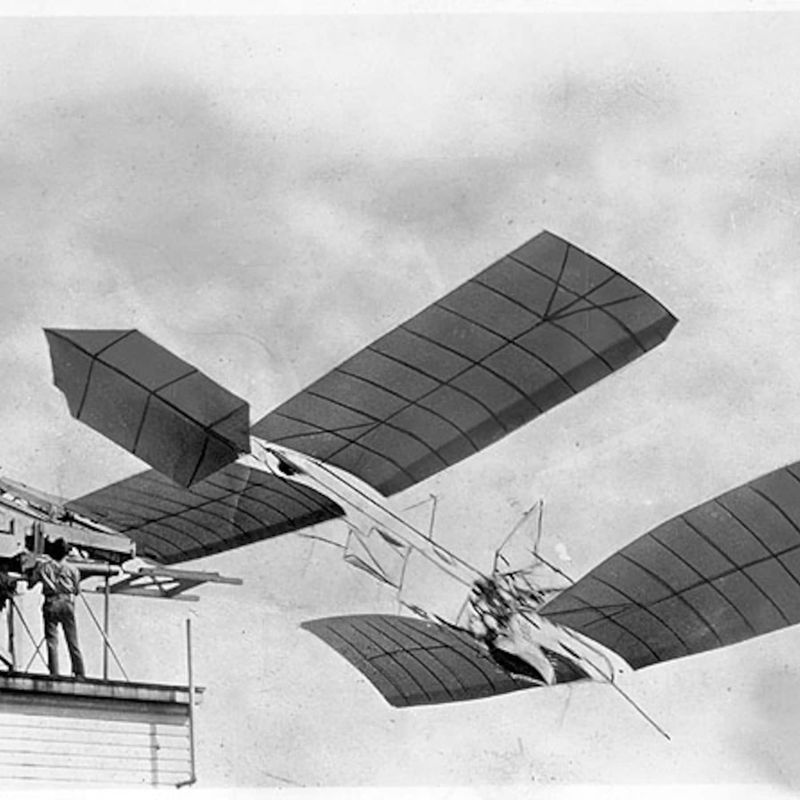
Orville Wright and his brother Wilbur dreamed of a world made smaller and more peaceful by flight. What they got instead was a sky full of bombers.
By World War II, airplanes had become one of the deadliest weapons ever deployed, dropping bombs on cities and civilians.
In 1946, Orville reflected sadly, “I once thought the aeroplane would end wars. I now wonder whether the aeroplane and the atomic bomb can do it.” The man who gave humanity wings never stopped grieving what those wings were used for.
6. Philo Farnsworth and Television
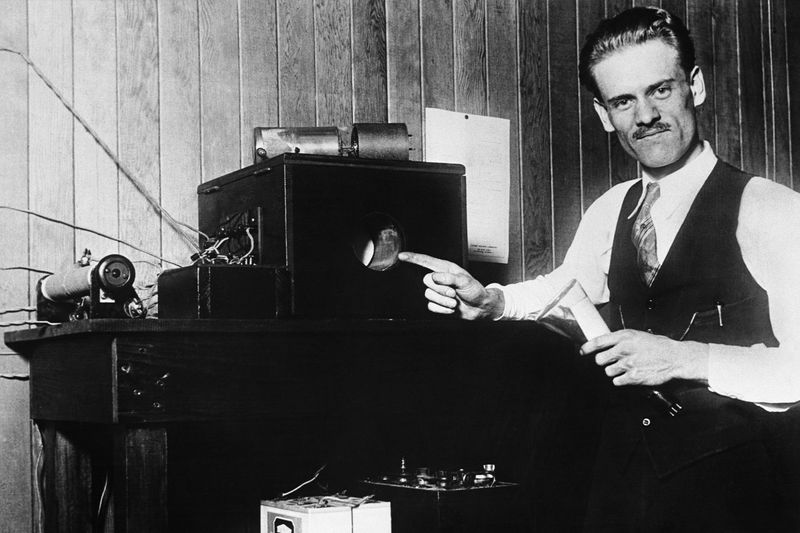
Philo Farnsworth was just a teenager with a big idea when he sketched out the concept for electronic television. He spent years fighting for credit and patents, finally winning recognition as the father of modern TV.
But by the time the medium exploded in popularity, he had serious doubts.
He called television a “monster” and worried it was rotting people’s minds instead of educating them. His own children were reportedly banned from watching it at home, which is both ironic and telling.
7. Ethan Zuckerman and the Pop-Up Ad

Back in the 1990s, Ethan Zuckerman was just trying to solve a small advertising problem. A car company did not want its ad appearing on a page with questionable content, so Zuckerman coded a workaround that launched ads in a separate window.
He accidentally invented the pop-up ad.
Decades later, he issued a public apology, calling it one of the internet’s “most hated tools.” He also admitted it helped build a surveillance-based internet economy driven by intrusive data mining, a legacy he clearly wishes he could undo.
8. Anna Jarvis and Mother’s Day
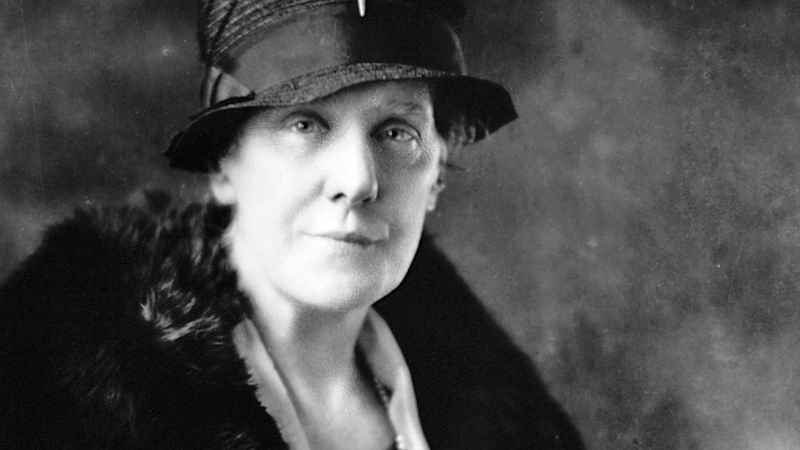
Anna Jarvis created Mother’s Day in 1908 to honor her own mother and encourage people to personally appreciate the women who raised them. Within a decade, it had become one of the most commercially exploited holidays in America.
Greeting card companies, florists, and candy makers were cashing in fast.
She was furious. Jarvis spent the rest of her life trying to abolish the holiday she founded, even getting arrested at a protest.
She died bitter, broke, and deeply regretful of what she had started.
9. John Sylvan and the K-Cup

John Sylvan invented the K-Cup single-serve coffee pod in the early 1990s, and it turned Keurig into a billion-dollar brand. The only problem?
Each tiny plastic pod is nearly impossible to recycle, and billions of them end up in landfills every single year.
Sylvan sold his share of the company early and walked away with relatively little money. He later admitted he regrets the invention entirely because of the environmental damage.
Fittingly, he does not own a Keurig machine himself.
10. Wally Conron and the Labradoodle

Wally Conron bred the first Labradoodle in 1989 while working for the Royal Guide Dog Association of Australia. His goal was simple and kind-hearted: create a hypoallergenic guide dog for a blind woman whose husband had allergies.
The experiment worked, and the world fell in love with the fluffy hybrid.
But Conron later said he “opened a Pandora’s Box.” Irresponsible breeders flooded the market with poorly bred poodle mixes, leaving many dogs sick and abandoned. He called it the “biggest regret” of his life.
11. Victor Gruen and the Shopping Mall
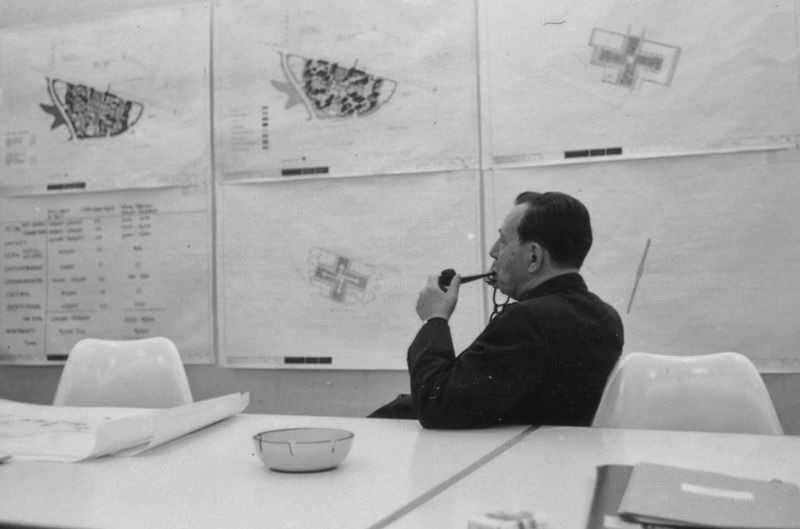
Victor Gruen was a Viennese architect who came to America with a bold urban vision. He designed the first modern shopping mall in 1956, hoping it would become a community gathering space that reduced suburban sprawl.
His plan included parks, schools, and public areas surrounding a central shopping hub.
What actually happened was the opposite. Developers stripped away his community features and built isolated commercial fortresses.
Gruen was so disgusted that he called the result a “perversion” of his ideas and eventually moved back to Europe in protest.
12. Robert Watson-Watt and the Radar Gun
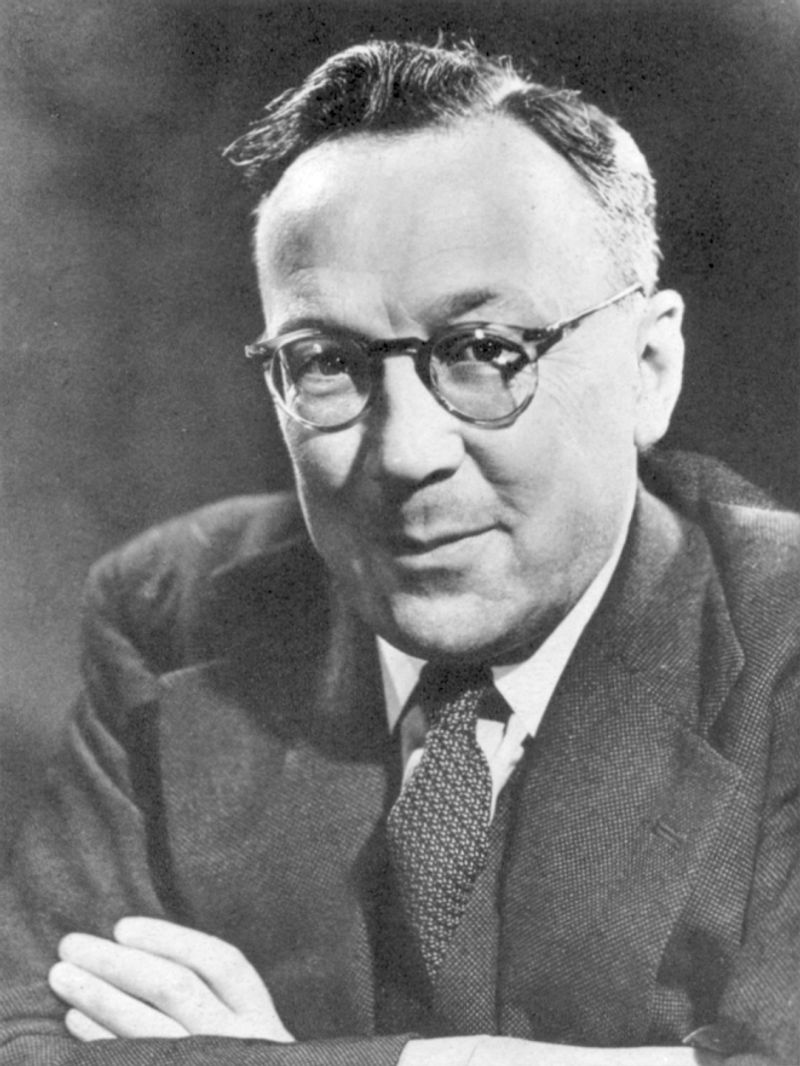
Robert Watson-Watt was a Scottish engineer who helped develop radar technology during World War II to detect enemy aircraft. His work saved countless lives and helped turn the tide of the war.
It was genuinely one of the most important inventions of the 20th century.
Then one day, he got pulled over and ticketed by a police radar gun, the very technology his research had inspired. He joked about it publicly, but privately found the irony hard to swallow.
He later said he regretted how his lifesaving invention had been repurposed to catch speeding drivers.
13. Richard Jordan Gatling and the Gatling Gun
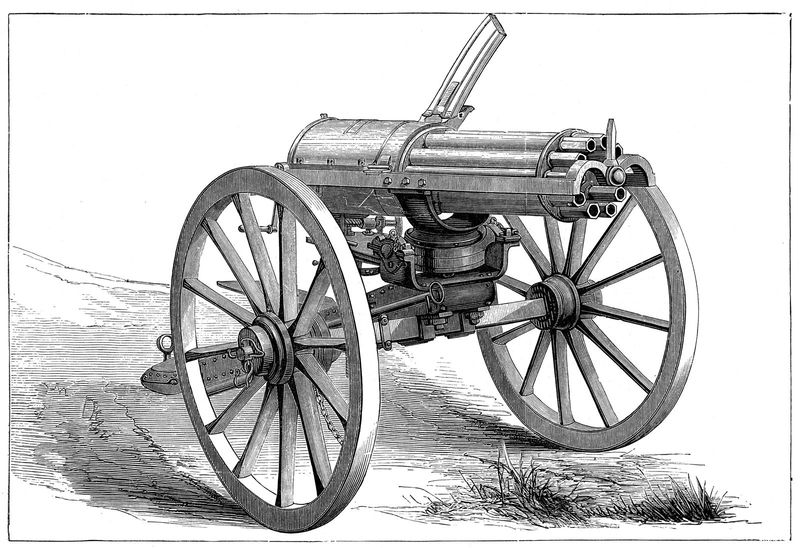
Here is a strange twist of logic: Richard Jordan Gatling invented his rapid-fire gun because he thought it would make wars shorter and less deadly. His thinking was that one man operating a Gatling gun could do the work of hundreds of soldiers, meaning fewer men would be needed on the battlefield overall.
The plan backfired spectacularly. Instead of reducing casualties, the gun made mass killing faster and easier.
Gatling expressed regret over how widely his invention was adopted for brutal warfare far beyond anything he had envisioned.
14. Scott Fahlman and the Emoticon
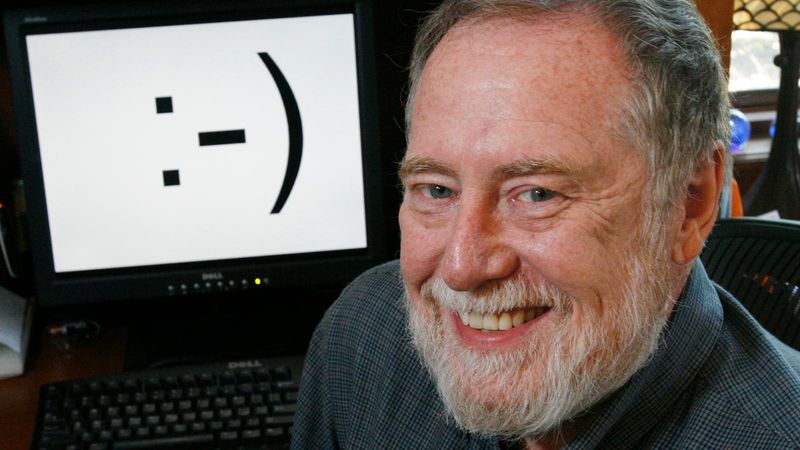
On September 19, 1982, Carnegie Mellon professor Scott Fahlman typed 🙂 into an online message board to help people tell jokes from serious posts. It was a tiny fix for a small communication problem.
He had no idea he was launching a global phenomenon that would eventually evolve into thousands of emojis and animated stickers.
Fahlman later admitted he felt like “Dr. Frankenstein” watching his simple creation mutate into something unrecognizable. He never hated emoticons exactly, but the emoji explosion left him feeling unsettled and a little horrified.
15. Joseph-Ignace Guillotin and the Guillotine
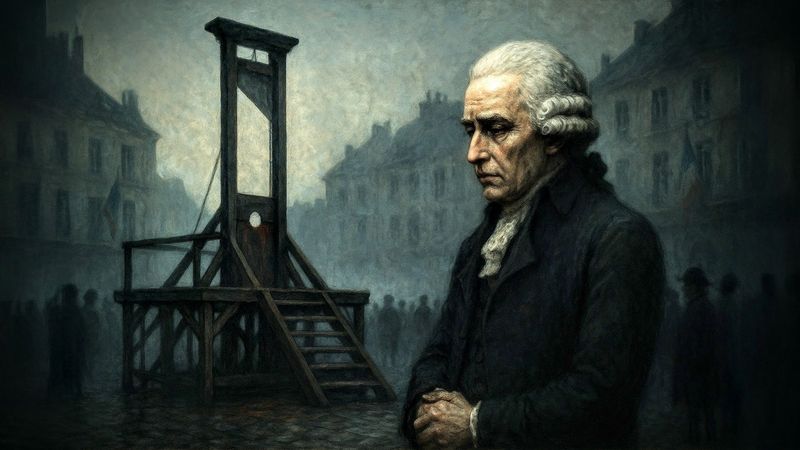
Joseph-Ignace Guillotin did not actually invent the guillotine, but he enthusiastically proposed it as a humane alternative to the brutal execution methods of the time. His goal was to reduce suffering and push France toward eventually abolishing the death penalty altogether.
He truly believed he was doing something merciful.
Then came the Reign of Terror, and the machine bearing his name became a symbol of mass slaughter. Guillotin was horrified and spent the rest of his life begging to have his name removed from it.
His family even tried to change their surname after his death.