
Sometimes the biggest Hollywood decisions happen behind the scenes, long before cameras start rolling. Over the years, several well-known actors have surprised fans by walking away from major sequels, turning down huge paychecks and blockbuster opportunities.
Their reasons range from money disputes and script problems to personal beliefs and creative differences. These choices often changed the course of movie history in ways nobody expected.
1. Richard Dreyfuss – Jaws 2
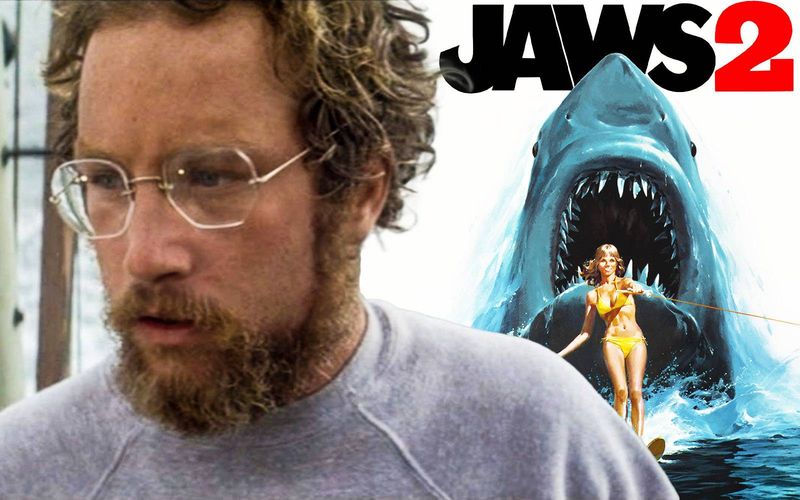
Without Steven Spielberg at the helm, Richard Dreyfuss saw no reason to swim back into shark-infested waters. He turned down Jaws 2 because the money offered fell short of his expectations and, more importantly, his trusted director was gone.
For Dreyfuss, the magic of the original came from Spielberg’s vision. Returning without that felt pointless.
It’s a reminder that great films are built on relationships, not just familiar faces showing up for a paycheck.
2. Keanu Reeves – Speed 2: Cruise Control
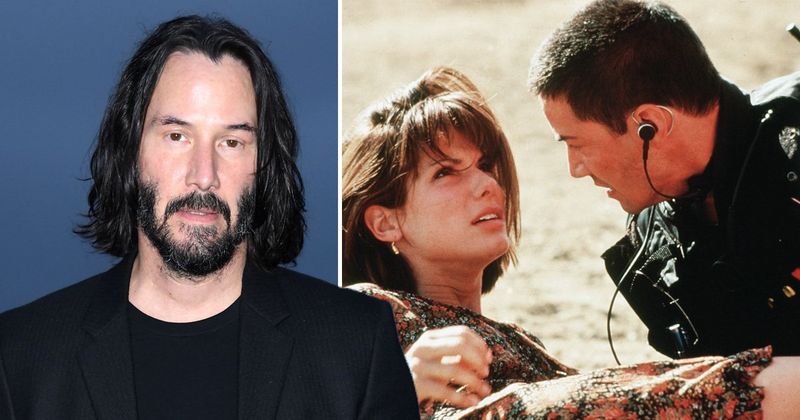
Keanu Reeves read the script for Speed 2: Cruise Control and reportedly thought it was just plain bad. He walked away from the sequel, calling it the wrong move for his career at the time.
Critics later agreed with him. The film bombed at the box office and became one of the most ridiculed sequels of the 1990s.
Reeves dodged a serious career bullet, proving that sometimes saying no is the smartest thing an actor can do.
3. Katie Holmes – The Dark Knight
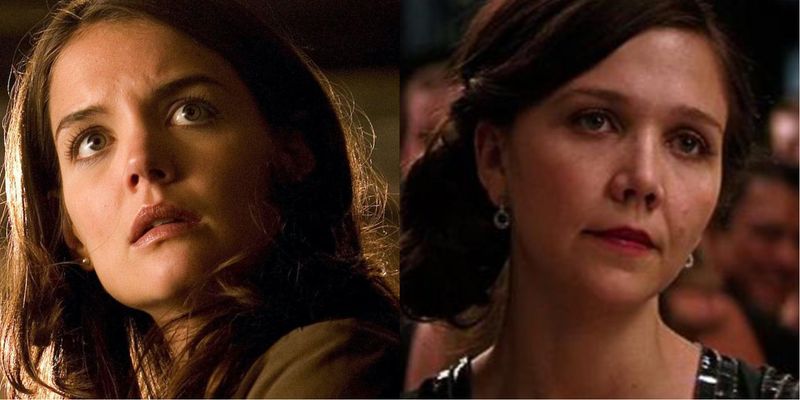
Katie Holmes had already played Rachel Dawes in Batman Begins, but when Christopher Nolan came calling for The Dark Knight, she passed. Holmes had committed to the film Mad Money and chose to honor that agreement instead.
Maggie Gyllenhaal stepped in and received strong reviews for the role. Holmes later kept mostly quiet about the decision, leaving fans to wonder what her version of Rachel’s iconic storyline might have looked like on screen.
4. Rachel Weisz – The Mummy: Tomb of the Dragon Emperor
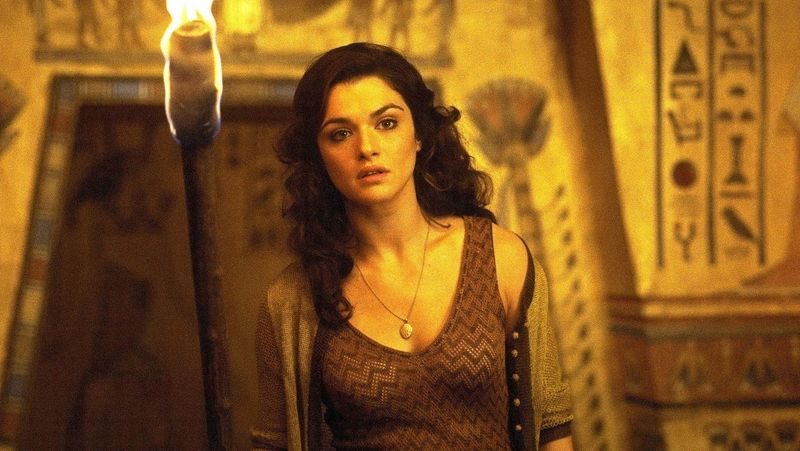
Rachel Weisz brought warmth and wit to Evelyn in the first two Mummy films, making her absence in the third chapter feel like a missing ingredient. She cited scheduling conflicts as the reason she did not return.
Maria Bello stepped into the role, but audiences noticed the change immediately. The film underperformed compared to its predecessors.
Weisz’s departure is a classic example of how one actor’s exit can shift an entire franchise’s momentum in an unexpected direction.
5. Brendan Fraser – George of the Jungle 2
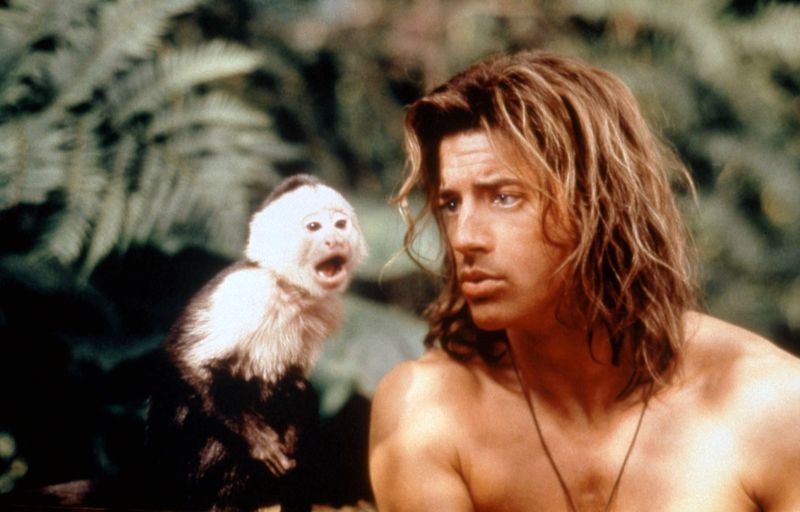
Brendan Fraser swung into Hollywood hearts as the lovably goofy George, but when the sequel came around, the studio’s offer didn’t match his star power. He turned down George of the Jungle 2 simply because they wouldn’t pay him enough.
The direct-to-video sequel went ahead without him and was largely forgotten. Fraser’s refusal showed that even lighthearted comedies carry real business stakes.
Knowing your worth and standing firm on it is a lesson that goes well beyond Hollywood.
6. Chris Tucker – Friday Sequels
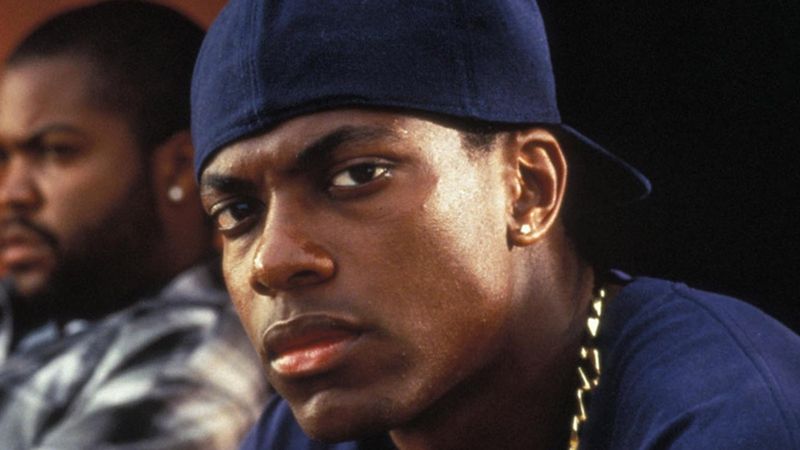
Chris Tucker’s character Smokey was a fan favorite in the original Friday, making his absence from the sequels one of the most talked-about casting gaps in comedy history. Tucker publicly said religious beliefs led him away from the material.
However, co-star Ice Cube hinted the real issue was money. Whatever the true reason, Tucker never looked back.
His decision sparked years of debate among fans who still wonder what the Friday franchise could have been with Smokey along for the ride.
7. Jim Carrey – The Mask 2
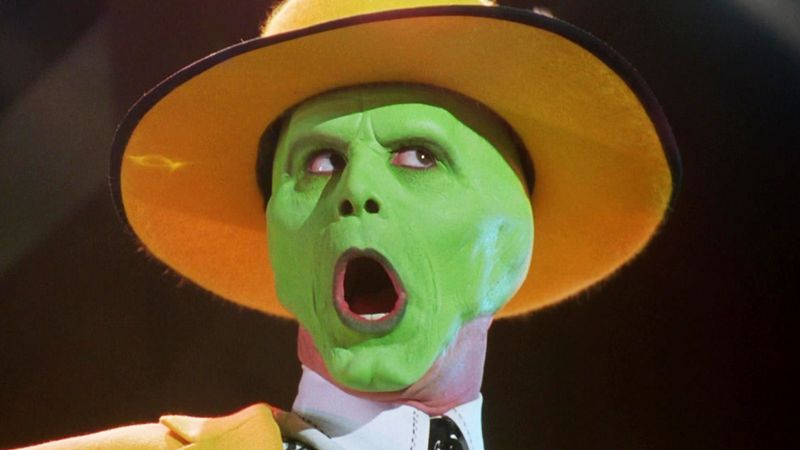
Jim Carrey was offered a jaw-dropping amount of money to return for a sequel to The Mask, and he still said no. That kind of confidence in your own creative direction is rare, even in Hollywood.
Carrey felt the story had already been told and didn’t want to revisit it just for the paycheck. The sequel never found a worthy replacement and quietly faded away.
His refusal stands as proof that artistic integrity can outweigh even the most tempting financial offers.
8. Will Smith – Independence Day: Resurgence
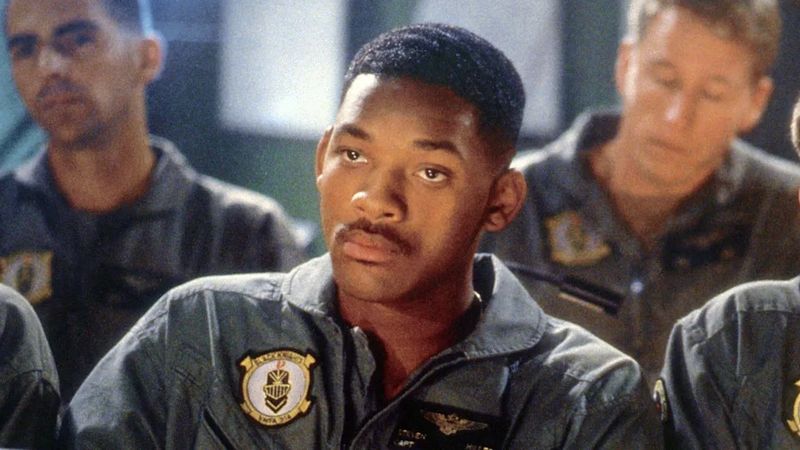
Will Smith was the beating heart of Independence Day, so when he skipped Resurgence, audiences felt his absence deeply. Reports pointed to a combination of scheduling conflicts and a pay dispute with the studio as the main reasons.
The sequel arrived in 2016 without him and received a lukewarm reception from critics and fans alike. Many viewers pointed directly to Smith’s missing presence as the film’s biggest weakness.
His departure showed just how much a single star can anchor an entire blockbuster franchise.
9. Jodie Foster – Hannibal
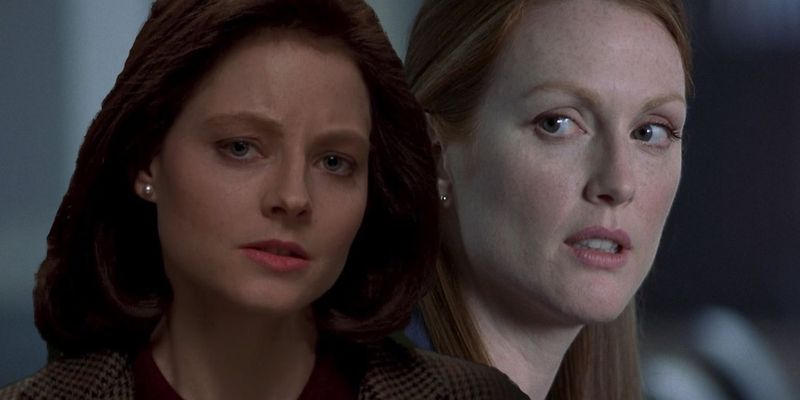
Jodie Foster won an Oscar for playing Clarice Starling in The Silence of the Lambs, yet she walked away from the sequel without hesitation. Her reasoning was refreshingly straightforward: some films simply do not need a follow-up.
Foster believed the original stood perfectly on its own and that continuing the story risked undermining it. Julianne Moore took on the role in Hannibal.
Foster’s stance is a bold artistic statement that prioritizes legacy over opportunity, something few actors in her position would feel comfortable doing.
10. Crispin Glover – Back to the Future Part II
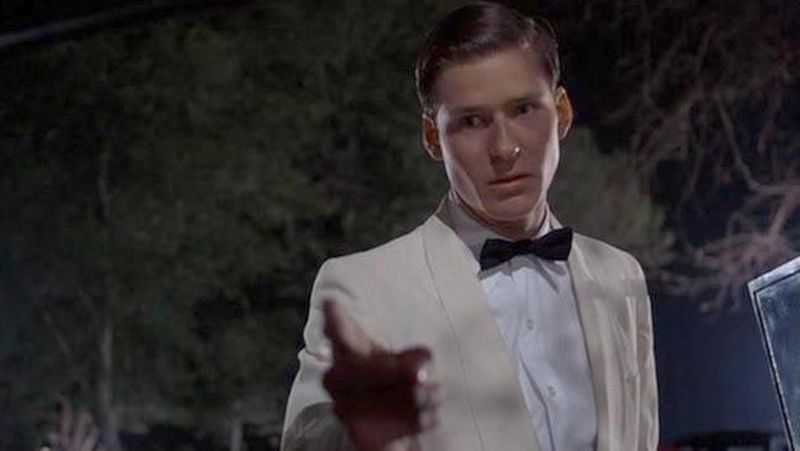
Crispin Glover’s portrayal of George McFly was quirky, endearing, and absolutely unforgettable. So when he didn’t show up for Back to the Future Part II, fans were genuinely confused.
Glover initially cited moral objections to the story’s direction.
He later clarified that the real sticking point was money and how characters were rewarded financially within the plot. His absence led to a legal dispute that actually changed SAG rules about recasting actors.
Few sequel departures have had such a lasting impact on the entire film industry.
11. Neve Campbell – Scream VI
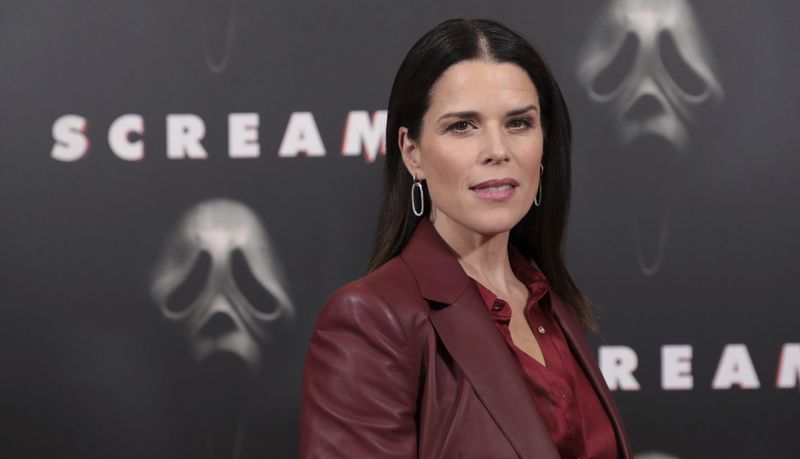
Neve Campbell is Sidney Prescott. For five Scream films, she defined the franchise and became a horror icon.
So when she announced she wouldn’t appear in Scream VI, it felt like a genuine shock to the fanbase.
Campbell was direct about her reason: the offer didn’t reflect her value to the series. She refused to undersell herself after carrying the films for decades.
Her public statement resonated with many people who admired her willingness to walk away rather than accept less than she deserved.
12. Linda Hamilton – Terminator 3
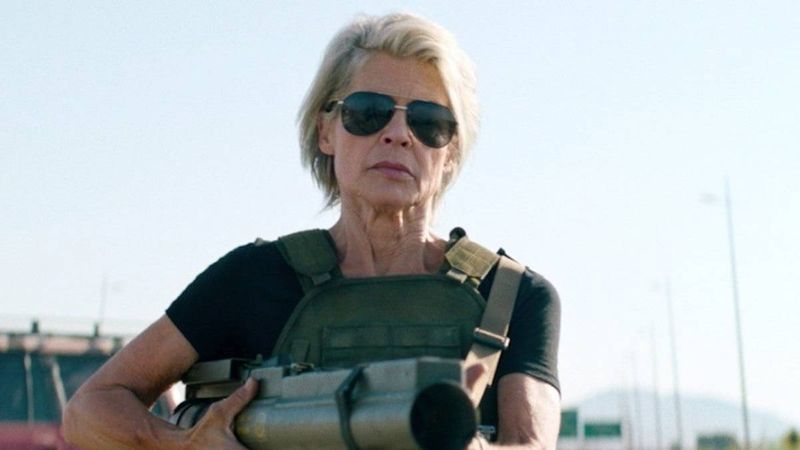
Sarah Connor is one of cinema’s greatest action heroes, and Linda Hamilton made her that way. When Terminator 3 came together, Hamilton read the script and wasn’t impressed.
She felt the story of her character had already reached its natural conclusion.
Hamilton believed the first two films, especially James Cameron’s work, had said everything worth saying about Sarah Connor. Returning would have felt like retreating.
Her decision shows a deep respect for storytelling that many franchise players don’t always prioritize when big money is on the table.
13. Robin Williams – The Return of Jafar
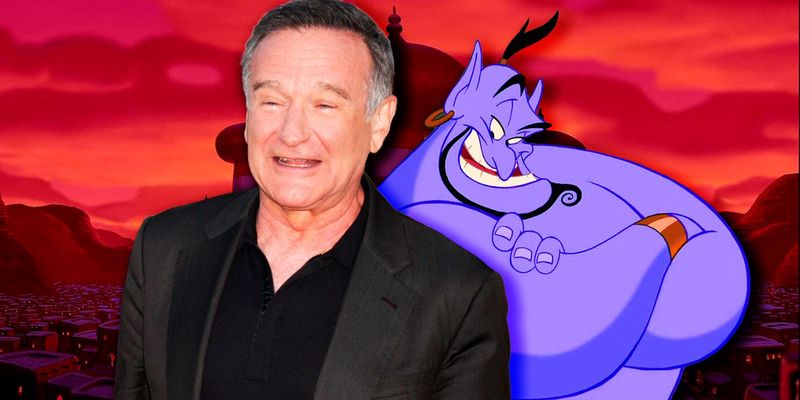
Robin Williams brought the Genie to life in Aladdin with a performance so electric it redefined animated voice acting. But a bitter falling-out with Disney kept him away from the direct-to-video sequel.
Disney had used his voice in merchandise promotions, going against a specific agreement Williams had made with the studio. He felt genuinely betrayed.
Dan Castellaneta filled in for the sequel. Williams and Disney eventually reconciled, but his refusal remains one of the most principled stands any entertainer has taken against a major entertainment corporation.
14. Robert Duvall – The Godfather Part III
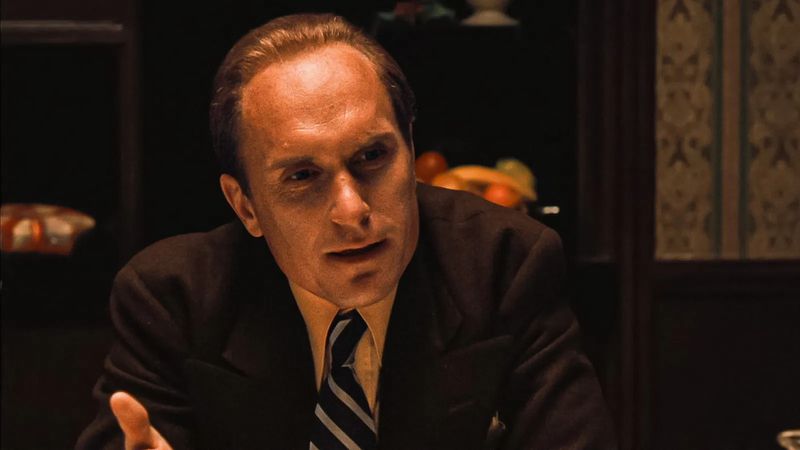
Robert Duvall’s Tom Hagen was the quiet backbone of the Corleone family across two legendary Godfather films. When Part III was being developed, Duvall was ready to return, but the pay offer stopped him cold.
He felt disrespected when he learned his salary would be significantly lower than what Al Pacino was receiving. Duvall walked, and the film wrote Tom Hagen out entirely.
His decision cost the sequel one of its most essential characters and remains a textbook case of Hollywood pay inequality frustrating talented veterans.
15. Orlando Bloom – Pirates of the Caribbean Sequels
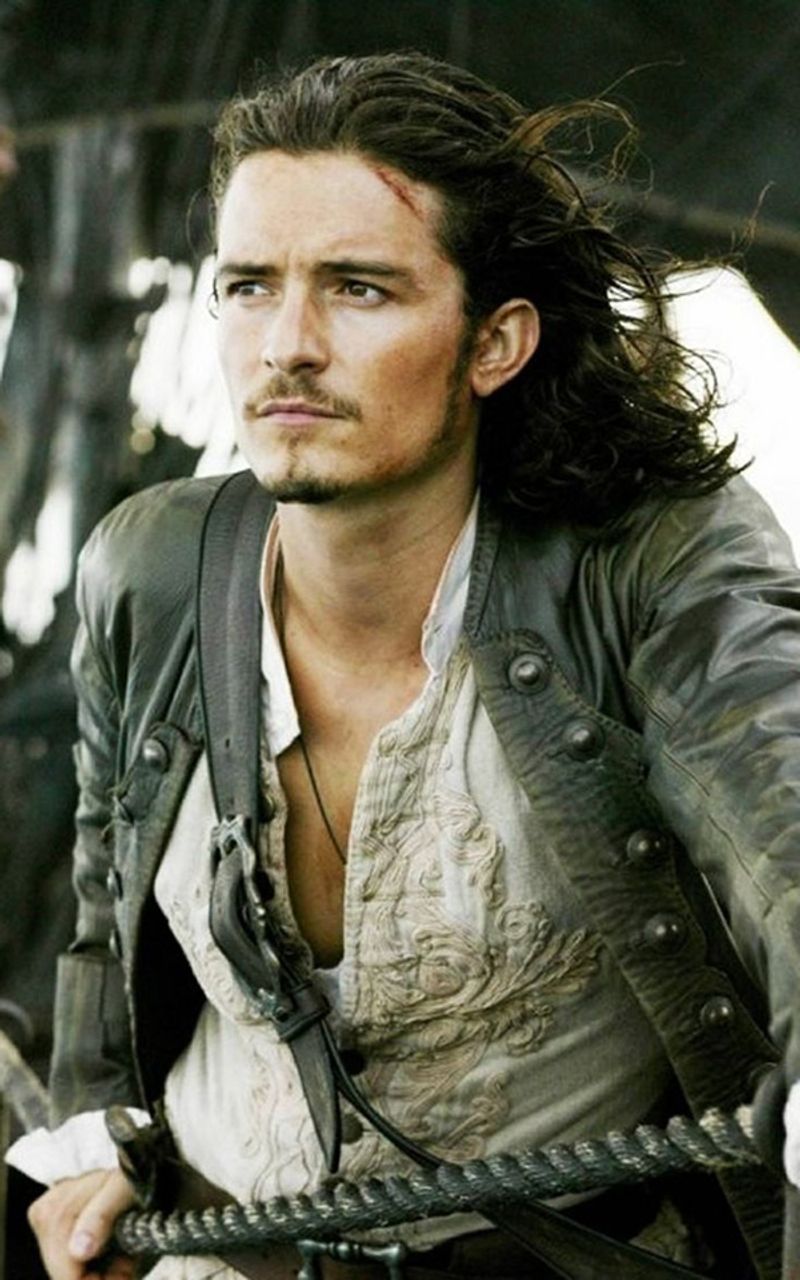
Orlando Bloom’s Will Turner was a central figure in the early Pirates of the Caribbean adventures, but Bloom stepped back from the later entries, feeling his character had run its course. He wanted to chase fresh creative challenges rather than repeat familiar ground.
Bloom eventually returned for Dead Men Tell No Tales in a brief capacity, but his overall absence reshaped the franchise’s later chapters. His willingness to walk away from a blockbuster series in its prime shows real courage in an industry that often rewards staying put.