
Life for women in the 1940s looked almost nothing like it does today. Between wartime rationing, strict social rules, and limited personal freedoms, everyday life required a kind of toughness that most of us can barely imagine.
From painting fake stockings on their legs to being fired the moment they got married, women navigated a world full of rules that now seem completely unbelievable. Get ready to look back at 18 things that were totally normal then but would feel absolutely wild today.
1. Painting Fake Stockings on Their Legs
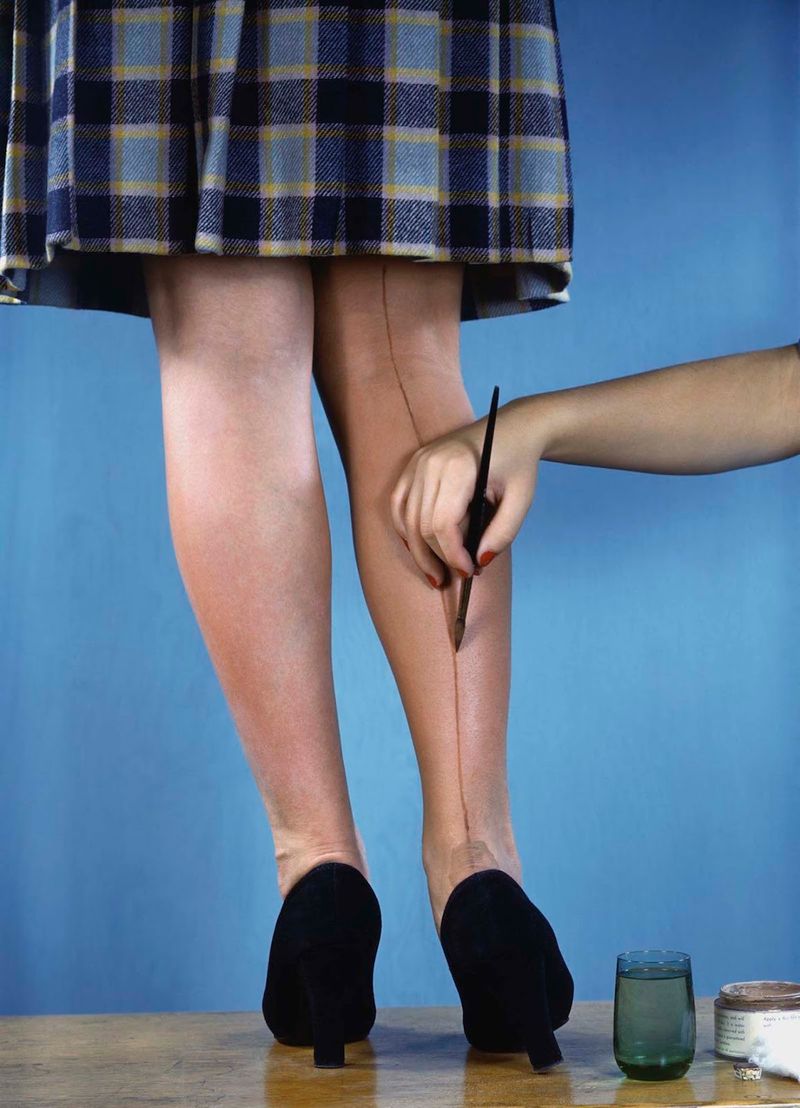
Silk and nylon stockings were practically impossible to find during the war because those materials were needed for parachutes and other military supplies. So women got creative.
They would paint their legs with liquid makeup or even gravy browning to fake the tan color of stockings.
Then came the finishing touch: drawing a fake seam up the back of each leg with an eyebrow pencil. It took patience, a steady hand, and often a helpful friend to get the line straight.
2. Getting Fired the Moment They Got Married
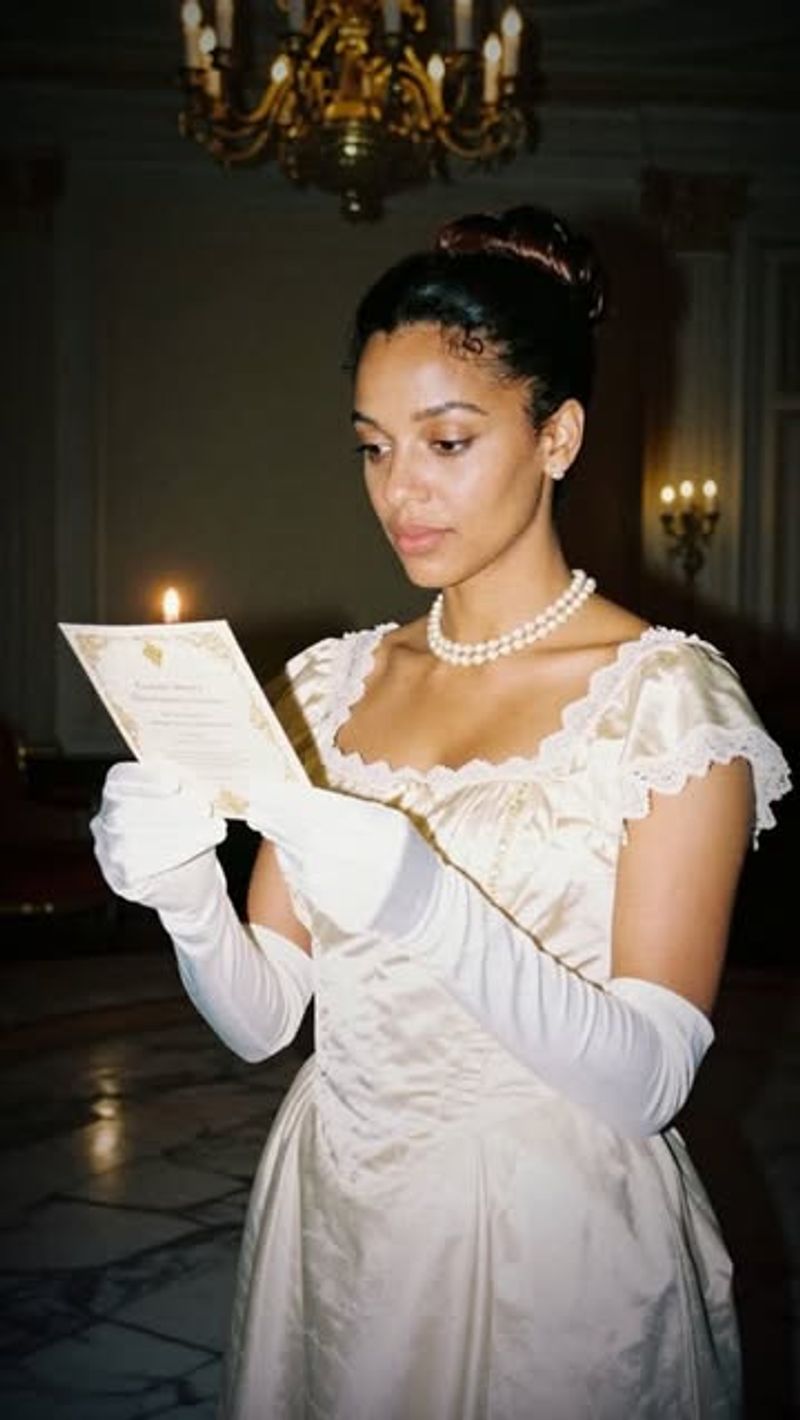
Hard to believe, but many employers had official rules called “marriage bars” that required women to quit or be fired as soon as they tied the knot. Teachers, office workers, and bank clerks were among the most affected.
The reasoning was that a married woman belonged at home, not in the workforce. Even if a woman was great at her job and needed the income, the ring on her finger was basically a pink slip waiting to happen.
3. Spending Hours in Line for Rationed Food
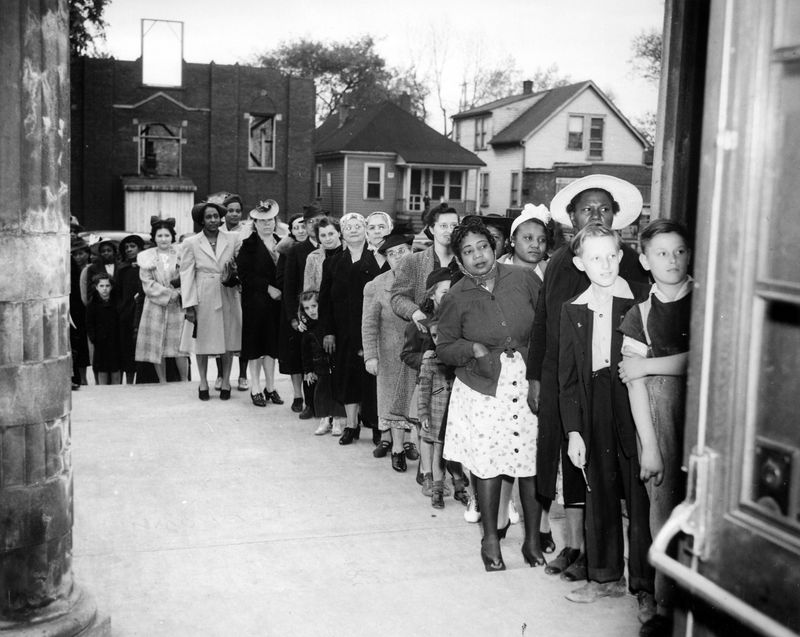
Grocery shopping in the 1940s was not a quick errand. Women spent hours standing in lines just to get basics like butter, sugar, meat, and coffee, all of which were strictly rationed by the government during the war.
Missing your turn could mean going without for days. Some women juggled these long waits around factory shifts, squeezing in a queue before dawn or after a full workday.
It was exhausting, stressful, and completely unavoidable.
4. Boiling Cloth Diapers to Sterilize Them
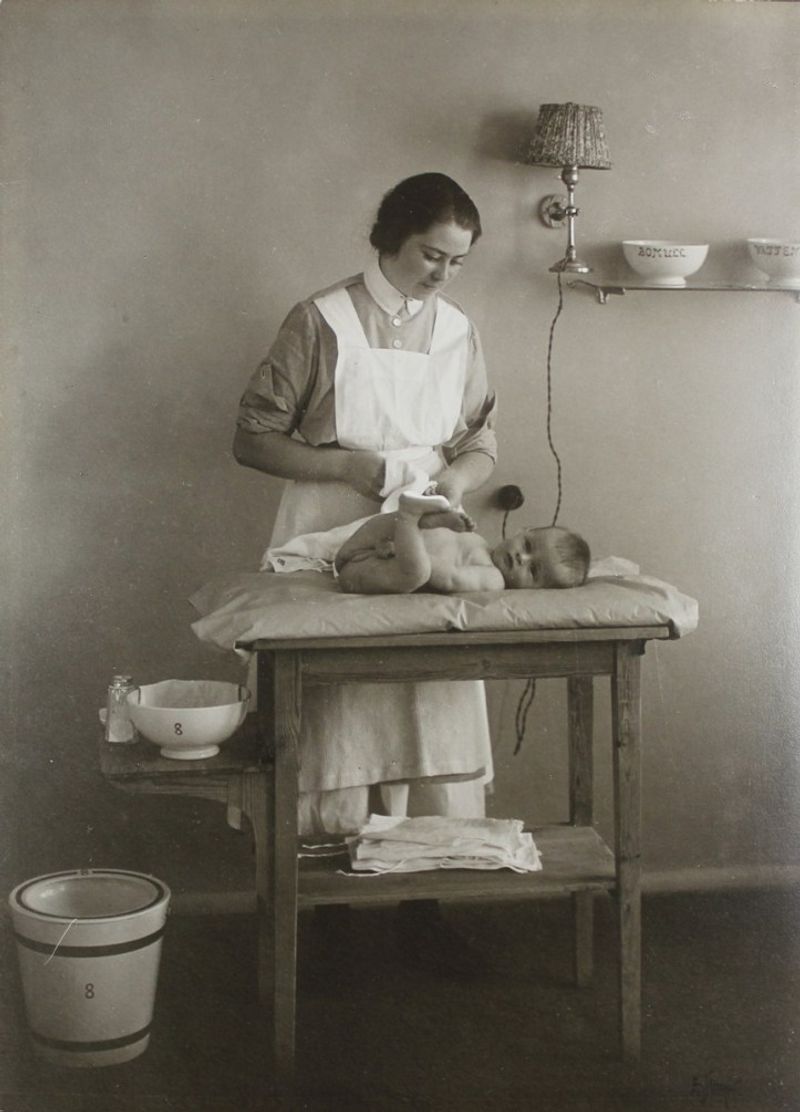
Disposable diapers did not exist for most families in the 1940s. Moms used cloth diapers that had to be rinsed by hand, soaked in a diaper pail, and then boiled in a big pot on the stove to kill bacteria.
This process happened every couple of days, and with multiple children in many households, it was a never-ending chore. No quick toss in a washing machine, no trash can toss.
Just hot water, elbow grease, and determination.
5. Being Expected to Leave Their Wartime Jobs for Returning Soldiers
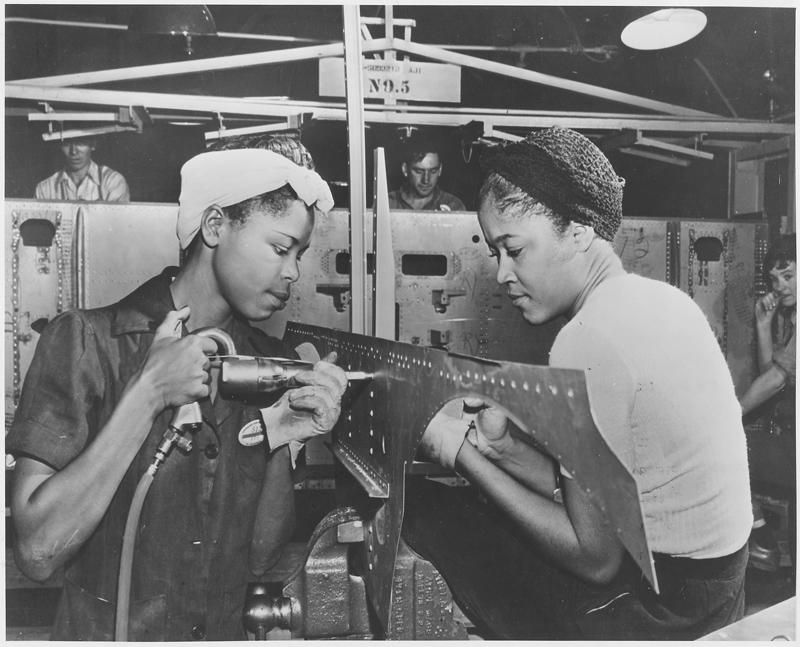
Millions of women stepped up during World War II, taking over factory floors, shipyards, and aviation plants while men were overseas. They welded, built planes, and kept the country running.
Many discovered they loved working and were genuinely good at it.
But when the war ended and soldiers came home, women were expected to simply step aside. Employers and society pressured them to give up their jobs without question, regardless of their own wishes or financial needs.
6. Making Do and Mending Every Piece of Clothing
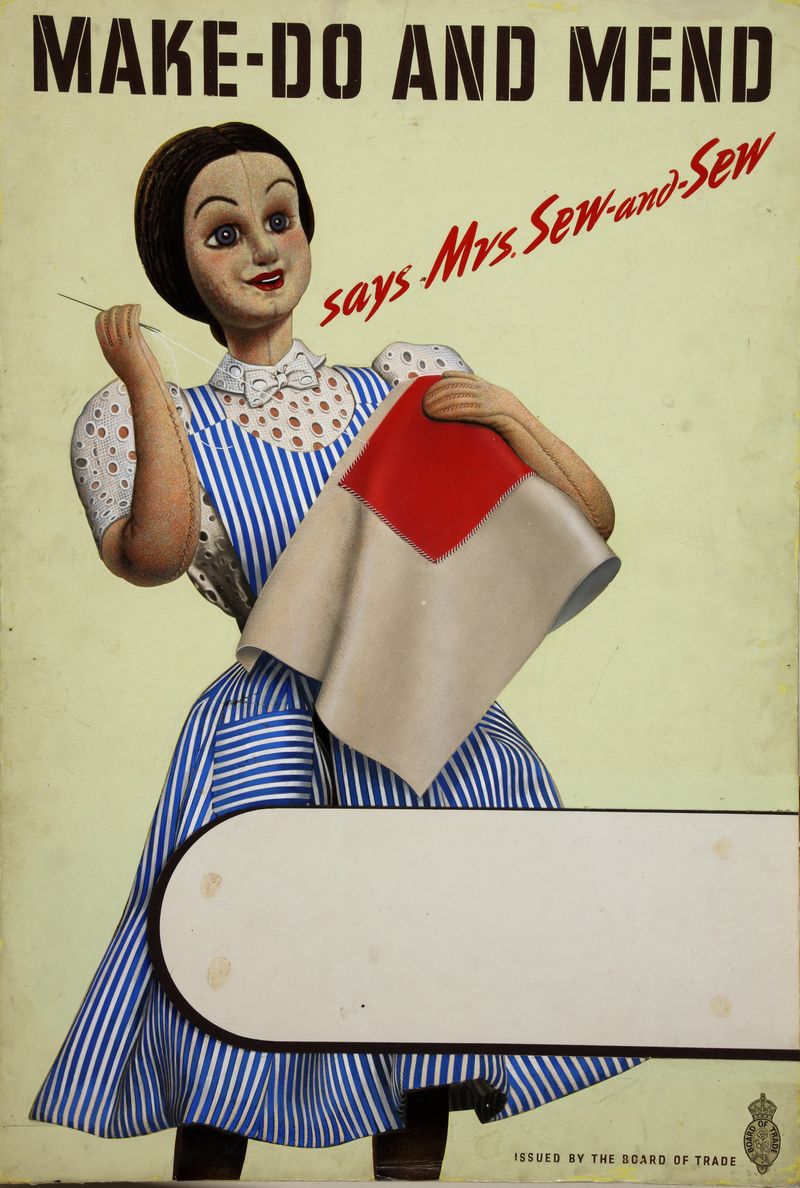
“Make Do and Mend” was not just a catchy slogan during the 1940s. It was a genuine government campaign urging women to repair, repurpose, and stretch every item of clothing as far as it could go.
Women turned worn-out adult dresses into children’s outfits, darned socks until there was more darn than sock, and got creative with scraps of fabric. Buying something new was a luxury most could not afford, and fashion took a backseat to practicality.
7. Following Strict Government Rules About Skirt Length and Style
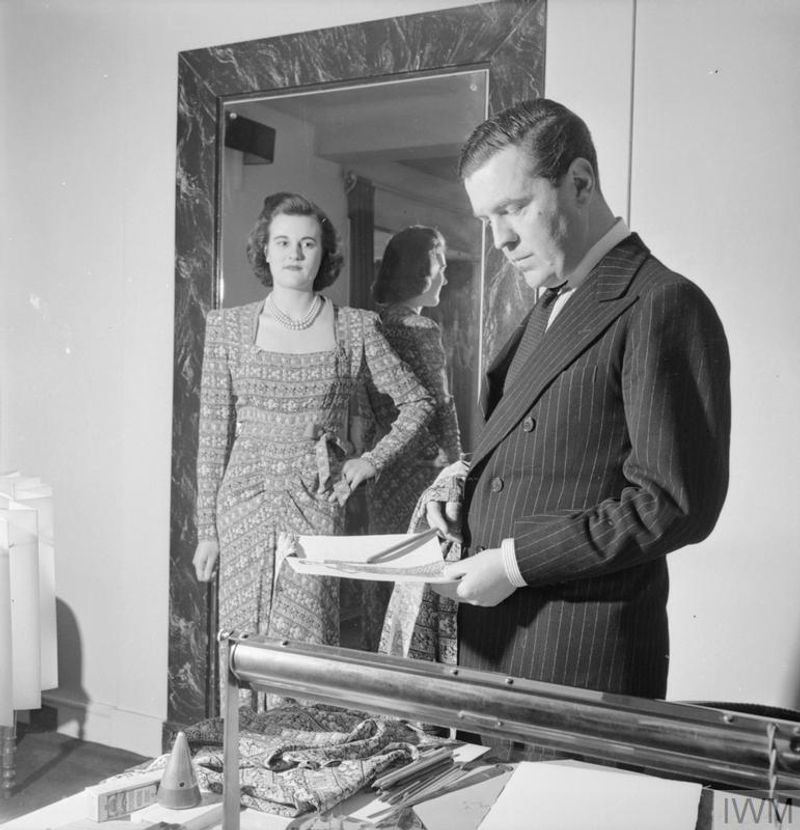
Fashion in the 1940s was not about personal style. It was about following the rules.
In the US, the government issued Limitation Order L-85, which controlled exactly how much fabric could go into a garment.
Skirts had strict length and width limits. Pleats, ruffles, patch pockets, and full sleeves were all banned to save materials for the war effort.
Women had almost no room to express themselves through clothing, and breaking the rules was not an option.
8. Needing a Male Co-Signer to Open a Bank Account
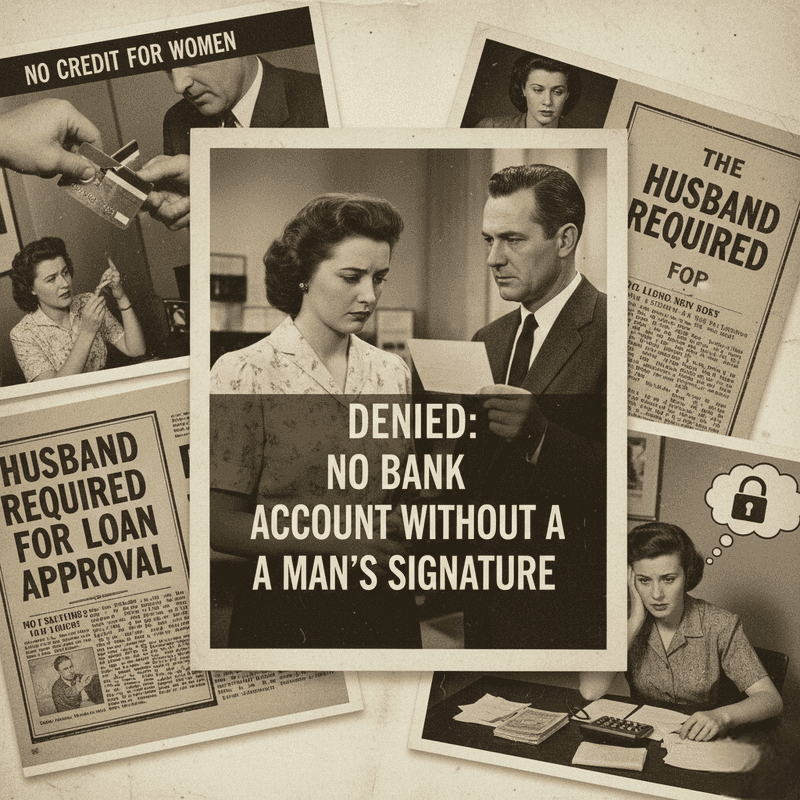
Financial independence was not something most women in the 1940s could simply choose. Opening a bank account, applying for credit, or even owning property typically required a husband or father to sign off.
A woman’s word alone was not enough for most banks.
This meant that even women who earned their own wages had limited control over their own money. It created a dependency that was deeply woven into the legal and financial systems of the time.
9. Growing Their Own Food in Victory Gardens
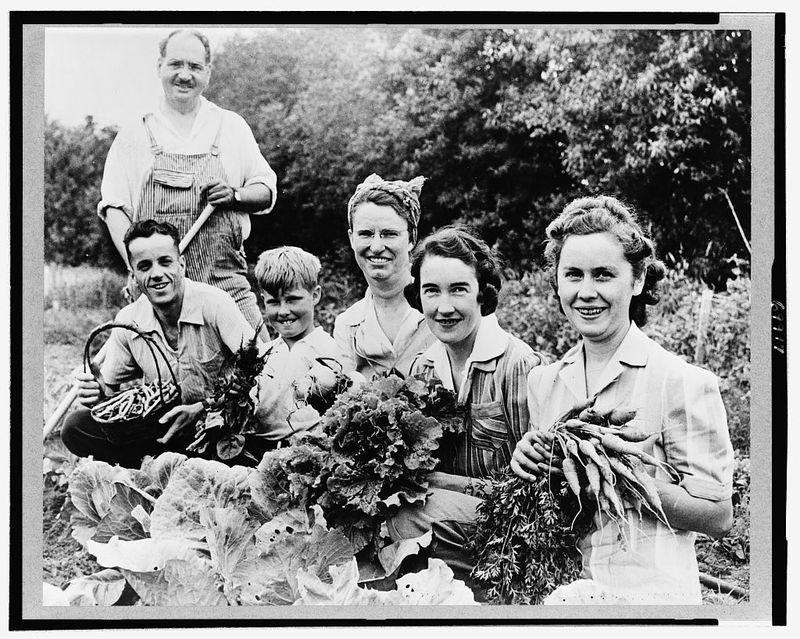
With commercial food supplies stretched thin by the war, the government encouraged families, especially women at home, to grow their own fruits and vegetables in what were called Victory Gardens. At the movement’s peak, over 20 million gardens were planted across the US.
It sounds charming now, but it was serious, necessary work. Women who had no farming background learned to grow, harvest, and preserve food from scratch, often canning vegetables to last through the winter months.
10. Using Beetroot Juice and Boot Polish as Makeup

Cosmetics were hard to come by during the 1940s because many ingredients, including glycerine and certain oils, were redirected for military use. But women found resourceful workarounds that would raise more than a few eyebrows today.
Beetroot juice doubled as lipstick and blush. Boot black was used in place of mascara.
Despite the shortages, wearing lipstick, especially a bold red shade, was actually encouraged by governments as a morale booster. Looking put-together was practically considered a patriotic act.
11. Facing Social Shame for Staying Single
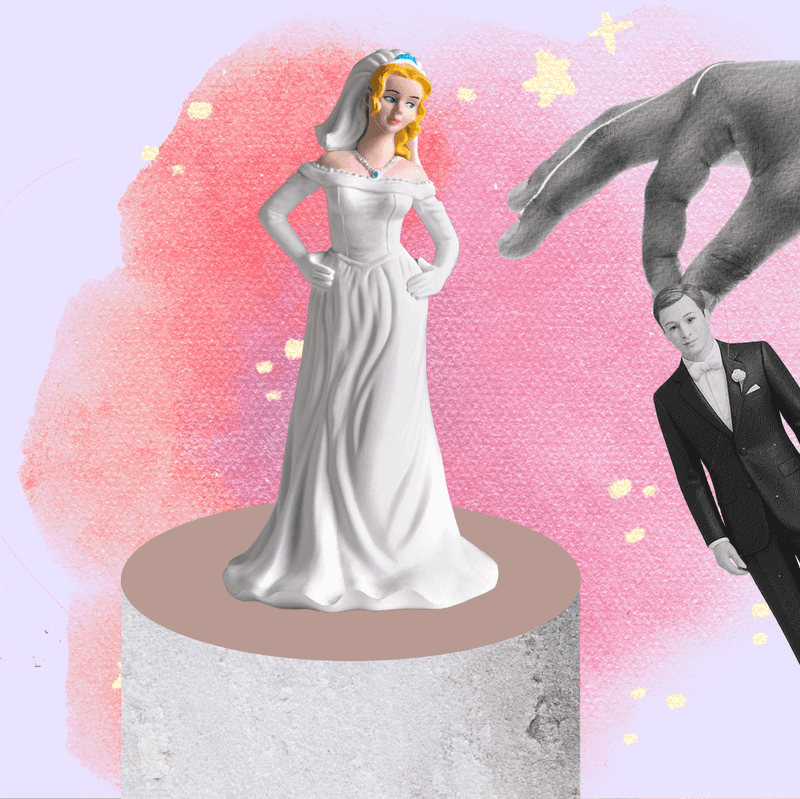
Being unmarried as a woman in the 1940s carried a heavy social weight. Society viewed single women with suspicion and pity, often labeling them as odd or undesirable.
The pressure to marry young was intense, with the average marriage age sitting around 20 to 23 years old.
Economic insecurity made it worse. Without a husband, many women struggled to rent housing, access credit, or even be taken seriously in social situations.
Independence was not celebrated. It was quietly punished.
12. Asking Permission from a Husband to Join the Military
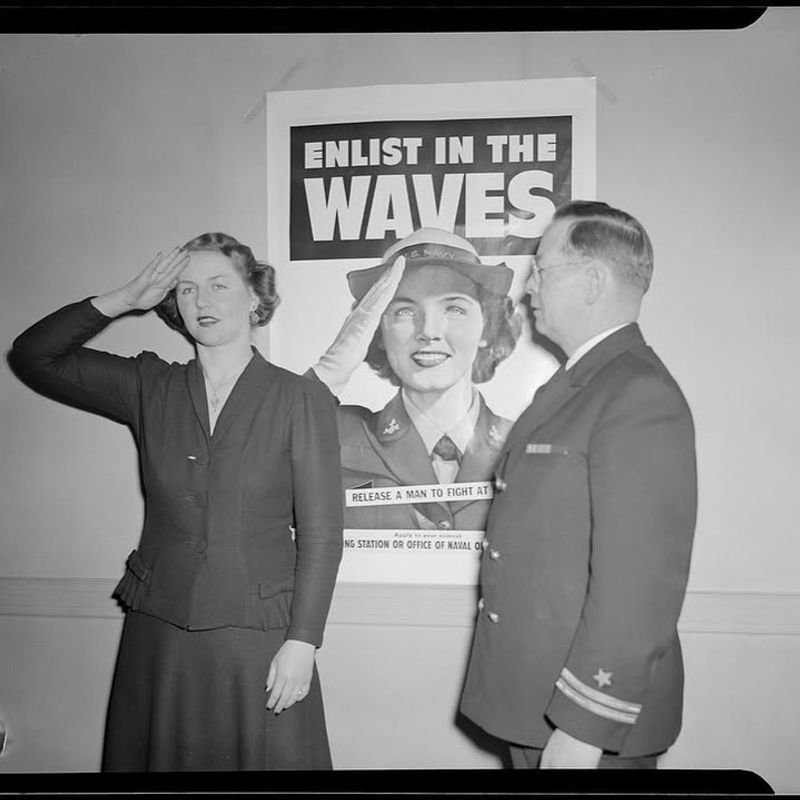
Women who wanted to serve their country during World War II faced a hurdle that their male counterparts never had to deal with. Married women often needed their husband’s permission before they could enlist in military service organizations like the WAC or WAVES.
The idea that a grown woman needed a man’s approval to make a major life decision feels completely outdated today. Back then, it was simply the rule.
No signature, no service, regardless of how much she wanted to contribute.
13. Earning Less Than Half of What Men Made for the Same Work
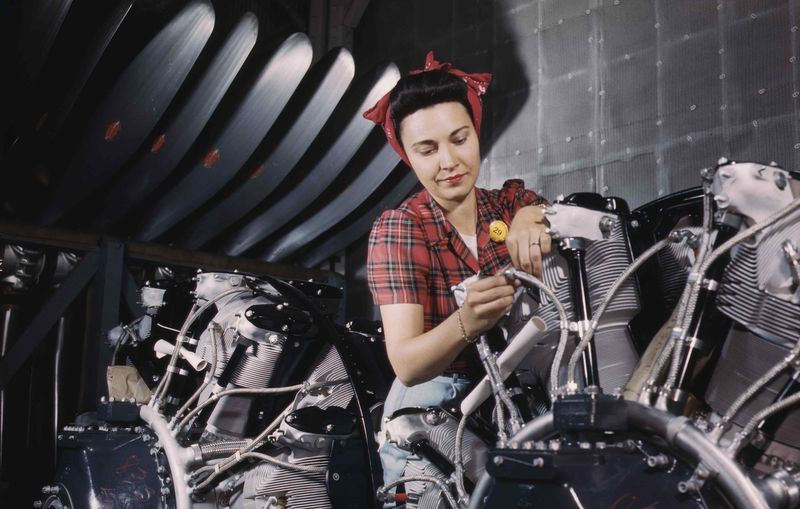
Women who flooded into factories and shipyards during WWII did the same physically demanding, skilled work as the men they replaced. Welding, operating heavy machinery, assembling aircraft parts.
The work was identical. The pay was not.
Women often earned less than 50 cents for every dollar a man made doing the exact same job. There were no laws to challenge it, and complaining was rarely an option.
The wage gap was not a talking point back then. It was just the way things were.
14. Doing Laundry Entirely by Hand Without Modern Appliances
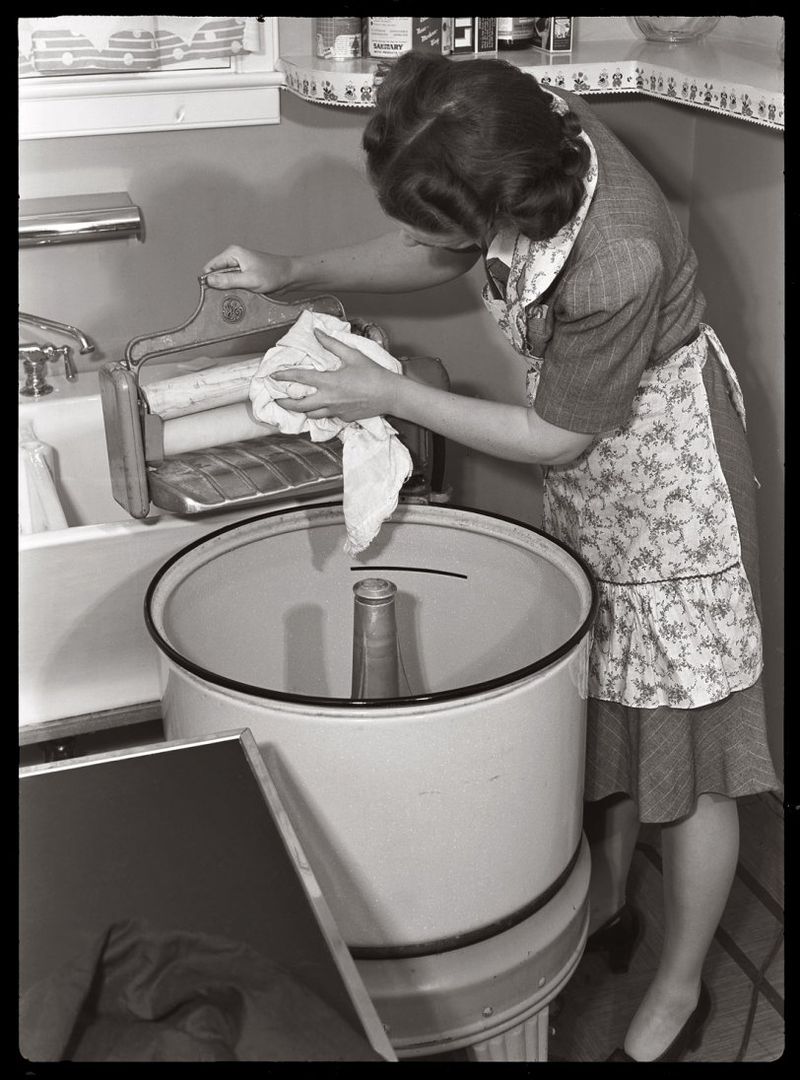
Monday was laundry day in most 1940s homes, and it was a full-day commitment. Without automatic washing machines, women scrubbed clothes on washboards, wrung them out by hand, and hung everything on the line to dry.
It was backbreaking, repetitive work.
Sheets, towels, work clothes, and children’s outfits all got this treatment weekly. Even homes with a basic wringer-style machine still required significant manual effort.
A “quick wash” was simply not a concept that existed in this era.
15. Being Expected to Look Cheerful and Put-Together at All Times
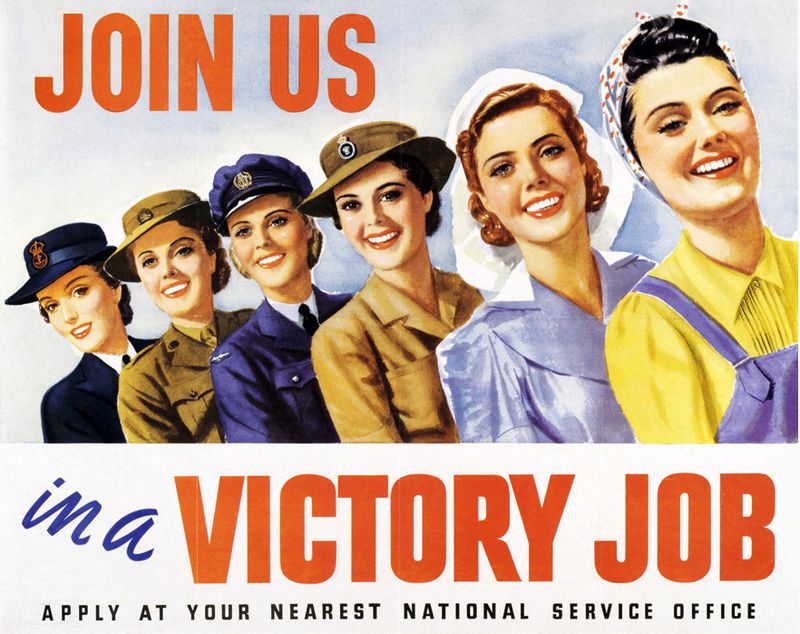
Wartime propaganda and social expectations placed a strange burden on women to appear happy, calm, and well-dressed no matter what was going on in their lives. Magazine ads and government posters consistently showed women smiling through hardship.
Showing stress, exhaustion, or frustration was considered bad for morale, both at home and in the workplace. Women were quietly expected to be emotional anchors for their families and communities, suppressing their own struggles to keep everyone else feeling steady and confident.
16. Facing Serious Stigma After Divorce
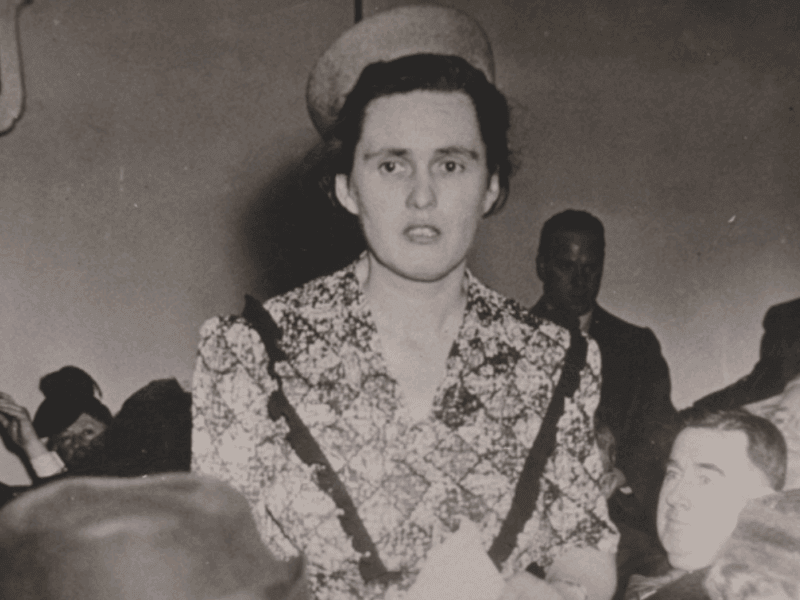
Divorce in the 1940s was not just emotionally painful. It could completely upend a woman’s life in practical ways.
Divorced women faced real discrimination in housing, employment, and social circles. Landlords could refuse to rent to them.
Employers might question their character.
Neighbors and family members often treated divorce as a personal failure or a scandal. The social fallout could last for years.
Women were strongly encouraged to make their marriages work no matter what, even in deeply unhappy or difficult situations.
17. Managing Household Finances Alone While Husbands Were at War
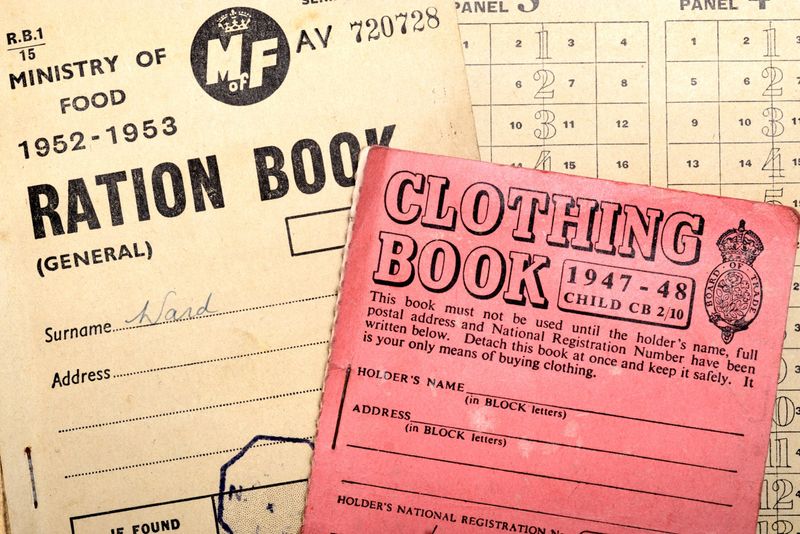
When millions of men shipped overseas, the women they left behind suddenly became the sole financial managers of their households, often with little to no prior experience. Paying bills, budgeting for rationed groceries, and stretching a single income became daily realities.
Many women handled this with remarkable skill, keeping families afloat under enormous pressure. Yet when husbands returned, most were expected to hand back financial control without question.
The competence they had proven meant little once traditional roles were reinstated.
18. Skipping College to Become a Housewife
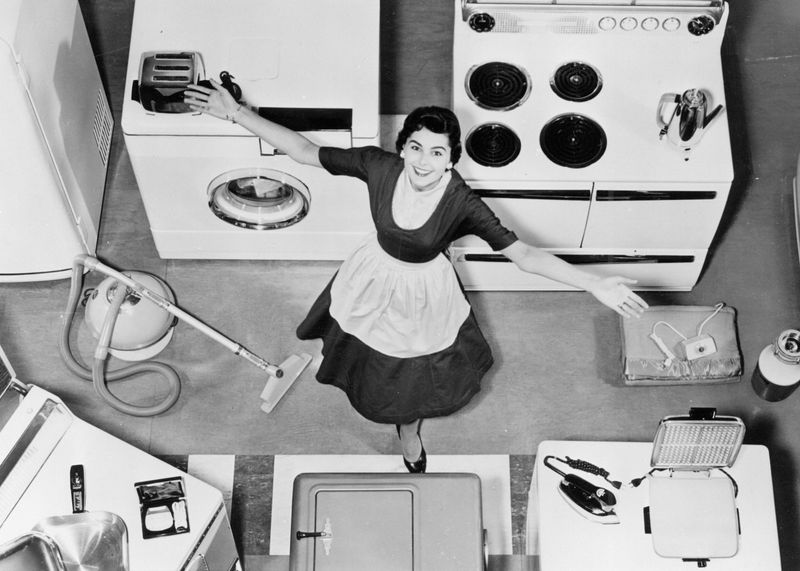
While some women did pursue higher education in the 1940s, especially as male enrollment dropped during the war, the expectation for most was still to marry soon after high school and build a home rather than a career.
Fields like medicine and law remained almost entirely closed to women, and even those who earned degrees often found few professional doors open. Society’s message was clear: a diploma was a nice extra, but a wedding ring was the real goal.