
Getting back into dating after 50 can feel exciting, nerve-wracking, and a little overwhelming all at once. The dating world has changed a lot, and many people find themselves making avoidable mistakes that slow them down or lead to frustration.
Whether you’ve been through a divorce, lost a spouse, or simply took a long break from romance, knowing what to watch out for can make a huge difference. Here are the most common missteps to avoid so you can enjoy the journey ahead.
1. Talking Yourself Out of Dating Before You Even Start

Fear has a sneaky way of whispering “don’t bother” right when you’re about to take a chance. Many people over 50 cancel plans or avoid dating altogether because anxiety makes the whole thing feel too risky.
But skipping out means missing real opportunities for connection. Acknowledge the nerves, take a breath, and show up anyway.
Courage in dating rarely looks bold — it usually just looks like following through.
2. Monopolizing the Conversation on Dates

Nobody wants to feel like a silent audience at their own date. Talking too much about yourself — your career, your kids, your past — is one of the fastest ways to kill a budding connection.
Great conversation flows both ways. Ask genuine questions and actually listen to the answers.
Curiosity about another person is magnetic, and people remember how you made them feel far more than anything you said about yourself.
3. Putting Yourself Down or Minimizing Your Worth

“I’m too old,” “I’ve got too much baggage,” “Who would want me now?” — sound familiar? Self-deprecating talk might feel like humility, but it actually pushes people away and signals low confidence.
You’ve lived a full, rich life, and that’s genuinely attractive to the right person. Own your story instead of apologizing for it.
Confidence at this stage isn’t arrogance — it’s earned, and it looks great on you.
4. Constantly Comparing New Dates to Your Ex

When you’ve spent years with someone, comparisons are almost automatic. But measuring every new person against your ex — positively or negatively — keeps you mentally stuck in the past.
Your ex set a standard, sure, but not the only standard. New people deserve a fair shot on their own terms.
Try to notice what makes someone uniquely interesting rather than how they stack up against someone you already know inside and out.
5. Waiting Passively for Love to Find You

Hoping a wonderful partner will simply appear while you stay comfortable at home is a strategy that rarely works. Dating requires actual effort — creating a profile, reaching out, showing up, and staying engaged even when it feels slow.
Think of it like job searching: passive wishing gets you nowhere, but consistent action gets results. Put yourself in places and situations where connection is possible.
Your person won’t knock on your door uninvited.
6. Expecting a “Perfect” Partner With Zero Baggage

Here’s a reality check: everyone over 50 has a history. Expecting to find someone with no emotional baggage, no complicated family situations, and no past heartbreak is like expecting a used car with zero miles.
Baggage isn’t a dealbreaker — it’s just evidence of a life lived. What matters is how someone has grown from their experiences.
Look for self-awareness and emotional maturity rather than a spotless, uncomplicated backstory.
7. Giving Up After Just a Few Bad Dates
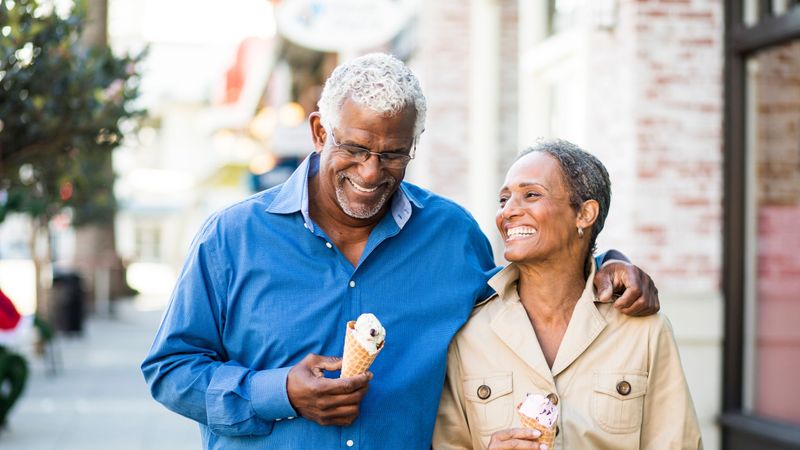
Three awkward dates and suddenly you’re ready to swear off romance forever? That’s understandable — but also a little premature.
Dating at any age takes persistence, and the over-50 crowd is no exception.
Every “wrong” person teaches you something about what you actually want. Treat bad dates as useful data, not proof that love is impossible.
The right connection often shows up after you’ve pushed through the discouraging stretch everyone goes through.
8. Saying Yes When You Really Mean No

People-pleasing doesn’t disappear with age — if anything, decades of being considerate can make it even harder to say “I’m not feeling this.” Agreeing to second and third dates out of politeness wastes everyone’s time and energy.
Honesty, delivered kindly, is always the better move. A simple “I had a nice time but I don’t think we’re a match” respects both people.
Your time is genuinely precious now, so spend it where it counts.
9. Texting Too Much Too Soon

A flurry of texts right after a first date can feel exciting, but it often creates a false sense of closeness before you actually know someone. Over-texting can come across as overwhelming or even a little desperate.
Real intimacy builds through shared experiences, not message threads. Keep early communication light and purposeful — enough to stay connected, but not so much that you’ve run out of things to talk about before the second date even happens.
10. Moving the Relationship Forward Too Fast

Excitement about a new connection can make everything feel urgent. But rushing through the early stages — skipping the fun, exploratory phase to jump straight into serious relationship territory — often backfires spectacularly.
Slow really is the new sexy when you’re dating with maturity. Let things unfold naturally.
Getting to know someone gradually builds a stronger foundation than fast-tracking to commitment. Enjoy the early chapters instead of sprinting straight to the ending.
11. Turning First Dates Into Interrogations

Showing up to a first date with a mental checklist of must-answer questions turns a casual meeting into something that feels like a job interview. Nobody relaxes or shows their real self under that kind of pressure.
Curiosity is great, but let conversation breathe. Follow the natural flow instead of steering toward your agenda.
The best first dates feel like catching up with someone you just met — easy, warm, and surprisingly effortless.
12. Unloading Heavy Personal Topics Way Too Early

Health scares, financial struggles, complicated divorce details — these are real parts of life, but dropping them on a first or second date is like showing up to a party and immediately discussing your tax problems.
Timing matters enormously. Early dates should be about building warmth and curiosity, not processing your most stressful chapters.
There’s a right time to share deeper challenges, and it comes after trust has had a chance to grow naturally.
13. Dwelling on the Past Instead of the Present

Spending the evening talking about your divorce, your heartbreak, or what your last relationship taught you signals that you haven’t fully moved on — even if you think you have. It also makes your date feel like a therapist rather than a romantic prospect.
Healing is a process, and it’s okay if it’s ongoing. But dates aren’t the place to process it.
Stay present, stay curious, and let the new chapter actually begin instead of narrating the last one.
14. Being Vague About What You Actually Want
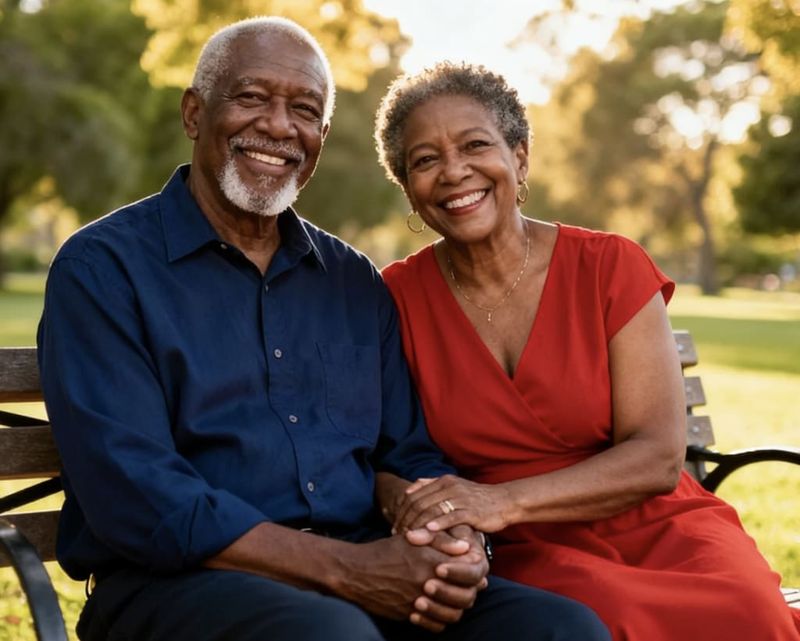
Vagueness might feel safe — like you’re keeping options open — but it usually just creates confusion and wasted emotional energy for both people. Are you looking for something serious?
Casual companionship? Just figuring things out?
Being honest about your intentions upfront isn’t scary; it’s respectful. The right person will appreciate your clarity, and the wrong person will self-select out.
Either way, you win. Knowing what you want is one of the real perks of dating at this stage.
15. Expecting Instant Fireworks on Every Date

Hollywood has a lot to answer for. The idea that you’ll feel an electric, instant spark with the right person sounds romantic, but real chemistry — especially for people over 50 — often builds gradually over time.
A pleasant, comfortable first date with someone kind and interesting is actually a really good sign. Don’t write someone off just because you didn’t feel butterflies immediately.
Give warmth and ease a chance to become something deeper and more lasting.
16. Meeting Strangers in Private or Getting Physical Too Soon
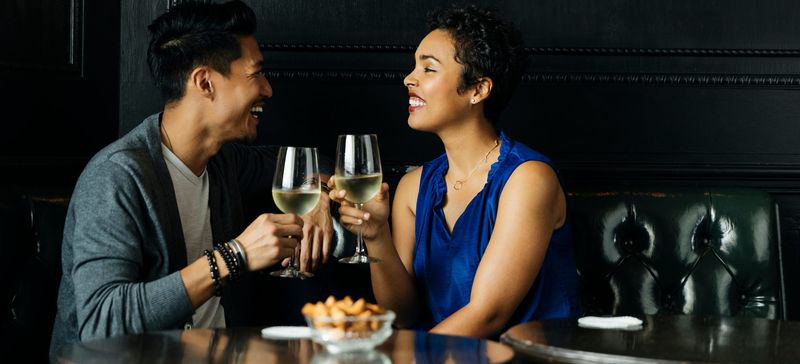
Safety matters at every age, but it’s especially worth emphasizing for those re-entering the dating scene after a long break. Meeting a new match at your home — or theirs — before you’ve established real trust is simply not a smart move.
Always choose public places for early dates, and let someone you trust know where you’re going. Similarly, rushing into physical intimacy before emotional connection is established often complicates things more than it helps.
Patience protects you in more ways than one.
17. Using Outdated Photos or a Fake-Sounding Dating Profile

Posting photos from a decade ago or writing a profile so generic it could belong to anyone is a trap many people fall into. It might get more swipes initially, but it sets up disappointment — for both sides — when you finally meet.
Your authentic self is your strongest selling point. Use recent photos, write something that actually sounds like you, and be upfront about your real life.
The right match will be drawn to the real you, not a curated version of who you used to be.