
The 1970s gave us some of the most memorable music in history, but not every hit has stood the test of time. Some songs that once dominated the radio now feel awkward, cheesy, or just plain odd to modern ears.
Looking back at these tracks can be a fun — and sometimes cringeworthy — trip through a decade that didn’t always get it right. Here are 17 massive ’70s hits that have aged more like milk than fine wine.
1. “YMCA” – Village People (1978)
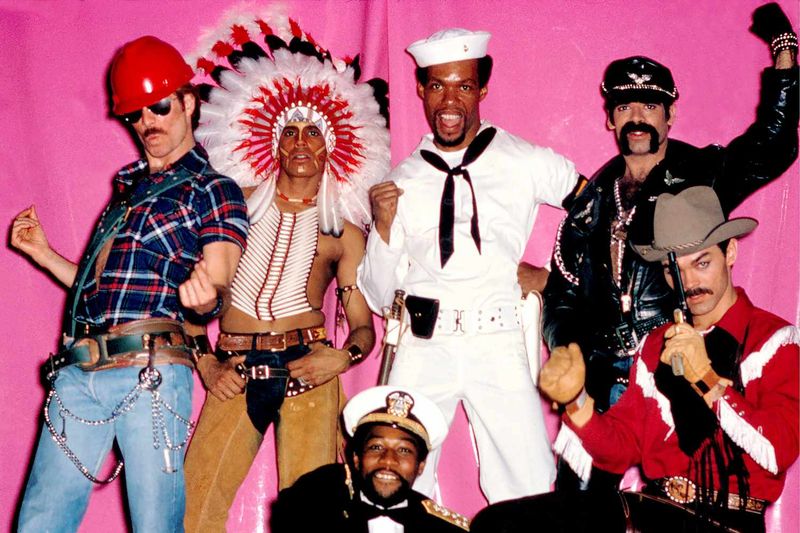
Few songs scream “awkward wedding reception” louder than this one. “YMCA” was a massive disco anthem when it dropped in 1978, but today it’s practically the official soundtrack of dad dancing at every family event imaginable.
The cheesy choreography and campy outfits haven’t exactly helped its reputation either. What once felt like a bold, fun party anthem now mostly just makes people groan — right before they reluctantly spell out the letters anyway.
2. “Stayin’ Alive” – Bee Gees (1977)
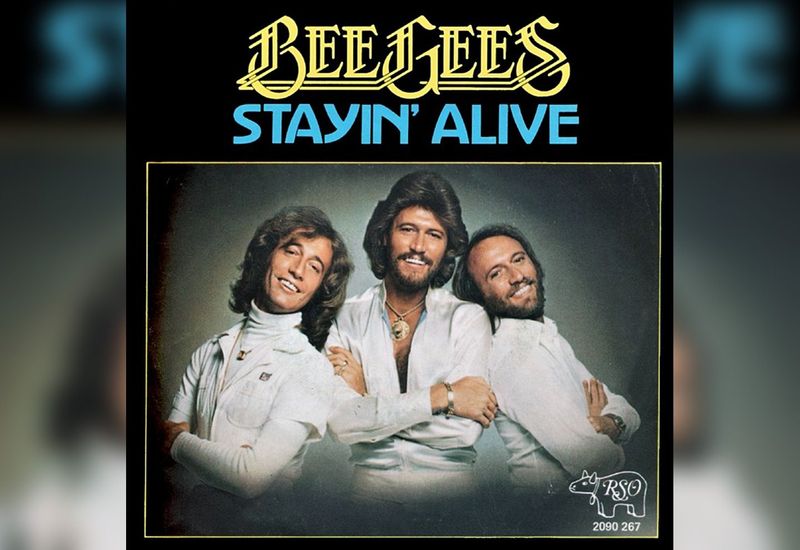
There was a time when this falsetto-heavy groove was the coolest thing on the dance floor. The Bee Gees absolutely ruled the late ’70s, and “Stayin’ Alive” was their crown jewel — at least for a while.
Nowadays, the song is almost impossible to hear without picturing a middle-aged relative doing an exaggerated strut across the living room. It’s not bad music, but it carries so much cultural baggage that it’s hard to take seriously anymore.
3. “Seasons in the Sun” – Terry Jacks (1974)
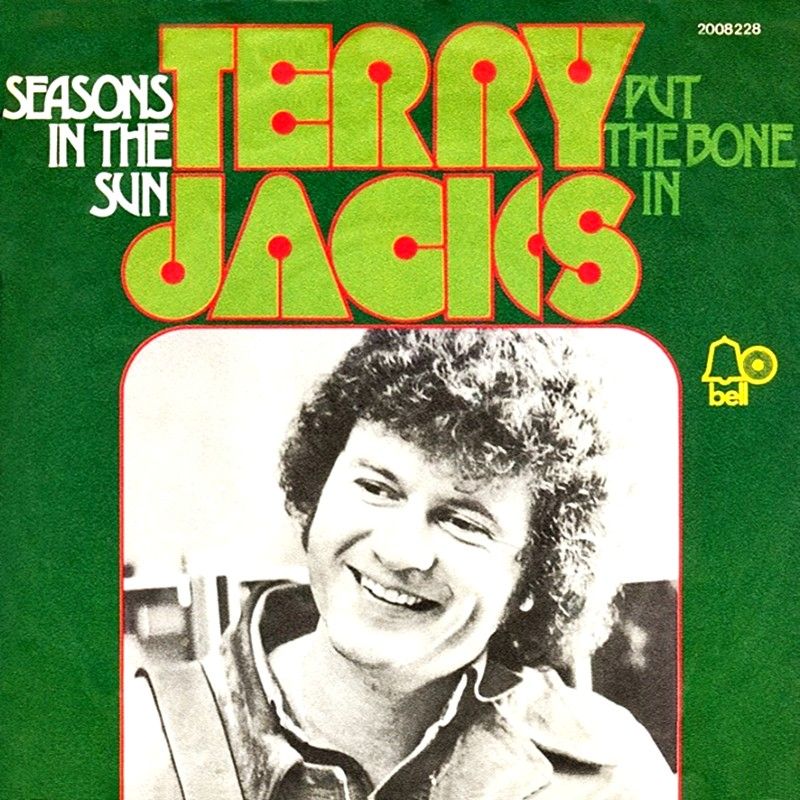
On the surface, this song sounds almost cheerful — and that’s exactly the problem. “Seasons in the Sun” is actually about a dying man saying goodbye to everyone he loves, yet the upbeat, bouncy melody completely contradicts that heavy message.
Terry Jacks delivered every word with such artificially sunny energy that it accidentally turned a tragic farewell into something almost laughable. The disconnect between the lyrics and the tone has made it one of the decade’s most unintentionally confusing hits.
4. “Muskrat Love” – Captain and Tennille (1976)
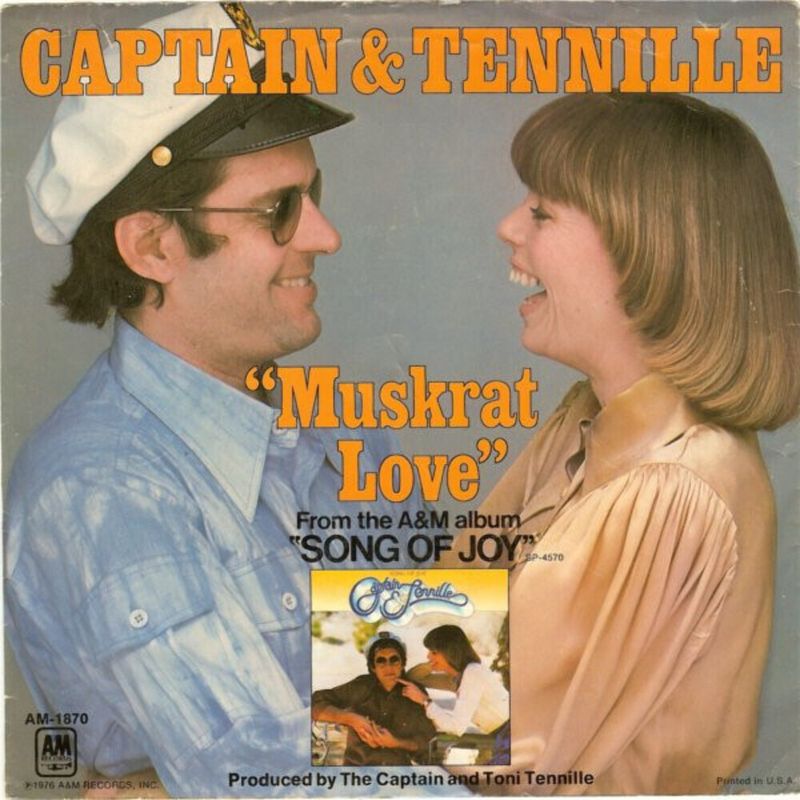
Yes, this song is literally about two muskrats falling in love — complete with synthesized sound effects meant to mimic actual muskrat noises. Even in 1976, that was a bold creative choice.
Captain and Tennille somehow turned this bizarre concept into a Top 5 hit, which says a lot about the decade. Today, it stands as one of the quirkiest, most head-scratching pop songs ever recorded.
Charming? Maybe.
Something you’d add to a playlist? Probably not.
5. “Feelings” – Morris Albert (1975)
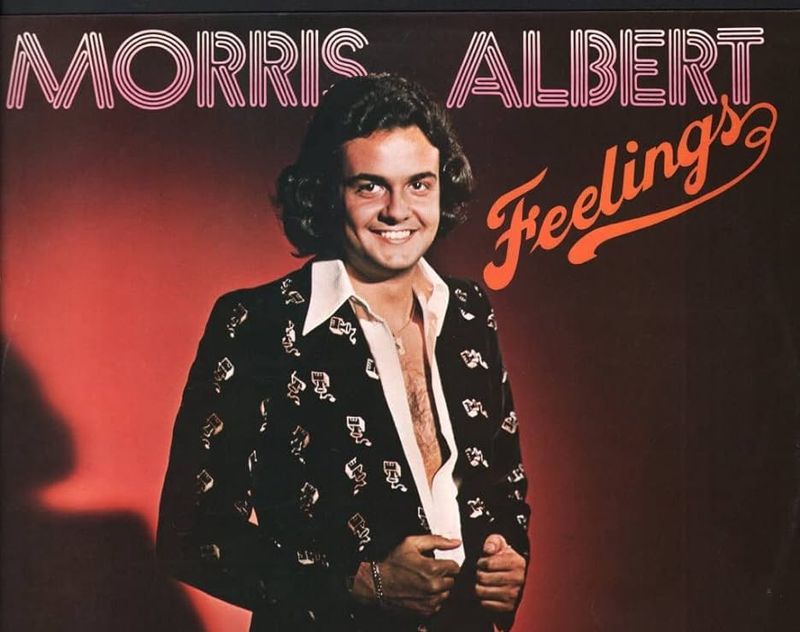
“Feelings” arrived in 1975 and quickly became the go-to punchline for anyone mocking overwrought ’70s ballads. Morris Albert’s mournful delivery and the song’s endlessly repeated chorus made it an easy target for parody almost immediately.
Critics called it emotionally shallow despite — or maybe because of — how dramatically it tried to sound deep. The simple lyrics and repetitive structure haven’t won any new fans over the decades.
It’s more museum piece than masterpiece at this point.
6. “Afternoon Delight” – Starland Vocal Band (1976)
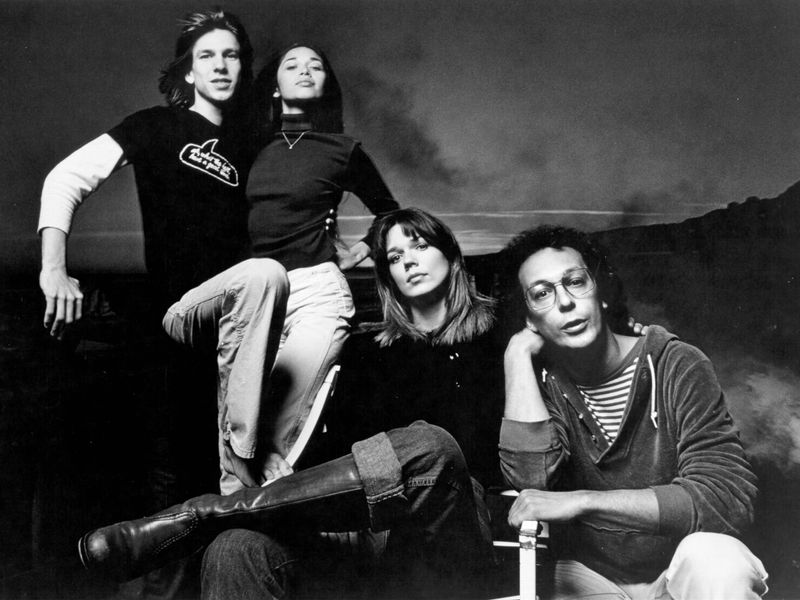
It won a Grammy. It hit number one.
And yet, “Afternoon Delight” is now remembered mostly for being deeply, almost impressively awkward. The song dresses up its rather suggestive subject matter in the sunniest, most wholesome-sounding package imaginable.
That contrast is what makes it so cringe-worthy today. The relentlessly cheerful harmonies and the overly cute lyrics create a combination that feels less romantic and more uncomfortable with every passing year.
Fun fact: even in 1976, plenty of people found it immediately annoying.
7. “You Light Up My Life” – Debby Boone (1977)
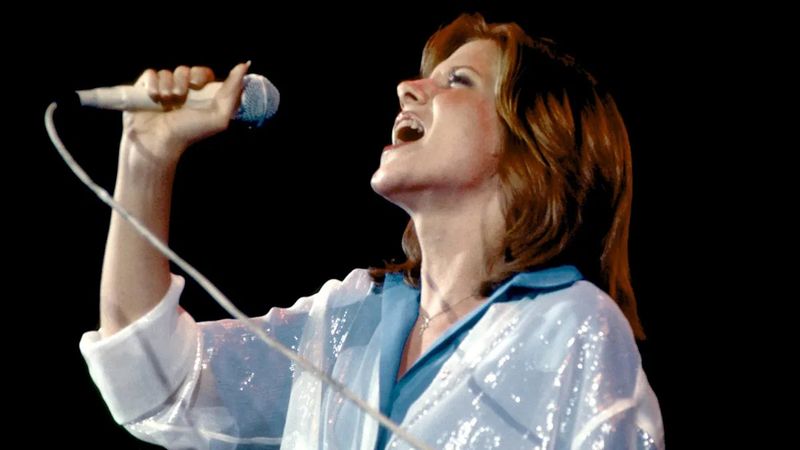
Spending ten weeks at number one made this the biggest hit of the entire decade — and also, somehow, one of the most disliked. “You Light Up My Life” was absolutely everywhere in 1977, which turned a lot of people off before the year was even over.
Debby Boone’s ultra-soft delivery and the song’s syrupy sweetness wore out its welcome fast. Overexposure can be brutal, and few songs prove that better than this painfully slow, saccharine ballad that just kept playing and playing.
8. “(You’re) Having My Baby” – Paul Anka (1974)
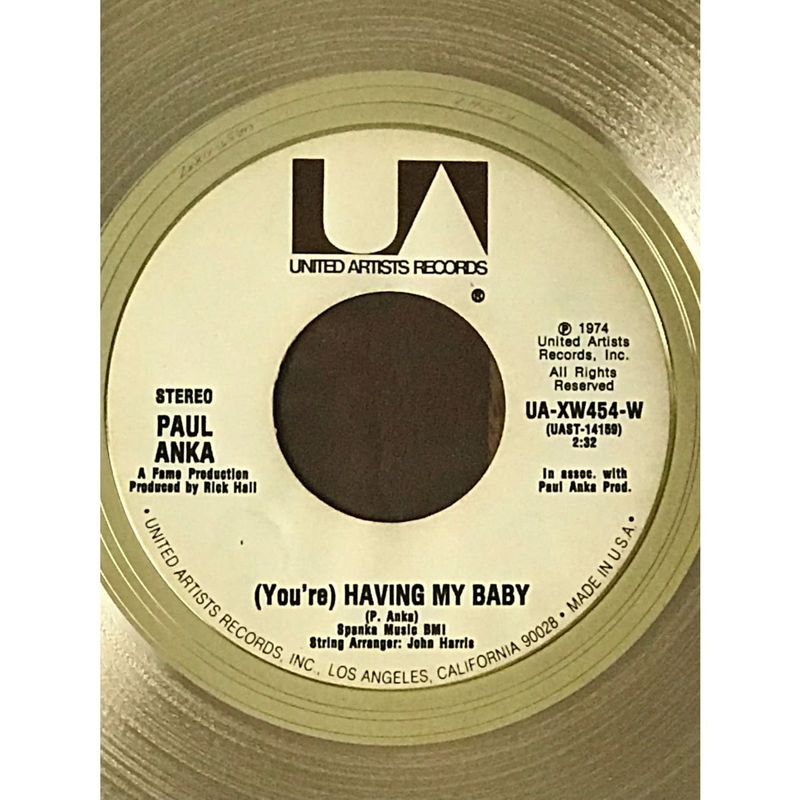
Paul Anka wrote this song as a tribute to his wife, but critics weren’t exactly moved by his gesture. From the moment it dropped, “(You’re) Having My Baby” raised eyebrows for its possessive framing and old-fashioned view of women.
Even by 1974 standards, the repeated emphasis on ownership felt outdated and tone-deaf. The song topped the charts anyway, which is a reminder that popularity and quality don’t always walk hand in hand.
Today, it mostly serves as a time capsule of what not to say.
9. “Disco Duck” – Rick Dees (1976)
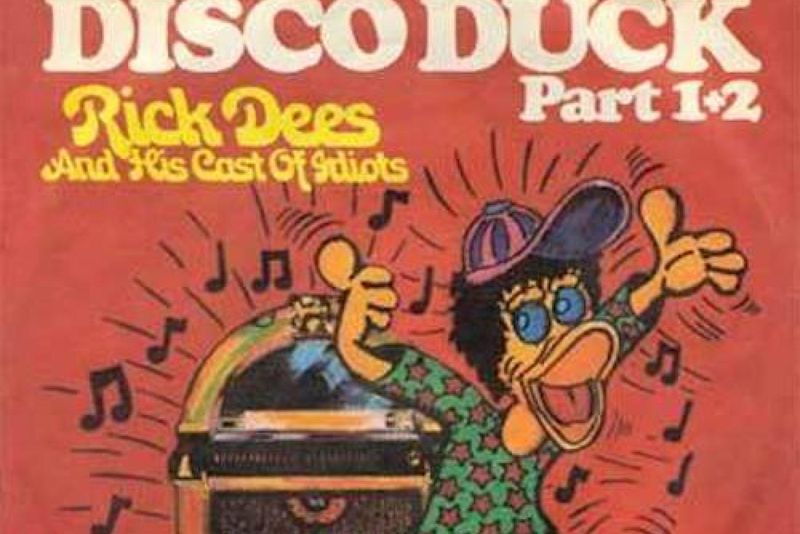
Reaching number one on the Billboard Hot 100 is an impressive achievement — unless the song is built around a man doing a duck impression for three-plus minutes. “Disco Duck” somehow pulled it off in 1976, which remains one of pop music’s greatest mysteries.
The constant quacking that fills the track went from amusing to teeth-grinding almost instantly. Rick Dees later became a successful radio host, which seems like the universe’s way of letting him quietly move on from this particular career highlight.
10. “I Am Woman” – Helen Reddy (1972)
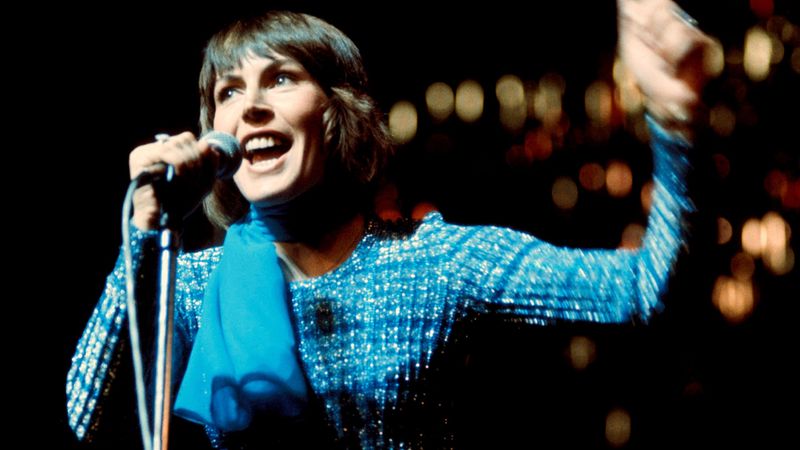
Helen Reddy’s empowerment anthem genuinely meant something when it arrived in 1972, becoming a rallying cry for the women’s movement. The song was bold, direct, and impossible to ignore — which turned out to be both its strength and its weakness.
Relentless radio play pushed many listeners into a backlash, and critics called the lyrics blunt to the point of feeling like a slogan rather than a song. History has been kinder to its message than to its music, which can feel more like a chant than a composition.
11. “Billy Don’t Be a Hero” – Bo Donaldson and the Heywoods (1974)
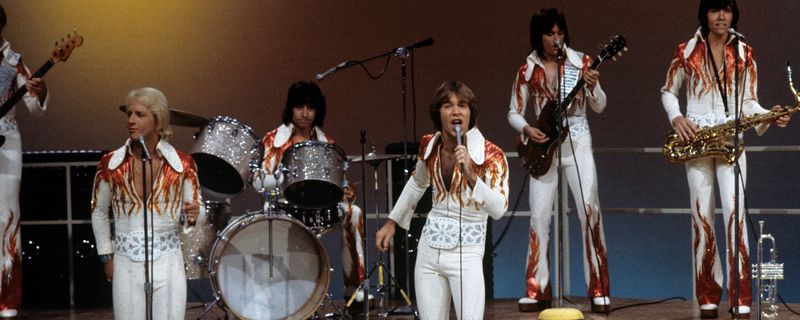
Melodramatic storytelling songs were having a moment in the early ’70s, and this track rode that wave straight to the top of the charts. The problem is that by 1974, that wave had already started to crash, and listeners were getting tired of the formula.
Critics piled on, calling “Billy Don’t Be a Hero” manipulative and simplistic — a war narrative wrapped in bubblegum pop packaging. The emotional beats feel engineered rather than earned, which makes repeat listens feel more exhausting than moving.
12. “Daddy Don’t You Walk So Fast” – Wayne Newton (1972)
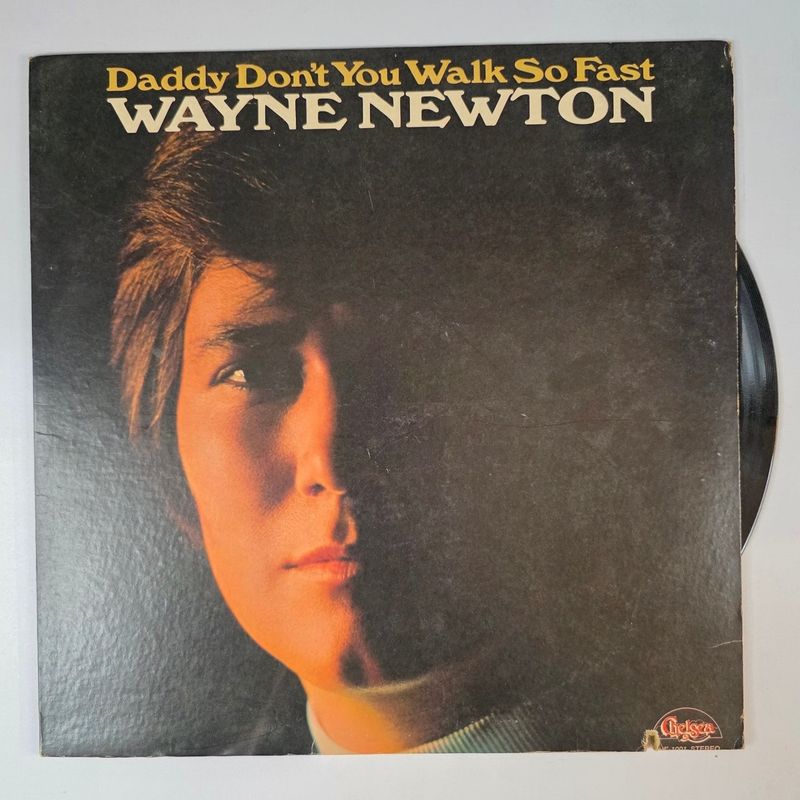
Wayne Newton was already a Vegas institution when this tearjerker gave him his biggest pop hit. The song tells the story of a father leaving his family, then being guilted into staying by his crying daughter — heavy stuff for a pop single.
Many listeners found the spoken-word sections unintentionally funny rather than heartbreaking, which is a tough spot for any emotional ballad. The exaggerated delivery and manipulative structure have made it a go-to example of ’70s sentimentality gone too far.
13. “Shannon” – Henry Gross (1976)
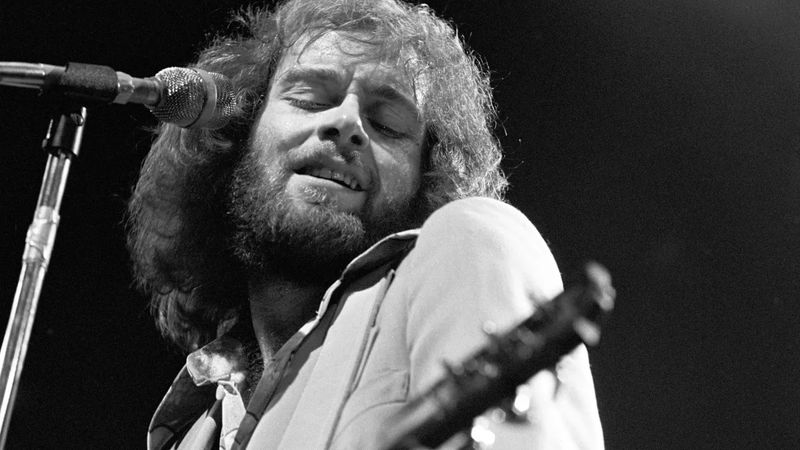
Written about a dog who passed away — reportedly the pet of a Beach Boys member — “Shannon” is unrelentingly sad from the first note to the last. Henry Gross delivered it with complete sincerity, which is admirable, but the subject matter created an unusual listening experience.
Some found it genuinely touching; others found the combination of a pop-radio sound and a song about a dead dog deeply unsettling. That gap between form and content has made it one of the decade’s more divisive and hard-to-revisit hits.
14. “Play That Funky Music” – Wild Cherry (1976)
Wild Cherry scored a massive hit with this funk-rock crossover, but the song’s premise — a white band being told to “play that funky music, white boy” — has aged in complicated ways. At the time, it read as self-aware and playful.
Decades later, the cultural conversation has shifted, and the track now feels more like an awkward artifact of an era when genre-borrowing rarely came with much self-reflection. The groove is undeniable, but the context around it has gotten harder to ignore with each passing year.
15. “Crocodile Rock” – Elton John (1972)
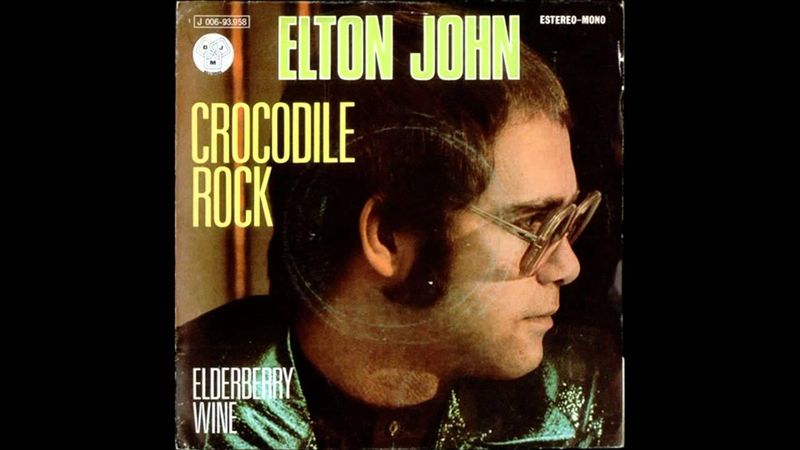
Elton John has an enormous catalog of brilliant songs, which makes “Crocodile Rock” stand out for all the wrong reasons. The track was a number one smash, but even fans have to admit it leans pretty hard into novelty territory.
Critics pointed to the awkward repeated shortening of “crocodile” to something closer to “crile” as a particular low point. For an artist capable of “Tiny Dancer” and “Rocket Man,” this bubbly, almost cartoonish number has always felt like a step below his best work.
16. “My Love” – Paul McCartney and Wings (1973)
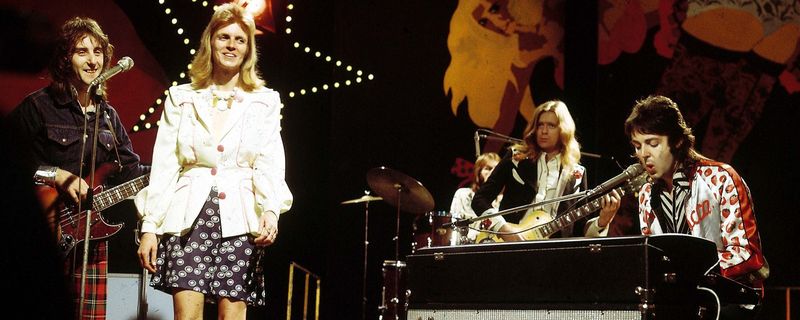
Coming from one of the most celebrated songwriters in history, “My Love” had enormous shoes to fill — and many critics felt it stumbled right out of the gate. The ballad spent four weeks at number one in 1973, proof that chart success and critical respect don’t always overlap.
Some music writers have called it McCartney’s lowest point as a solo artist, pointing to its slow pace and overly sentimental lyrics. For a man who wrote “Yesterday,” this one feels like a significant dip in inspiration.
17. “Kung Fu Fighting” – Carl Douglas (1974)
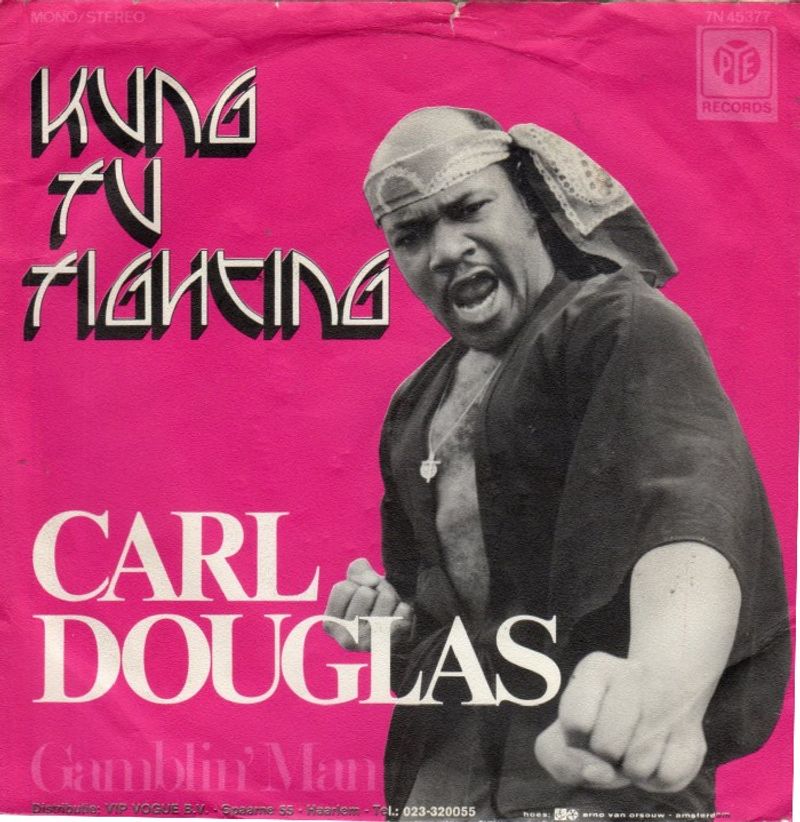
Recorded almost as an afterthought — Carl Douglas supposedly wrote and recorded it in under ten minutes as a B-side — this track became one of the biggest global hits of 1974. The catchy hook made it nearly impossible to get out of your head.
But the lyrics leaned on stereotypes that feel genuinely uncomfortable today. What once passed as lighthearted fun now reads as lazy and reductive.
The song is a perfect example of how cultural context can completely change the way a hit gets remembered over time.