
Hollywood has given us unforgettable performances, but not every casting decision lands the way filmmakers hope. Sometimes, even the biggest names in the business end up in roles that just don’t fit, leaving moviegoers scratching their heads.
Whether it’s a major age gap, a wrong accent, or a personality clash with the character, these misfires become legendary for all the wrong reasons. Here are 17 casting choices that had audiences seriously questioning what the studios were thinking.
1. John Wayne as Genghis Khan in The Conqueror (1956)
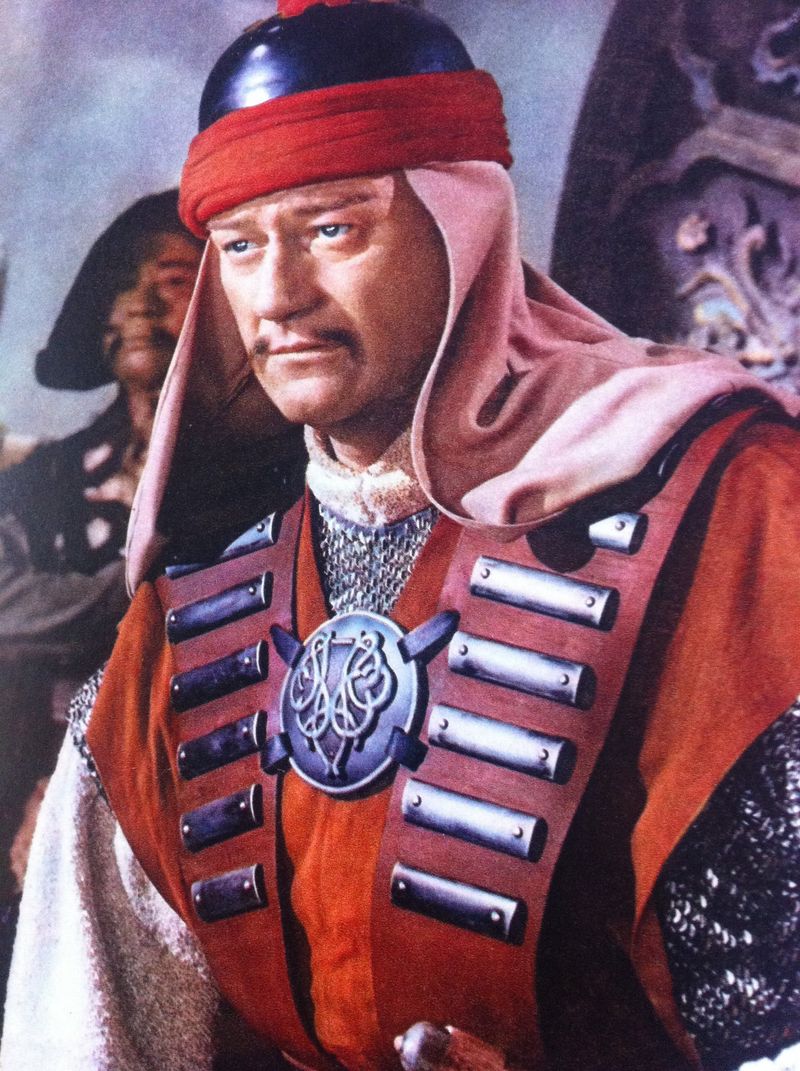
Picture the ultimate Hollywood cowboy trying to play one of history’s fiercest Mongolian warriors. That’s exactly what happened when John Wayne was cast as Genghis Khan.
His slow Western drawl and rugged all-American look clashed horribly with the role.
The film bombed at the box office and became a textbook example of terrible casting. Wayne himself later admitted it was a mistake.
Critics still rank it among the worst casting decisions ever made in Hollywood history.
2. Mickey Rooney as Mr. Yunioshi in Breakfast at Tiffany’s (1961)
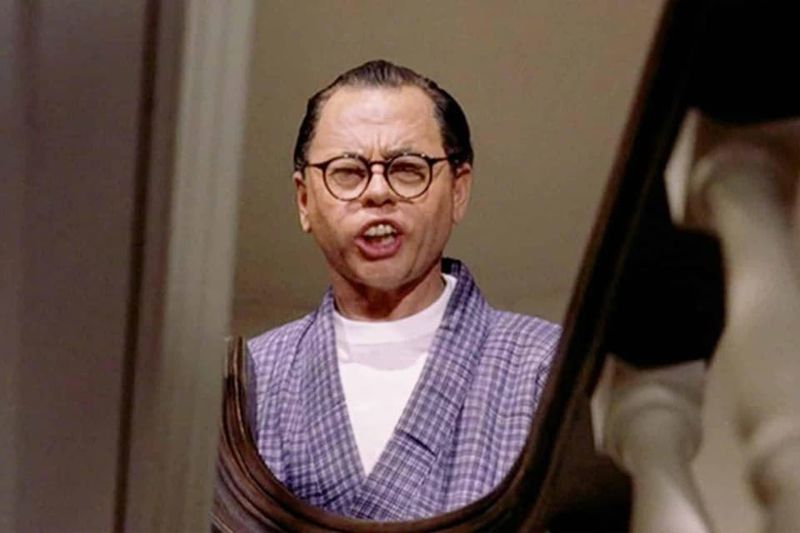
Few casting moments in Hollywood history feel as cringeworthy today as Mickey Rooney’s turn as Mr. Yunioshi. Rooney played a Japanese landlord using exaggerated buck teeth, a fake accent, and over-the-top gestures that were offensive even by 1961 standards.
Rooney himself eventually apologized for the role decades later, calling it something he deeply regretted. The portrayal is now widely viewed as an embarrassing example of Hollywood’s long history of racial stereotyping on screen.
3. Laurence Olivier as Othello in Othello (1965)
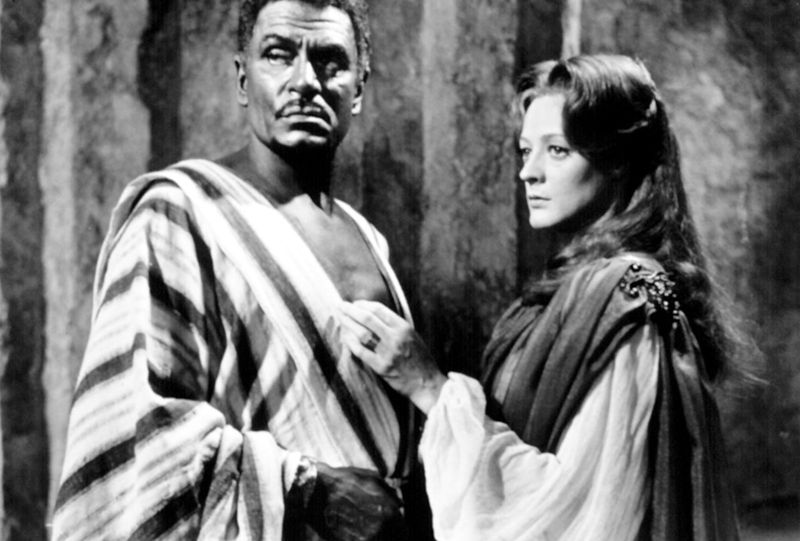
Laurence Olivier was one of the greatest actors of his generation, but his decision to play Othello in blackface is remembered as a deeply uncomfortable chapter in cinema history. Even though it earned him an Oscar nomination at the time, modern audiences view it very differently.
Critics and historians now call it a “sickening embarrassment.” The performance is a reminder of how Hollywood once normalized practices that are now recognized as harmful and disrespectful to Black performers and communities.
4. Sofia Coppola as Mary Corleone in The Godfather Part III (1990)
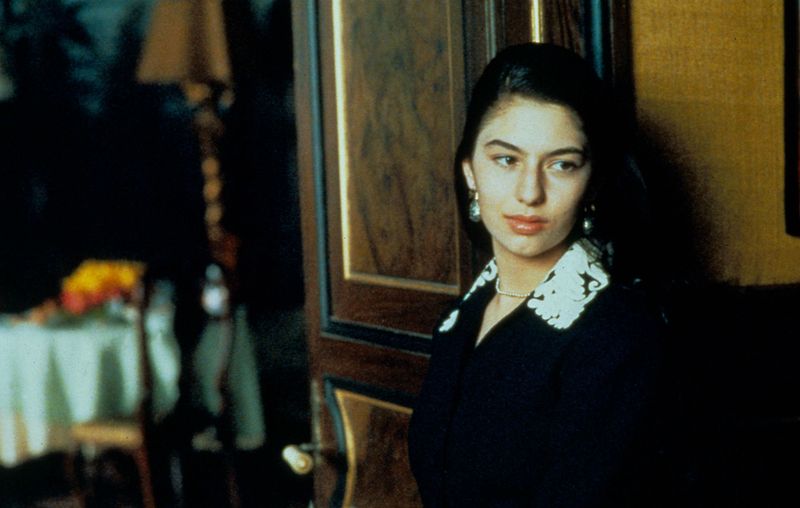
Sofia Coppola stepped into one of cinema’s most iconic franchises with almost no acting experience, and it showed. Her performance as Mary Corleone was noticeably stiff next to seasoned veterans like Al Pacino and Diane Keaton.
She was cast after Winona Ryder dropped out, leaving her father, director Francis Ford Coppola, in a tough spot. Critics were brutal, and Sofia herself has spoken openly about how painful the experience was.
She went on to find enormous success behind the camera instead.
5. Kevin Costner as Robin Hood in Robin Hood: Prince of Thieves (1991)
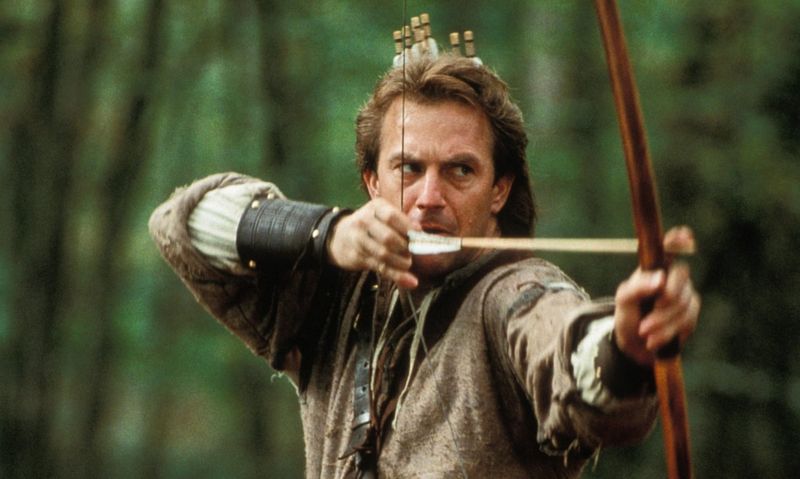
Robin Hood is one of England’s most beloved folk heroes, so casting an all-American actor who barely attempted a British accent raised eyebrows from the start. Kevin Costner’s flat delivery and accent-free performance became an easy target for critics and comedy shows alike.
Bryan Adams’ theme song ironically became a massive hit, almost overshadowing how awkward Costner felt in the role. The film made money, but audiences and critics agreed the lead casting was a significant weak spot throughout.
6. Keanu Reeves as Jonathan Harker in Bram Stoker’s Dracula (1992)
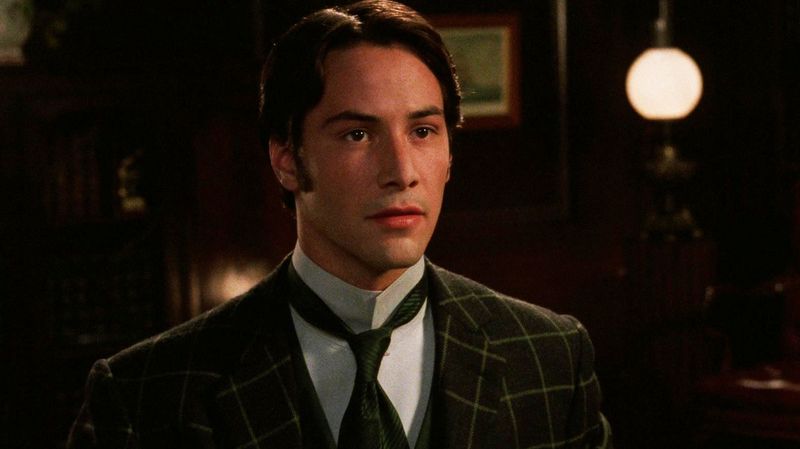
Keanu Reeves has proven himself in action roles, but a stiff Victorian English lawyer in a gothic horror film was a stretch nobody asked for. His attempt at a British accent in Bram Stoker’s Dracula came across as wooden and unconvincing throughout the entire film.
Director Francis Ford Coppola later acknowledged it wasn’t the right fit. Reeves was surrounded by powerhouse performers like Gary Oldman and Winona Ryder, which made his stilted scenes stand out even more painfully by comparison.
7. Denise Richards as a Nuclear Physicist in The World Is Not Enough (1999)
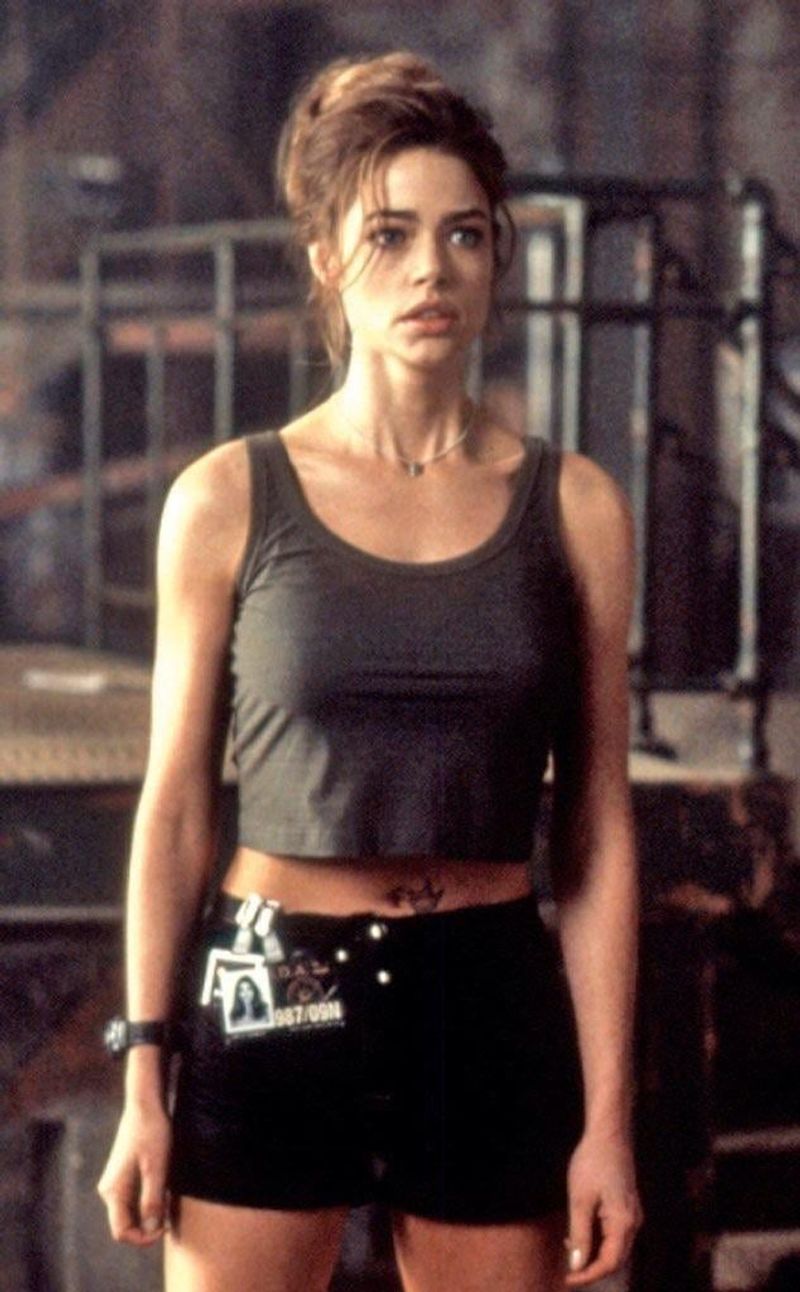
Bond films have always stretched believability, but casting Denise Richards as a nuclear physicist named Christmas Jones pushed things to a whole new level. Audiences struggled to buy her in a role that required projecting serious scientific authority and intelligence.
Her performance earned her a Razzie Award for Worst Supporting Actress, which pretty much sums up the public reaction. Even Pierce Brosnan’s effortless charm couldn’t save the scenes they shared.
It remains one of the franchise’s most mocked casting choices to this day.
8. Hayden Christensen as Anakin Skywalker in the Star Wars Prequels (2002-2005)
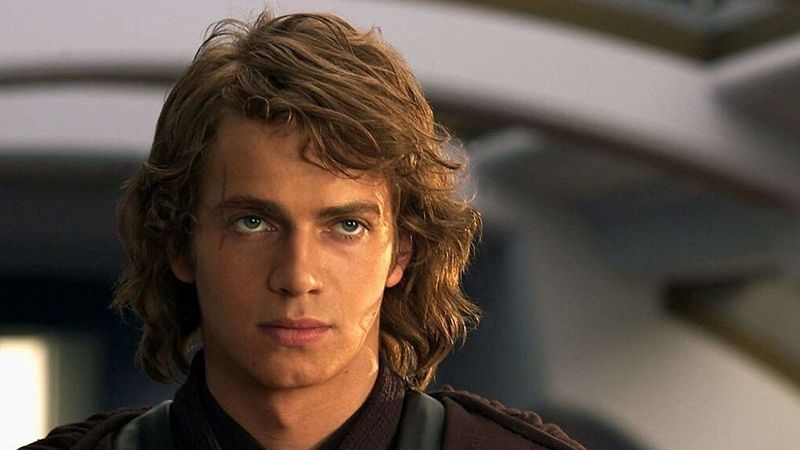
Anakin Skywalker is supposed to be the most powerful Jedi who ever lived, a tragic hero whose fall shakes the entire galaxy. Hayden Christensen had the look but struggled to bring emotional depth to the character’s complex inner conflict.
His wooden delivery and awkward romantic scenes with Natalie Portman became legendary for the wrong reasons. Fans debated for years whether the fault lay with the actor, the script, or the direction.
Christensen later got a second chance in the Obi-Wan Kenobi series and impressed many.
9. Colin Farrell as Alexander the Great in Alexander (2004)
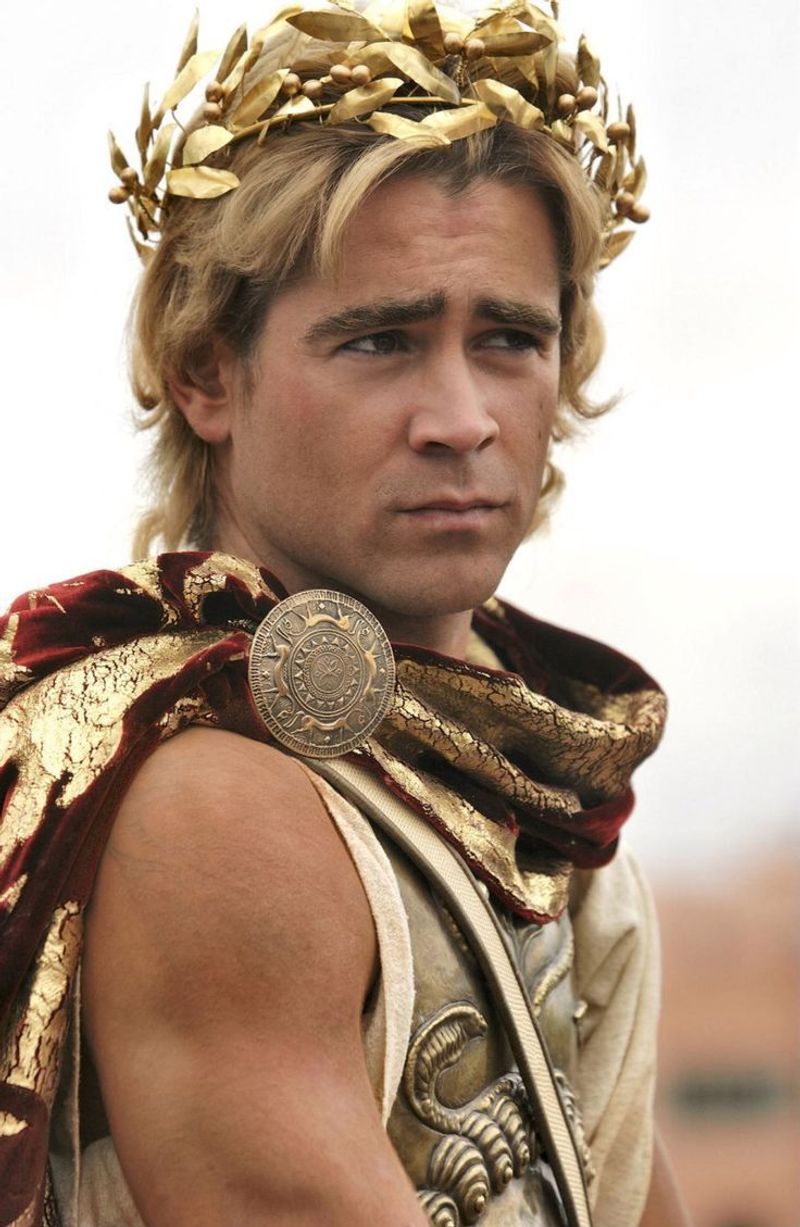
Oliver Stone’s ambitious epic about Alexander the Great had a lot going for it on paper, but Colin Farrell in the title role left many viewers unconvinced. His natural Irish charm felt at odds with the larger-than-life legend he was meant to portray.
The film was a massive box office disappointment, and Farrell’s performance was frequently cited as one of its biggest problems. Stone released multiple director’s cuts trying to salvage the project, but the casting issue remained impossible to overlook entirely.
10. Topher Grace as Eddie Brock/Venom in Spider-Man 3 (2007)
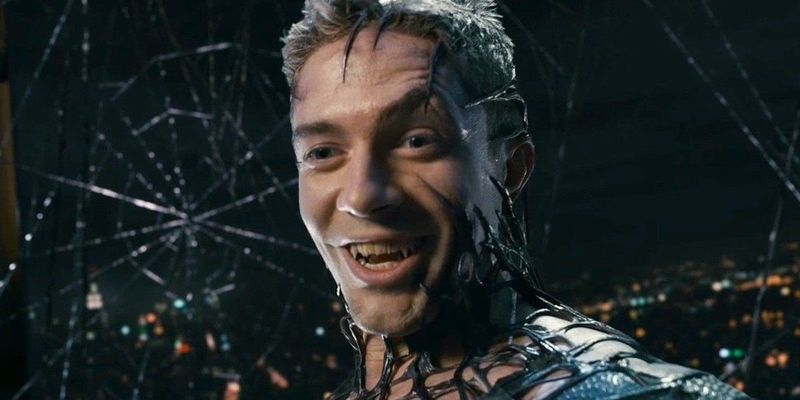
Venom is one of Spider-Man’s most terrifying villains, a massive, rage-fueled monster with a bone-chilling grin. Topher Grace, best known for playing the goofy kid on That ’70s Show, was nobody’s idea of that character.
His slim frame and light comedic energy made it nearly impossible for audiences to feel genuinely threatened. Fans were already frustrated that Venom felt rushed into the film, and the casting only deepened the disappointment.
Tom Hardy’s later portrayal showed just how different the role could have been.
11. Tom Cruise as Jack Reacher in Jack Reacher (2012)
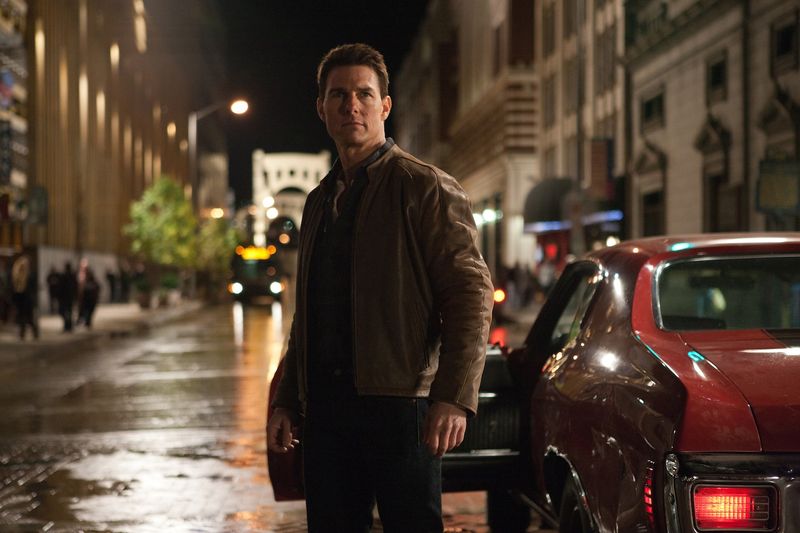
Jack Reacher in Lee Child’s beloved novels is a 6’5″ former military cop who physically dominates every room he walks into. Tom Cruise stands at around 5’7″, making the casting feel immediately off to devoted fans of the book series.
Child himself defended the choice, saying Cruise captured the character’s attitude even if the size didn’t match. Audiences were split, with some enjoying the film and others unable to get past the glaring physical mismatch.
The franchise was eventually rebooted with Alan Ritchson in the role.
12. Kristen Stewart as Snow White in Snow White and the Huntsman (2012)
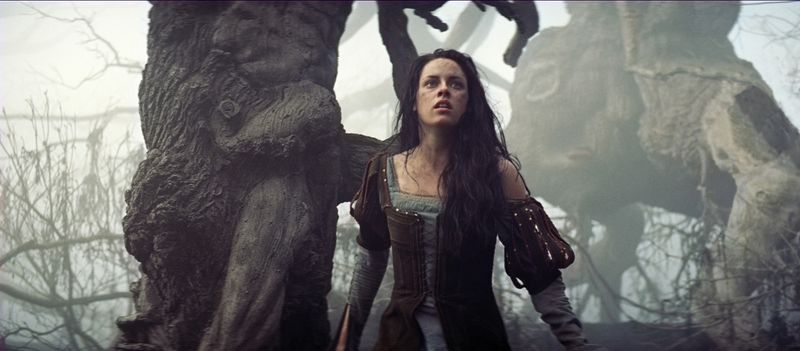
Snow White is a character known for warmth, charm, and inspiring loyalty in everyone around her. Kristen Stewart brought her signature flat intensity to the role, which felt like a mismatch for a princess meant to win hearts effortlessly.
The film’s dark tone actually suited her style in some ways, but the climactic speech scene drew particular criticism for its lack of emotional power. Charlize Theron’s scene-stealing villain made Stewart’s lead performance feel even more muted by comparison throughout the movie.
13. Jesse Eisenberg as Lex Luthor in Batman v Superman: Dawn of Justice (2016)
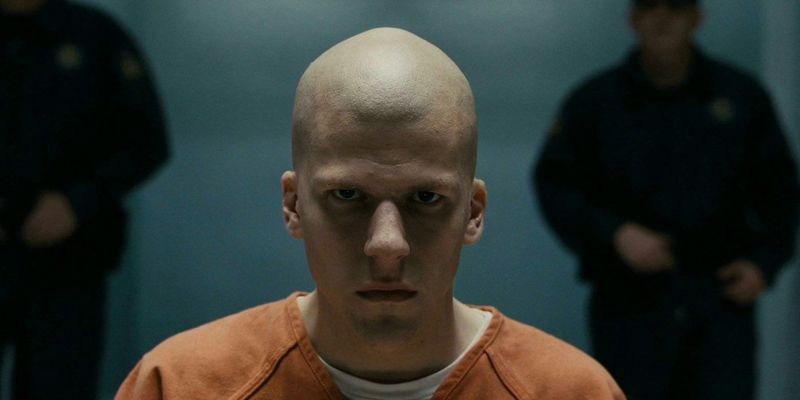
Lex Luthor is one of DC Comics’ most calculating and cold-blooded masterminds, a man who matches wits with Superman through sheer brilliance and menace. Jesse Eisenberg played him as a twitchy, fast-talking eccentric who felt more like a quirky tech startup founder.
His frantic energy clashed badly with the film’s heavy, brooding tone. Even fans who gave the movie a chance found his interpretation of Luthor genuinely baffling.
It became one of the most talked-about casting misfires in recent superhero film history.
14. Zoe Saldana as Nina Simone in Nina (2016)
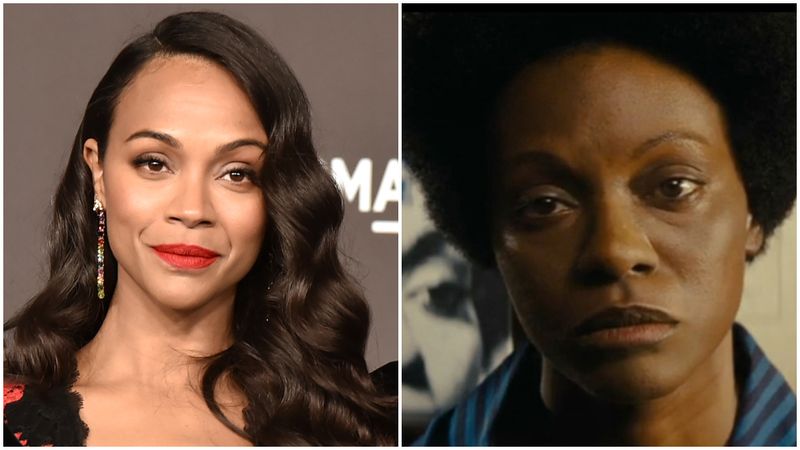
Nina Simone was a groundbreaking musician whose distinctive appearance was deeply tied to her identity and her lifelong fight against racial injustice. Casting Zoe Saldana, a lighter-skinned actress, and then darkening her skin and adding a prosthetic nose sparked immediate outrage.
Simone’s own estate publicly opposed the film. Many felt a darker-skinned Black actress should have been given the opportunity from the start.
The controversy overshadowed everything else about the project, and the film quietly faded without making any meaningful impact.
15. Scarlett Johansson in Ghost in the Shell (2017)
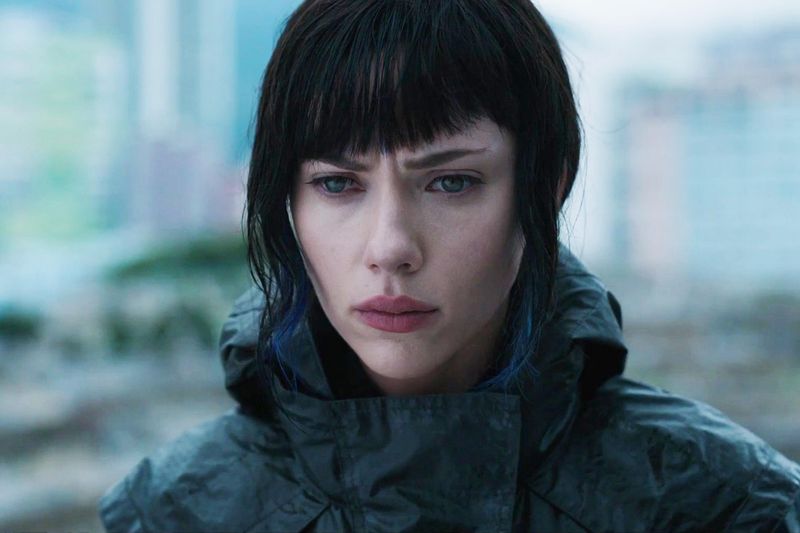
Ghost in the Shell is a beloved Japanese manga and anime franchise, and its lead character, Major Motoko Kusanagi, is a Japanese cultural symbol. Casting Scarlett Johansson, a white American actress, in the role immediately drew accusations of whitewashing from fans worldwide.
The studio argued the character’s robotic body made ethnicity irrelevant, but that explanation didn’t satisfy many critics. The film underperformed at the box office, and the casting debate became a broader conversation about representation and opportunity for Asian actors in Hollywood.
16. Tom Holland as Nathan Drake in Uncharted (2022)
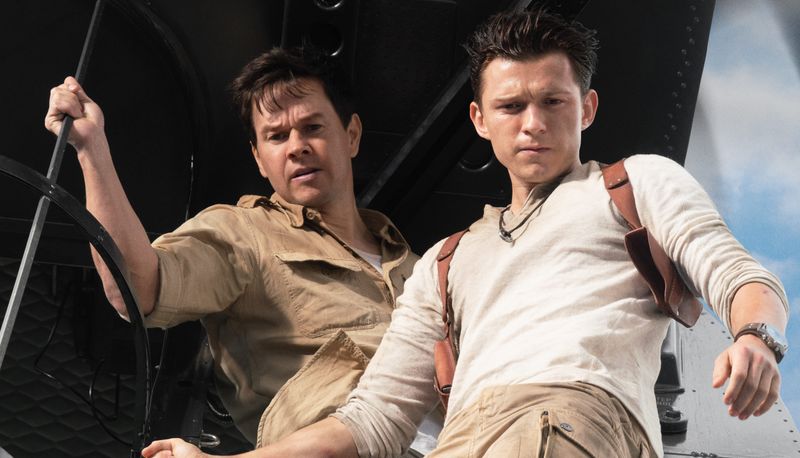
Nathan Drake from the Uncharted video game series is known for his quick wit, rugged confidence, and the kind of swaggering charm that fills a room. Tom Holland is a talented actor, but many fans felt his boyish energy didn’t quite capture what makes Drake so magnetic.
The film played as a younger origin story, which softened the criticism slightly. Still, audiences who grew up with the games found it hard to fully accept Holland in the role, especially without the lived-in charisma the character carries in the source material.
17. Chris Pratt as Mario in The Super Mario Bros. Movie (2023)
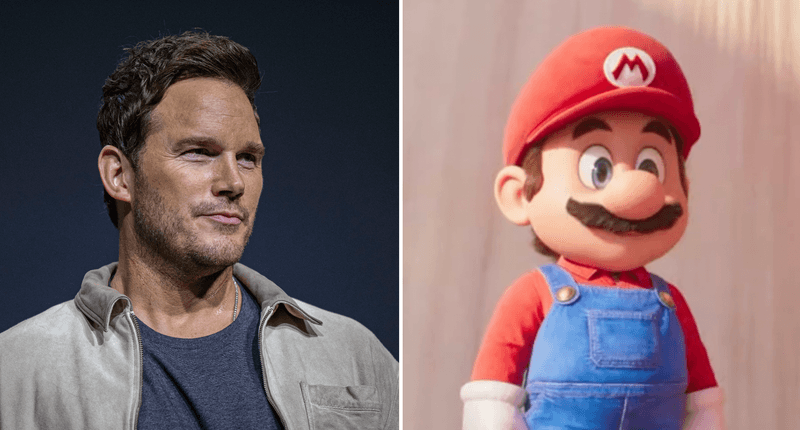
Charles Martinet had voiced Mario in video games for nearly three decades, making his cheerful Italian accent as recognizable as the character’s red cap. When Chris Pratt was announced as the voice for the animated film, fans were genuinely baffled by the choice.
Pratt used his regular speaking voice with almost no distinguishing accent, which felt oddly flat for such an iconic character. The film was a massive box office hit regardless, but the casting debate never fully went away among dedicated fans of the franchise.