
The saxophone might seem like a jazz instrument, but it helped shape rock and roll from the very beginning. From honking solos to soulful wails, sax players added raw energy and emotion that made early rock and roll unforgettable.
Many of these musicians played behind the scenes as session players, yet their sounds ended up on some of the most iconic recordings ever made. Get ready to meet the saxophone legends who helped build rock and roll into what it is today.
1. King Curtis
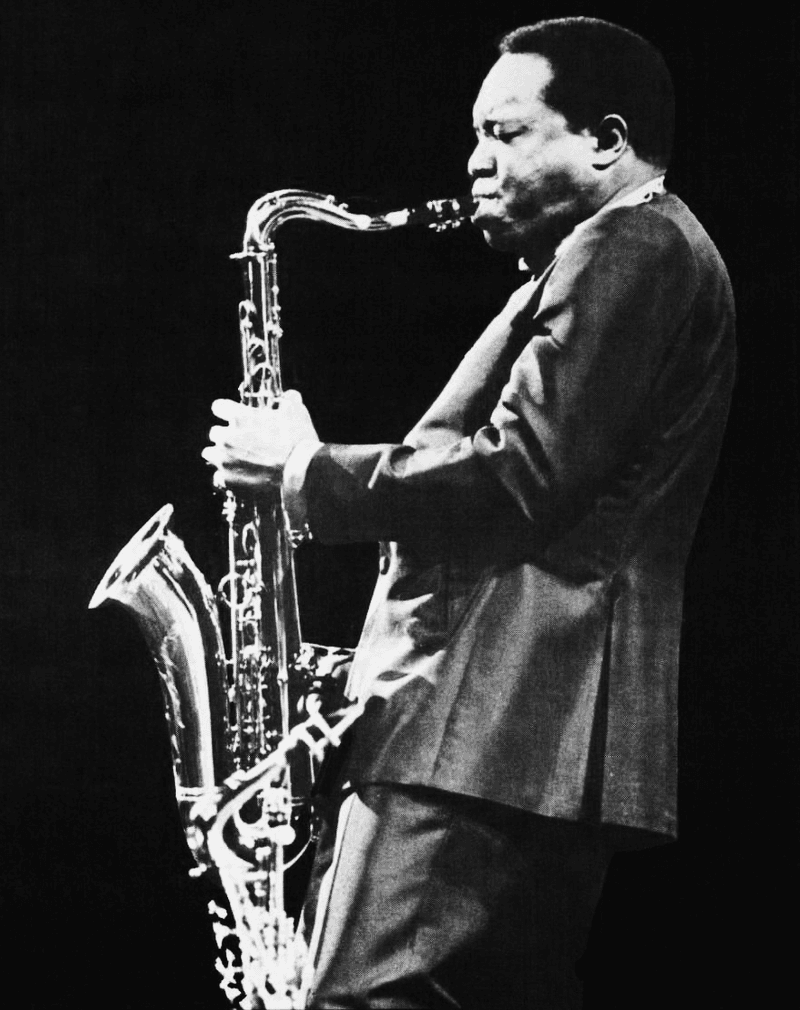
Few musicians could make a saxophone honk, wail, and sing all at once quite like King Curtis. His raw, punchy tenor sax sound became the backbone of Atlantic Records sessions throughout the late 1950s and 1960s.
You can hear his unforgettable “honking” style on The Coasters’ smash hit “Yakety Yak” from 1958.
Curtis also scored his own hits, including “Soul Twist” and “Memphis Soul Stew.” His influence reached The Rolling Stones, The Allman Brothers, and Bruce Springsteen. He was posthumously inducted into the Rock and Roll Hall of Fame in 2000.
2. Lee Allen
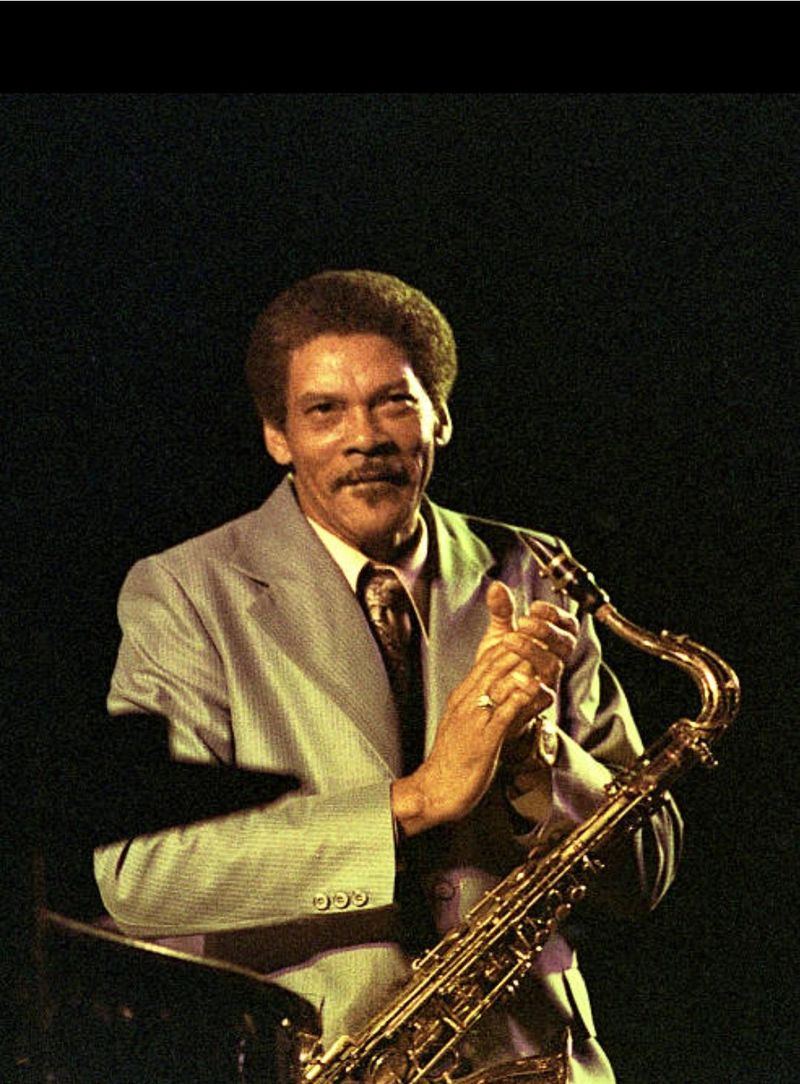
Walk into any conversation about early rock and roll, and Lee Allen’s name belongs at the top. His saxophone tone has been called “one of the DNA strands of rock,” and that says everything.
Allen was the go-to sax man in New Orleans during the 1950s, recording alongside Fats Domino and Little Richard on their most legendary tracks.
His own instrumental, “Walkin’ with Mr. Lee,” climbed the national charts for three months in 1958 after Dick Clark picked it up. Rock and roll owes him a massive debt.
3. Bobby Keys
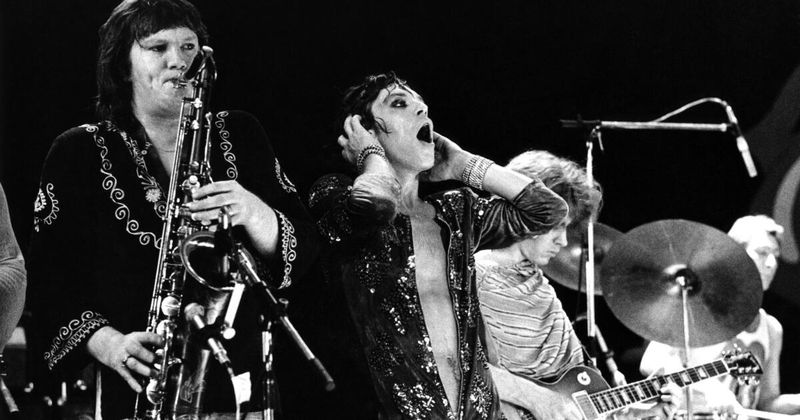
Bobby Keys and The Rolling Stones were a match made in rock and roll heaven. His dirty, loose tenor sax solo on “Can’t You Hear Me Knocking” from the 1971 album Sticky Fingers is one of the greatest moments in rock history.
Keys also laid down the rowdy sax riff on “Brown Sugar,” giving it that irresistible swagger.
Beyond the Stones, he recorded with John Lennon, Joe Cocker, and Harry Nilsson. Keys almost single-handedly proved that saxophone belonged in hard-rocking bands.
4. Clarence Clemons
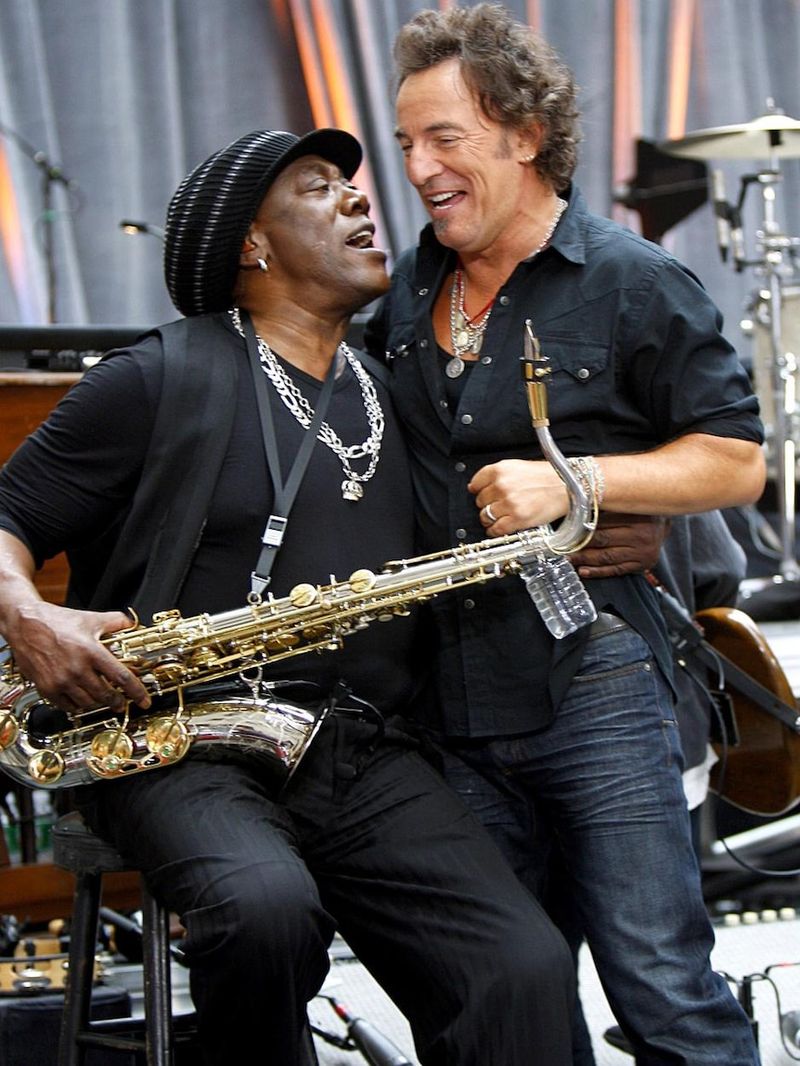
“The Big Man” earned that nickname for a reason. Clarence Clemons stood tall on stage next to Bruce Springsteen, and his saxophone soared even higher.
His powerful, melodic playing on “Born to Run” and “Tenth Avenue Freeze-Out” became the emotional heart of Springsteen’s entire sound.
Clemons brought doo-wop, soul, and early rock roots right into stadium-sized rock shows. He even collaborated with Lady Gaga on “Born This Way” later in his career.
Few musicians have ever commanded a stage with such magnetic energy.
5. Junior Walker
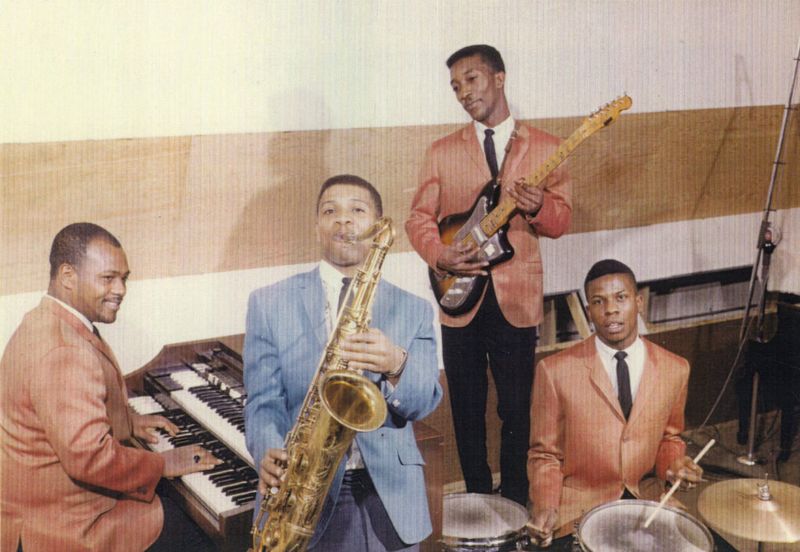
Junior Walker played saxophone like it was a conversation he was winning. His raw, raunchy R&B tenor sound stood out even among Motown’s polished roster of artists.
When “Shotgun” dropped in 1965, it shot straight to number one on the R&B charts and cracked the top five on the Hot 100.
Fun fact: Walker sang the lead vocals on “Shotgun” himself because the hired singer never showed up. That happy accident gave rock and R&B one of its most thrilling performances.
His saxophone fire never cooled down.
6. Sam Butera
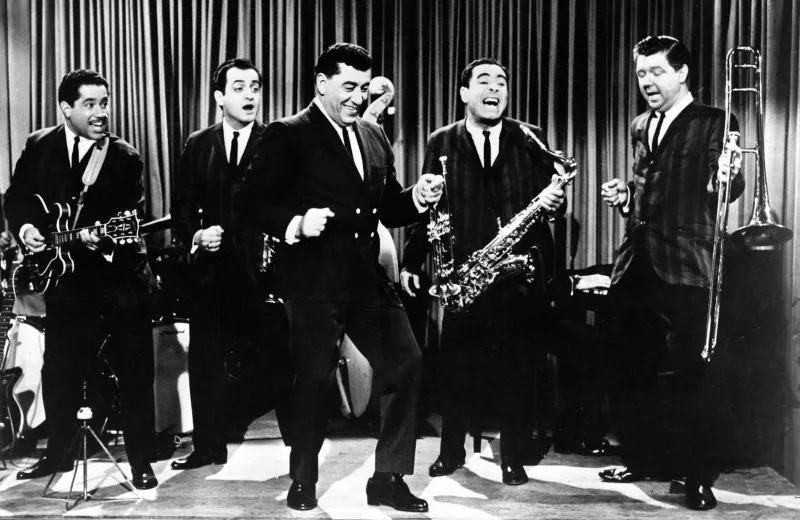
Sam Butera was the secret weapon in Louis Prima’s explosive Las Vegas act. His honking, raging tenor sax solos turned every Prima performance into a full-blown party.
Together, they blended early rock and roll, jump blues, and jazz into something nobody had quite heard before.
Their 1956 album The Wildest! captured that electric chemistry perfectly, featuring barnburners like “Jump Jive An’ Wail.” Butera’s sax work helped pioneer a sound that would influence rock musicians for decades to come. The man simply never played it safe.
7. Sil Austin
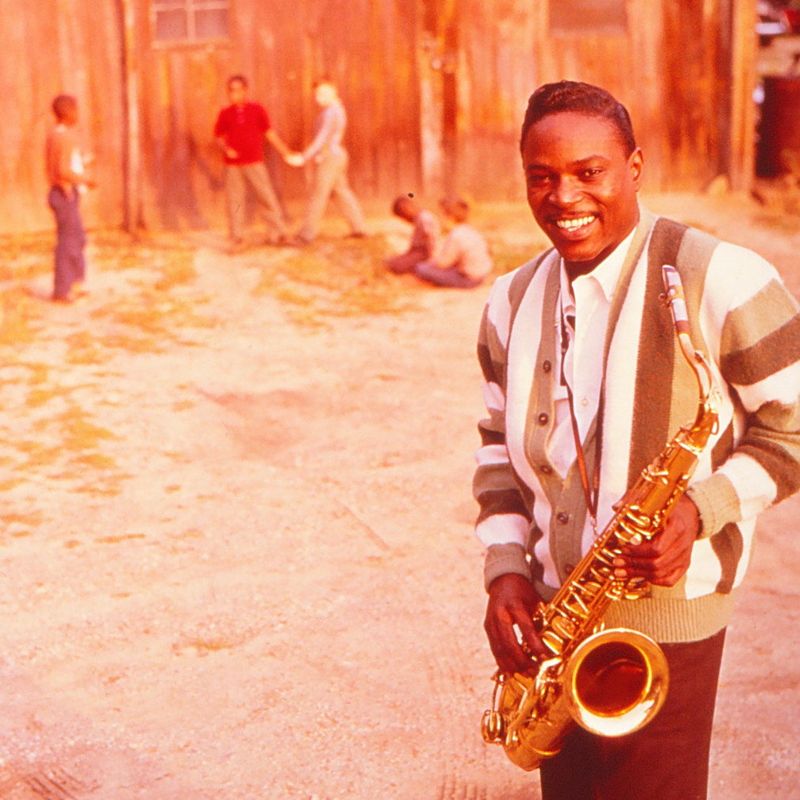
Sil Austin described his own style as “exciting horn, honking horn, gutbucket horn” — and kids in the 1950s simply called it rock and roll. That honest self-description tells you exactly what kind of player he was.
Austin recorded more than 30 albums for Mercury Records and scored several Top 40 hits during the early rock era.
His track “Slow Walk” peaked at number 17 and became one of his signature songs. Austin moved freely between R&B, jump blues, and pop, always keeping that electrifying honk front and center.
8. Rudy Pompilli
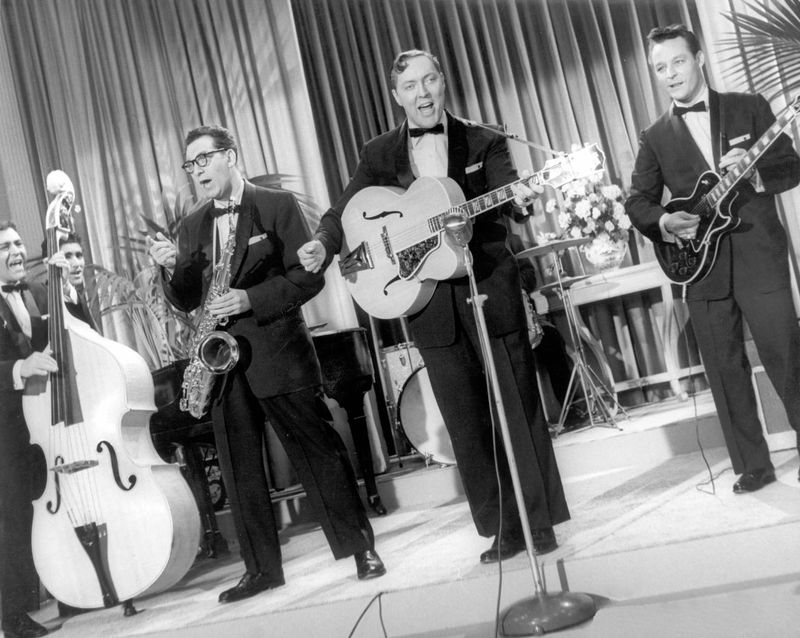
Rudy Pompilli was the longest-serving member of Bill Haley and His Comets, and he helped make the saxophone a symbol of early rock and roll rebellion. When “Rock Around the Clock” exploded onto the scene, Pompilli’s saxophone was right there driving the energy forward.
His playing was bold, theatrical, and perfectly matched Haley’s showmanship.
Being part of one of the first globally successful rock and roll acts gave Pompilli enormous reach. Millions of young fans heard his saxophone and instantly connected it with the exciting new sound sweeping the world.
9. Plas Johnson
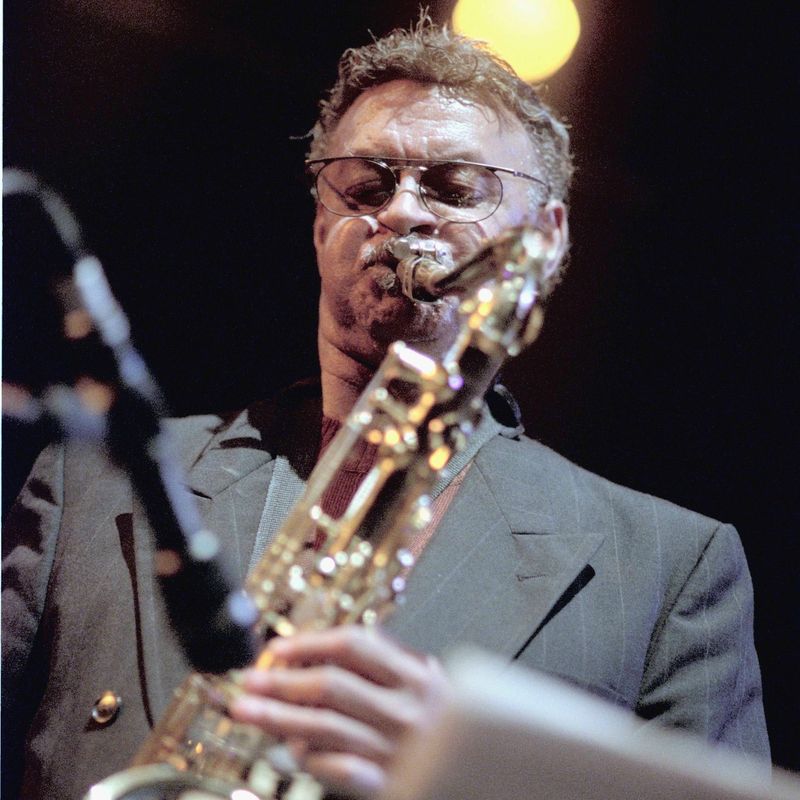
Most people have heard Plas Johnson without ever knowing his name. That cool, swaggering saxophone melody on Henry Mancini’s “The Pink Panther Theme” belongs entirely to him, and it remains one of the most recognized instrumental hooks in pop culture history.
Johnson was a top-tier session musician in Los Angeles throughout the 1950s and 1960s.
His work put him on countless rock and roll records, shaping the sound of an entire era from behind the scenes. Quiet legends like Johnson are the backbone of rock history.
10. Boots Randolph
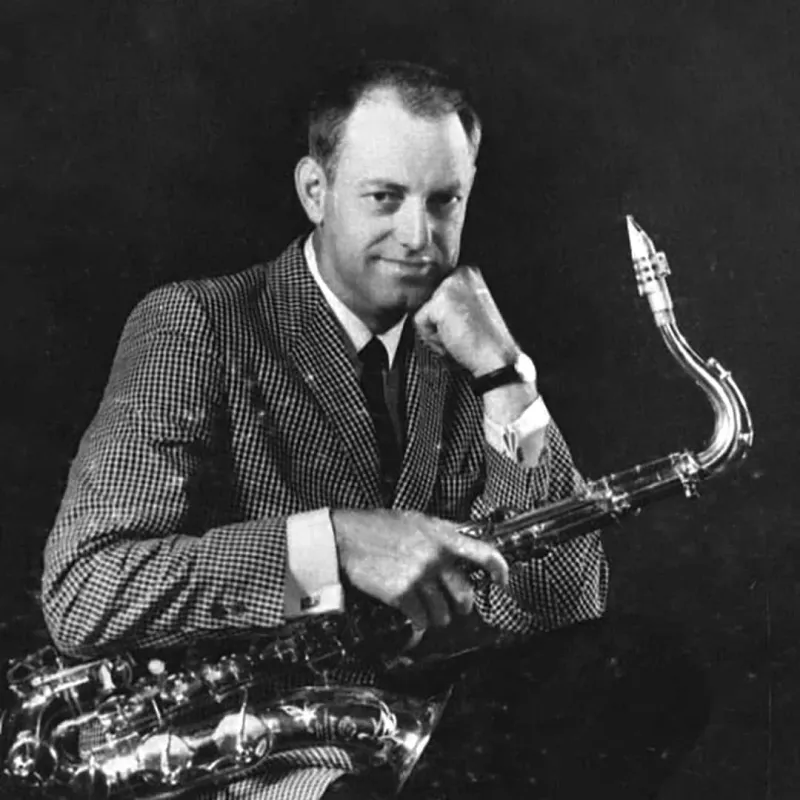
“Yakety Sax” is one of those tunes that burrows into your brain and refuses to leave — and Boots Randolph put it there. Released in 1963, the song became his signature and one of the most recognizable saxophone instrumentals in American pop music.
Randolph’s lively, almost comedic playing style was completely his own.
His approach showed that the saxophone could be playful and joyful, not just soulful or aggressive. That personality made him a beloved figure in both country and rock circles throughout his long career.
11. Steve Douglas
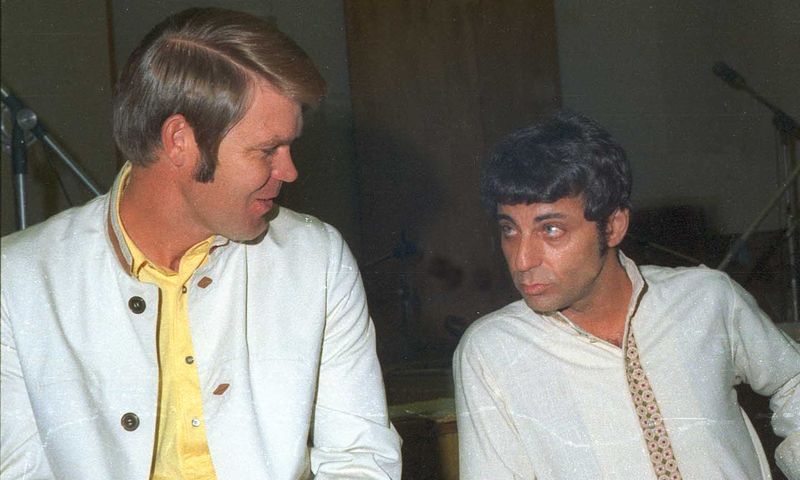
Steve Douglas was everywhere in 1960s rock and pop — you just did not always know it. As a proud member of the legendary Wrecking Crew, he played saxophone on sessions for The Beach Boys, Bob Dylan, Aretha Franklin, Leonard Cohen, and Duane Eddy.
That is a resume very few musicians could match.
His ability to adapt his saxophone tone to wildly different artists made him one of the most valuable session players of his generation. Douglas helped define what the saxophone could sound like across multiple rock subgenres simultaneously.
12. Raymond Hill
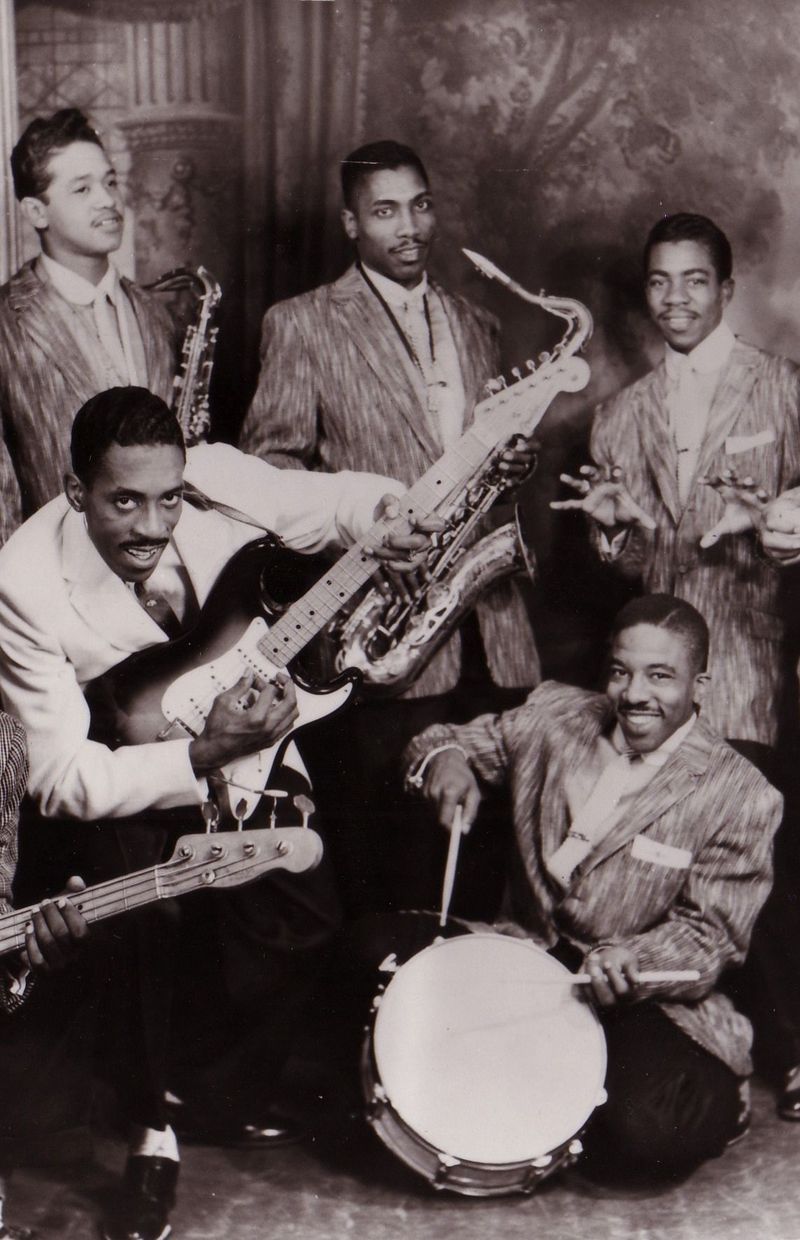
Before rock and roll even had a name, Raymond Hill was already playing it. His saxophone solo on “Rocket 88” by Jackie Brenston and His Delta Cats, recorded in 1951, helped create one of the very first rock and roll songs ever made.
That one performance placed Hill at the absolute birth of the genre.
He was part of what was essentially Ike Turner’s Kings of Rhythm, a band ahead of its time. Hill’s contribution may be overlooked today, but without that solo, rock and roll history looks very different.