
Some candy bars vanish from store shelves and leave a hole in our hearts that no other treat can fill. Whether it was the crunch, the flavor combo, or just the memory of unwrapping one as a kid, these lost bars hold a special place in candy history.
Collectors hunt for original wrappers, unopened bars, and any trace of their favorites. Here are 16 discontinued candy bars that fans simply refuse to forget.
1. Nestle Alpine White
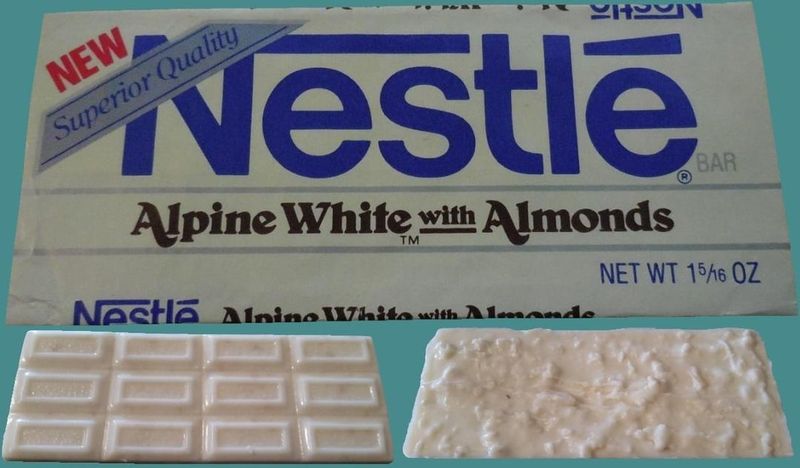
White chocolate fans from the 1980s still get misty-eyed over this one. Nestle Alpine White featured creamy white chocolate loaded with real almond pieces, making it feel more like a luxury treat than a typical candy bar.
Released in the U.S. during the 1980s, it was discontinued around 1993.
A fan petition launched in 2020 to bring it back proves how deeply people still care. Few white chocolate bars have ever matched its satisfying crunch.
2. Marathon Bar
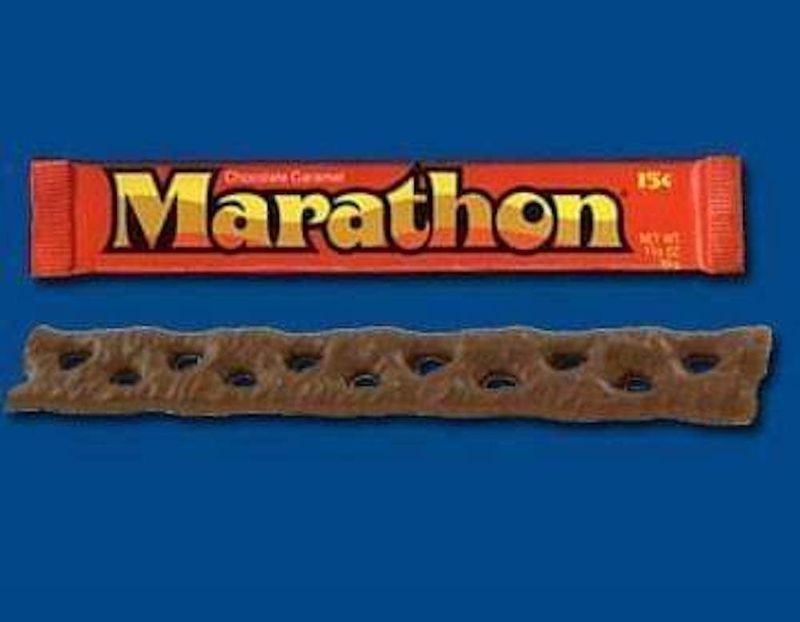
Eight inches of braided caramel covered in rich chocolate — the Marathon Bar was unlike anything else on the candy aisle. Mars introduced it in 1973, and its wrapper even had a ruler printed on it, making it both a snack and a novelty.
Kids absolutely loved showing off its impressive length.
Despite its loyal following, Mars pulled the plug in 1981. It remains one of the most requested discontinued bars of all time.
3. Reggie! Bar
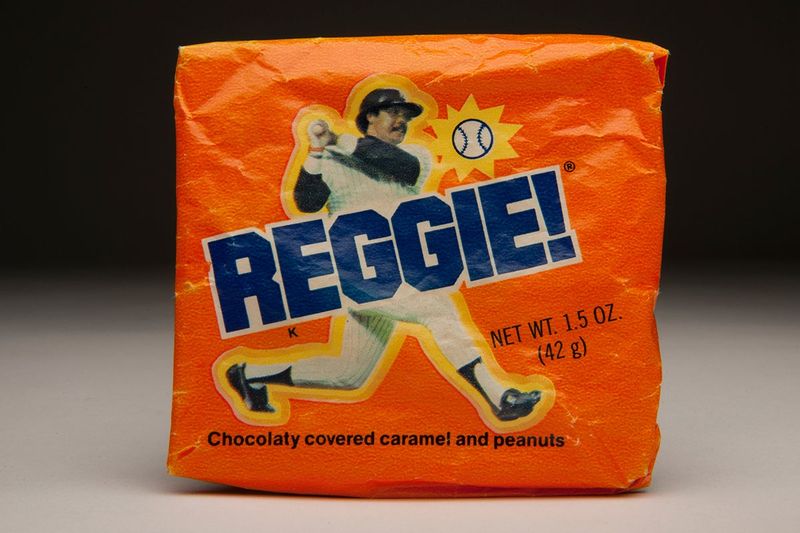
Named after New York Yankees legend Reggie Jackson, this candy bar carried serious star power. Fans went wild when it debuted at the Yankees’ 1978 home opener — legend has it that fans threw the bars onto the field in celebration after Jackson hit a home run.
The Reggie! Bar was a chocolate, peanut, and caramel combo that tasted as bold as its namesake.
Collectors now prize original wrappers as rare pieces of baseball and candy history.
4. Butterfinger Crisp
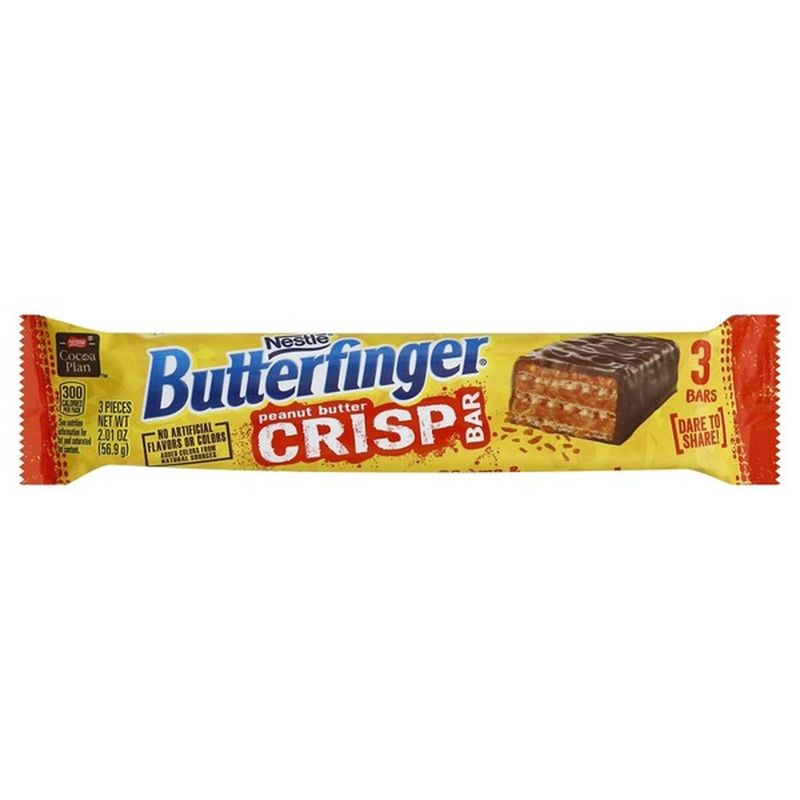
Crispy, lighter, and somehow even more snackable than the original — Butterfinger Crisp arrived in 2004 and quickly earned its own devoted fan base. Nestle stacked crunchy wafer layers with peanut butter creme, giving the classic Butterfinger flavor a totally new texture that felt almost airy by comparison.
Candy bar forums still buzz about its disappearance from store shelves. Fans argue it deserved a permanent spot in the lineup rather than a quiet exit.
5. PB Max
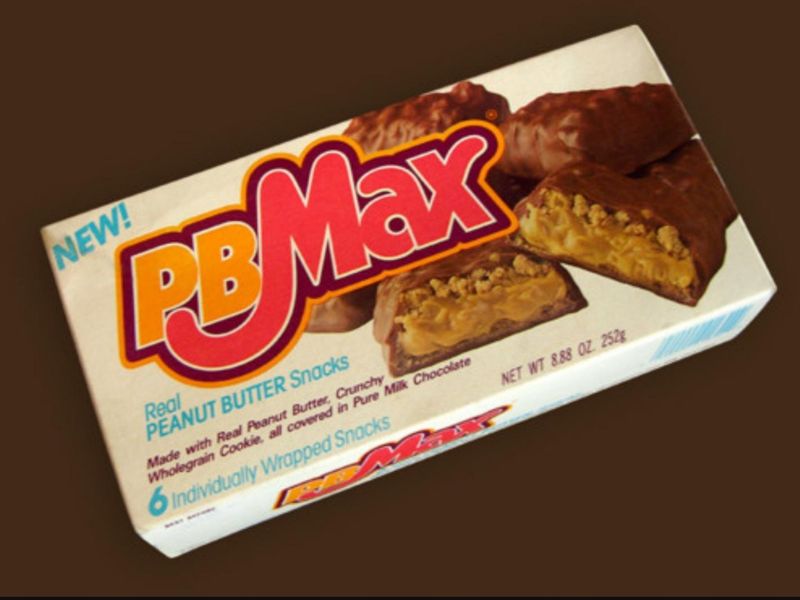
Peanut butter lovers still mourn this one. PB Max by Mars featured a crunchy cookie base topped with a thick, generous layer of peanut butter, all wrapped in smooth milk chocolate.
It hit shelves in 1989 and immediately became a hit, pulling in $50 million in sales.
Despite that success, Mars discontinued it in 1994 — reportedly because company executives personally disliked peanut butter. Reddit communities still push for its return today.
6. Squirrel Nut Zippers
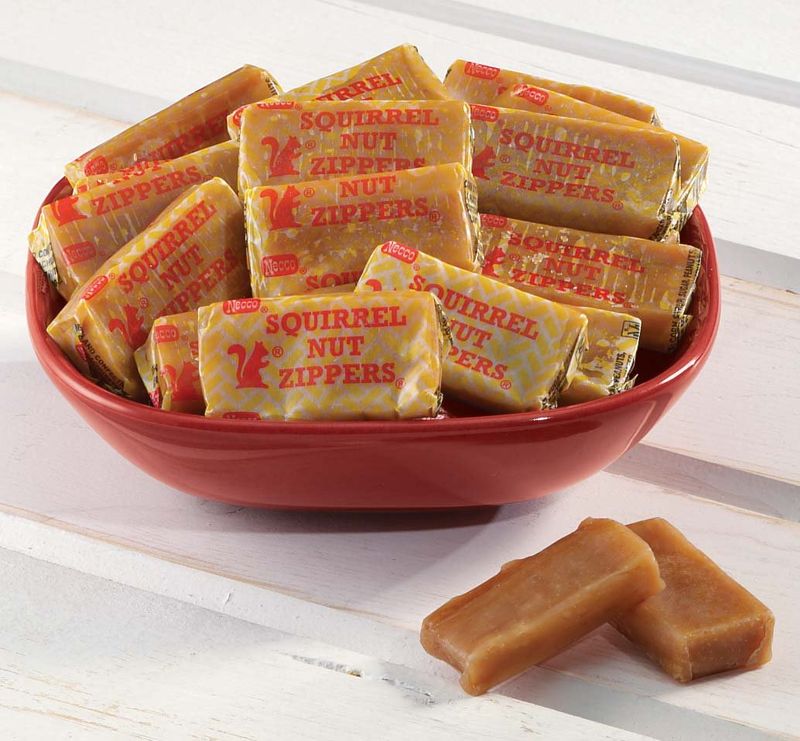
Long before modern candy bars dominated the scene, Squirrel Nut Zippers were charming candy lovers with chewy vanilla caramel and chopped peanuts. The Squirrel Brand Company introduced them back in the 1920s, making them one of the oldest treats on this list by a wide margin.
Necco later acquired the brand but went out of business in 2018, leaving the fate of these classic chews uncertain. Collectors treasure original tins and packaging from their earliest years.
7. Chicken Dinner Bar
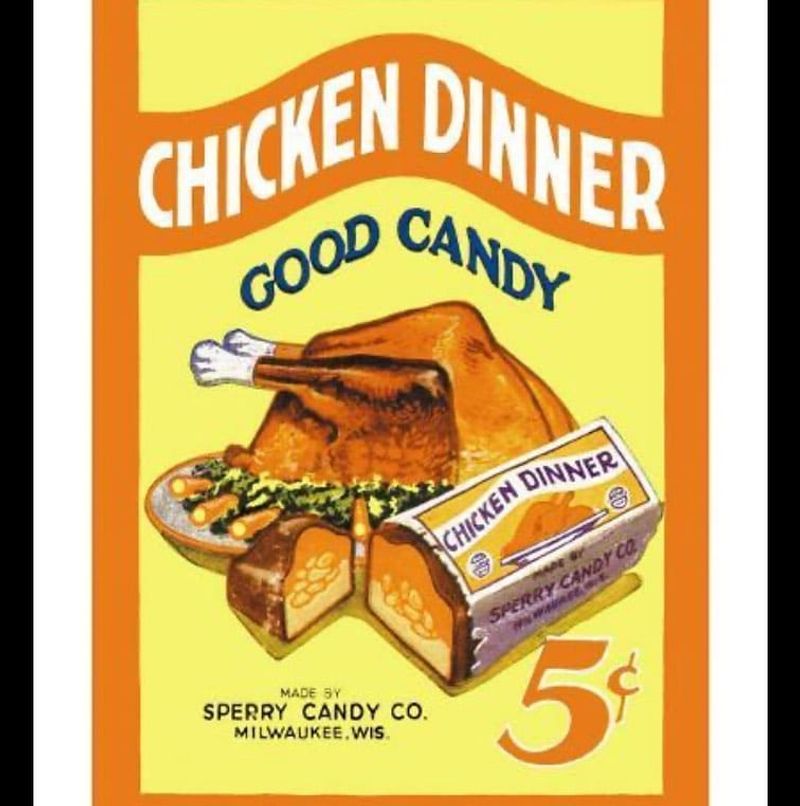
Few candy bars in history have had a more confusing name. The Chicken Dinner Bar, introduced by Sperry Candy Company in 1923, contained zero chicken — it was actually a chocolate bar with peanuts, caramel, and fudge.
The name was meant to evoke the satisfaction of a hearty meal during tough economic times.
During the Great Depression, the name symbolized hope and prosperity. After a remarkable 40-year run, the bar was discontinued in the early 1960s.
8. Milkshake Bar
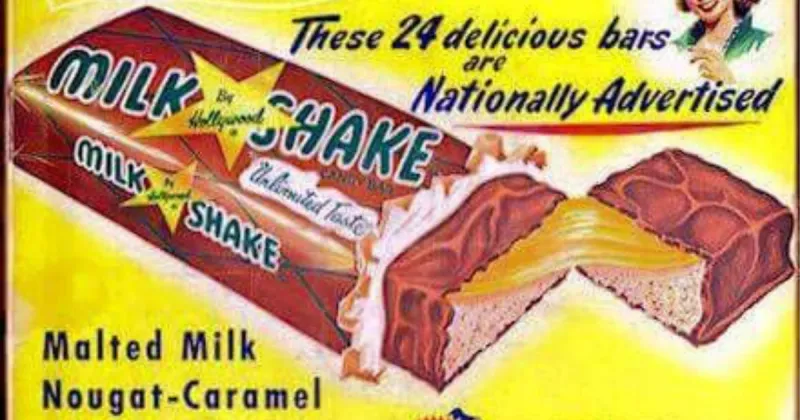
Imagine biting into a candy bar that actually tasted like a chocolate milkshake — that was the whole idea behind this clever creation. Hollywood Candy Company launched the Milkshake Bar in 1927, filling it with malt-flavored nougat designed to mimic the taste of a frosty shake, especially when eaten frozen.
Generations of candy fans enjoyed it before a corporate buyout ended production around 1988. Its quirky concept still gets people talking in vintage candy circles today.
9. Butterfinger BB’s
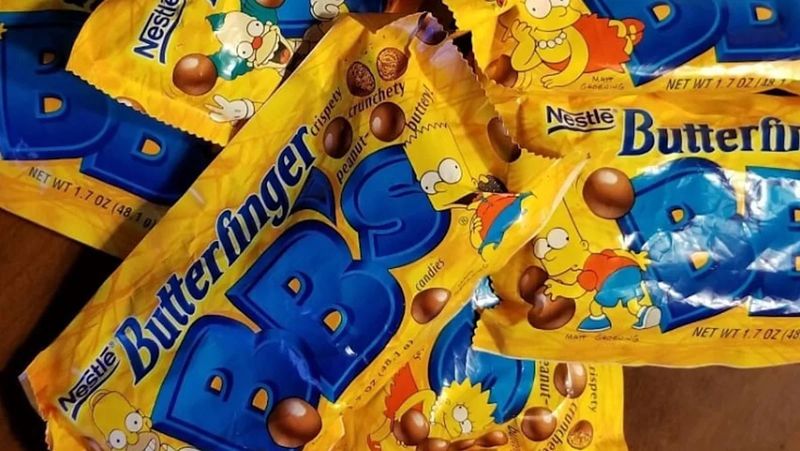
Movie theaters felt a little less fun after Butterfinger BB’s disappeared in 2006. These tiny, spherical versions of the classic Butterfinger bar arrived in 1992 and became an instant hit with anyone who loved snacking by the handful during a film.
Their portion-friendly size made them dangerously easy to finish in one sitting.
Fan outrage after their discontinuation was real and loud. Online petitions and nostalgia posts still pop up regularly, proving these little bites left a big impression.
10. Bar None
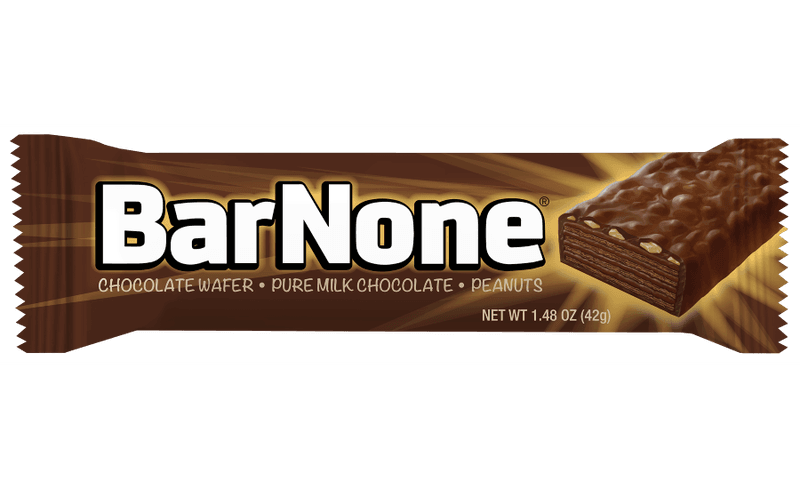
Hershey’s took a bold swing in 1987 with Bar None, stacking chocolate wafers with creamy peanut butter filling and coating everything in smooth milk chocolate. It stood out on candy shelves because it offered texture and flavor layers that most bars simply did not attempt at the time.
Collectors now pay serious money for sealed bars or well-preserved wrappers. When it was pulled from shelves in 1997, fans felt the loss immediately — and they still do.
11. Rally Bar
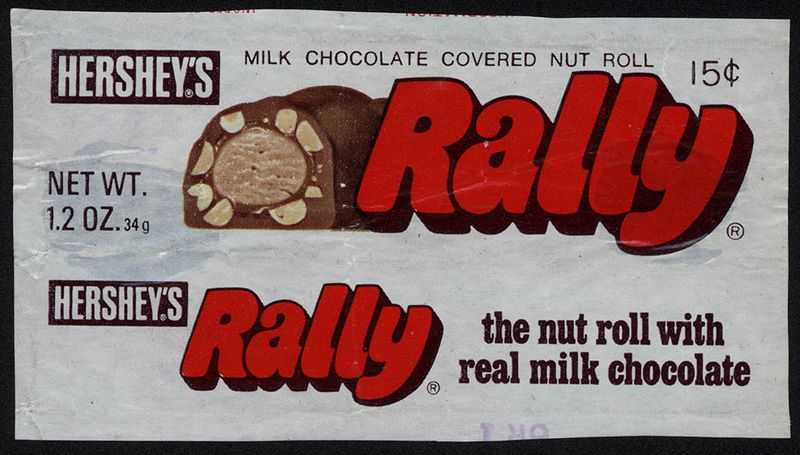
Not every discontinued candy bar goes out with a bang — the Rally Bar slipped away quietly, and that almost makes it sadder. A Hershey’s product from the 1970s, it combined caramel, peanuts, and chocolate in a straightforward, satisfying way that earned it a steady following during its run.
It never got a dramatic farewell campaign or a relaunch attempt. Today, its wrappers are prized by collectors as artifacts from one of Hershey’s most experimental decades in candy-making.
12. Wonka Bar
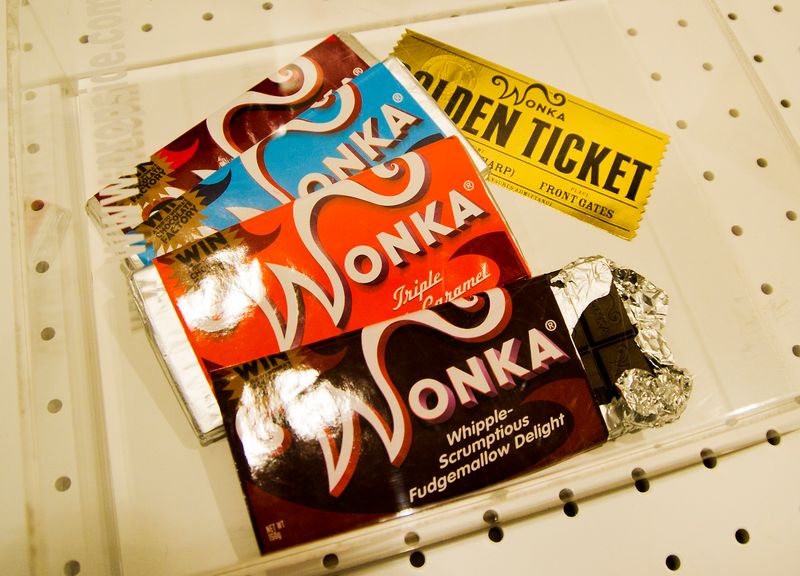
Tied to one of the most beloved stories in children’s literature, the Wonka Bar carried a magical reputation that few candy bars could match. A nationwide Golden Ticket promotion in the U.S. in 2005 sent fans scrambling to find prizes hidden inside wrappers, briefly boosting excitement around the brand.
Sales eventually faded, and the bar was pulled from U.S. shelves in 2010, with the U.K. following in 2014. Collectors treasure original wrappers as pieces of pop culture history.
13. Seven Up Bar
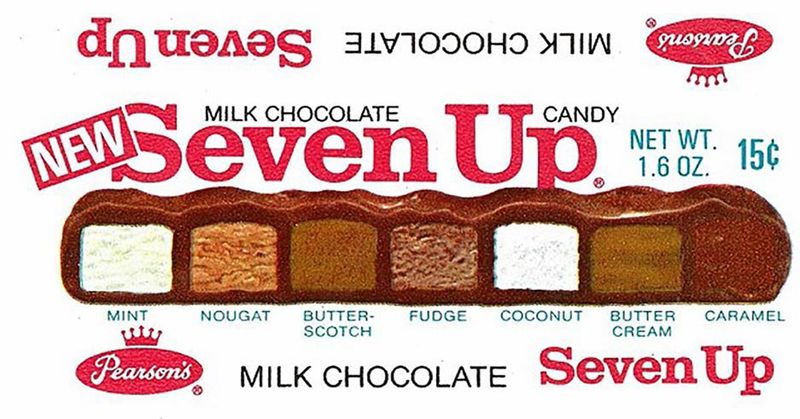
Before the name became associated with a fizzy drink, Seven Up was one of the most creative candy bars ever made. Introduced in the 1930s, each bar contained seven separate chocolate sections, and every single one had a different filling — think mint, nougat, butterscotch, caramel, and more.
That variety made it exciting but also a manufacturing nightmare. Production challenges and a possible naming conflict with 7 Up soda led to its discontinuation in 1979.
14. Caravelle Bar
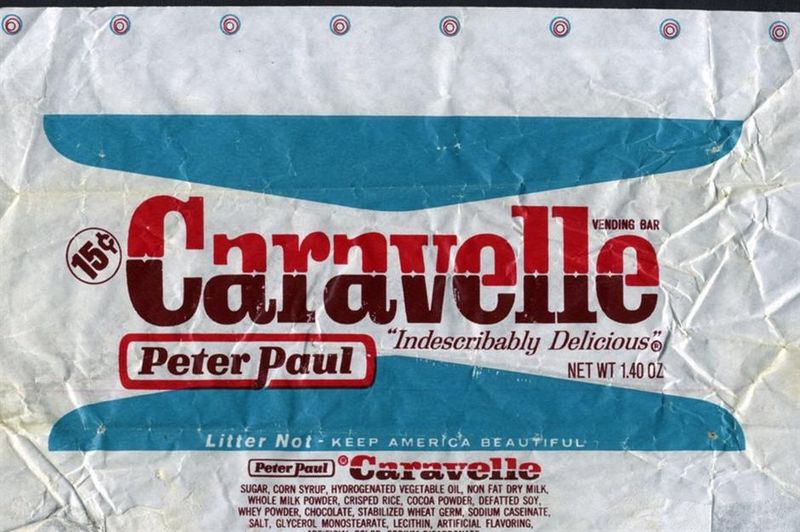
Milk chocolate, chewy caramel, and crispy rice — the Caravelle Bar kept things simple but satisfying. Made by Peter Paul, the same company behind Mounds and Almond Joy, it quietly built a loyal audience during its years on the market without ever needing a flashy gimmick to sell itself.
When Cadbury acquired Peter Paul in 1978, the Caravelle Bar did not survive the transition. Collectors who remember it describe the texture as uniquely satisfying in a way nothing else has replicated.
15. Summit Bar
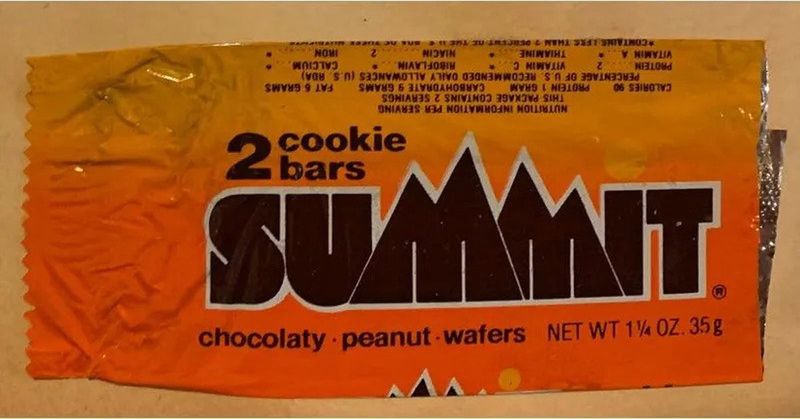
Mars introduced the Summit Bar in the late 1970s with high hopes, and for a moment, it seemed like a winner. A 1983 relaunch even promised consumers 30 percent more chocolate, which sounds like a dream offer.
Unfortunately, the bar had a frustrating habit of melting too easily, which made it tricky to enjoy in warmer weather.
Consumer complaints about its meltability proved too persistent to ignore. By the mid-1980s, the Summit Bar had quietly vanished from candy aisles for good.
16. Hershey’s S’mores Bar
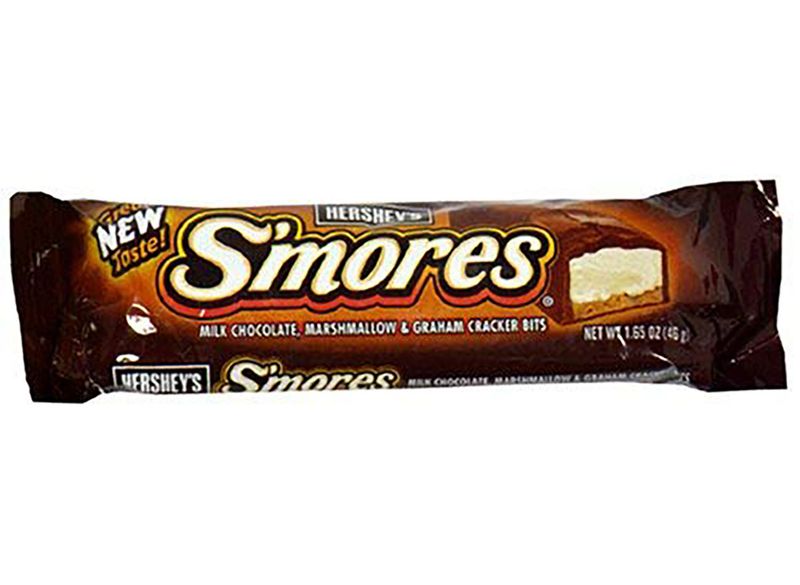
Campfire not required — that was the whole appeal of Hershey’s S’mores Bar. Released in 2003, it tried to pack the full s’mores experience into a convenient chocolate bar format, combining graham cracker, marshmallow, and Hershey’s chocolate in every bite.
For fans of the classic campfire treat, it was an exciting concept.
Sadly, it lasted less than a decade on shelves before being discontinued. Fans still wish Hershey’s would revisit the idea with a modern relaunch.