
The British Royal Family lives by a set of rules that most of us never think about, and that includes what they eat. From avoiding certain smells before meeting crowds to steering clear of risky foods while traveling, their diet is shaped by tradition, health, and etiquette.
Some of these food choices might surprise you, while others actually make a lot of sense once you understand the royal lifestyle.
1. Garlic
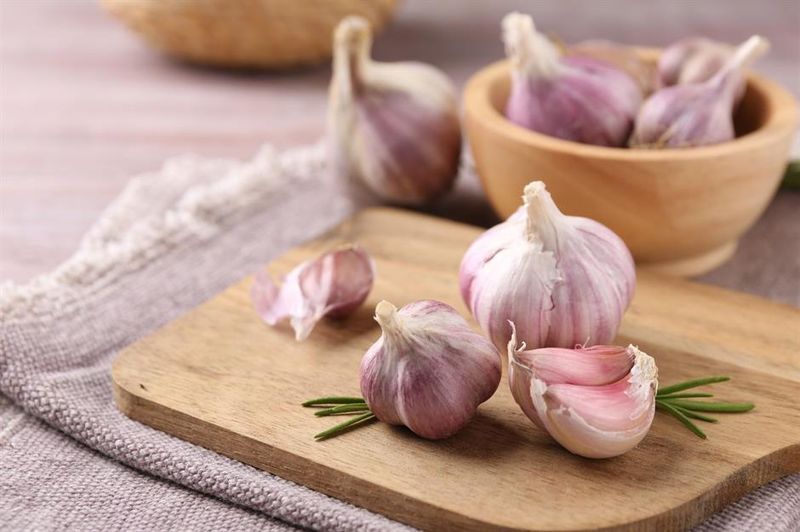
Bad breath at a royal banquet? Absolutely not.
Garlic has long been kept off royal menus because the royals spend hours greeting, chatting, and shaking hands with people during public engagements. The lingering odor it leaves behind simply does not fit the occasion.
Former royal chef Darren McGrady confirmed that garlic was a firm no at Buckingham Palace. Even the smallest amount could cause an awkward moment during a close conversation with dignitaries or members of the public.
2. Raw Onions
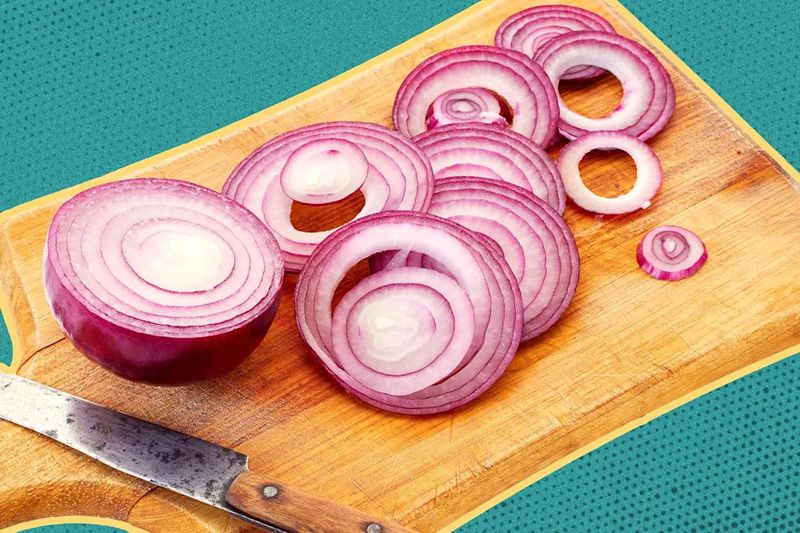
Much like garlic, raw onions carry a pungent smell that can linger for hours. Royal mealtimes are carefully planned around public duties, and showing up to an official event smelling of onions would be considered quite improper by royal standards.
Cooked onions used in sauces or soups might occasionally sneak their way onto the menu, but raw onions are firmly off the table. It is a small but telling example of how every detail of royal life is managed with precision.
3. Shellfish
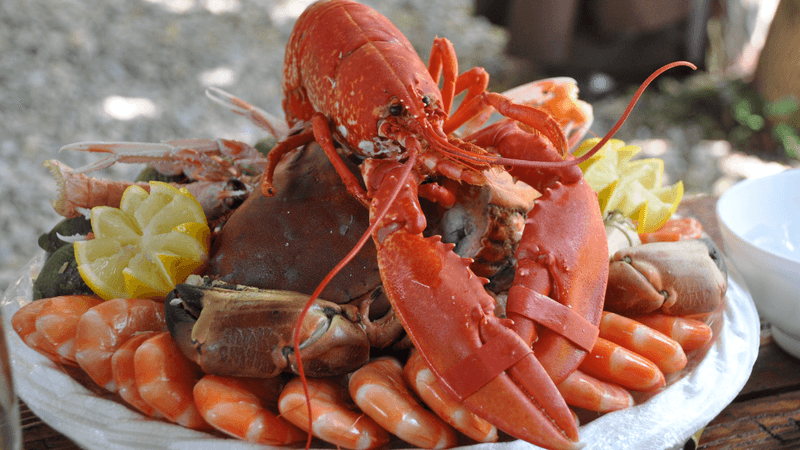
Shellfish might be considered a luxury food, but the royals treat it with serious caution. The risk of food poisoning from shellfish is well-known, and for someone with a packed schedule of public events, falling ill is simply not an option.
When traveling abroad for royal duties, this risk increases even more. The general rule is to avoid shellfish entirely to keep everyone in the royal party healthy and ready to perform their duties without interruption or embarrassment.
4. Rare or Undercooked Meats
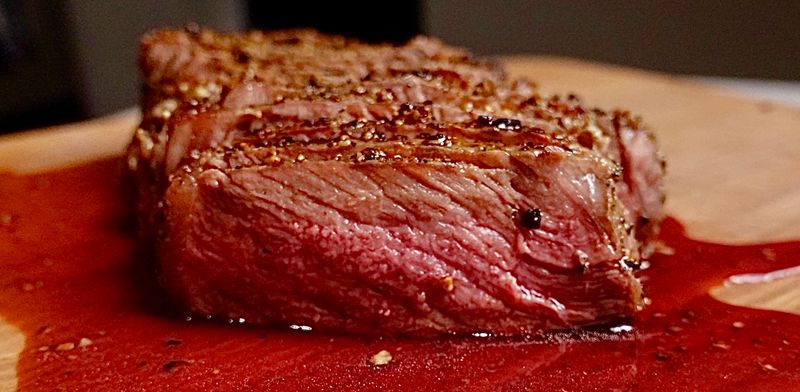
Steak tartare looks elegant on a restaurant menu, but it rarely, if ever, makes it to a royal table. Foods that are raw or undercooked carry a real risk of foodborne illness, and that is something the palace takes very seriously for every member of the family.
Well-done or properly cooked meats are always preferred. The royal household follows strict food safety guidelines, and serving anything that could potentially cause sickness, especially during busy official travel seasons, is simply not worth the risk.
5. Foie Gras
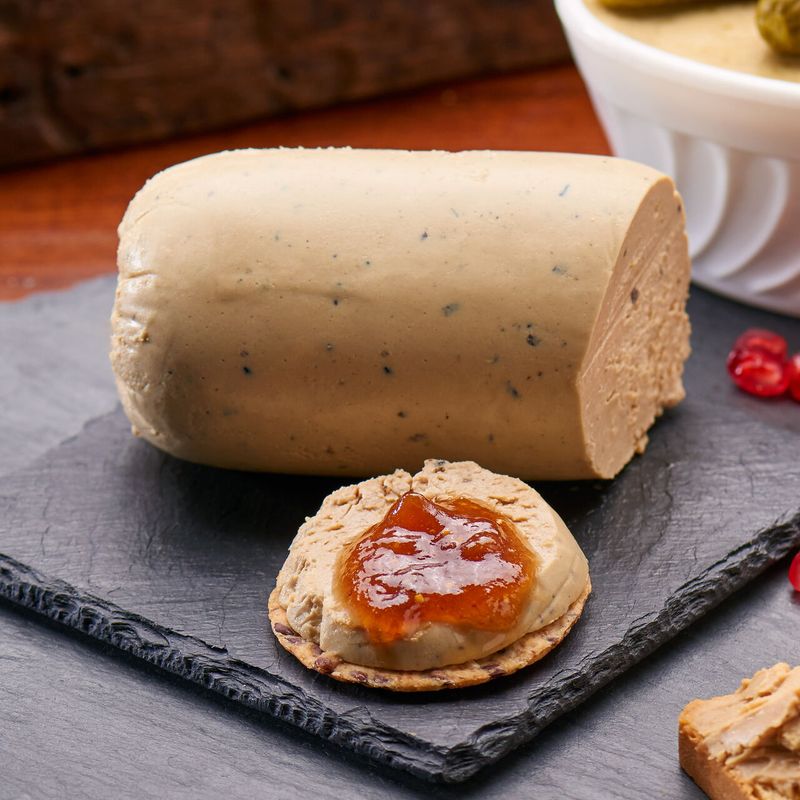
King Charles III made headlines when he banned foie gras from all royal residences. The dish, made from the liver of force-fed ducks or geese, has long been criticized by animal welfare groups, and Charles has never hidden his strong feelings about ethical farming practices.
This ban reflects a broader commitment to humane and sustainable food choices. It sends a clear message that the monarchy is willing to use its influence to promote animal welfare, even if it means removing a traditional luxury from the royal menu.
6. Spicy Foods
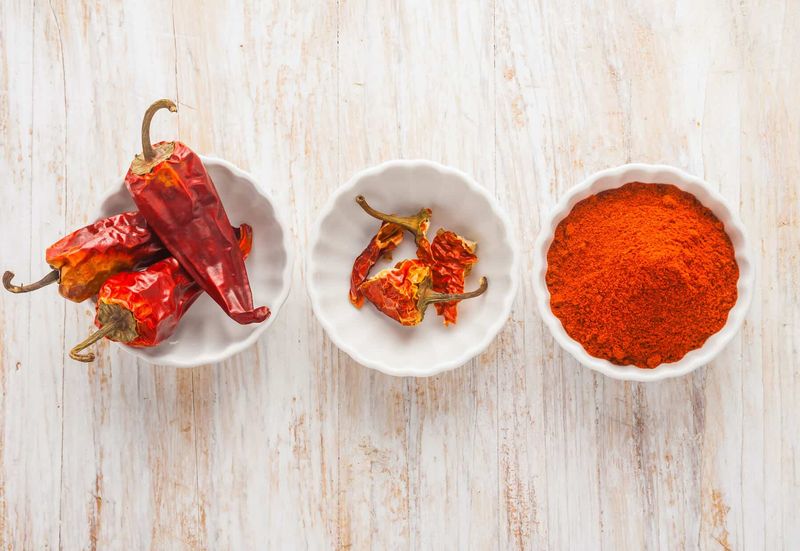
Spicy food might be beloved by millions around the world, but during official royal engagements, it tends to get left behind. The concern is not just about taste, it is about avoiding sweating, flushing, or digestive discomfort while in the public eye for hours at a time.
Imagine giving a formal speech or attending a state banquet while dealing with an upset stomach from last night’s vindaloo. Royal menus are designed to keep everyone comfortable and composed, so mild and familiar flavors are almost always the safer choice.
7. Pasta
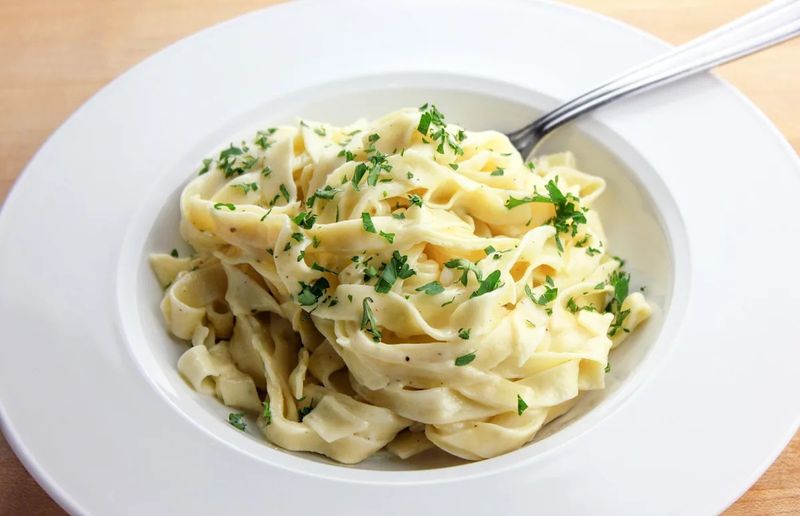
Queen Elizabeth II had a well-known preference for lighter meals and reportedly steered clear of starchy carbohydrates at dinner. Pasta, despite being a worldwide staple, rarely appeared on her regular evening menu during her reign at Buckingham Palace.
Her former chef revealed that she preferred simple, traditional British dishes over heavy carb-loaded plates. It was not about disliking the food exactly, but more about maintaining a consistent, balanced approach to eating that suited her lifestyle and long schedule of royal responsibilities.
8. Rice
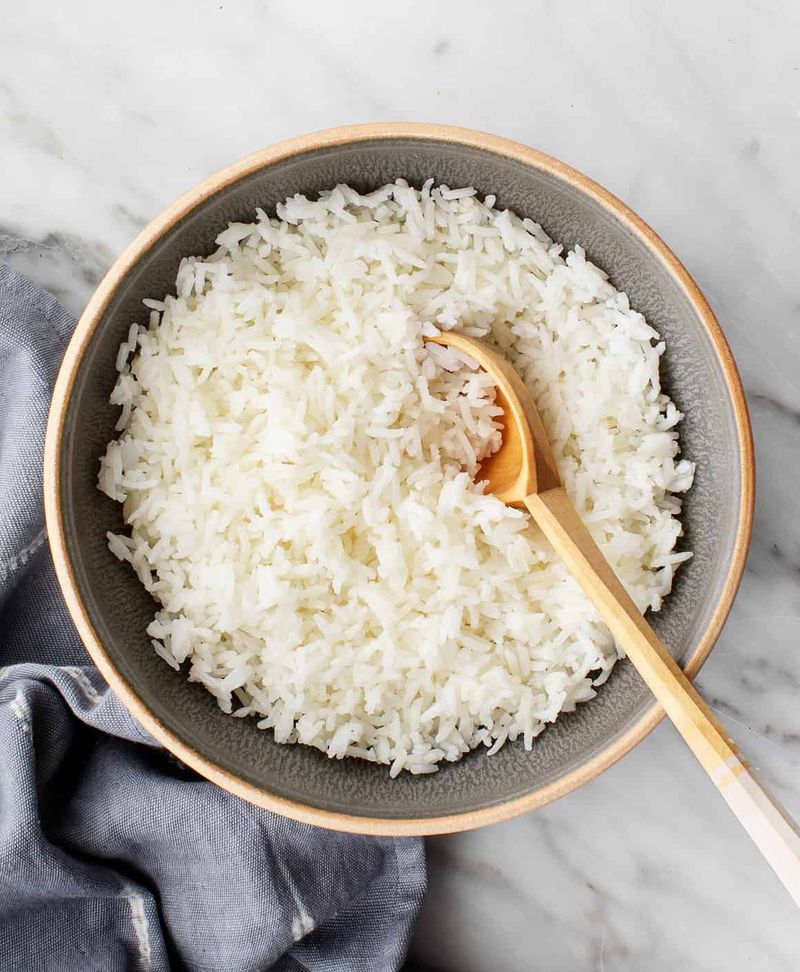
Rice joins pasta on the list of starchy carbohydrates that Queen Elizabeth II reportedly avoided during regular meals. While rice appears in kitchens across the globe as a daily staple, it was not something the late Queen reached for at the dinner table.
Her dietary preferences leaned toward protein and vegetables rather than filling grains. This was less about strict dieting and more about personal taste and a lifelong habit of keeping meals light, especially during evenings packed with engagements and formal events.
9. Potatoes
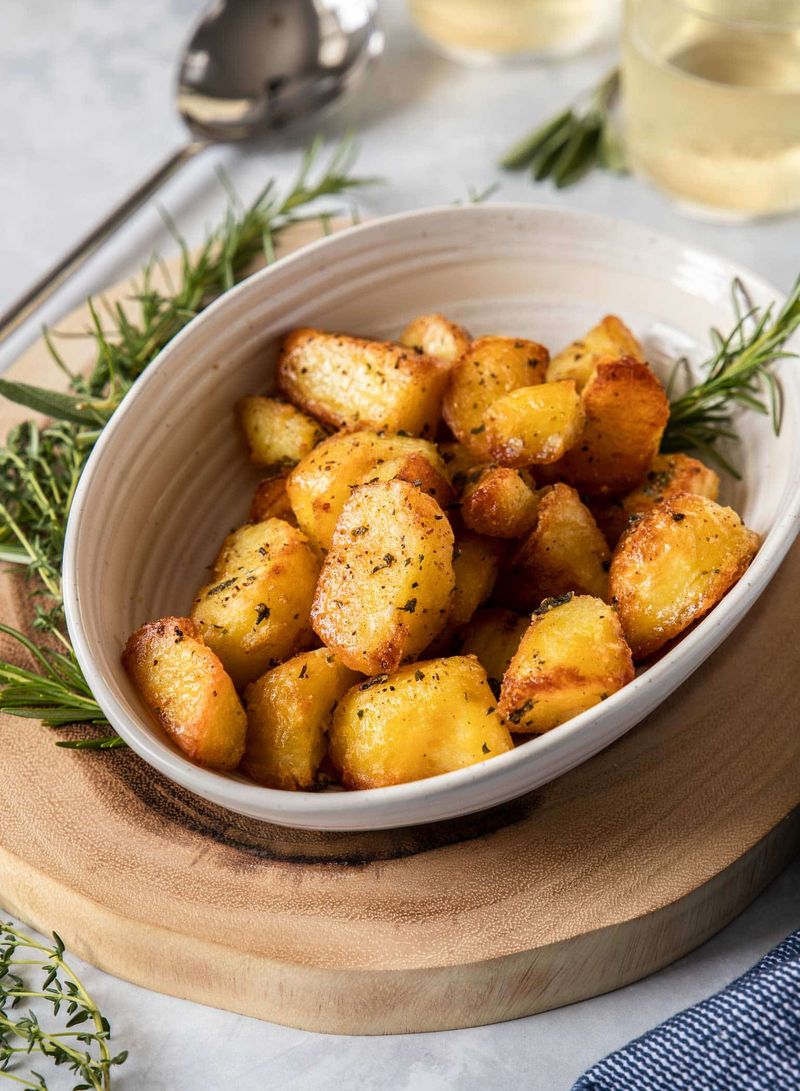
Here is something that might genuinely surprise you: potatoes, the ultimate British comfort food, were reportedly not a regular feature at Queen Elizabeth II’s dinner table. Starchy carbohydrates in general were something she preferred to limit during evening meals throughout her reign.
Of course, potatoes in some form likely appeared at royal gatherings and formal banquets. But for everyday meals, the Queen seemed to favor lighter options.
It goes to show that even the most beloved national foods are not immune to royal dietary preferences.
10. Out-of-Season Foods
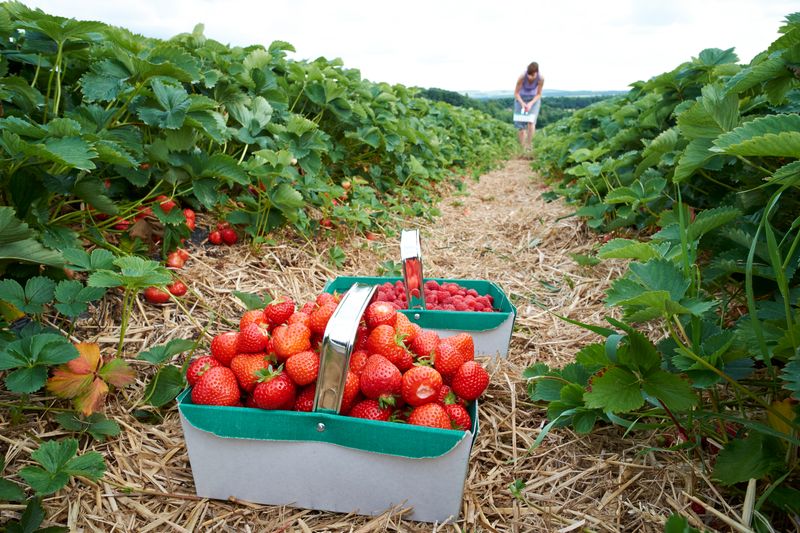
Seasonal eating was something Queen Elizabeth II reportedly took quite seriously. According to accounts from royal staff, she would not tolerate strawberries being served in January, when they are clearly out of season and likely imported from far away.
This preference for seasonal produce was not just about flavor, though in-season food does taste far better. It also reflected a respect for natural growing cycles and traditional British food culture.
Eating with the seasons is a habit that many nutritionists today would actually applaud.
11. Tap Water When Traveling

Traveling as a royal means visiting dozens of countries, and not every destination has the same water quality standards as the UK. To stay healthy and avoid waterborne illnesses, royals are advised to stick to bottled water when abroad rather than drinking straight from the tap.
This is actually smart advice for any traveler, not just royalty. Contaminated water can cause serious stomach issues that would completely derail a packed schedule of meetings, ceremonies, and public appearances.
Bottled water is simply the safest choice on an international tour.
12. Exotic Foods When Traveling
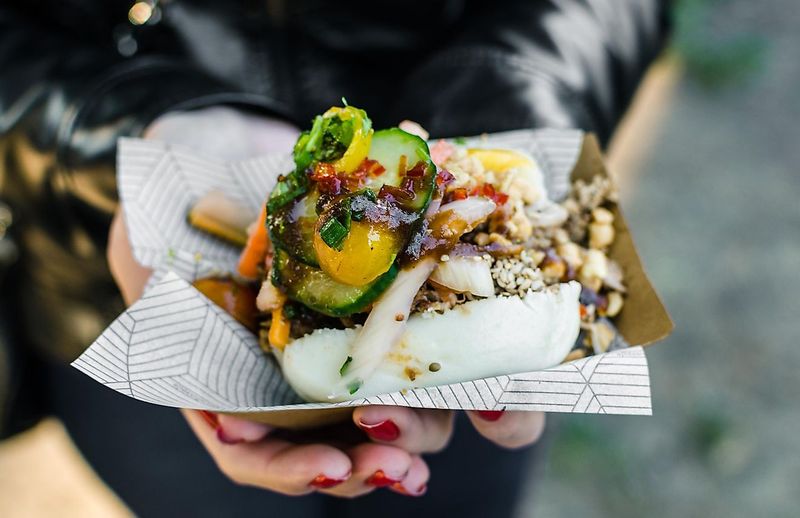
When the royals travel internationally for state visits or official tours, trying the local street food is generally off the agenda. Unfamiliar ingredients, preparation methods, or local spices could cause an unexpected allergic reaction or stomach upset at the worst possible moment.
This is not about being picky or disrespectful of local cuisine. It is purely a precaution to ensure that everyone in the royal party stays well and able to fulfill their duties.
The stakes of falling ill mid-tour are simply too high to take unnecessary food risks.
13. Chocolate
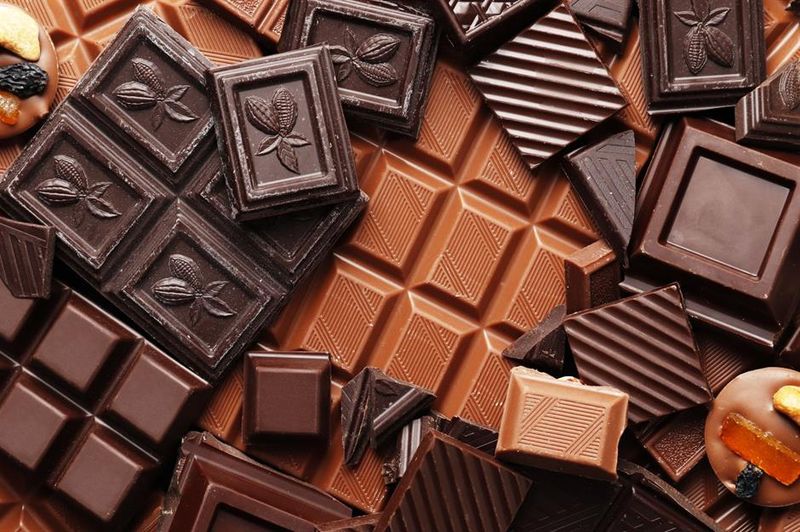
Not everyone has a sweet tooth, and King Charles III is a prime example. Unlike many of us who would happily raid a chocolate box, Charles reportedly has little interest in chocolate and does not consider it a treat worth seeking out.
This personal preference naturally influences what gets served at royal events he hosts. Royal chefs and event planners take individual tastes seriously, so dessert menus at Charles-hosted gatherings tend to lean away from chocolate-heavy options.
It is a small but telling window into the King’s personal palate.
14. Meat on Two Days a Week
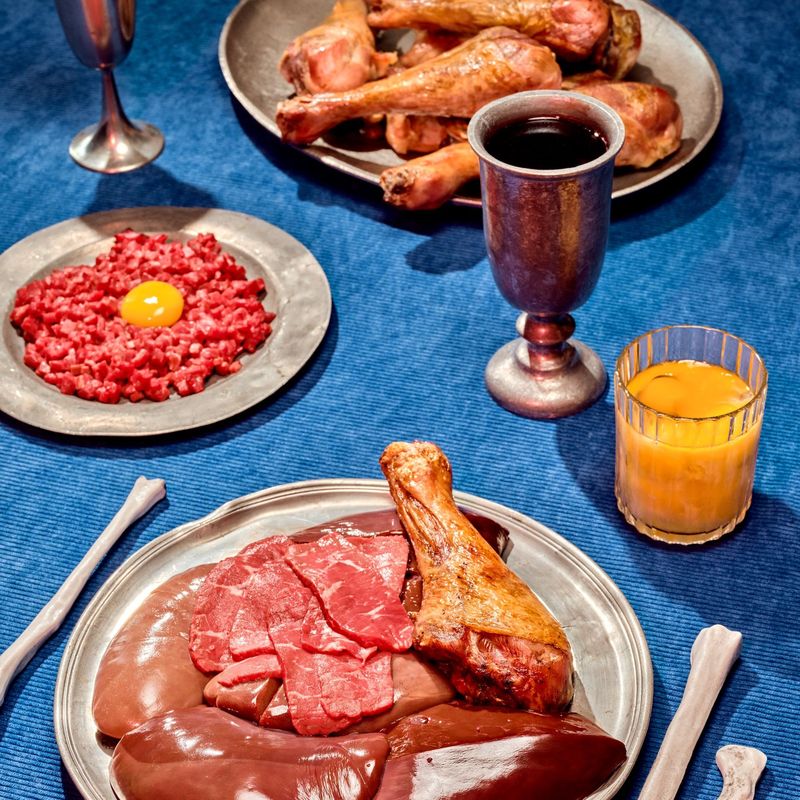
King Charles III has long been an advocate for sustainable living, and his diet reflects that commitment. He reportedly goes meat-free and fish-free two days every week as a personal choice to reduce his environmental footprint and support a more sustainable food system.
This is not just talk. Charles has practiced this habit for years, long before plant-based diets became trendy.
His approach encourages others to think about how their food choices affect the planet, proving that even small changes to your weekly menu can add up to real environmental impact.
15. Dairy on One Day a Week
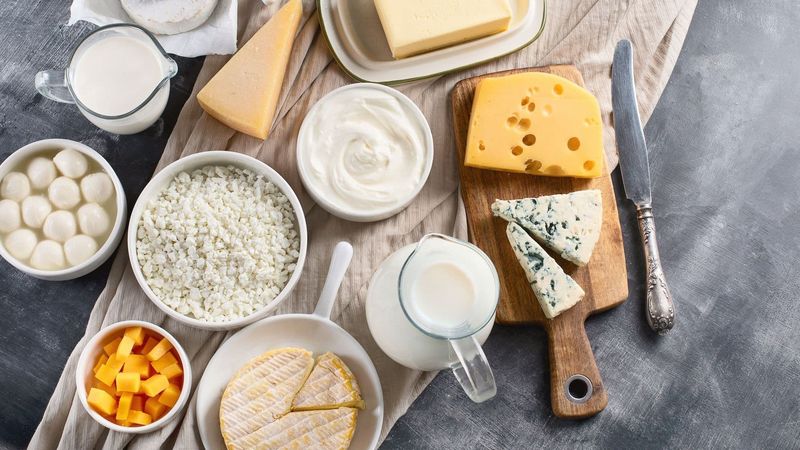
Taking his sustainability efforts one step further, King Charles III also avoids dairy products one day per week. Dairy farming has a significant environmental impact, and by cutting it out periodically, Charles is making a conscious effort to reduce that impact in a practical way.
This kind of intentional eating might seem unusual for a king, but Charles has always been ahead of his time when it comes to environmental issues. His weekly dairy-free day is a quiet but meaningful statement about the power of personal choices in addressing climate change.
16. Unpasteurized Cheeses
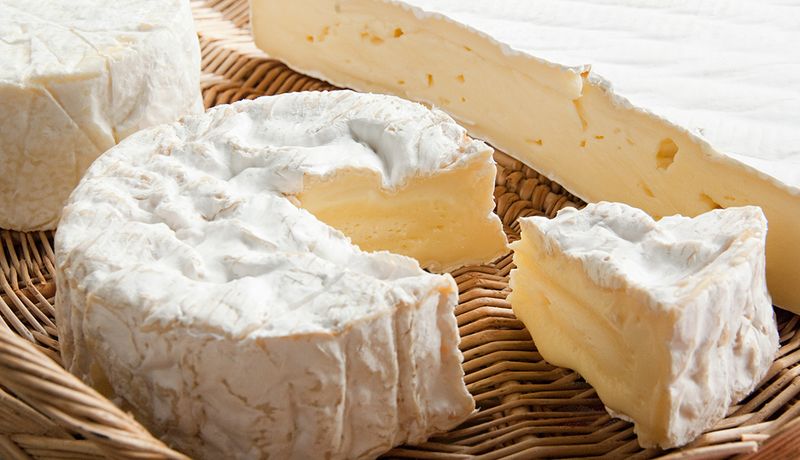
Unpasteurized cheeses, while adored by food lovers for their bold and complex flavors, come with a health warning that the royal household takes seriously. These cheeses can carry harmful bacteria such as listeria, which poses a real risk particularly for vulnerable individuals.
The royal family, like pregnant women and the elderly, is advised to avoid these products as a precaution. Plenty of delicious pasteurized alternatives exist, so skipping the raw milk variety is not a huge sacrifice, just a sensible one when your health is tied to a demanding public schedule.
17. Pizza
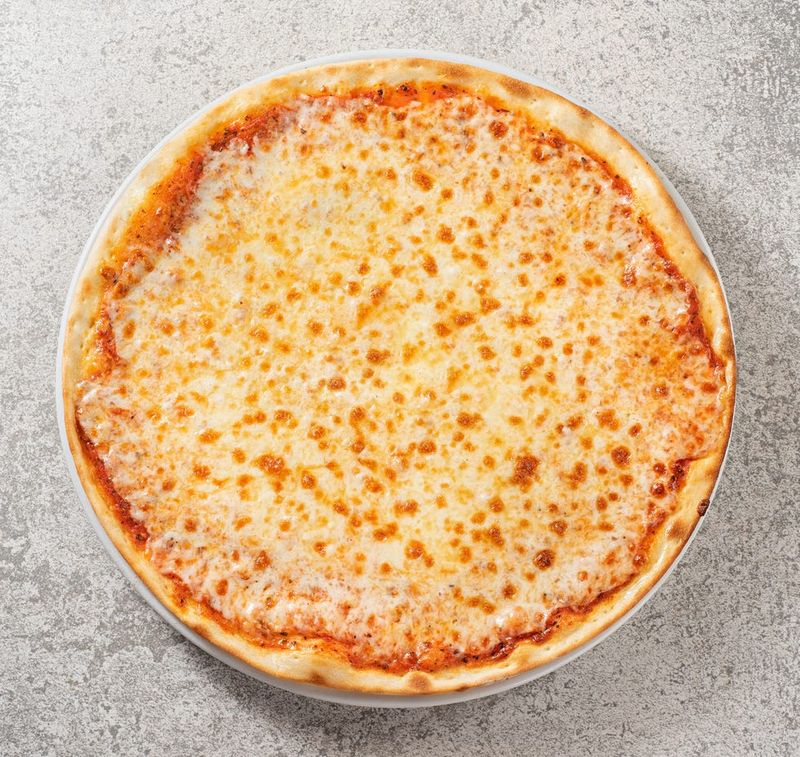
Pizza is one of the world’s most universally loved foods, but according to former royal chef Darren McGrady, Queen Elizabeth II never once ate pizza during his entire 15-year stint working in the royal kitchens. Not once.
That is quite a streak.
Whether this was a personal preference or simply never came up on the menu is not entirely clear. Either way, it paints a picture of a woman with very traditional British tastes who had little interest in casual Italian-American fare, no matter how popular it became around the world.
18. Hamburgers with Buns
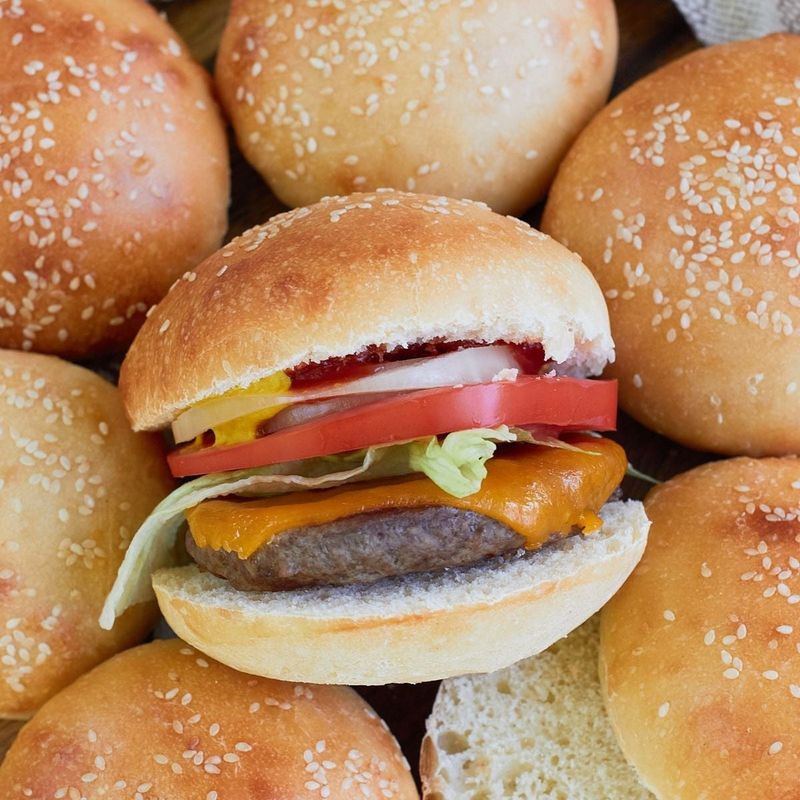
Queen Elizabeth II did enjoy a good burger, but she had a very particular way of eating one. Rather than picking it up and biting into it like the rest of us, she reportedly used a knife and fork and left the bun entirely on the side of the plate.
It sounds almost comical, but it makes perfect sense when you consider the etiquette she upheld her entire life. Eating a burger with your hands at a formal gathering simply does not fit the royal image.
Even casual food had to be consumed with a certain level of dignity.