
Walking through an old grocery store photo feels like stepping into a time machine. From wooden barrels of dried beans to hand-painted price signs, these snapshots capture a world that moved at a slower, more personal pace.
Long before self-checkout lanes and loyalty apps, shopping for food was a community event built on trust and conversation. Get ready to explore 16 incredible old grocery store photos that bring the past rushing back.
1. The Corner General Store of the Early 1900s
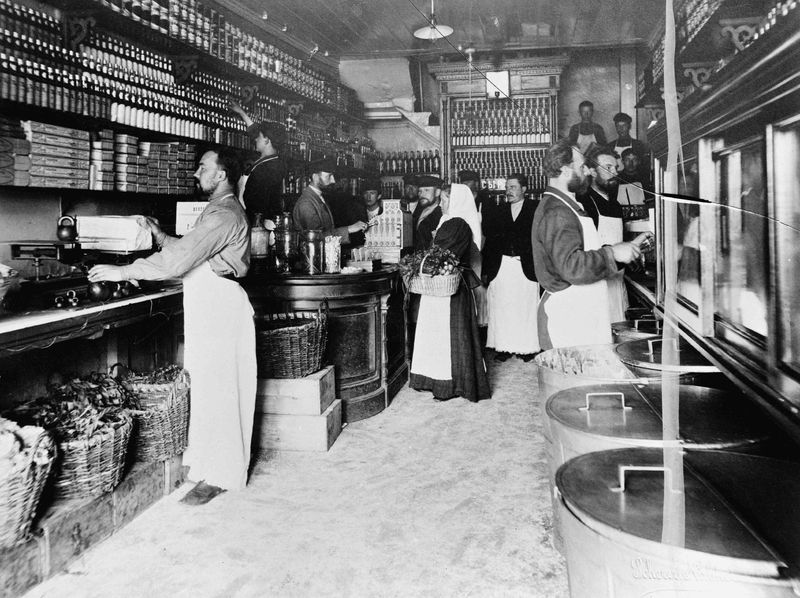
Before supermarkets existed, the corner general store was the heartbeat of every small town. Customers would hand a written list to a clerk, who would disappear into back shelves to gather each item by hand.
Dry goods like oatmeal, coffee beans, and spices sat in open barrels, weighed out on brass scales.
You could also pick up soap, cloth, or even medicine in the same visit. These shops were tiny, often around 500 square feet, yet packed with everything a family needed.
2. Piggly Wiggly Opens the Self-Service Era
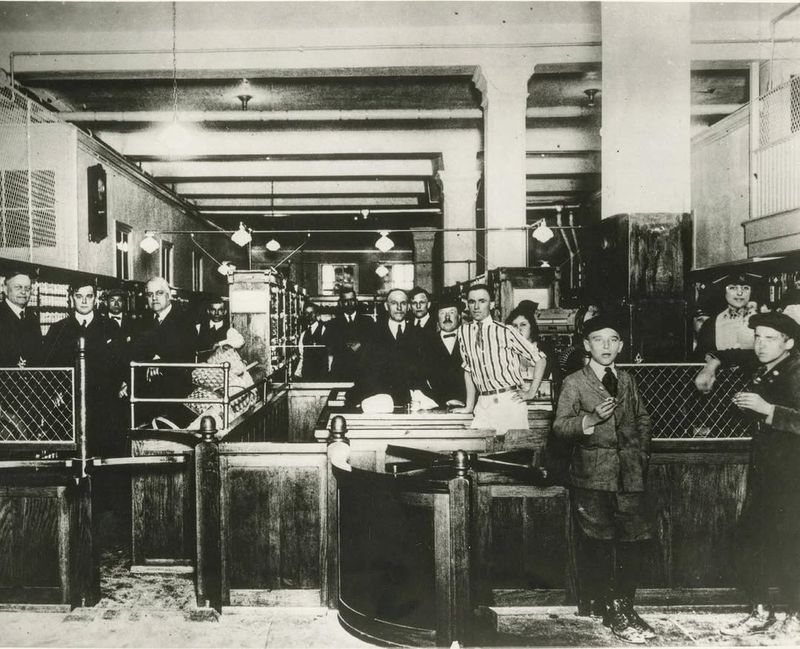
Opened in Memphis, Tennessee in 1916, Piggly Wiggly completely changed how Americans shopped for food. For the first time, customers walked through aisles and picked out products themselves, rather than waiting for a clerk.
Each item had its own price tag, which was a revolutionary idea at the time.
Checkout stands and organized shelving made the whole experience feel modern and efficient. That one small store sparked a shopping revolution that reshaped grocery culture across the entire country.
3. Wooden Barrels and Weighing Scales
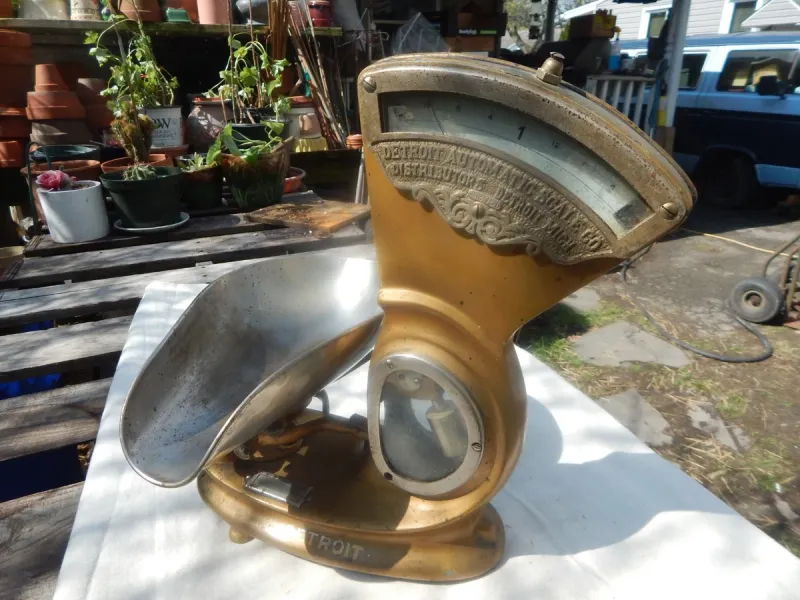
Imagine scooping your own coffee beans from a giant wooden barrel while a shopkeeper weighed them on a gleaming brass scale. That was everyday life in early grocery stores, where bulk dry goods ruled the shelves.
Nothing came pre-packaged or sealed in plastic bags back then.
Beans, oatmeal, honey, and dried fruit were all sold by the pound. The smell inside those old stores must have been absolutely incredible, a warm blend of spice, wood, and roasted grain all at once.
4. The First Shopping Carts Roll In
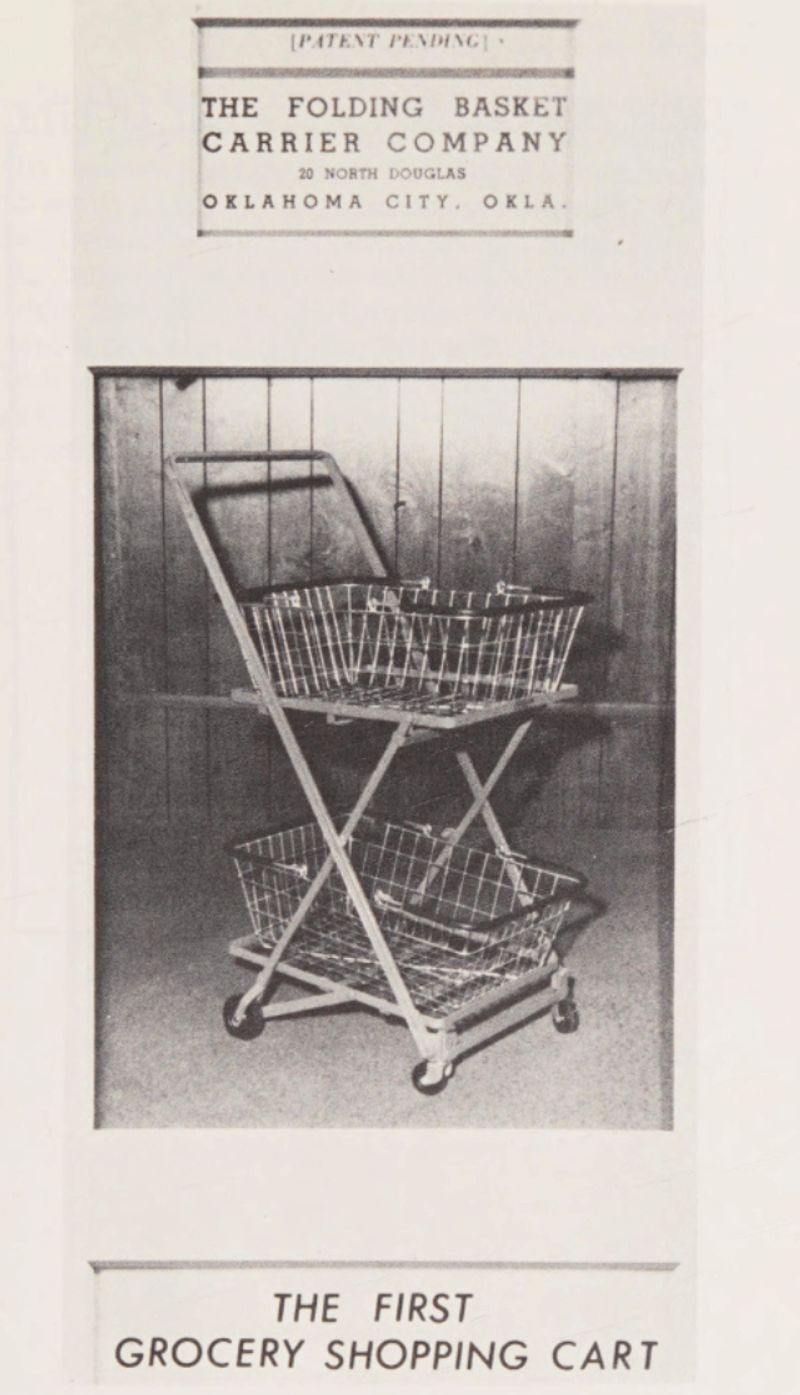
Before 1936, grocery shoppers carried everything in their arms or in small hand baskets. Then Sylvan Goldman, owner of the Humpty Dumpty supermarket chain, had a brilliant idea: fold-up wire carts on wheels.
Shoppers were hesitant at first, and Goldman even hired models to push carts around the store to show how easy it was.
Once people caught on, there was no going back. That simple invention completely changed how much groceries a person could buy in a single trip.
5. King Kullen and the Birth of the Supermarket
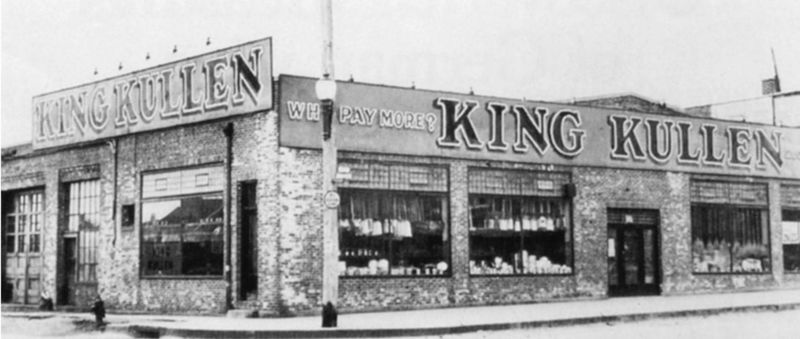
Michael Cullen opened the very first King Kullen store in 1930, and the grocery world was never the same. His concept was bold: huge warehouse-style spaces, rock-bottom prices, and free parking for customers arriving by car.
People could find meat, produce, baked goods, and canned foods all under one roof.
Grocery shopping transformed from a daily chore spread across multiple shops into a single weekly outing. King Kullen pioneered what we now casually call the supermarket, a term that still defines how we shop today.
6. Hand-Painted Price Signs and Chalkboards
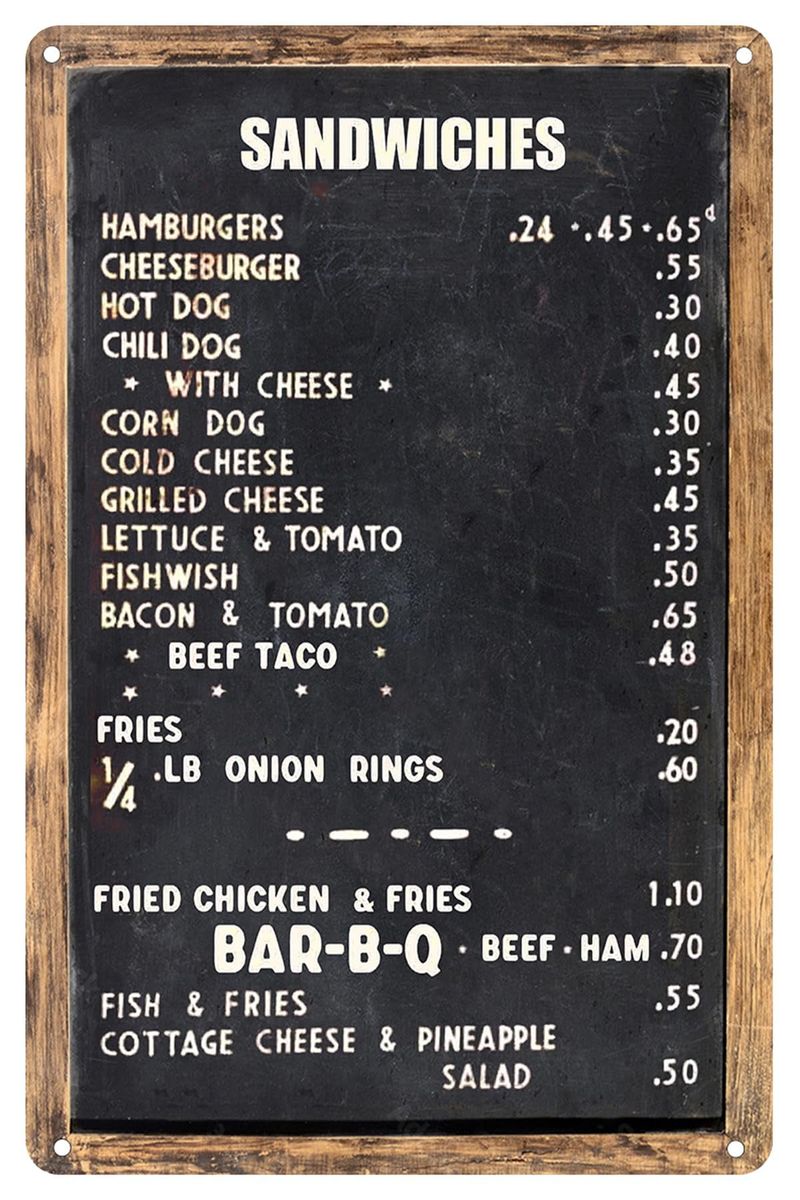
Long before digital price displays, every deal in the store was announced with bold, hand-painted signs or chalk-written boards. Bright red and yellow lettering screamed sale prices for canned tomatoes or bags of flour.
Store owners took real pride in making their signage eye-catching and easy to read from across the aisle.
Some stores even hired local artists to paint elaborate window displays each week. Those colorful, handcrafted signs gave grocery stores a warm, personal character you just cannot replicate with a printed label.
7. The 1950s Checkout Conveyor Belt
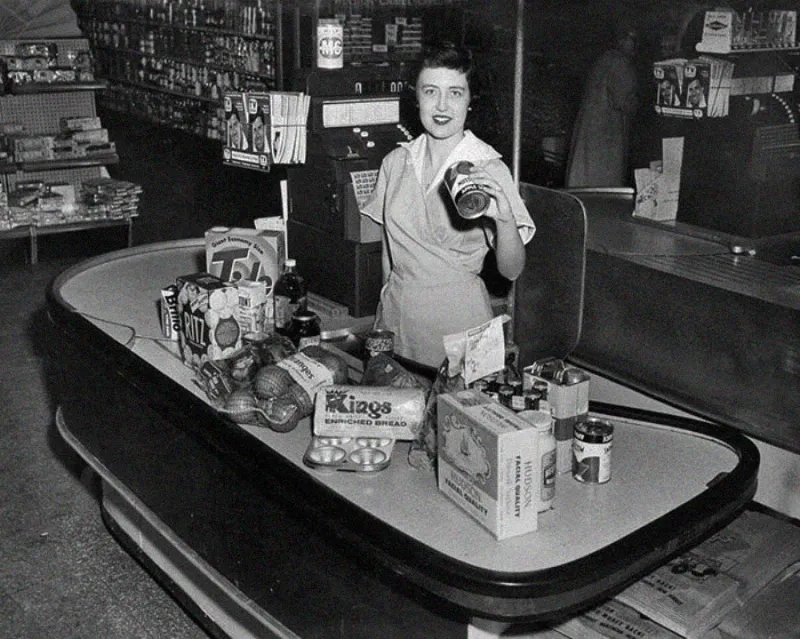
Way before barcodes arrived in 1974, grocery store cashiers typed in every single price by hand on clunky mechanical registers. To help speed things up, stores began installing conveyor belts at checkout counters during the 1950s.
Customers could load their items and watch them glide toward the cashier with a satisfying hum.
It felt futuristic for its time. Those early conveyor belts were a clever solution to growing customer lines, and they stuck around so well that we still use them in checkout lanes today.
8. Green Stamps and the Loyalty Craze
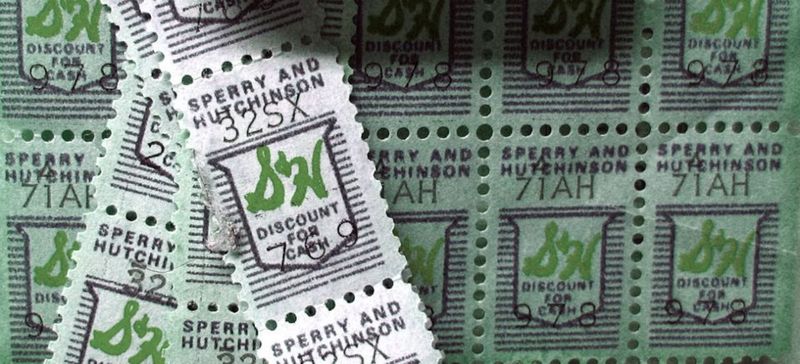
S&H Green Stamps were basically the original loyalty rewards program, and shoppers absolutely loved them. Every time you spent money at participating grocery stores, you received small green stamps to lick and stick into little booklets.
Fill enough booklets, and you could redeem them for toasters, toys, or even furniture from a special catalogue.
At their peak in the 1960s, S&H printed more stamps than the U.S. Postal Service.
Those tiny green squares created a shopping excitement that kept customers coming back week after week.
9. Elegantly Dressed Shoppers of the 1960s
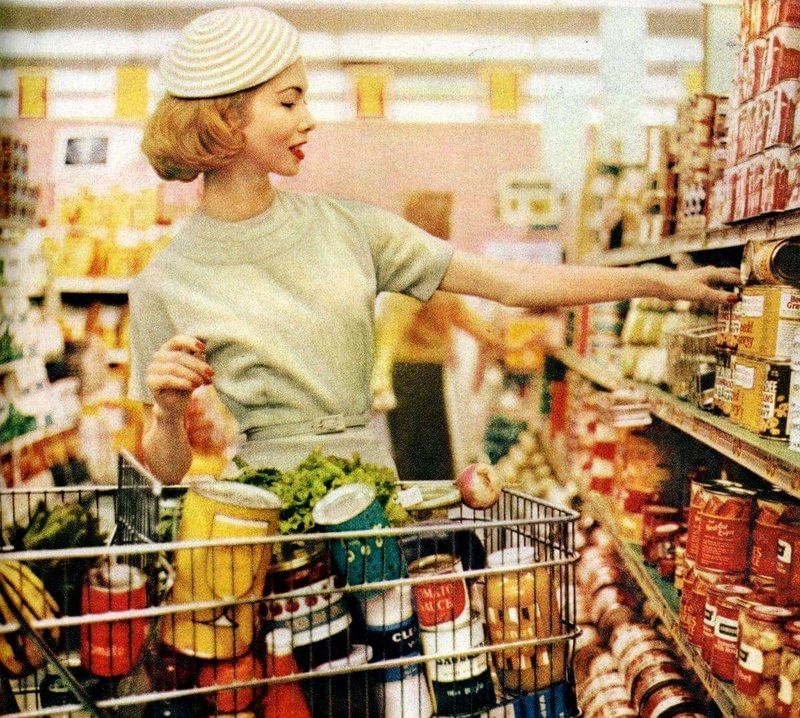
Flip through old grocery store photos from the 1960s, and you will notice something surprising: everyone looks like they are dressed for a dinner party. Women wore dresses, heels, and sometimes even gloves just to pick up bread and milk.
Going to the grocery store was considered a social occasion worth looking your best for.
Men often wore slacks and button-down shirts on weekend shopping trips. It is a sharp contrast to today’s yoga pants and sneakers, and honestly, it makes those old photos look absolutely glamorous.
10. Smoking in the Grocery Store Aisles
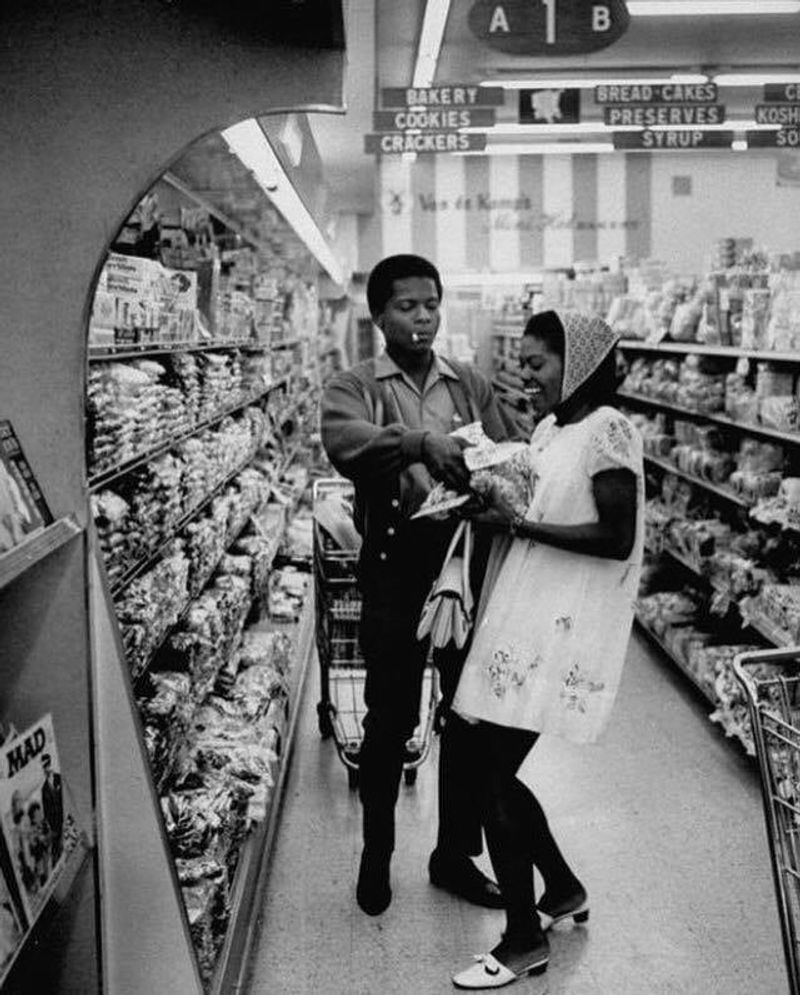
Hard to believe today, but smoking inside grocery stores was completely normal throughout the 1960s. Ashtrays were mounted right on the store shelves, and shoppers puffed away while comparing canned soup brands.
Nobody batted an eye at the smoke drifting past the cereal boxes.
Store employees smoked behind counters too. Looking back at those old photos, it feels like a scene from another planet entirely.
Public health awareness was still decades away, and the grocery store was just another place where cigarettes were perfectly welcome.
11. Pre-Packaged Meat in Cellophane Wrapping
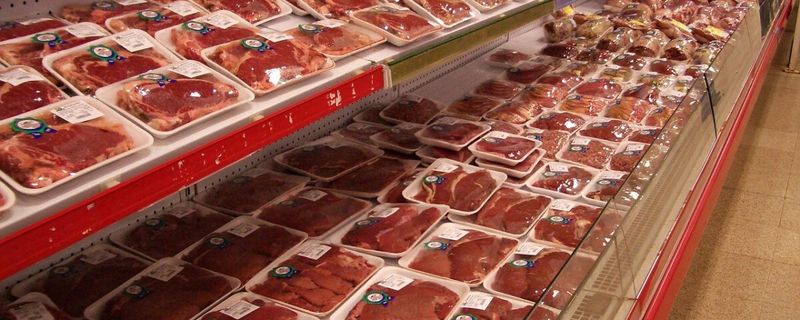
Before the mid-1950s, buying meat meant standing at a butcher counter and asking for exactly what you wanted, cut fresh in front of you. Refrigeration advances in that era changed everything, making it possible to pre-package cuts in clear cellophane wrap and display them in cooled cases.
Shoppers could now browse meat like any other grocery item.
It felt incredibly modern at the time. That shift also marked the beginning of the end for the traditional neighborhood butcher shop, as supermarkets absorbed the role entirely.
12. Soda Bars Inside the Supermarket
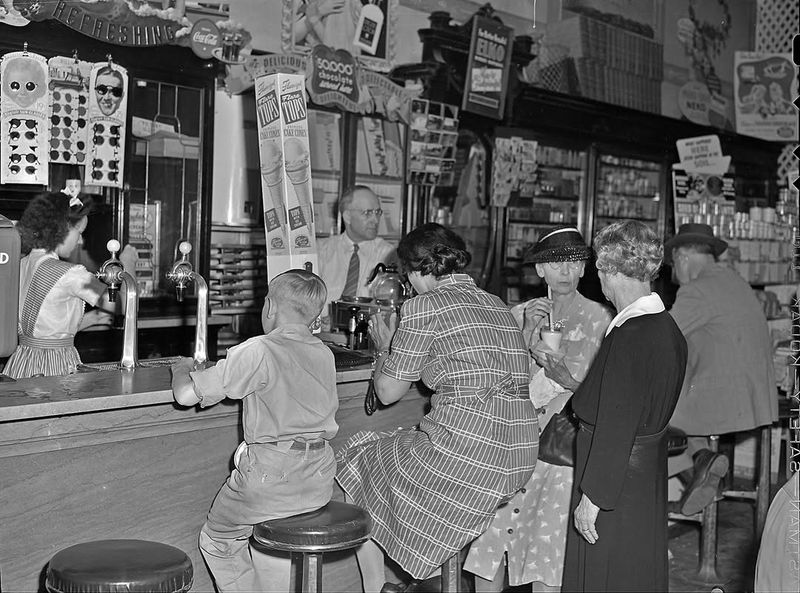
Some 1960s supermarkets went above and beyond the basics by adding soda bars right inside the store. Shoppers could sit on red vinyl stools and order a fountain drink or milkshake between picking up their weekly groceries.
It turned a routine errand into something genuinely fun for the whole family.
Curbside pickup also existed in this era, though it looked nothing like today’s app-based systems. These extra touches showed how fiercely competitive grocery chains were trying to win over loyal customers with comfort and novelty.
13. Colorful Store Interiors of the Late 1960s
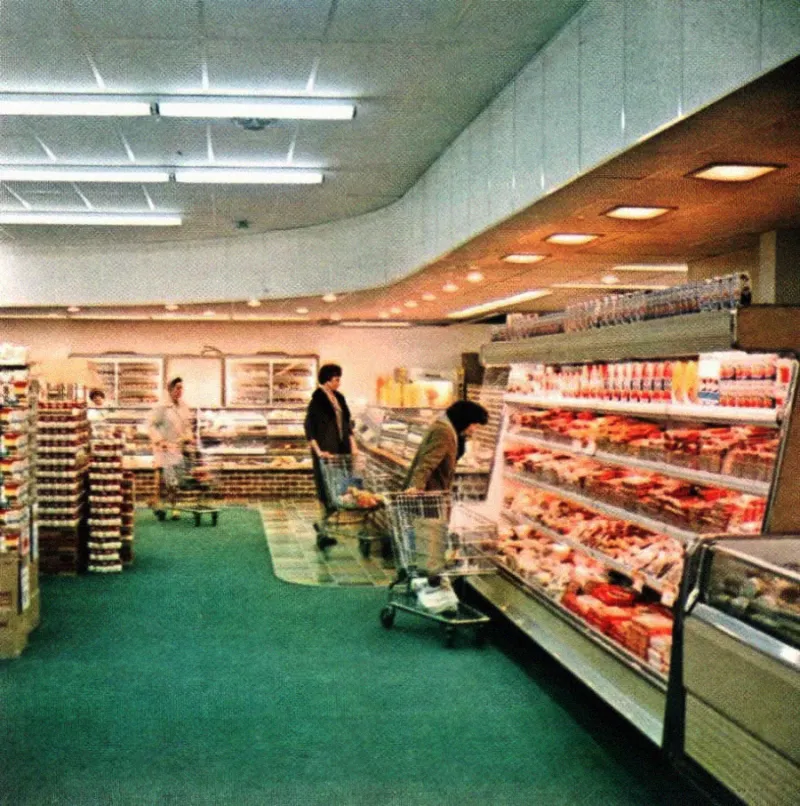
The stark white walls of 1950s supermarkets gave way to something far more vibrant as the 1960s wound down. Stores experimented with bold color schemes, decorative patterns, and even carpeting in certain sections to feel more welcoming and less clinical.
Grocery shopping was being reimagined as an experience, not just a chore.
Specialty departments like delis and in-store bakeries started appearing too, adding new smells and flavors to the mix. Those wild color choices might look dated now, but they were genuinely exciting at the time.
14. The Deli Counter Makes Its Debut
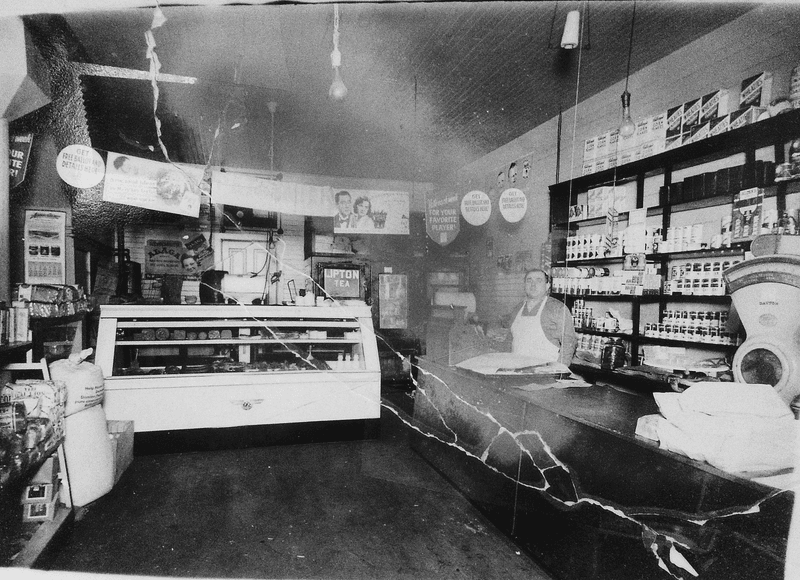
Adding a deli counter to the supermarket floor was a game-changer in the 1960s. Suddenly, shoppers could pick up freshly sliced ham, aged cheese, or a scoop of potato salad without visiting a separate specialty shop.
It was a direct response to the growing competition from fast food restaurants popping up everywhere.
The deli worker in a crisp white apron became an iconic figure in grocery store culture. Those glass display cases filled with colorful prepared foods made the weekly shopping trip feel a little more special and indulgent.
15. Elaborate Product Displays and Towering Pyramids
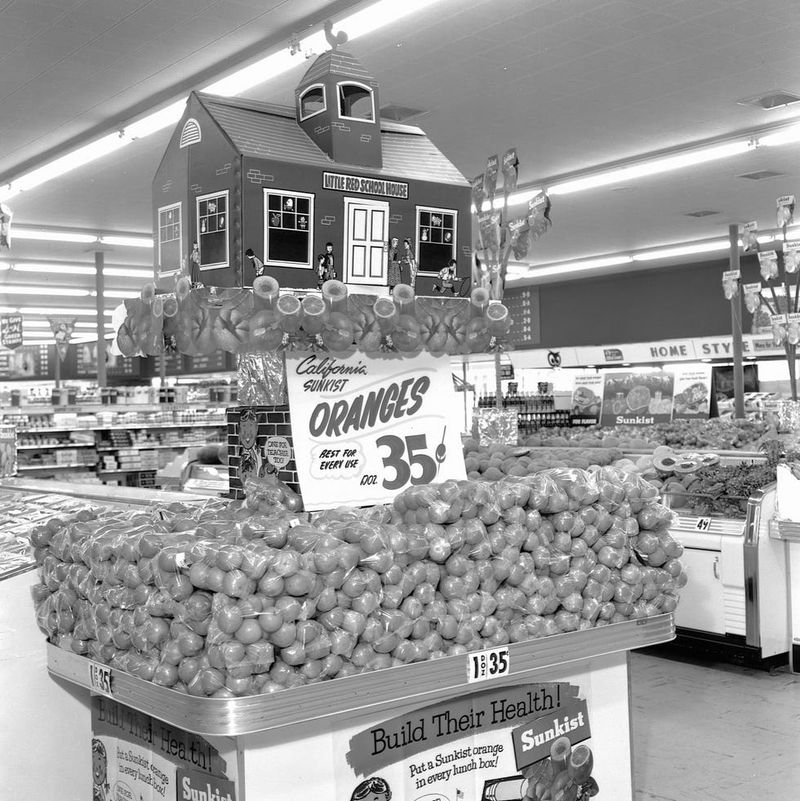
Store employees in the 1950s were practically artists when it came to building product displays. Towering pyramids of canned soup cans, perfectly stacked cereal boxes, and creative themed arrangements filled the aisles to draw shoppers in.
These displays were a major marketing tool before television commercials dominated advertising.
Stores competed to outdo each other with the most impressive setups. Some arrangements were so elaborate that customers hated to grab a can and knock the whole thing down.
Those old display photos are genuinely impressive works of grocery store craftsmanship.
16. The Neighborhood Credit Ledger Book
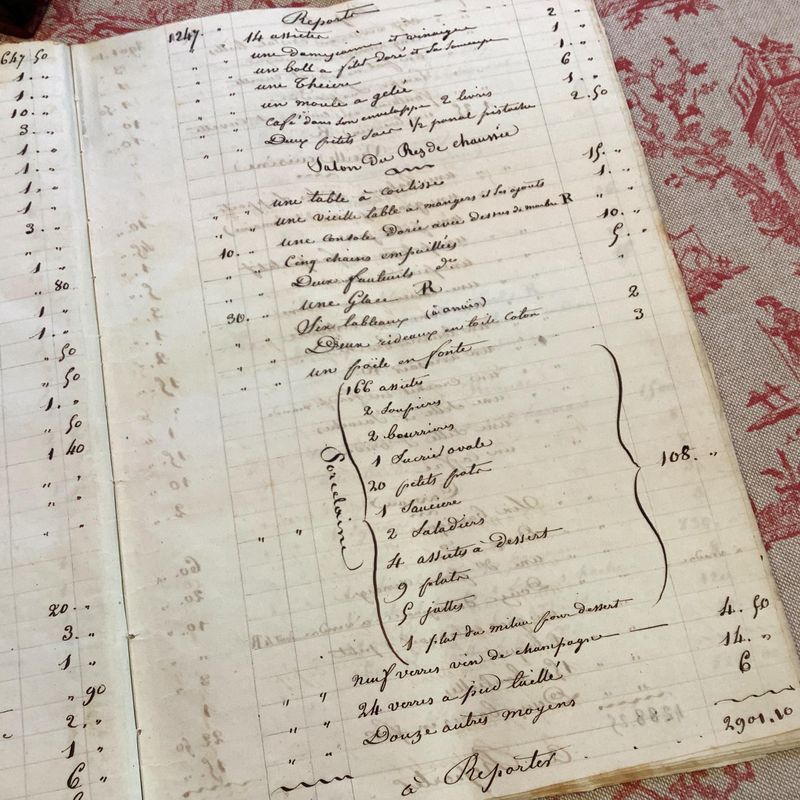
Credit cards did not exist in the early 1900s, but that did not stop families from getting their groceries even when cash was tight. Local store owners kept handwritten ledger books tracking who owed what, and customers settled their tab when payday arrived.
It was a system built entirely on personal trust and community relationships.
Price haggling was common too, since prices were rarely posted on items. That kind of informal, relationship-based commerce feels almost unimaginable in today’s world of swipe-and-go digital payments and anonymous self-checkout lanes.