
Some TV shows know exactly when to stop, but others keep going until they cross a line fans just cannot forgive. Whether it was a shocking death, a terrible finale, or a real-life scandal, these moments changed how millions of viewers felt about their favorite series.
Once that trust is broken, it is nearly impossible to win back. Here are 20 TV shows that pushed too far and lost loyal fans along the way.
1. Game of Thrones
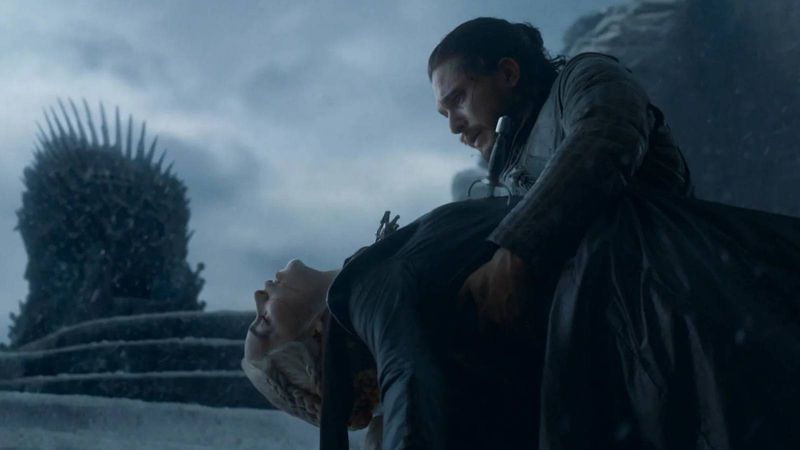
For years, Game of Thrones was untouchable. Fans obsessed over every episode, theory, and twist.
Then Season 8 arrived and seemed to throw careful storytelling out the window.
Character arcs that took years to build were wrapped up in minutes. Daenerys turned villain overnight, and Bran was chosen as king in a move almost nobody saw coming.
The petition to remake Season 8 gathered over a million signatures, making it one of the most public fan revolts in TV history.
2. How I Met Your Mother
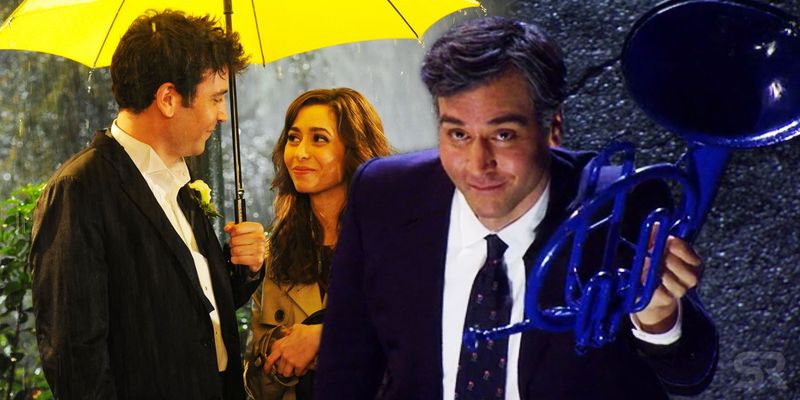
Nine seasons. Nine years of fans rooting for Ted and Tracy to finally find each other.
So when the finale killed Tracy off and had Ted end up with Robin anyway, the backlash was immediate and fierce.
It felt like the whole journey had been a bait-and-switch. The writers actually filmed an alternate ending because so many fans hated the original.
That alternate version was later included on the DVD, which says everything about how badly the real ending landed.
3. Lost
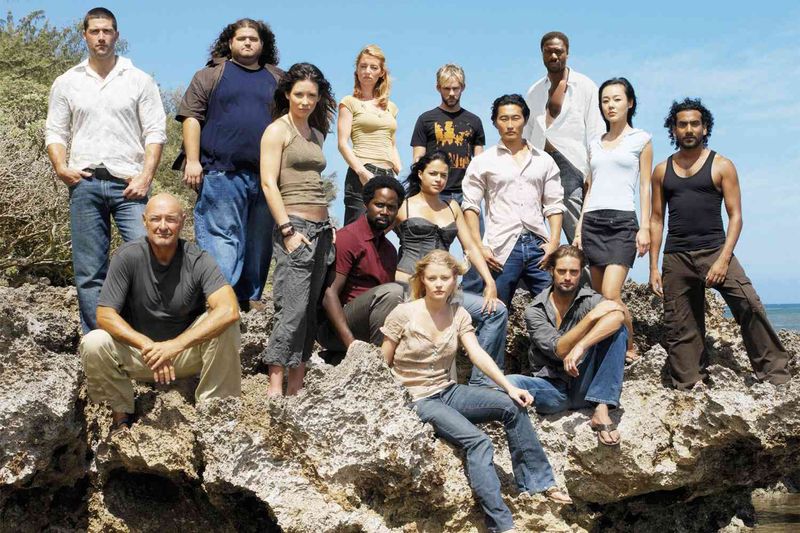
Lost was a masterclass in building suspense, but somewhere along the way, the mysteries started piling up faster than answers could arrive. Season 3 episode “Stranger in a Strange Land” became a symbol of the show stalling out.
By the time the finale aired, many fans felt cheated. The ending leaned heavily on emotional closure rather than answering years of burning questions.
Some fans argue their own wild fan theories made the real ending feel like a letdown by comparison.
4. The 100
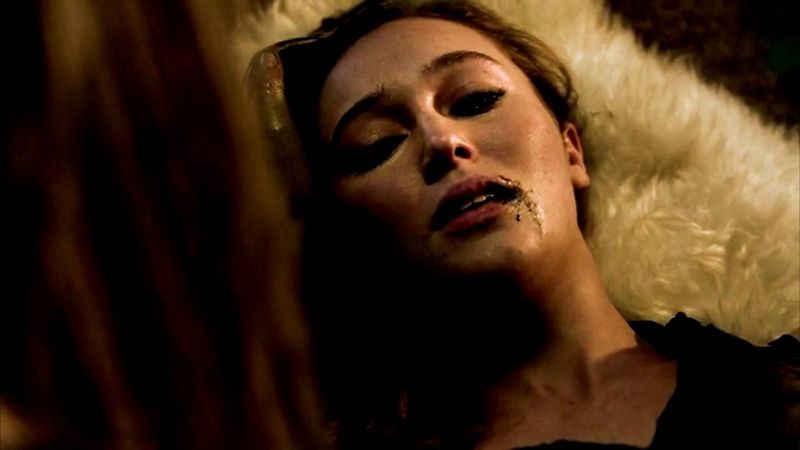
Few moments in TV history sparked as much outrage as the death of Lexa in Season 3 of The 100. She was a beloved queer character, and she was killed off almost immediately after her relationship with Clarke was confirmed.
Fans called it a harmful trope and organized real-world protests. The show never fully recovered its goodwill after that moment.
The final season tried to wrap things up, but many viewers had already moved on, still feeling betrayed by a decision that felt careless and disrespectful.
5. Ozark
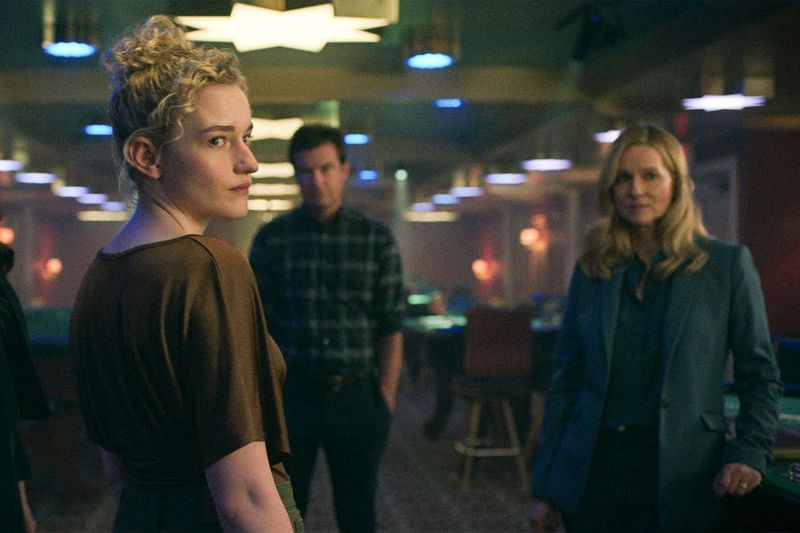
Ozark built its entire identity around morally complicated characters facing brutal consequences. Fans accepted that darkness because the storytelling felt earned.
Then came the finale, and the rules seemed to change entirely.
Ruth, one of the most beloved characters in the whole series, was shot and killed. Meanwhile, Marty and Wendy Byrde walked away free with barely a scratch.
Viewers who had followed the show for four seasons felt the ending rewarded the wrong people and punished the one character who deserved better.
6. St. Elsewhere
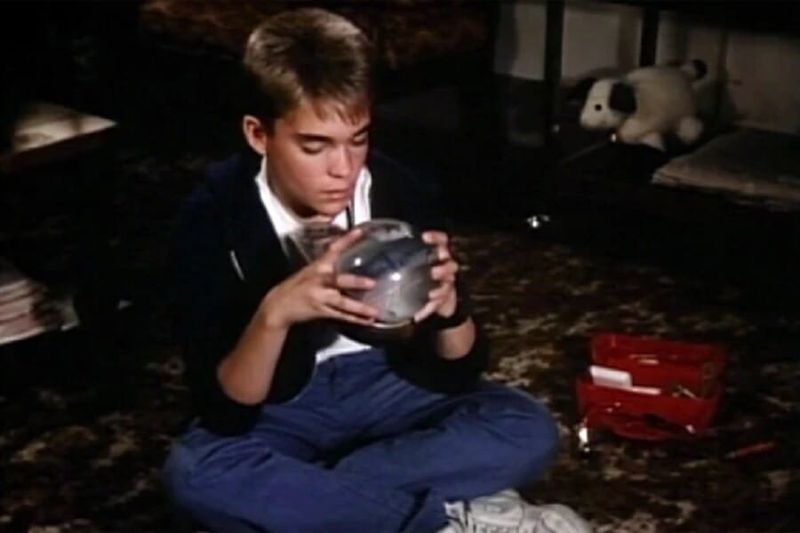
Back in 1988, St. Elsewhere dropped one of the most jaw-dropping finales in television history. The entire series, it turned out, had existed inside the imagination of an autistic boy named Tommy Westphall staring into a snow globe.
Some fans found it brilliantly bold. Others felt completely robbed of six seasons of emotional investment.
The twist also created what fans now call the “Tommy Westphall Universe” theory, linking dozens of other TV shows together through crossover episodes, making it one of TV’s most talked-about endings ever.
7. Dexter
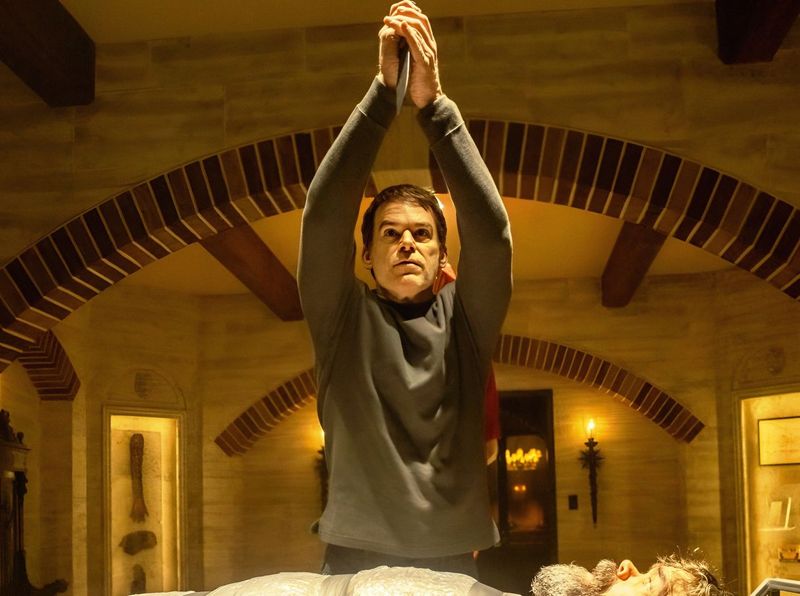
Dexter had one of the most loyal fanbases on cable television, and then it introduced a storyline that made many of those fans deeply uncomfortable. In later seasons, Deb realized she had romantic feelings for Dexter, her adopted brother.
The unreciprocated feelings sent Deb into a downward spiral while Dexter kept killing without remorse. The tonal shift felt jarring and unnecessary.
Many fans stuck around hoping the show would course-correct, but the notorious series finale, where Dexter becomes a lumberjack, sealed its legacy as a massive disappointment.
8. Glee
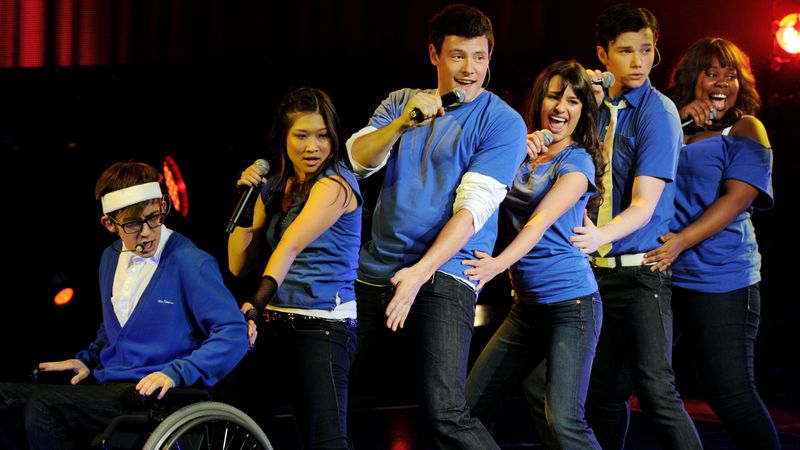
Glee started as something genuinely fresh, a show that mixed musical performances with real teenage struggles. But over time, the writing grew preachy, the characters acted in ways that made no sense, and the tone became wildly inconsistent.
The death of Cory Monteith, who played Finn, hit the cast and fans hard and changed the show permanently. The Season 3 finale rushed through too many storylines without resolution.
Viewership dropped sharply, and the show limped toward a finale that felt more obligatory than meaningful.
9. Veronica Mars
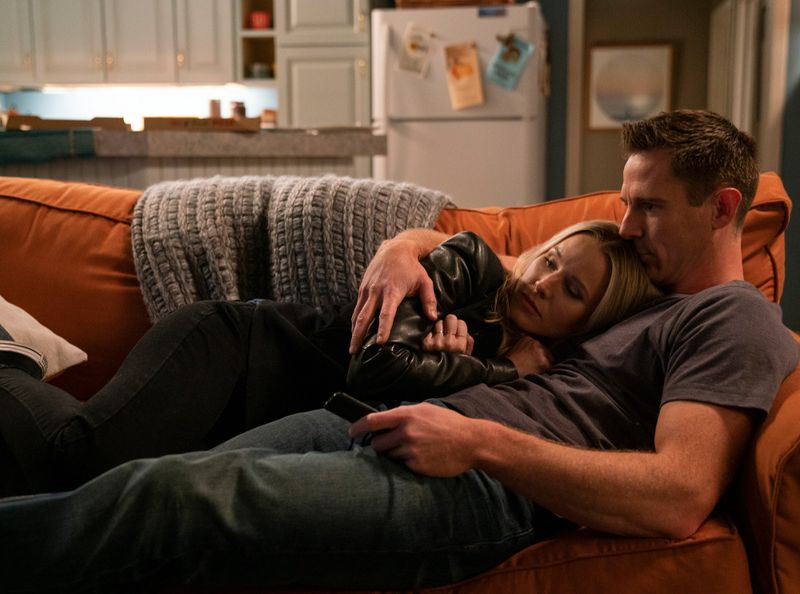
Fans loved Veronica Mars so much they literally crowdfunded a movie to bring it back. That level of dedication is rare.
So when the revival season killed off Logan Echolls, Veronica’s long-time love interest and husband, in the very first episode, the outrage was volcanic.
Many fans felt the showrunners had taken their money and loyalty and responded by destroying the one relationship the whole fanbase had championed for years. For a show that owed its revival entirely to fan devotion, it felt like an especially bitter betrayal.
10. Gilmore Girls
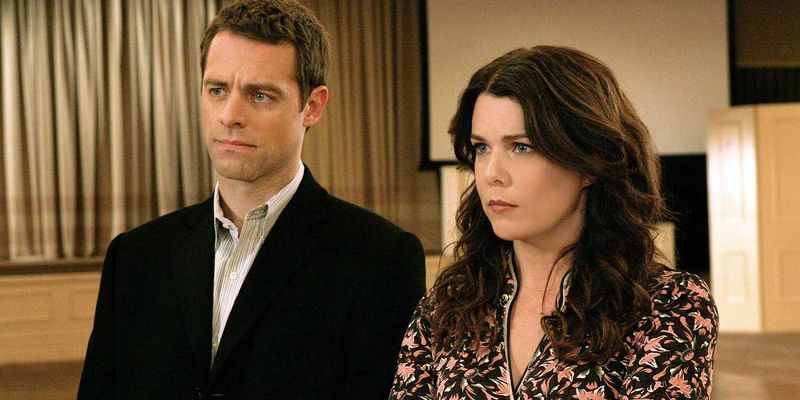
Gilmore Girls fans had spent years watching Lorelai and Luke dance around their relationship, so the final season’s twist of Lorelai suddenly marrying Christopher felt like a punch to the gut.
It was not just unexpected, it felt out of character and emotionally dishonest. The revival series, “A Year in the Life,” tried to make things right, but it too ended with controversy.
The famous four final words left many fans unsatisfied and desperate for yet another chapter that may never come.
11. Supernatural
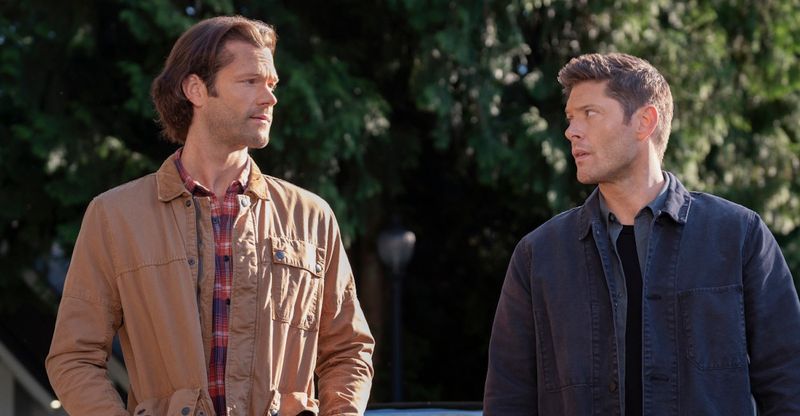
Supernatural ran for fifteen seasons, which is an almost unbelievable run. But along the way, the show’s own meta-commentary turned on its fanbase in ways that stung.
Episodes depicted dedicated fans as obsessive and socially awkward, and some storylines seemed to mock the very shippers who kept the show alive online. The series finale also split fans hard, with many feeling the ending was rushed and emotionally hollow after a decade and a half of investment.
Loyalty, it turned out, was not always rewarded.
12. The Big Bang Theory
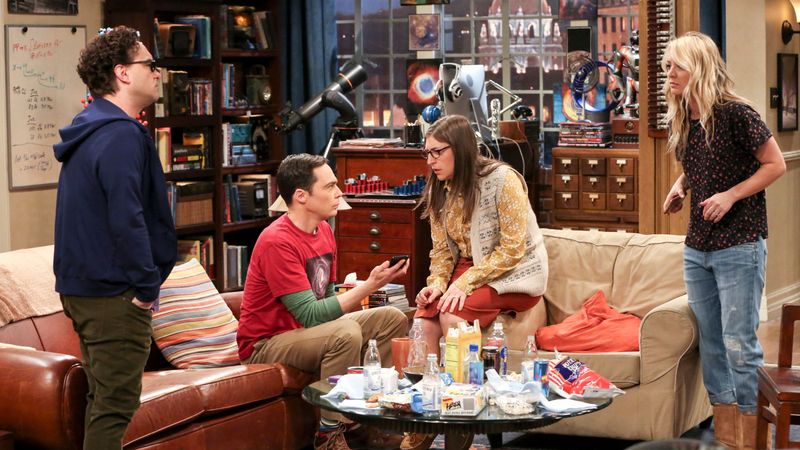
Early Big Bang Theory worked because it celebrated nerd culture with real affection. Physics jokes landed, comic book references felt authentic, and the characters had a specific, lovable awkwardness.
As the show chased broader ratings, the sharp edges got sanded off. Scientific references became rare, and characters morphed into softer, more generic sitcom versions of themselves.
Long-time fans who loved the original flavor felt like the show had traded its identity for mainstream approval. By the final seasons, it barely resembled the show that had built such a devoted following.
13. Buffy the Vampire Slayer
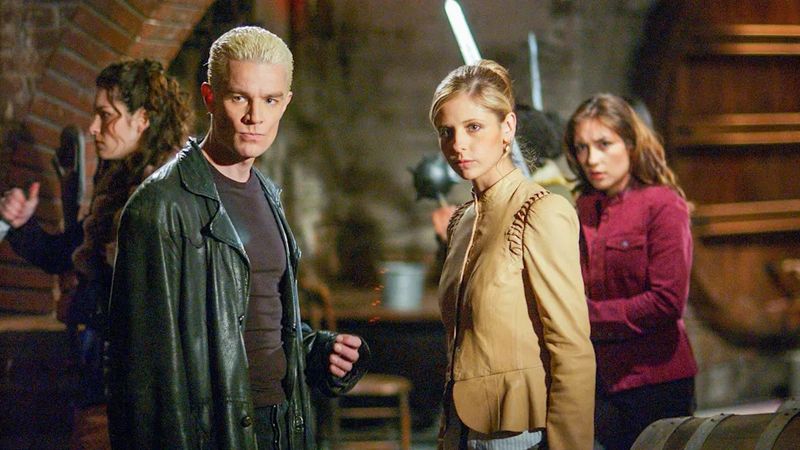
Buffy the Vampire Slayer was groundbreaking in so many ways, which made its most controversial moment hit even harder. In the 2002 episode “Seeing Red,” Spike attempts to assault Buffy in a deeply disturbing scene.
Fans were shocked and divided. Some argued it served the story, while others felt it was traumatic and unnecessary.
The scene sparked debates about how shows handle sexual violence that are still ongoing today. Even fans who loved the show found it difficult to revisit that episode without complex and uncomfortable feelings.
14. The Walking Dead
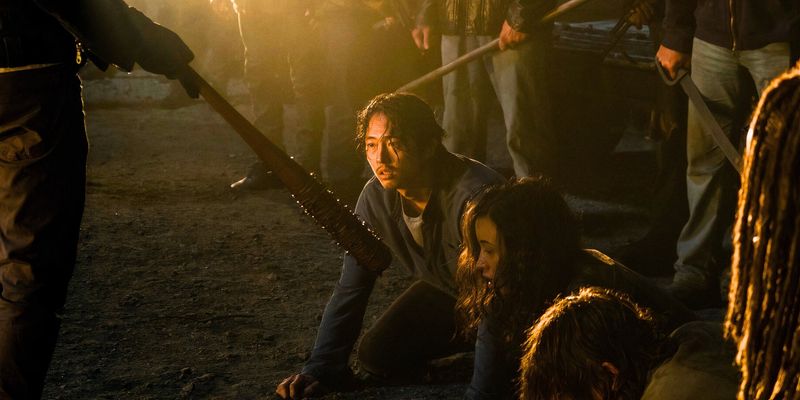
Glenn Rhee was one of the most beloved characters in The Walking Dead universe. So when Season 7 opened with his brutal death at the hands of Negan, the backlash was enormous and immediate.
The graphic nature of the scene pushed many viewers past their limits. Ratings never fully recovered.
Things got worse when Andrew Lincoln, who played Rick Grimes, eventually left the show. Without its emotional anchor, the series drifted, and many fans who had watched from the beginning quietly stopped showing up.
15. The Simpsons
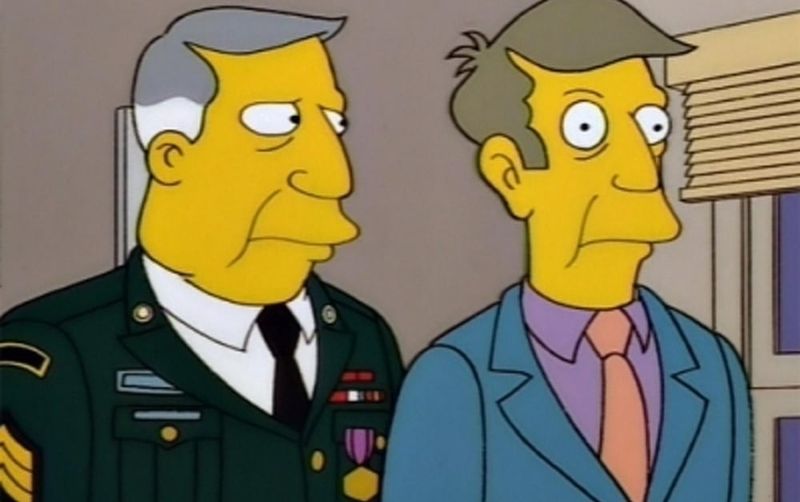
Ask any serious Simpsons fan when the show peaked, and most will point to the first eight or nine seasons. Season 9’s “The Principal and the Pauper” is widely seen as the moment the golden age officially ended.
The episode revealed that Principal Skinner was actually an impostor named Armin Tamzarian. Long-time fans were furious at the retconning of a beloved character.
Even the show’s own writer later admitted the episode was a mistake. The Simpsons has continued for decades since, but that episode remains a sore spot for devoted fans.
16. Scrubs
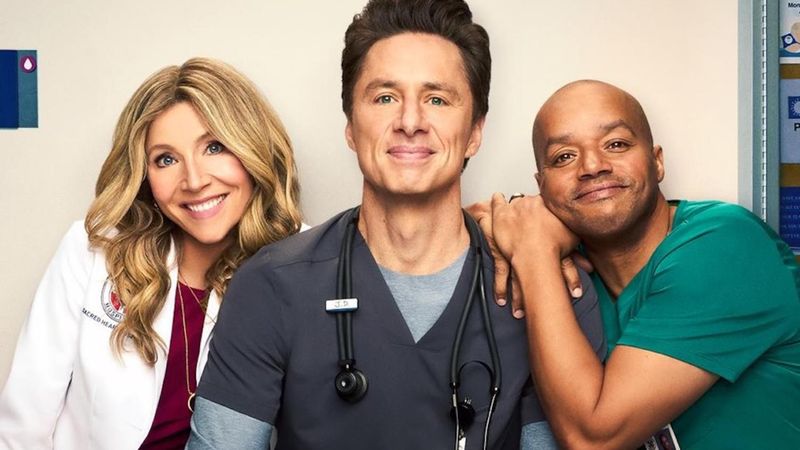
Scrubs had one of the most emotionally satisfying series finales in sitcom history, wrapping up Season 8 with a beautiful, heartfelt goodbye. Then Season 9 happened, and it undid all of that.
Set at a new medical school with mostly new characters, Season 9 felt like a completely different show wearing a familiar name. The original cast was mostly gone, and the magic simply did not transfer.
Fans largely pretend Season 9 does not exist, choosing to remember the show as it was before it overstayed its welcome.
17. House of Cards
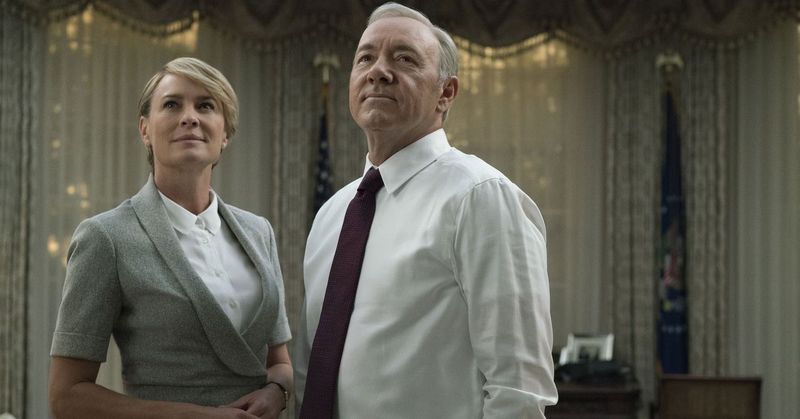
House of Cards was appointment television. Kevin Spacey’s Frank Underwood was chilling, compelling, and utterly watchable.
Then in 2017, multiple sexual misconduct allegations against Spacey surfaced, and everything changed.
Netflix fired him mid-production on the final season. The show attempted to continue without its central character, killing Frank off-screen and shifting focus to Robin Wright’s Claire.
The result felt hollow and incomplete. Fans were left with a shortened final season that could not escape the shadow of real-world events surrounding its former star.
18. Roseanne
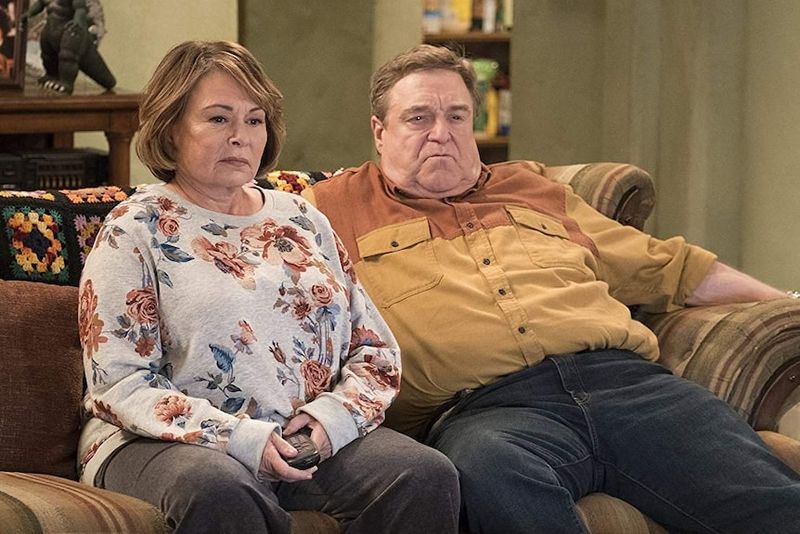
When Roseanne was revived in 2018, it pulled in massive ratings and felt like a genuine cultural moment. Then star Roseanne Barr posted a racist tweet, and ABC canceled the show within hours.
Fans who had grown up watching the original series felt a complicated mix of anger, embarrassment, and grief. The show attempted to survive as “The Conners” without Barr, but many original fans never came back.
A show that had once felt like a celebration of working-class America became permanently tied to a moment of ugliness.
19. That ’70s Show
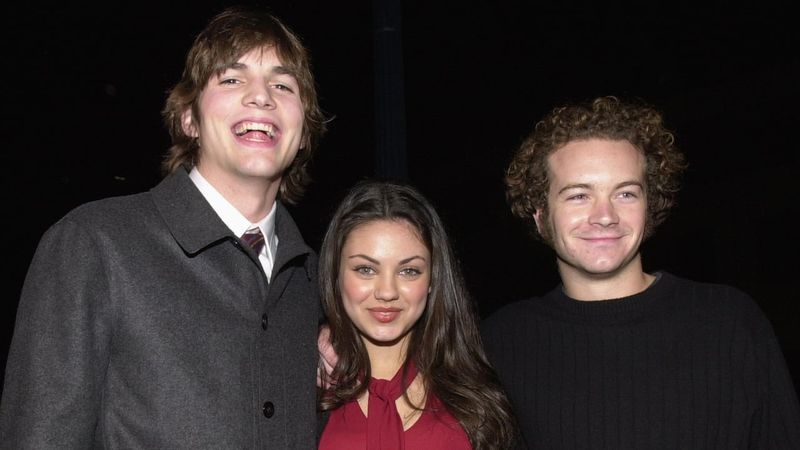
That ’70s Show was a nostalgic comfort watch for an entire generation. Then the real-world actions of cast member Danny Masterson shattered that warm feeling completely.
Masterson was convicted of felony charges, and several castmates provided character witnesses on his behalf, which shocked many fans. Rewatching the show became deeply uncomfortable for people who had once loved it.
The wholesome image of a group of teenage friends hanging out in a basement now carries a weight that simply cannot be ignored or laughed off.
20. iCarly and Sam & Cat
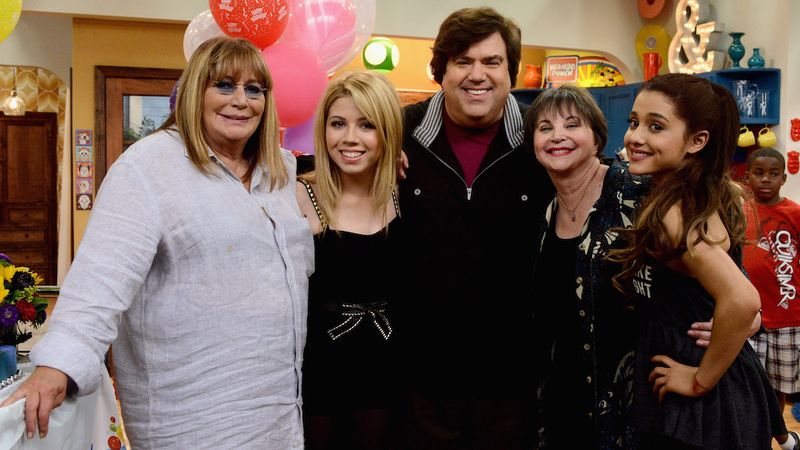
For many kids who grew up watching Nickelodeon, iCarly and Sam & Cat were pure, goofy fun. The 2024 docuseries “Quiet on Set” changed that perception dramatically by exposing troubling behavior by creator Dan Schneider.
Former child actors described uncomfortable experiences on set, and the revelations made rewatching these childhood favorites feel complicated and unsettling. Nostalgia turned into something much harder to process.
For fans who had genuinely loved these shows, learning about the environment behind the scenes was a painful and unavoidable reckoning.