
The 1980s gave us some of the most beloved movies in history, but not every film from that decade was a hit. For every blockbuster, there was at least one movie that left audiences scratching their heads and critics reaching for their red pens.
From bizarre plots to laughable special effects, these films became famous for all the wrong reasons. Get ready to take a look at 19 movies from the ’80s that critics and fans still call some of the worst ever made.
1. The Garbage Pail Kids Movie (1987)
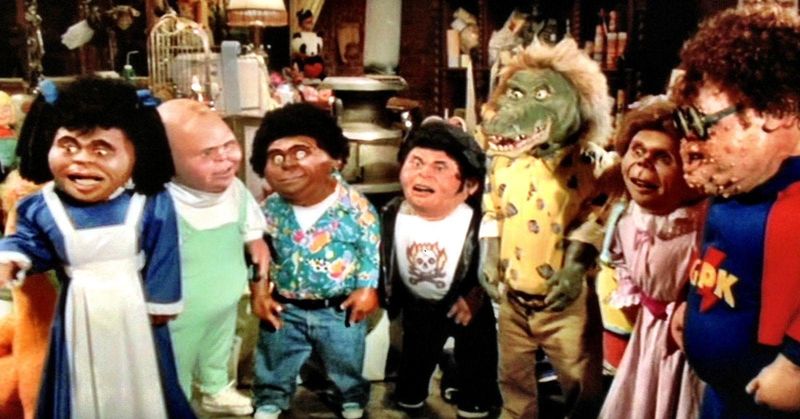
Few films have earned a perfect 0% on Rotten Tomatoes, but The Garbage Pail Kids Movie managed exactly that. Based on the gross-out trading card craze of the ’80s, the film brought its disgusting characters to life using rubber puppets that looked more unsettling than fun.
Parents hated it, kids were confused by it, and critics trashed it almost immediately. The humor was juvenile even by kids-movie standards, and the story barely held together.
It remains one of the most universally panned films of the entire decade.
2. Jaws: The Revenge (1987)
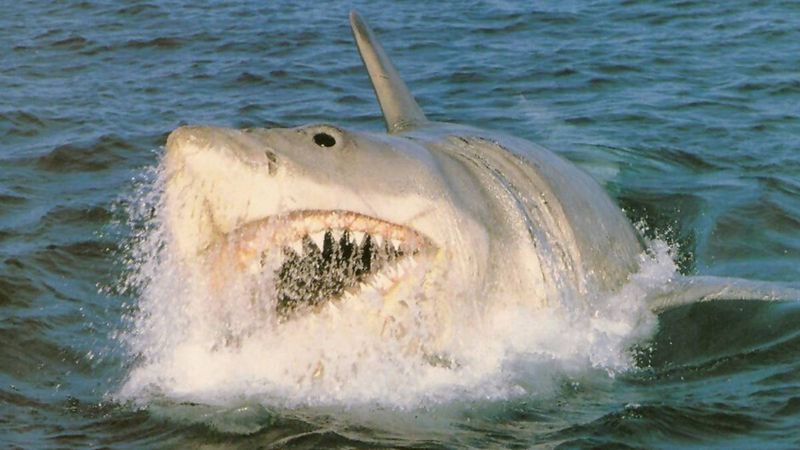
Sharks do not hold grudges. Someone should have told the writers of Jaws: The Revenge before they greenlit this fourth installment in the once-great franchise.
The film asks audiences to believe a great white shark follows a specific family across the ocean out of personal vengeance.
Critics called the plot completely unbelievable, and the special effects were considered embarrassing even for 1987. Star Michael Caine has openly admitted he has never watched it.
That says quite a lot about how the movie turned out in the end.
3. Superman IV: The Quest for Peace (1987)
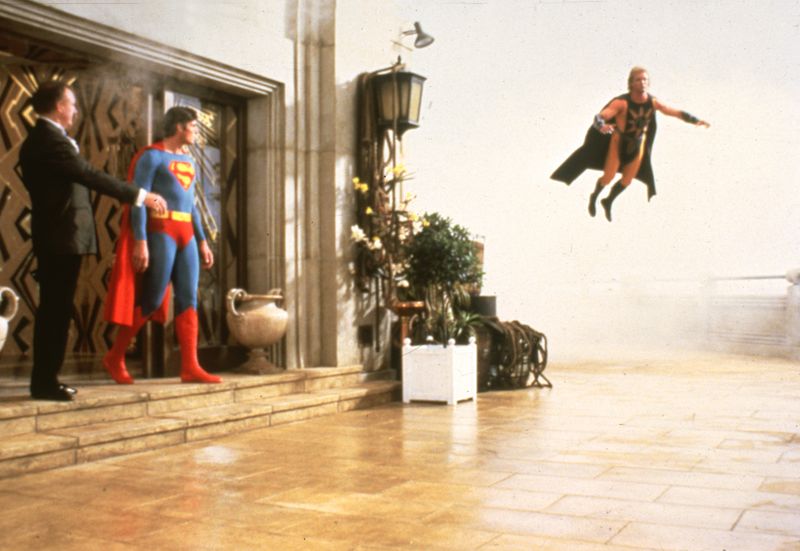
By the time Superman IV arrived in theaters, the magic of the original 1978 film had worn dangerously thin. Christopher Reeve returned to the cape, but a drastically slashed budget meant the special effects looked shockingly cheap, with obvious wires and recycled flying footage appearing throughout.
The villain Nuclear Man was widely mocked for being ridiculous rather than threatening. Audiences stayed away in huge numbers, and the film flopped hard at the box office.
It effectively ended the original Superman film series for many years afterward.
4. Mac and Me (1988)
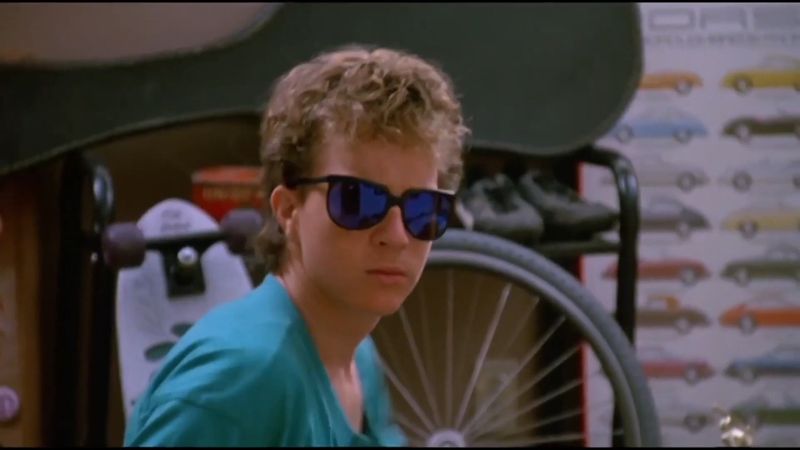
Mac and Me is one of the most blatant copycat films Hollywood has ever produced. Released just six years after E.T. the Extra-Terrestrial became a cultural phenomenon, this film followed a nearly identical story of a young boy befriending a stranded alien trying to get home.
What made it worse was the shameless product placement throughout, including a McDonald’s dance sequence that left viewers stunned. Critics tore it apart, and audiences largely ignored it.
Today it is mostly remembered as a textbook example of Hollywood cashing in on someone else’s great idea.
5. Leonard Part 6 (1987)
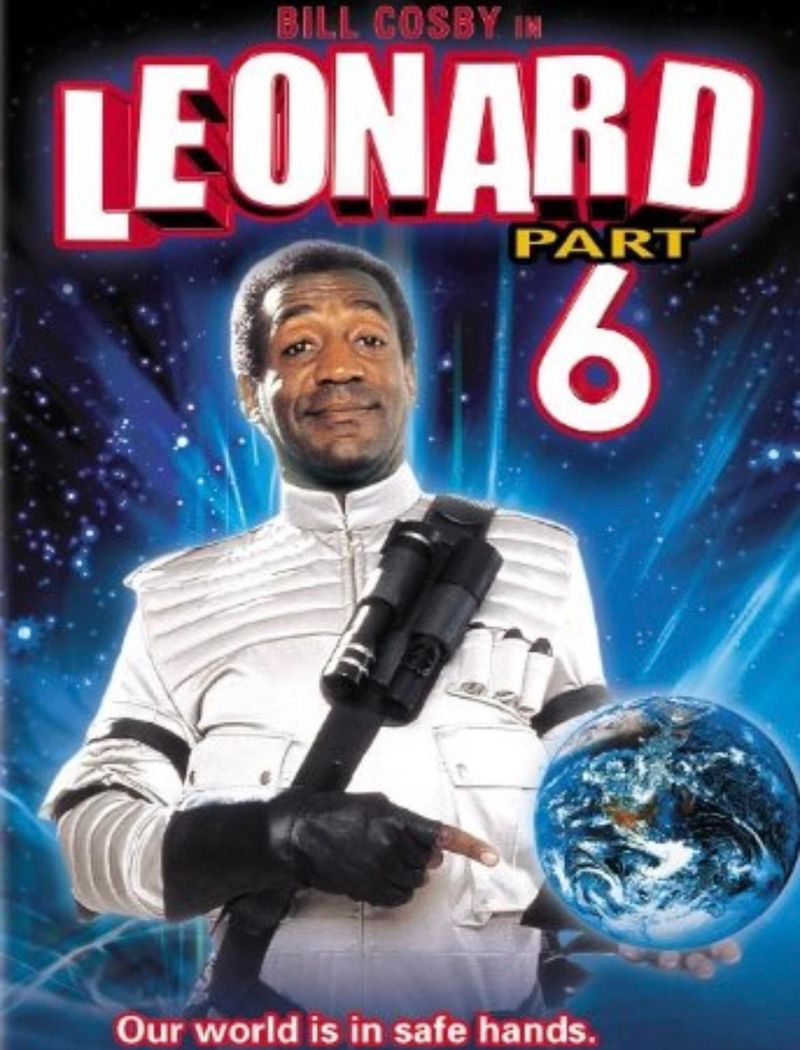
Bill Cosby himself told audiences not to see this movie. That level of self-awareness from the star should have been the first warning sign.
Leonard Part 6 attempted to blend spy comedy with outrageous action, but the result was a confusing mess that satisfied nobody.
The film features scenes so bizarre they are hard to describe, including a hero who defeats enemies using food. Critics demolished it, and it bombed at the box office.
It has since become a go-to example when people discuss Hollywood’s most spectacular creative failures of the 1980s.
6. Howard the Duck (1986)
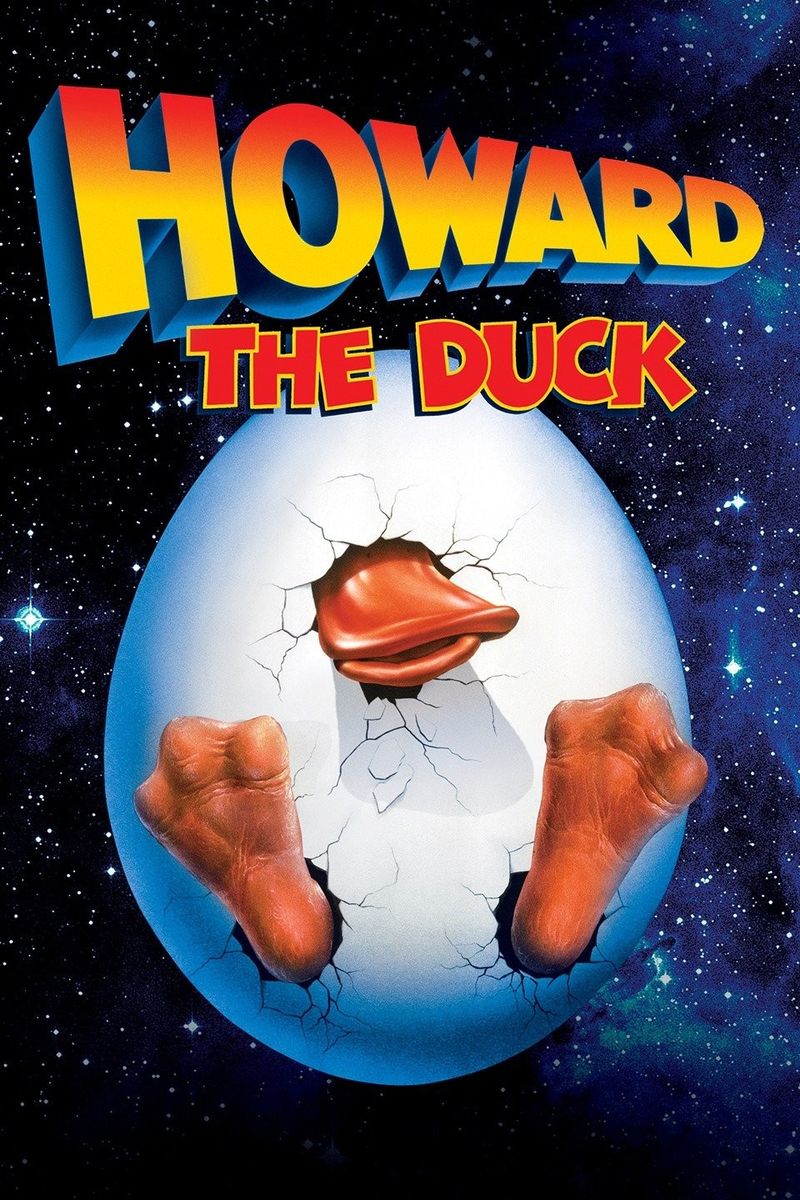
Marvel’s very first theatrical release was not exactly the superhero triumph fans had hoped for. Howard the Duck told the story of a wise-cracking duck from another planet who lands in Cleveland and gets tangled up in saving Earth from an alien invasion.
The costume looked awkward, the tone swung wildly between kid-friendly and oddly adult, and audiences had no idea what to make of it. George Lucas produced it, which only added to the disappointment.
Despite its massive failure in 1986, it has since earned a small cult following who enjoy it ironically.
7. Bolero (1984)
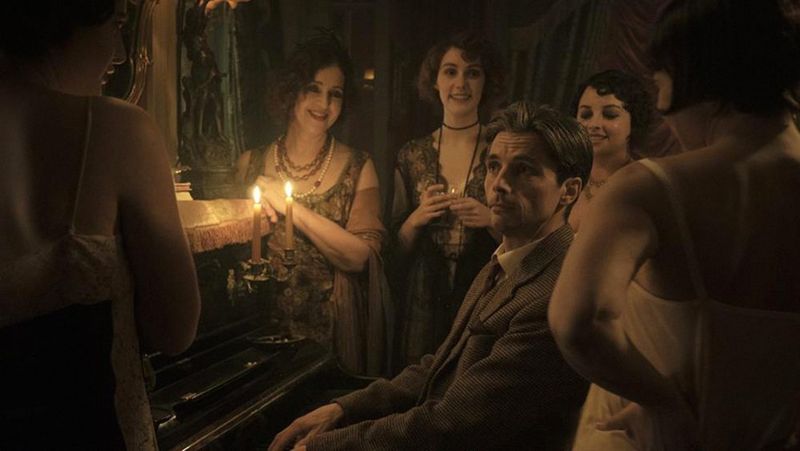
Bo Derek had scored a massive hit with the film 10 in 1979, so expectations were somewhat high for her follow-up adventure. Bolero told the story of a young woman traveling the world in search of the perfect romantic experience, which sounded more interesting on paper than it played on screen.
Critics called it painfully dull and poorly written. The film won five Razzie Awards, which are given out specifically to honor the worst in cinema each year.
Despite its notoriety, it managed to turn a small profit simply because curious audiences wanted to see what all the fuss was about.
8. Ishtar (1987)
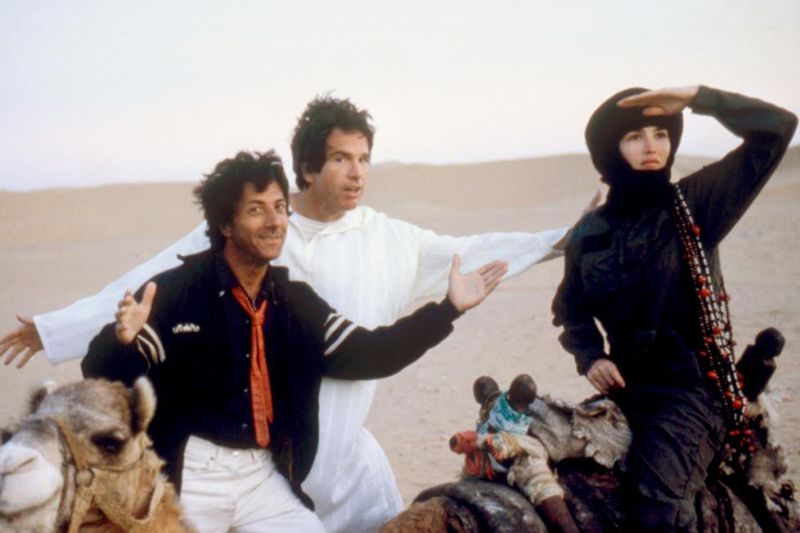
Two of Hollywood’s biggest stars, Warren Beatty and Dustin Hoffman, teamed up for what should have been a surefire comedy hit. Instead, Ishtar became one of the most notorious box office disasters in movie history, losing tens of millions of dollars for Columbia Pictures.
The film followed two talentless singer-songwriters who accidentally stumble into a CIA conspiracy in North Africa. Critics found it painfully slow and unfunny, though some have argued over the years that it was misunderstood.
Either way, Ishtar became shorthand in Hollywood for expensive, embarrassing failure throughout the late 1980s and beyond.
9. Rhinestone (1984)
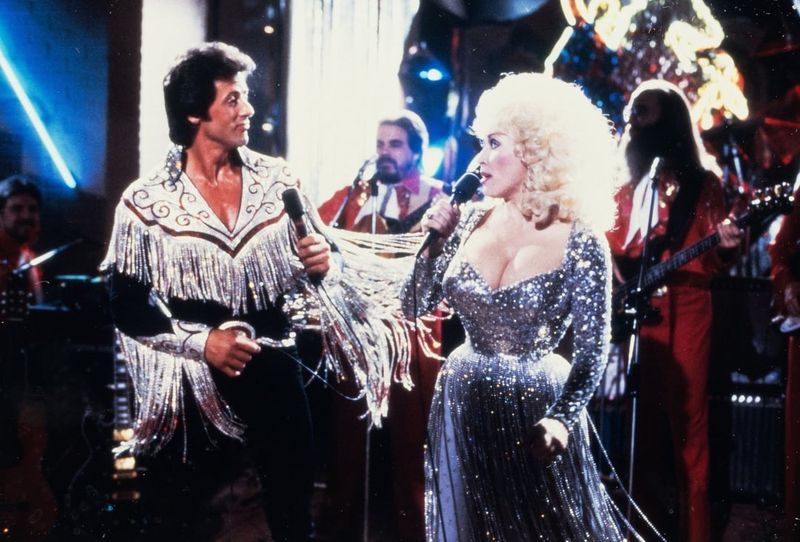
Pairing Sylvester Stallone with Dolly Parton sounds like either a brilliant idea or a recipe for disaster. Rhinestone turned out to be firmly in the second category.
Stallone played a New York cab driver who bets he can be transformed into a country music star by Parton’s character in just two weeks.
His singing scenes were widely described as painful to sit through. Critics had a field day mocking the film, and it collected multiple Razzie nominations.
Stallone himself has rarely mentioned it since, which is probably the wisest approach given how badly it was received.
10. Breakin’ 2: Electric Boogaloo (1984)
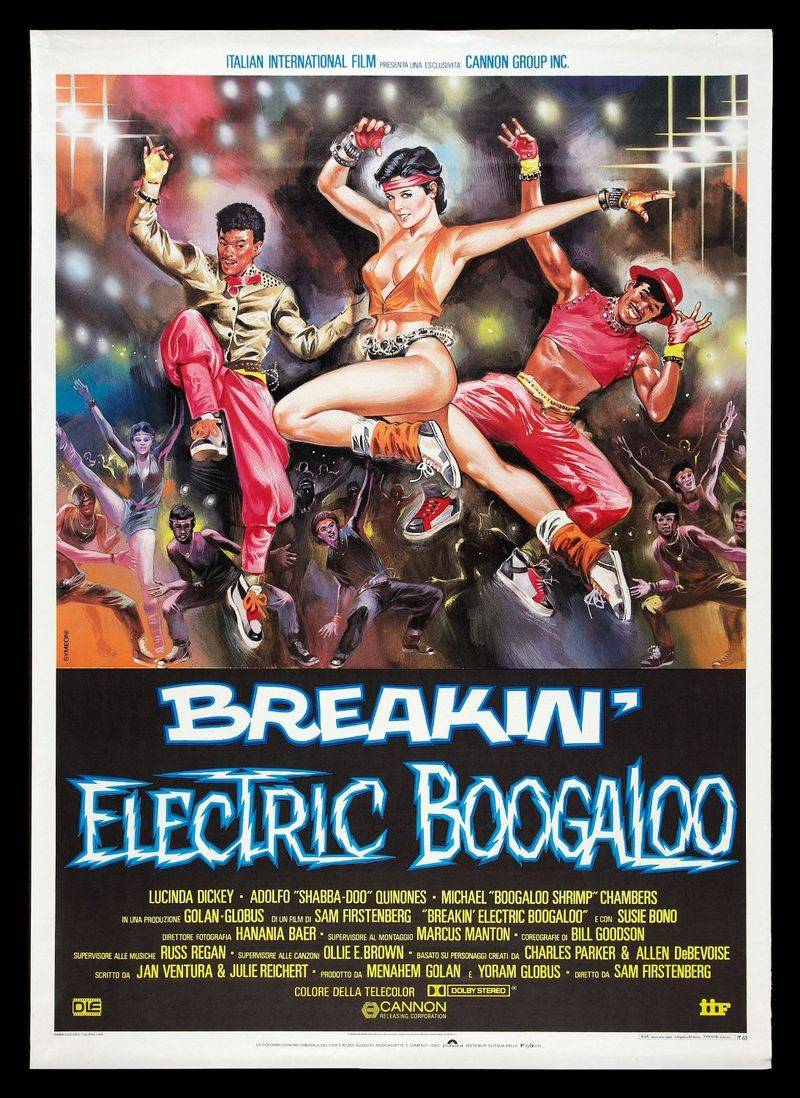
The original Breakin’ was already a low-budget cash grab riding the breakdancing craze of the early 1980s, but its sequel somehow found a way to be even more formulaic and shallow. Breakin’ 2: Electric Boogaloo arrived just six months after the first film, which tells you everything about how carefully it was crafted.
The plot involves a community center being threatened by greedy developers, which critics noted had been done countless times before. Despite its poor reputation, the title has taken on a life of its own.
People use it as a joke reference for any unnecessary sequel to this day.
11. Mannequin (1987)
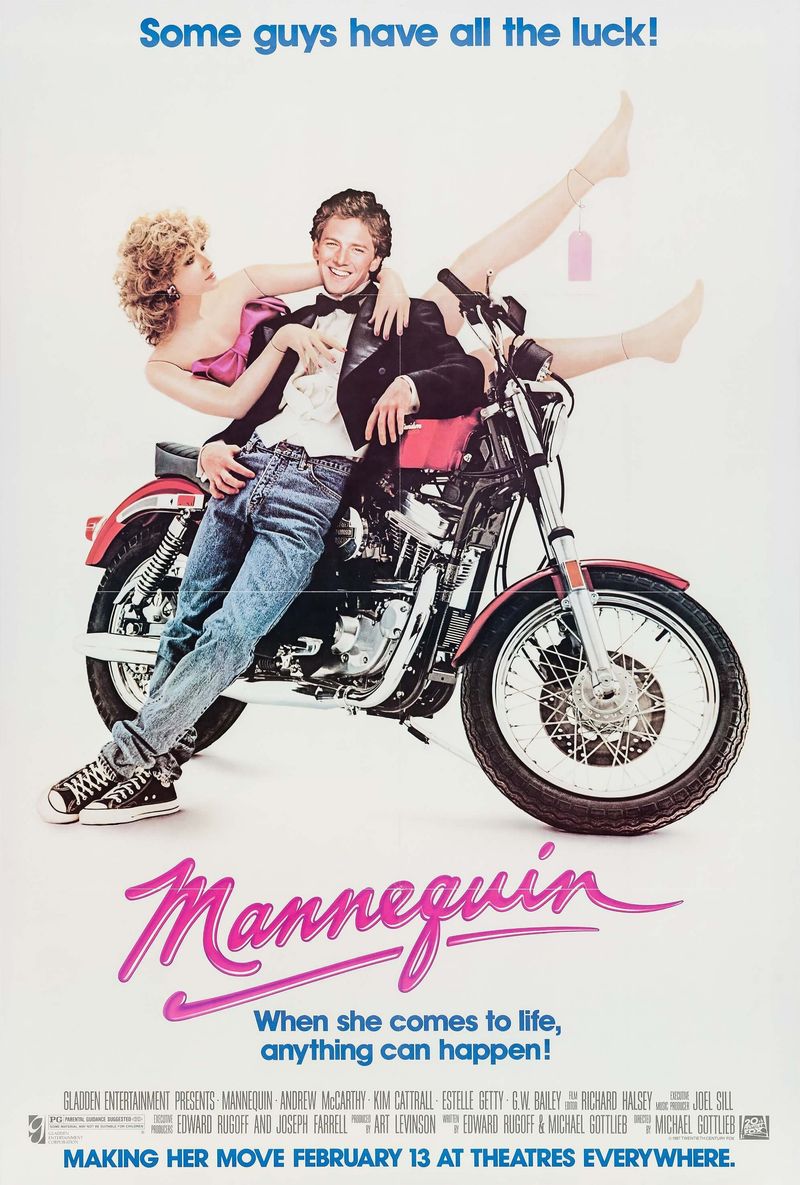
Romance films rely on chemistry between their leads, but it is admittedly tricky when one of those leads is a store mannequin. Mannequin starred Andrew McCarthy as a window dresser who falls in love with a display dummy that comes to life only when they are alone together.
Critics found the premise too thin to sustain an entire movie and called the humor flat. Audiences were more forgiving at the box office, giving it a modest hit.
Still, it consistently appears on lists ranking the cheesiest and most forgettable romantic comedies the decade had to offer.
12. Xanadu (1980)
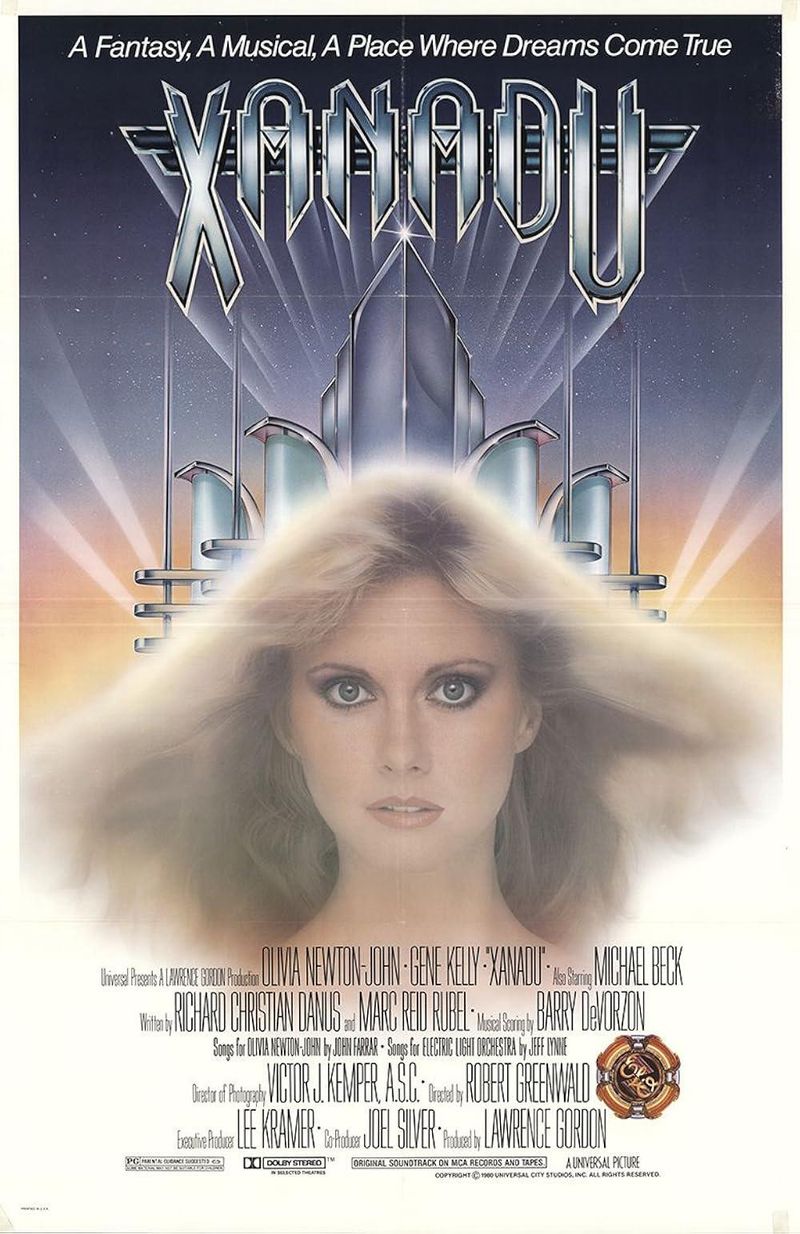
Roller disco was at its absolute peak when Xanadu hit theaters in 1980, so the timing seemed perfect for a musical fantasy film built entirely around the trend. What audiences got instead was a baffling story involving Greek muses, a magical nightclub, and an inexplicable animated sequence in the middle.
Olivia Newton-John starred alongside Gene Kelly in his final film role, but even their charm could not save the messy script. Critics savaged it immediately.
Interestingly, Xanadu inspired the creation of the Razzie Awards, which were invented specifically because of how bad this film was considered to be.
13. Staying Alive (1983)
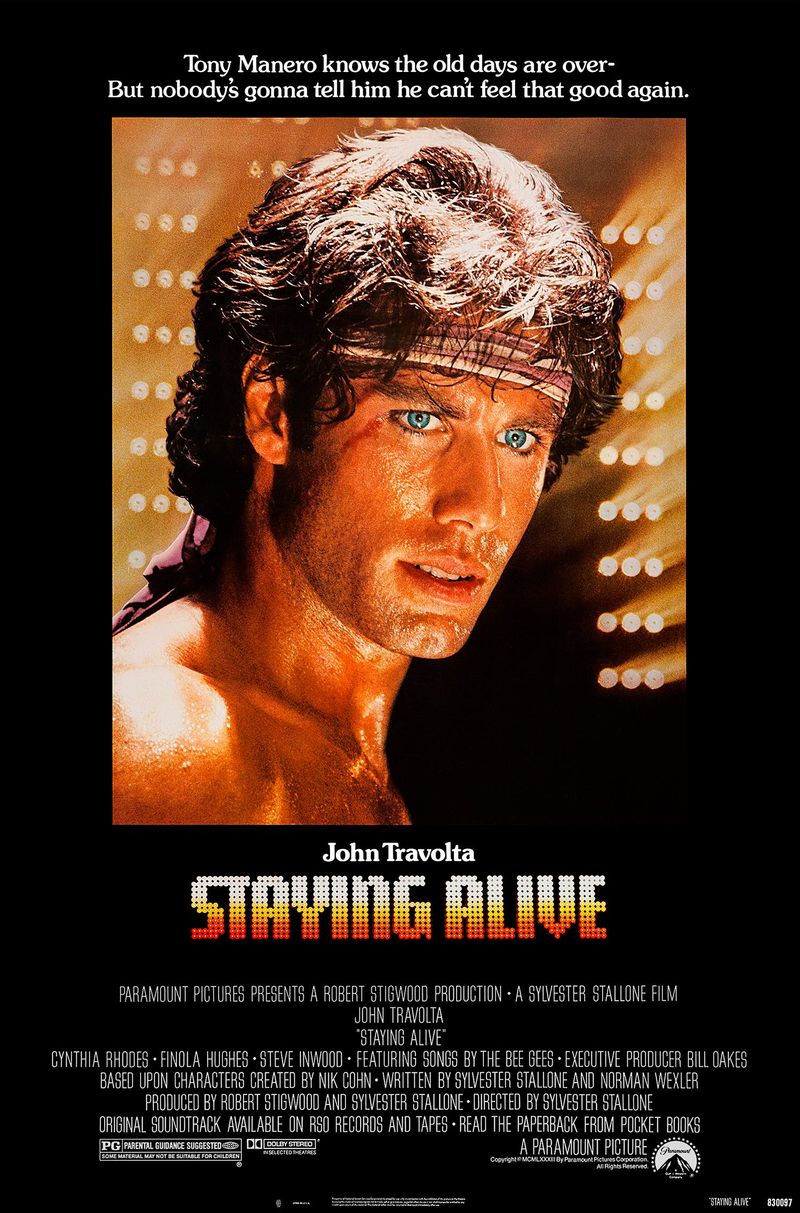
Saturday Night Fever is considered a genuine classic of the 1970s, so a sequel starring John Travolta should have been a safe bet. Staying Alive took Tony Manero from the disco floors of Brooklyn to the competitive world of Broadway dancing, which sounds exciting enough on the surface.
Sylvester Stallone directed and co-wrote this one, and critics felt his touch turned a dance film into something closer to a musclebound action movie with choreography. The story was thin, the characters were shallow, and the film earned several Razzie nominations.
Travolta’s career took a significant hit following its release.
14. Grease 2 (1982)
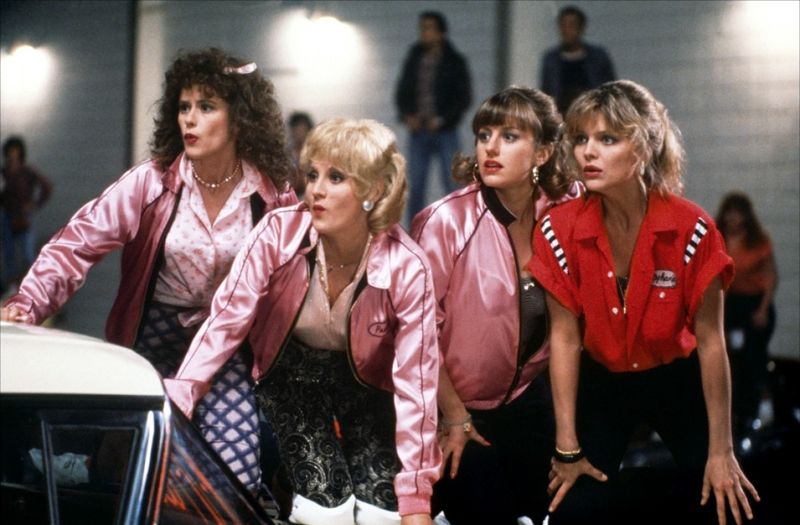
Following up one of the most beloved movie musicals of all time was always going to be a nearly impossible task. Grease 2 tried by introducing a brand new cast and flipping the original story, this time featuring a British boy trying to impress a tough Pink Lady girl.
Critics felt the songs were forgettable and the energy of the original was completely absent. Maxwell Caulfield and Michelle Pfeiffer starred, though Pfeiffer has since joked about her embarrassment over the film.
It bombed hard at the box office and spent years near the top of worst-sequel lists.
15. Cobra (1986)
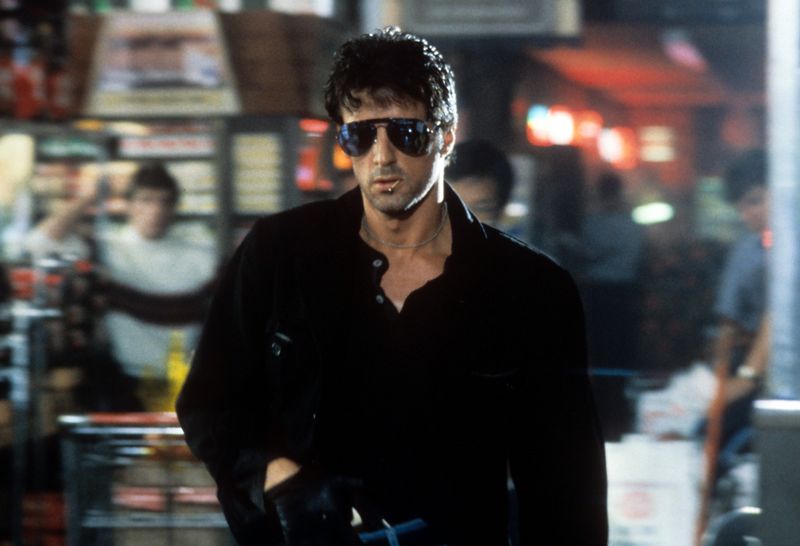
Sylvester Stallone was riding incredibly high in the mid-1980s thanks to Rocky and Rambo, which made Cobra feel like a guaranteed hit. The film cast him as a renegade cop who operates completely outside the rules while hunting a vicious serial killer terrorizing Los Angeles.
Critics called it a shallow, ultraviolent film with almost no story holding it together beyond action sequences. The dialogue was mocked relentlessly, and Stallone’s character came across as more of a caricature than a hero.
It cleaned up at the box office despite terrible reviews, but it has aged very poorly since.
16. Krull (1983)
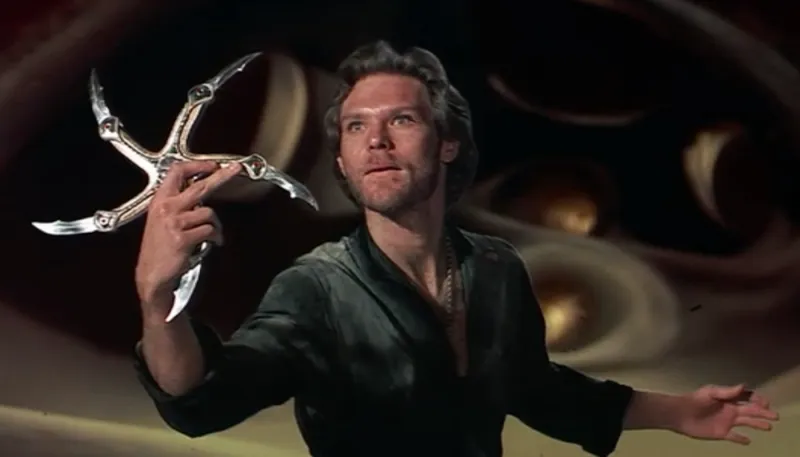
Fantasy and science fiction were hot properties after Star Wars, and studios were eager to replicate that success throughout the early 1980s. Krull attempted to blend both genres by placing a medieval hero on an alien planet while fighting a shape-shifting villain called the Beast.
The concept was genuinely ambitious, but the execution left critics cold. The pacing was sluggish, the characters felt underdeveloped, and the film cost a fortune to make while earning far less in return.
Fans of campy fantasy films have given it some affection over the years, but it remains a commercial and critical disappointment.
17. The Pirate Movie (1982)
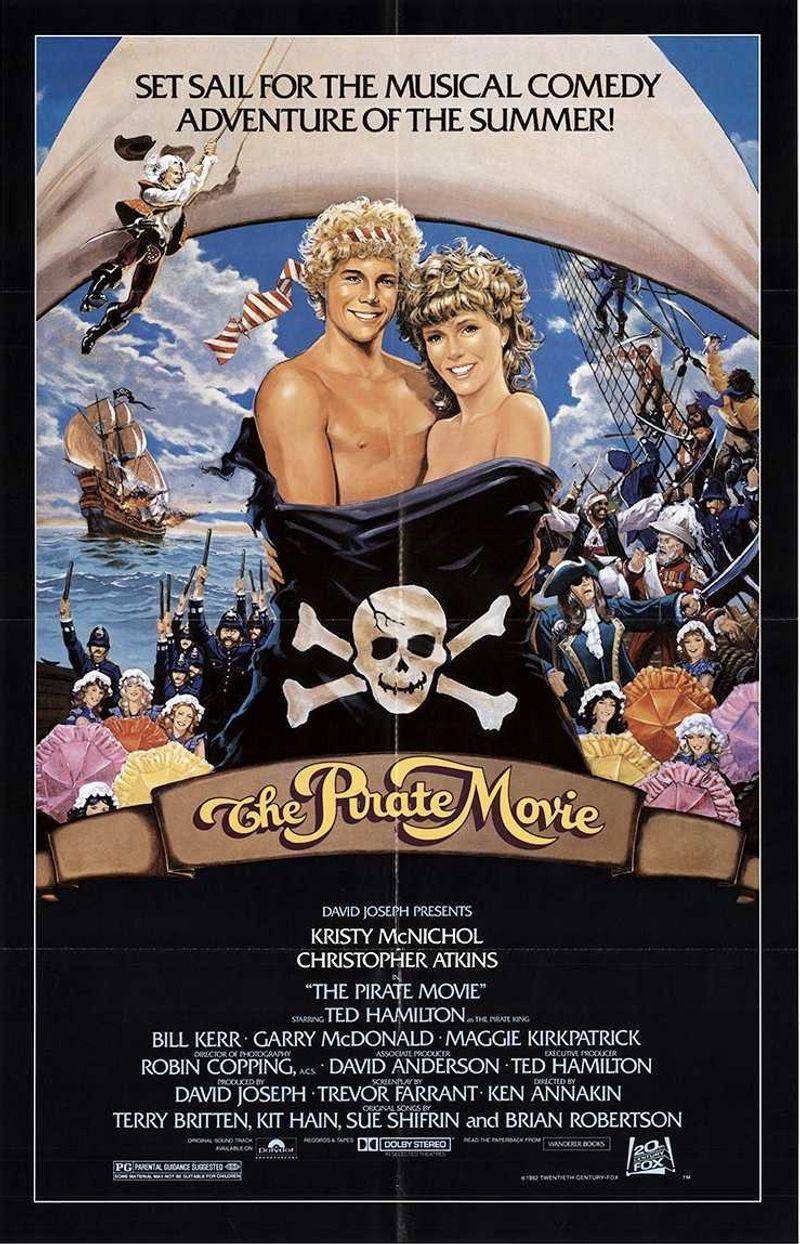
Gilbert and Sullivan’s The Pirates of Penzance is a beloved classic of musical theater, so adapting it for a teen audience in 1982 seemed like it could be fun. The Pirate Movie added pop songs, cheesy jokes, and a dream-sequence framing device that critics found more annoying than clever.
Australian actors Kristy McNichol and Christopher Atkins starred, but neither could rescue the material from its own awkwardness. It won several Razzie Awards and was largely ignored by audiences.
Film historians now point to it as an example of how badly Hollywood could misread what young moviegoers actually wanted.
18. Megaforce (1982)
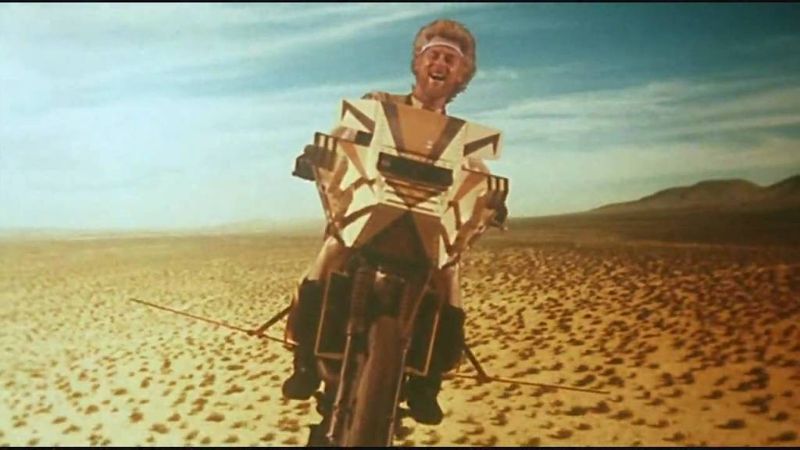
Imagine a movie where the hero escapes in a flying motorcycle while giving a thumbs up to the camera, and you have a pretty good sense of what Megaforce was going for tonally. This action film followed an elite international military force battling a mercenary army, which sounds exciting enough.
Unfortunately, the special effects were laughably cheap, the plot made little sense, and the whole film felt more like a long toy commercial than a serious action movie. It bombed spectacularly at the box office.
The thumbs-up flying motorcycle scene has since become one of the most mocked moments in 1980s cinema history.
19. Cannonball Run II (1984)
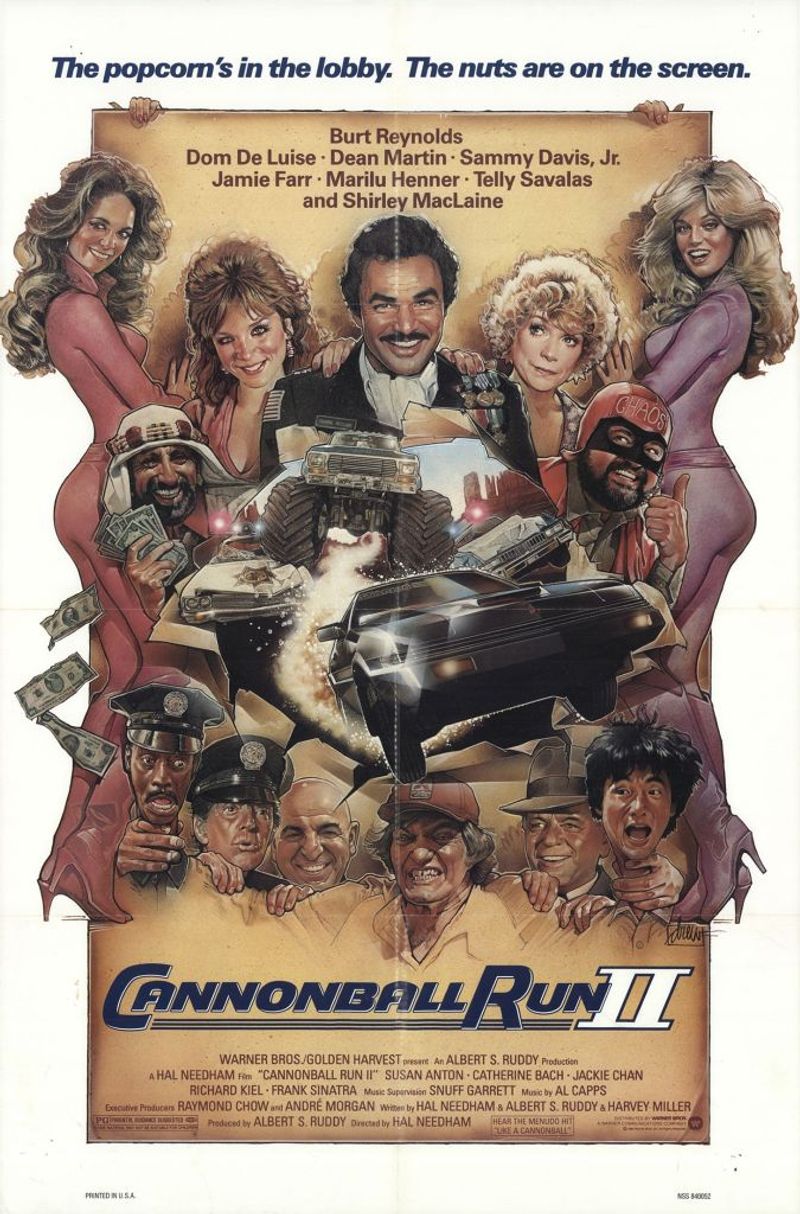
The original Cannonball Run had a certain scrappy, fun energy that came from watching real-life friends goof around on screen together. Its 1984 sequel tried to recapture that spirit by packing in an even bigger celebrity cast, including Frank Sinatra, Shirley MacLaine, and Dean Martin among many others.
Critics were not impressed, calling it a lazy collection of inside jokes and half-finished gags that only the cast seemed to be enjoying. Audiences showed up in decent numbers out of nostalgia, but reviews were brutal.
It stands as a prime example of how chasing the charm of an original can go completely wrong.