
Step back in time to a world where your dinner depended on who you were and where you lived. During the Middle Ages, from roughly the 5th to the 15th century, European people ate foods that were simple, seasonal, and deeply connected to the land.
Peasants, knights, monks, and kings all had very different plates, but they shared a food culture shaped by farming, trade, and survival. Exploring what medieval Europeans ate gives us a fascinating window into their daily lives.
1. Bread Made from Barley, Rye, and Wheat
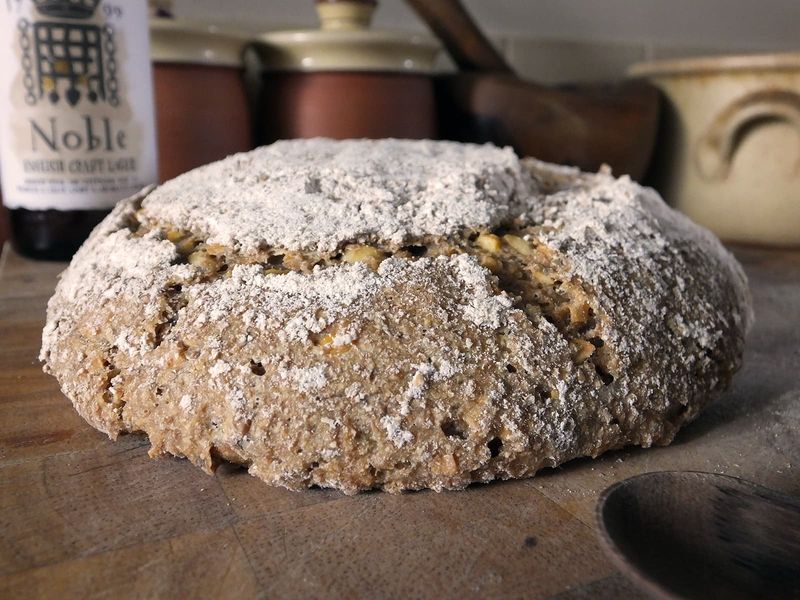
Bread was the heartbeat of the medieval diet. Almost everyone ate it every single day, but not the same kind.
Peasants got the dark, dense loaves made from barley or rye, while wealthy nobles enjoyed soft white bread baked from finely milled wheat.
The darker loaves were heavier and harder to digest, but they filled empty stomachs. Bakers in villages were community figures, and the type of bread you ate basically announced your social rank before you even spoke.
2. Pottage – The Peasant’s Daily Stew
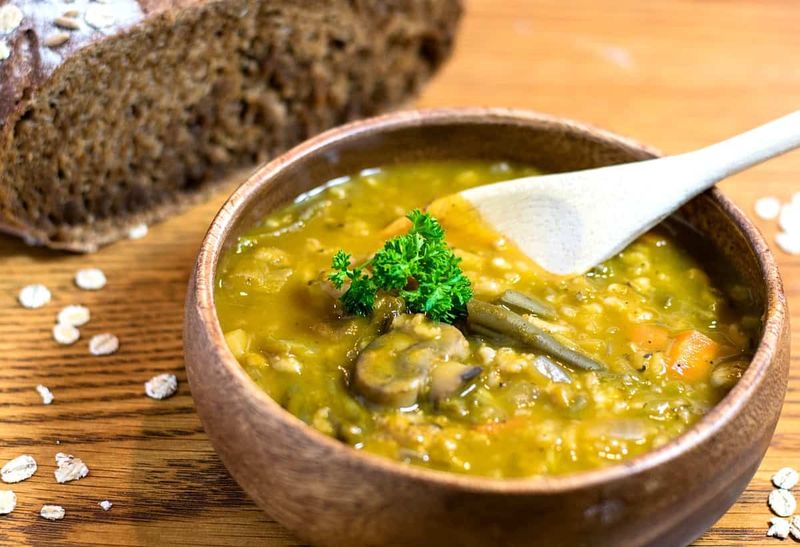
If there was one dish that defined peasant life in the Middle Ages, pottage was it. This thick, hearty stew was made by simmering whatever was on hand, usually grains, legumes, onions, and whatever vegetables the garden offered that season.
On lucky days, a bit of salted pork or fish got tossed in for extra flavor. Pottage was cooked in a single pot over the fire and eaten morning, noon, and night.
Simple? Yes.
But it kept millions of people alive for centuries.
3. Pork – The Most Popular Meat
Pork ruled the medieval meat world. Pigs were kept by peasants and nobles alike because they were easy to raise, ate scraps, and could be slaughtered in autumn when feeding them through winter became too costly.
Every part of the pig was used, nothing wasted.
Bacon, sausages, and salted pork helped families survive the cold months when fresh food was scarce. Even the fat was saved for cooking.
Pork truly was the original farm-to-table protein of the medieval world.
4. Salted Fish and Herring
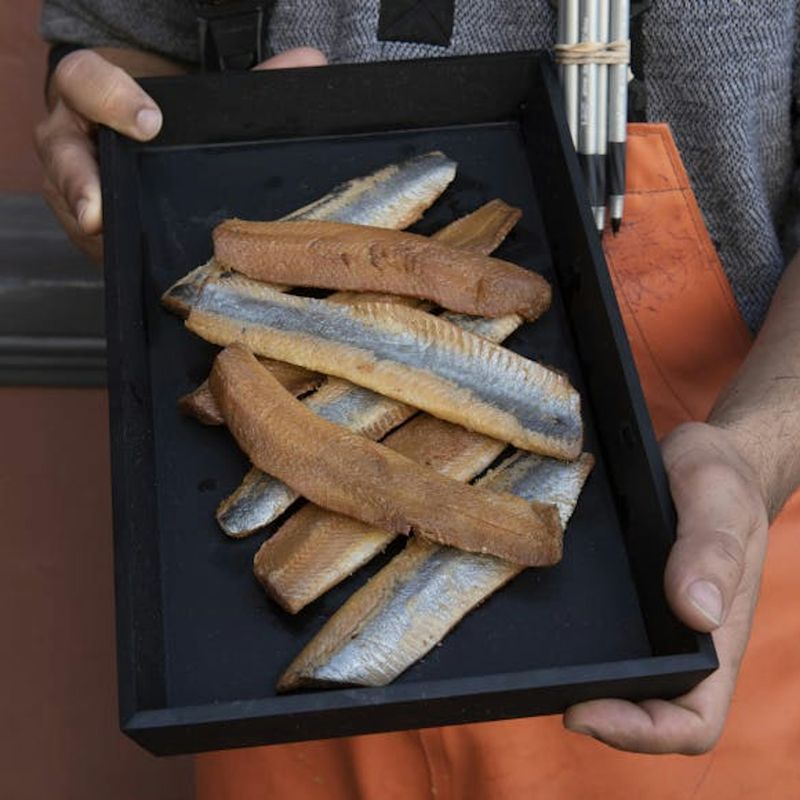
Before refrigerators existed, salt was basically magic. Salting fish allowed communities far from the coast to enjoy protein-rich meals year-round.
Herring and cod were caught in enormous quantities, packed in salt, and shipped across Europe on trading routes.
The Catholic Church required fasting from meat on Fridays and during Lent, which made fish incredibly important. Markets were flooded with salted herring during religious seasons.
For many medieval families, a barrel of salted fish meant the difference between a fed household and a hungry one.
5. Cabbage, Onions, and Root Vegetables
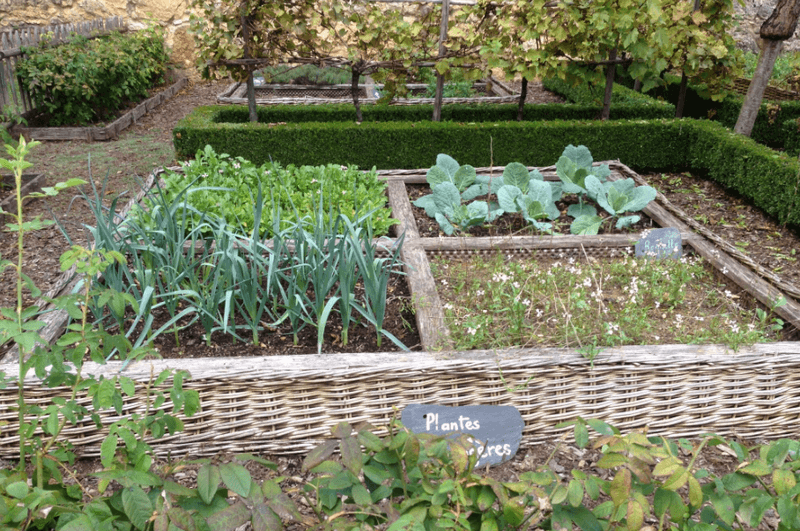
Long before supermarkets stocked exotic produce, medieval Europeans grew their own vegetables in small garden plots called kitchen gardens. Cabbage, onions, leeks, turnips, and carrots were the backbone of everyday cooking, especially for lower-class families who could not afford meat.
Onions were practically currency in flavor, making bland grain dishes taste like something worth eating. Cabbage was boiled into soups or added to pottage.
These humble vegetables did not get much glory, but they absolutely kept medieval Europe fed through countless harsh winters.
6. Beans, Peas, and Lentils
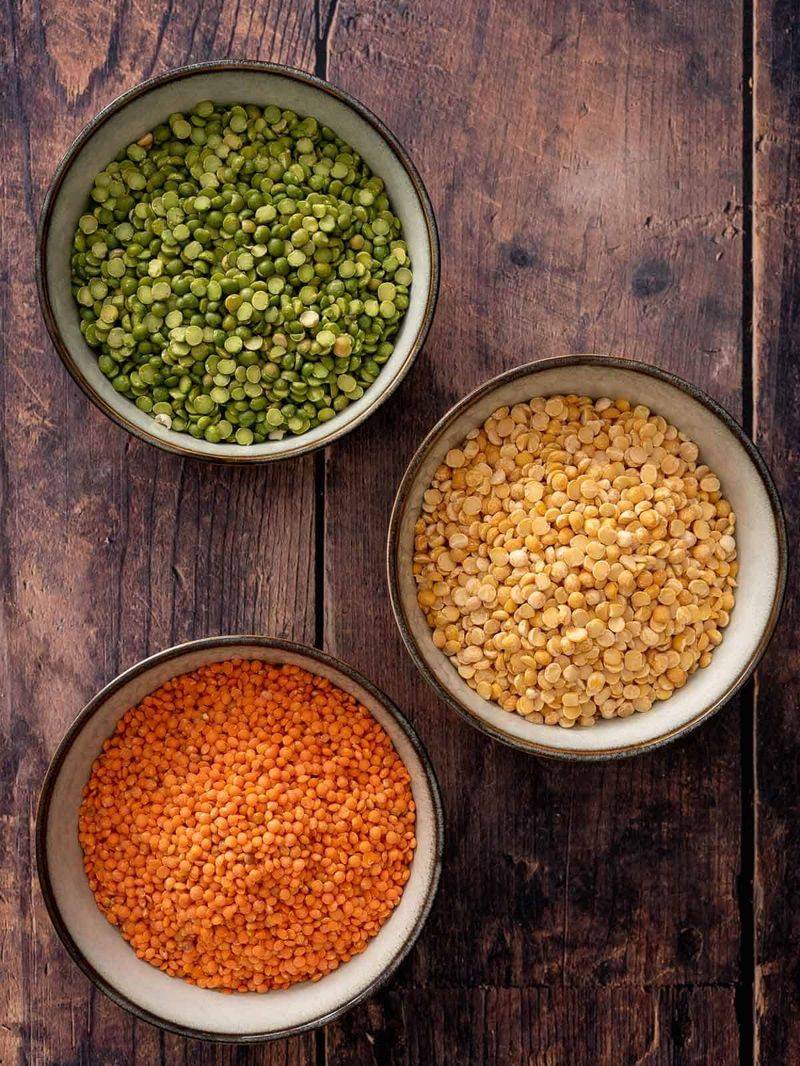
Legumes were the unsung heroes of medieval nutrition. Beans, peas, and lentils packed a serious protein punch for peasants and monks who rarely had access to fresh meat.
They were dried, stored easily, and cooked into thick soups or added to pottage throughout the year.
Monks living in monasteries relied heavily on legumes since their religious rules often restricted meat eating. Fun fact: lentil soup recipes from the Middle Ages look surprisingly similar to ones people still cook today.
Some flavors truly are timeless.
7. Cheese and Dairy Products
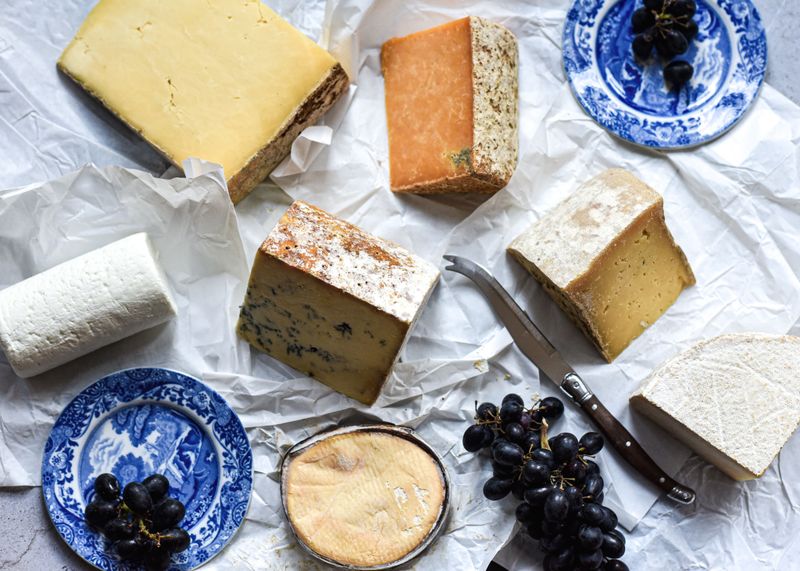
Cheese was one of the most practical foods in the medieval world. Milk spoiled fast, but turning it into cheese meant it could last for weeks or even months.
Peasants who kept cows or goats made fresh cheese regularly as a reliable protein source.
Famous varieties like Brie from France, Gouda from the Netherlands, and Cheddar from England actually have medieval origins. Butter was also churned and used in cooking, especially in Northern Europe.
Dairy was not just food, it was a survival strategy built into everyday farm life.
8. Ale and Mead – The Drinks of Choice

Here is something surprising: drinking water in medieval Europe was genuinely risky. Rivers and wells were often contaminated, so ale became the everyday drink for men, women, and even children.
It was brewed weak enough that kids could have it at meals without much effect.
Mead, made by fermenting honey with water, was sweeter and considered more festive, often served at celebrations and feasts. Both drinks provided calories and were safer than untreated water.
Brewing ale was a common household skill, especially among women known as alewives.
9. Game Meats Reserved for Nobility
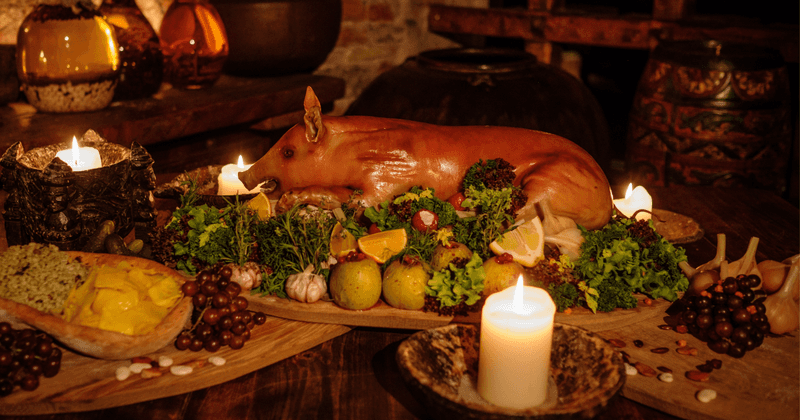
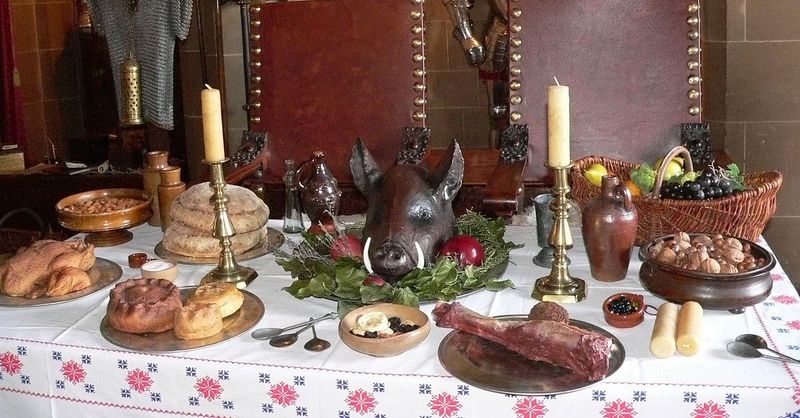
Venison, wild boar, pheasant, and swan were not foods for ordinary people. Hunting was a privilege tightly controlled by kings and nobles across medieval Europe.
Forests were declared royal hunting grounds, and peasants caught poaching could face brutal punishment.
For the nobility, a grand feast featuring roasted game animals was a powerful display of wealth and status. Elaborate presentation mattered as much as taste.
Cooks sometimes reassembled cooked peacocks in their feathers just to impress guests. Medieval noble dining was as much theater as it was a meal.
10. Spices Like Pepper, Cinnamon, and Saffron
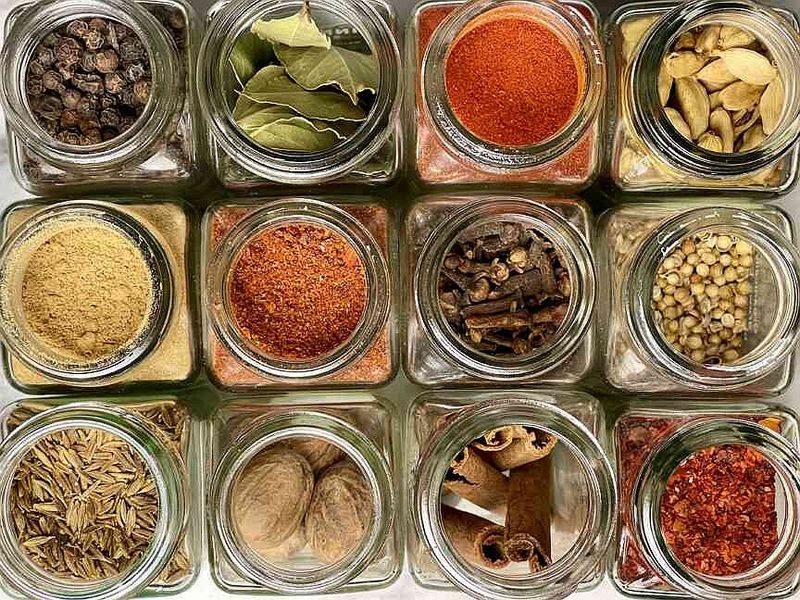
Spices were the luxury goods of the medieval world, worth more per ounce than gold in some cases. Pepper, cinnamon, ginger, cloves, and saffron arrived in Europe via long trade routes from Asia and the Middle East, making them incredibly expensive and exclusive.
Wealthy households used spices generously to show off their riches, not just to season food. Heavily spiced dishes signaled power and sophistication at noble tables.
Some historians believe the search for cheaper spice trade routes was one reason Europeans eventually began exploring the wider world.
11. Apples, Pears, and Seasonal Fruits
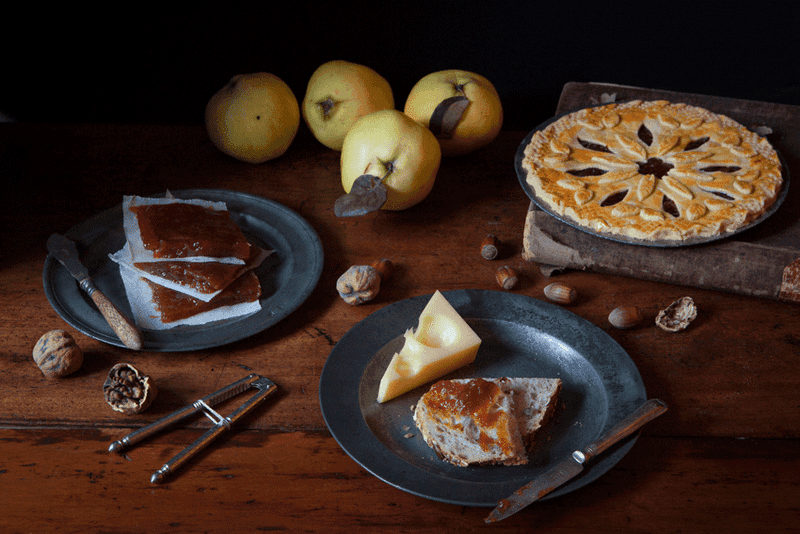
Orchards were a common sight near medieval villages and monasteries, producing apples, pears, cherries, and plums throughout the warmer months. Fresh fruit was enjoyed in season, but it was also stewed with honey, dried, or fermented into cider and perry to last through winter.
In Southern Europe, grapes, figs, and pomegranates added variety to the diet, while citrus fruits were rare treats imported from warmer regions. Dried figs and dates were considered luxuries in Northern Europe, often appearing at wealthy tables as a sign of exotic taste.
12. Olive Oil and Mediterranean Staples
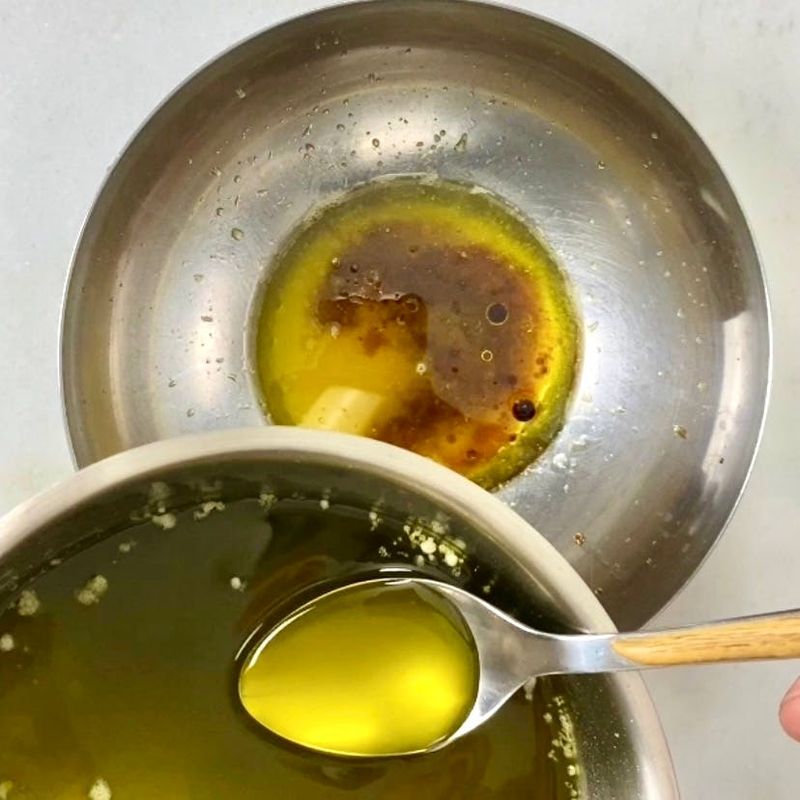
Southern Europe had a noticeably different food culture than the cold, butter-heavy north. In Mediterranean regions like Italy, Spain, and southern France, olive oil was the fat of choice for cooking and preserving food.
Grapes were pressed into wine, which was consumed daily by nearly everyone.
Figs, pomegranates, and citrus fruits grew abundantly in the warm climate, giving southern diets a bright, varied flavor profile. The Mediterranean medieval diet looks remarkably similar to what nutrition experts today call one of the healthiest eating patterns in the world.