
Some of the most beloved TV shows in history almost never made it to your living room. Behind the laughs, the drama, and the unforgettable characters were real battles with nervous network executives, failed pilots, and skeptical test audiences.
It is hard to imagine life without shows like Friends or Seinfeld, yet both came dangerously close to being canceled before they even began. These behind-the-scenes stories remind us that even the greatest ideas sometimes need a second chance.
1. Star Trek: The Original Series
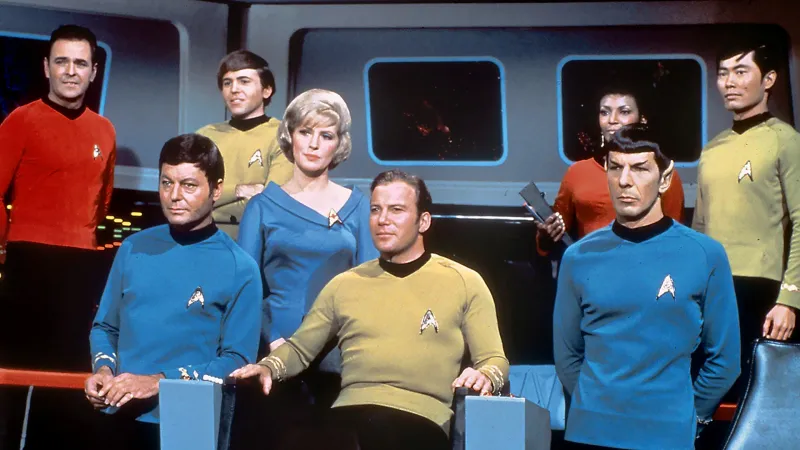
NBC executives watched the first pilot episode of Star Trek and called it too cerebral for average viewers. They rejected it outright, which was almost the end of Gene Roddenberry’s dream.
But rather than giving up, NBC made an unusual move and ordered a second pilot, something almost unheard of in television history.
That second chance gave us Captain Kirk, Spock, and the USS Enterprise. The show launched a franchise spanning movies, spin-offs, and generations of devoted fans worldwide.
2. I Love Lucy
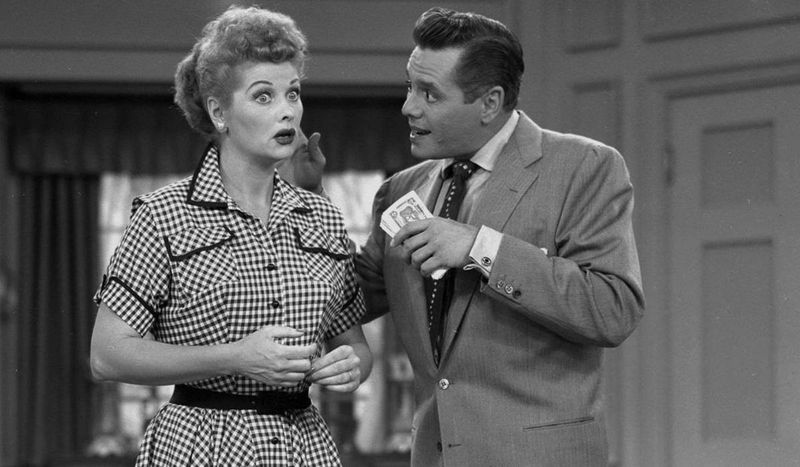
CBS executives had one big problem with Lucille Ball’s dream show: her real-life husband, Desi Arnaz. The network worried American audiences would not accept an interracial couple on their television screens.
It felt like a wall that could not be knocked down through meetings alone.
So Lucy and Desi hit the road and performed live shows across the country to prove their chemistry was undeniable. The audiences loved them, CBS gave in, and television history was made forever.
3. Seinfeld
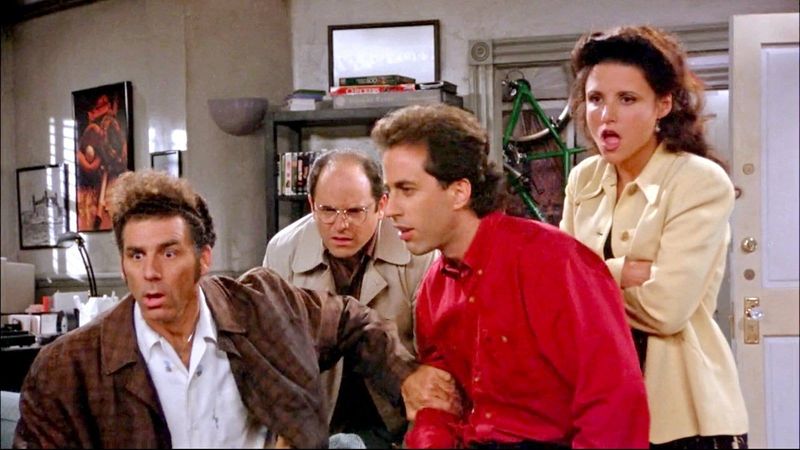
Focus groups hated the Seinfeld pilot. They found the characters unlikable, the jokes confusing, and the whole concept too niche for mainstream audiences.
NBC was not exactly thrilled either, ordering only four episodes, the smallest series order in TV history at that point.
That tiny bet turned into one of the most quoted, most watched, and most celebrated sitcoms ever made. Sometimes the shows nobody believes in become the ones everybody talks about for decades.
4. Friends
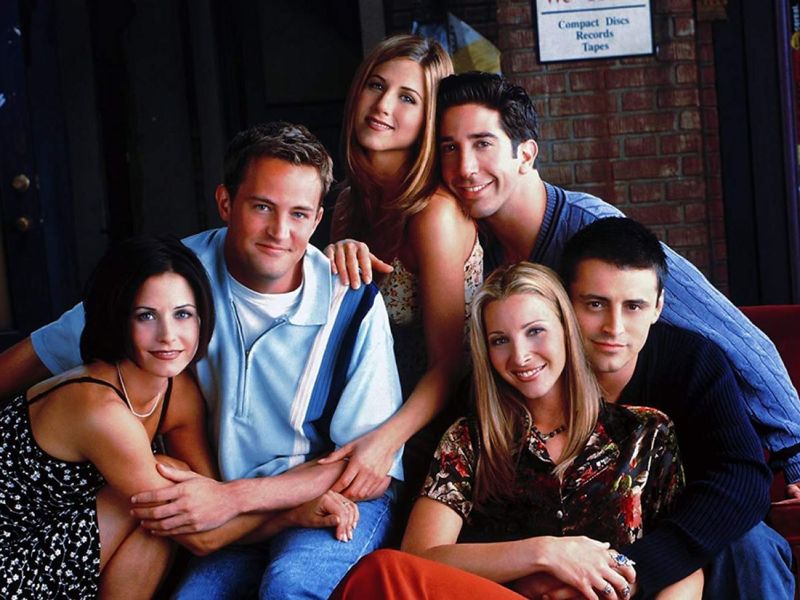
When test audiences sat down to watch the Friends pilot, the reaction was underwhelming at best. NBC executives seriously debated pulling the plug before the show even officially premiered.
The chemistry that would later make the cast legendary simply did not translate clearly in early screenings.
Luckily, the network held on. When Friends finally aired, real audiences responded with genuine enthusiasm, and the show ran for ten seasons, becoming a comfort classic for millions around the world.
5. The Big Bang Theory
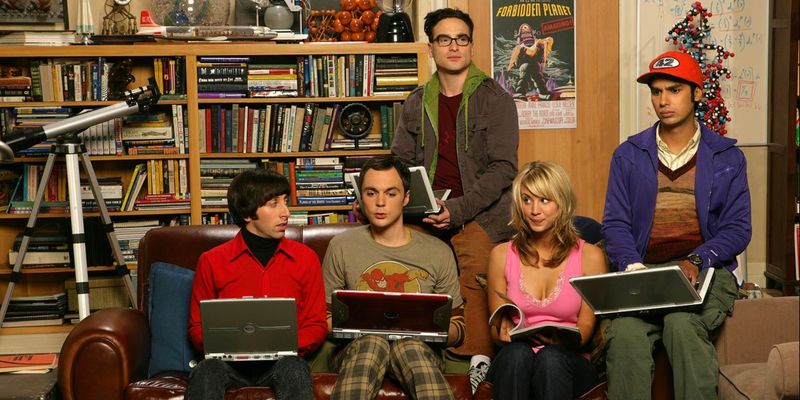
Even co-creator Chuck Lorre admitted the original Big Bang Theory pilot was a disaster. The characters were different, the tone was off, and CBS rejected the whole thing after the first screening.
Most creators would have walked away, but Lorre asked for one more shot.
CBS agreed, the characters were rebuilt from scratch, and the revamped show became one of the longest-running and highest-rated sitcoms in modern television history. Rejection, it turns out, can be a creative gift.
6. Breaking Bad
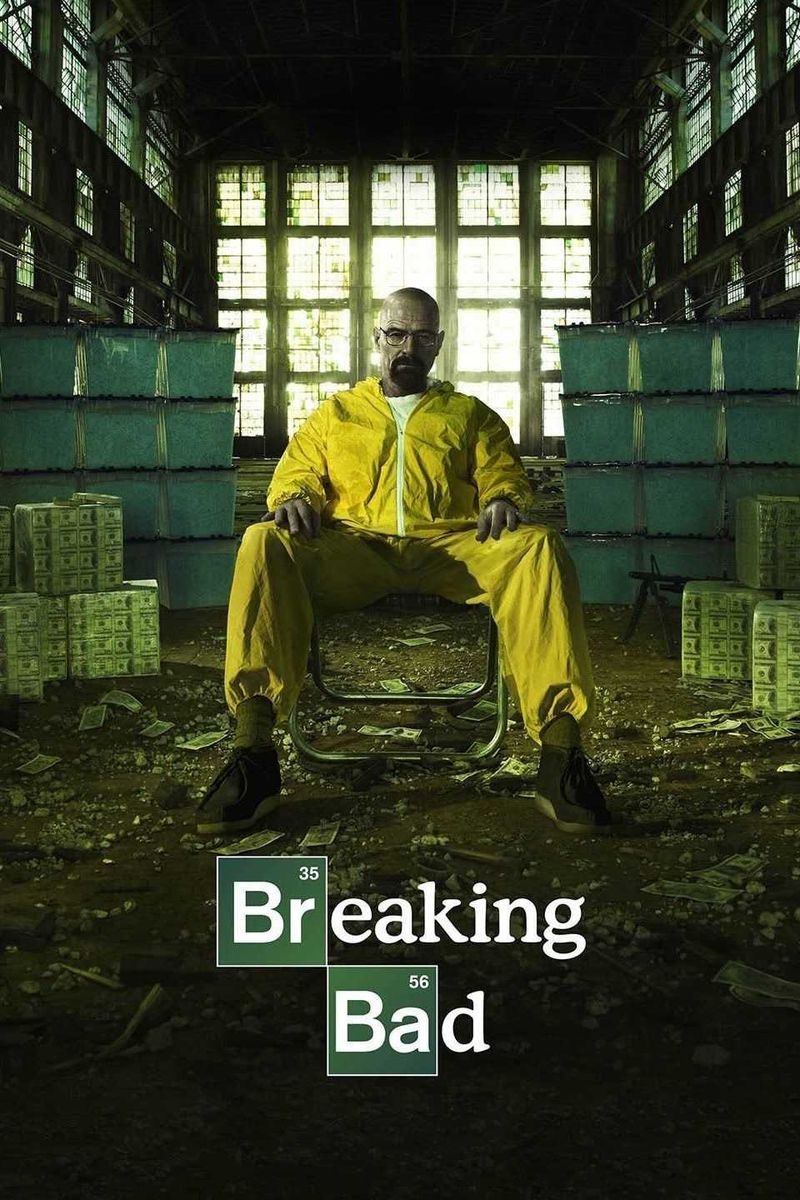
Before Walter White became television’s most famous anti-hero, Breaking Bad nearly fell apart during early development. AMC was a network better known for classic films than original dramas, and many insiders doubted the dark story of a chemistry teacher turned drug manufacturer would find any audience at all.
Creator Vince Gilligan pitched the show to multiple networks before AMC took a chance. That gamble produced one of the most critically acclaimed dramas in television history, winning award after award.
7. The Office (US Version)
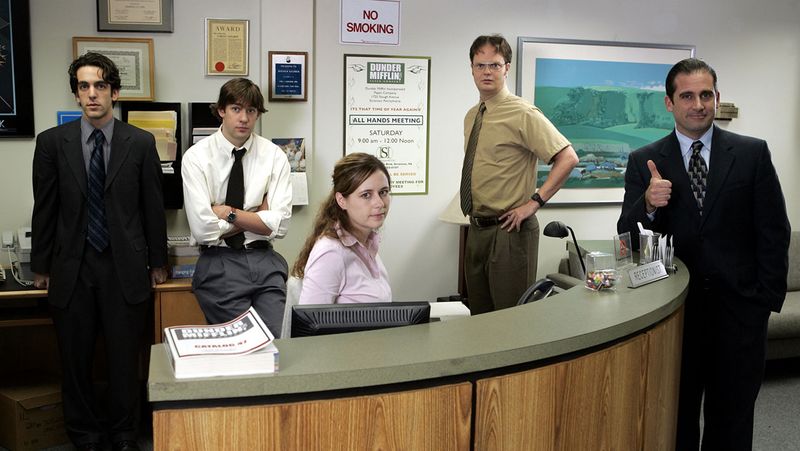
Adapting a beloved British comedy for American audiences felt like a recipe for failure to many critics. The early reviews for The Office US pilot were brutal, with most commentators saying it was an unnecessary copy of Ricky Gervais’s original.
NBC almost pulled the show after the rocky start.
Showrunner Greg Daniels pushed forward, gave the characters more depth, and built a cast that clicked beautifully. By season two, The Office had found its own voice and a massive, loyal fanbase.
8. Cheers
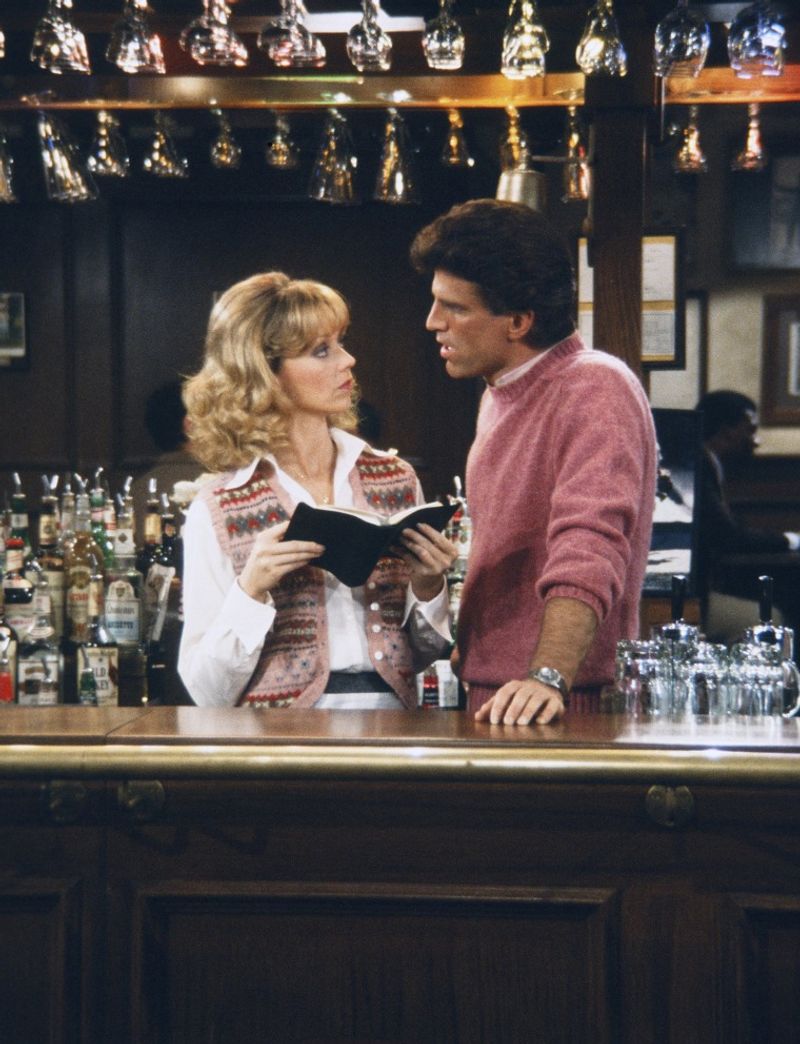
When Cheers debuted in 1982, it finished last in the Nielsen ratings for its entire first season. NBC executives faced real pressure to cancel the show before it found its audience.
Staying the course felt risky when advertisers were pulling back and ratings refused to budge.
The network held firm, and by season two, word of mouth began to spread. Cheers went on to run for eleven seasons and win 28 Emmy Awards, proving that patience in television can truly pay off.
9. Parks and Recreation
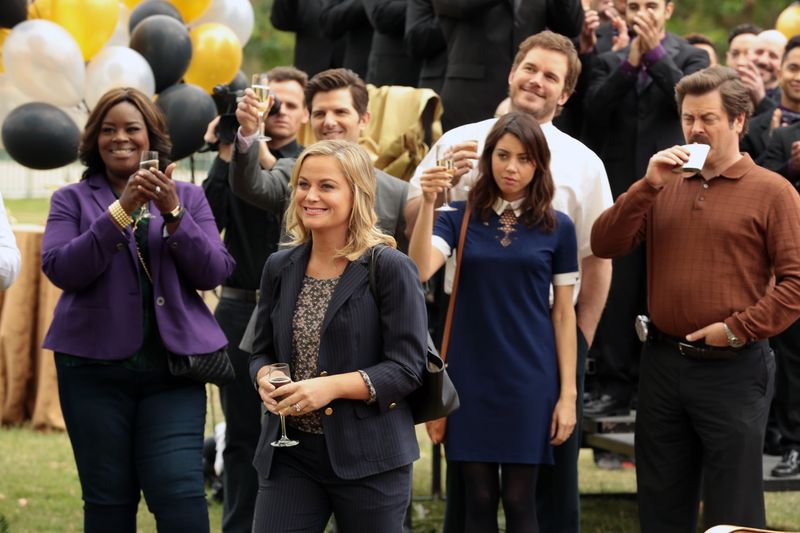
Parks and Recreation had a rough start that even its biggest fans admit was painful to watch. The first season leaned too heavily on a mockumentary style similar to The Office, and audiences were not connecting with the characters at all.
Critics called it a weak imitation.
Then something shifted. The writers gave Leslie Knope a genuine warmth and optimism that made her irresistible.
Seasons two through seven transformed the show into one of the most heartfelt and funny comedies of its era.
10. Arrested Development
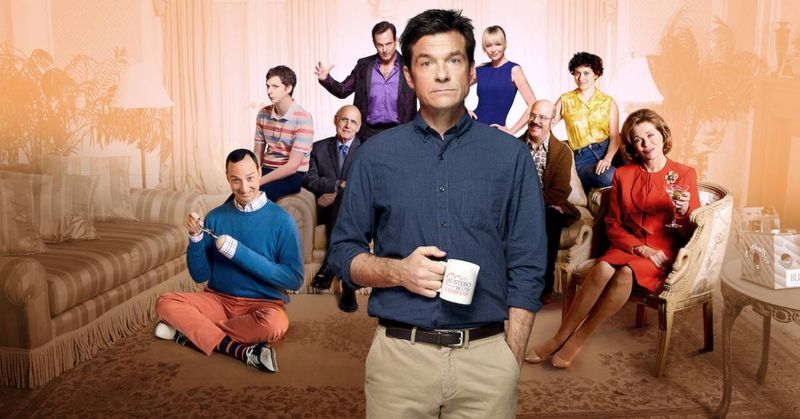
Fox gave Arrested Development some of the worst scheduling treatment in television history, moving it around constantly and barely promoting it. Despite critical raves and a passionate cult following, ratings stayed stubbornly low throughout its original three-season run.
The show was canceled in 2006, leaving fans heartbroken.
Years later, Netflix revived it, proving that truly original comedy can outlast the network decisions that once tried to bury it. Arrested Development is now considered one of the smartest sitcoms ever written.
11. Frasier
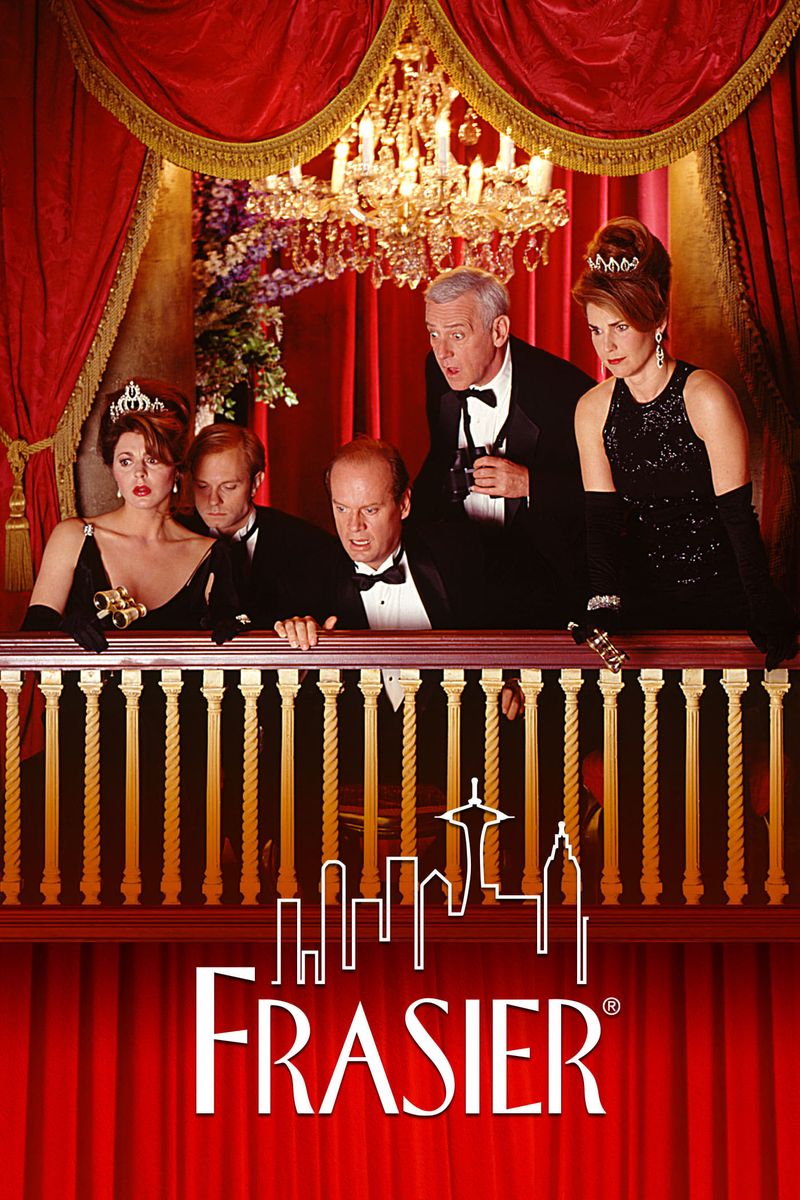
Spinning off a beloved character from Cheers felt like a gamble that most industry insiders expected to fail. Frasier Crane had been a supporting player, not a leading man, and building an entirely new show around him seemed like a long shot.
Early skepticism from critics was loud and clear.
The premiere surprised everyone by delivering sharp writing and a perfectly assembled cast. Frasier went on to win 37 Emmy Awards, making it one of the most decorated comedies in American television history.
12. The Wire
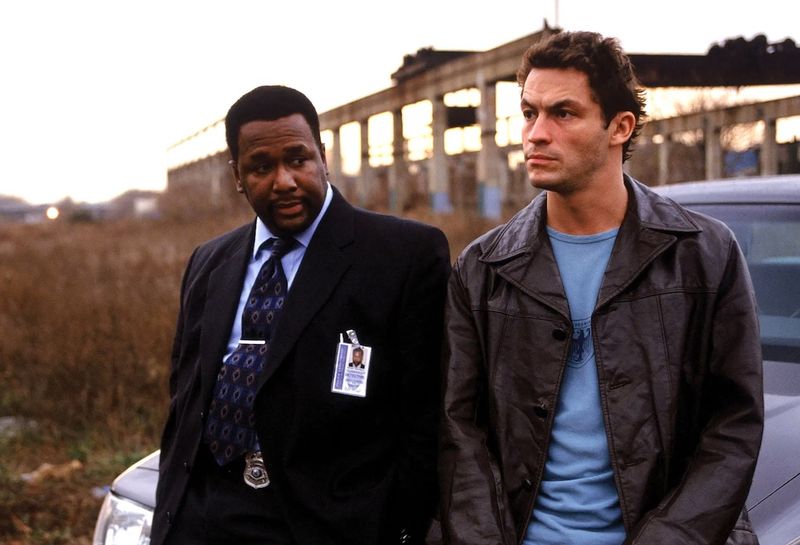
HBO almost did not greenlight The Wire because creator David Simon’s pitch was dense, slow-moving, and deliberately challenging for audiences used to faster crime dramas. Executives worried it lacked the hooks needed to pull viewers in week after week.
Early ratings were modest at best.
Critics, however, were paying close attention. Over time, word spread that The Wire was something genuinely different, a layered portrait of a city.
Today it is regularly called the greatest television drama ever produced.
13. Buffy the Vampire Slayer
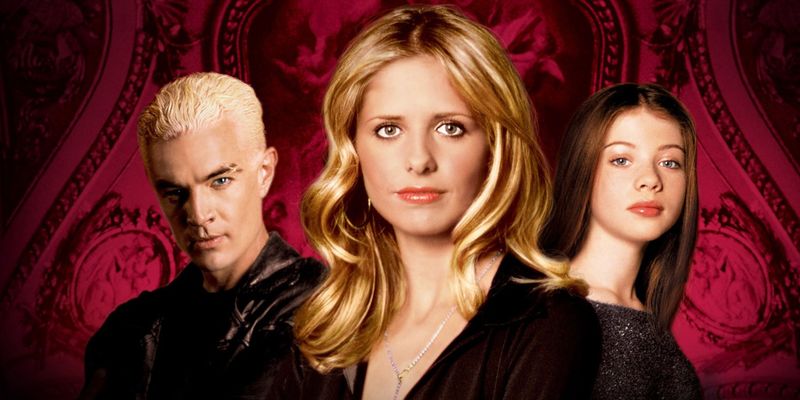
Buffy the Vampire Slayer began as a 1992 movie that flopped badly, leaving creator Joss Whedon deeply frustrated with how his original vision had been mishandled. Turning that failure into a TV series felt like an uphill battle that few people in Hollywood believed was worth fighting.
The WB network took a chance on a midseason debut in 1997, and the show quickly developed a devoted following. Buffy became a cultural touchstone, praised for its sharp writing, feminist themes, and emotional storytelling.
14. M*A*S*H
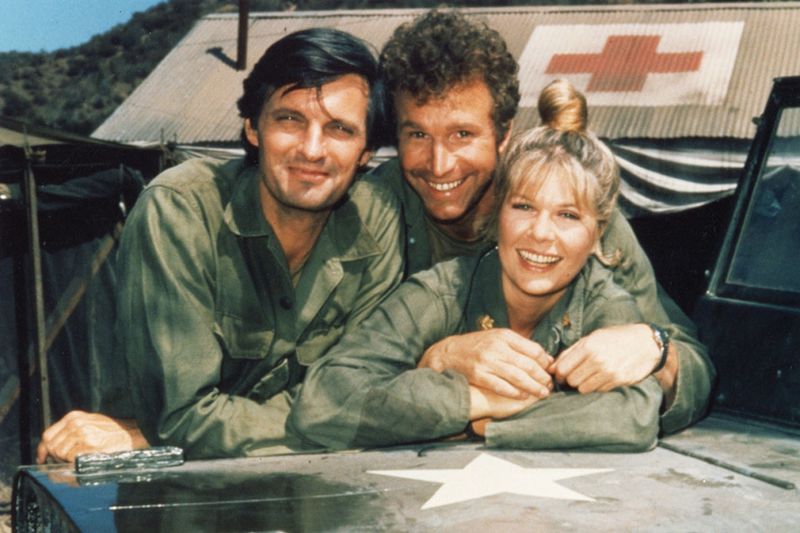
M*A*S*H was based on both a novel and a 1970 film, and CBS executives were genuinely unsure whether a comedy set inside a bloody military field hospital would find any audience at all. The subject matter felt too dark, too political, and too uncomfortable for primetime entertainment.
Audiences disagreed completely. The show ran for eleven seasons, far outlasting the actual Korean War.
Its series finale in 1983 remains one of the most watched single episodes in American television history.
15. Twin Peaks
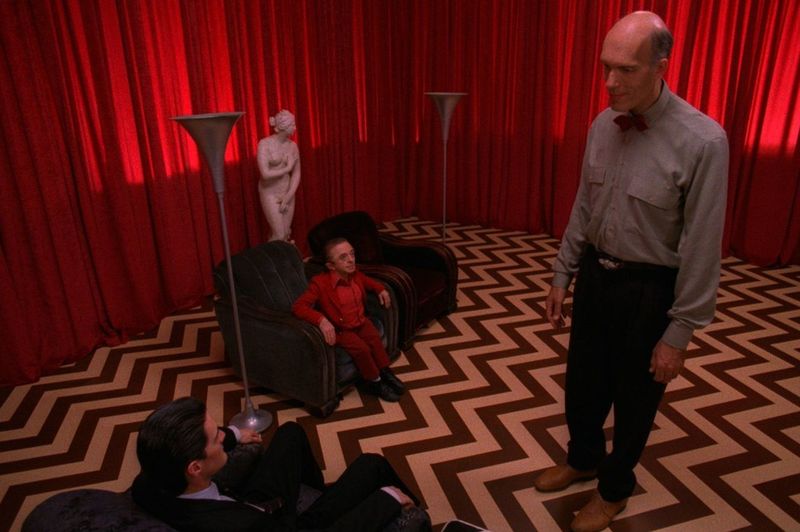
ABC executives reportedly had no idea what to make of David Lynch and Mark Frost’s strange murder mystery set in a quirky logging town. The pilot was unlike anything on network television at the time, blending soap opera, horror, and surreal humor in ways that defied easy description.
Against all expectations, the premiere drew massive ratings in 1990. Twin Peaks changed what audiences and creators believed television storytelling could be, opening the door for decades of ambitious, unconventional drama that followed.