
Every generation grows up with habits and routines that feel totally normal to them but seem strange to the next group coming along. Baby Boomers built their lives around practices that worked perfectly well before smartphones, the internet, and digital everything took over.
Millennials often scratch their heads wondering why anyone would do things the old way when easier options exist. These 23 Boomer habits are a fascinating window into how much daily life has changed.
1. Reading Physical Newspapers Every Single Morning

Picture waking up, shuffling to the front porch in your slippers, and grabbing a folded newspaper still slightly damp with morning dew. For Boomers, this ritual was sacred.
The rustling of pages, the smell of fresh ink, the feeling of holding the whole world in your hands felt irreplaceable.
Millennials find this puzzling when news updates arrive on their phones instantly. But Boomers trusted printed words in a way that digital headlines rarely earn today.
2. Writing Personal Checks for Everyday Purchases

At the grocery store, a Boomer would pull out a checkbook, carefully write the date, payee, and amount, then tear it out with practiced precision. To them, checks felt official, traceable, and trustworthy.
It was financial responsibility made visible on paper.
Millennials raised on Venmo and tap-to-pay cards find this process almost comically slow. Yet the checkbook represented something meaningful, a personal signature on every dollar spent, which felt more intentional than a quick digital tap.
3. Clipping Coupons from Sunday Newspapers
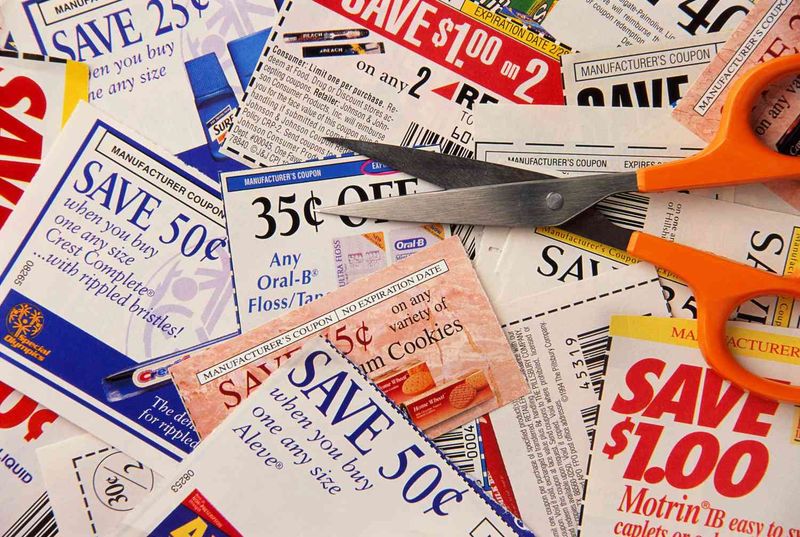
Sunday mornings had a special ritual beyond church and brunch. Boomers would spread out the newspaper inserts and get to work with scissors, carefully clipping coupons for cereal, laundry detergent, and canned soup.
Organized into little accordion folders, those coupons felt like tiny victories waiting to happen.
Millennials use apps like Honey or Rakuten for instant savings. But there was real satisfaction in physically saving a coupon and watching the register total drop at checkout.
4. Paying Cash for Big-Ticket Items
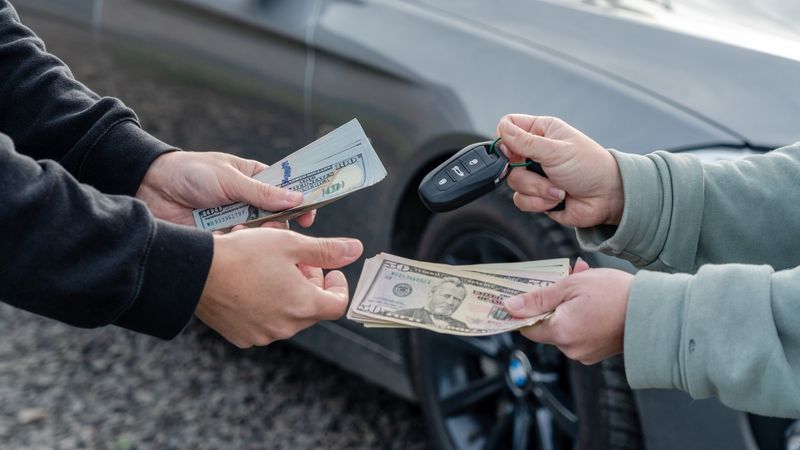
Boomers often saved up and paid cash for furniture, appliances, or even cars. Walking in with an envelope of bills meant no debt, no interest, and no monthly payments haunting them later.
It was freedom bought with patience and discipline.
Millennials tend to finance purchases through credit cards or buy-now-pay-later apps, seeing credit as a useful tool rather than something to avoid. Paying cash upfront for a car today would genuinely shock most dealership employees under forty.
5. Sticking Strictly to 9-to-5 Office Hours
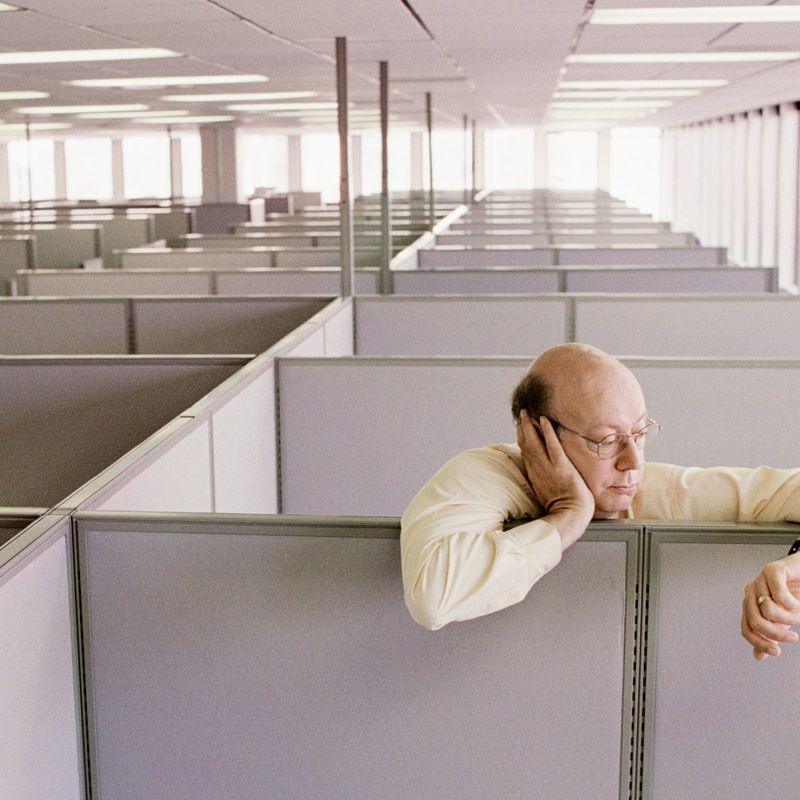
For Boomers, the workday had clear edges. You arrived at nine, left at five, and whatever did not get done waited until tomorrow.
Work stayed at the office because there was no laptop to bring it home, and that boundary felt healthy and respected by most employers.
Millennials working remotely often blur those edges constantly, answering emails at midnight. Ironically, the rigid 9-to-5 that once seemed limiting now looks like a luxury many younger workers secretly wish they could reclaim.
6. Ironing Absolutely Every Piece of Clothing
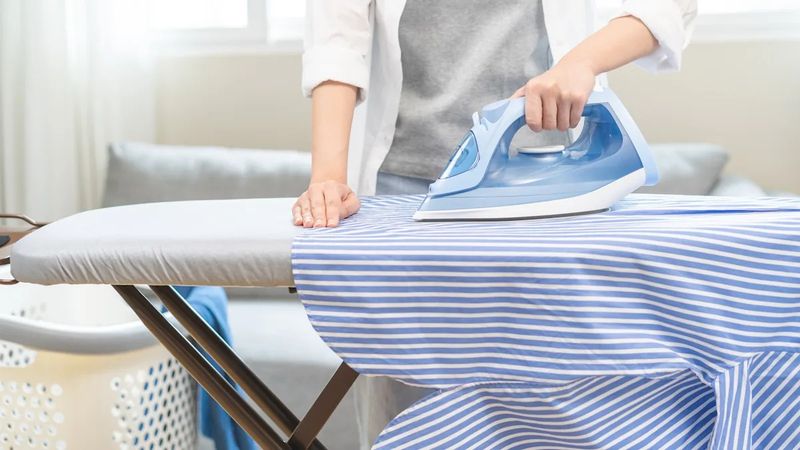
Wrinkles were practically a moral failure in Boomer households. Shirts, slacks, even pillowcases sometimes got a thorough pressing before anyone walked out the door.
The rhythmic glide of a hot iron over fabric was almost meditative, and the crisp results felt genuinely satisfying.
Millennials mostly reach for wrinkle-release sprays or just toss clothes back in the dryer for ten minutes. Owning an ironing board still happens, but using it regularly?
That is a different story entirely.
7. Saving Every Plastic Bag and Margarine Container

Opening a Boomer’s kitchen cabinet could feel like discovering a plastic bag museum. Grocery bags were folded neatly into balls or stuffed into a bigger bag hanging on a doorknob.
Margarine tubs became leftover containers, and Cool Whip bowls stored anything from buttons to rubber bands.
Millennials see this as hoarding clutter, preferring sleek glass containers. But honestly, Boomers were accidentally ahead of the sustainability movement, reusing everything long before eco-friendly living became trendy.
8. Keeping a Physical Phone Book by the Telephone
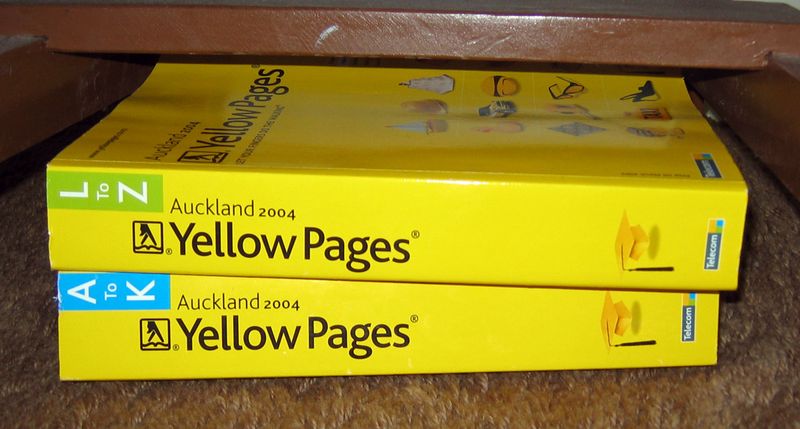
Before Google existed, finding someone’s phone number meant hauling out a thick yellow or white pages directory and flipping through alphabetical listings by hand. Boomers did this without complaint, and many kept personal address books filled with handwritten numbers for friends and family.
Millennials cannot imagine life without instant digital search, making the phone book feel almost prehistoric. Yet those directories were remarkably thorough community records, connecting neighborhoods in a way that feels oddly personal compared to a quick online search.
9. Holding Onto Paper Bills and Bank Statements Forever
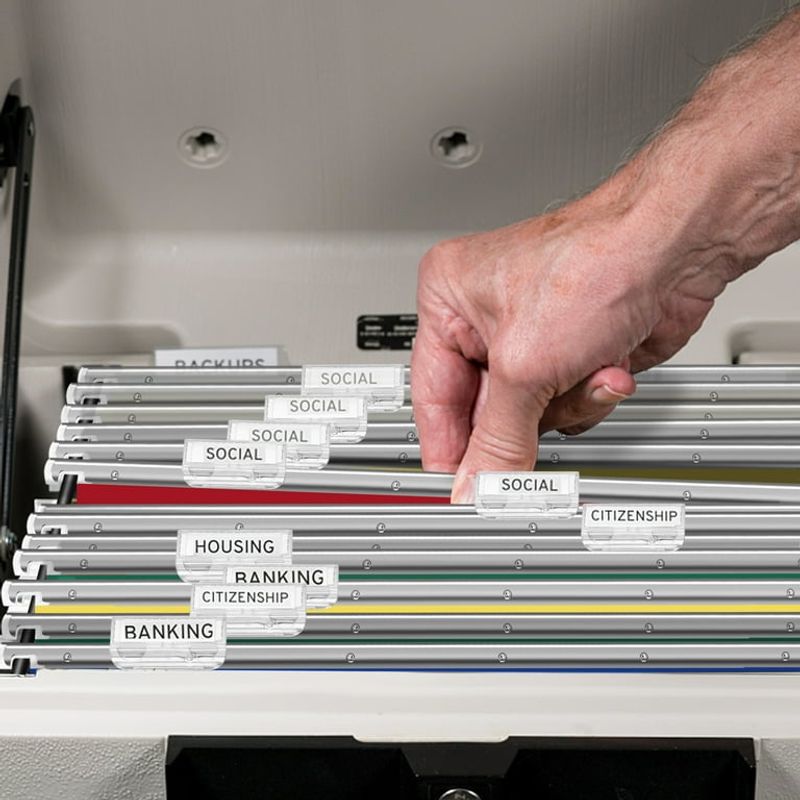
Boomers trusted paper trails completely. Filing cabinets filled with utility bills, bank statements, and old tax returns were standard in most homes.
Shredding a document felt risky, so years worth of paperwork accumulated in organized folders labeled by year and category.
Millennials manage nearly everything through banking apps and email statements, rarely printing anything. The idea of a physical filing cabinet seems almost quaint now.
But when digital systems glitch or accounts get hacked, suddenly that paper trail looks pretty smart.
10. Insisting on Face-to-Face Meetings for Everything

Got a quick question for your boss? Schedule a meeting.
Need to discuss a project update? Better gather the whole team in the conference room.
Boomers believed that real communication happened face to face, and phone calls were a distant second option at best.
Millennials happily resolve the same issues with a two-sentence Slack message or a quick Zoom call. But Boomers had a point about body language and connection.
Some things genuinely do communicate better when people share the same room.
11. Memorizing Phone Numbers by Heart
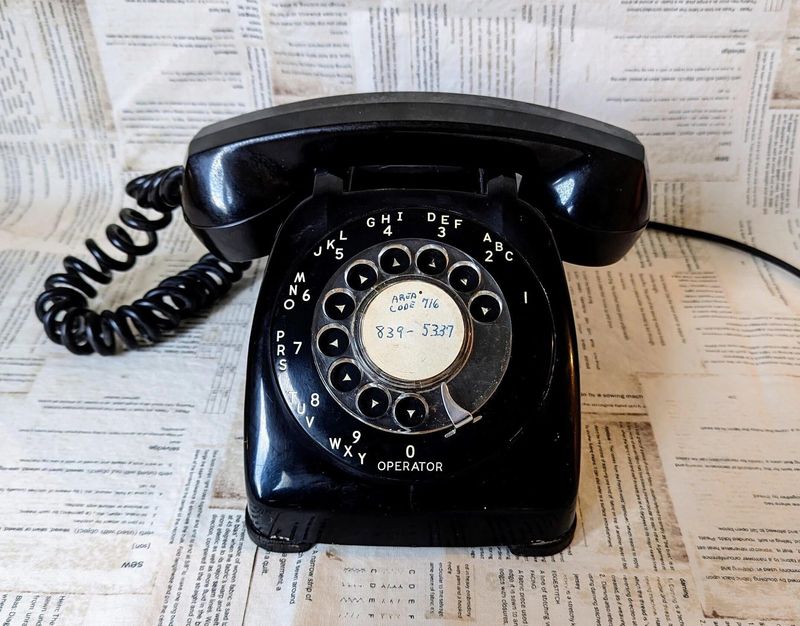
Ask a Boomer their childhood best friend’s phone number and they will probably still recite it without hesitation. Before speed dial and contact lists, remembering numbers was simply a life skill everyone developed naturally.
Seven digits repeated enough times became permanently stored in memory.
Millennials struggle to recall even their own numbers without checking their phones. Smartphones have outsourced memory in ways that feel convenient but come with a trade-off.
Boomers carried their entire social network in their heads, which is honestly kind of impressive.
12. Watching the Evening News at the Same Time Every Night
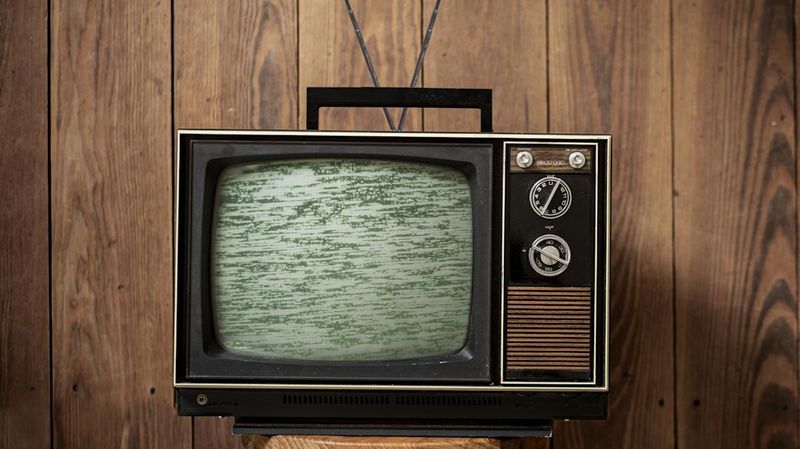
At six o’clock sharp, Boomers sat down and watched the news. No pausing, no rewinding, no choosing when to tune in.
If you missed it, you waited for the eleven o’clock broadcast. News anchors like Walter Cronkite felt like trusted family members delivering the day’s events.
Millennials scroll through news feeds at random hours, curating their own information diet. There is something both freeing and slightly overwhelming about that shift.
Boomers had the comfort of a shared national moment that millennials rarely experience together.
13. Sending Handwritten Thank-You Notes After Every Gift
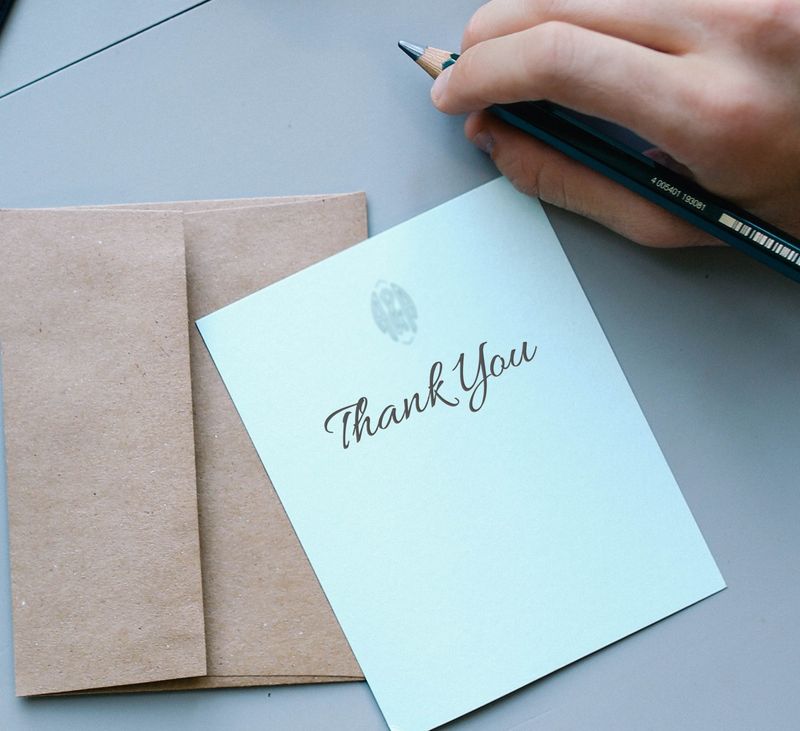
Receiving a gift without sending a handwritten note afterward was considered genuinely rude in Boomer culture. Stationery sets were kept in desk drawers specifically for this purpose, and children were taught early that gratitude required more than a quick verbal thanks or a text message.
Millennials often express thanks through texts or social media posts, which feels immediate but somehow less personal. Handwritten notes carry a warmth that typed words struggle to replicate, which is probably why receiving one today still feels unexpectedly special and touching.
14. Keeping a Rolodex on the Office Desk
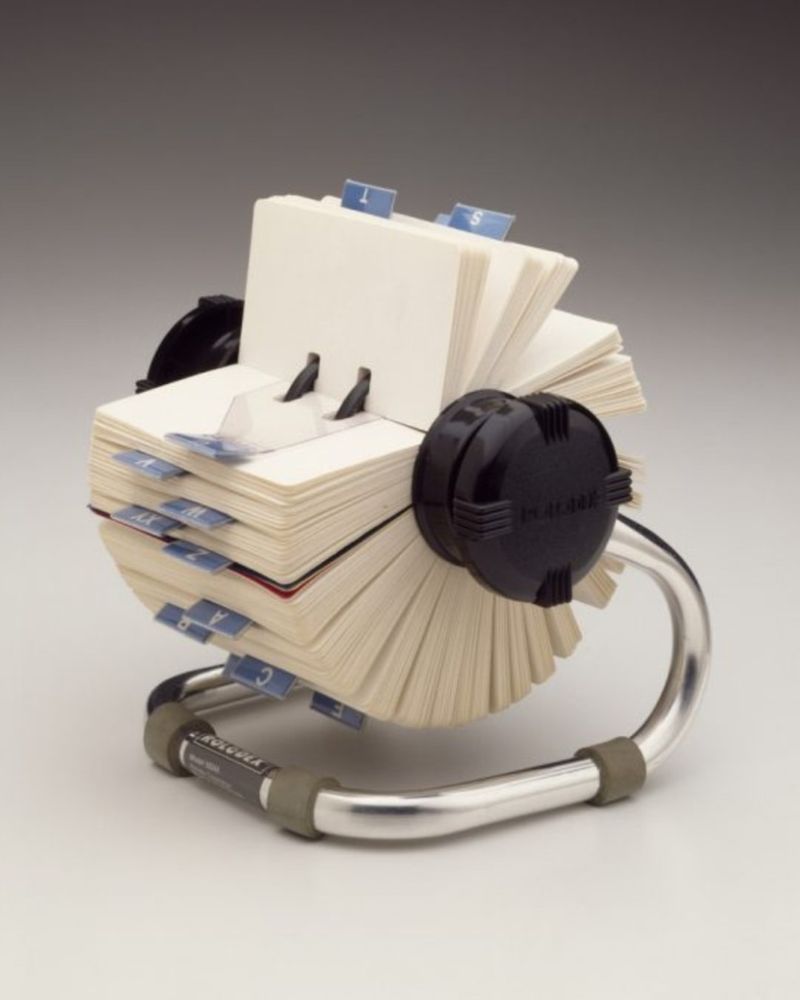
The Rolodex was a Boomer’s professional lifeline. Spinning through alphabetically organized cards to find a colleague’s number felt efficient and satisfying in a tactile way that digital contacts simply cannot match.
A well-stocked Rolodex signaled that you were serious about your professional connections.
Millennials store thousands of contacts effortlessly in their phones and CRMs. But there was something deliberate about maintaining a Rolodex.
Every card represented a real relationship worth keeping. Maybe the modern LinkedIn connection list is the digital Rolodex nobody bothered to name properly.
15. Calling the Operator for Directory Assistance
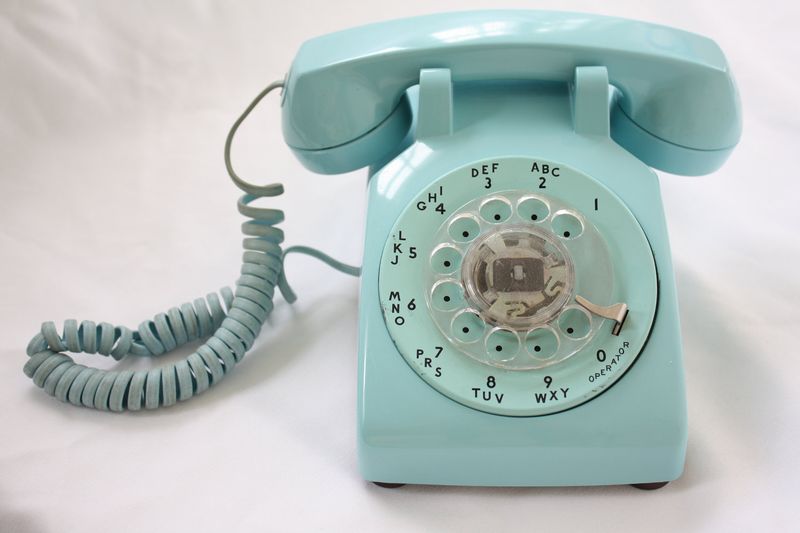
Before search engines, dialing 411 or asking the operator for a phone number was completely standard. Boomers thought nothing of calling a real human being to track down a business address or a long-distance number.
The operator was essentially a voice-powered search engine.
Millennials find this almost unimaginable when a Google search takes under a second. Still, there was something reassuring about a calm human voice on the other end helping you find what you needed.
Customer service once meant an actual person, not an automated menu.
16. Cooking Dinner from Scratch Every Single Night

Takeout was a treat, not a Tuesday. Boomers expected a hot, home-cooked meal on the table most weeknights, and the idea of ordering pizza because nobody felt like cooking would have raised eyebrows in many households.
Meal prep was simply called making dinner.
Millennials rely heavily on delivery apps, meal kits, and frozen options after long work days. Cooking from scratch daily sounds exhausting to many younger adults juggling multiple responsibilities.
But Boomers built real kitchen skills that many millennials are now actively trying to relearn through YouTube tutorials.
17. Using a Paper Map for Every Road Trip
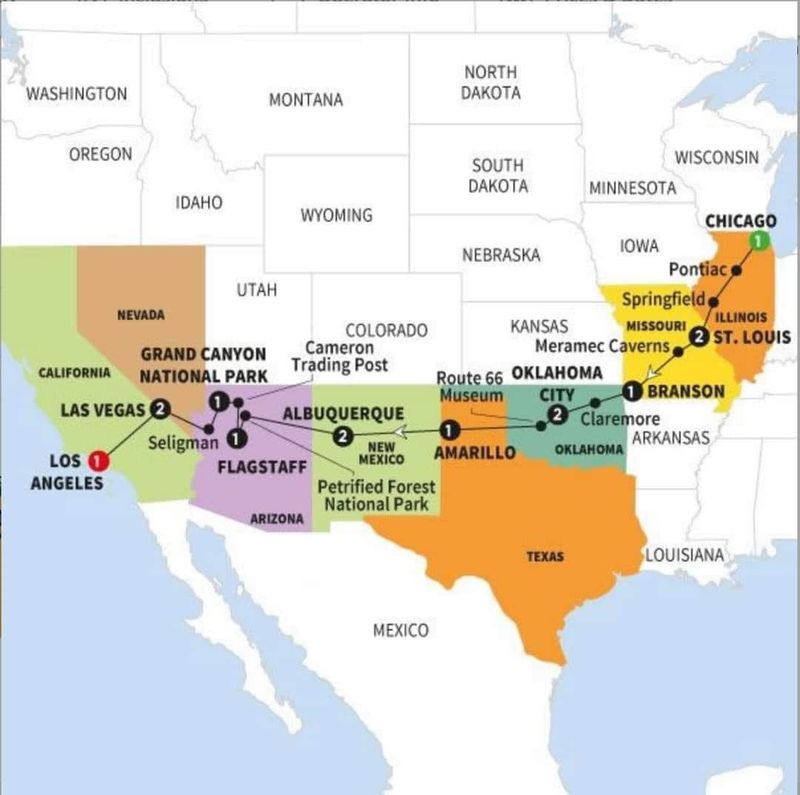
Folding a road map correctly was practically an art form. Boomers planned road trips by spreading maps across kitchen tables, tracing routes with their fingers, and circling rest stops with ballpoint pens.
Getting lost meant pulling over and studying the map more carefully, not re-routing automatically.
Millennials rely completely on GPS navigation and find paper maps baffling to read. But navigating by map built genuine spatial awareness and problem-solving skills.
There was also real pride in successfully finding your destination without a device telling you exactly where to turn.
18. Dressing Up Just to Fly on an Airplane

Flying used to be an event worth dressing for. Boomers put on their best outfits for air travel because it felt special, even glamorous.
Airlines served full meals, passengers received real cutlery, and the whole experience carried a sense of occasion that demanded appropriate attire.
Millennials board planes in athleisure, hoodies, and flip-flops without a second thought. Comfort has completely won the battle over appearance in modern air travel.
Still, there is something fun about imagining an era when boarding a flight felt like attending a slightly fancy dinner party.
19. Collecting and Displaying Decorative Plates on Walls
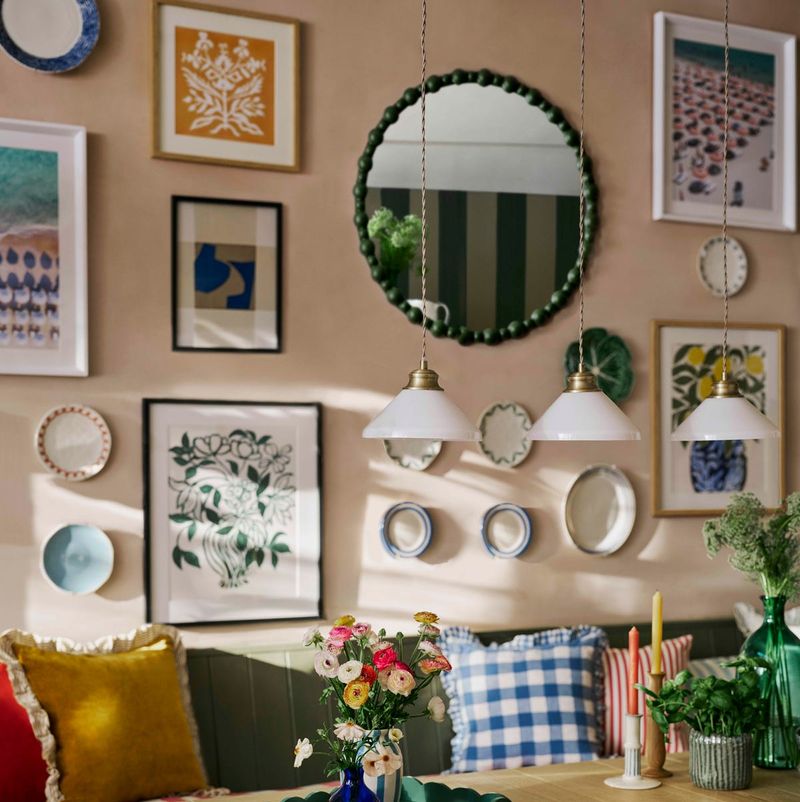
Walk into many Boomer homes and you would find an entire wall dedicated to decorative collector plates. Some featured wildlife scenes, others commemorated historical events or featured famous paintings.
They were purchased, displayed proudly, and considered legitimate home decor and even investment pieces.
Millennials prefer minimalist walls with maybe one curated gallery arrangement. The collector plate trend looks wildly cluttered through younger eyes.
Yet those plates often told stories about the owner’s interests, travels, and personality in a way that blank white walls simply never can.
20. Letting Kids Play Outside Unsupervised All Day

Summer meant leaving the house after breakfast and not returning until the streetlights flickered on. Boomer kids roamed neighborhoods, built forts in the woods, and organized their own games without any adult scheduling or supervision.
Independence was built into childhood by default.
Millennial parents carefully schedule playdates, track location on apps, and rarely let kids wander freely. Partly this reflects changing safety concerns, but it also reflects a cultural shift in how childhood is structured.
Boomers grew up with freedoms that produced self-reliance most millennials genuinely admire.
21. Smoking Indoors at Restaurants and Offices

Hard to believe now, but lighting a cigarette at your office desk or restaurant table was completely normal and socially acceptable for much of the Boomer era. Ashtrays sat on conference room tables, and airplane passengers smoked freely on long flights without anyone objecting loudly.
Millennials find this genuinely shocking given everything known today about secondhand smoke health risks. Indoor smoking bans now feel so obvious that imagining a world without them requires real mental effort.
This particular Boomer habit is one that almost nobody, including most Boomers, actually misses.
22. Trusting Doctors and Authorities Without Questioning Them

Boomers generally grew up treating doctors, teachers, and authority figures as unquestionable experts. If a doctor prescribed something, you took it.
If a teacher said something was true, you believed it. Questioning professionals was considered disrespectful rather than empowered self-advocacy.
Millennials research symptoms on WebMD before appointments, get second opinions, and push back on advice that does not feel right. This shift has genuinely improved patient outcomes in many cases.
But it has also created information overload, where trusting any single source feels nearly impossible and exhausting.
23. Buying One Television and Keeping It for Twenty Years
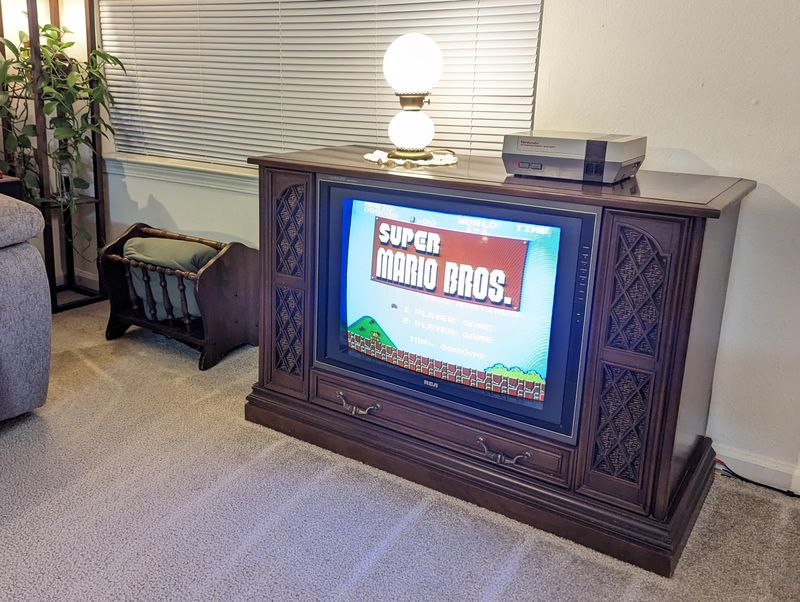
Boomers bought a television set and expected it to last decades. The giant wood-paneled console in the living room was practically furniture, moved only when absolutely necessary.
Repair shops fixed broken TVs rather than replacing them, and families gathered around one shared screen every evening.
Millennials upgrade devices constantly, and many households now have screens in every room plus multiple streaming subscriptions. The idea of sharing one television and agreeing on programming sounds almost impossibly quaint.
Yet that shared screen created family togetherness that multiple personal devices quietly dismantled over time.