
Long before frozen dinners and food delivery apps, families cooked meals that were clever, cheap, and full of flavor. Many of those dishes slowly vanished as busy lives and new trends took over.
Bringing them back is a fun way to connect with history, waste less food, and taste something your great-grandparents loved. Grab an apron, because some of these old favorites might become your new go-to meals.
1. Mock Apple Pie
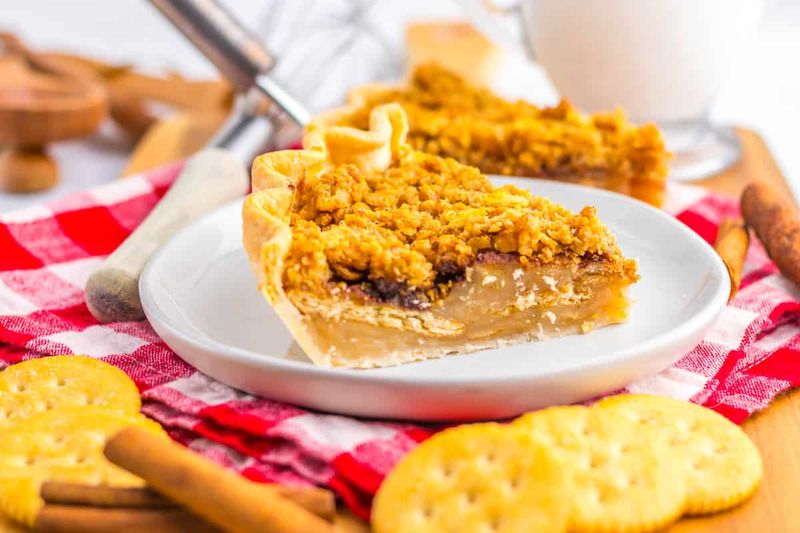
Picture a pie that tastes like apples but contains zero apples. During the Great Depression, fruit was pricey, so cooks used buttery crackers soaked in sugar syrup, lemon juice, and cinnamon instead.
The result fools almost everyone at the table. Ritz even printed the recipe on its boxes for years.
Try baking one for friends and ask them to guess the filling. Watching their faces when you reveal the secret is half the fun.
2. Chicken a la King
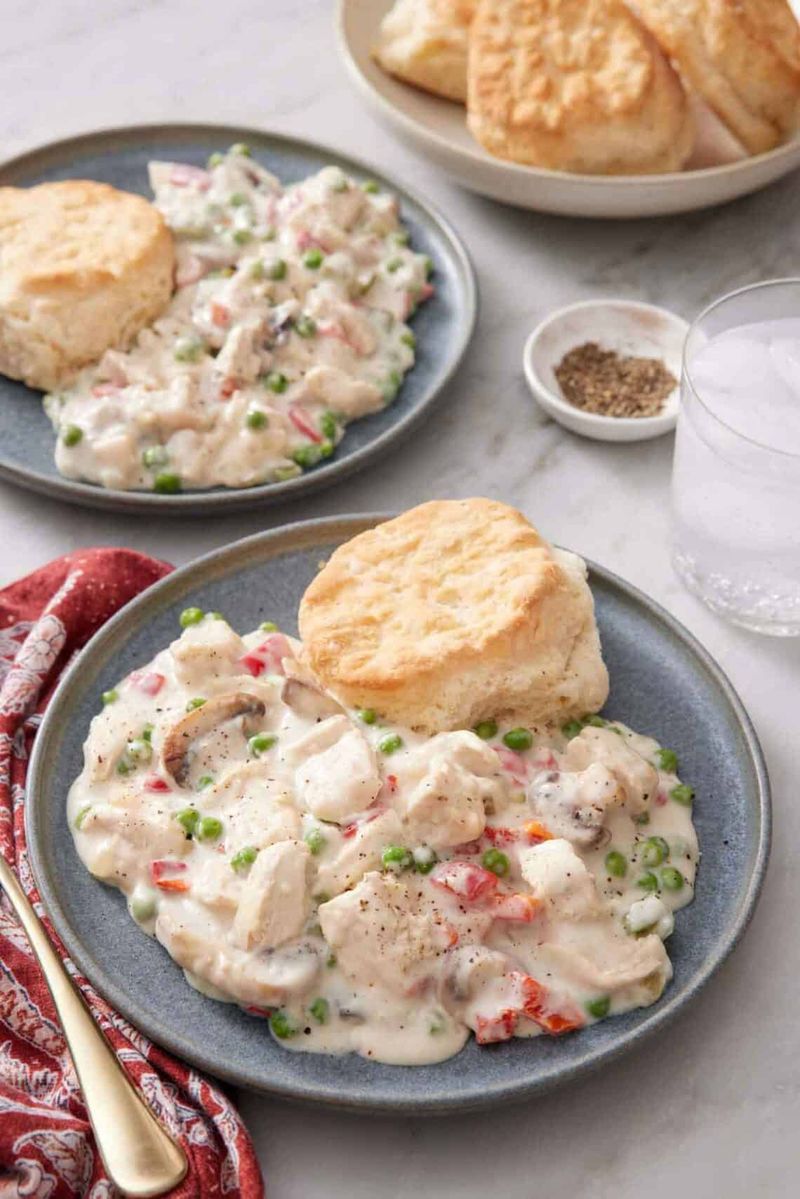
Fancy hotels in the early 1900s loved serving this creamy dish to impress guests. Tender chicken, mushrooms, peas, and red pimentos swim in a rich white sauce.
Most people spooned it over toast, rice, or flaky pastry shells. It became a wedding and party classic for decades.
Leftover rotisserie chicken works perfectly here. In about twenty minutes, you can turn plain leftovers into something that feels like a special dinner out.
3. Hoppin’ John
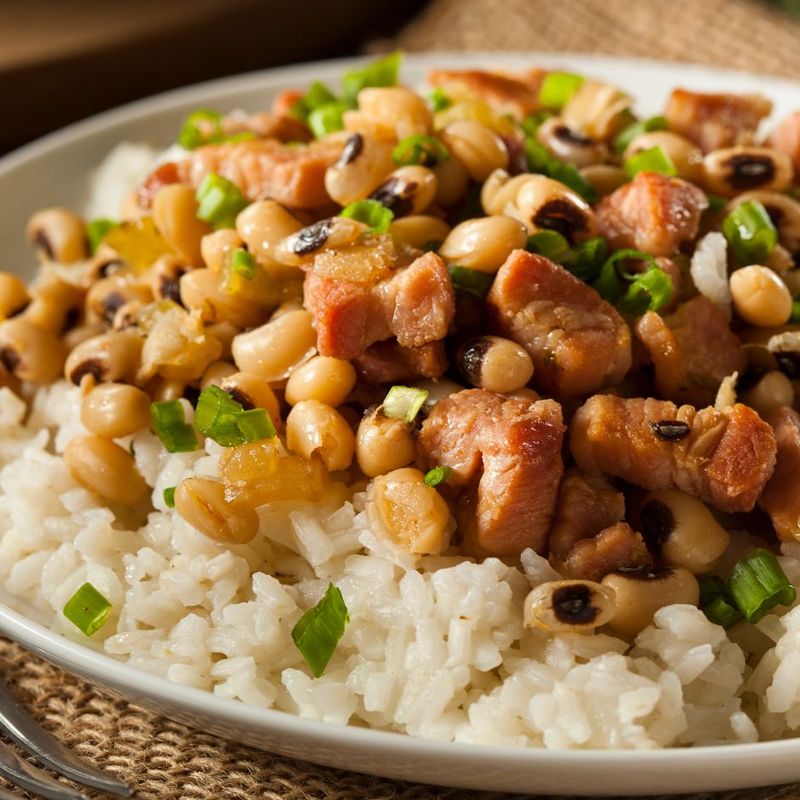
Southern families swear that eating this on New Year’s Day brings good luck all year. Black-eyed peas, rice, onions, and smoky pork come together in one humble pot.
The dish has deep roots in West African and Gullah cooking traditions from the Carolina coast.
Beyond luck, it is simply filling and cheap. Serve it with collard greens and cornbread, and you have a meal that feeds a crowd for just a few dollars.
4. Welsh Rarebit
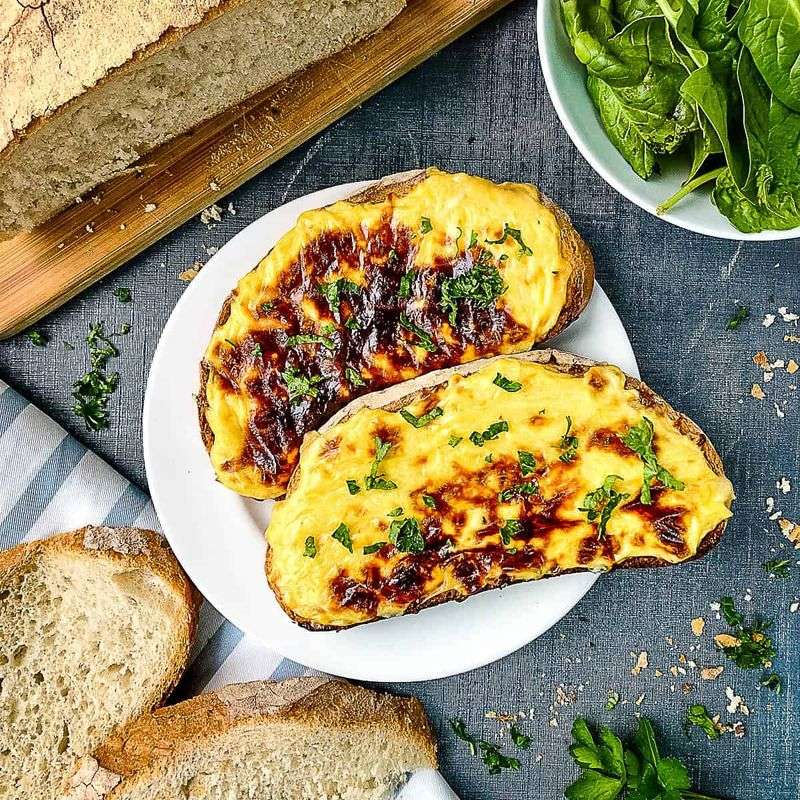
Don’t let the name trick you, since there is no rabbit anywhere in it. Welsh rarebit is basically the grown-up cousin of a grilled cheese sandwich.
Sharp cheddar melts with mustard, a splash of Worcestershire sauce, and milk or ale into a silky sauce. Then it gets poured over toast and broiled until bubbly and brown.
For a quick lunch on a rainy day, few things beat it.
5. Chipped Beef on Toast
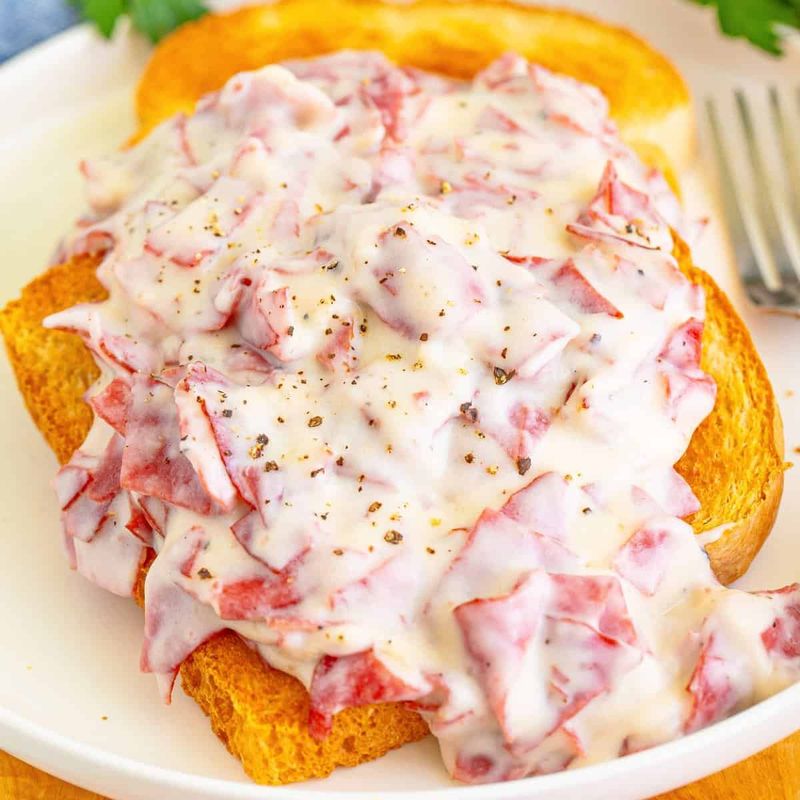
Ask an old soldier about this one and you might hear a funny nickname. Military cooks served creamed chipped beef to troops through both World Wars.
Thin slices of salty dried beef simmer in a peppery white gravy, then get ladled over toast. It sounds plain, yet it is wonderfully comforting.
Jarred dried beef still sits on many grocery shelves. A batch makes a hearty breakfast in under fifteen minutes.
6. Bread Pudding
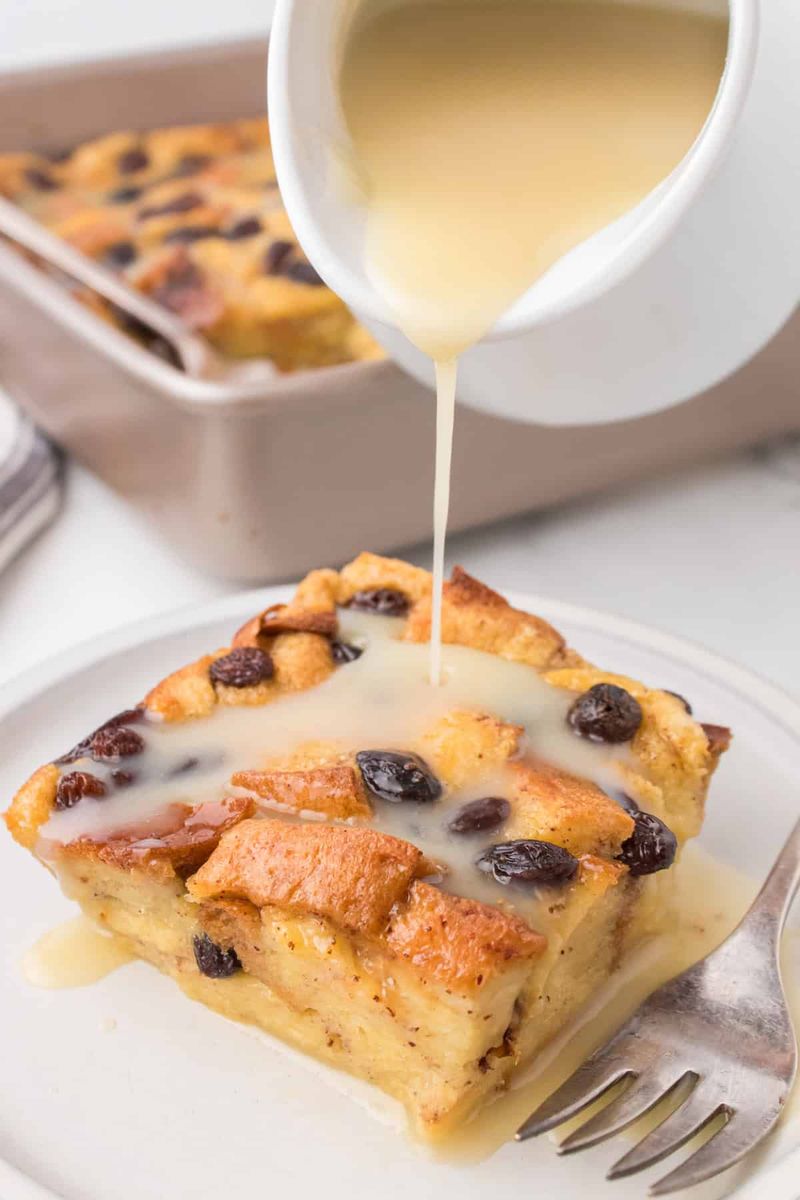
Stale bread used to be a problem until clever bakers found a tasty fix. Soak old bread in eggs, milk, sugar, and cinnamon, then bake it until puffy and golden.
Medieval English cooks called it a poor man’s pudding. Today New Orleans restaurants serve fancy versions with whiskey sauce.
Toss in raisins, chocolate chips, or sliced bananas. Your family will never guess you rescued that loaf from the trash.
7. Tomato Soup Cake
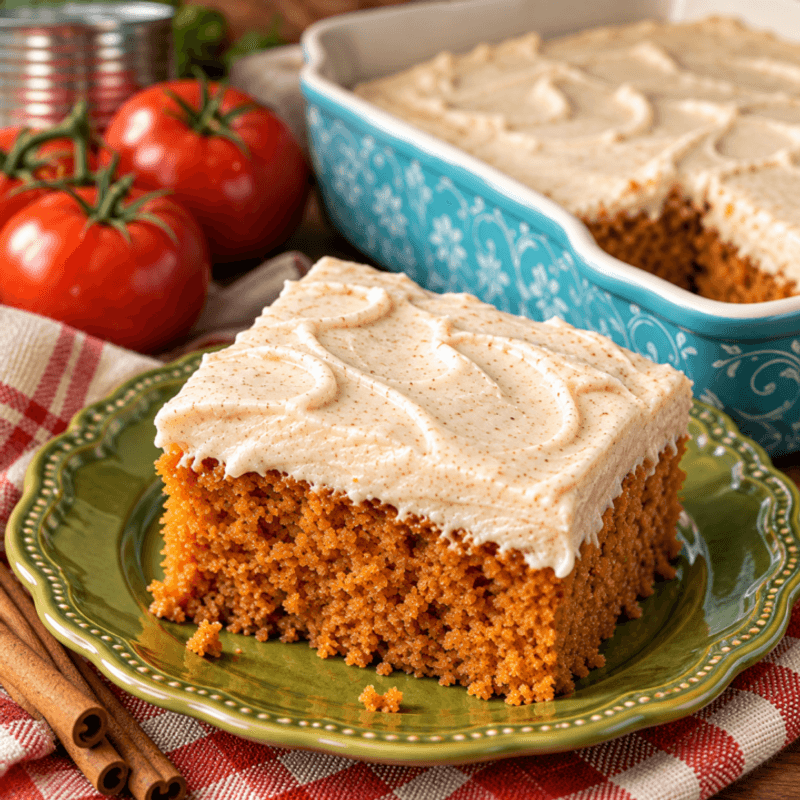
Yes, someone really put canned tomato soup in a cake, and it worked beautifully. Campbell’s helped spread this recipe in the 1920s and beyond.
The soup adds moisture and a gentle tang, while cinnamon, nutmeg, and cloves make it taste like spice cake. Nobody notices tomato flavor at all.
Top it with cream cheese frosting. It makes an amazing conversation starter at bake sales and family gatherings.
8. Salmon Croquettes
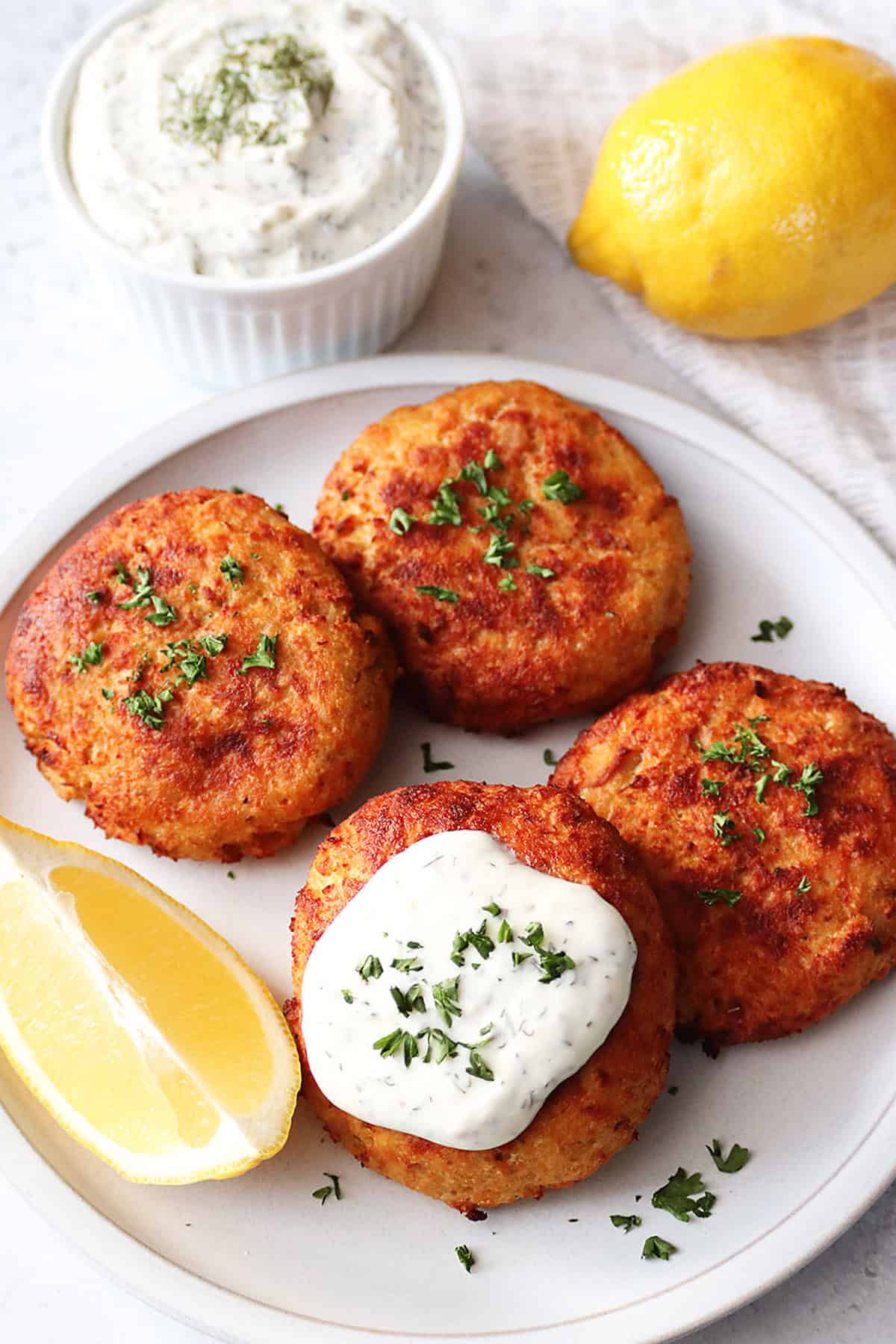
Grandma knew how to turn one can of salmon into dinner for six. She mixed it with crackers, egg, and onion, then fried little patties until crispy.
Canned salmon is packed with protein and healthy fats. The soft bones even add calcium if you mash them in.
Serve croquettes with lemon, tartar sauce, or a simple salad. They also freeze well, making them handy for busy school nights.
9. Johnnycakes
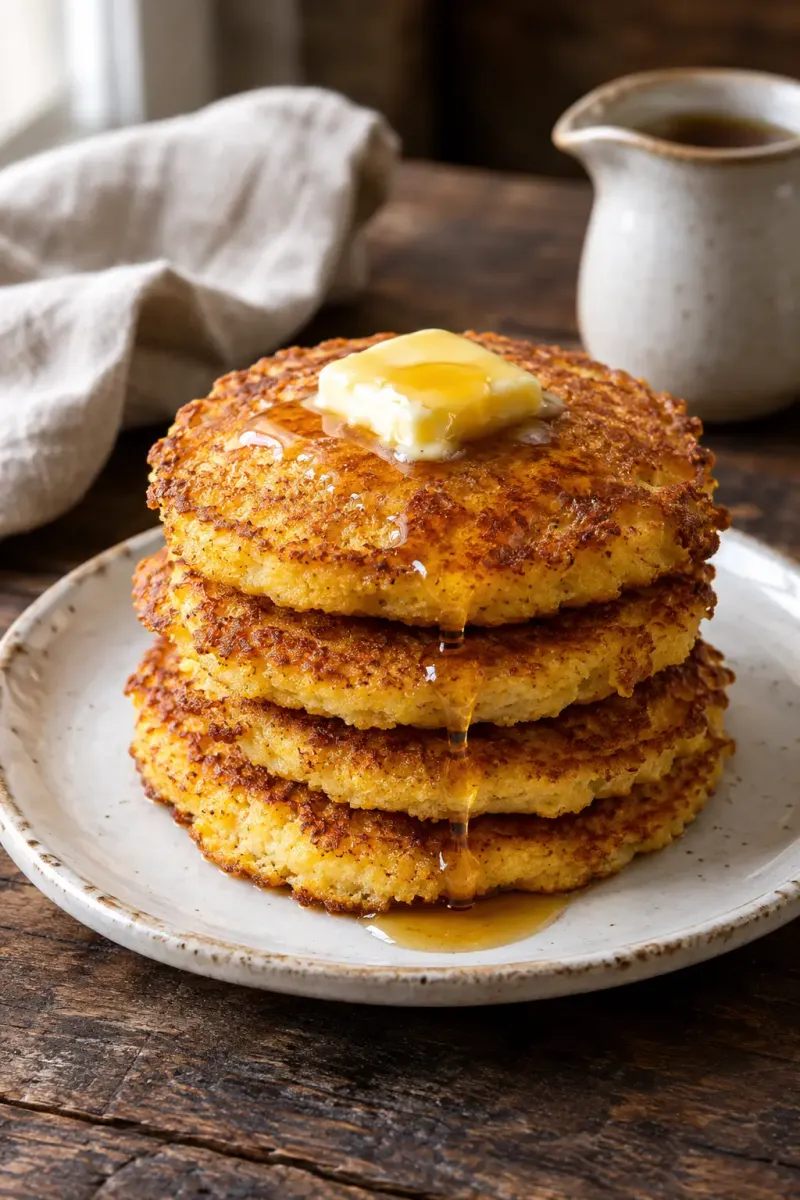
Native peoples of New England were grinding corn into cakes long before colonists arrived. Settlers learned from them, and johnnycakes became a staple.
Only cornmeal, hot water, salt, and a pinch of sugar are needed. The batter fries into crispy edges with a soft middle.
Rhode Island still debates whether they should be thick or thin. Either way, a drizzle of maple syrup makes breakfast feel truly old-fashioned.
10. Liver and Onions
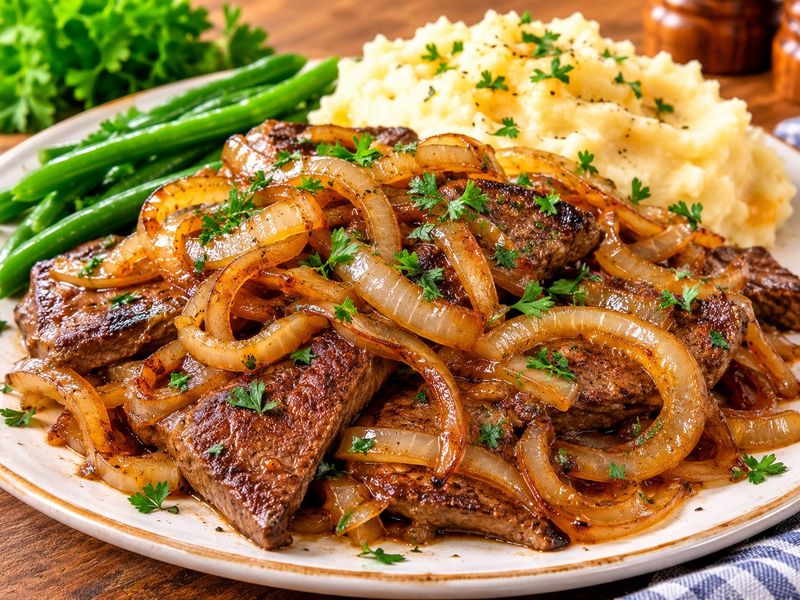
Okay, some readers just made a face. Still, liver and onions was once a beloved diner special, and it deserves another chance.
Liver is loaded with iron and vitamin B12. Soaking it in milk first softens the strong taste, and sweet caramelized onions balance everything.
Cook it quickly so it stays tender, not rubbery. Pair it with mashed potatoes and gravy, and you might become a surprise fan.
11. Shoofly Pie
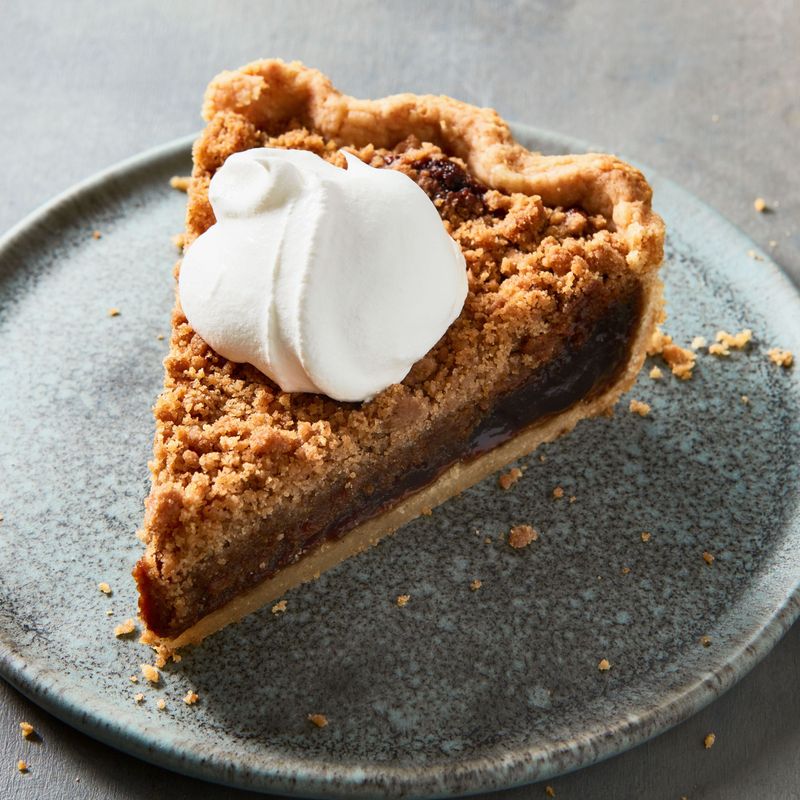
Legend says flies loved this sticky pie so much bakers had to shoo them away. That’s how the Pennsylvania Dutch dessert got its playful name.
A dark molasses filling sits under a crumbly, buttery topping. Some versions are gooey at the bottom, while others bake up more cake-like.
It uses pantry basics, so it was perfect during long winters. Enjoy a slice with coffee or a cold glass of milk.
12. Beef Stroganoff
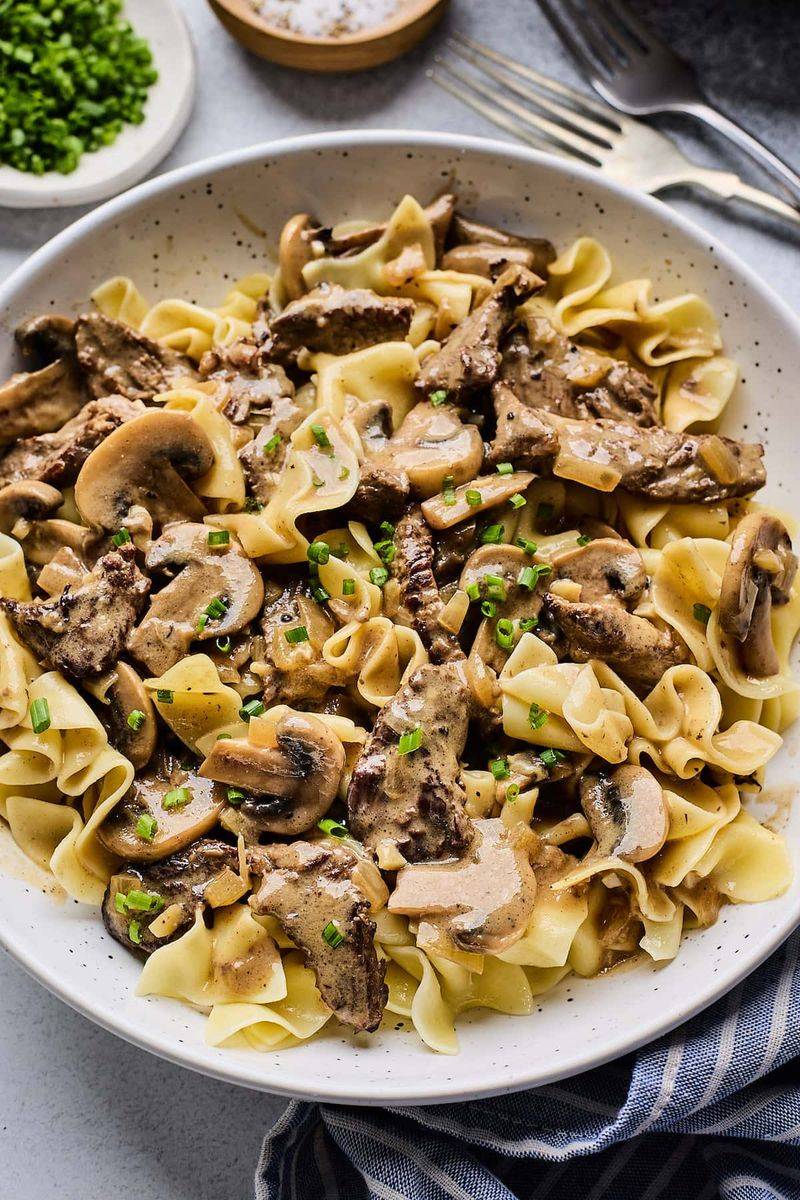
Named after a wealthy Russian family in the 1800s, stroganoff later became the star of American dinner parties in the 1960s.
Strips of beef and mushrooms cook in a tangy sour cream sauce. Everything gets piled over buttery egg noodles for pure cozy comfort.
It comes together in about thirty minutes. Swap in ground beef to save money, and it still tastes like something from a fancy restaurant.
13. Succotash
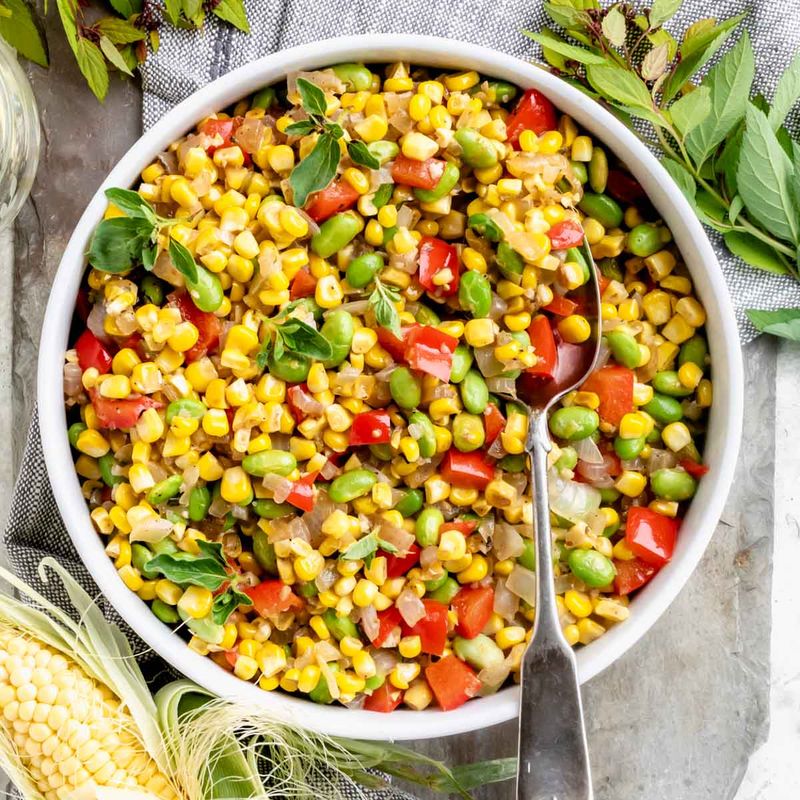
Cartoon characters made the word famous, but the dish itself is centuries old. The name comes from the Narragansett word for boiled corn kernels.
Corn and lima beans cook together with butter, sometimes with tomatoes, peppers, or bacon. It’s bright, colorful, and full of fiber.
Late summer, when fresh corn is everywhere, is the perfect time to make it. Frozen veggies work fine the rest of the year, too.
14. Pineapple Upside-Down Cake
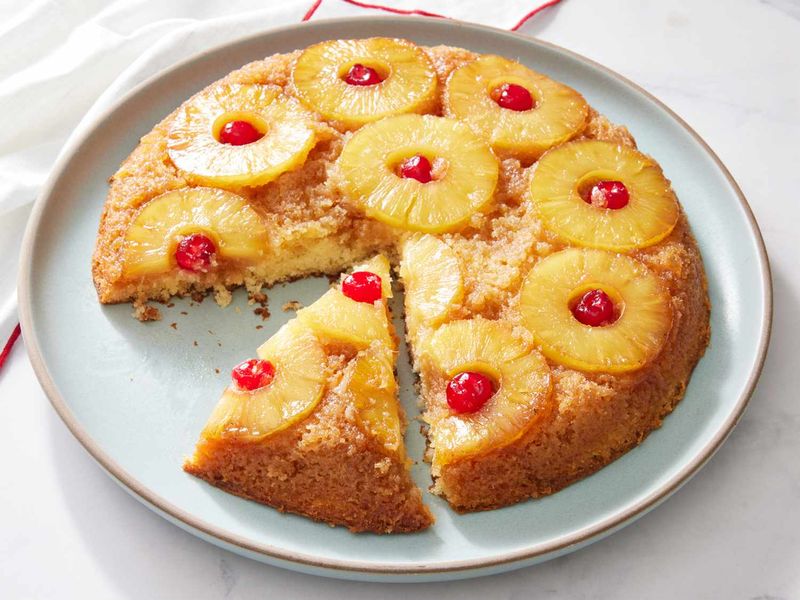
Flipping this cake out of the pan feels like a magic trick. Underneath, shiny pineapple rings and bright cherries sit in a sticky brown sugar glaze.
A 1925 Dole recipe contest made it wildly popular across America. Cast iron skillets give the best caramel crust.
Let the cake cool for five minutes before you flip. Wait too long and the fruit sticks, so timing really matters here.
15. Potato Candy
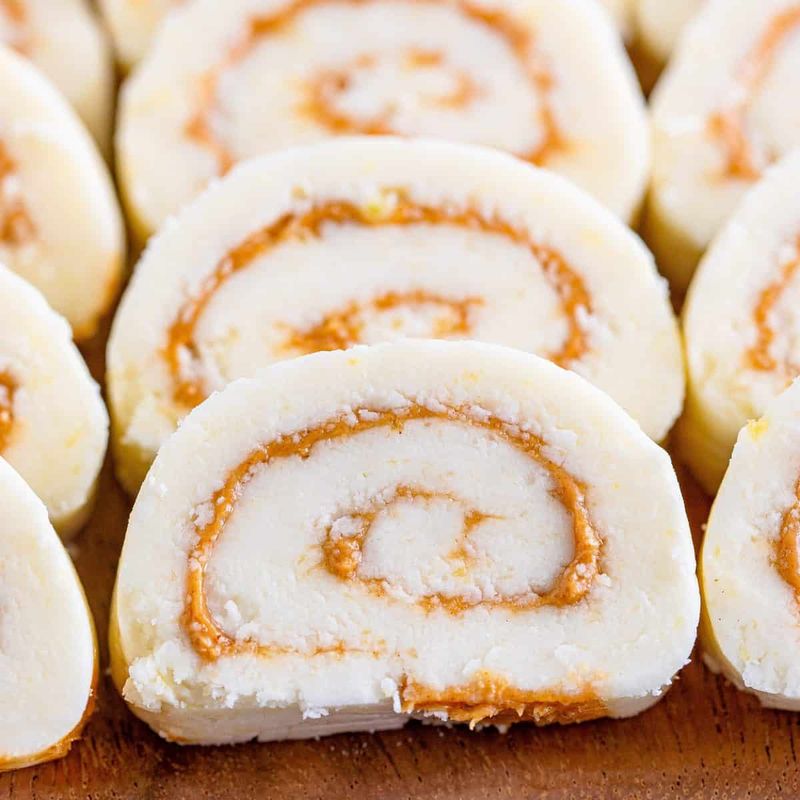
Mashed potatoes in candy? Appalachian families made this sweet treat during hard times when store-bought sweets were rare.
A plain cooked potato gets mixed with powdered sugar until it forms a dough. Roll it flat, spread peanut butter on top, then roll it into a log and slice.
The pinwheels look adorable on holiday cookie trays. Kids love helping, and nobody can taste the potato at all.
16. Scrapple
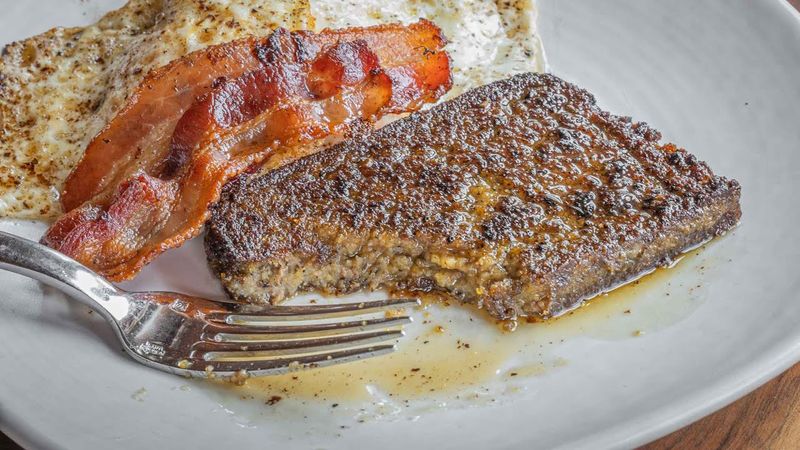
Waste nothing was the motto of Pennsylvania farmers, and scrapple proves it. Pork scraps get cooked with cornmeal and spices, then pressed into a loaf.
Once chilled, it’s sliced and fried until the outside turns crunchy. The inside stays soft and savory.
Philadelphia diners still serve it with eggs and ketchup or apple butter. Making your own lets you control the ingredients and stretch a little meat very far.
17. Chess Pie
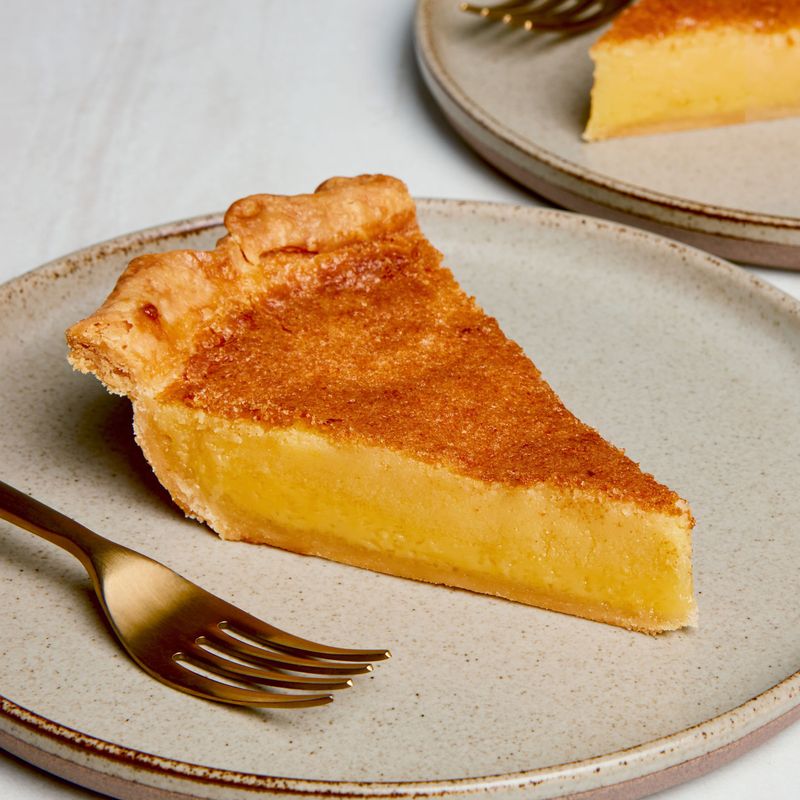
One popular story claims a Southern cook called it just pie, which sounded like chess pie. Whatever the truth, the name stuck.
Eggs, butter, sugar, and a little cornmeal bake into a sweet, custardy filling with a crackly top. A splash of vinegar or lemon cuts the richness.
Every ingredient is likely already in your kitchen. That makes it a lifesaver when unexpected guests show up hungry for dessert.
18. Stuffed Cabbage Rolls
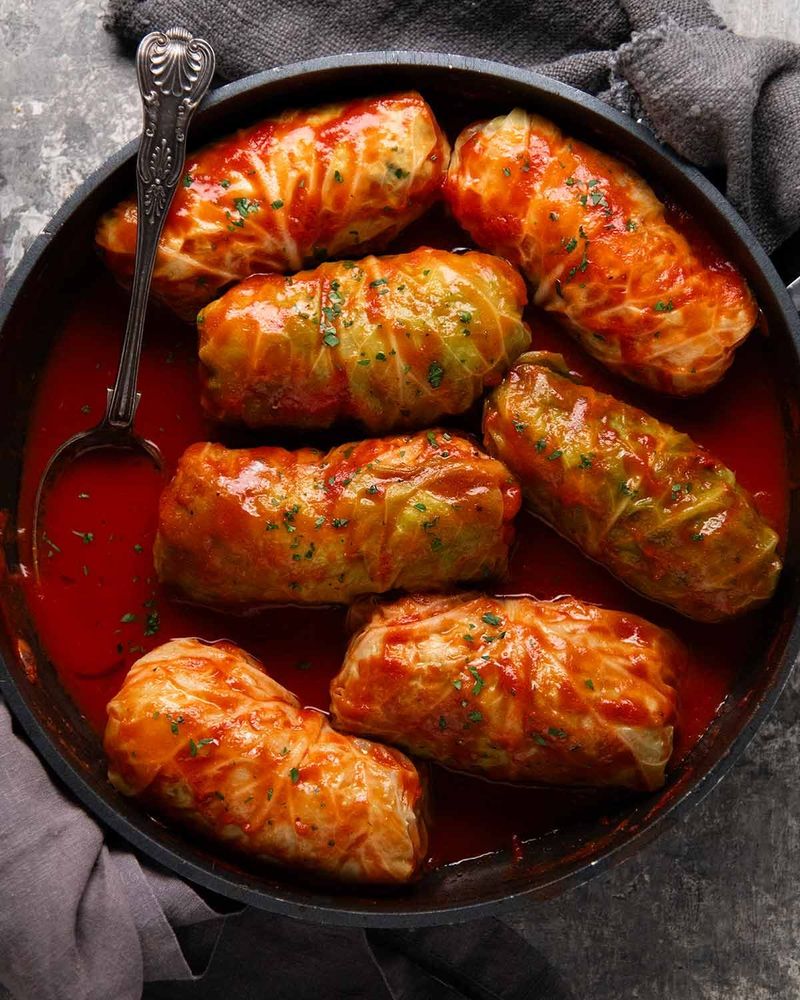
Eastern European grandmothers spent whole Sunday afternoons rolling these little bundles. Soft cabbage leaves wrap around seasoned meat and rice, then bake in tomato sauce.
Poles call them golabki, meaning little pigeons. Hungarians, Ukrainians, and Jewish families all have their own versions.
They take time, but one batch makes plenty. Leftovers taste even better the next day, after the flavors soak in overnight.
19. Spoon Bread
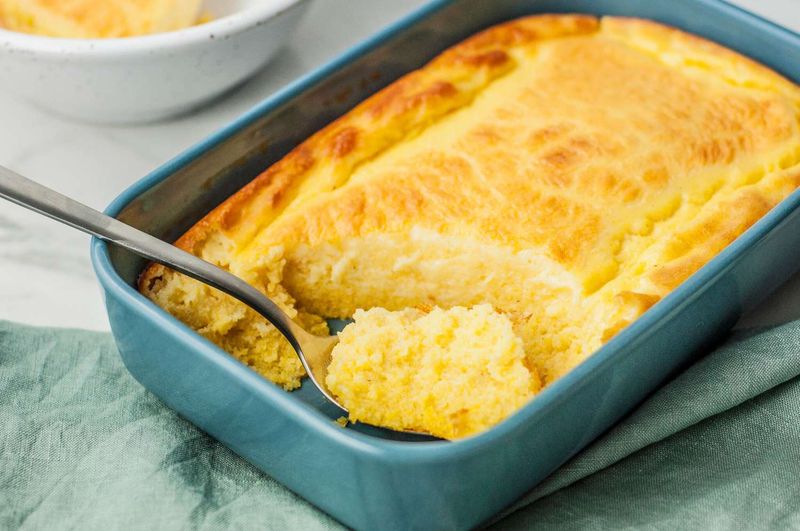
Too soft for a knife, too firm for a cup, so you grab a spoon. Spoon bread sits somewhere between cornbread and a fluffy souffle.
Virginia cooks made it famous in the 1800s. Cornmeal cooks in milk, then whipped eggs make it puff up in the oven.
Serve it warm with butter alongside ham or fried chicken. It’s a lovely change from regular dinner rolls during the holidays.
20. Icebox Cake
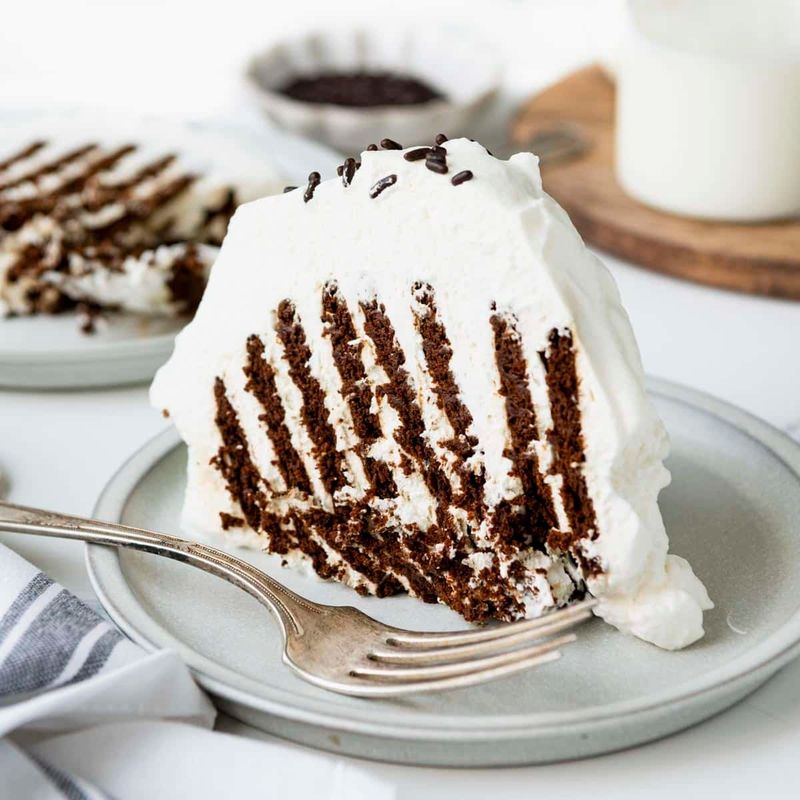
No oven? No problem.
When refrigerators, called iceboxes back then, became common, this no-bake dessert took off.
Chocolate wafer cookies get stacked with whipped cream and chilled overnight. The cookies soften into cake-like layers that look striped when you slice it.
It’s a perfect summer treat when nobody wants a hot kitchen. Try graham crackers with pudding, or add strawberries for a fresh twist.
21. Red Flannel Hash
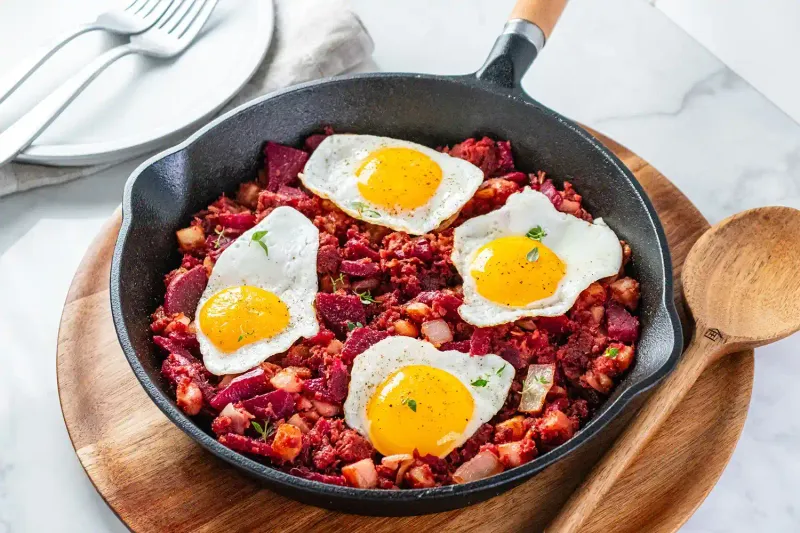
New Englanders gave this dish its cozy name because beets turn everything a deep red, like flannel shirts.
Leftover corned beef, potatoes, and beets get chopped and fried together in a hot skillet. A crispy crust forms on the bottom, which is the best part.
Top it with a runny fried egg for breakfast. It’s a smart way to use up leftovers after a big boiled dinner.
22. Rice Pudding
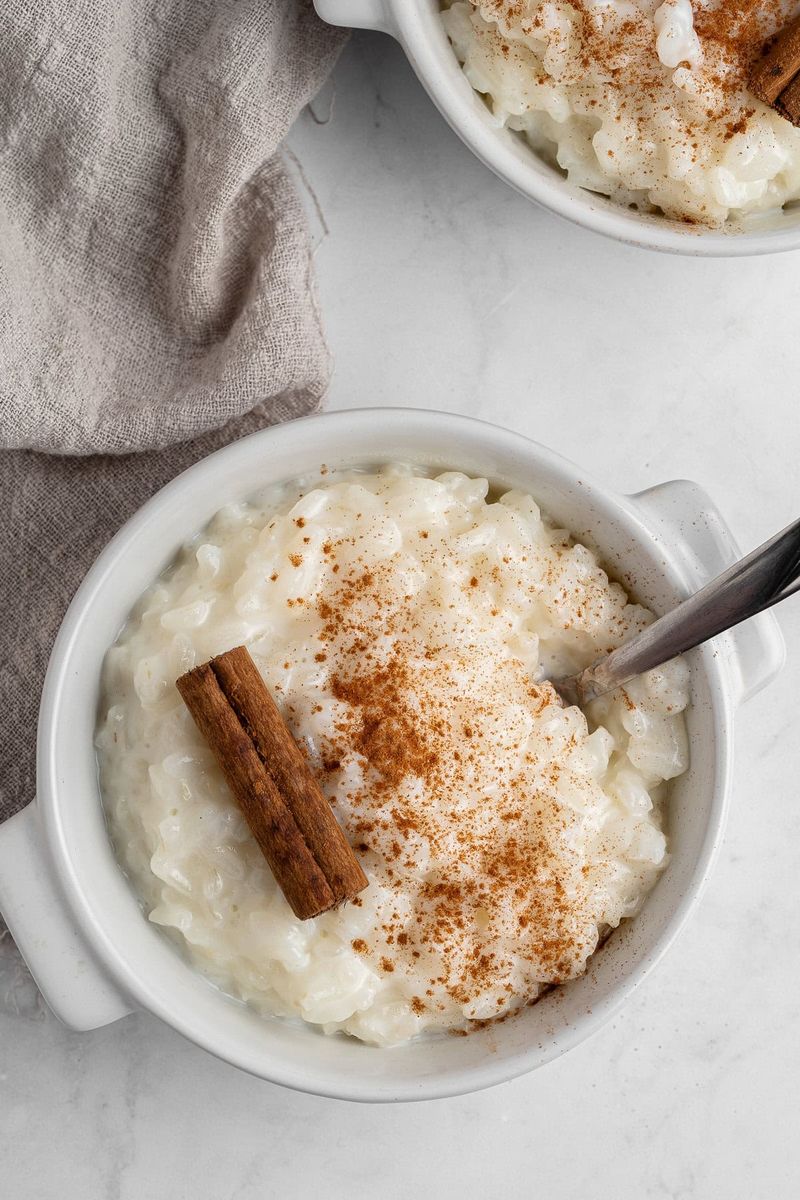
Almost every culture has its own rice pudding, from Indian kheer to Mexican arroz con leche. Somehow it slipped off many family menus anyway.
Rice simmers slowly in milk and sugar until thick and creamy. Vanilla, cinnamon, or a strip of lemon peel add warm flavor.
Leftover cooked rice speeds things up. Eat it warm on chilly nights or cold from the fridge for a sweet afternoon snack.
23. Hasty Pudding
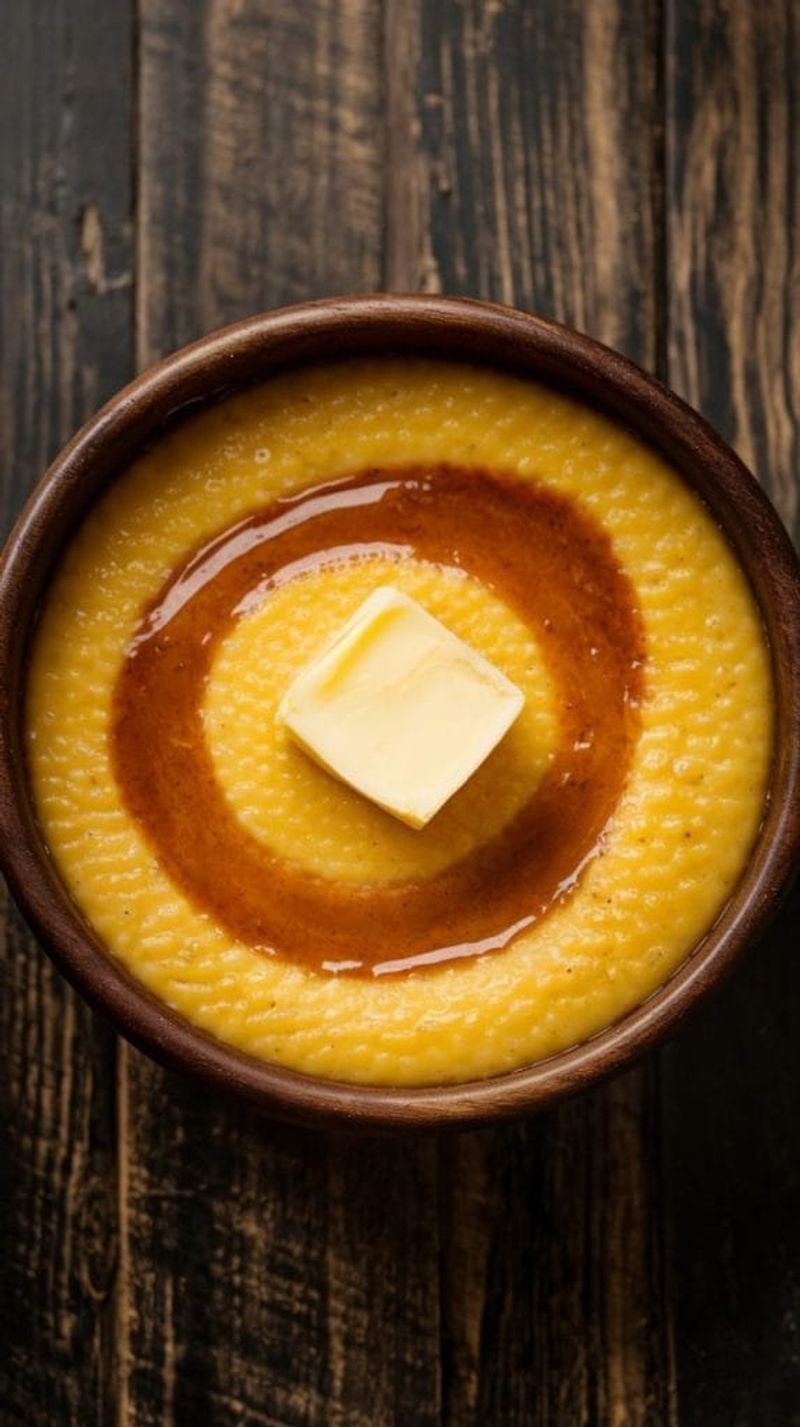
Yankee Doodle sang about it, and Harvard named a famous club after it. Hasty pudding was a colonial American breakfast favorite.
Cornmeal gets stirred into boiling water or milk until it thickens like porridge. Families topped it with molasses, maple syrup, or butter.
It costs pennies and fills you up for hours. Chill leftovers in a pan, slice them, and fry the pieces for a crunchy second meal.