
Your favorite singalong might be the song its singer wishes you would forget. Some stars grew tired of their biggest hits, while others disliked the words, the sound, or the pressure that came with success.
Many were surprisingly open about it, so their feelings were not always secret. Behind these familiar songs are stories that show how differently fans and musicians can hear the same music.
1. Frank Sinatra Found ‘My Way’ Hard to Love
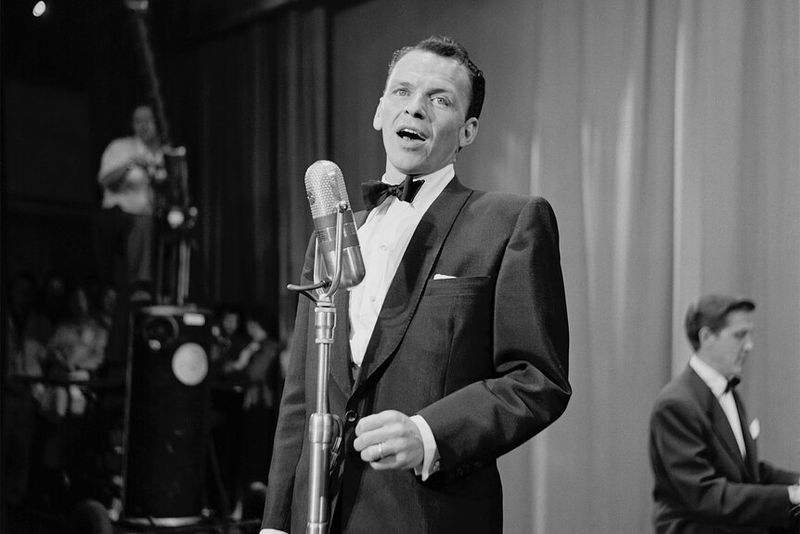
Few songs sound more like a victory speech than ‘My Way.’ Yet Sinatra reportedly grew tired of it, finding its message too self-focused and grand. His daughter Tina later described his strong dislike of the song.
He also openly mocked ‘Strangers in the Night,’ another huge favorite. Those reactions reveal a useful difference: a singer can deliver a convincing performance without sharing the audience’s love for every word or note in the finished recording itself.
2. Liam Gallagher Got Sick of ‘Wonderwall’
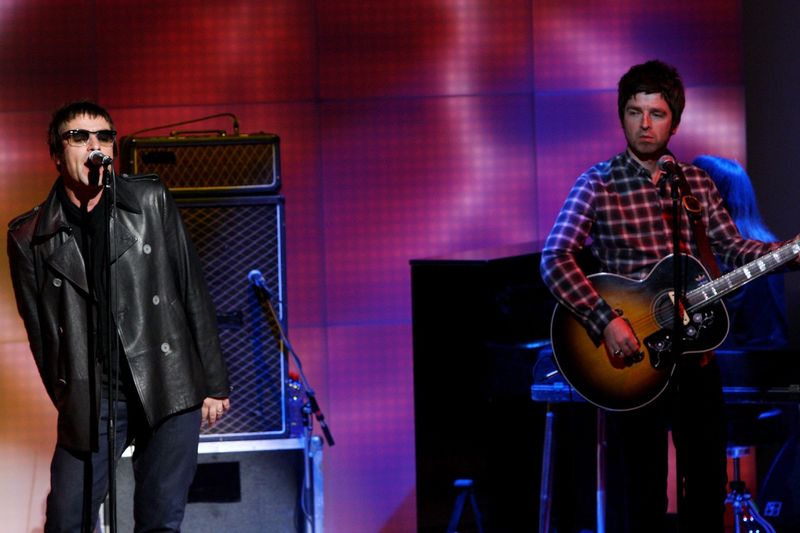
Imagine hearing a crowd request the same song for decades. Gallagher has complained about ‘Wonderwall,’ saying it made him feel sick and describing the pressure to keep singing it.
His blunt style left little room for polite guessing.
Brother Noel, who wrote the Oasis classic, has also criticized it as unfinished. Still, Liam has continued performing it, showing that frustration with a hit does not always mean refusing fans their favorite moment at a show.
3. Robert Plant Outgrew ‘Stairway to Heaven’
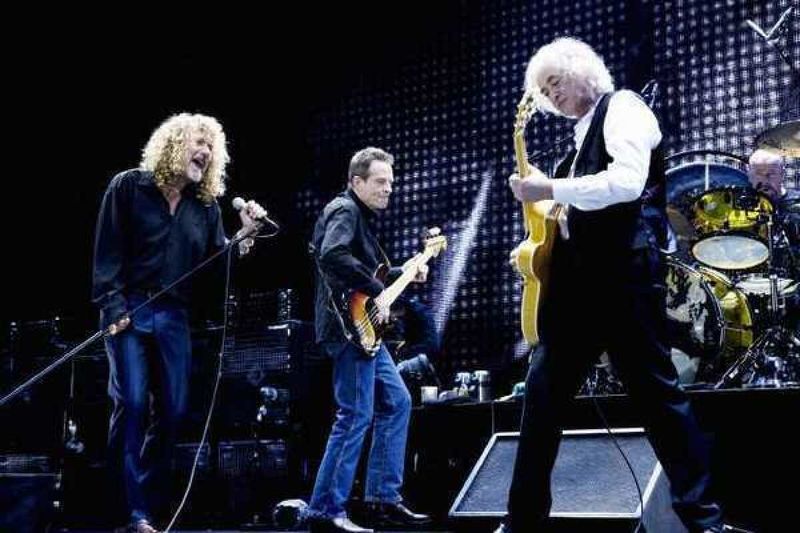
A rock epic can become a very long shadow. Plant has said he no longer connects with parts of ‘Stairway to Heaven,’ especially its youthful lyrics.
He once joked that singing it at every show would give him hives.
He also pledged money during a radio fundraiser after hearing a promise not to play it. Yet rare later performances show his feelings are more layered than simple hatred of the famous Led Zeppelin recording itself.
4. Michael Stipe Questioned ‘Shiny Happy People’
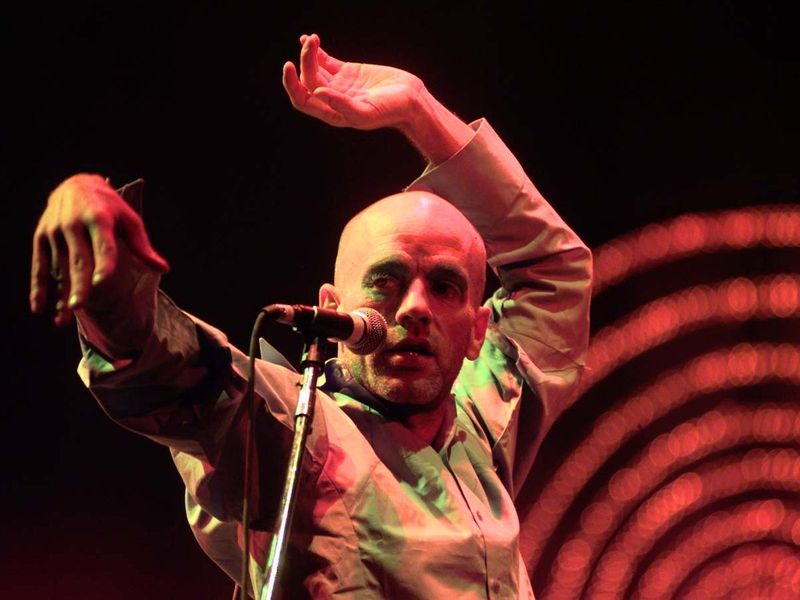
Bright colors and a bouncing chorus made ‘Shiny Happy People’ stand apart from much of R.E.M.’s work. Stipe later described it in dismissive terms, presenting it as light, silly pop rather than a song he deeply valued.
His comments softened over time, so calling it lifelong hatred would miss the point. For listeners, the interesting twist is that a playful experiment can become the very track people use to define a much more varied band.
5. Thom Yorke Felt Trapped by ‘Creep’
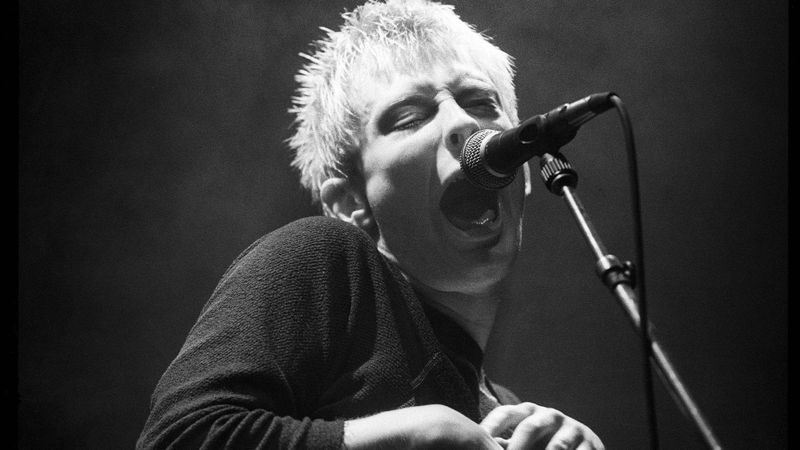
Success arrived so loudly that Radiohead struggled to hear anything else. Yorke grew frustrated with ‘Creep’ as audiences focused on that early hit instead of the band’s newer ideas.
Performing it could feel like covering someone else’s song.
Guitarist Jonny Greenwood’s harsh guitar bursts became part of its signature sound. The band later brought the track back occasionally, a reminder that artists can make peace with an old hit without wanting it to define them.
6. Jani Lane Resented the ‘Cherry Pie’ Label
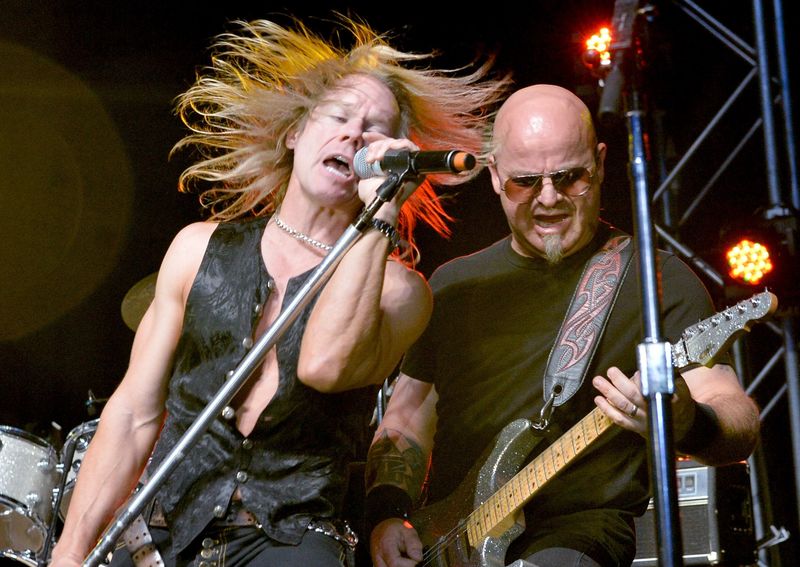
Being remembered as the ‘Cherry Pie’ guy weighed heavily on Lane. The Warrant singer said the song came from a record label request for an obvious single, rather than the album he originally wanted to present.
In a famous interview, he expressed bitter regret about writing it. He later explained that those remarks came during a difficult moment.
His story is less about one catchy chorus than feeling reduced to a joke by lasting fame.
7. Billy Joel Picked Apart ‘We Didn’t Start the Fire’
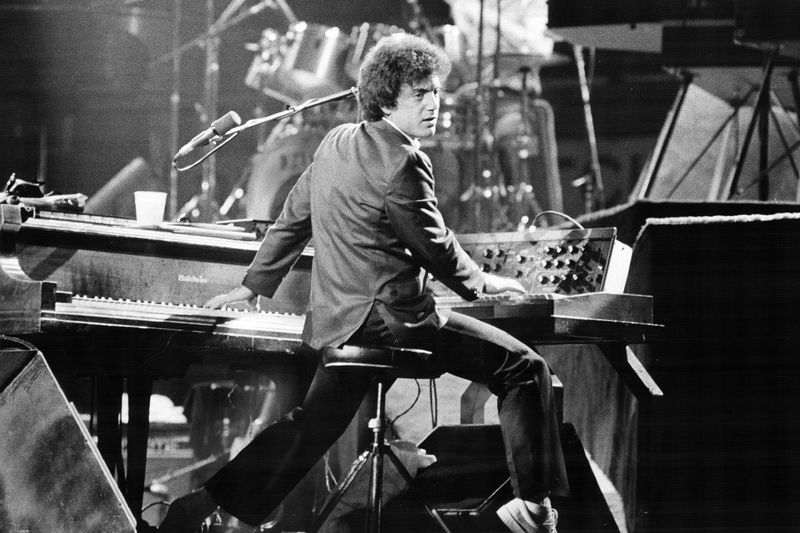
History class rarely gets a chorus this catchy. Joel’s rapid list of names and events turned ‘We Didn’t Start the Fire’ into a hit, but he has sharply criticized its melody, comparing it to a dentist’s drill.
His complaint targets the musical writing, not necessarily every part of the record. Try separating the words from the tune when listening.
That small exercise makes it easier to understand why its creator hears flaws that fans happily overlook.
8. Cyndi Lauper Pushed Back Against Her ‘Goonies’ Hit
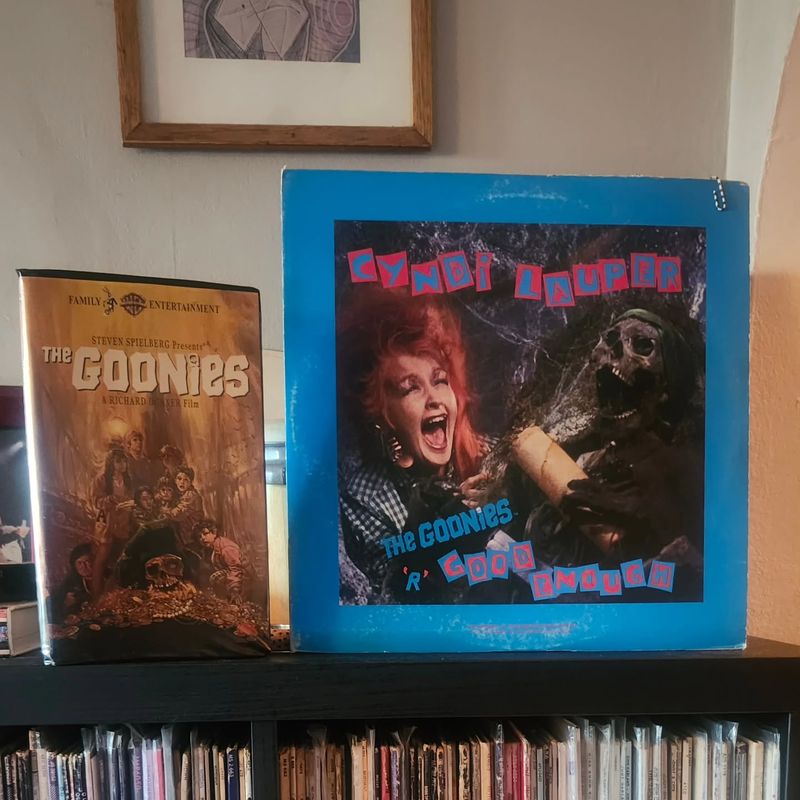
Movie magic did not make this project magical for Lauper. She has spoken harshly about ‘The Goonies ‘R’ Good Enough,’ linking her frustration to creative limits and the demands surrounding its release.
The song became a lasting favorite for fans of the adventure film, though it was not her biggest overall hit. She eventually returned to performing it.
That change offers a happier ending: an artist’s difficult memories do not always close the door forever.
9. Madonna Needed a Break From ‘Like a Virgin’
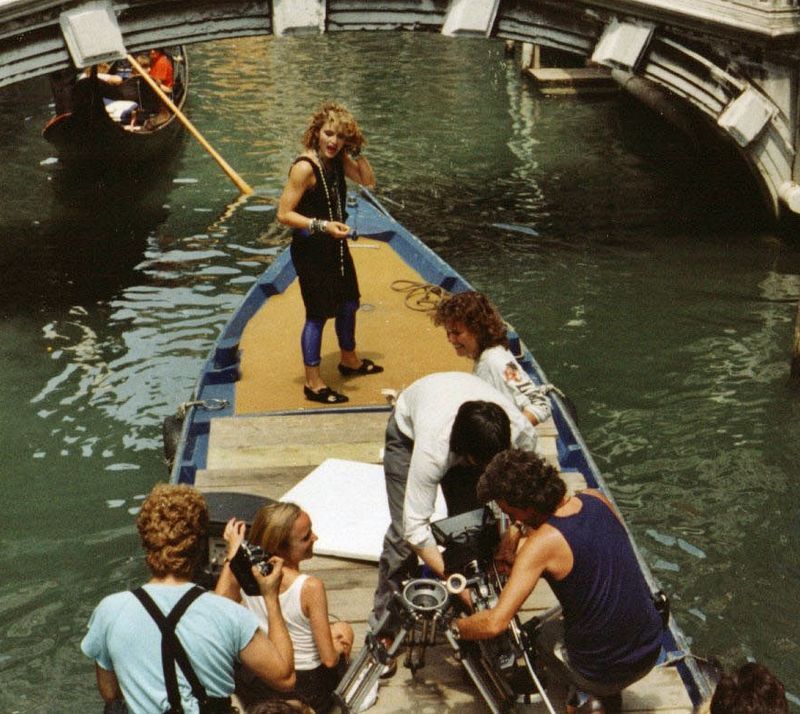
Even a pop queen can tire of her own soundtrack. In a 2008 interview, Madonna joked that an enormous payment would be needed to get her singing ‘Like a Virgin’ again.
She also disliked people assuming she wanted to hear her records everywhere.
Later performances make clear that this was not a permanent ban. Her remarks capture something familiar: loving your work does not mean wanting your earliest success to follow you into every room.
10. Chrissie Hynde Doubted ‘Brass in Pocket’
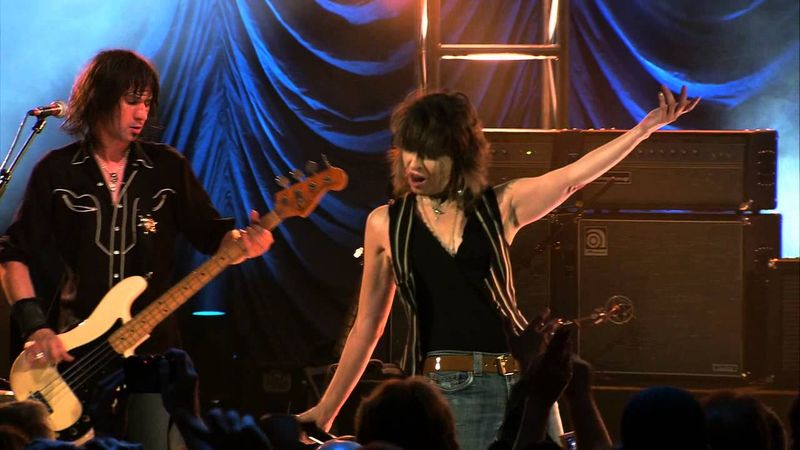
Confidence fills every corner of ‘Brass in Pocket,’ but its singer initially lacked confidence in the recording. Hynde famously resisted its release, saying it would happen over her dead body.
She felt the track had not found a clear identity.
The Pretenders proved her doubts wrong commercially when it became a major breakthrough. Her reaction is a cheerful warning against treating first impressions as final truth, even when those impressions come from the person who created the music.
11. Kurt Cobain Wanted More Than ‘Smells Like Teen Spirit’
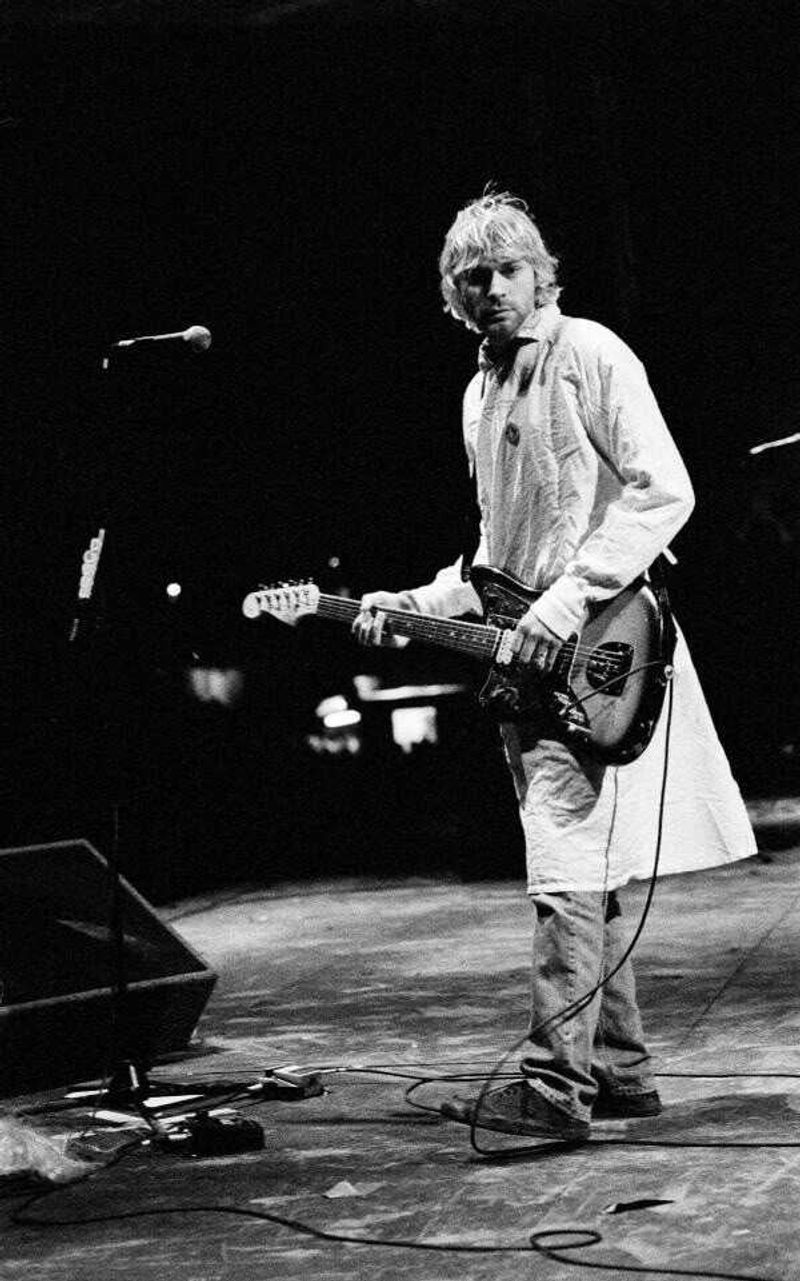
One opening riff helped turn Nirvana into a worldwide force. For Cobain, though, the huge attention around ‘Smells Like Teen Spirit’ became uncomfortable.
He described feeling embarrassed to play it as its fame grew beyond the band’s control.
He also wanted listeners to care about other songs, not just the obvious hit. Exploring the rest of Nevermind helps put that frustration in context: the album offers sharp hooks, quieter turns, and far more than one anthem.
12. Philip Oakey Misjudged ‘Don’t You Want Me’
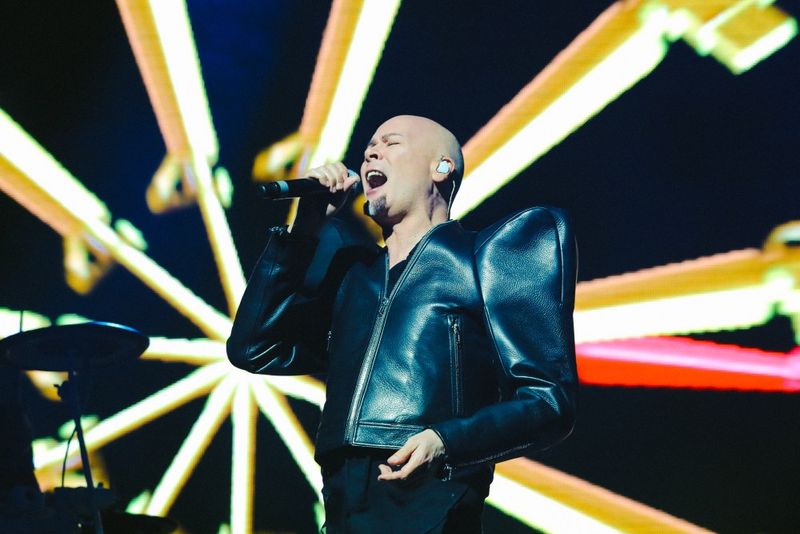
Sometimes the supposed filler becomes the main attraction. Oakey was unhappy with ‘Don’t You Want Me,’ especially its production, and resisted its selection as a single.
The Human League’s label heard a much bigger opportunity.
The duet went on to become a defining synth-pop hit. Its success does not make his concerns dishonest, but it shows how differently musicians and listeners judge a recording.
A sound its singer questions can be exactly what catches everyone else’s ear.
13. Debbi Peterson Felt Sidelined by ‘Walk Like an Egyptian’
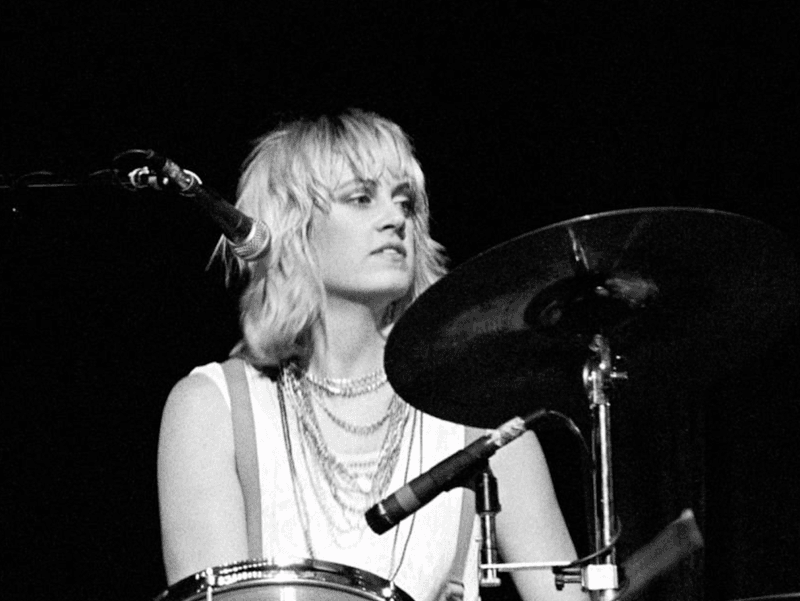
Behind the playful dance was a less cheerful band experience. Peterson has discussed feeling hurt by her limited role in ‘Walk Like an Egyptian.’ The recording used a drum machine, and she did not receive a lead vocal part.
She also described the track as a novelty that did not fully sound like the Bangles. Her perspective highlights a hidden cost of group success: a smash single can leave a member feeling pushed to the sidelines.
14. Kanye West Saw ‘Gold Digger’ as a Payday
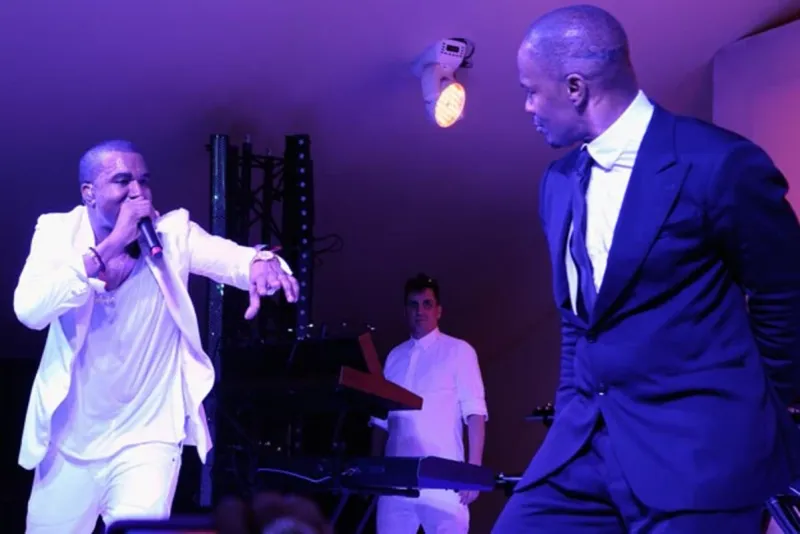
A hit can serve a business purpose without becoming its maker’s favorite. During a 2013 interview, West said he had never really liked ‘Gold Digger’ and knew recording it would bring financial rewards.
That admission stands in sharp contrast to the song’s lasting popularity and Grammy success. It also separates two questions listeners often blend together: whether a record works for an audience, and whether the artist feels a strong personal connection to the finished track.
15. Nicki Minaj Turned Away From ‘Starships’
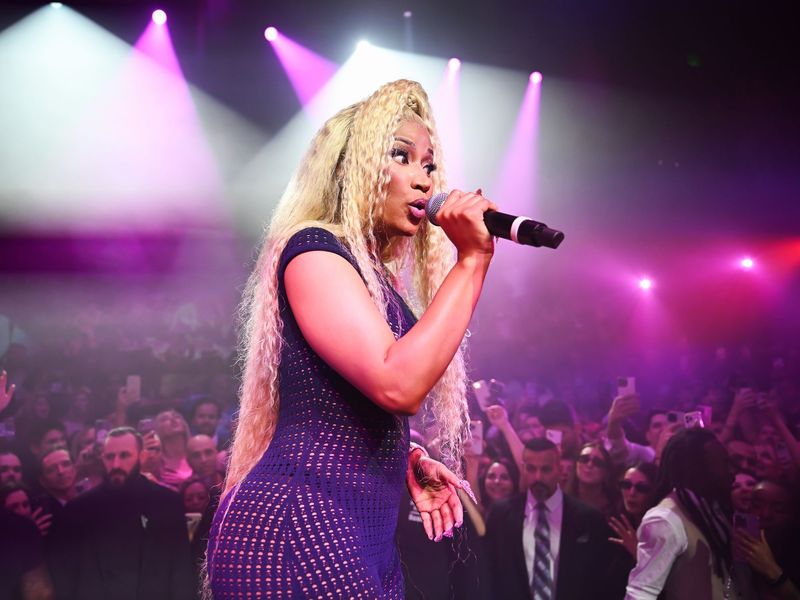
The dance floor loved ‘Starships,’ but Minaj later made her own doubts clear. She has criticized the song and, during a 2024 appearance, stopped it shortly after it began, calling it stupid before moving on.
For fans, that blunt rejection can feel surprising because the track helped broaden her pop audience. Her response reflects the gap between an artist’s changing taste and a crowd’s memories.
A song tied to your best summer may represent someone else’s creative compromise.
16. Prince Resisted Being Trapped in ‘Purple Rain’
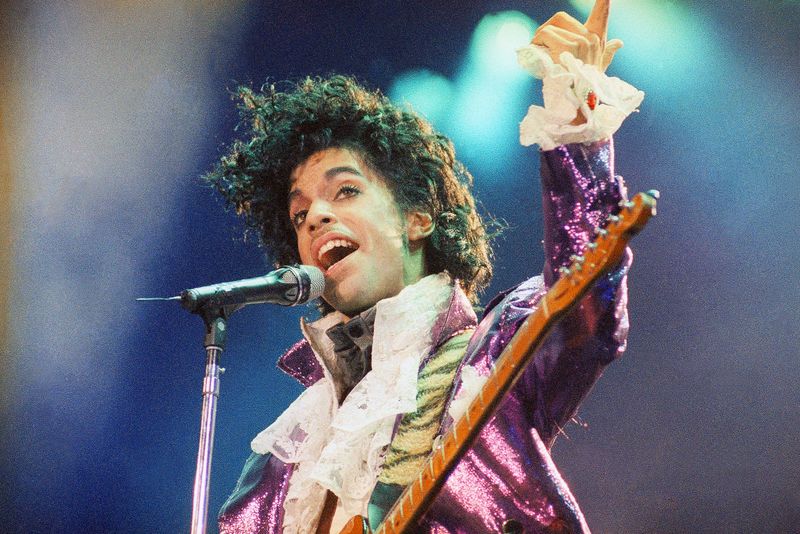
Purple lights, a soaring guitar, and huge expectations followed Prince after his breakthrough. Reports of his frustration during the Purple Rain era point to exhaustion with repeating a fixed show and pressure to satisfy fans.
That is not the same as proving he hated ‘Purple Rain’ itself. He continued giving it powerful performances.
His place here needs that distinction: the burden of presenting a beloved hit can become tiring even when the music still matters deeply.