
Fancy restaurants love to charge big money for special ingredients like truffles, saffron, and caviar. The good news is that many of those flavors can be copied at home for a tiny fraction of the price.
Learning a few smart swaps can help you cook amazing meals without draining your wallet. Get ready to discover some clever kitchen tricks that make everyday food taste like a five-star dinner.
1. Truffles: Try Mushroom Powder Instead
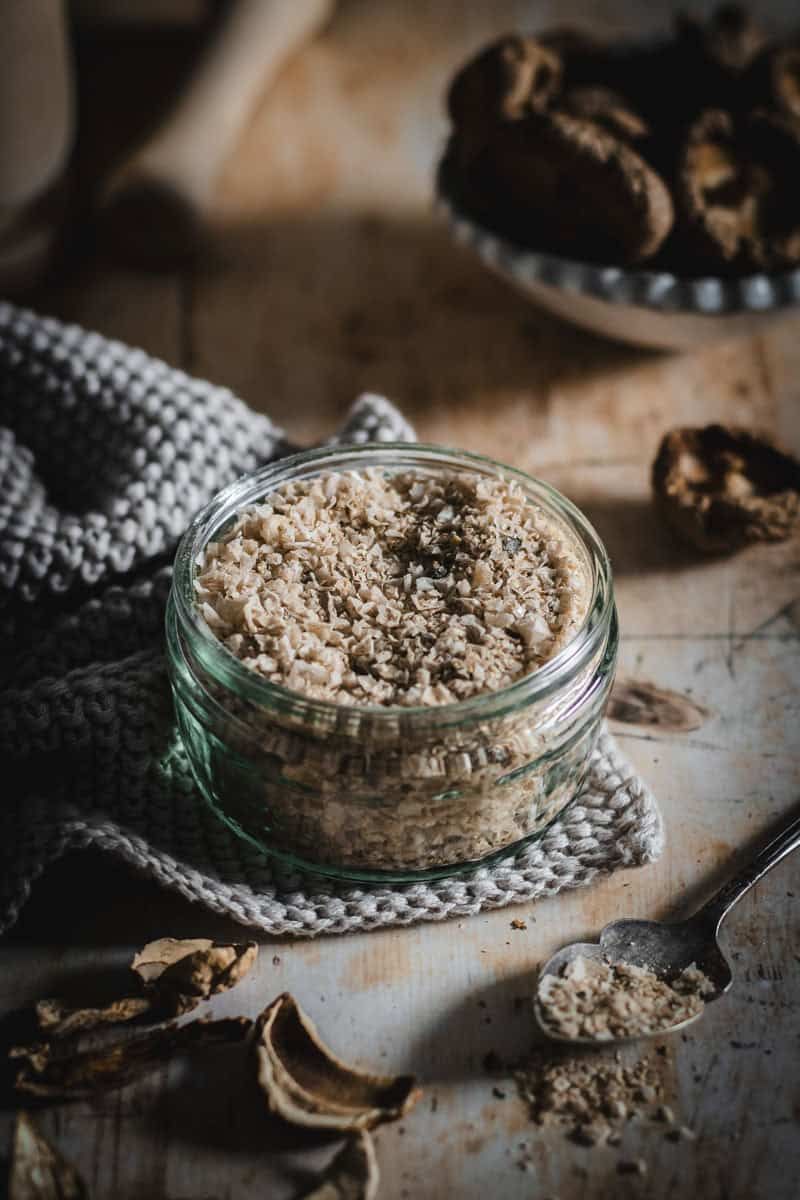
A single black truffle can cost more than a new video game console. Restaurants shave it thin over pasta and charge a fortune for that earthy smell.
Dried porcini mushrooms, ground into powder, deliver a similar deep, woodsy taste. A small bag costs only a few dollars and lasts for months.
Sprinkle a pinch into butter, risotto, or scrambled eggs. Your nose will barely notice the difference, but your bank account definitely will.
2. Saffron’s Golden Twin: Turmeric and Paprika
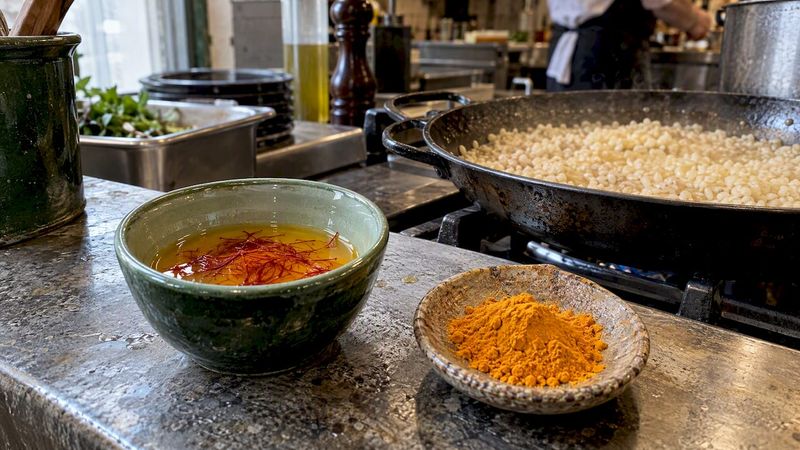
Picture tiny red threads worth more per ounce than silver. Saffron comes from crocus flowers, and every strand is picked by hand, which explains the crazy price.
For color and warmth, mix a little turmeric with a pinch of sweet paprika. Together they turn rice a sunny gold and add gentle spice.
The flavor is not identical, but for paella or yellow rice at a family dinner, few people will ever complain.
3. Caviar Dreams on a Budget

Fun fact: real sturgeon caviar can sell for hundreds of dollars per tiny tin. That is a lot of money for salty fish eggs!
Lumpfish roe or salmon roe gives you the same fun pop and briny taste for much less. Grocery stores often keep small jars near the seafood counter.
Spoon some onto crackers with cream cheese for a party snack. Guests will feel fancy, and nobody needs to know the price.
4. Lobster Swapped for Langostino
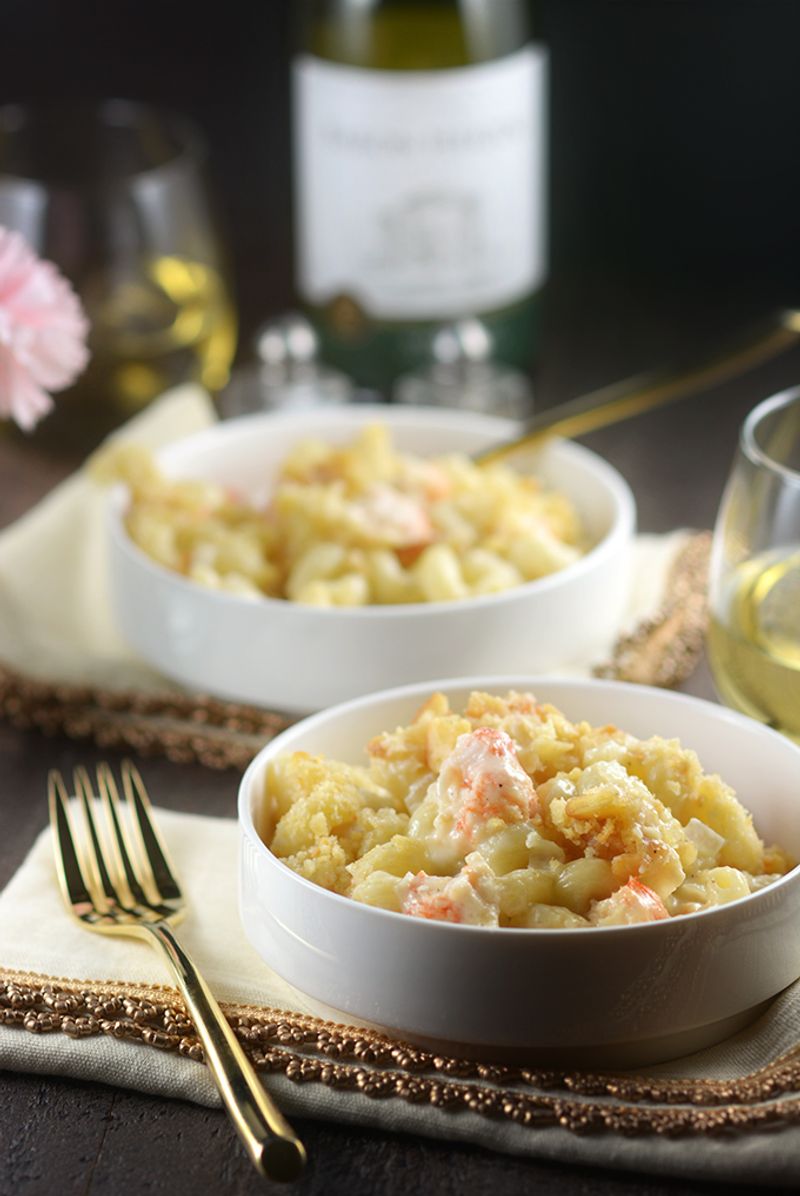
Lobster mac and cheese sounds amazing until you see the menu price. Whole lobsters are costly because they take years to grow and are hard to catch.
Langostino tails taste sweet and tender, a lot like lobster, but cost far less. Look for frozen bags in most supermarkets.
Toss them into pasta, tacos, or a buttery roll. Many seafood chains have quietly used langostinos for years, so you are in good company.
5. Wagyu Flavor From Chuck Roast
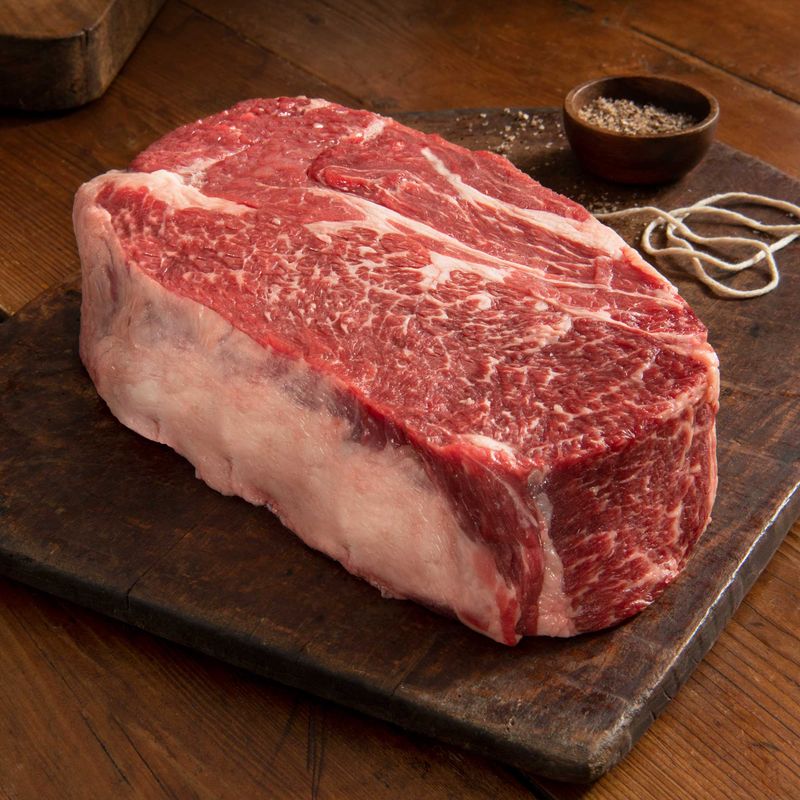
Wagyu beef is famous for its buttery fat marbling, and some cuts cost over one hundred dollars a pound. Wow, right?
Here is a secret. Chuck roast also has plenty of fat running through it.
When you cook it low and slow, it becomes rich, tender, and melt-in-your-mouth soft.
Try braising it for a few hours or grinding it for burgers. You will get a juicy bite without the luxury price tag.
6. Vanilla Beans Versus Good Extract
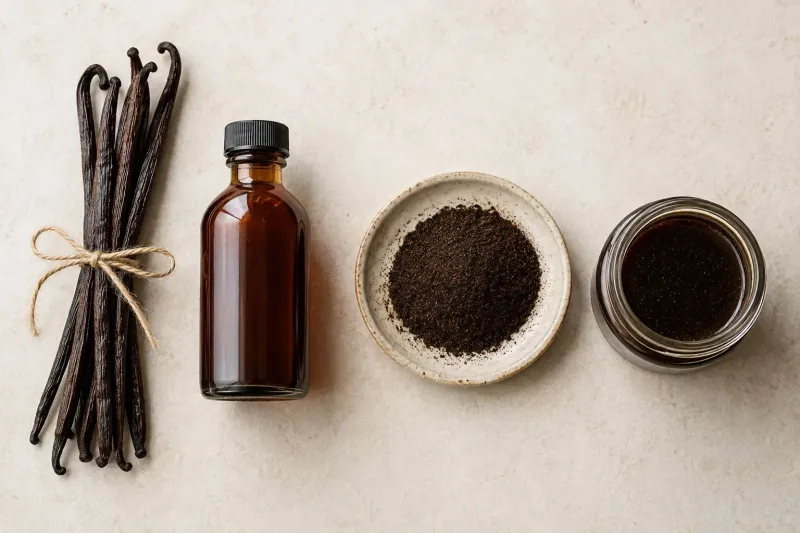
Ever wonder why vanilla bean ice cream has little black specks? Those come from pricey pods that are pollinated by hand in places like Madagascar.
Pure vanilla extract gives almost the same sweet, cozy flavor in cookies, cakes, and pancakes. Vanilla bean paste is another middle option with those pretty specks included.
Skip imitation vanilla if you can, though. Real extract still costs much less than whole beans and tastes wonderful.
7. Pine Nuts Out, Sunflower Seeds In
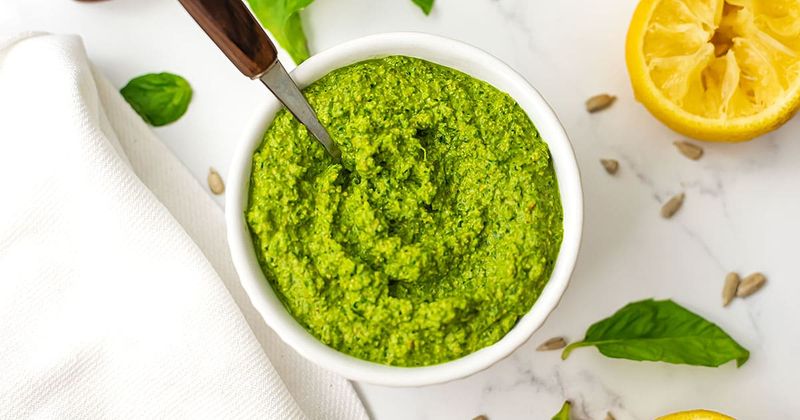
Homemade pesto is easy, until you buy pine nuts and gasp at the price. Gathering them from pine cones is slow, tricky work.
Toasted sunflower seeds make a fantastic swap. They are nutty, cheap, and blend into a creamy sauce with basil, garlic, and cheese.
Walnuts and almonds work too. Bonus: sunflower seeds are often safe for friends with tree nut allergies, so check labels and share your pesto freely.
8. Fancy Prosciutto Meets Deli Ham
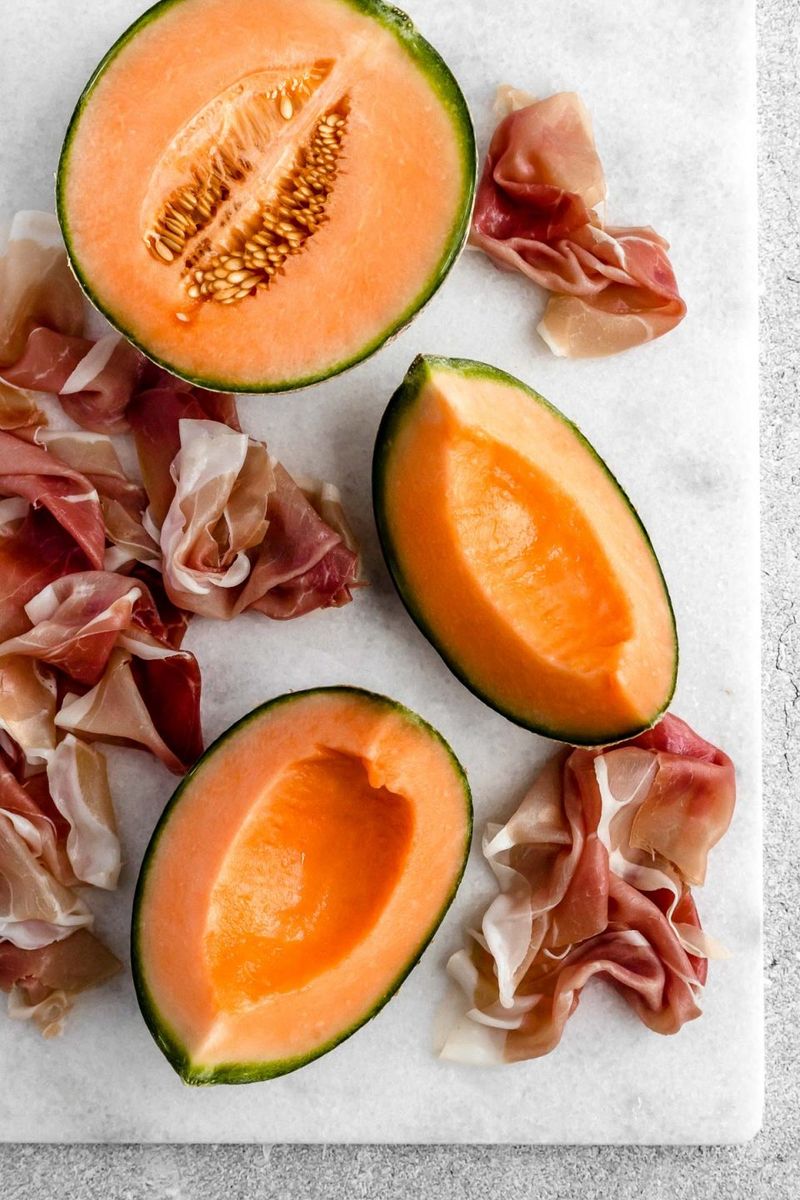
Italian prosciutto is cured for many months, sometimes over a year. That patience shows up on your bill.
Thinly sliced deli ham, baked until crispy, makes a tasty stand-in for salads and pasta toppings. For melon wraps, try a salty smoked ham from the deli counter instead.
Ask the worker to slice it paper thin. That small request makes cheap ham feel surprisingly elegant on a summer snack plate.
9. Parmigiano Reggiano’s Thrifty Cousin
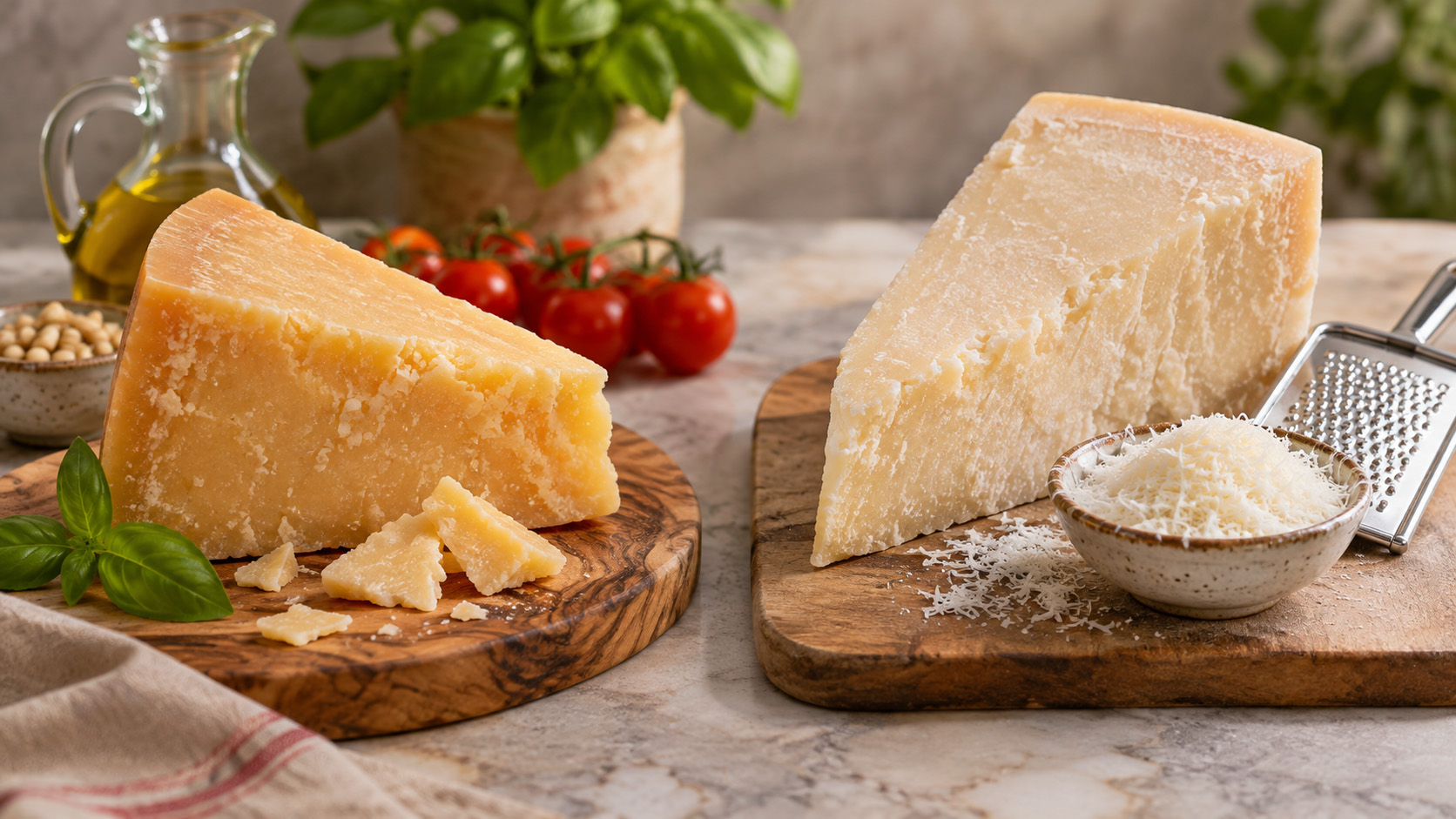
Real Parmigiano Reggiano must come from one small area of Italy and age for at least a year. Quality like that is never cheap.
Grana Padano is made in a similar way but follows looser rules, so it costs less. It tastes nutty and salty, just like its famous relative.
Grate it over spaghetti or caesar salad. Save the rinds, too, because tossing one into soup adds a rich, savory boost.
10. Crème Fraîche Made Simple
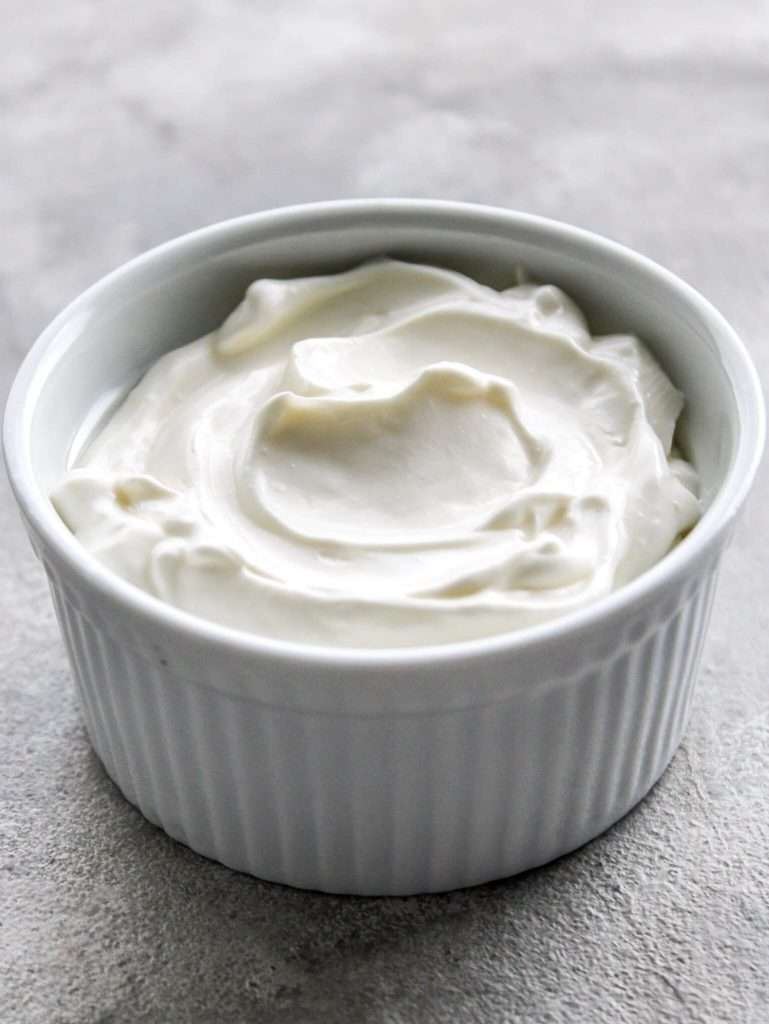
Chefs adore crème fraîche, a thick, tangy cream that never curdles in hot sauces. Tiny tubs can be surprisingly expensive, though.
Mix equal parts sour cream and heavy cream for a nearly perfect copy. Plain Greek yogurt also works great on tacos or baked potatoes.
Want to get crafty? Stir a spoonful of buttermilk into heavy cream, leave it on the counter overnight, and you have homemade crème fraîche.
11. Foie Gras Feel With Chicken Liver
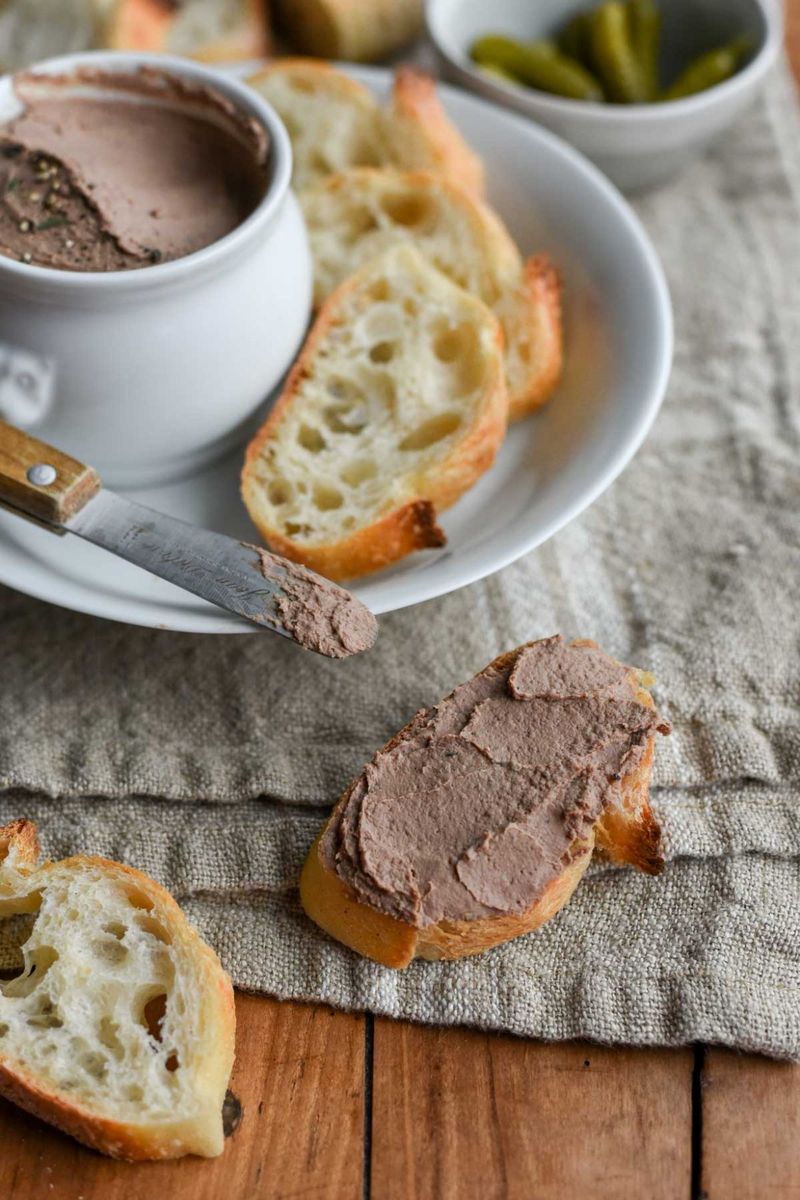
Foie gras is a silky duck or goose liver spread that costs a small fortune. Many places have even banned it.
Chicken liver pâté gives a similar creamy, rich texture for just a few dollars. Cook the livers with butter, onions, and a little garlic, then blend until smooth.
Spread it on toasted bread with pickles. Your grandparents probably made something like it, and honestly, it holds up beautifully today.
12. Scallops? Meet King Oyster Mushrooms
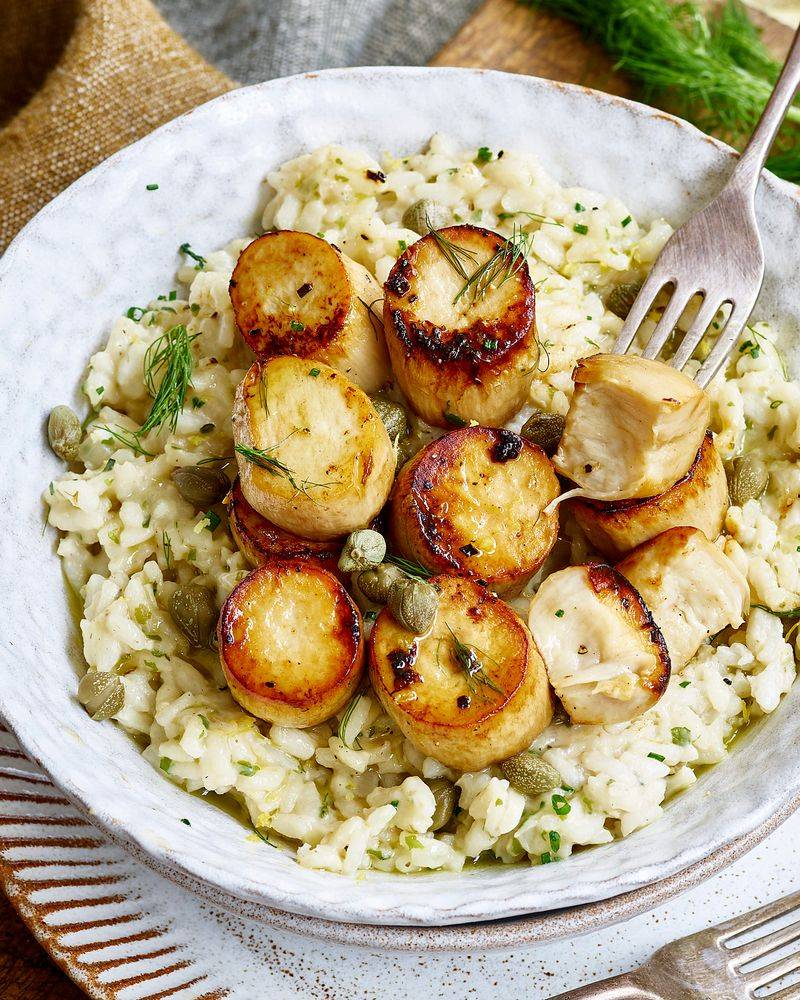
Here is a kitchen magic trick. Slice thick king oyster mushroom stems into rounds, score the tops, and sear them in butter.
They turn golden and look almost exactly like sea scallops. The texture is meaty and tender, and they soak up garlic and lemon perfectly.
Real scallops can cost thirty dollars a pound. These mushrooms cost much less, and vegetarian friends at your table will be thrilled.
13. Swap Maple Syrup Smartly
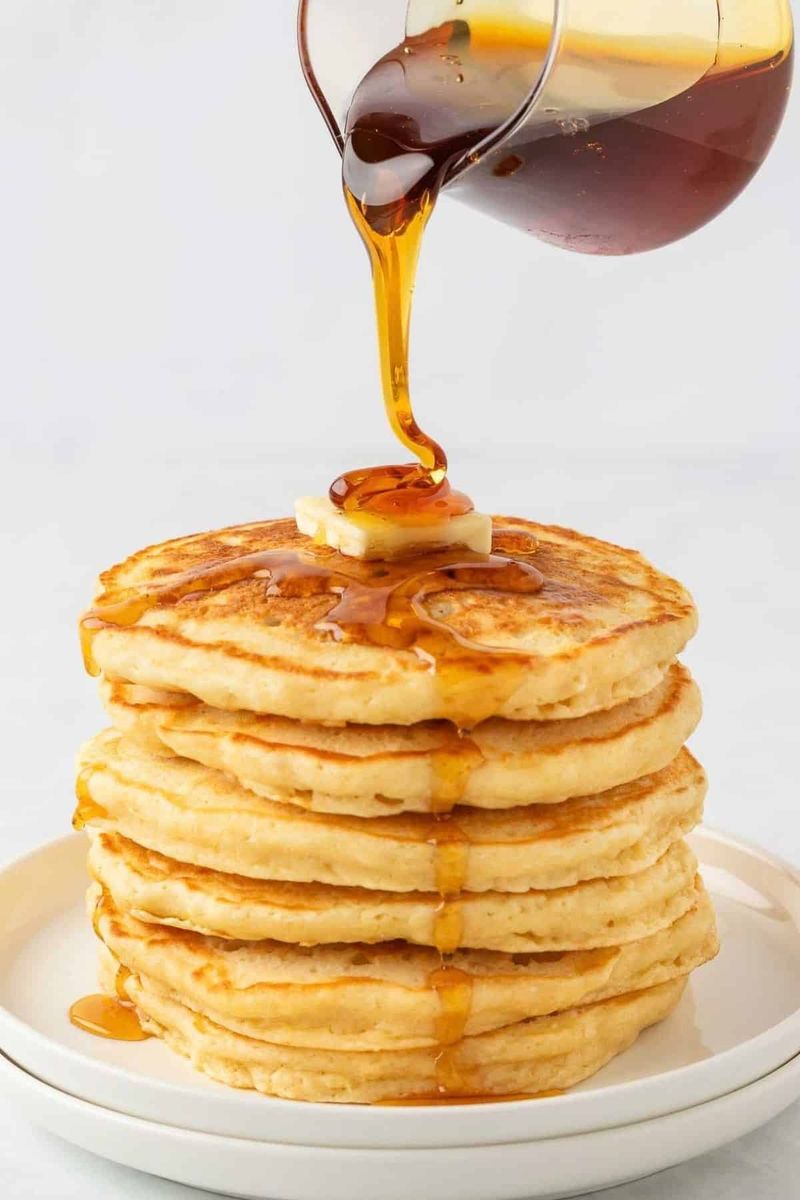
Real maple syrup takes about forty gallons of tree sap to make just one gallon. No wonder those little jugs cost so much!
For baking, brown sugar mixed with a splash of water and a drop of maple extract tastes surprisingly close. Honey also works well in many recipes.
Keep the real stuff for pancakes, where you can taste it most. Use the cheaper swap inside muffins and cookies instead.
14. Burrata Ballers Choose Fresh Mozzarella
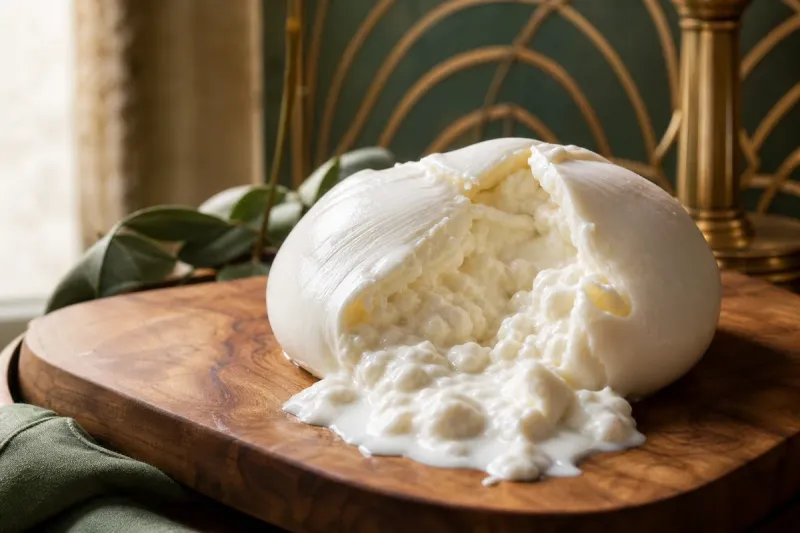
Cut into burrata and a creamy center spills out like a surprise. Restaurants know people love that moment and price it high.
You can fake it easily. Tear open fresh mozzarella, then spoon in a mix of ricotta and a little heavy cream.
Drizzle with olive oil, salt, and pepper, then serve over tomatoes. It looks fancy enough for photos and tastes dreamy for far less money.
15. Imported Olive Oil vs. Everyday Bottles
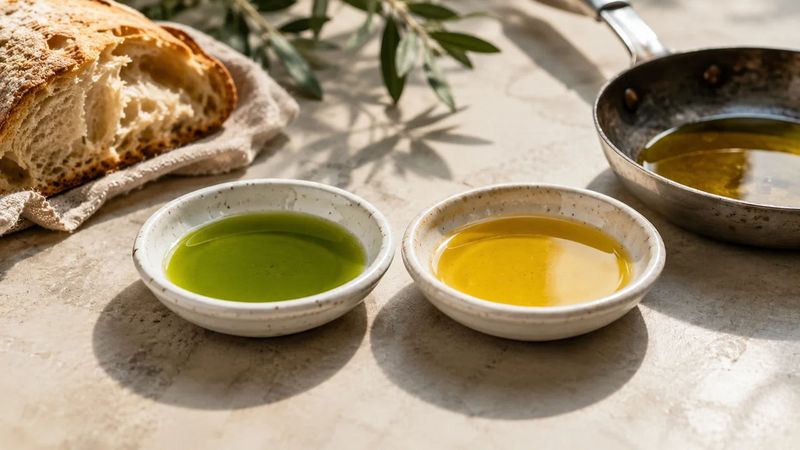
Did you know most cooking does not need expensive olive oil? High heat destroys the delicate flavors anyway.
Use an affordable, store-brand extra virgin oil for frying and roasting. Save a small bottle of premium oil just for drizzling over salads or dipping bread.
Store both in a cool, dark cupboard, not beside the stove. Heat and light make oil taste stale quickly, wasting money no matter the price.
16. Crab Cakes Using Imitation Crab
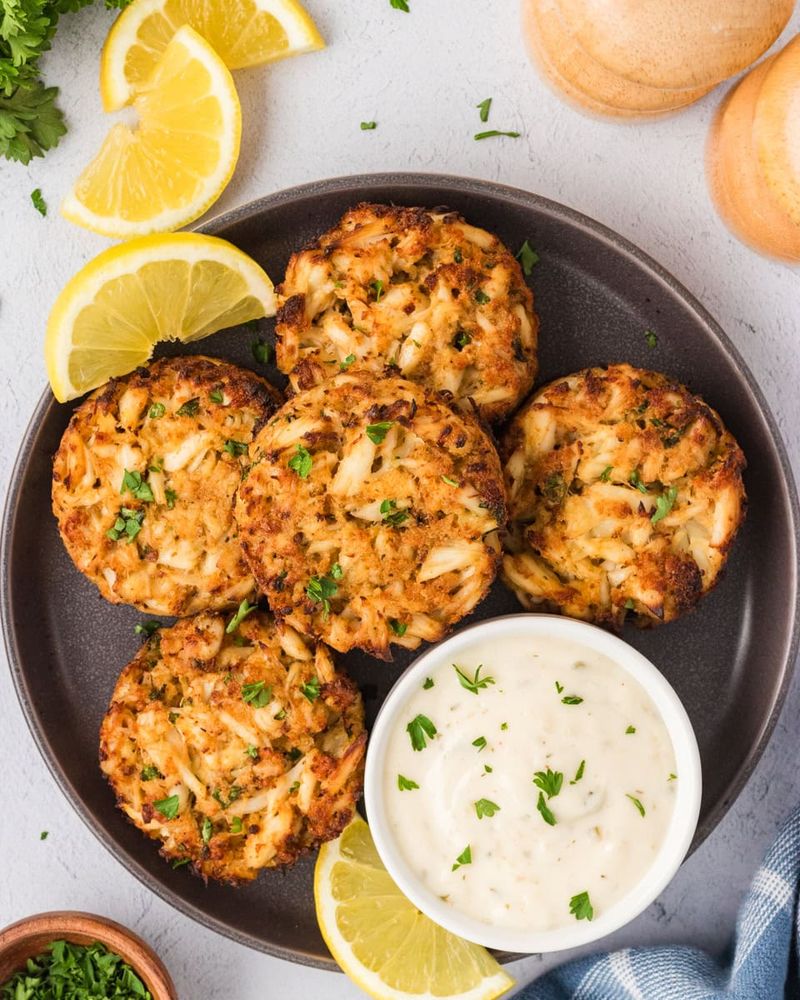
Fresh lump crab meat can be wildly pricey, especially away from the coast. Restaurant crab cakes often cost more than a whole meal elsewhere.
Imitation crab, made from white fish like pollock, is sweet, flaky, and budget friendly. Chop it up, mix with breadcrumbs, mayo, egg, and Old Bay, then pan fry.
Crispy edges and a squeeze of lemon make them shine. Kids especially love these golden little patties.
17. Aged Balsamic Hack With Honey
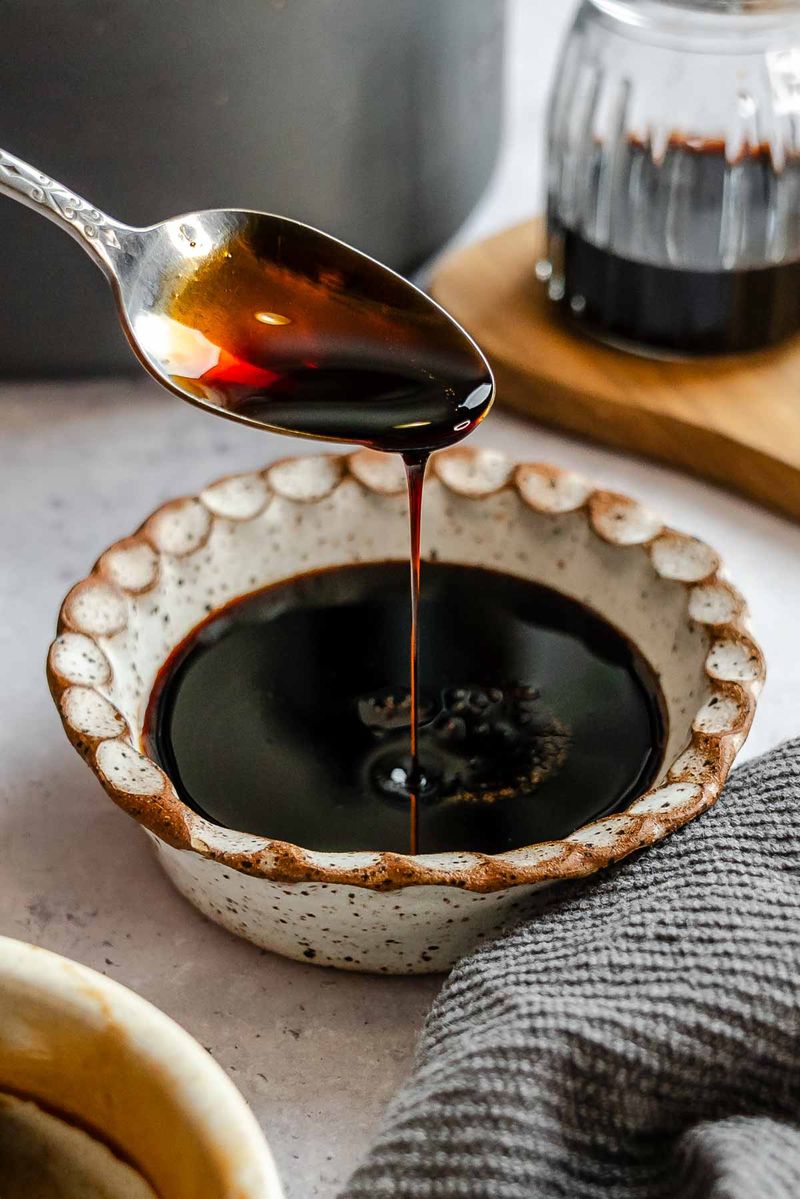
True aged balsamic vinegar from Modena can rest in wooden barrels for twelve years or more. A tiny bottle may cost fifty dollars.
Simmer regular balsamic vinegar in a pan until it thickens into a glossy syrup. Add a spoonful of honey or brown sugar for extra sweetness.
Let it cool, then drizzle over strawberries, salads, or grilled chicken. It tastes rich, sticky, and impressively gourmet with almost zero effort.