
Saving money at the grocery store feels great, but some cheap choices end up costing you flavor. A few ingredients taste so much better when you spend a bit more that the difference shows up in every bite.
Knowing where to splurge helps you cook tastier meals without blowing your whole budget. Here are the foods that truly earn their higher price tag.
1. Real Maple Syrup

Pancake syrup from the cheap bottle is mostly corn syrup with brown coloring and fake flavor. Pure maple syrup comes straight from tree sap boiled down for hours.
Fun fact: it takes about 40 gallons of sap to make just one gallon of syrup. That explains the price.
The flavor is deeper, woody, and rich. Use it on oatmeal, in salad dressings, or brushed on roasted carrots.
A small bottle lasts longer than you think.
2. Extra Virgin Olive Oil
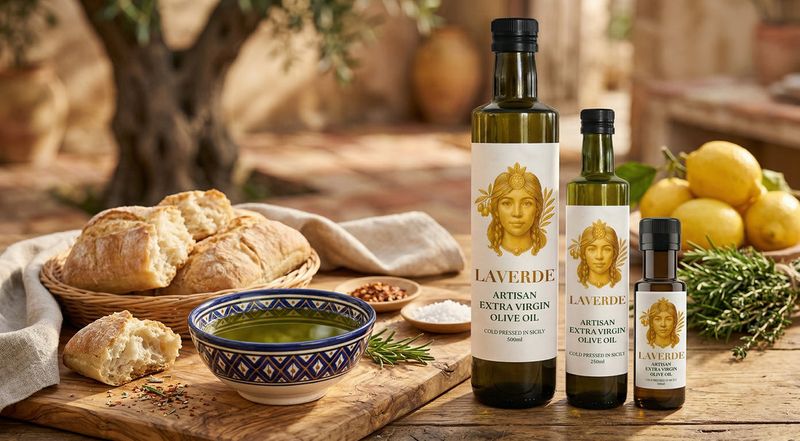
Picture dipping warm bread into oil so fresh it tastes peppery and green. That is good extra virgin olive oil.
Bargain bottles are sometimes old, blended, or stored in clear plastic that lets light ruin them. Look for dark glass and a harvest date on the label.
Save the fancy stuff for drizzling over salads, soups, and pasta. For high-heat frying, a cheaper oil works just fine and keeps costs down.
3. Block Parmesan Cheese
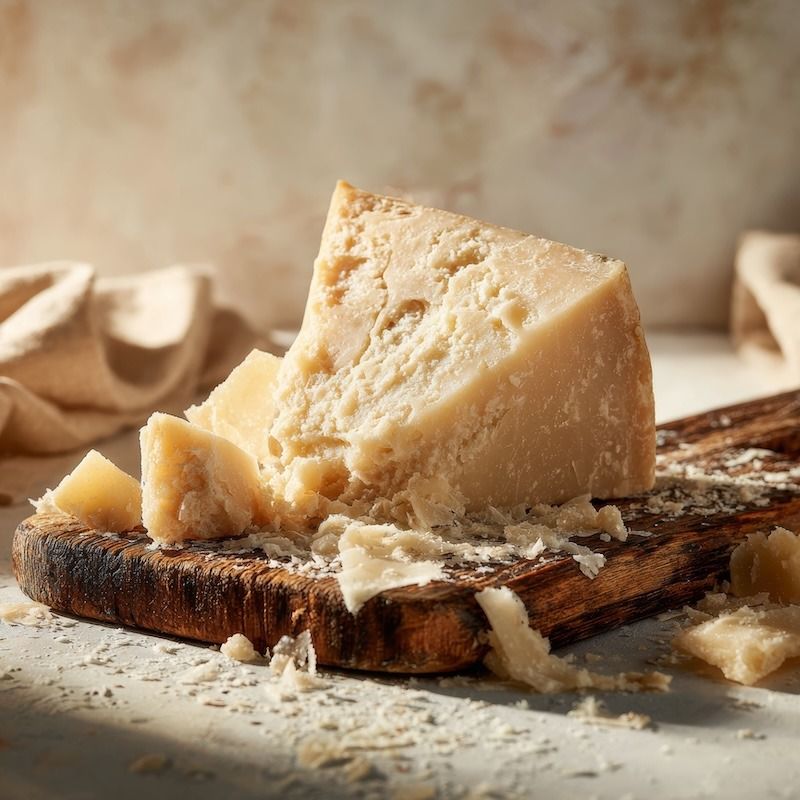
Shake-on parmesan in a green can often contains fillers like cellulose to stop clumping. The real thing, Parmigiano Reggiano, is aged at least 12 months in Italy.
Grating a block yourself gives fluffy, nutty, salty shreds that melt beautifully into pasta. You also use less because the flavor is so strong.
Bonus tip: toss the leftover rind into soups. It adds a savory boost that nobody can quite name.
4. Pure Vanilla Extract
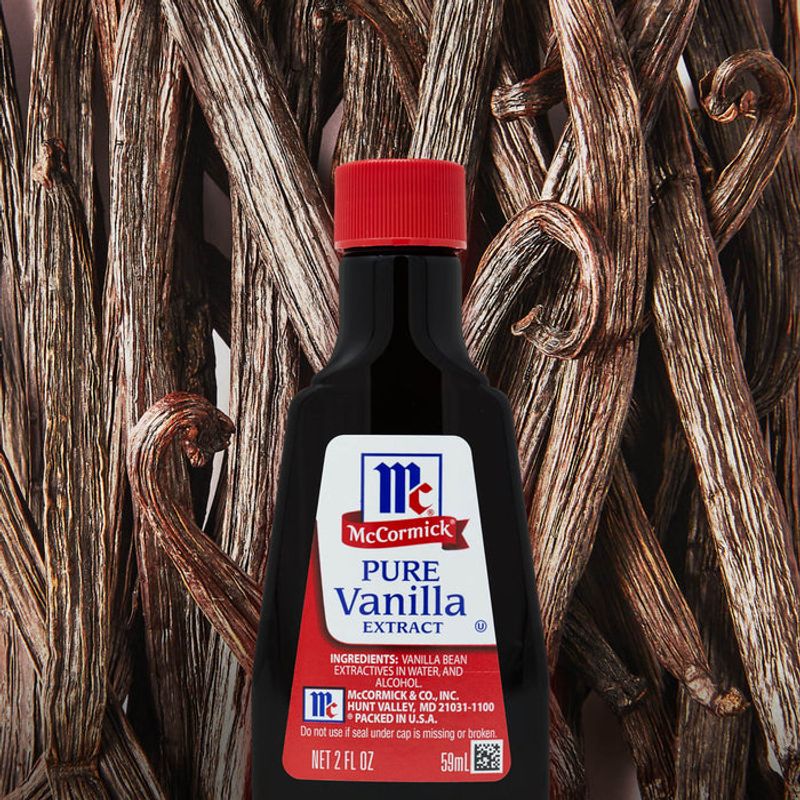
Bakers swear by it, and they have good reason. Imitation vanilla is made from lab flavoring, while pure extract soaks real vanilla beans in alcohol.
Vanilla is the second most expensive spice in the world after saffron. The beans grow on orchids that are often pollinated by hand.
In cookies and cakes, the real stuff adds warm, layered sweetness. Since recipes only need a teaspoon or two, one bottle stretches surprisingly far.
5. Good Coffee Beans
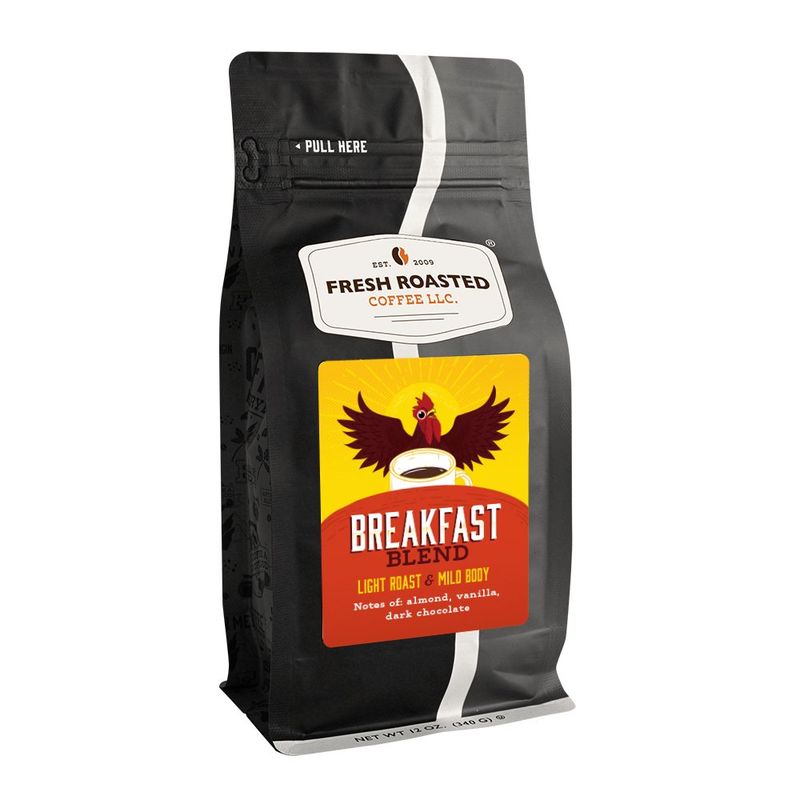
If you drink coffee every morning, you deserve to enjoy it. Fresh whole beans from a local roaster taste brighter and smoother than old pre-ground cans.
Check for a roast date and try to use the beans within a month. Grind them right before brewing for the best smell and flavor.
Even pricier beans cost far less per cup than a coffee shop drink, so this splurge actually saves money.
6. Pasture-Raised Eggs
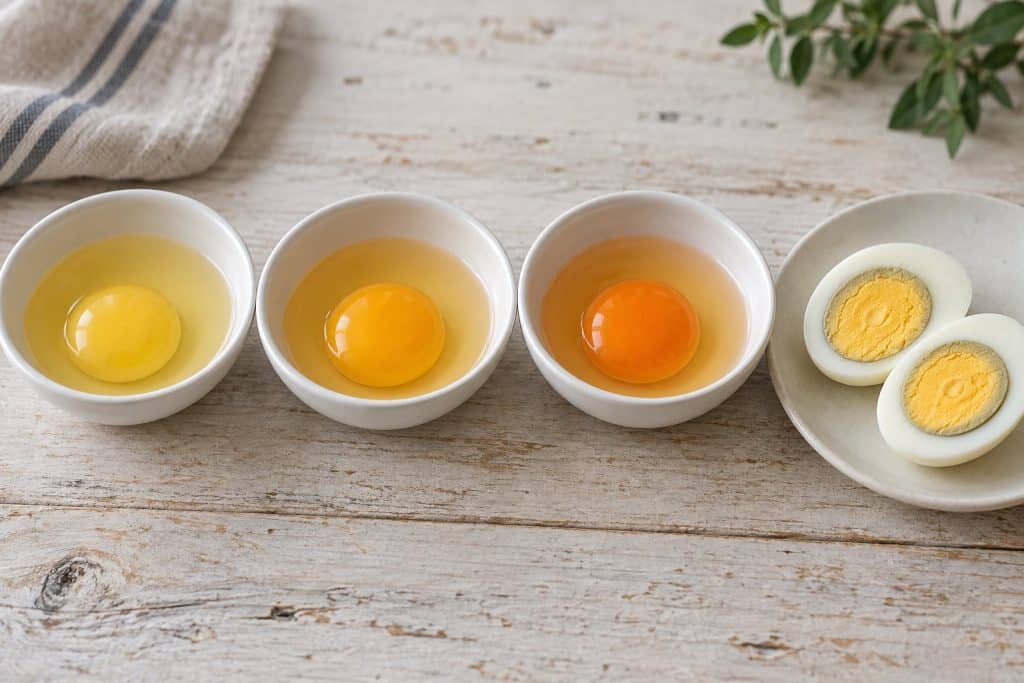
Crack one open and you will notice right away. The yolk is often a deep, sunny orange instead of pale yellow.
Hens that roam outside eat grass, bugs, and seeds, which can give the eggs richer taste. Many people also feel better knowing the birds had more space to live.
Eggs are still one of the cheapest proteins around, even at a higher price. Scrambled or fried, you will taste the upgrade.
7. European-Style Butter
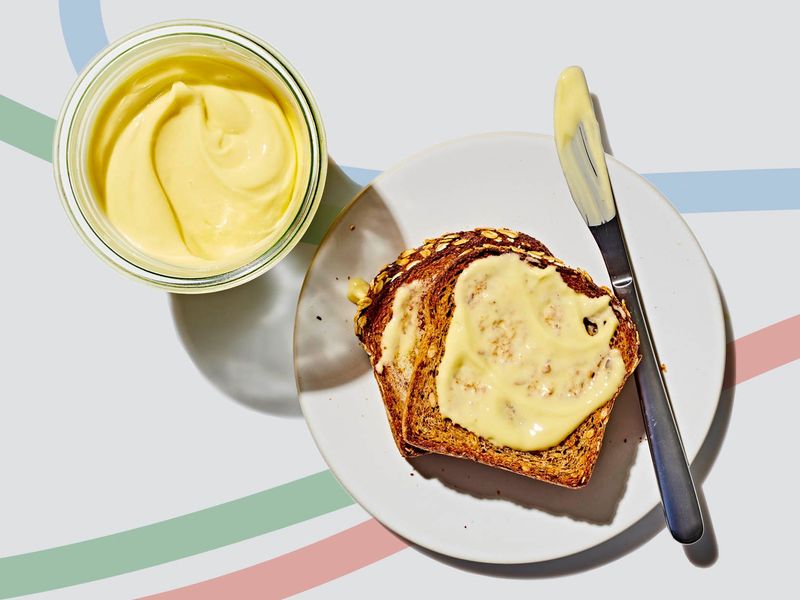
Butter is butter, right? Not quite.
European-style butter has more butterfat, usually around 82 percent compared to 80 percent in regular sticks.
That small difference makes it creamier and more flavorful. Pastries turn out flakier, and a simple slice of toast suddenly feels fancy.
You do not need it for everything. Keep a block around for baking projects and bread, and use regular butter for greasing pans and everyday cooking.
8. Fresh Bakery Bread
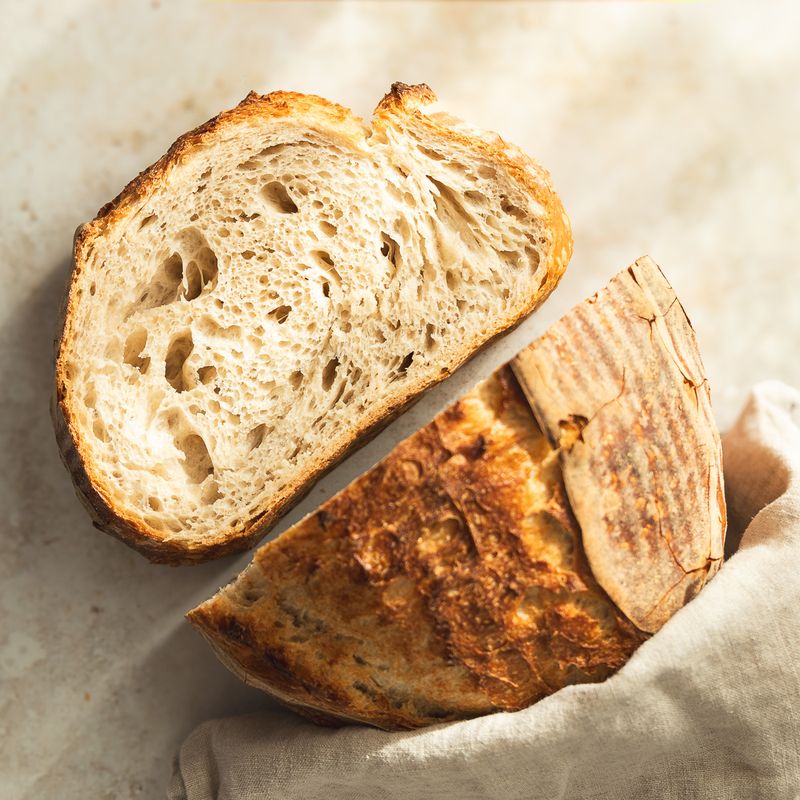
Ever notice how store sandwich bread stays soft for weeks? That comes from preservatives and added sugar.
A loaf from a real bakery, especially sourdough, has a crackly crust and chewy middle. Long fermentation gives sourdough its tangy taste and may make it easier for some people to digest.
Slice and freeze half the loaf to keep it from going stale. Pop pieces straight into the toaster whenever you want one.
9. Dark Chocolate

Chocolate lovers, this one is for you. Cheap candy bars are packed with sugar and sometimes replace cocoa butter with vegetable fats.
A quality dark chocolate bar lists cocoa first and has a short ingredient list. The flavor can range from fruity to nutty depending on where the beans grew.
Because it is so rich, a couple of squares usually satisfies a sweet craving. Melt it into brownies for a serious upgrade.
10. Whole Spices
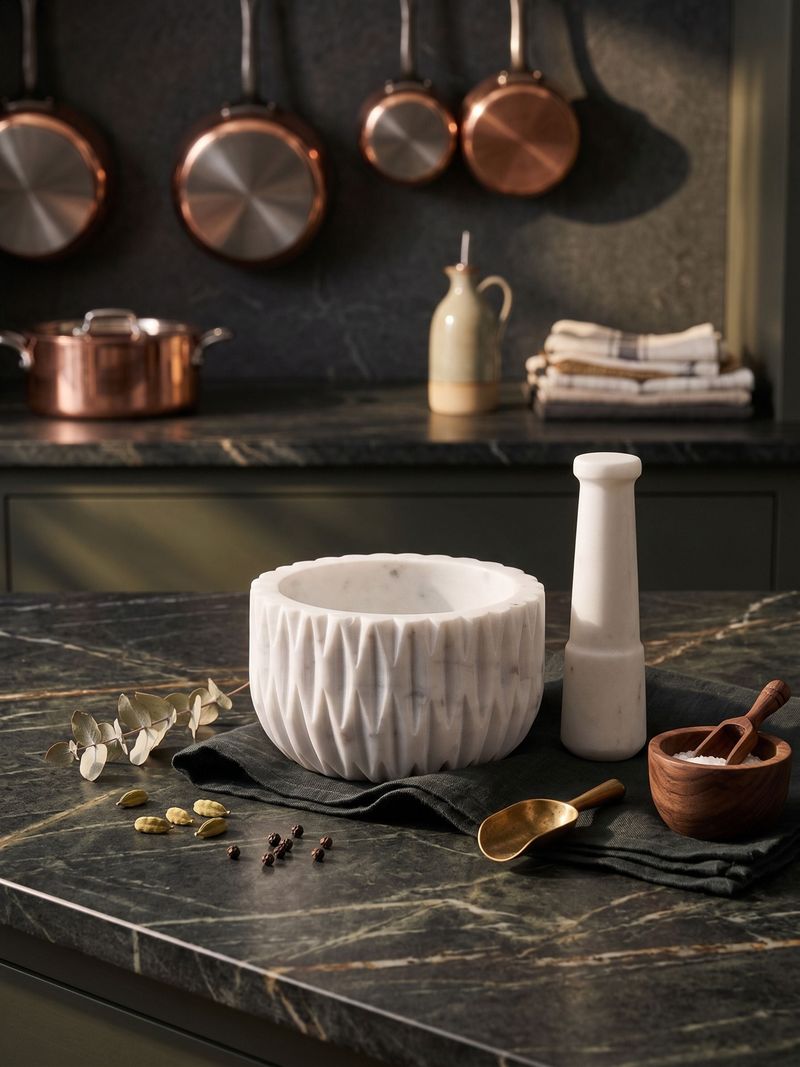
That jar of ground cumin hiding in your cabinet since 2019? It probably tastes like dust now.
Ground spices lose their punch quickly because their oils fade. Whole spices like peppercorns, cumin seeds, and cinnamon sticks stay fresh much longer.
Toast them in a dry pan for a minute, then grind with a cheap coffee grinder. Your kitchen will smell amazing, and your curries and chili will taste brand new.
11. Quality Canned Tomatoes
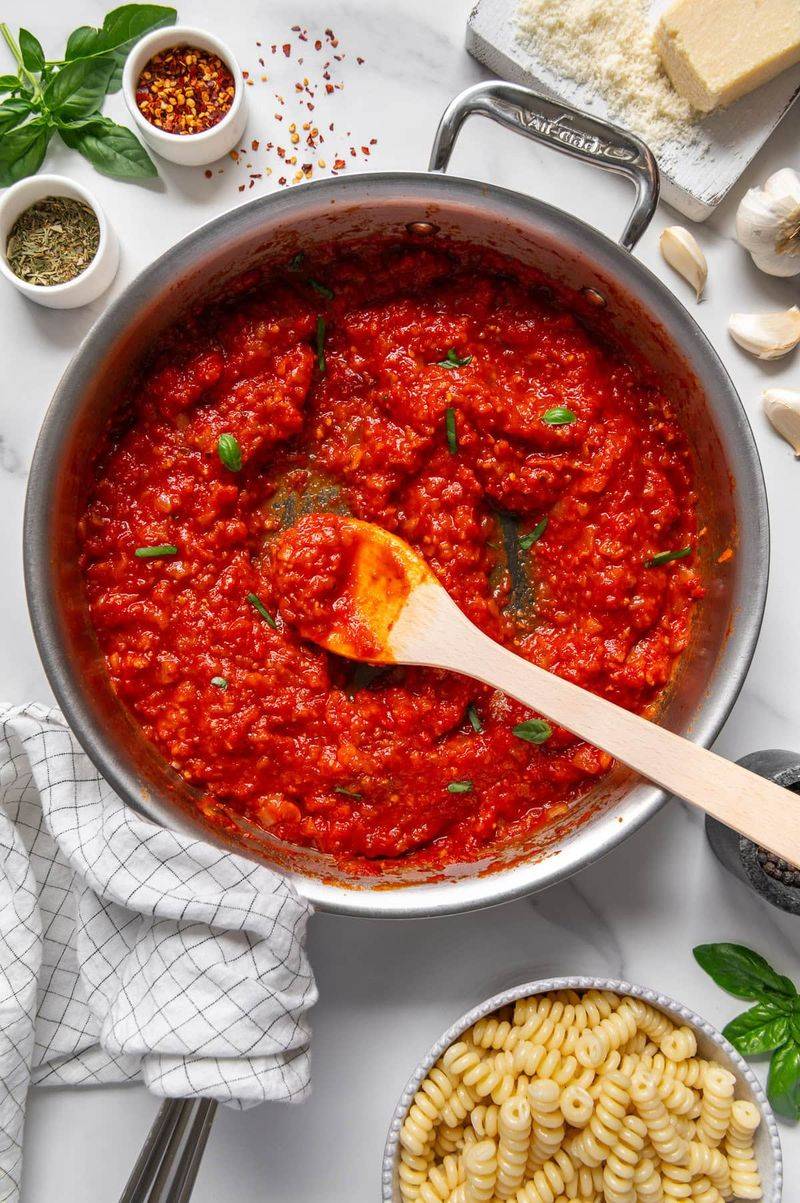
Grandmas who make sauce from scratch often have one secret. They start with really good canned tomatoes.
Premium brands, like San Marzano style tomatoes, are sweeter and less sour. They break down into a silky sauce without needing extra sugar.
Buy whole peeled tomatoes and crush them with your hands. They tend to be better quality than diced ones, which are often treated to stay firm and never get soft.
12. Flaky Sea Salt
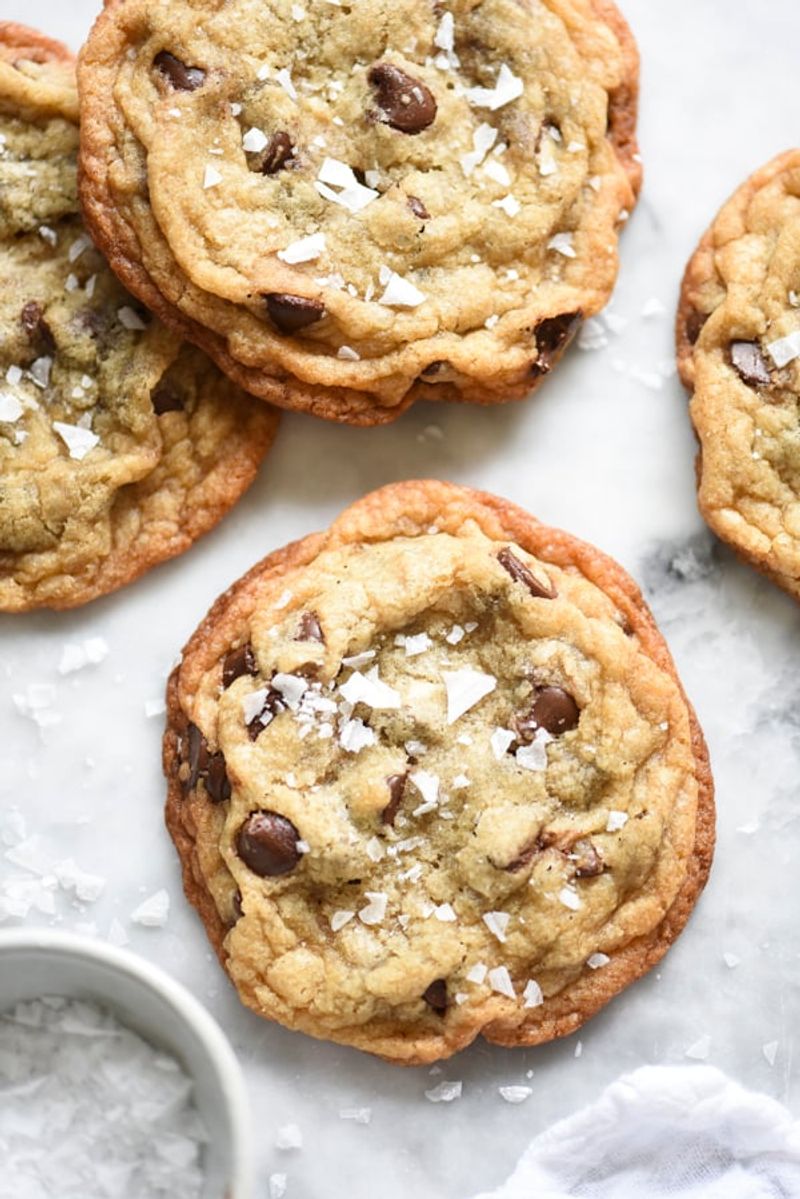
Sprinkle a few crunchy crystals on a chocolate chip cookie and watch faces light up. Flaky sea salt is a finishing touch, not a cooking salt.
The big, delicate flakes add tiny pops of saltiness and crunch. Try it on sliced tomatoes, avocado toast, steak, or caramel.
A box costs a few dollars more than table salt, but you only use pinches. One container can easily last a whole year.
13. Real Honey
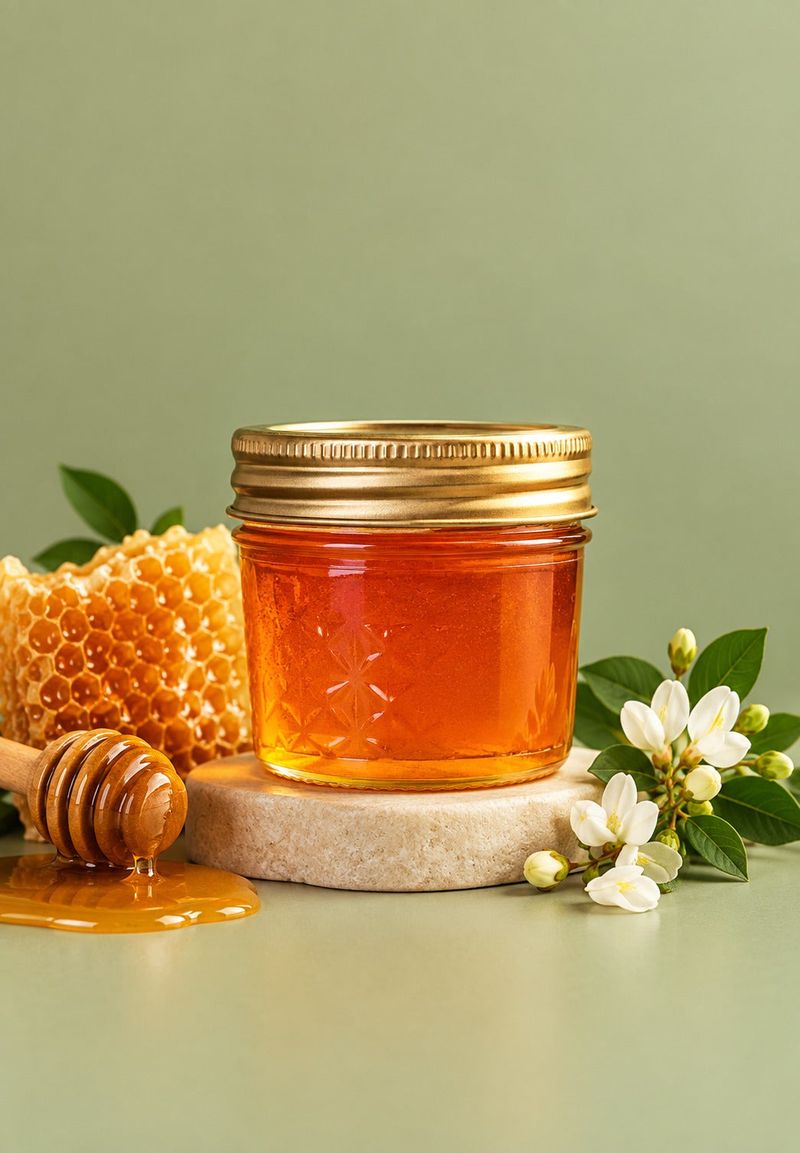
Some bear-shaped bottles hold honey that has been heavily filtered or even mixed with cheaper syrups. Raw local honey keeps more of its natural flavor.
Did you know? Honey can last basically forever.
Archaeologists have found edible honey in ancient Egyptian tombs.
Farmers markets are a great place to buy it, and you support nearby beekeepers too. Taste a few kinds, since clover, orange blossom, and wildflower honey all taste different.
14. Fresh Seafood
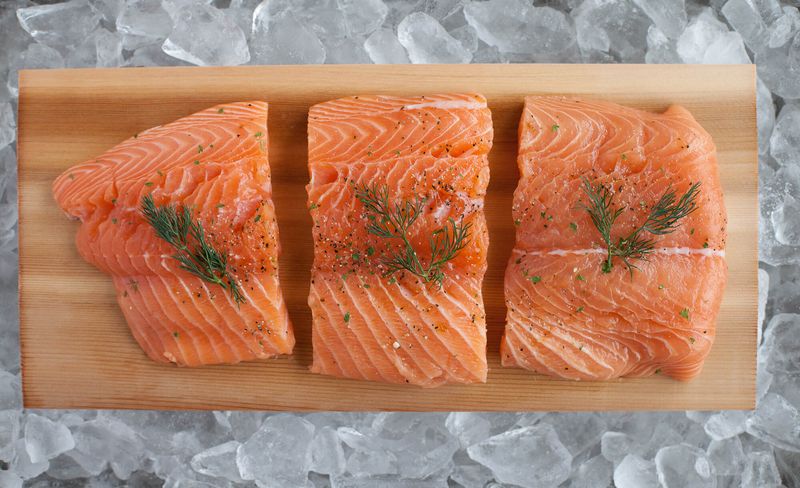
Fish should smell like the ocean, not like something fishy. That simple test tells you a lot.
Cheap seafood can be old, poorly stored, or even mislabeled as a different species. Buying from a trusted fishmonger means fresher, firmer, sweeter fish.
Do not overlook good frozen seafood either. Fish frozen right on the boat is often fresher than the stuff thawed at the counter.
Ask questions, since good sellers love to answer them.
15. Good Ground Beef
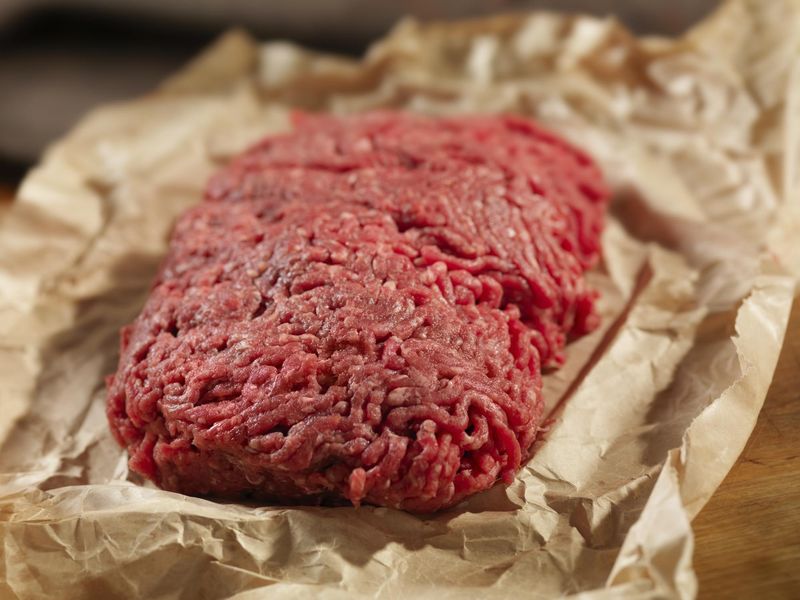
Burger night only works if the burgers taste great. Higher quality ground beef, especially from a butcher, often has better flavor and texture.
Grass-fed beef tastes a bit earthier, while freshly ground chuck makes incredibly juicy patties. Fresh grinding also means less time sitting around in packaging.
Since burgers have so few ingredients, the meat is the star. Season simply with salt and pepper, and let the beef do the talking.
16. Aged Balsamic Vinegar
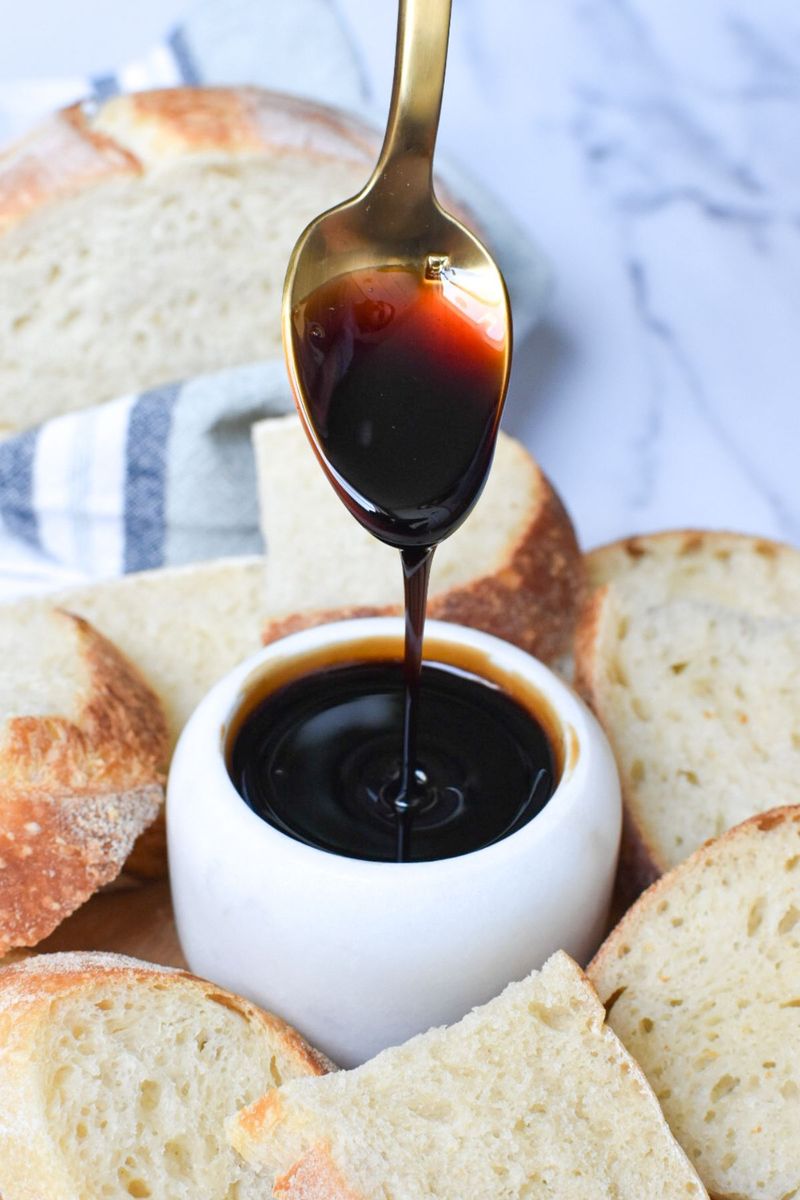
Real aged balsamic from Modena, Italy, is thick, sweet, and almost syrupy. Some kinds rest in wooden barrels for 12 years or longer.
Cheaper bottles are mostly wine vinegar with caramel coloring added. They taste sharp and thin by comparison.
A few drops of the good stuff turns strawberries, vanilla ice cream, or fresh mozzarella into a restaurant dessert. Store it in a cool cupboard and it keeps for ages.
17. Natural Peanut Butter
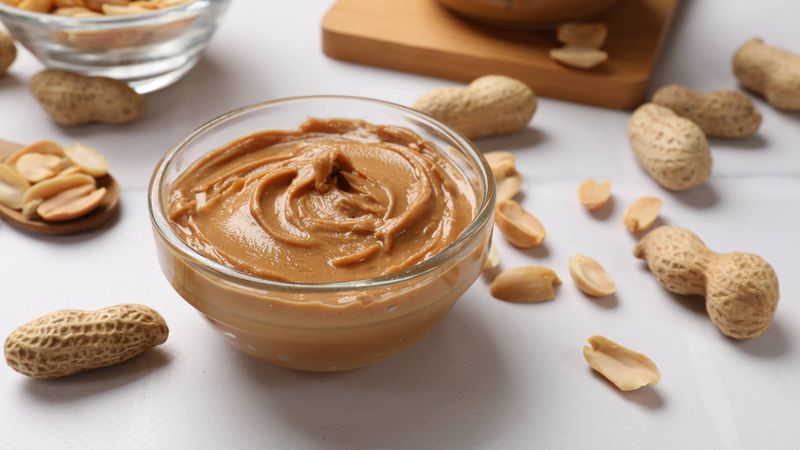
Flip the jar over and read the label. The best natural peanut butter lists just peanuts and maybe salt.
Popular brands often add sugar and hydrogenated oils to keep it smooth. Natural versions taste more like roasted peanuts and less like candy.
Yes, the oil separates on top. Stir it well once, then keep the jar in the fridge so it stays mixed.
Your sandwiches and smoothies will thank you.
18. Fresh Herbs
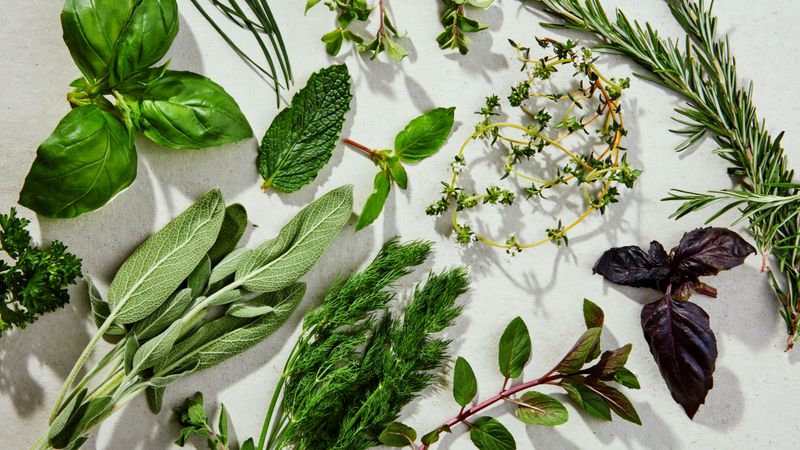
A handful of chopped basil can wake up a plain bowl of pasta in seconds. Dried herbs have their place, but fresh ones bring bright, lively flavor.
Store soft herbs like cilantro and parsley in a glass of water in the fridge, like flowers. They last much longer that way.
Want to save money long term? Grow a small pot of basil or mint on a sunny windowsill and snip as needed.
19. Loose Leaf Tea
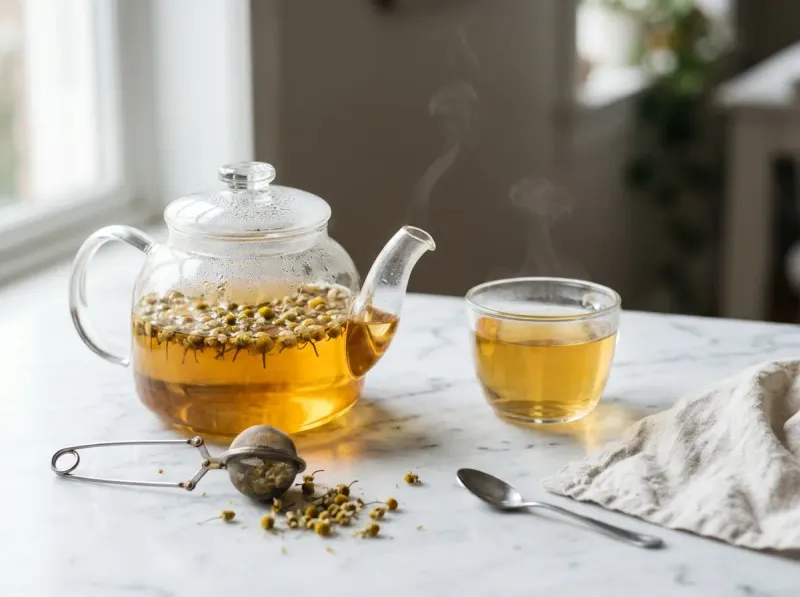
Tear open a cheap tea bag and you will find tiny dusty bits called fannings. Loose leaf tea uses whole leaves that unfold as they steep.
The result is smoother and more aromatic, with fewer bitter notes. Many loose teas can be steeped two or three times, so the cost per cup drops quickly.
Grab a simple metal strainer and start with a classic green or black tea to taste the difference.
20. Fancy Mustard
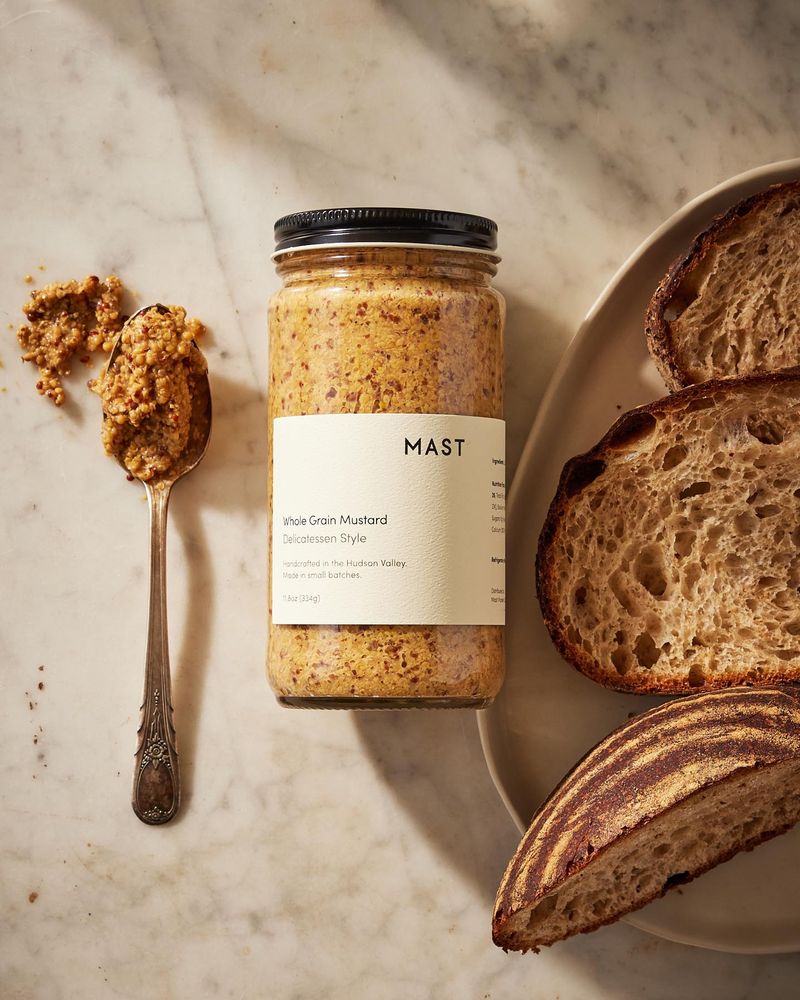
Bright yellow ballpark mustard is fun, but it only plays one note. A good Dijon or whole grain mustard opens up a world of flavor.
Spicy, tangy, and creamy, quality mustard does way more than top hot dogs. Whisk it into vinaigrettes, spread it on sandwiches, or rub it on chicken before roasting.
One jar costs just a few dollars more and gets used in dozens of meals. Talk about a bargain upgrade.
21. Good Chicken Stock
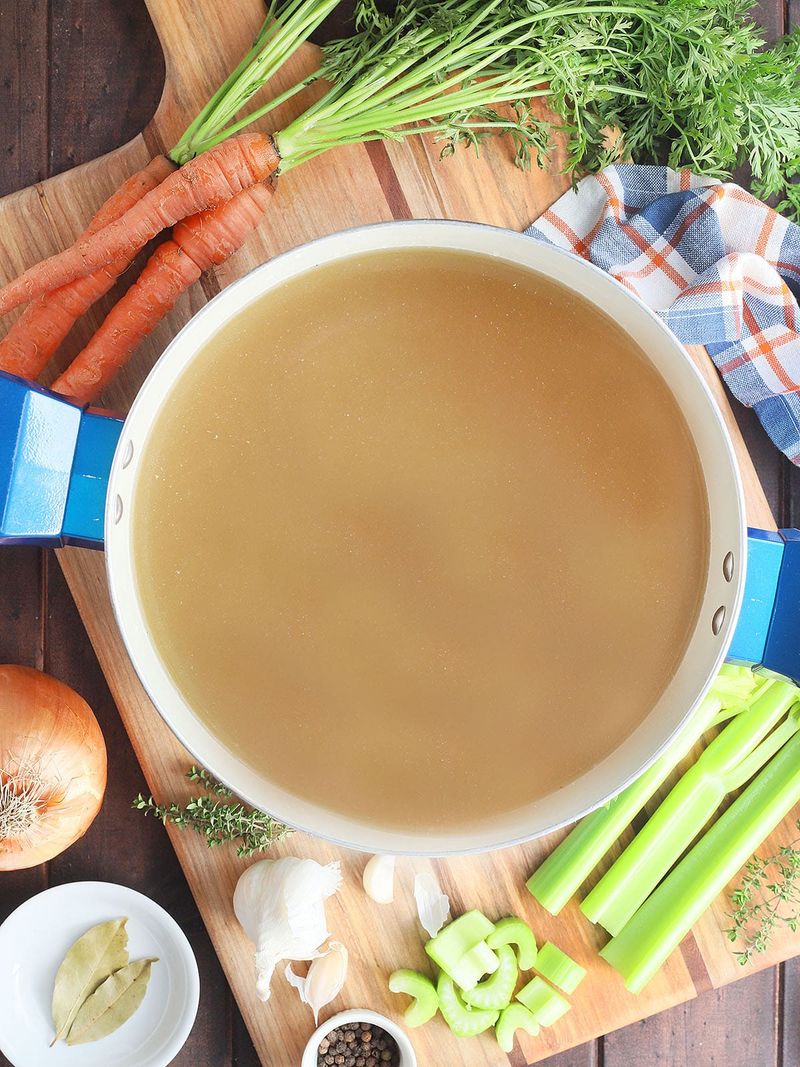
Soups, risottos, and gravies all lean on stock for their backbone. Watery, salty boxed broth can leave dishes tasting flat.
Better brands, or stock concentrates made with real chicken, have richer body and flavor. Some even turn jiggly when chilled, which means they contain natural gelatin from bones.
Of course, homemade is cheapest of all. Save chicken bones and veggie scraps in the freezer, then simmer them on a lazy Sunday afternoon.