
Some stars can hold your attention with a quiet look instead of a big joke. Their powerful roles and thoughtful performances have helped shape Hollywood’s most memorable dramas.
A serious screen image does not tell us everything about someone’s real personality, but it can make their work stand out. These actors show how many different forms that intensity can take.
1. Daniel Day-Lewis: Total Commitment to Character
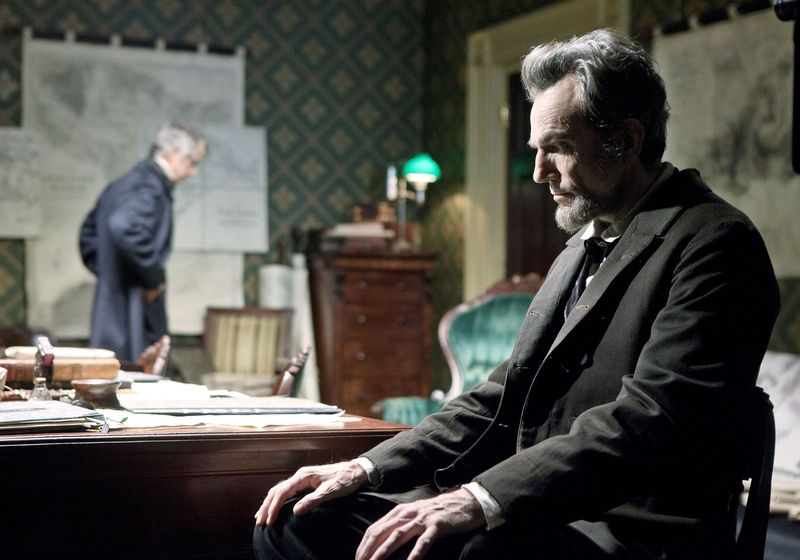
A quiet voice can carry enormous weight, especially when an actor prepares as deeply as he does. His performances in Lincoln, There Will Be Blood, and My Left Foot each earned him an Oscar.
Known for staying in character during productions, he builds roles through careful detail rather than easy charm. Watch how his posture and speech change between films.
That contrast helps explain why his serious screen image feels so convincing to many viewers.
2. Meryl Streep: Finding Truth in Difficult People
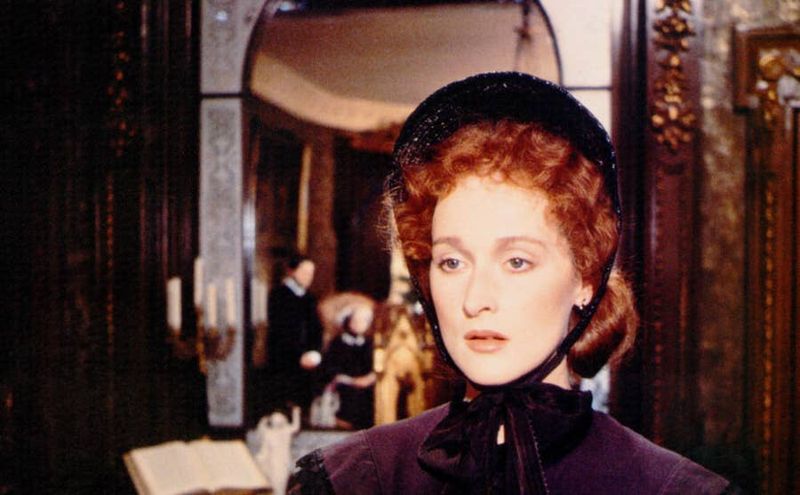
Not every memorable character needs to be easy to like. Across Sophie’s Choice, Silkwood, and The Iron Lady, Streep gives complicated women fears, flaws, and reasons for their choices.
Her serious reputation comes partly from making those details feel human rather than distant. She also has plenty of comic range, so drama is only one side of her work.
Compare her pauses across roles to see how carefully she shapes each person’s private emotional world onscreen.
3. Jodie Foster: Strength Without the Noise
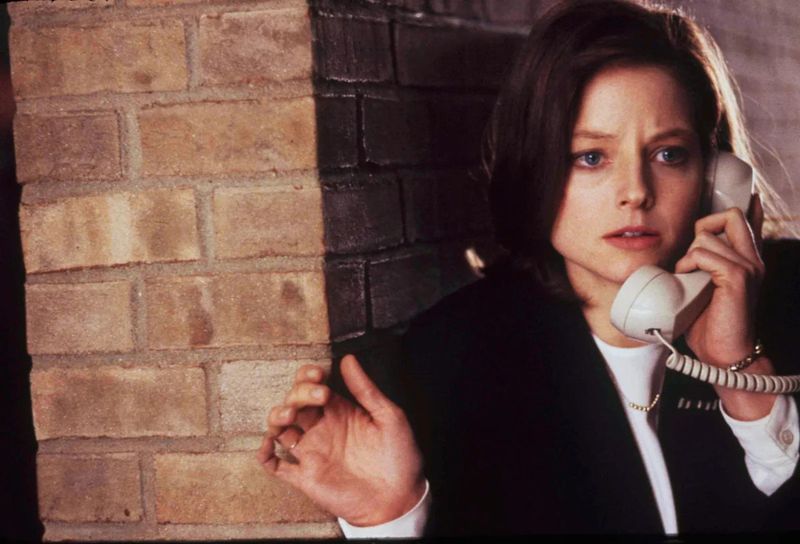
Under pressure, her characters often become more focused rather than louder. That steady presence makes Clarice Starling in The Silence of the Lambs such a strong example of courage mixed with fear.
Foster won Oscars for that film and The Accused, building a career around demanding material. Her private public image adds to the impression of reserve.
Notice her listening scenes, where small reactions often reveal as much as a long speech might in another performance.
4. Christian Bale: More Than a Physical Transformation
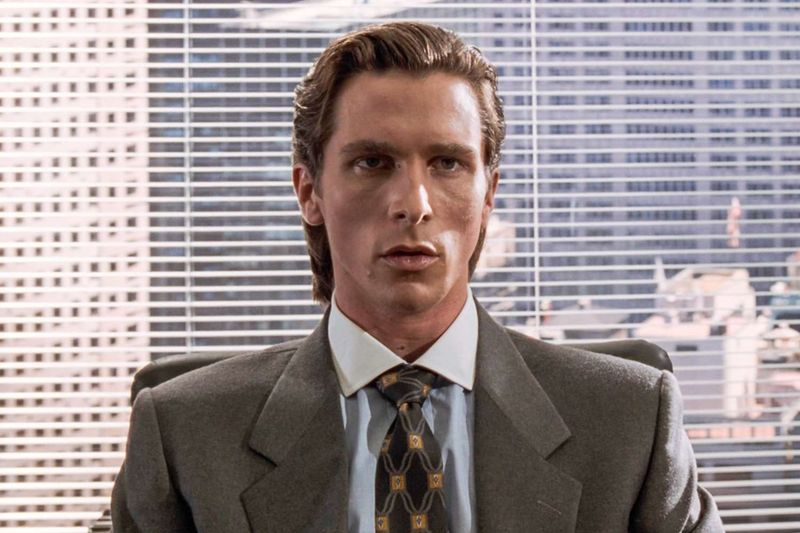
Changing his appearance may grab headlines, but the real work goes deeper. In The Machinist, The Fighter, and Vice, Bale also changes his rhythm, movement, and way of speaking.
Those choices help separate characters who might otherwise blend together as troubled men. His demanding roles have strengthened his serious reputation, even when dark humor appears.
Look beyond the makeup or body changes and watch his eyes for clues about what each character wants most from others.
5. Joaquin Phoenix: Uncomfortable Emotions in Focus
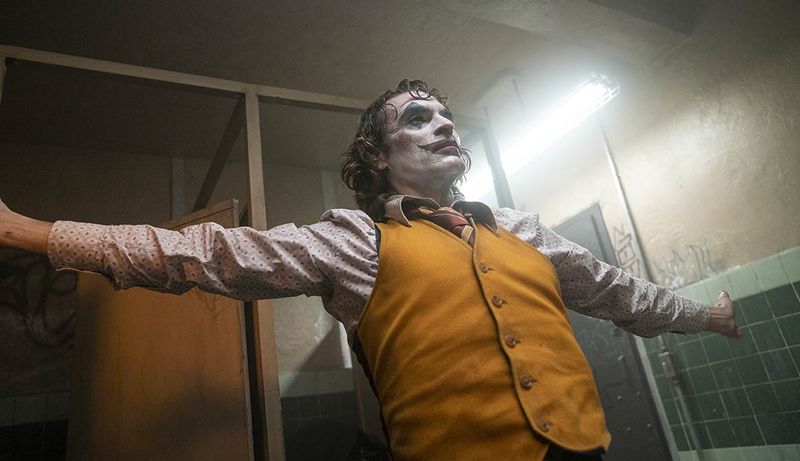
Some performances are meant to unsettle you rather than put you at ease. Phoenix often works in that space, playing people whose pain or strange behavior keeps audiences guessing.
Gladiator, Walk the Line, and Joker show different sides of his dramatic range, with Joker earning him an Oscar. His serious image comes from that emotional risk.
Pay attention to sudden changes in his voice or expression, which can make a scene feel uncertain and deeply tense.
6. Charlize Theron: Toughness With Emotional Weight

Strength on screen is not always about winning a fight. Through roles such as Furiosa in Mad Max: Fury Road, Theron gives action a clear emotional purpose.
Her Oscar winning performance in Monster shows another side of that commitment, portraying a deeply troubled real person without making the story comfortable. Though she also does comedy, demanding dramas shape much of her screen image.
Watch how she uses stillness before action to build tension without extra dialogue.
7. Kate Winslet: Keeping Complicated Lives Believable

Messy feelings rarely arrive in neat packages, and her best roles understand that. After Titanic, Winslet continued choosing stories about people facing disappointment, guilt, and difficult decisions.
Revolutionary Road, The Reader, and Mare of Easttown reveal how much she can express without making characters seem polished. The Reader earned her an Oscar.
For a closer look at her craft, notice how ordinary gestures make tense scenes feel familiar, even when the circumstances are far from yours.
8. Benedict Cumberbatch: A Busy Mind Behind the Eyes
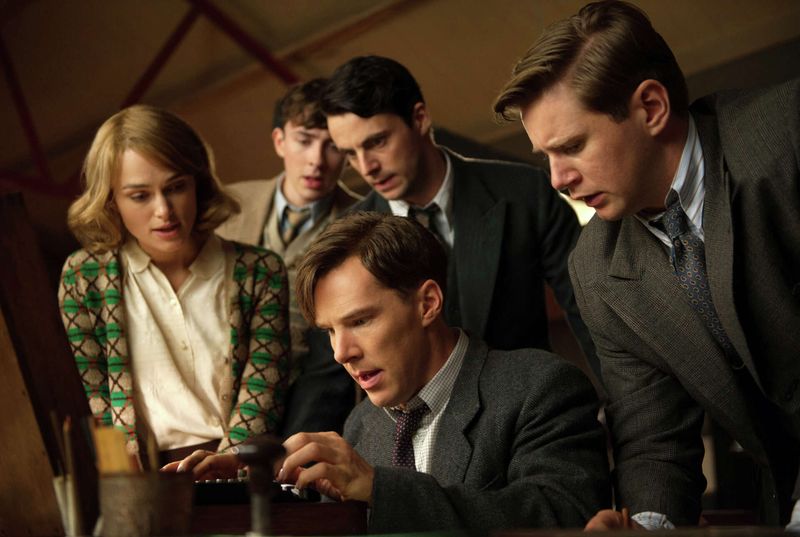
You can almost see the gears turning when he plays someone hiding strong feelings. Sherlock helped establish that image, pairing sharp thinking with difficult relationships and a guarded manner.
The Imitation Game and The Power of the Dog take his dramatic work in different directions. Rather than treating intelligence as a simple strength, these performances explore its limits.
Follow the gap between what his characters say and what their faces reveal for a richer viewing experience.
9. Tom Hardy: Pressure Beneath the Surface
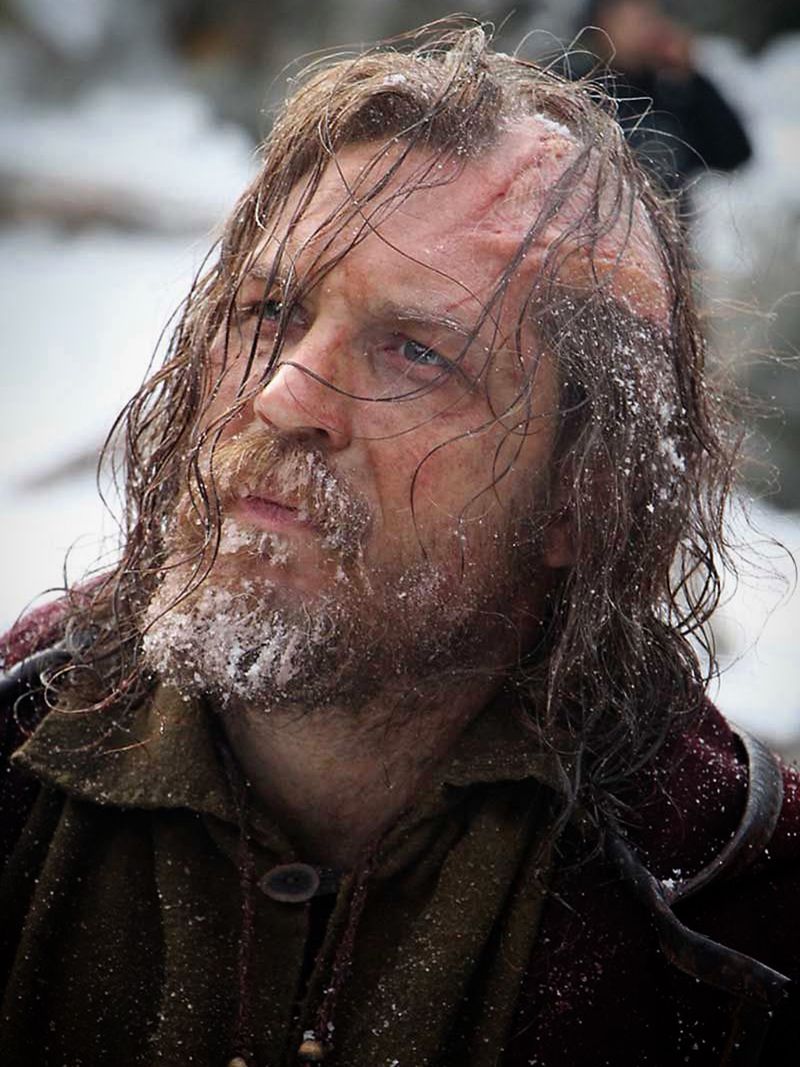
A clenched jaw or a rough voice can tell a whole story in his hands. Hardy often plays men who seem ready to explode, yet their tension comes from different places.
Bronson, The Dark Knight Rises, and The Revenant show how he uses physical presence to create unease. The Revenant brought him an Oscar nomination.
His comic work offers a contrast, but watch his quieter dramatic moments to find the vulnerability beneath all that outward force.
10. Viola Davis: Feelings That Refuse to Stay Hidden
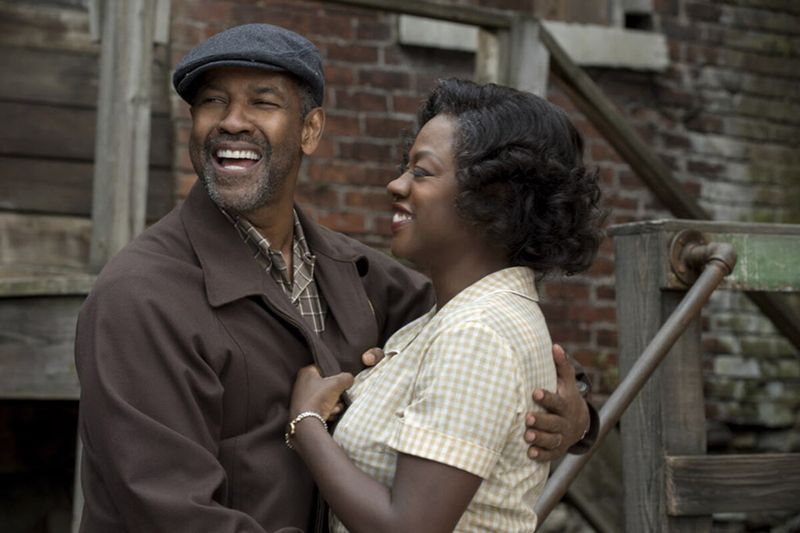
When hurt finally becomes words, she makes every sentence count. Davis brings remarkable force to scenes about family, power, and the need to be heard.
Her Oscar winning role in Fences stands alongside memorable performances in Doubt and The Help. On television, How to Get Away with Murder gave her another deeply complicated character.
Notice how her breathing and pauses shape a speech. The emotion often begins well before the strongest line ever reaches the audience.
11. Frances McDormand: Plain Speaking, Lasting Impact

No fancy speech is needed when a character feels completely real. McDormand has built a powerful screen image through directness, practical gestures, and a willingness to look ordinary.
Fargo, Three Billboards Outside Ebbing, Missouri, and Nomadland each earned her an acting Oscar. Those women differ greatly, proving that a serious reputation does not mean playing one type.
Try comparing their walking styles and reactions to strangers. Small choices reveal very different lives, even before much dialogue begins.
12. Mahershala Ali: Quiet Authority That Draws You In
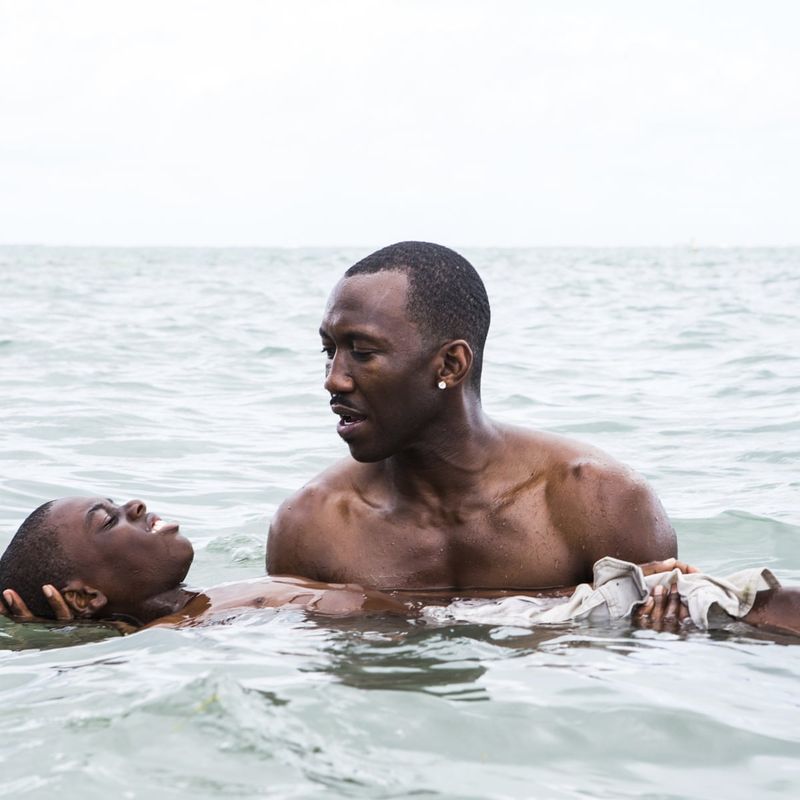
Even a brief appearance can change the mood of a film. Ali has that kind of presence, using calm speech and careful attention to give his characters depth.
His supporting performances in Moonlight and Green Book both earned Oscars. The third season of True Detective offered more room to explore memory, loss, and time.
Listen for the different tones beneath his measured delivery. Warmth, worry, and authority can share a scene without any need for shouting.
13. Casey Affleck: Letting Silence Tell the Story

Grief does not always look dramatic from the outside. In Manchester by the Sea, Affleck plays a man whose pain often appears through distance, awkward pauses, and unfinished conversations.
That performance earned him the Oscar for Best Actor. Gone Baby Gone and his portrayal of Robert Ford also show his skill with uneasy characters.
His restrained style rewards patient viewing. Watch what happens when someone offers his character kindness, since those reactions can reveal especially painful feelings.
14. Rooney Mara: A World Behind a Reserved Face
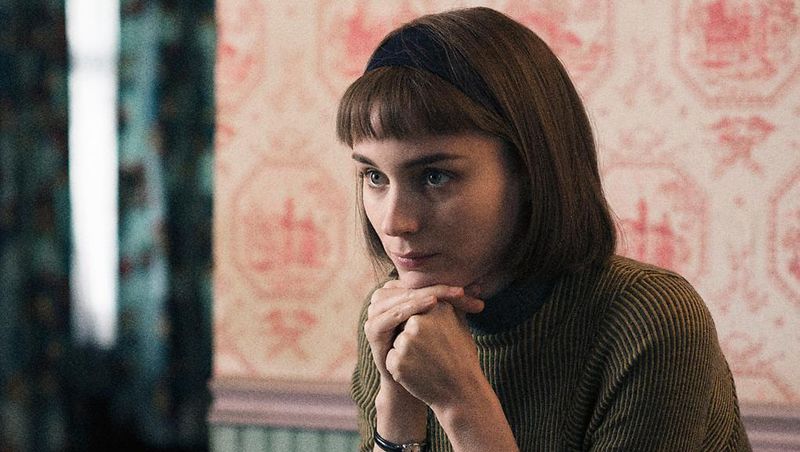
A small glance can carry more meaning than a long explanation. Mara often works with that kind of restraint, making viewers lean closer to understand what a character feels.
The Girl with the Dragon Tattoo and Carol earned her Oscar nominations for very different performances. One role builds defenses, while the other slowly opens toward connection.
Comparing them offers a useful reminder: a reserved screen presence can hold anger, longing, courage, or uncertainty beneath its surface.
15. Jeremy Renner: Ordinary Men Under Extreme Strain

Danger feels closer when the person facing it seems recognizably human. Renner often brings that grounded quality to men whose confidence hides risky habits or divided loyalties.
The Hurt Locker and The Town earned him Oscar nominations, showing different forms of intensity. His action fame can overshadow that dramatic work, but both films reward another look.
Notice when a casual expression turns tense. Those shifts help explain the inner conflict driving choices that might otherwise seem reckless.
16. Amy Adams: Soft Words With a Sharp Edge
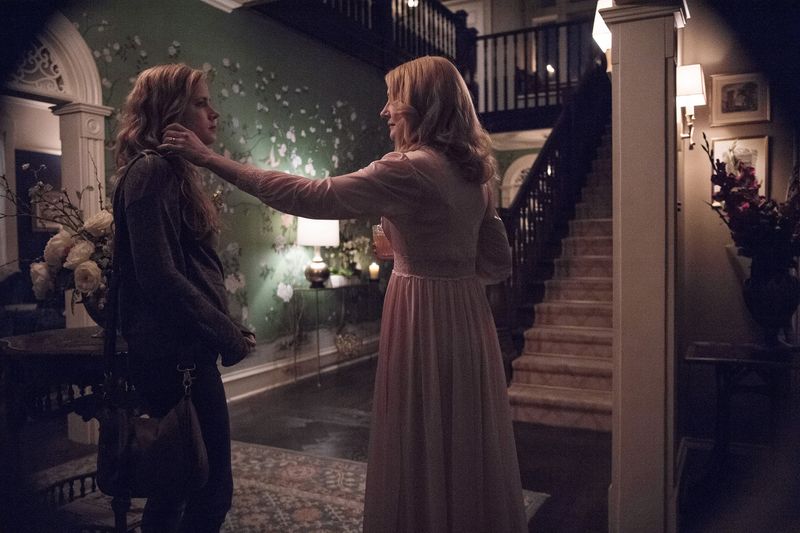
Do not mistake a gentle voice for a simple character. Adams often uses warmth and politeness to draw viewers toward people with much harder feelings underneath.
Doubt, The Fighter, and The Master reveal different sides of her dramatic range. Sharp Objects takes that work into darker territory through a reporter carrying painful memories.
Her serious screen image rests on those layers. Pay attention when her smile and tone suggest different emotions, because the contrast often tells the story.