
Narcissists can be tricky to spot because they often seem charming and confident at first. Over time, though, certain patterns begin to show up that reveal a much more self-centered side.
Knowing what to look for can protect your mental health and help you set healthy boundaries. Whether it is a coworker, a family member, or someone you just met, these traits and signs can help you recognize narcissistic behavior before it affects you.
1. Grandiose Sense of Self-Importance

Ever met someone who acts like the rules simply do not apply to them? A grandiose sense of self-importance is one of the clearest narcissistic traits out there.
Narcissists genuinely believe they are superior to others and expect to be treated that way, even without real accomplishments to back it up.
They often exaggerate their achievements and demand recognition as if it is owed to them. Living with or working near someone like this can feel exhausting fast.
2. Excessive Need for Admiration

Compliments are nice for everyone, but narcissists crave them like oxygen. Without a steady stream of praise and validation, their confidence can crumble quickly.
They need others to constantly reinforce how special, talented, or important they are.
You might notice they fish for compliments or steer conversations toward their own achievements. When admiration stops coming, they may become moody or even hostile.
Recognizing this pattern early can save you a lot of emotional energy down the road.
3. Lack of Empathy

Empathy is the ability to understand and share someone else’s feelings, and narcissists often struggle with it deeply. When a friend is going through a hard time, most people naturally want to help.
A narcissist, however, may seem uninterested or even annoyed by the situation.
Studies show that narcissists have difficulty identifying with others’ emotional needs. This is not just occasional insensitivity – it is a consistent pattern that leaves those around them feeling unseen and unvalued.
4. Sense of Entitlement

Narcissists often walk through life expecting special treatment without earning it. They believe the world should bend to their wishes, and they get frustrated when it does not.
This sense of entitlement can show up at work, in relationships, and even in casual social settings.
You might see them cut in line, demand favors without saying thank you, or expect others to drop everything for them. Understanding entitlement as a narcissistic trait helps explain a lot of confusing behavior you may have witnessed.
5. Preoccupation with Fantasies of Power and Success

Narcissists spend a surprising amount of mental energy living in a world of fantasy. They daydream constantly about unlimited success, fame, power, beauty, or the perfect romantic partner.
Real life rarely matches up to the vivid stories playing in their heads.
This preoccupation is not just wishful thinking – it feeds their belief that they deserve extraordinary things. When reality falls short, frustration and resentment tend to follow.
Spotting this pattern can help you understand why they often seem disconnected from everyday situations.
6. Exploitative Behavior

Taking advantage of others to get ahead is a hallmark narcissistic move. Narcissists view people as tools to help them reach their goals, and they rarely feel guilty about it.
Whether it is stealing credit for someone else’s work or using personal connections for gain, exploitation runs deep.
What makes this especially tricky is that they can be very charming while doing it. Many people do not realize they have been used until much later.
Staying aware of who benefits most in a relationship can be a helpful signal.
7. Arrogant or Haughty Attitudes
Arrogance is more than just confidence – it is confidence paired with contempt for others. Narcissists frequently look down on people they see as less important, less successful, or less talented.
They may roll their eyes, make cutting remarks, or treat others as if their opinions simply do not count.
Over time, this haughty attitude creates a toxic environment for everyone around them. Friendships, teams, and families can all suffer when one person consistently acts superior.
Noticing this early is key to protecting your own self-worth.
8. Envy Toward Others

Envy is a two-sided coin for narcissists. On one side, they feel deeply jealous of others’ accomplishments, possessions, or relationships.
On the other side, they genuinely believe that everyone else is just as envious of them.
This combination makes it hard to celebrate others’ wins around a narcissist, because they often try to minimize or dismiss good news. Psychology Today notes that this envy often stems from deep insecurity hidden beneath a polished exterior.
Recognizing it can help you manage expectations in these relationships.
9. Monopolizing Conversations

Have you ever tried to share something exciting, only for someone to immediately redirect the topic back to themselves? Narcissists are famous for this conversational hijack.
Every topic somehow circles back to their own experiences, opinions, or achievements.
What makes it frustrating is that it happens so consistently – it is not a one-time slip. Over time, friends and family start to feel like an audience rather than participants in the conversation.
Spotting this habit early is one of the fastest ways to identify narcissistic tendencies.
10. Reacting to Criticism with Rage or Contempt

Most people do not love being criticized, but narcissists take it to a completely different level. Even the gentlest, most well-meaning feedback can trigger an explosive reaction of anger, contempt, or icy silence.
Mental health experts call this “narcissistic injury,” and it can be genuinely alarming to witness.
The fierce reaction is often a defense mechanism protecting a fragile inner self. Learning to recognize this pattern helps you understand that their anger is rarely about what you actually said – it is about their deep fear of being exposed as less than perfect.
11. Exaggerating Achievements and Talents

Stretching the truth about accomplishments is something narcissists do almost automatically. A small win becomes a legendary achievement.
A minor skill becomes world-class talent. After a while, the exaggerations pile up and the stories start to feel less and less believable.
According to Mayo Clinic, this behavior is rooted in a deep need to appear exceptional to others. It is not just bragging – it is a core strategy for maintaining their inflated self-image.
Paying attention to patterns of exaggeration can quickly reveal a lot about someone’s relationship with reality.
12. Insisting on Having the Best of Everything

For narcissists, having the best car, the corner office, or the fanciest restaurant reservation is not just a preference – it is a requirement. Status symbols matter enormously to them because external markers of success feed their need to feel superior.
This obsession with having “the best” can lead to reckless spending, unrealistic demands, and constant dissatisfaction when expectations are not met. Noticing how someone reacts when they cannot get the top-tier option can be a surprisingly quick clue about their narcissistic tendencies.
13. Demeaning or Belittling Others

Putting others down is a power move narcissists use to make themselves feel bigger. Snide comments, public humiliation, or quiet insults delivered with a smile – all of these are tools in their social arsenal.
The goal is to keep others feeling small so the narcissist looks tall by comparison.
Helpguide.org points out that this belittling behavior often targets people the narcissist feels threatened by. If you notice someone consistently tearing others down, that pattern is worth taking seriously as a red flag.
14. Expectation of Special Favors
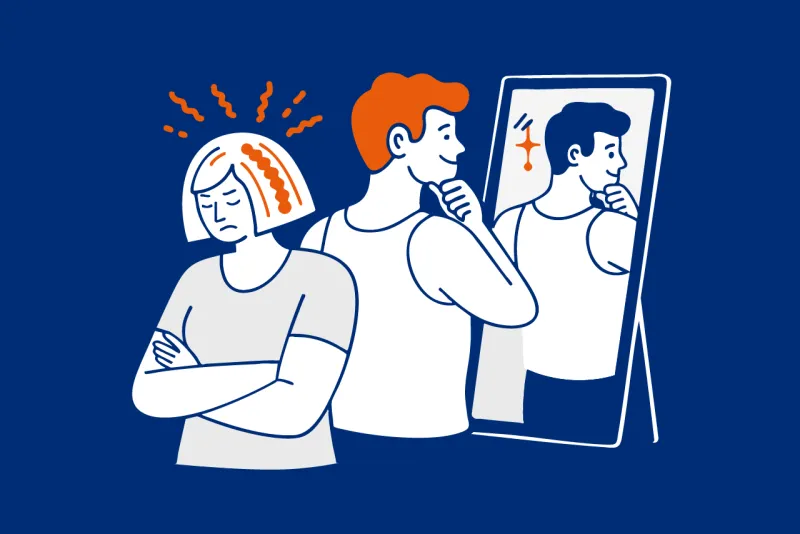
Narcissists operate under the assumption that others exist to serve their needs. Asking for a huge favor without a second thought, expecting people to rearrange their schedules, or demanding exceptions to rules – none of this feels unreasonable to them.
What is striking is that they rarely offer the same generosity in return. Relationships start to feel one-sided because they genuinely believe their needs outweigh everyone else’s.
Recognizing this expectation gap early can help you decide how much energy to invest in the relationship.
15. Lack of Accountability and Blame Shifting

Owning up to mistakes is something narcissists find almost impossible to do. When something goes wrong, the fault always lands somewhere else – on a coworker, a partner, bad luck, or circumstances beyond their control.
They are masters at spinning situations to protect their image.
Therapists call this blame shifting, and it is one of the most damaging behaviors in personal and professional relationships. Over time, the people around a narcissist can start to question their own judgment and feel responsible for problems they did not cause.
16. Dismissing Others’ Emotions
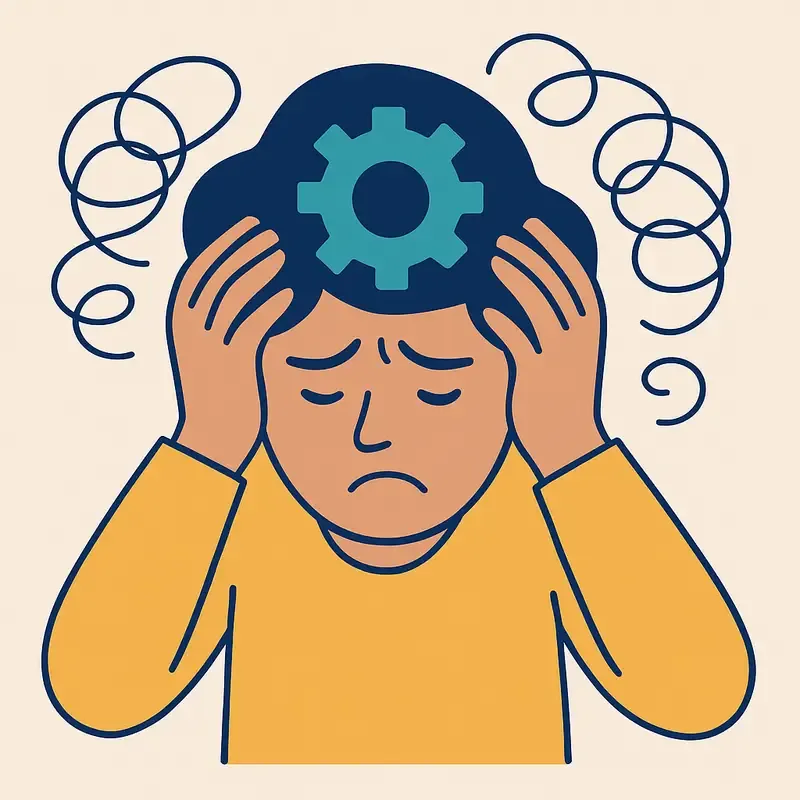
“You are too sensitive.” “Stop overreacting.” Sound familiar? Narcissists regularly dismiss, minimize, or invalidate other people’s feelings.
Rather than offering comfort, they often turn emotional moments into an inconvenience or a chance to criticize the other person’s reaction.
This pattern can cause serious emotional harm over time, especially in close relationships. BetterHelp notes that repeated emotional dismissal can make people doubt their own feelings and perceptions.
Noticing whether someone consistently responds to your emotions with dismissal rather than care is a fast and telling sign.
17. Fragile Self-Esteem Masked by Confidence

Here is a surprising truth about narcissists: underneath all that bold confidence is often a very fragile sense of self-worth. The bravado, the boasting, and the need to dominate are all armor protecting a deeply insecure interior.
Even a small criticism can shatter that carefully built image.
Duke Health researchers note that this hidden fragility explains why narcissists react so intensely to perceived slights. Once you understand that the confidence is partly a performance, their extreme reactions to minor feedback start to make a lot more sense.