
Buying fish at the grocery store can feel overwhelming, especially when you’re trying to eat healthy without spending a fortune. Some fish are packed with nutrients, easy on your wallet, and safe to eat regularly, while others carry hidden risks like high mercury levels or questionable farming practices.
Knowing which fish to choose and which to skip can make a real difference for your health and your budget. This guide breaks it all down in a simple, straightforward way.
1. Sardines: The Tiny Fish With a Big Nutritional Punch
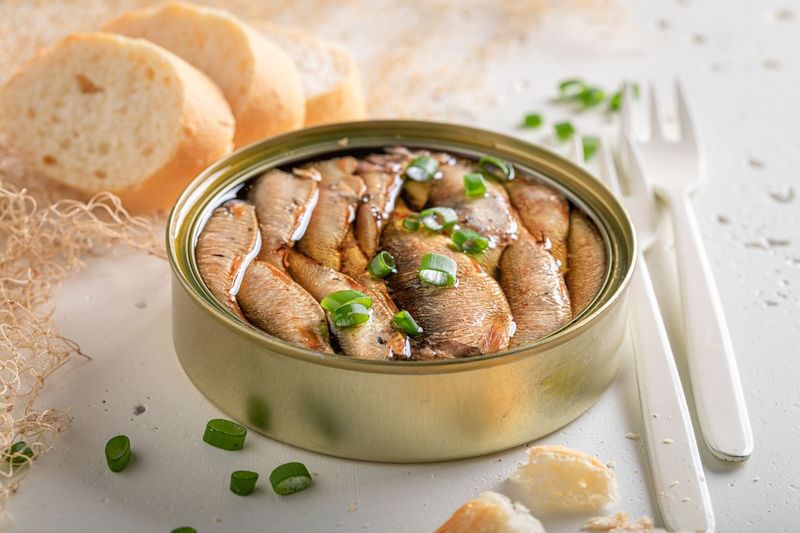
Pound for pound, sardines might be the best deal in the entire seafood aisle. A can costs just a dollar or two, yet it delivers a powerhouse of omega-3 fatty acids, calcium, and vitamin D all in one little tin.
Because sardines feed low on the food chain, they accumulate far fewer toxins than larger fish. That makes them one of the safest options for families, including kids and pregnant women.
Toss them on toast, mix them into pasta, or eat them straight from the can.
2. Mackerel: Rich Flavor That Won’t Empty Your Wallet
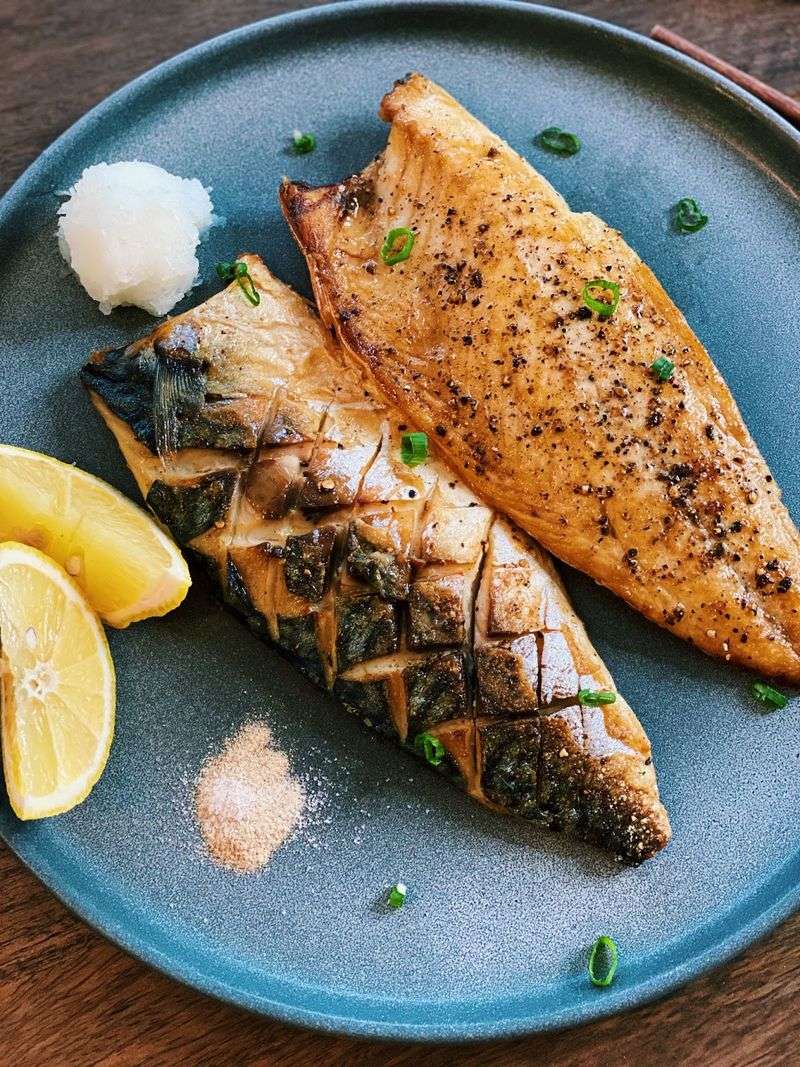
Atlantic and Spanish mackerel have a bold, savory flavor that seafood lovers genuinely enjoy, and canned versions are incredibly affordable and easy to find at most grocery stores. Mackerel is loaded with omega-3 fatty acids and vitamin D, nutrients many people simply don’t get enough of.
Line-caught mackerel is considered a sustainable pick, so you can feel good about buying it. Just steer clear of King Mackerel, which carries high mercury levels.
Stick with the smaller varieties for the best combination of taste, nutrition, and value.
3. Tilapia: The Beginner-Friendly Budget Fish
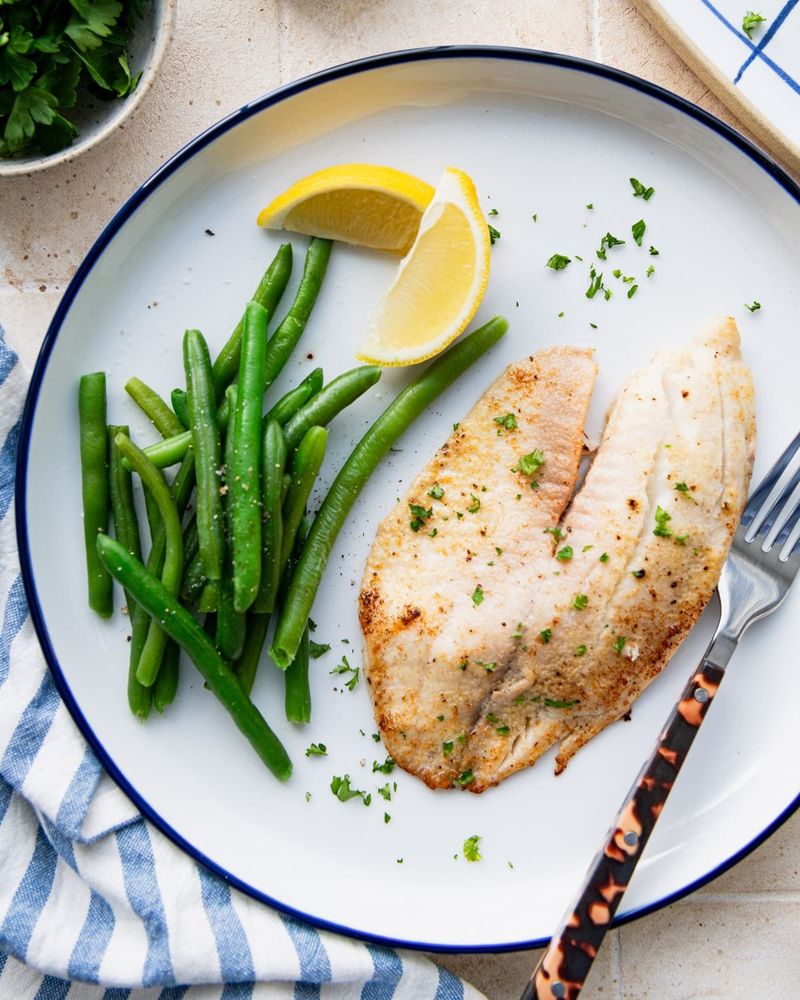
Mild, forgiving, and almost always on sale, tilapia is one of the most popular fish in American kitchens for a very good reason. U.S. farm-raised tilapia is a lower-mercury choice that delivers solid protein and essential minerals without a strong fishy smell or taste.
Beginners who are nervous about cooking fish often find tilapia to be the perfect starting point. It bakes, pan-fries, and grills well in under 15 minutes.
Look for the “U.S. farm-raised” label to make sure you’re getting the safest, cleanest version available.
4. U.S. Farm-Raised Catfish: Southern Comfort on a Budget
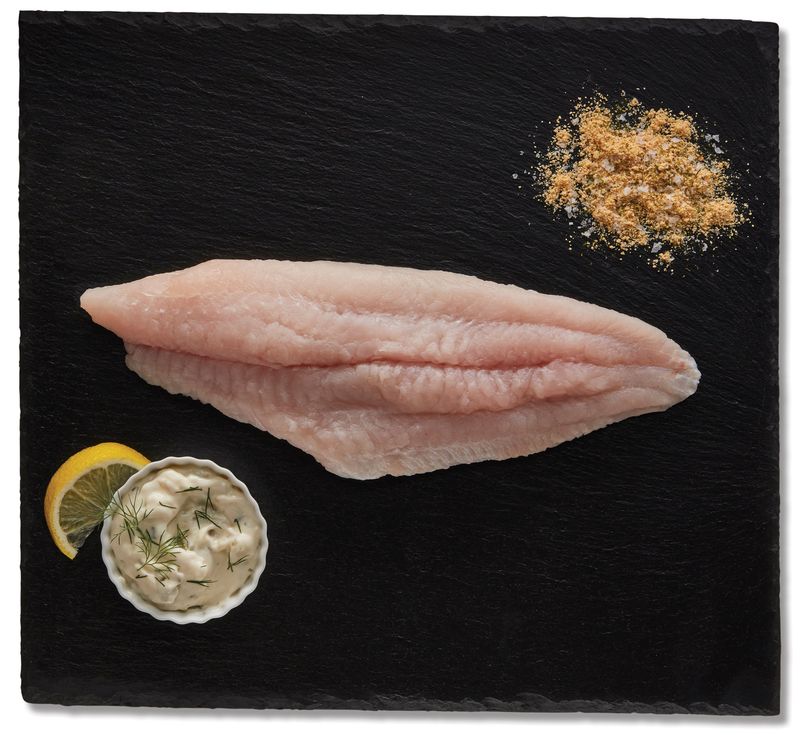
There’s a reason catfish has been a staple of Southern cooking for generations. U.S. farm-raised catfish is lean, affordable, and genuinely tasty, offering a good dose of vitamin B12 and selenium alongside quality protein.
When certified by organizations like the ASC or the Best Aquaculture Practices program, American catfish is also a responsible, sustainable choice. Always look for the “U.S. farm-raised” label on the package.
Imported catfish, particularly from Vietnam, often involves antibiotics that are banned in the United States, so the origin label really does matter here.
5. Pollock: The Fish You’ve Probably Already Eaten
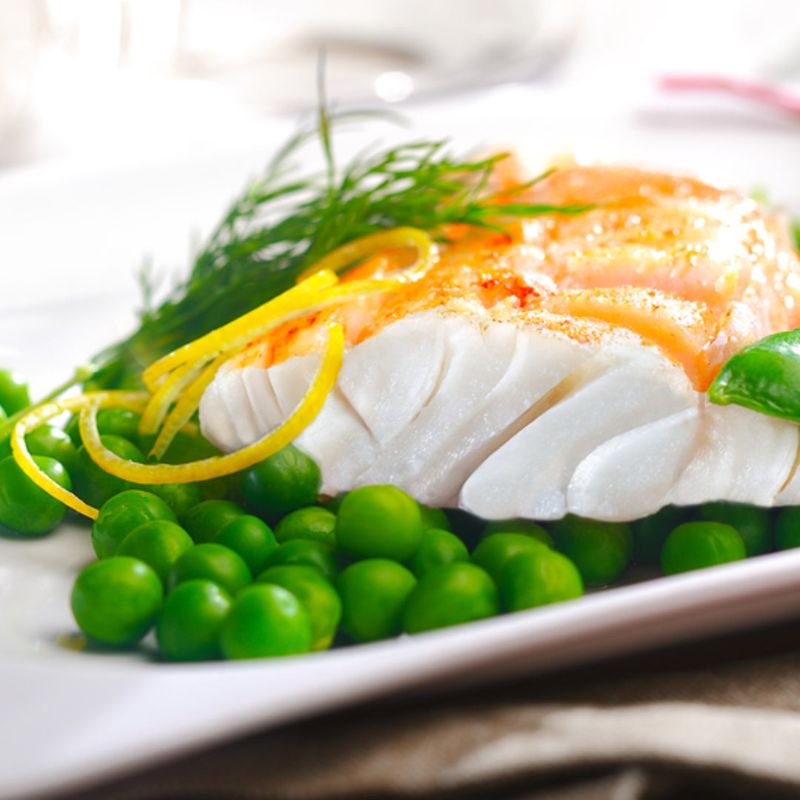
Ever had a fish sandwich at a fast-food restaurant? Chances are it was pollock.
This mild, flaky white fish is one of the most widely consumed in the world, and for good reason: it’s affordable, low in mercury, and high in protein.
Pollock is the fish used in most frozen fish sticks and imitation crab, making it a familiar flavor for even picky eaters. It’s easy to prepare at home and pairs well with almost any seasoning.
Budget-conscious shoppers will appreciate how far a bag of frozen pollock can stretch across multiple meals.
6. Hake and Skate: The Underrated Bargain Finds
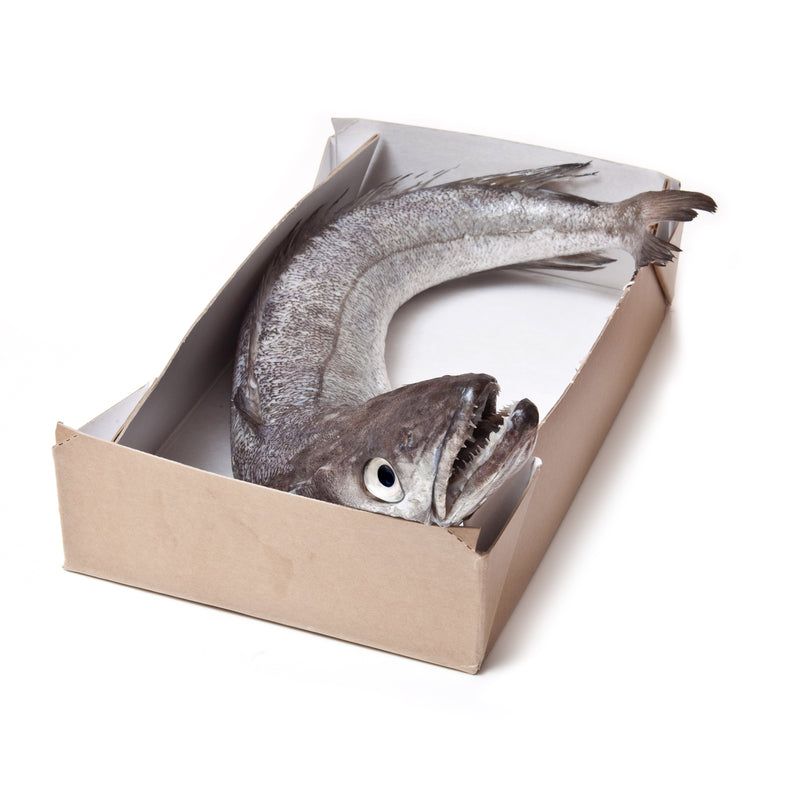
Hake flies under the radar at most seafood counters, but fans of cod will feel right at home with its sweet, flaky texture, often at a noticeably lower price. Skate, a type of stingless ray, is another overlooked gem that delivers a flavor similar to sole or flounder without the steep cost.
Both fish have low mercury levels, making them safe for regular consumption. Hake is especially forgiving to cook and absorbs seasoning beautifully.
If your fishmonger carries either one, grab it before everyone else figures out what a great deal it is.
7. Sablefish (Alaska Black Cod): A Splurge Worth Every Penny
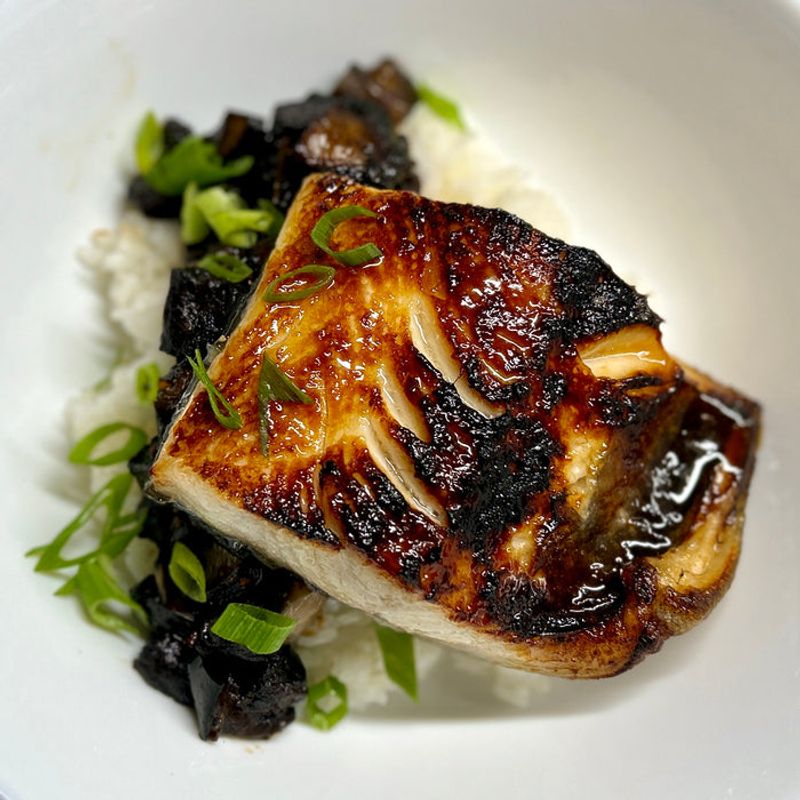
Sablefish, often called Alaska Black Cod, has a buttery, melt-in-your-mouth texture that makes it feel like a restaurant-quality meal even when cooked at home. It’s rich in omega-3 fatty acids and protein, earning its spot on many nutritionists’ recommended lists.
Fillets can cost a bit more than other options on this list, but a little goes a long way thanks to its richness. Wild-caught Alaskan sablefish is also considered a sustainable choice.
For a special weeknight dinner that doesn’t require much effort, this fish delivers serious results.
8. Shark: A High-Mercury Fish to Skip

Shark might sound like an adventurous meal, but the health risks make it a poor choice for most people. Sharks live for decades and sit at the very top of the ocean food chain, which means they accumulate dangerously high levels of mercury in their flesh over time.
Mercury exposure can cause serious damage to the brain and nervous system, especially in developing children and unborn babies. Pregnant women, nursing mothers, and young children should avoid shark entirely.
For everyone else, the risk simply isn’t worth it when so many safer, tastier fish are available.
9. Swordfish: A Beautiful Fish With a Dangerous Side
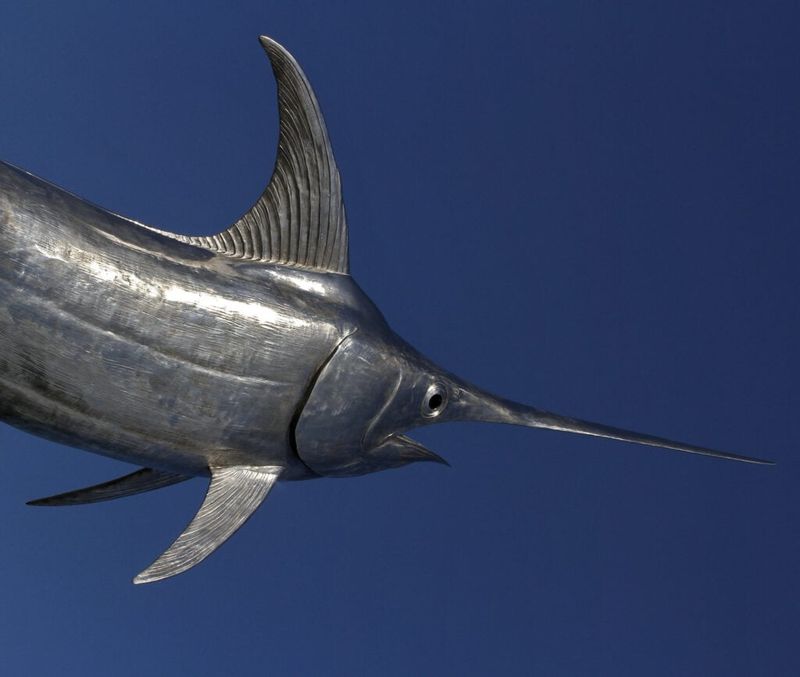
Swordfish is one of those fish that looks impressive on a menu but comes with real concerns beneath the surface. Health authorities classify it as a fish to avoid because of its consistently high mercury content, which can harm the nervous system with repeated exposure.
Beyond the mercury issue, swordfish stocks are depleted in some parts of the world and are considered fully fished in others, raising sustainability red flags. Adults should limit consumption strictly, and vulnerable groups such as pregnant women and children should avoid it altogether.
Plenty of safer fish can satisfy that craving for a hearty, meaty fillet.
10. King Mackerel: When a Good Fish Family Has a Risky Member
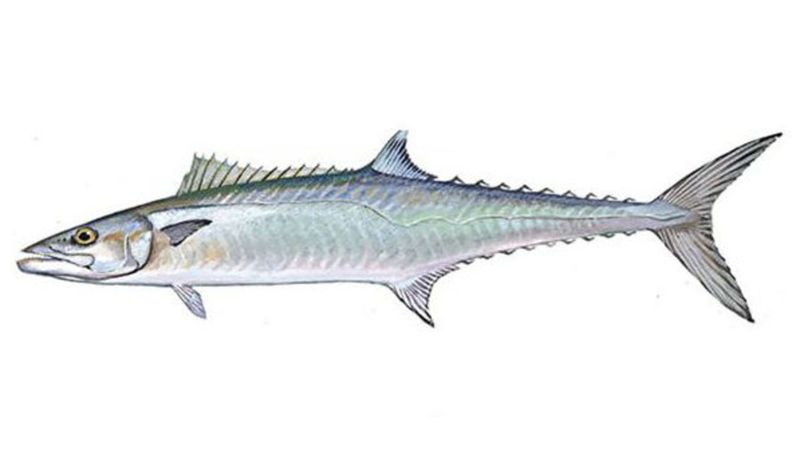
Regular mackerel earned a spot on the budget-friendly list, but its larger cousin, King Mackerel, is a completely different story. King Mackerel carries high mercury levels and is firmly on the “avoid” list issued by major health agencies in the United States.
Its strong, oily flavor is also polarizing, meaning many people find it too intense even before the health risks come into play. Pregnant women, nursing mothers, and young children should steer clear entirely.
When buying mackerel, always double-check the label and opt for Atlantic or Spanish mackerel instead to stay on the safe side.
11. Bigeye Tuna and Ahi Tuna: Popular but Problematic
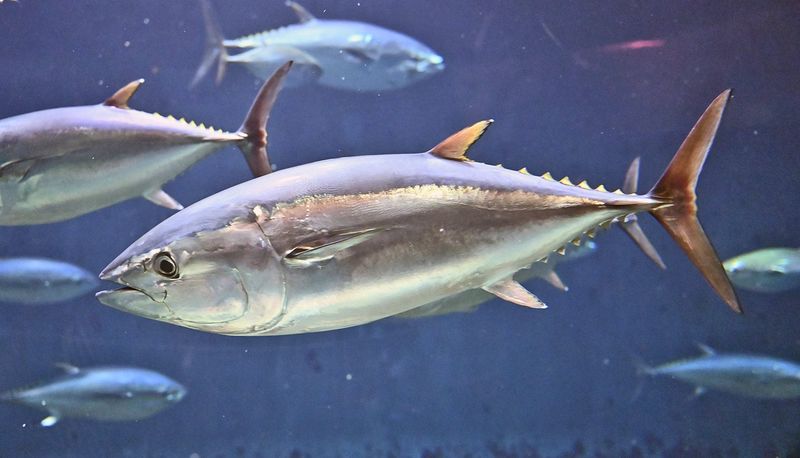
Tuna is the most common source of mercury exposure among Americans, and Bigeye tuna tops the list as one of the highest-mercury fish you can eat. Ahi tuna, often served as sushi or sashimi, also carries significant mercury levels that health experts flag as a concern.
Eating these varieties frequently can lead to mercury buildup in the body over time, which is especially harmful for young children and women who are pregnant or planning to become pregnant. Canned light tuna is a much lower-mercury alternative if you love tuna and don’t want to give it up completely.
12. Tilefish: One of the Highest Mercury Fish Around
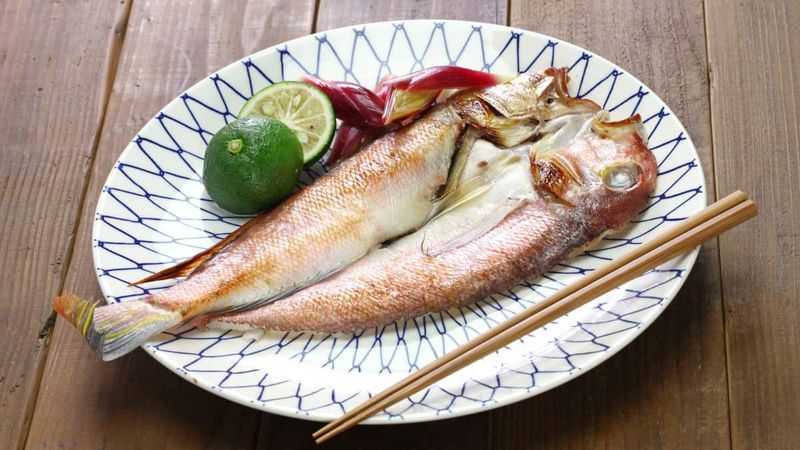
Tilefish, especially those caught in the Gulf of Mexico, rank among the very highest mercury fish that consumers can encounter at the seafood counter. The FDA has specifically listed Tilefish from the Gulf of Mexico as a fish that all people should avoid, not just vulnerable groups.
These fish live in deep, warm waters and grow slowly, giving them plenty of time to accumulate toxins. The risk far outweighs any nutritional benefit tilefish might offer.
If you spot it on a menu or at the fish counter, it’s best to move on and choose something safer.
13. Orange Roughy: The 150-Year-Old Fish You Should Pass On
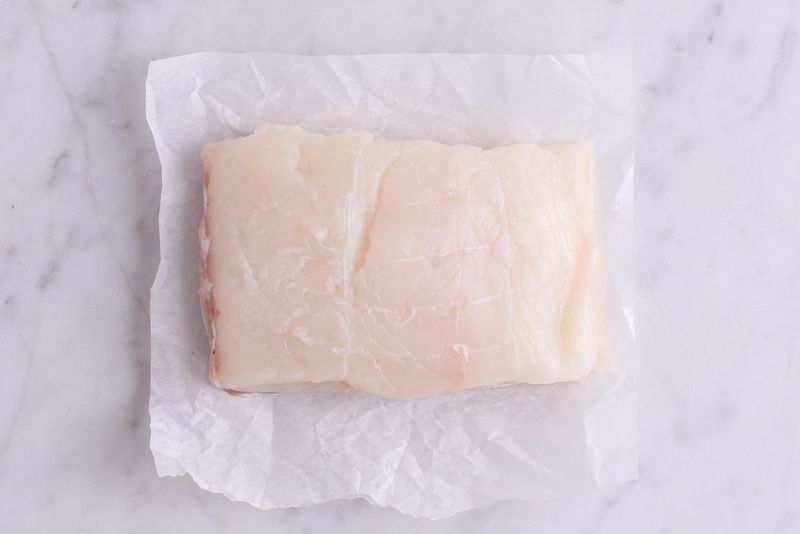
Here’s a wild fact: Orange Roughy can live up to 150 years. That extraordinary lifespan means these fish spend well over a century absorbing mercury from their environment, resulting in some of the highest mercury concentrations found in any commercially sold fish.
Health authorities classify Orange Roughy as a “choice to avoid” for this very reason. On top of the mercury concern, these fish reproduce very slowly, making them especially vulnerable to overfishing.
Choosing Orange Roughy isn’t just a health risk; it’s also tough on ocean ecosystems. Skip it and opt for a younger, cleaner fish.
14. Marlin: A Trophy Fish That’s Best Left in the Ocean
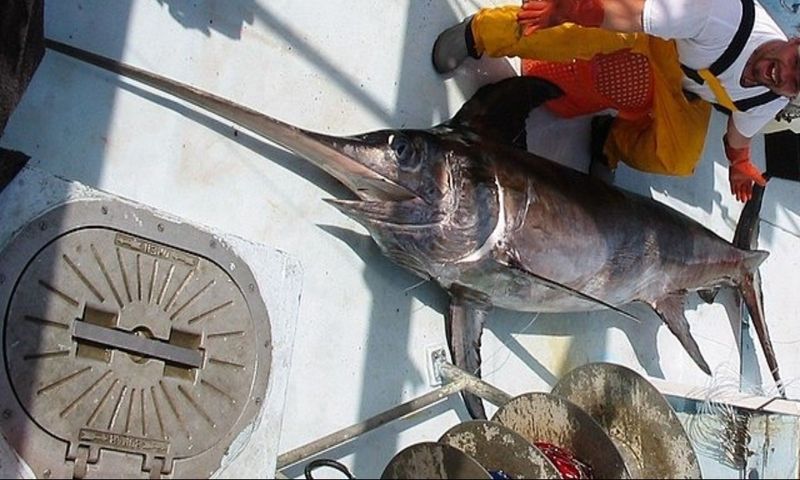
Marlin is famous as a sport fish and has appeared on menus in tropical destinations around the world, but eating it regularly is a bad idea. Like other large predatory fish, marlin accumulates high levels of mercury over its long lifespan, landing it firmly on health agencies’ “choices to avoid” list.
The environmental picture isn’t great either, as marlin populations face pressure from commercial and recreational fishing. Healthier, more sustainable fish can deliver the same satisfying, meaty texture without the mercury baggage.
Marlin is better admired than eaten when it comes to protecting your health long term.
15. Imported Shrimp and Imported Catfish: When the Origin Label Really Matters
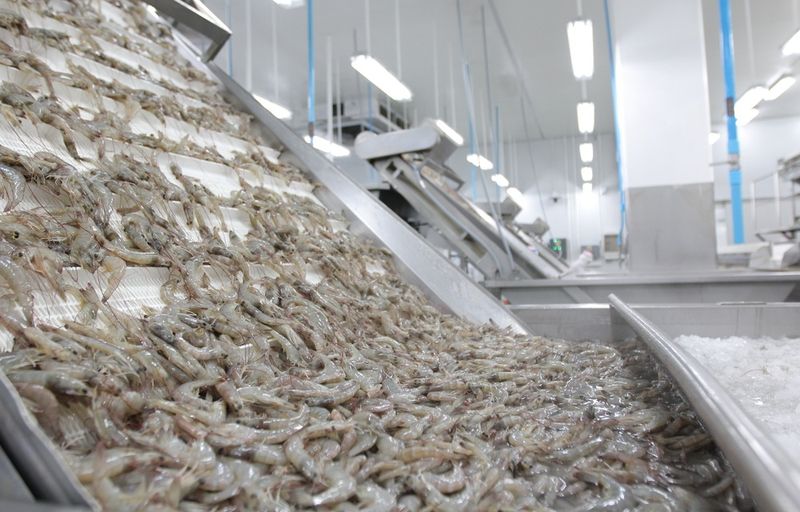
Not all shrimp and catfish are created equal, and the country of origin can make a huge difference in safety. Less than 2% of imported shrimp entering the U.S. is inspected, and studies have found contamination, banned antibiotics, and traces of E. coli in some samples.
Around 90% of imported catfish sold in the U.S. comes from Vietnam, where antibiotics prohibited in America are commonly used during farming. Always look for “U.S. farm-raised” on the label for both catfish and shrimp.
Spending a little more for domestic options is a smart move for your family’s health.