
Eating well does not have to mean following a strict plan or giving up all your favorite foods. Small, steady changes to what you eat each day can add up to big improvements in how you feel, think, and move.
Whether you want more energy, better sleep, or just a fresher start, tweaking your daily meals is a great place to begin. Here are 25 easy diet changes worth trying.
1. Swap Sugary Drinks for Water

Here is a surprisingly powerful habit: trade your soda or juice for plain water. Sugary drinks sneak in hundreds of extra calories without making you feel full.
Water, on the other hand, keeps your body running smoothly and can even curb unnecessary snacking.
Carry a reusable water bottle to make it easier. Aim for around eight glasses a day.
Your skin, energy levels, and waistline will all notice the difference over time.
2. Add a Handful of Leafy Greens to Every Meal

Leafy greens like spinach, kale, and romaine are packed with vitamins, minerals, and fiber. Tossing a handful into a smoothie, soup, or sandwich barely changes the taste but seriously boosts the nutrition.
Even picky eaters often do not notice wilted spinach mixed into pasta sauce. Start small and build from there.
Over time, greens become a natural part of your plate without feeling like a chore or a sacrifice.
3. Choose Whole Grain Bread Over White Bread
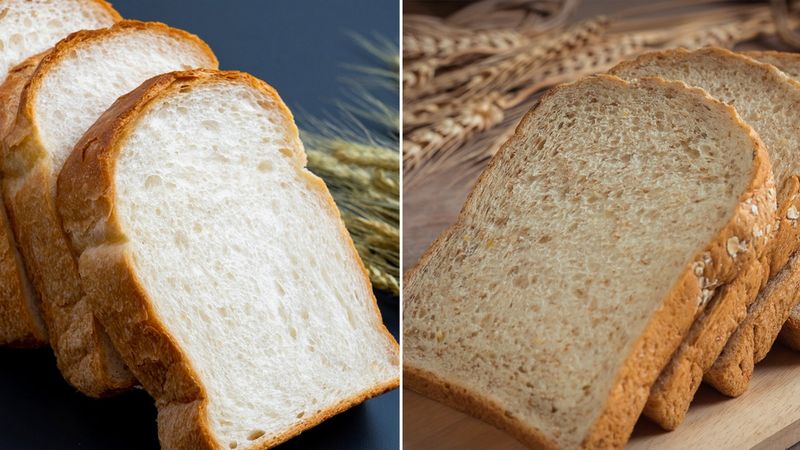
White bread is made from refined flour that has been stripped of most of its nutrients. Whole grain bread keeps the outer bran and germ layers intact, giving you more fiber, B vitamins, and minerals with every bite.
The fiber in whole grains helps you stay full longer and supports healthy digestion. Switching your sandwich bread is one of the simplest swaps you can make without changing how your meal tastes much at all.
4. Eat Breakfast Within an Hour of Waking Up
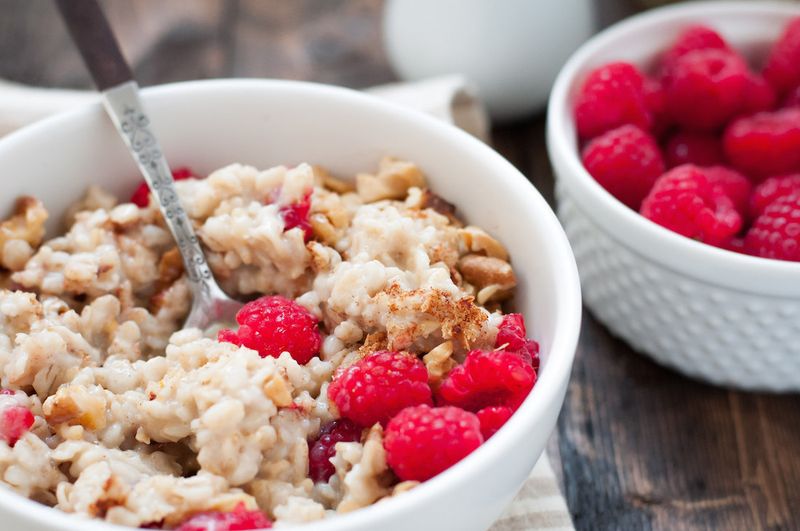
Skipping breakfast might seem like a time-saver, but your body has been fasting all night and needs fuel to start the day right. Eating within an hour of waking helps kickstart your metabolism and keeps your concentration sharp through the morning.
You do not need a huge meal. A bowl of oatmeal with fruit or a piece of toast with peanut butter works perfectly well.
Consistency matters more than perfection here.
5. Snack on Nuts Instead of Chips
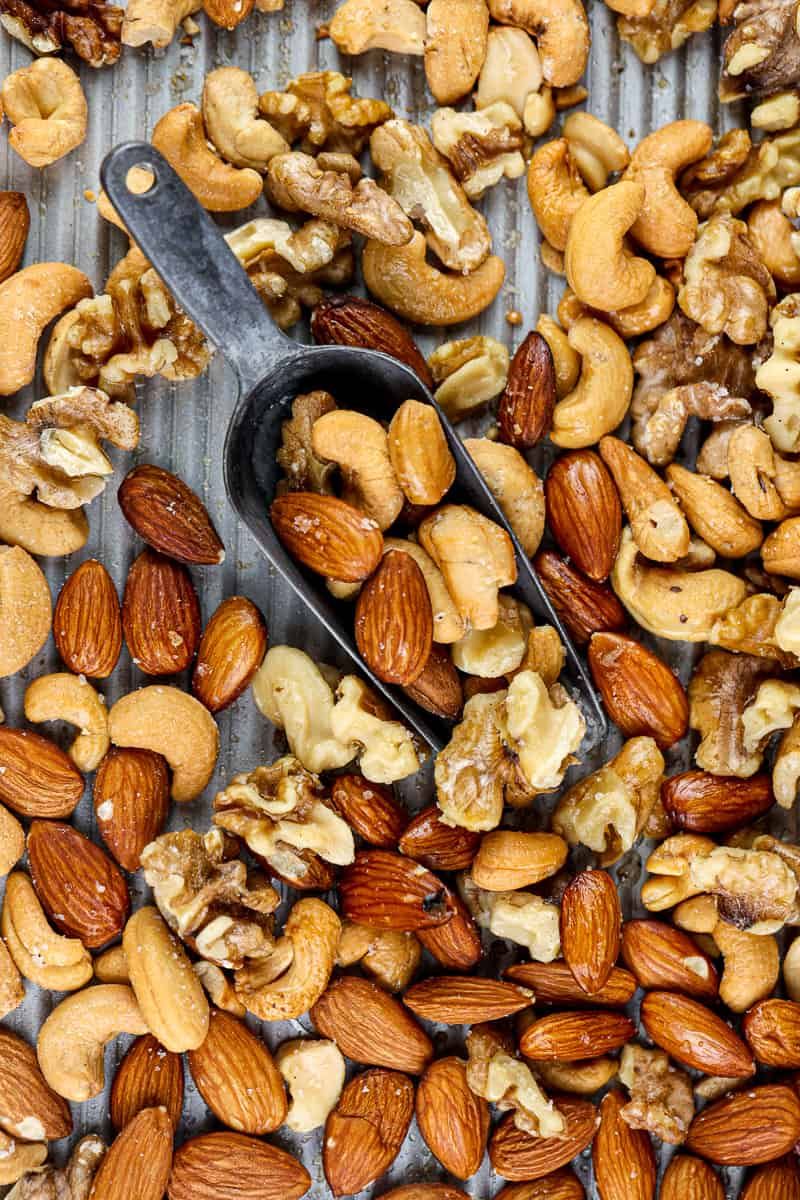
Chips are crunchy and satisfying but offer very little nutritional value. Nuts, on the other hand, deliver healthy fats, protein, and fiber that keep you feeling full and energized between meals.
A small handful of almonds or walnuts is all you need. Studies suggest that people who eat nuts regularly tend to have healthier body weights, despite nuts being calorie-dense.
The key is portion size, so measure out a serving rather than eating straight from the bag.
6. Cook with Olive Oil Instead of Butter

Butter is high in saturated fat, which can raise cholesterol levels over time. Olive oil is rich in monounsaturated fats and antioxidants that support heart health.
Making this simple swap in your everyday cooking can have a meaningful long-term impact.
Extra virgin olive oil works great for sauteing vegetables, drizzling over salads, or dipping bread. The flavor is rich and satisfying.
You might even find you prefer it once you give it a real chance.
7. Add Legumes to Your Weekly Meals
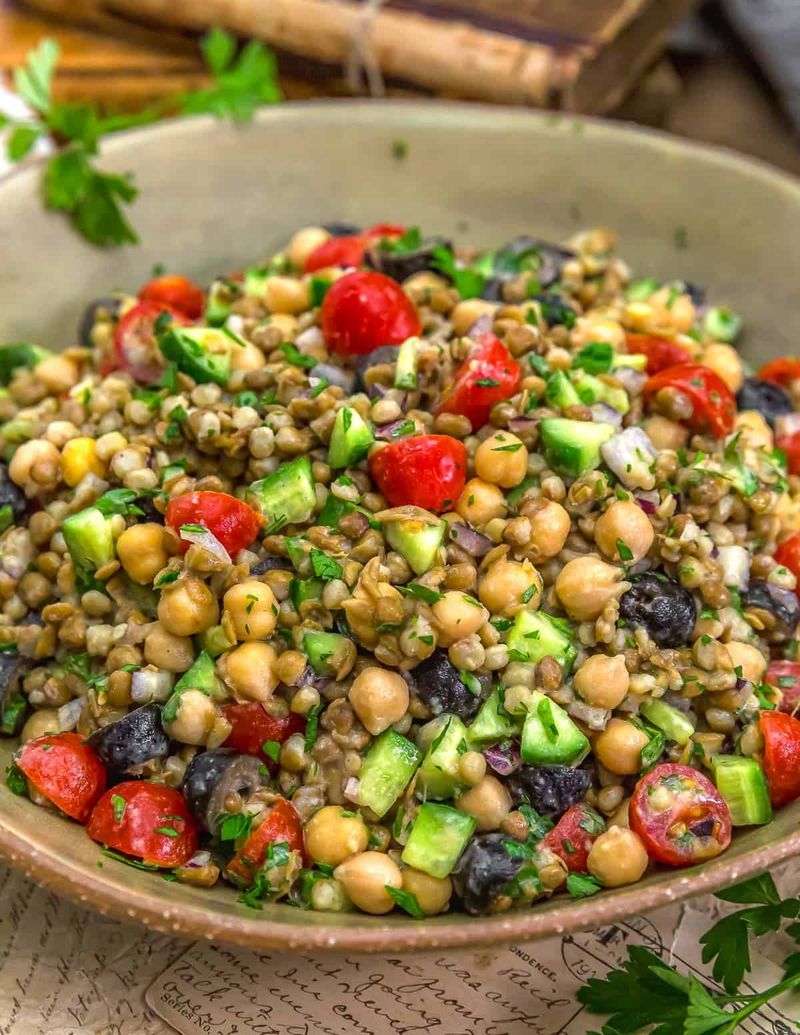
Beans, lentils, and chickpeas are some of the most underrated foods around. They are loaded with plant-based protein, fiber, and essential nutrients like iron and folate.
Best of all, they are very affordable and incredibly versatile in the kitchen.
Toss black beans into tacos, blend chickpeas into hummus, or stir lentils into a hearty soup. Even adding legumes two or three times a week can noticeably improve your digestive health and help you feel full longer.
8. Reduce Your Salt Intake Gradually

Most people consume far more sodium than their body actually needs. Too much salt raises blood pressure and puts extra strain on the heart and kidneys over time.
The tricky part is that salt hides in processed foods, canned soups, and restaurant meals.
Start by cutting back on adding salt at the table. Then, slowly choose lower-sodium versions of your favorite packaged foods.
Your taste buds will adjust faster than you expect, and food will still taste great.
9. Eat More Fish Each Week
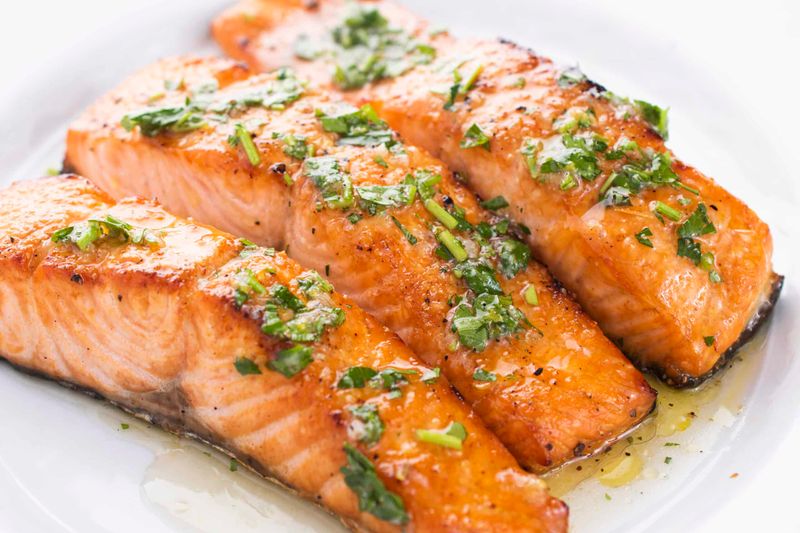
Fatty fish like salmon, sardines, and mackerel are rich in omega-3 fatty acids, which support brain function, reduce inflammation, and promote heart health. Health experts recommend eating fish at least twice a week for these benefits.
If you are not a big fish fan, start with mild options like tilapia or cod. Baking or grilling fish with simple seasonings keeps it light and flavorful.
It is an easy way to upgrade your weekly protein routine without much effort.
10. Cut Back on Processed and Packaged Foods
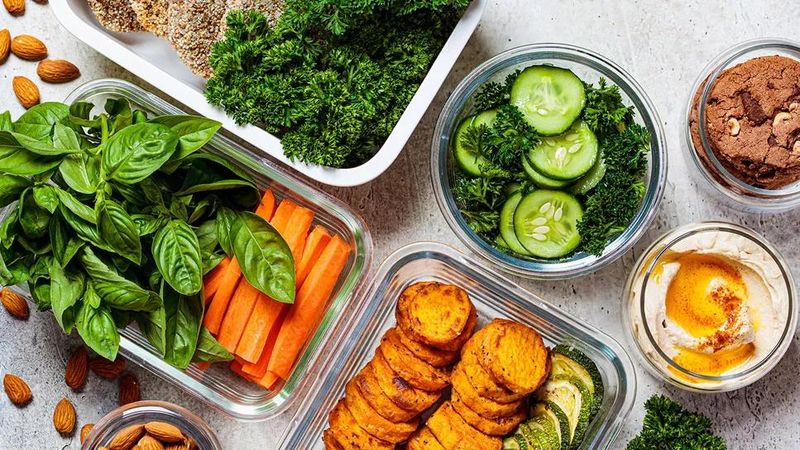
Packaged snacks, frozen meals, and fast food are convenient but often loaded with added sugar, salt, preservatives, and unhealthy fats. Eating these regularly makes it harder for your body to get the nutrients it truly needs.
Try preparing simple meals at home a few times a week using whole ingredients. Batch cooking on weekends can save time during busy weekdays.
Every meal you make from scratch is a step toward a cleaner, more nourishing diet that supports your overall health.
11. Incorporate More Colorful Vegetables
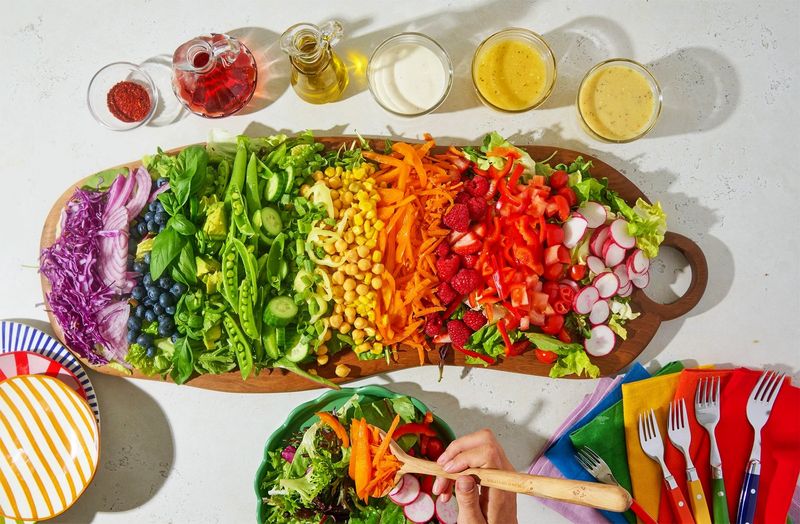
Different colored vegetables contain different vitamins and antioxidants. Eating a rainbow of produce ensures your body gets a wide variety of nutrients rather than relying on just one or two types of vegetables.
Orange carrots are packed with beta-carotene. Purple cabbage has powerful antioxidants.
Red peppers are loaded with vitamin C. Try to include at least three different colored vegetables in your meals each day.
It is a fun, visual way to improve your nutrition without overthinking it.
12. Switch to Low-Fat Dairy or Plant-Based Alternatives
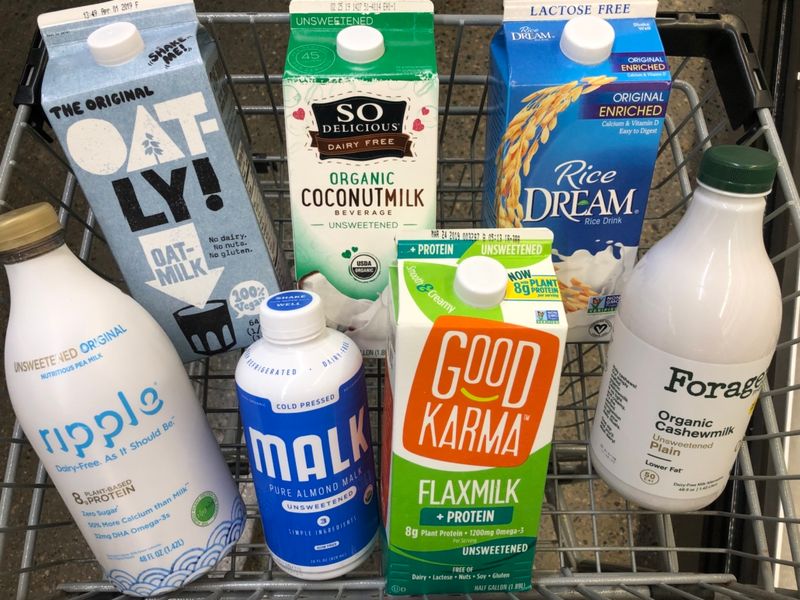
Full-fat dairy products can be high in saturated fat, which may contribute to heart disease when consumed in large amounts. Choosing low-fat milk, yogurt, or cheese is an easy way to cut back without giving up the calcium and protein dairy provides.
Plant-based options like oat milk, almond milk, or soy milk are also solid choices, especially for those who are lactose intolerant. Many are now fortified with calcium and vitamin D, making them a nutritious everyday alternative.
13. Practice Mindful Eating at Mealtimes

Eating while scrolling through your phone or watching TV makes it easy to overeat without realizing it. Mindful eating means slowing down, paying attention to your food, and stopping when you feel satisfied rather than stuffed.
Try putting your fork down between bites and chewing your food thoroughly. It takes about 20 minutes for your brain to register fullness.
Slowing down is one of the most effective and underrated habits for managing portion sizes and truly enjoying your meals.
14. Add Berries to Your Morning Routine
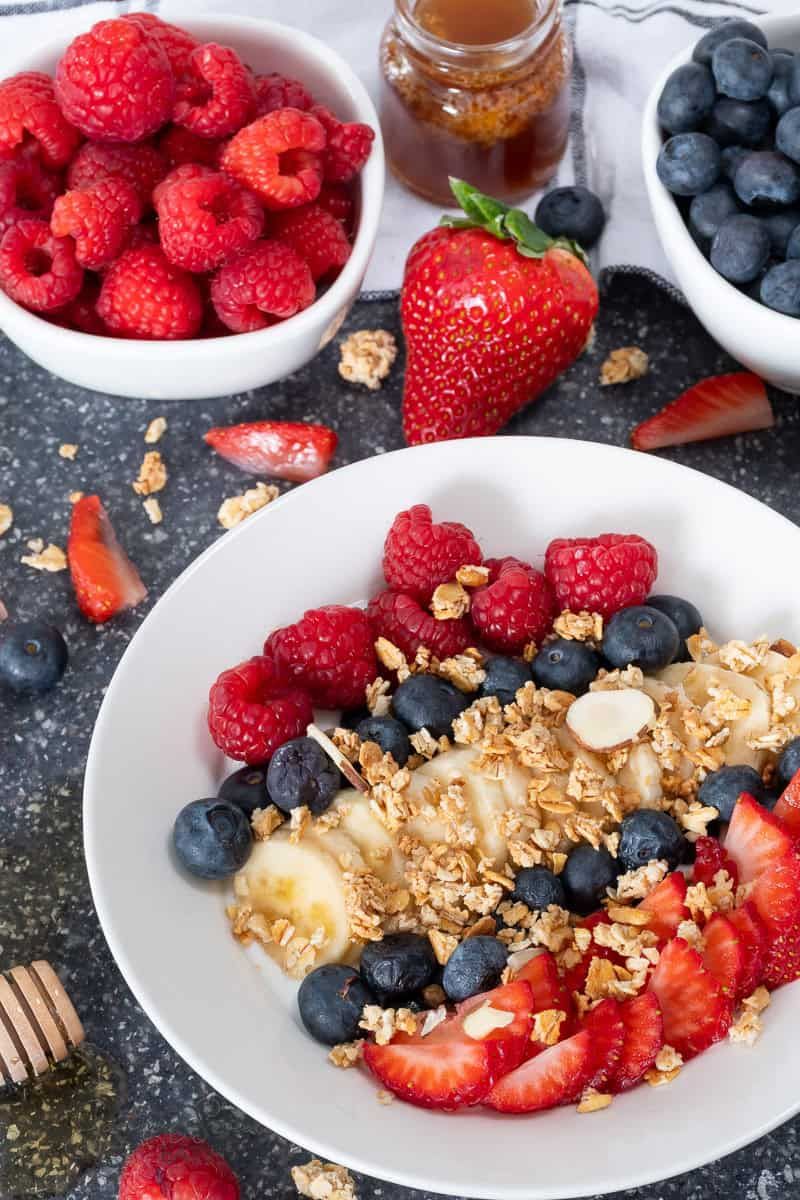
Blueberries, strawberries, and raspberries are tiny nutritional powerhouses. They are naturally sweet, low in calories, and bursting with antioxidants that help protect your cells from damage.
Adding them to your morning yogurt or oatmeal is effortless and delicious.
Research suggests that regular berry consumption is linked to improved memory, lower blood pressure, and reduced inflammation. Frozen berries work just as well as fresh ones and are often more affordable.
Keep a bag in the freezer for easy access anytime.
15. Replace White Rice with Brown Rice or Quinoa
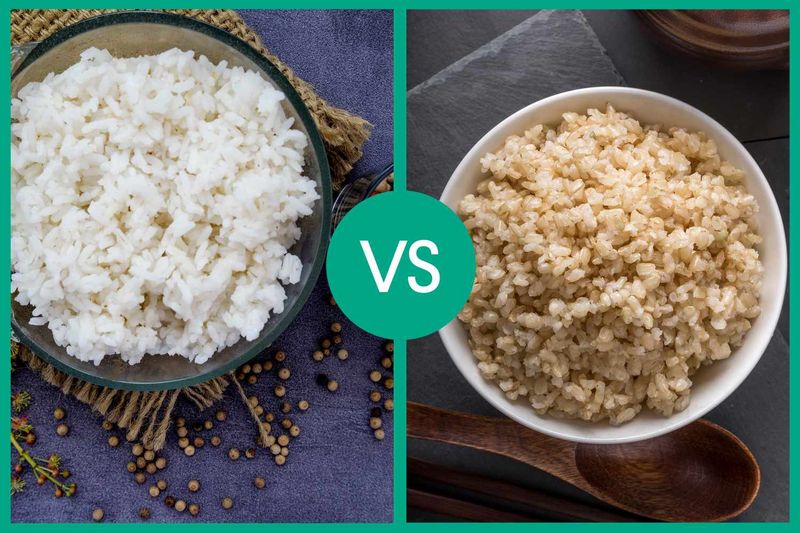
White rice is a refined grain that digests quickly and can cause blood sugar spikes. Brown rice and quinoa are whole grains that digest more slowly, keeping your energy stable for longer periods throughout the day.
Quinoa also contains all nine essential amino acids, making it a complete protein source. The flavor difference is subtle, and both brown rice and quinoa pair well with almost any dish.
Even swapping just a few meals per week makes a real nutritional difference.
16. Limit Added Sugar in Your Daily Diet
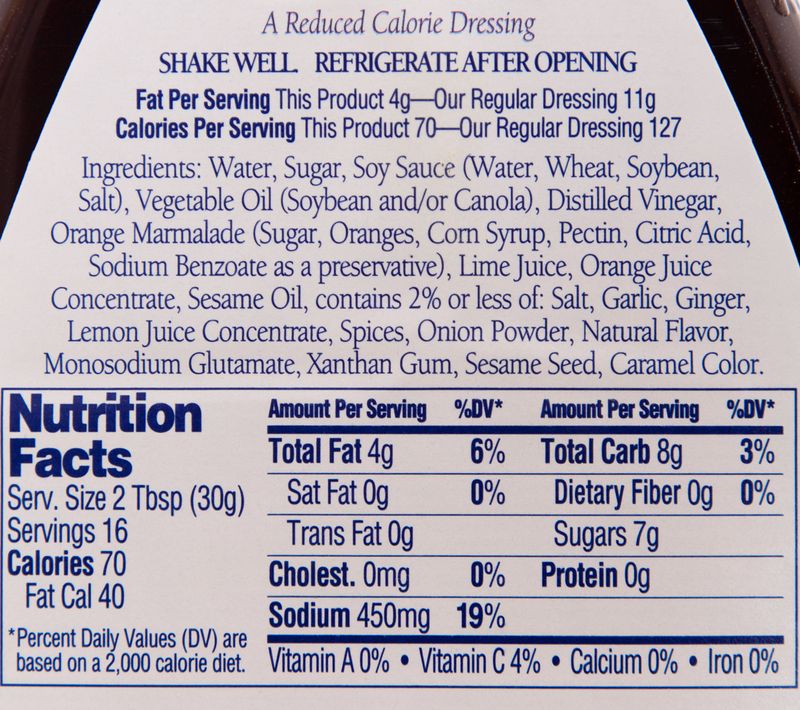
Added sugar is hidden in many foods you might not expect, from salad dressings and pasta sauces to flavored yogurts and breakfast cereals. Consuming too much added sugar contributes to weight gain, tooth decay, and increased risk of type 2 diabetes.
Reading nutrition labels is the best way to spot hidden sugars. Natural sweeteners like honey or maple syrup are slightly better choices, but moderation still matters.
Gradually cutting back trains your taste buds to enjoy less sweetness overall, which happens faster than most people expect.
17. Eat Smaller, More Frequent Meals

Going long stretches without eating can lead to energy crashes and overeating at your next meal. Eating smaller portions more frequently helps keep your blood sugar steady and your metabolism working consistently throughout the day.
You do not need to eat six full meals. Think of it as three moderate meals with one or two nutritious snacks in between.
A piece of fruit, some yogurt, or a small handful of nuts between meals keeps hunger in check without overdoing calories.
18. Use Herbs and Spices Instead of Heavy Sauces
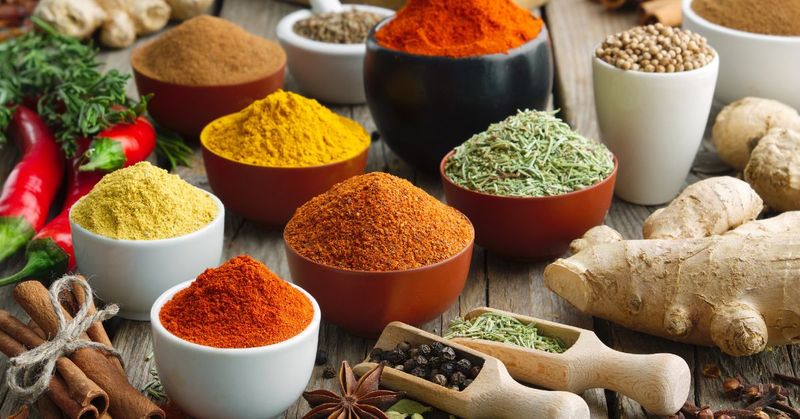
Heavy sauces like ranch, creamy gravies, and store-bought marinades are often loaded with salt, sugar, and unhealthy fats. Fresh or dried herbs and spices add bold flavor to meals without any of those drawbacks.
Garlic, turmeric, cumin, basil, and rosemary are fantastic starting points. Turmeric, in particular, has strong anti-inflammatory properties.
Experimenting with new spice combinations can also make cooking more exciting and help you look forward to healthier homemade meals every single day.
19. Eat a Protein-Rich Snack Before Grocery Shopping

Shopping on an empty stomach is a recipe for impulse buying. When you are hungry, everything looks appealing, especially the chips, cookies, and sugary cereals at eye level.
Eating a protein-rich snack beforehand keeps cravings in check and helps you stick to your list.
Try a hard-boiled egg, a small portion of Greek yogurt, or a handful of almonds before heading to the store. You will likely spend less money and come home with far better food choices than usual.
20. Try Going Meatless One Day Per Week
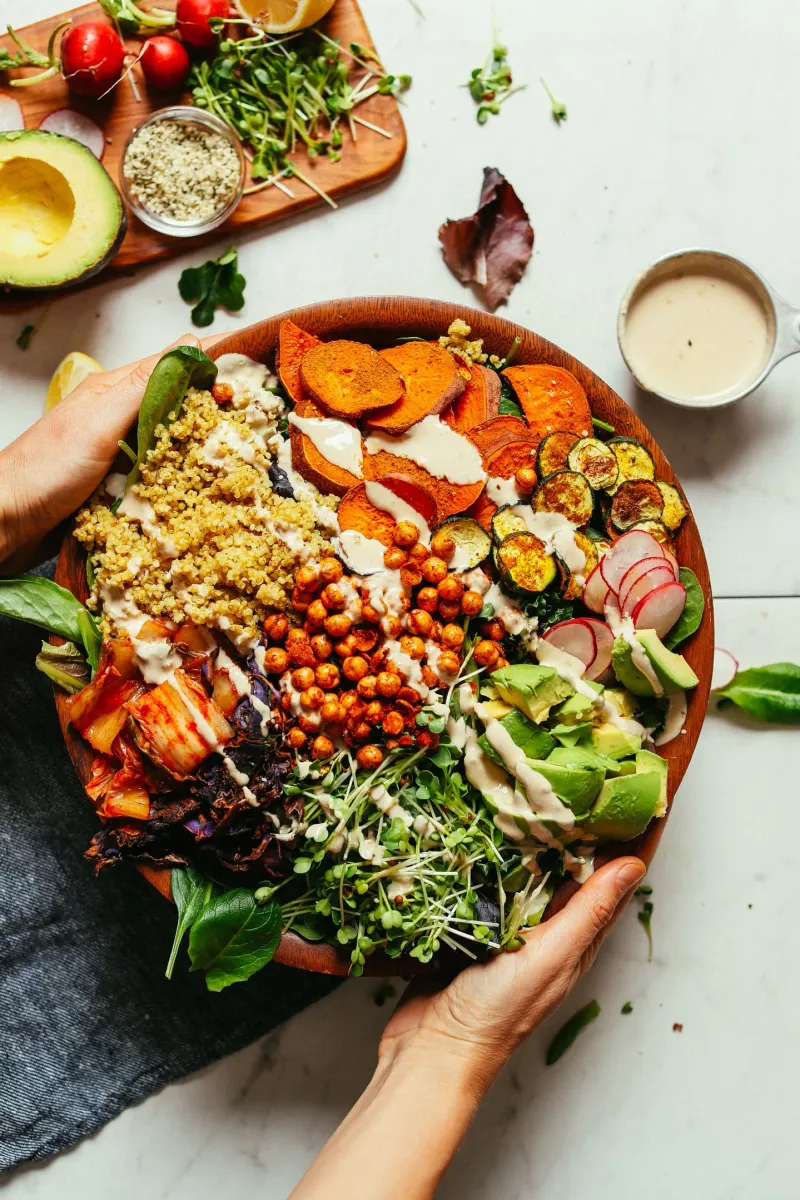
Going meatless once a week, sometimes called Meatless Monday, is a popular and effective way to reduce saturated fat intake while increasing fiber and plant-based nutrients. It is also a small but meaningful step for the environment.
Plant-based meals do not have to be boring. Think veggie stir-fries, black bean tacos, lentil soup, or stuffed bell peppers.
Many people are surprised by how satisfying and flavorful meatless meals can be once they start exploring plant-based cooking with an open mind.
21. Drink Green Tea Instead of Coffee

Green tea contains a modest amount of caffeine along with an amino acid called L-theanine, which promotes calm, focused energy without the jittery feeling that strong coffee sometimes causes. It is also packed with antioxidants that support overall health.
Swapping even one cup of coffee a day for green tea is a gentle shift that can improve hydration and reduce caffeine dependence over time. Matcha, a powdered form of green tea, is an especially potent option with a rich, earthy flavor many people enjoy.
22. Prep Your Meals Ahead of Time
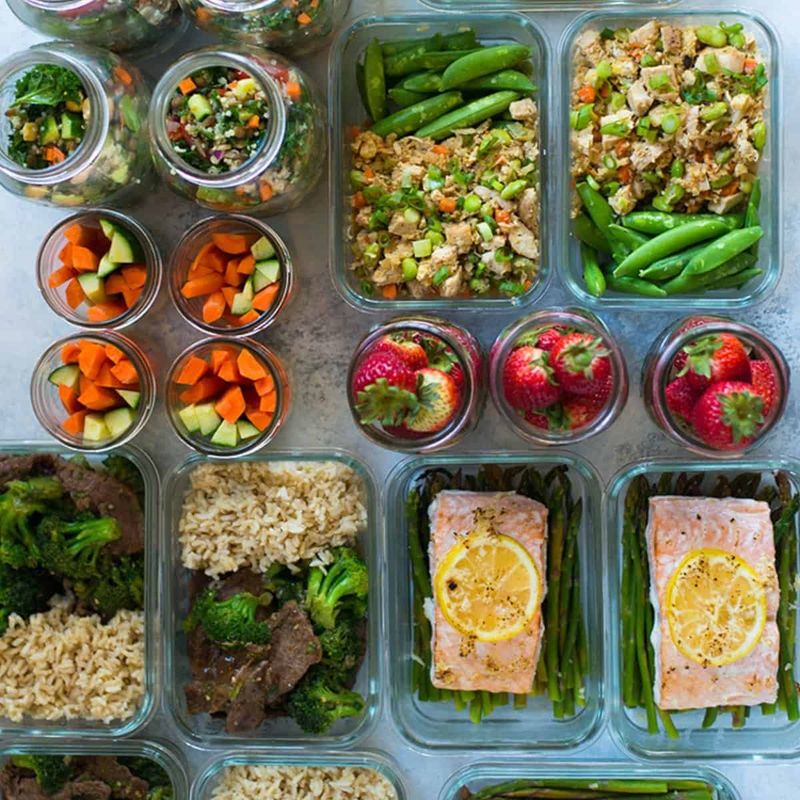
When life gets busy, having healthy food already prepared makes it much easier to avoid reaching for takeout or junk food. Meal prepping on Sunday for the week ahead is a habit that many health-conscious people swear by.
Start small by prepping just two or three meals. Cook a big batch of grains, roast a tray of vegetables, and portion out some protein.
Once your fridge is stocked with ready-to-eat healthy options, making good food choices throughout the week becomes almost effortless and automatic.
23. Read Nutrition Labels Before Buying Food

Most people grab packaged foods without checking what is actually in them. Nutrition labels tell you exactly how much sugar, sodium, fat, and calories are in each serving, giving you the power to make smarter choices at the store.
Pay attention to serving sizes first, since many packages contain multiple servings. Look for shorter ingredient lists with recognizable whole-food ingredients.
The more you practice reading labels, the faster you get at spotting which products are genuinely nutritious and which ones are just cleverly marketed.
24. Eat More Fiber Throughout the Day
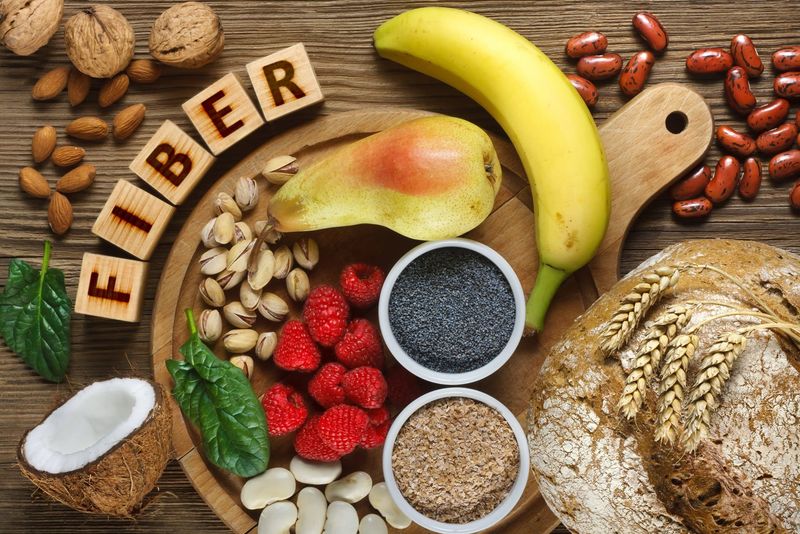
Fiber is one of the most important nutrients most people do not get enough of. It keeps your digestive system running smoothly, helps you feel full after meals, and can lower your risk of heart disease and type 2 diabetes over time.
Good fiber sources include oats, apples, pears, beans, broccoli, and whole grain bread. Increasing fiber gradually and drinking plenty of water along the way prevents digestive discomfort.
Even small additions each day can make a meaningful difference in how your body feels overall.
25. Enjoy Treats in Moderation Rather Than Cutting Them Out

Completely banning your favorite treats often backfires, leading to intense cravings and binge eating. A more sustainable approach is allowing yourself small portions of the foods you love without guilt or restriction.
The goal is balance, not perfection. Savoring one small piece of dark chocolate or a couple of cookies feels far more satisfying when you eat slowly and enjoy every bite.
A healthy diet has room for joy and pleasure, and that mindset is what makes healthy eating truly last long-term.