
Some of the most flavorful foods in the world start out looking pretty unremarkable, and the secret behind them is surprisingly simple: time and air. Drying is one of the oldest food preservation tricks humans ever discovered, and it turns out that patience pays off in a big way.
From sweet fruits to savory meats and even fancy cheeses, letting food dry out slowly can unlock flavors you never expected. Get ready to discover 24 incredible foods that only become truly delicious after they’ve been left to dry.
1. Beef Jerky
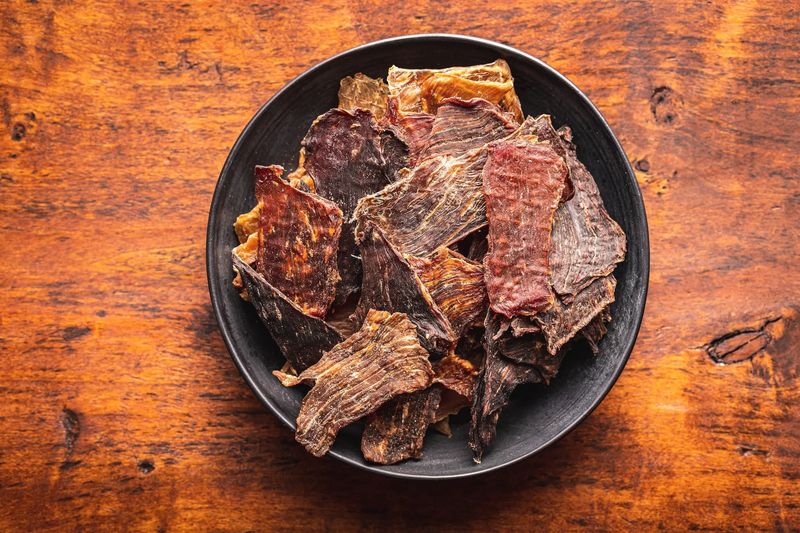
Tough, chewy, and packed with bold flavor, beef jerky is the ultimate snack for people on the go. Thin slices of beef are seasoned with salt, spices, and sometimes a little sweetness, then slowly dried in an oven or dehydrator for hours.
All that moisture leaving the meat concentrates the flavor into every single bite.
Native Americans were drying meat this way long before refrigerators existed. Today, jerky is a lunchbox hero and a road trip staple worldwide.
2. Raisins
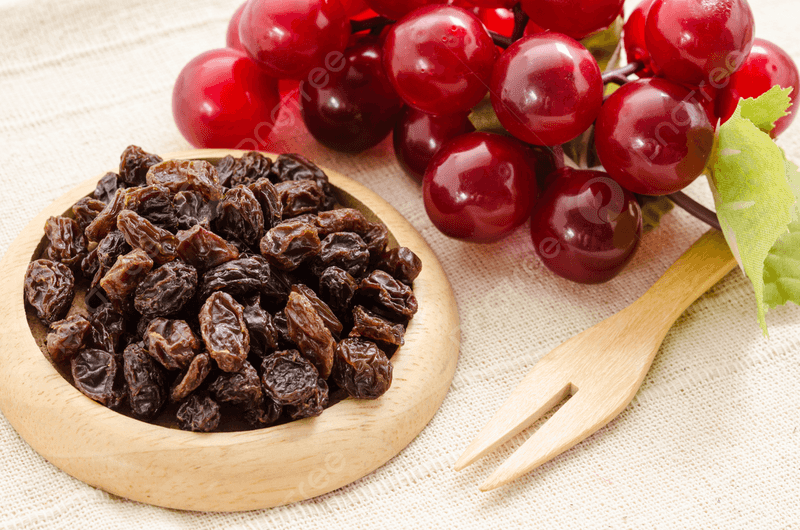
Hard to believe that a wrinkled little raisin starts life as a plump, juicy grape. Grapes are spread out under the sun or placed in drying machines for several weeks until most of their water evaporates.
What remains is a chewy, sweet, intensely flavored bite that works in cookies, salads, and trail mix alike.
California produces more raisins than almost anywhere else on Earth. Sun-drying grapes is a tradition that goes back thousands of years in Mediterranean cultures.
3. Prosciutto
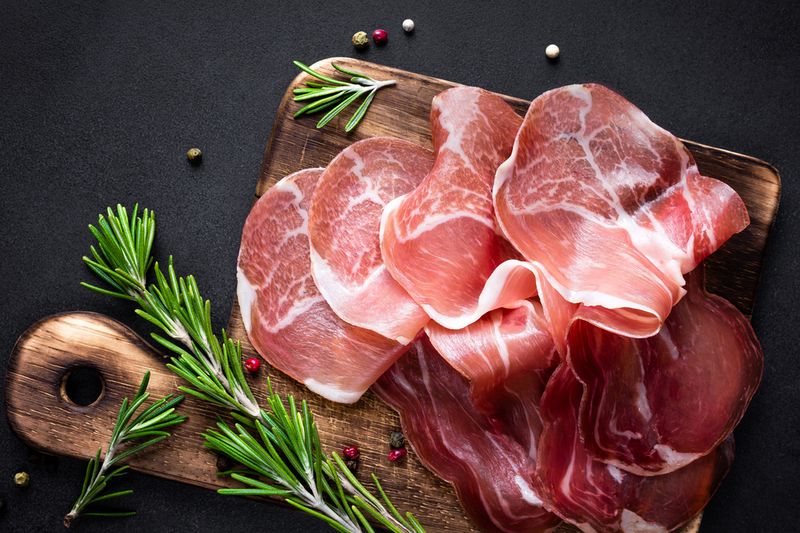
Prosciutto is Italian cured ham that takes real patience to make. A whole leg of pork is rubbed with sea salt and then hung in cool, airy rooms for anywhere from nine months to over two years.
During that time, the meat slowly loses moisture and develops a rich, silky, almost buttery flavor that is completely unlike regular ham.
The longer it dries, the more complex the taste becomes. Thinly sliced prosciutto melts right on your tongue.
4. Sun-Dried Tomatoes
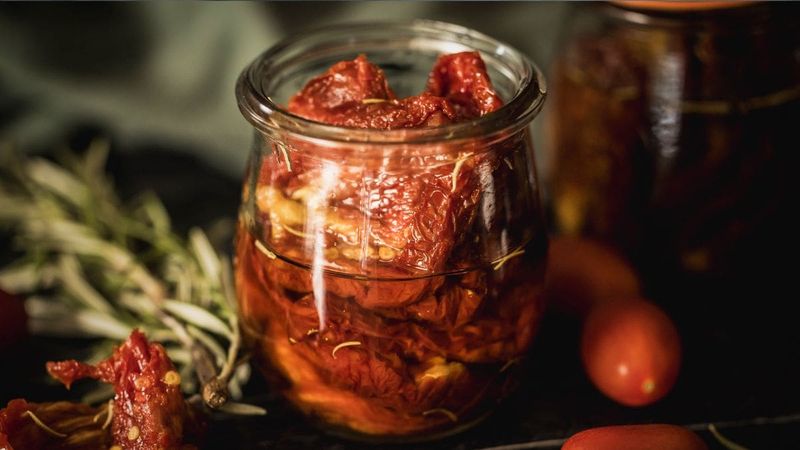
Fresh tomatoes are already delicious, but sun-dried tomatoes are on a whole different level. Tomatoes are halved and set out in the sun or placed in low-temperature ovens for days until they shrink down and their natural sugars concentrate into something deeply savory and sweet at the same time.
They pack a punch of umami flavor that fresh tomatoes simply cannot match. Toss them into pasta, sandwiches, or salads for an instant flavor upgrade that feels gourmet.
5. Aged Parmesan Cheese
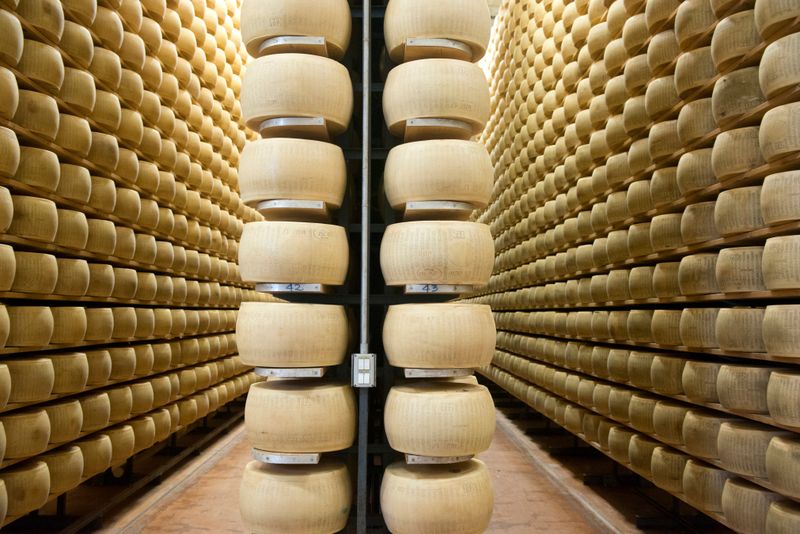
Parmesan cheese does not become truly special until it has been left to age and slowly dry out for at least a year. As the moisture leaves the wheel of cheese, the texture turns hard and grainy, and tiny flavor crystals form inside.
Those little crunchy bits are actually amino acids, and they taste absolutely incredible.
Real Parmigiano-Reggiano from Italy can be aged up to three years. The older it gets, the sharper and nuttier the flavor becomes.
6. Dried Figs
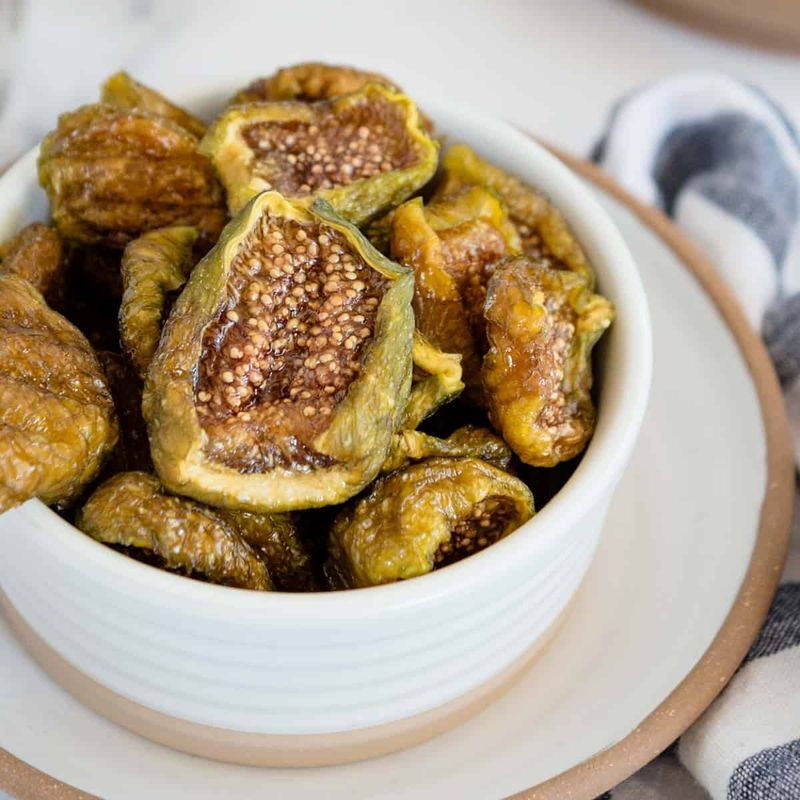
Figs have been dried and eaten as a sweet treat since ancient Egyptian times, and honestly, it is easy to understand why. Fresh figs are already sugary, but drying them concentrates that sweetness into a chewy, caramel-like bite with a slightly crunchy center from the tiny seeds inside.
Dried figs are loaded with fiber and natural energy, making them a surprisingly healthy snack. They pair beautifully with cheese, nuts, or even a drizzle of dark chocolate.
7. Salted Cod (Bacalhau)
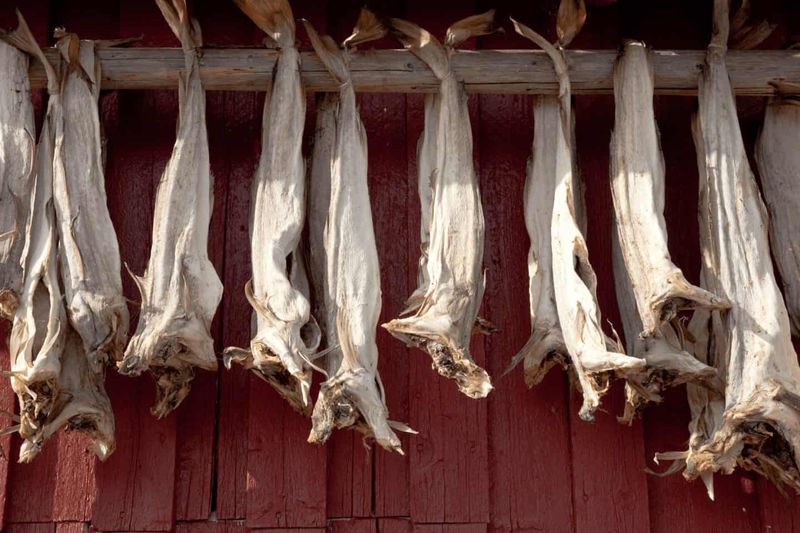
Long before freezers existed, fishermen needed a way to preserve their catch for months at a time. Salting and drying cod was the answer, and it worked so well that bacalhau became a staple food across Portugal, Brazil, and the Caribbean.
The fish turns rock-hard and can last for months without refrigeration.
Before cooking, it gets soaked in water for a day or two to rehydrate. The result is a tender, flavorful fish with a uniquely salty depth that fresh cod just does not have.
8. Dates
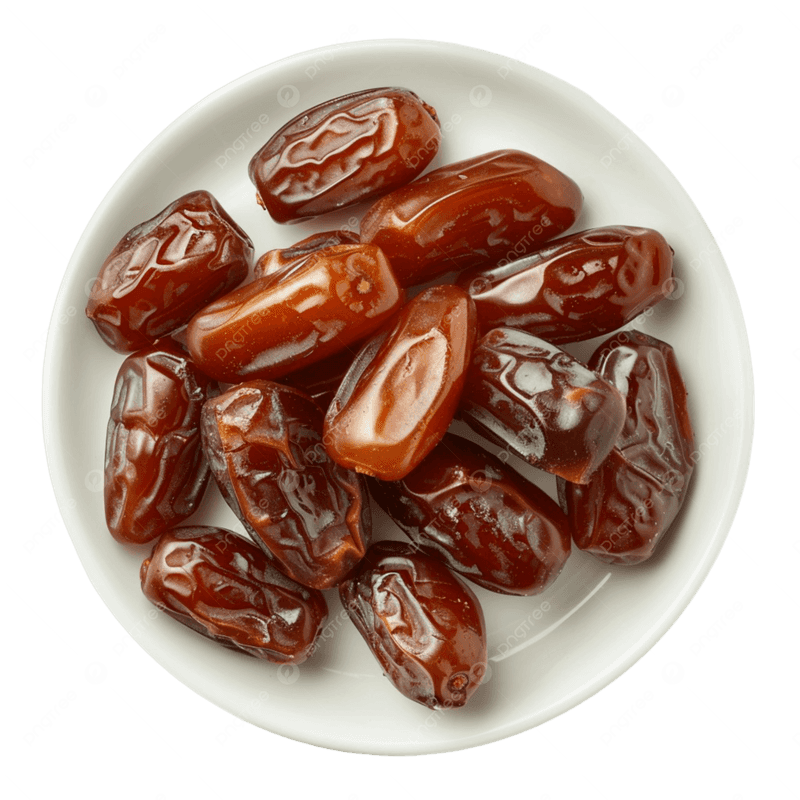
Medjool dates are sometimes called nature’s candy, and once you taste one, you will completely agree. While some dates are eaten fresh, most of the dates you find in stores have been left to dry on the palm tree itself or harvested and then slowly dried afterward.
This process makes them incredibly sweet, sticky, and chewy.
They are a powerhouse of natural sugar and energy. Athletes love them as a quick pre-workout fuel, and bakers use them as a natural sweetener in healthy desserts.
9. Dried Mushrooms
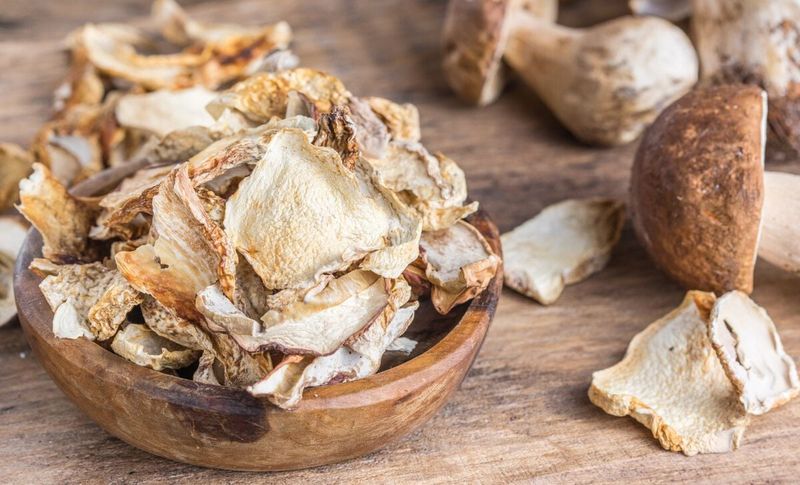
Something almost magical happens when you dry a mushroom. The moisture disappears, the mushroom shrinks to a fraction of its original size, and the earthy, savory flavor becomes dramatically more intense.
Dried shiitake and porcini mushrooms are prized in kitchens around the world for the deep umami punch they add to soups and sauces.
Rehydrating them in warm water also creates a flavorful liquid that works beautifully as a broth. Waste nothing, because every drop is delicious.
10. Biltong
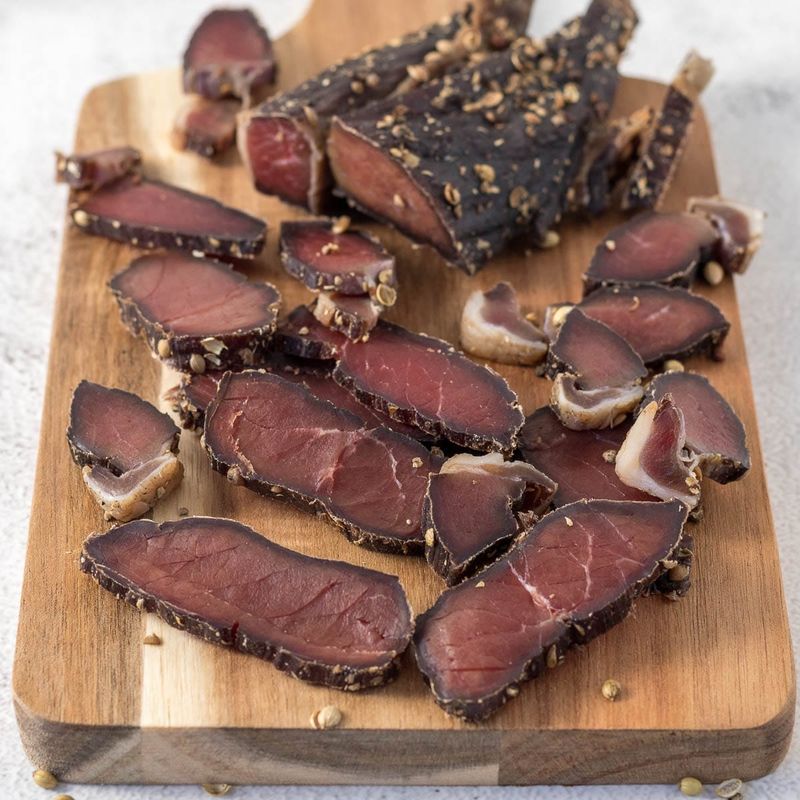
South Africa’s answer to beef jerky is biltong, and fans of this dried meat snack will tell you there is absolutely no comparison. Thick cuts of beef or game meat are rubbed with vinegar, salt, coriander, and pepper, then hung in dry, airy spaces for several days.
The result is a tender, flavorful snack with a texture that is more satisfying than jerky.
Biltong is not cooked with heat at all. It air-dries completely, which gives it a unique, almost wine-like depth of flavor.
11. Dried Apricots
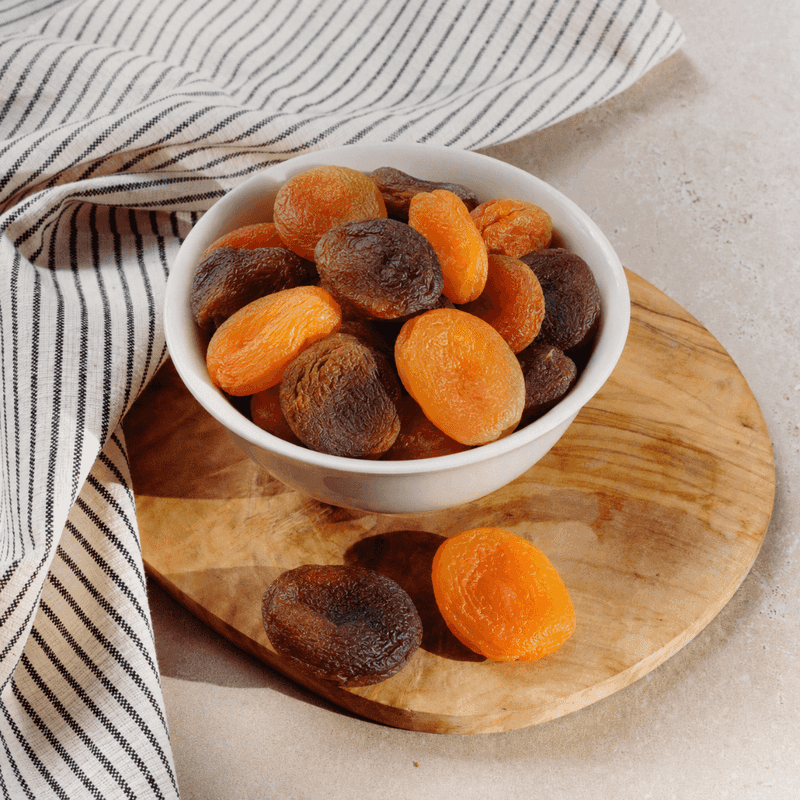
Dried apricots have a tart, intensely fruity flavor that fresh apricots can barely hint at. When apricots are dried, their water content drops from about 86 percent down to just 30 percent, pushing all that fruity goodness into a much smaller, chewier package.
Some are treated with sulfur dioxide to keep them bright orange, while others are left to turn a darker, earthy brown.
The darker ones tend to taste even richer and more complex. Either way, they are a snack worth reaching for.
12. Chorizo
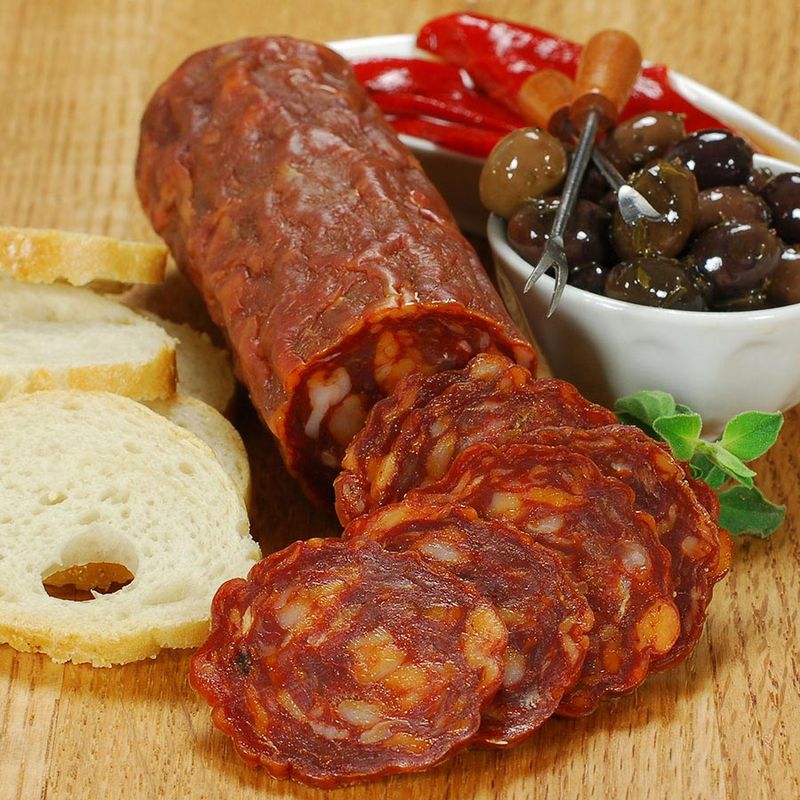
Spanish chorizo gets its gorgeous red color and smoky, spicy flavor from dried paprika mixed into the pork before it is stuffed into casings. After that, the sausage is hung to cure and dry in cool cellars for weeks or months.
As it dries, the fat and meat meld together into a firm, intensely flavored sausage that slices cleanly and tastes extraordinary.
Unlike Mexican chorizo, which is raw, Spanish dried chorizo can be eaten straight from the package. It is a charcuterie board superstar.
13. Dried Pasta
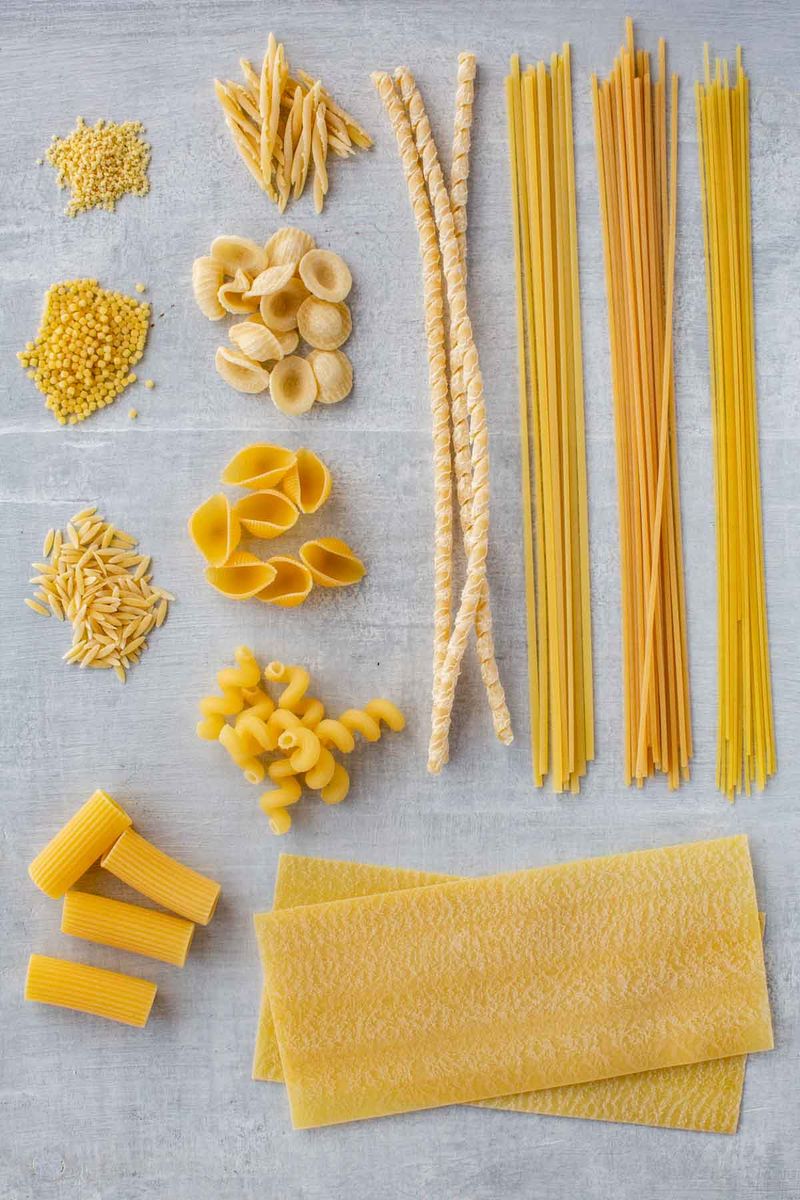
Fresh pasta is wonderful, but dried pasta is what built Italian cuisine into the global phenomenon it is today. Fresh dough made from semolina and water is shaped into hundreds of different forms and then carefully dried at low temperatures until all the moisture is gone.
This lets it be stored for months and shipped around the world.
Drying also changes the texture slightly, making it hold up better in sauces. That satisfying al dente bite you love?
Dried pasta delivers it perfectly every time.
14. Miso
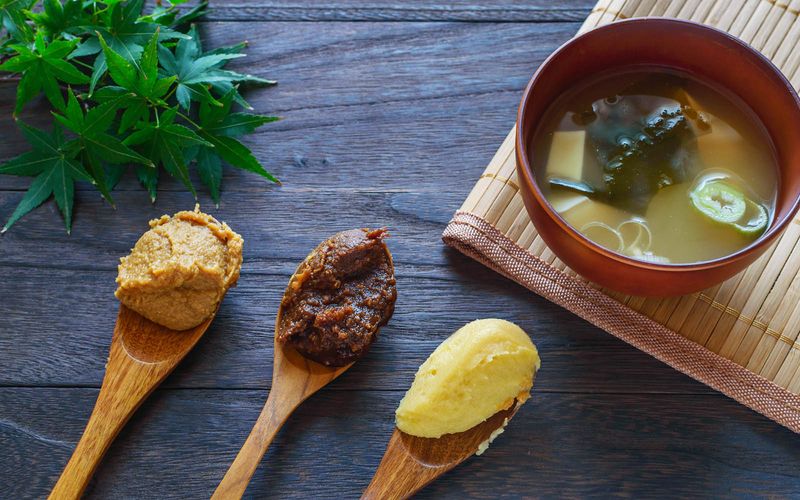
Miso is a Japanese fermented paste made from soybeans, salt, and a mold culture called koji, and the drying and fermenting process can take anywhere from a few weeks to several years. As moisture slowly leaves the mixture and fermentation works its magic, the paste develops a deep, savory, complex flavor that is the backbone of Japanese cooking.
Lighter misos are mild and sweet, while darker varieties are bold and earthy. A spoonful can transform even a simple bowl of broth into something extraordinary.
15. Dried Cranberries
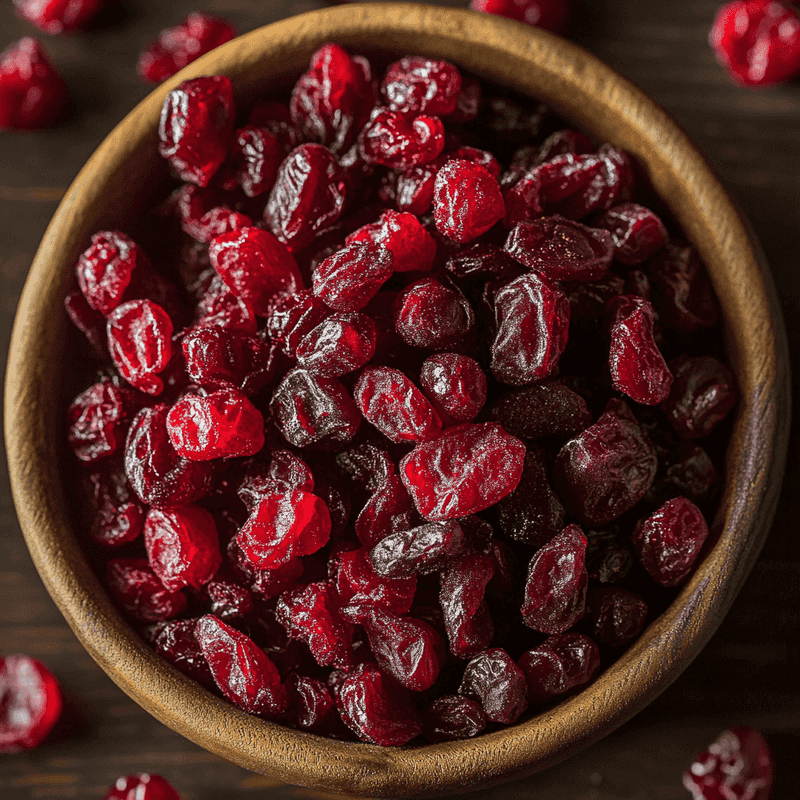
Fresh cranberries are so tart they are almost impossible to eat raw, but drying them with a little added sweetness transforms them into a chewy, tangy-sweet snack that goes with almost everything. Cranberries are washed, slightly punctured to help moisture escape, then dried slowly until they reach that perfect chewy consistency most people love.
Toss them into oatmeal, salads, or baked goods for a pop of color and flavor. They are also a classic addition to trail mix for good reason.
16. Cocoa Beans
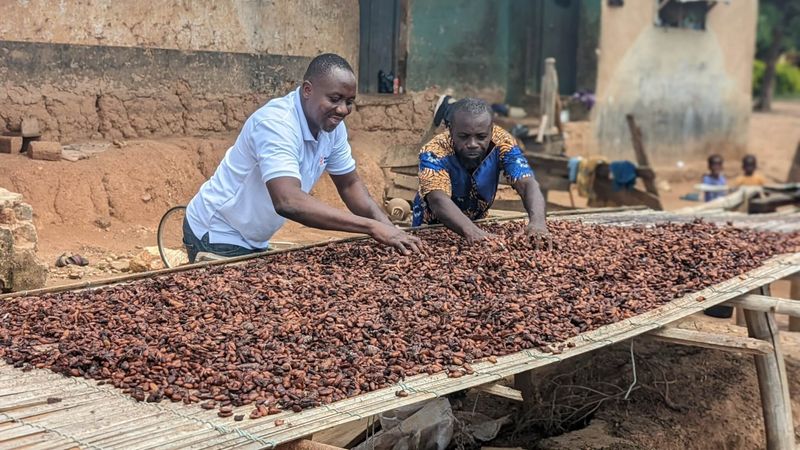
Before cocoa beans can become the chocolate you love, they go through a critical drying step that most people never think about. After being fermented inside the cacao pod for several days, the beans are spread out under the sun for one to two weeks.
During this time, they lose moisture and develop the complex flavors that will eventually become chocolate.
Skip the drying step, and the beans stay bitter and harsh. This sun-drying phase is absolutely essential to every bar of chocolate ever made.
17. Dried Lentils
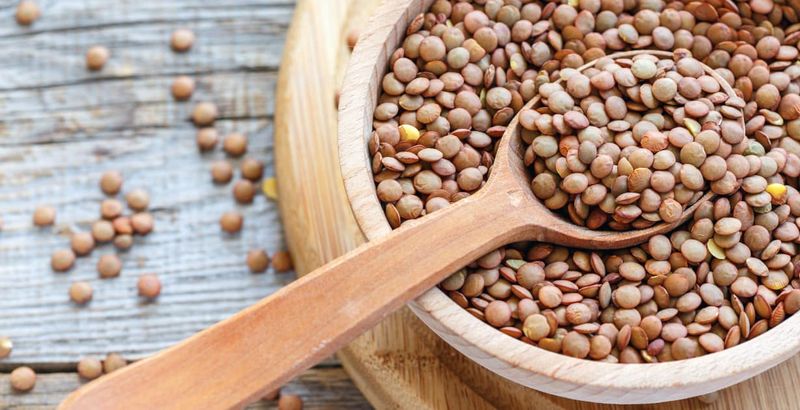
Lentils might not sound glamorous, but they are one of the most important dried foods in human history. After the lentil plant is harvested, the pods are dried until the seeds inside are hard and shelf-stable.
This drying process lets lentils be stored for years without losing their nutritional value, which is why they have fed civilizations across Asia, Africa, and Europe for millennia.
High in protein and fiber, lentils are a budget-friendly powerhouse. They cook up into soups and stews that are genuinely comforting.
18. Pepperoni
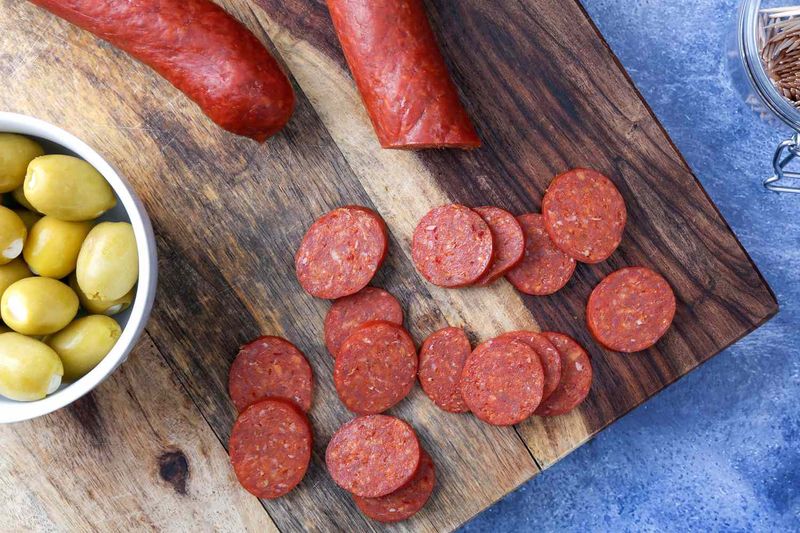
Pepperoni is America’s most beloved pizza topping, and its bold, spicy, slightly greasy flavor comes directly from the drying and curing process. A blend of pork and beef is mixed with paprika, garlic, and other spices, then stuffed into casings and hung to dry and ferment for weeks.
That process gives pepperoni its characteristic tang and firm, sliceable texture.
When it hits a hot oven, the edges curl up and the fat renders out into those crispy, slightly charred cups that pizza lovers obsess over.
19. Dried Herbs
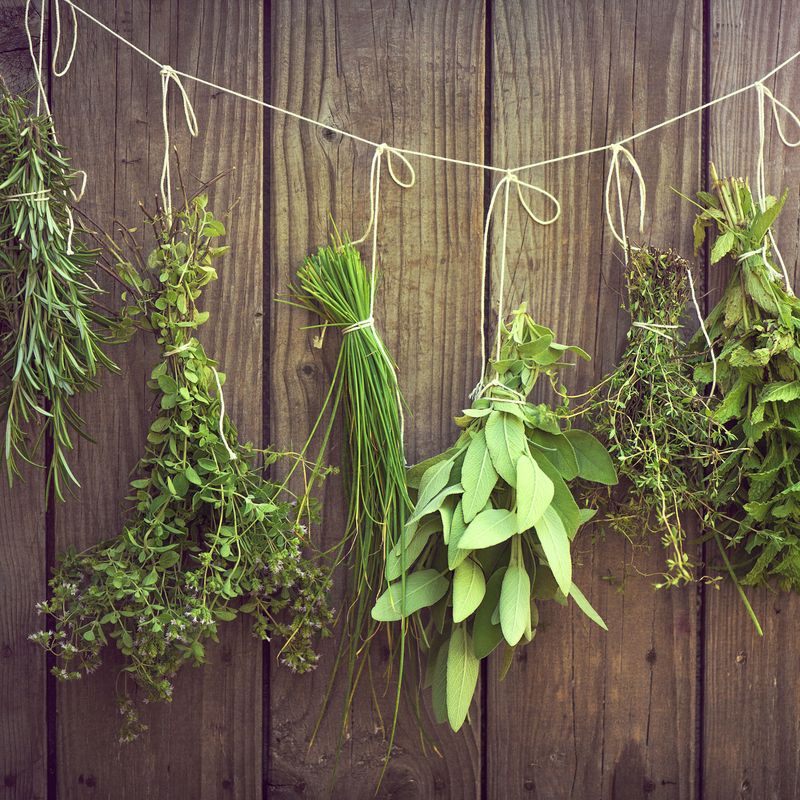
Hanging herbs upside down to dry is one of the simplest and most satisfying things you can do in a kitchen. As the moisture leaves the leaves and stems, the essential oils that carry all the flavor become more concentrated.
Dried oregano, thyme, rosemary, and bay leaves can be two to three times more potent than their fresh counterparts.
That means you use less but get more flavor in return. A bundle of dried herbs hanging in your kitchen also smells absolutely wonderful while it dries.
20. Serrano Ham

Spain takes its cured ham seriously, and Serrano ham is proof of just how delicious patience can be. Whole pig legs are packed in sea salt, then rinsed and hung in mountain air for a minimum of seven months, though premium versions dry for up to two years.
The mountain breezes and cold temperatures create perfect drying conditions that produce a firm, intensely flavored ham.
The name actually comes from the Spanish word for mountain, “sierra.” Every thin slice carries centuries of tradition in it.
21. Coffee Beans
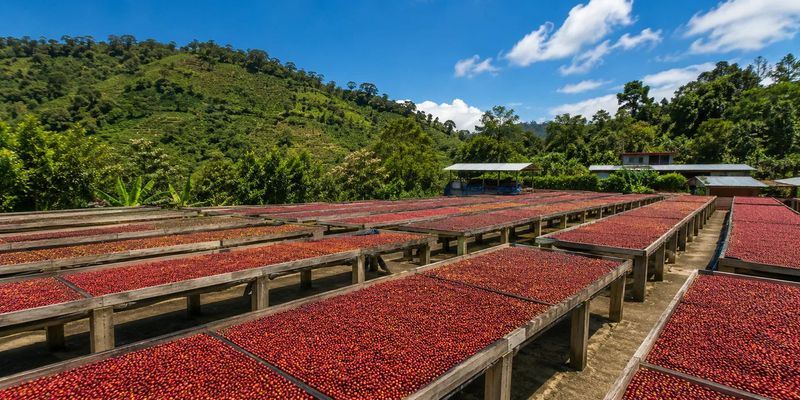
Your morning cup of coffee exists because someone, long ago, figured out that drying coffee cherries unlocks their incredible potential. After being harvested, the coffee cherries are spread on raised drying beds and left under the sun for two to six weeks, depending on the method used.
As they dry, the fruit around the seed ferments slightly and infuses the bean with fruity, complex flavors.
The natural or dry process method is especially known for producing fruity, wine-like coffees. Ethiopia, where coffee originated, still dries many of its beans this way.
22. Dried Beans
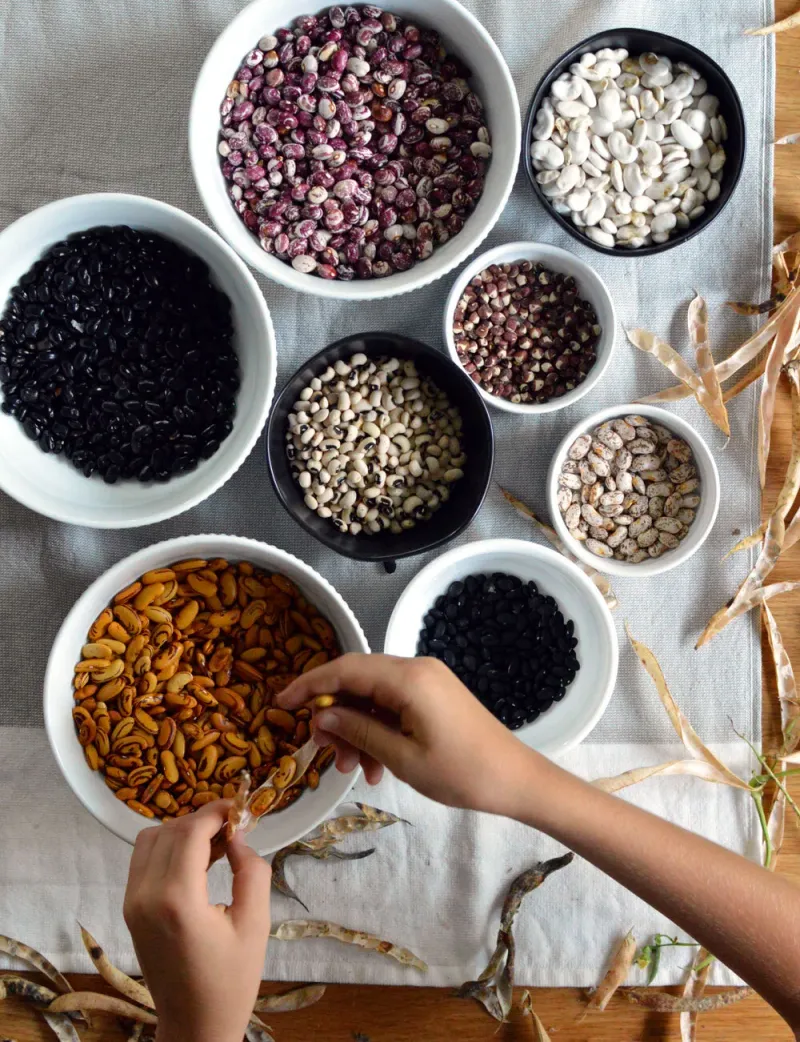
Black beans, kidney beans, chickpeas, and navy beans all go through a natural drying process before they reach your pantry. Once the bean plant matures, the pods are left on the plant or harvested and dried until the beans inside are completely hard.
This removes almost all the moisture and puts the beans into a kind of suspended state where they can last for years.
Soaking and cooking them brings them back to life beautifully. Few things are as satisfying as a pot of beans simmered low and slow.
23. Prunes
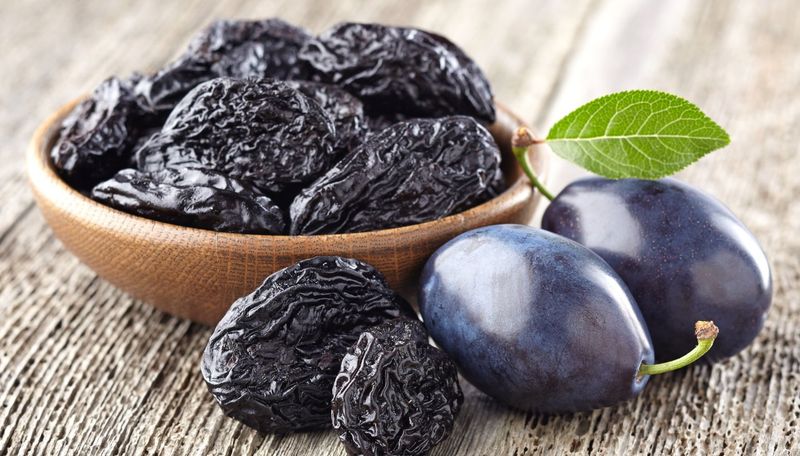
Prunes have a bit of an unfair reputation, but anyone who has actually tasted a good prune knows they are rich, deeply sweet, and almost chocolatey in flavor. They are simply dried plums, and the drying process concentrates their natural sugars and transforms their texture from crisp and juicy into soft and chewy.
French Agen prunes are considered among the finest in the world.
Beyond snacking, prunes are incredible in savory stews with pork or lamb. They add a sweet depth that is truly hard to replicate with anything else.
24. Dried Seaweed (Nori)
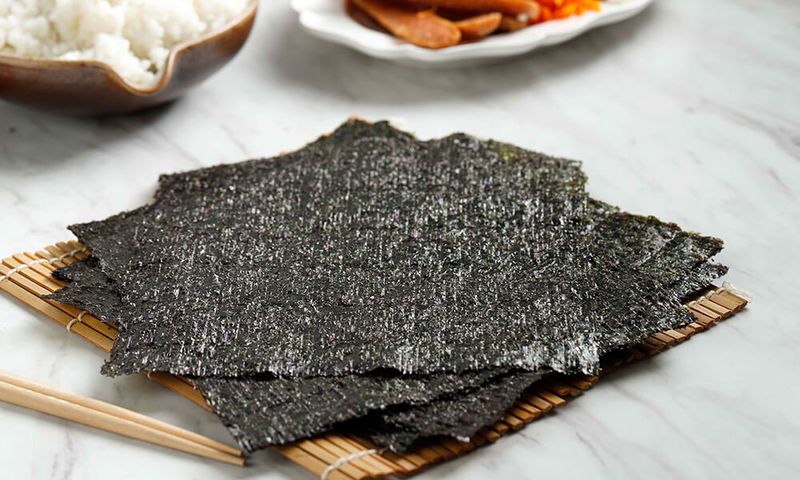
Nori is the paper-thin, dark green seaweed sheet that holds your sushi roll together, and it only becomes that crisp, ocean-flavored ingredient after going through a careful drying process. Fresh seaweed is rinsed, pulped, spread into thin sheets, and then slowly dried until it becomes the brittle, dark wrapper you recognize.
Toasting it briefly brings out a nutty, savory aroma.
Beyond sushi, nori is crumbled over rice bowls, soups, and noodles across East Asia. It is a surprisingly great source of iodine and minerals too.