
Most of us eat the same foods day after day without giving them a second thought. But some of the most common items in your kitchen might not be as harmless as they seem.
From your morning toast to your afternoon snack, certain everyday foods can come with hidden health concerns worth knowing about. Understanding what you eat is one of the smartest things you can do for your body.
1. White Bread

White bread is a lunchbox staple for millions of people, but its simple ingredients hide a not-so-simple problem. The refining process strips away most of the fiber and nutrients found in whole grains, leaving behind a product that can spike your blood sugar quickly.
Over time, frequent blood sugar spikes are linked to weight gain and increased risk of type 2 diabetes. Swapping white bread for whole grain versions is an easy first step toward better daily nutrition.
2. Flavored Yogurt
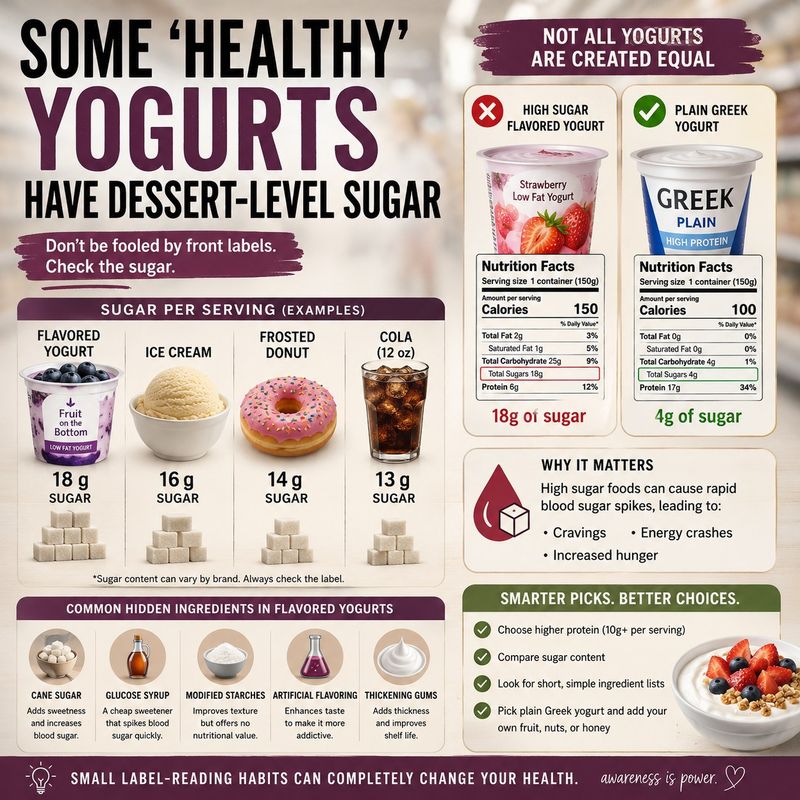
Yogurt sounds like the perfect healthy snack, and plain versions truly can be. The trouble starts when you reach for the flavored varieties lining grocery store shelves.
Many flavored yogurts contain as much added sugar as a small candy bar.
All that extra sugar can cancel out the gut-friendly benefits of the live cultures inside. Reading the nutrition label before buying is a simple habit that can save you from unknowingly loading up on unnecessary sweeteners every morning.
3. Granola Bars
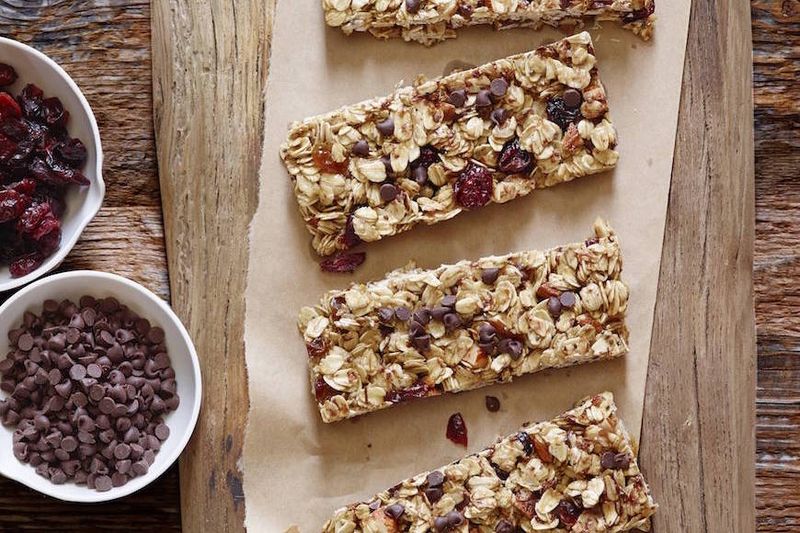
Marketed as an on-the-go health food, granola bars have fooled a lot of well-meaning snackers. Many popular brands pack in syrups, refined sugars, and saturated fats to make them taste better, which pushes their calorie count surprisingly high.
Some bars barely differ from a cookie in terms of sugar content. If you enjoy granola bars, look for options with short ingredient lists, minimal added sugar, and a decent amount of fiber to actually feel full longer.
4. Fruit Juice
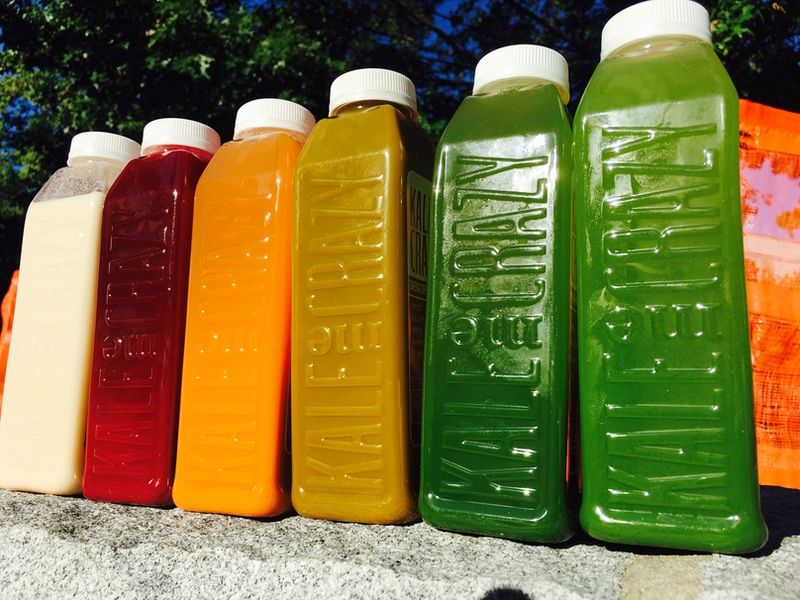
Fruit juice feels like a wholesome choice, especially at breakfast. But drinking a glass of juice is very different from eating a piece of fruit.
When juice is made, the fiber is removed, concentrating the natural sugars into a liquid that your body absorbs very quickly.
Without fiber to slow things down, juice can spike blood sugar levels almost as fast as soda. Eating whole fruit gives you the same vitamins with far more nutritional benefit and staying power.
5. Canned Soup
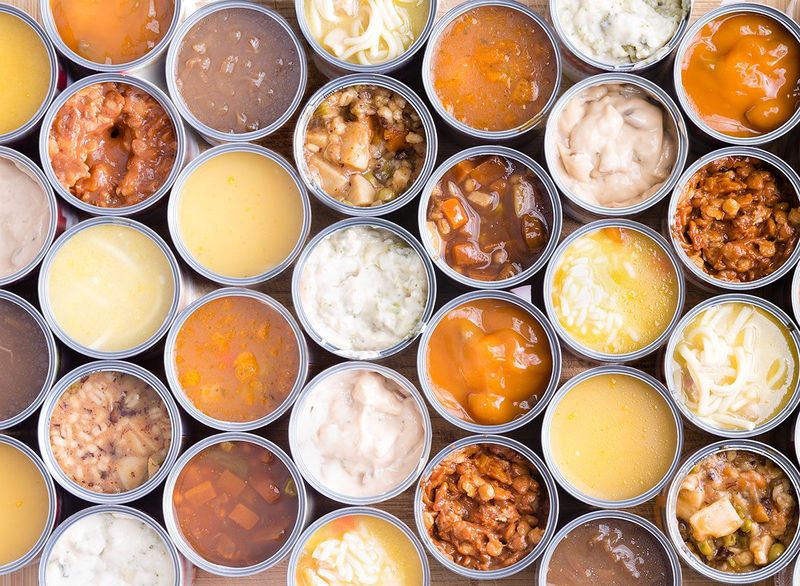
On a cold day, a bowl of canned soup feels like a warm hug. Unfortunately, many popular canned soups are loaded with sodium, sometimes delivering more than half your recommended daily intake in a single serving.
Too much sodium over time can raise blood pressure and stress your kidneys. Choosing low-sodium versions or making homemade soup from scratch gives you the comfort you crave without the hidden salt overload that comes with most store-bought cans.
6. Microwave Popcorn

Movie nights and microwave popcorn go hand in hand for a lot of families. Plain air-popped popcorn is actually a great whole grain snack, but the microwave bag version is a different story.
Many brands are loaded with artificial butter flavoring, added salt, and unhealthy fats.
Some older bag linings even contained chemicals linked to health concerns when heated. Air-popping your own kernels and adding light seasoning yourself is a smarter, tastier way to enjoy this classic snack without the extra baggage.
7. Bottled Salad Dressing
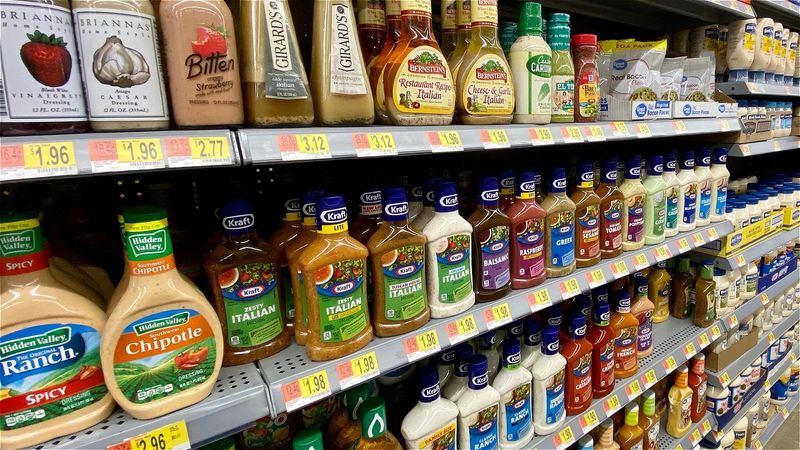
Salads are one of the healthiest meals you can build, but the dressing you pour on top can quietly undo a lot of that good work. Bottled dressings often contain added sugars, unhealthy oils, artificial preservatives, and surprising amounts of sodium per serving.
Even light or fat-free versions frequently compensate for lost flavor by adding extra sugar. Making a simple vinaigrette at home with olive oil, vinegar, and herbs takes about two minutes and is far better for you.
8. Breakfast Cereal

Cereal is the go-to morning meal for millions of households, especially for kids. Many popular cereals, even the ones with health buzzwords on the box, are packed with added sugars and refined grains that offer little lasting nutrition.
Starting your day with a sugar spike can lead to energy crashes before lunchtime. Choosing cereals with at least 3 grams of fiber, less than 8 grams of sugar per serving, and whole grains listed first sets a much better tone for the day.
9. Flavored Coffee Drinks
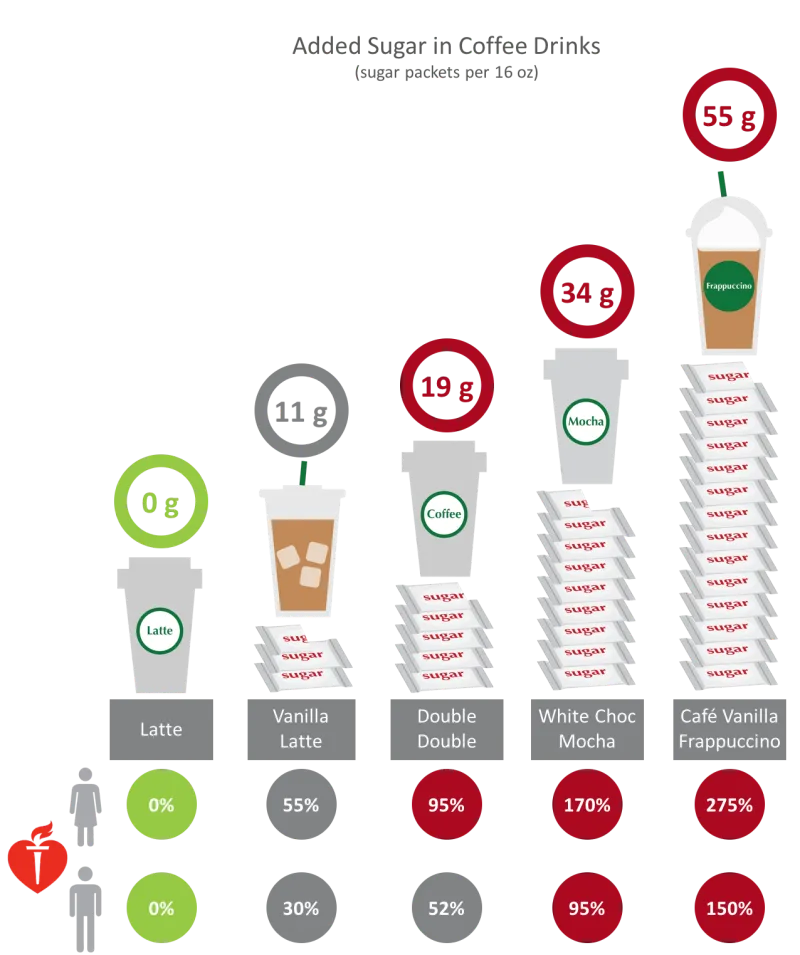
A fancy coffee drink feels like a small daily treat, but the numbers behind some of these beverages are genuinely shocking. A large flavored latte or frappuccino can contain over 50 grams of sugar and several hundred calories, rivaling a full dessert.
Drinking these regularly can contribute to weight gain and increased sugar intake without you even realizing it. Ordering plain coffee or espresso with a small splash of milk is a simple swap that keeps your energy up without the sugar overload.
10. Deli Meats
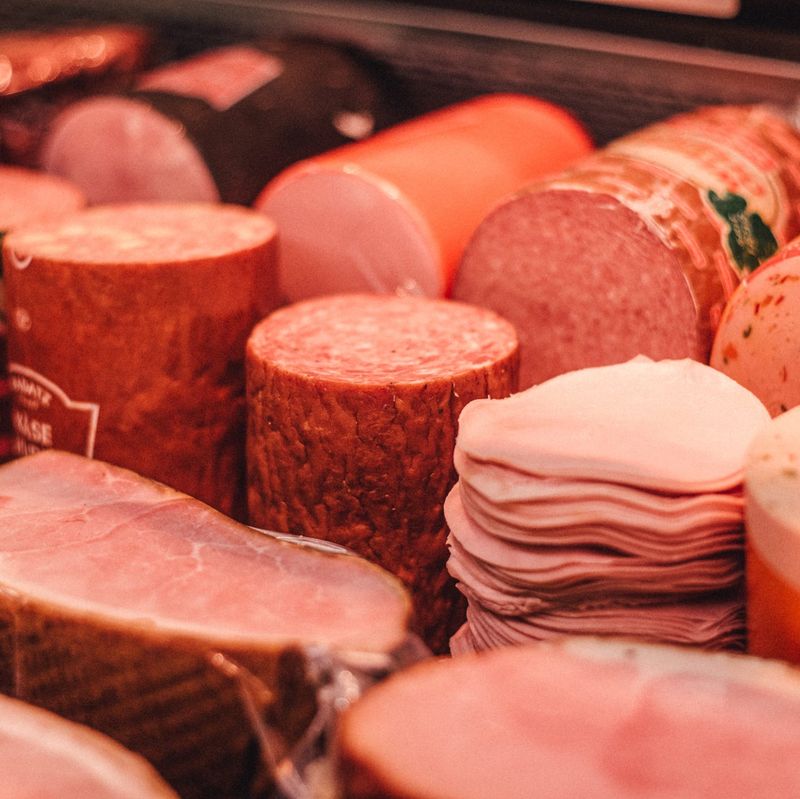
Deli meats are a sandwich staple in homes and school lunchboxes everywhere. What many people do not realize is that processed meats like ham, bologna, and salami are typically high in sodium, nitrates, and preservatives that have been linked to increased health risks over time.
The World Health Organization classifies processed meats as a Group 1 carcinogen. Enjoying them occasionally is fine for most people, but making them a daily habit is something worth reconsidering in favor of fresher protein options.
11. Margarine

Margarine was once promoted as the healthier alternative to butter, and many people still believe that today. Early versions of margarine were full of trans fats, which are strongly linked to heart disease.
While most modern margarines have removed trans fats, some still contain partially hydrogenated oils.
The highly processed nature of margarine means it is far from a natural food. Checking labels carefully and choosing products with simple, recognizable ingredients helps you avoid the less healthy varieties still sitting on store shelves.
12. Sports Drinks
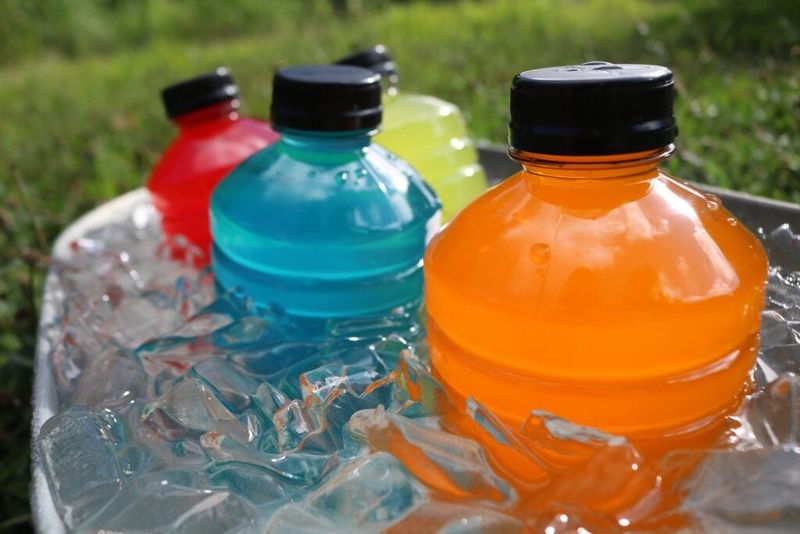
Sports drinks are designed for athletes who need to replenish electrolytes after intense exercise, but most people drink them during far less demanding activities. For the average person sipping one during a casual walk or a school day, the high sugar and calorie content offers no real benefit.
Regular consumption by non-athletes has been linked to tooth decay and weight gain in children and teens. Water is almost always the better hydration choice unless you are genuinely engaging in prolonged, intense physical activity.
13. Canned Tuna

Tuna is celebrated as a lean, protein-packed food that fits neatly into healthy diets, and for good reason. However, tuna also contains mercury, a heavy metal that can build up in the body over time and cause neurological problems, particularly in children and pregnant women.
The FDA recommends limiting tuna consumption, especially for vulnerable groups. Choosing light canned tuna over albacore and keeping servings to two or three per week is a reasonable approach that lets you enjoy the benefits while managing the risks.
14. Rice Cakes
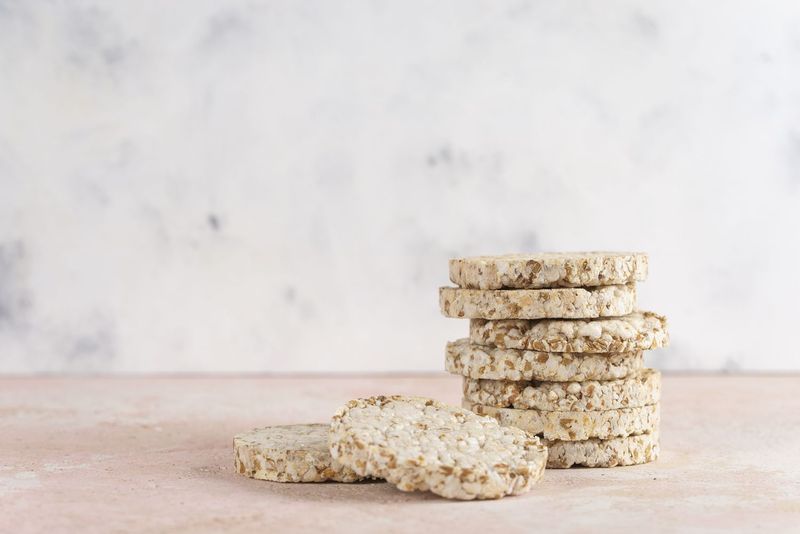
Rice cakes have a reputation as the ultimate diet-friendly snack, but they are not quite as impressive as their image suggests. They are very low in calories, yes, but also very low in fiber, protein, and most nutrients, making them a food that satisfies you for only a short time.
Plain rice cakes also have a high glycemic index, meaning they can raise blood sugar fairly quickly. Pairing them with nut butter or avocado adds substance and slows digestion, turning a hollow snack into something that actually fuels you.
15. Soy Sauce
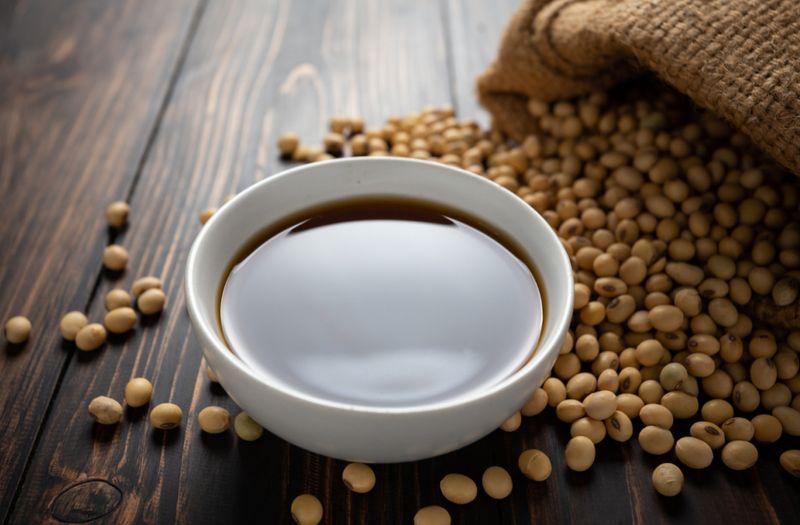
Soy sauce adds incredible depth of flavor to countless dishes, but just one tablespoon contains close to 900 milligrams of sodium, which is nearly 40 percent of the recommended daily limit. Most people pour far more than one tablespoon at a time without thinking twice about it.
Excess sodium is a major contributor to high blood pressure and cardiovascular problems. Low-sodium soy sauce cuts the salt content significantly while keeping most of the savory flavor, making it a smart and easy substitute in cooking and at the table.
16. Agave Nectar

Agave nectar gained popularity as a natural, low-glycemic sweetener that seemed like a healthier option than table sugar. The reality is more complicated.
Agave is extremely high in fructose, sometimes containing up to 90 percent fructose, which is higher than high-fructose corn syrup.
High fructose intake is linked to liver stress, insulin resistance, and increased belly fat over time. Using small amounts of honey or maple syrup instead provides similar sweetness with a more balanced nutritional profile that is easier on your metabolism.
17. Veggie Chips
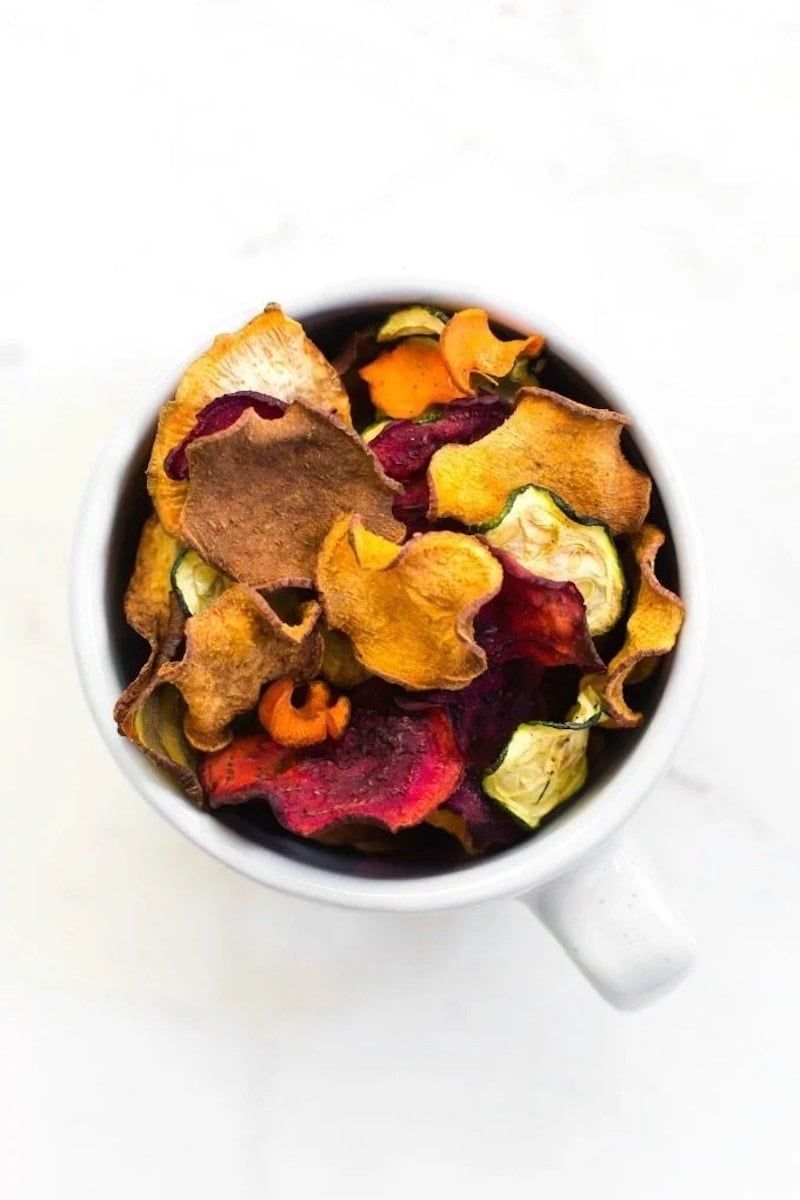
Veggie chips sound like a guilt-free way to sneak vegetables into your snacking routine, and their colorful packaging certainly plays into that idea. Most veggie chips, though, are made primarily from potato starch or corn with only small amounts of actual vegetable powder added for color and marketing purposes.
They often contain just as much fat and sodium as regular potato chips. Actual sliced and baked vegetables like zucchini or beets make a genuinely nutritious crunchy snack when you want something satisfying and real.
18. Low-Fat Peanut Butter
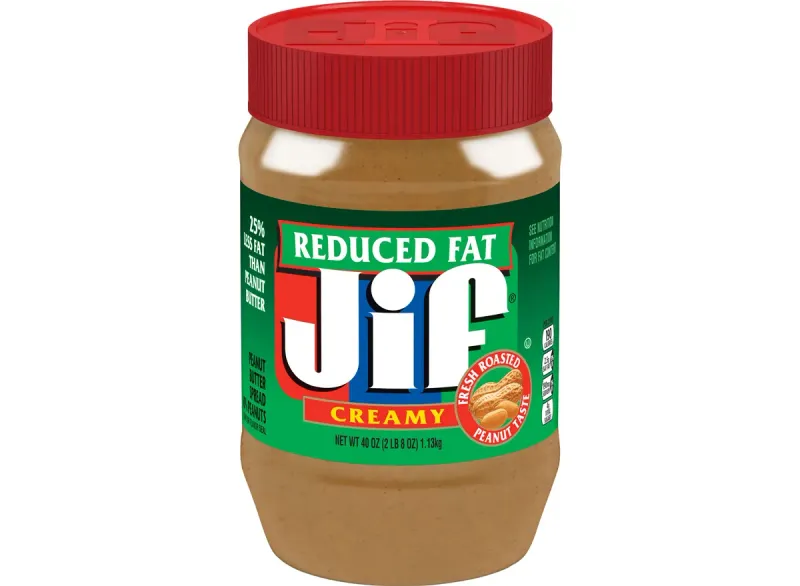
Reduced-fat peanut butter sounds like the smarter choice for anyone watching their weight, but a closer look at the label tells a different story. To compensate for the removed fat, manufacturers typically add extra sugar, corn syrup solids, and other fillers to maintain flavor and texture.
The healthy fats naturally found in peanuts are actually good for your heart in moderation. Regular natural peanut butter with just peanuts and salt listed on the label is nutritionally superior and far less processed than its low-fat counterpart.
19. Flavored Oatmeal Packets
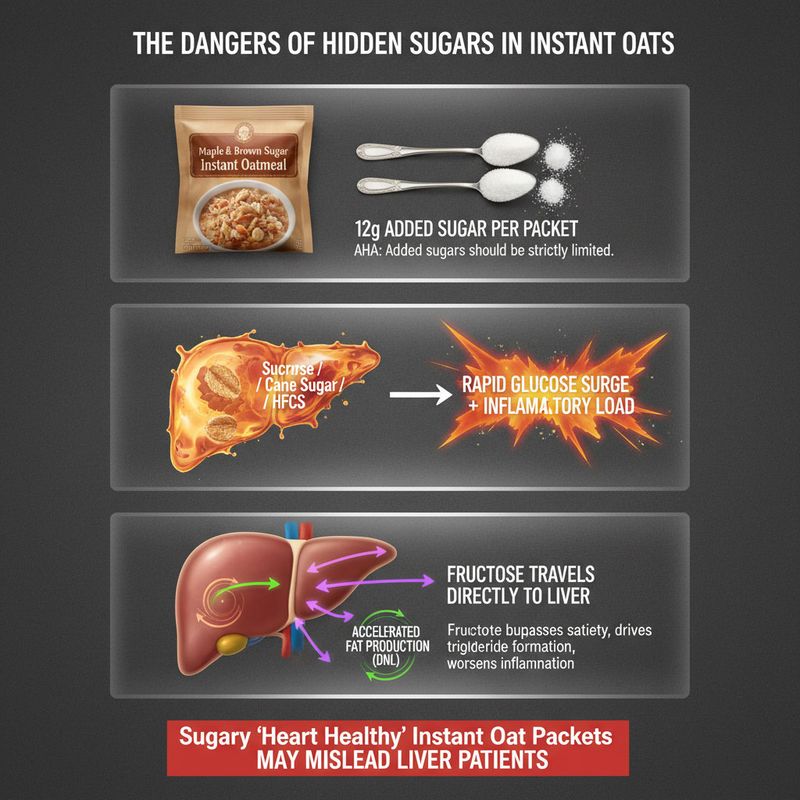
Oatmeal is genuinely one of the most heart-healthy breakfast choices available, but the instant flavored packets have a major catch. Most flavored varieties contain high amounts of added sugar, artificial flavors, and sodium, transforming a nutritious food into something closer to a sugary cereal.
Some packets pack in as much as 12 grams of added sugar per serving. Cooking plain rolled oats and sweetening them yourself with a little honey, cinnamon, or fresh fruit gives you full control and keeps all the real nutritional benefits intact.
20. Frozen Meals

Frozen meals have saved busy families from the dinner scramble more times than anyone can count. Convenience is their biggest selling point, but many frozen entrees come loaded with sodium, preservatives, and refined carbohydrates to extend shelf life and enhance flavor.
Even meals labeled as healthy or lean can contain over 800 milligrams of sodium per serving. Preparing simple fresh meals in batches on weekends and freezing them yourself gives you the same convenience with far greater control over what goes into your food.
21. Dried Fruit
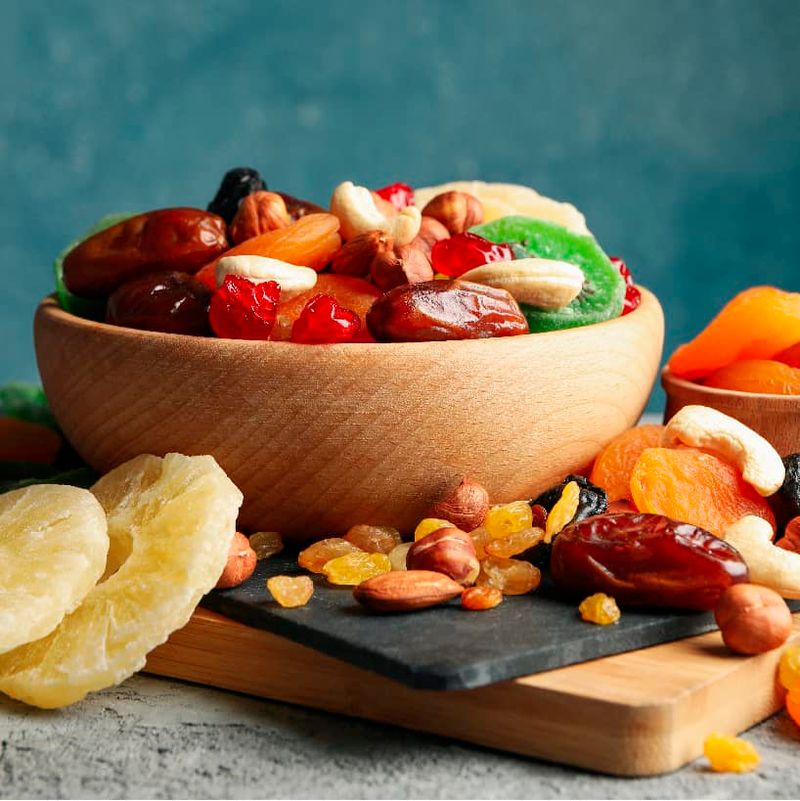
Dried fruit gets a healthy reputation because it starts out as real fruit, and the vitamins and fiber do remain after drying. The problem is that removing the water concentrates all the natural sugars into a much smaller, very easy-to-overeat package.
Many commercial brands also add extra sugar or syrup to dried cranberries and mangoes for better taste. A small handful can quickly deliver as many calories and sugars as a full candy bar.
Fresh fruit is a more filling, lower-sugar option for most daily snacking.
22. Flavored Almond Milk
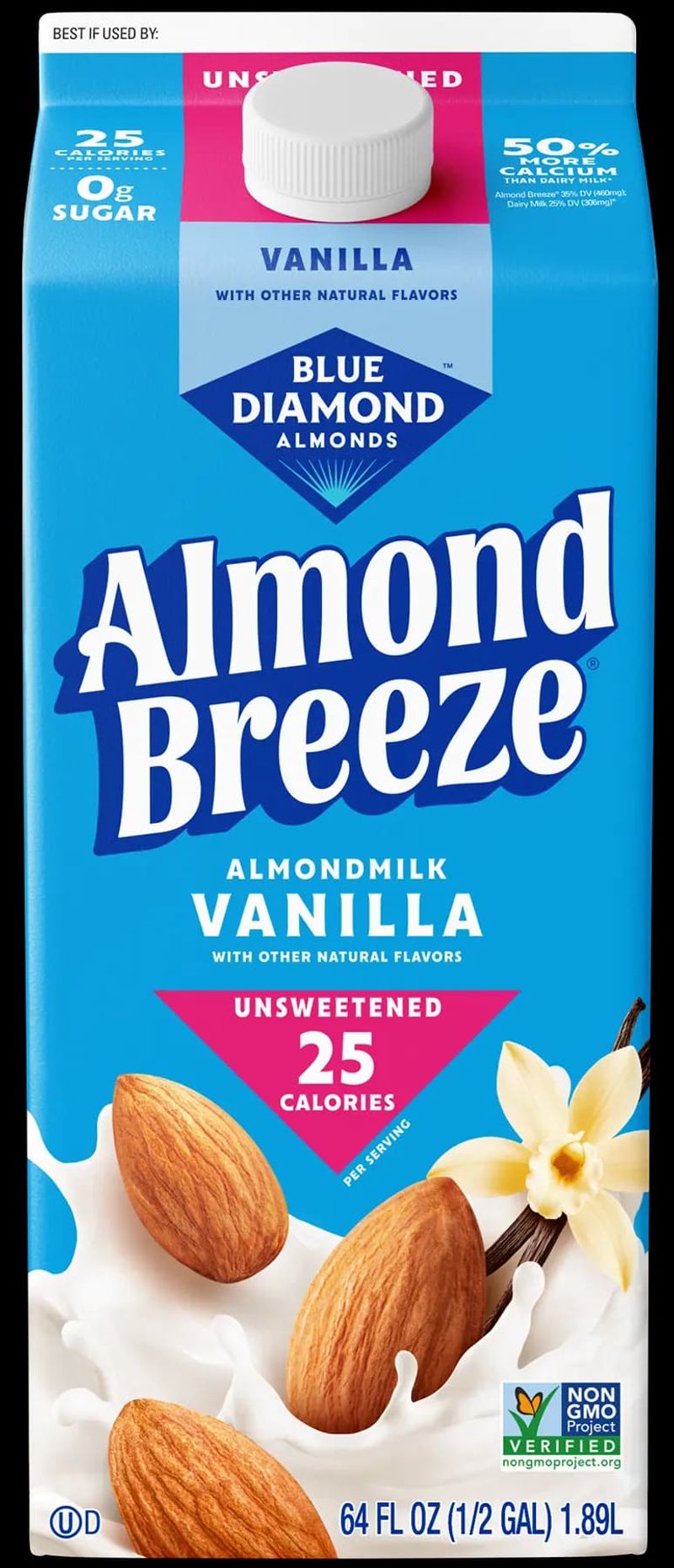
Almond milk has become one of the most popular dairy alternatives, especially among people looking to reduce calories or avoid lactose. Plain unsweetened almond milk is relatively low in sugar, but flavored versions like vanilla or chocolate can contain surprising amounts of added sweeteners.
Additionally, most almond milk is very low in protein compared to dairy milk, which can leave you feeling less satisfied. Checking for unsweetened varieties and pairing almond milk with protein-rich foods helps you get the most nutritional value from this popular plant-based option.
23. Ketchup
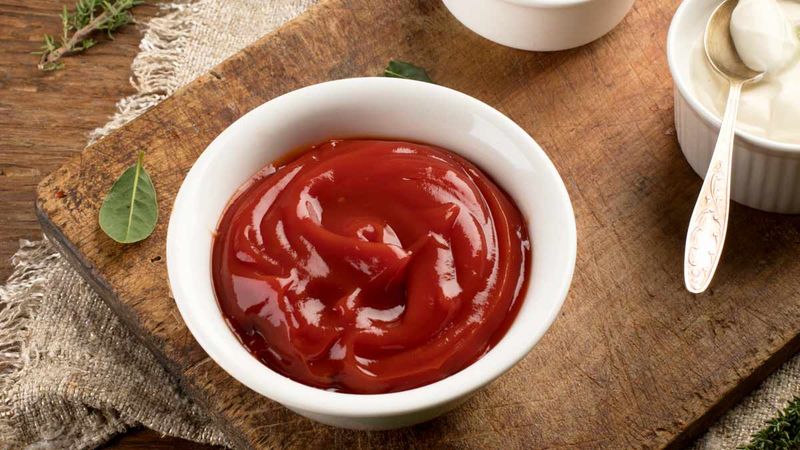
Ketchup is one of America’s favorite condiments, appearing on everything from eggs to burgers to fries. What surprises most people is that a single tablespoon contains about 4 grams of sugar, and most of us use far more than one tablespoon per meal without a second thought.
Frequent use adds up to a meaningful amount of added sugar over the course of a week. Salsa or mustard are flavorful, lower-sugar alternatives that pair well with many of the same foods and come with fewer nutritional strings attached.
24. Crackers
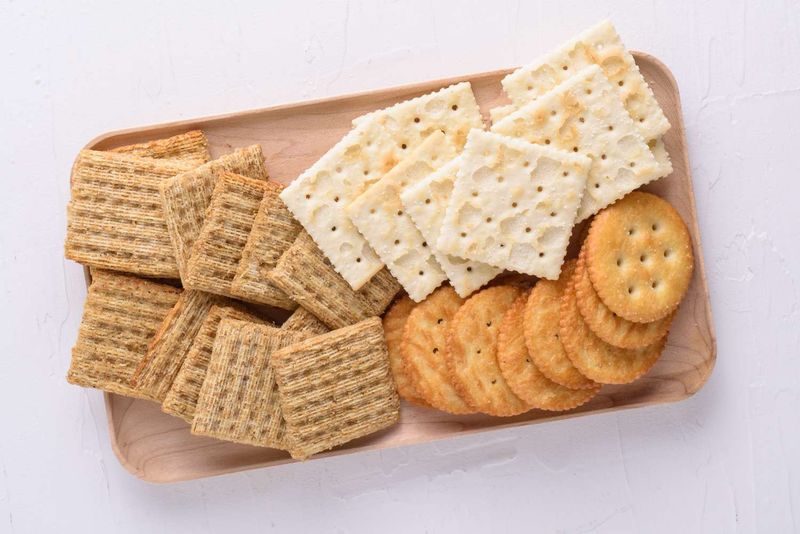
Crackers are a pantry staple that most people consider a reasonably healthy snack, especially the whole grain or multigrain varieties. Many cracker brands, however, use refined flour as their primary ingredient and add significant amounts of sodium, saturated fat, and sometimes sugar to improve their taste and texture.
The serving sizes listed on the box are often much smaller than what people actually eat in one sitting. Choosing crackers made with actual whole grain flour and minimal additives, and paying attention to portion size, makes a real difference in how nutritious your snack actually is.