
In Turkey, breakfast is not a quick bite before school or work. It is a big, happy meal called kahvalti, where families gather around a table filled with small plates, warm bread, and endless glasses of tea.
Many of these dishes are simple, cheap, and easy to make at home. Once you see what is on the table, you might start setting your alarm a little earlier.
1. Menemen
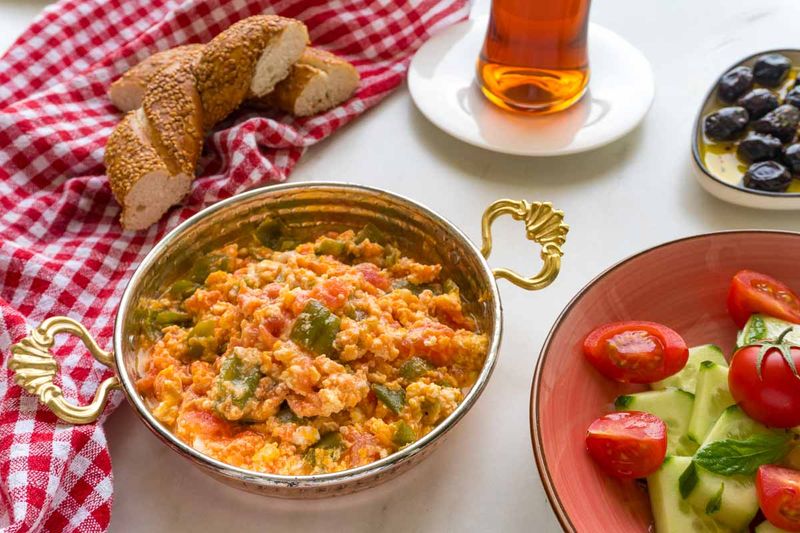
Ask any Turkish family about menemen and you might start a friendly argument. Should it have onions or not?
People take this question very seriously!
The dish itself is simple. Tomatoes and green peppers cook slowly in olive oil, then eggs get stirred in until soft and creamy.
Serve it right in the pan with plenty of bread for dipping. Use ripe summer tomatoes for the sweetest, juiciest results you can get.
2. Simit, the Sesame Bread Ring
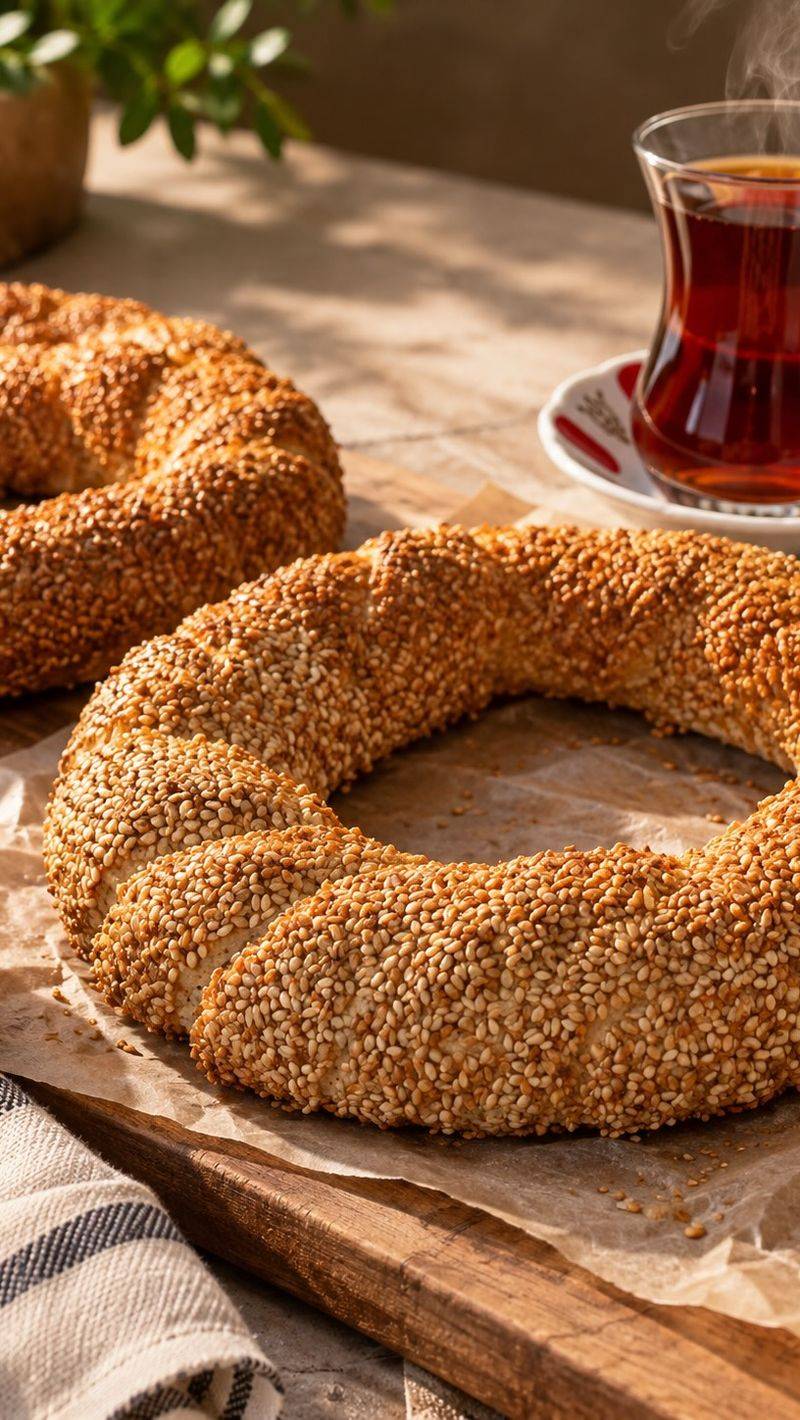
Walk through Istanbul at sunrise and you will hear vendors calling out “Simit!” from carts and trays balanced on their heads.
Picture a crunchy bread ring dipped in grape molasses, then rolled in toasted sesame seeds. The outside crackles while the inside stays chewy.
Locals tear it apart and pair it with white cheese and tea. Some people even call it the Turkish bagel, though it is thinner and crispier.
3. Beyaz Peynir

No Turkish breakfast table feels complete without a slab of beyaz peynir. The name simply means white cheese, and it sits proudly in the middle of almost every spread.
Salty and crumbly, it tastes a bit like feta but often softer. Most families buy it in big tins and keep it in brine.
Try it with watermelon in summer. That sweet and salty mix sounds odd but works beautifully.
4. Kaymak with Honey
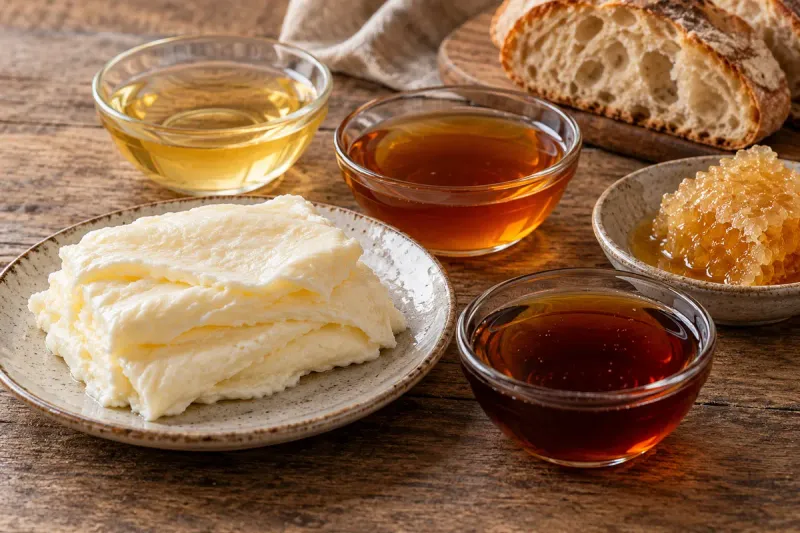
Imagine the thickest, richest cream you have ever tasted, then double it. Welcome to kaymak, a clotted cream made by slowly heating milk and skimming off the top layer.
Turks love spooning it onto bread and pouring honey over it. Even better is honeycomb, which adds a waxy chew.
Cafes in the city of Afyon are famous for buffalo milk kaymak. One bite and you will understand the hype.
5. Sucuklu Yumurta
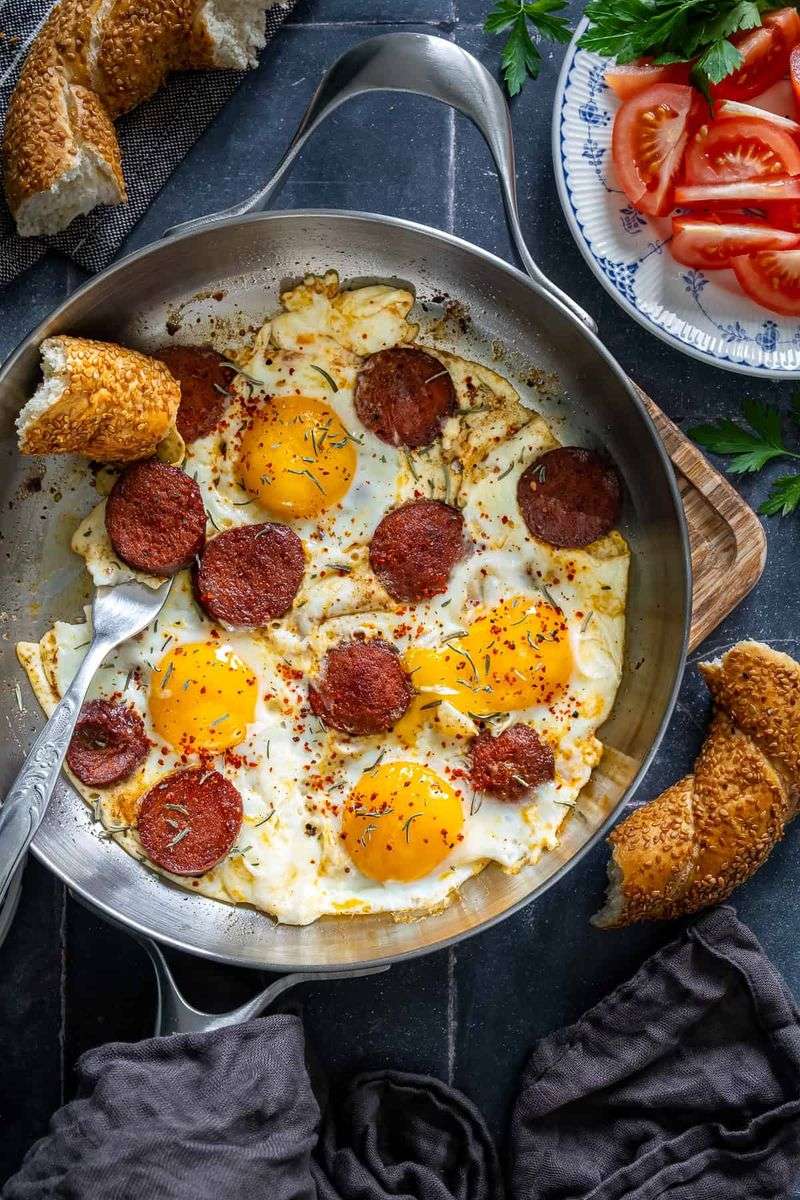
Sizzle, pop, crackle. That sound coming from the kitchen means someone is making sucuklu yumurta, and the smell will pull you out of bed.
Sucuk is a spicy, garlicky beef sausage. Slices fry in a small pan until their red oil leaks out, then eggs crack right on top.
Grab bread quickly. Mopping up that flavorful oil is honestly the best part, and nobody at the table will judge you.
6. Gozleme
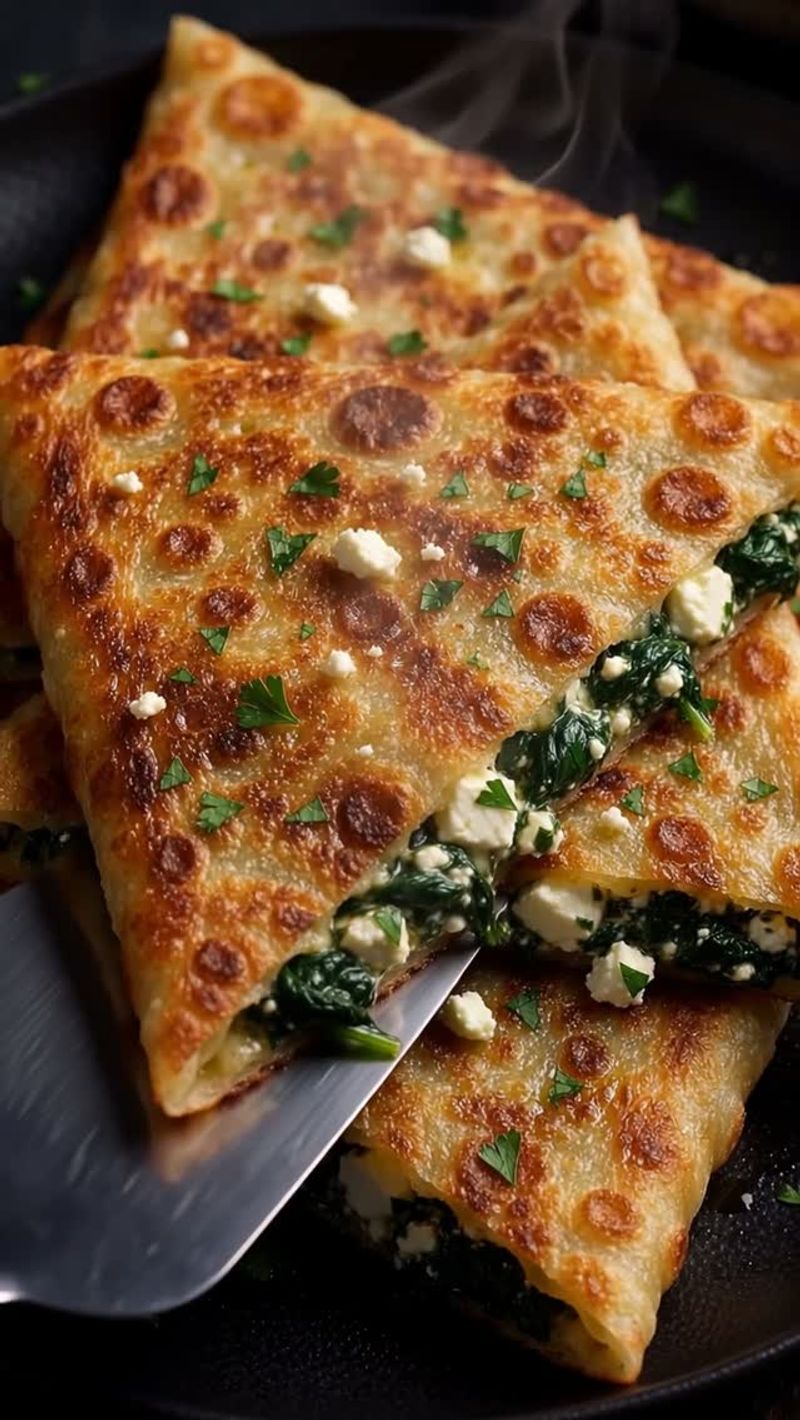
Grandmothers in Turkish villages often sit cross-legged beside a hot dome griddle, rolling dough so thin you can almost see through it.
Gozleme is that dough folded around fillings like spinach, cheese, potato, or minced meat. It cooks quickly and comes out crispy with brown spots.
Roadside stands sell it fresh all day. At home, a regular frying pan works fine, so you can experiment with your favorite fillings.
7. Cilbir, Turkish Poached Eggs
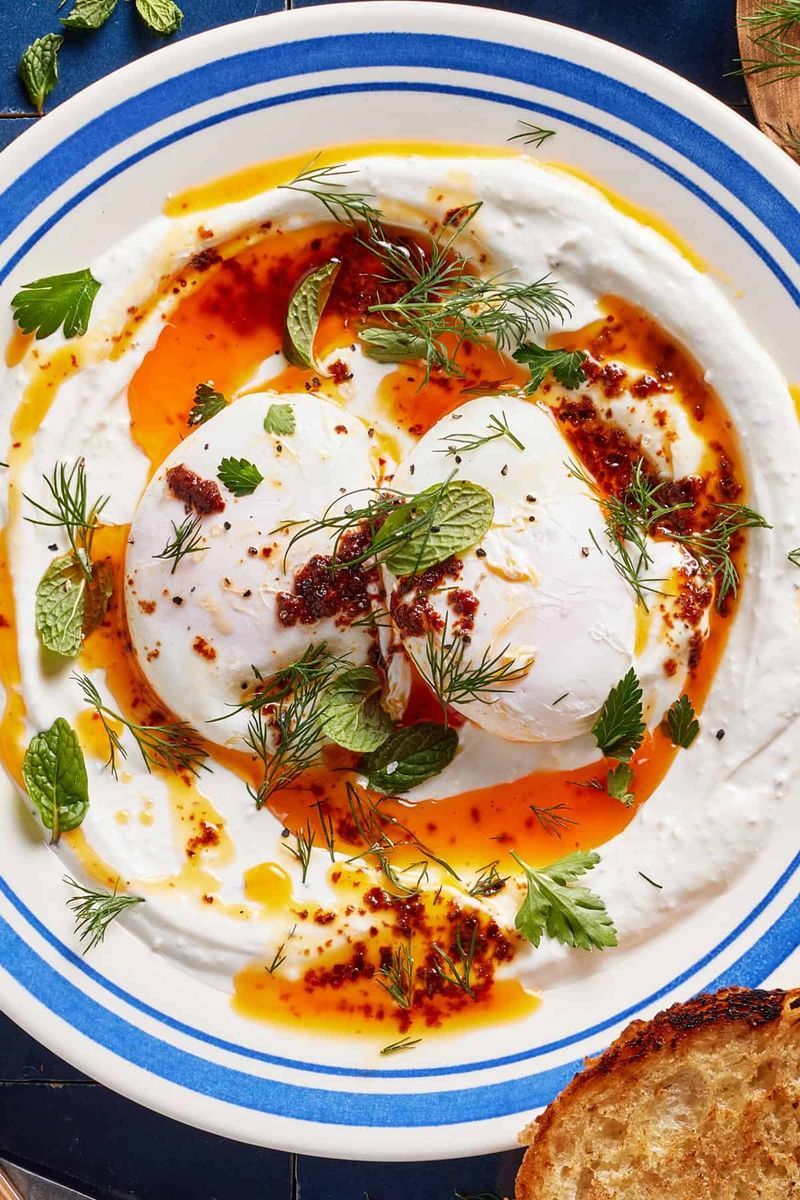
Fancy brunch spots around the world have borrowed this one, but cilbir has been around since Ottoman palace kitchens.
Soft poached eggs rest on a bed of cool garlic yogurt. Then comes the magic touch, melted butter swirled with red pepper flakes.
Hot, cold, creamy, and spicy all happen in one bite. Let the yogurt sit out a few minutes first so it is not fridge-cold.
8. Borek Pastries
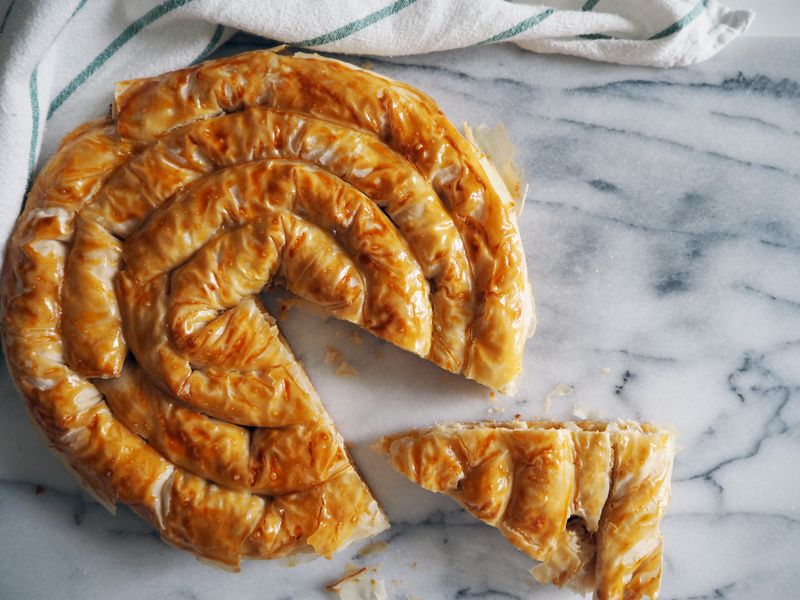
Flaky layer after flaky layer, borek is the pastry that makes bakery lines stretch out the door every morning.
Thin sheets of yufka dough get stacked with cheese, spinach, or ground meat, then baked until golden. Su boregi uses boiled dough layers and tastes almost like a cheesy lasagna.
Store-bought phyllo makes a quick version at home. Brush each sheet with butter and egg for the crispiest top.
9. Acma
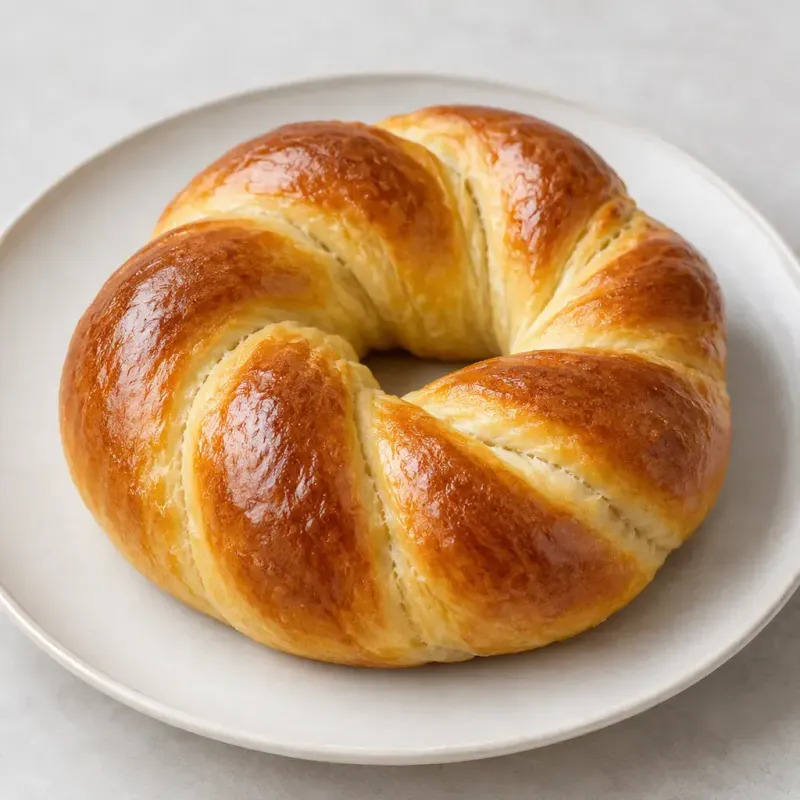
Think of acma as simit’s softer, fluffier cousin. Both come from the same bakery carts, yet they could not feel more different.
This round roll is buttery and tender, a little like a dinner roll mixed with a croissant. Some come plain, while others hide olives or cheese inside.
Kids especially love them. Tuck one into a backpack for a filling snack that stays soft for hours.
10. Black and Green Olives
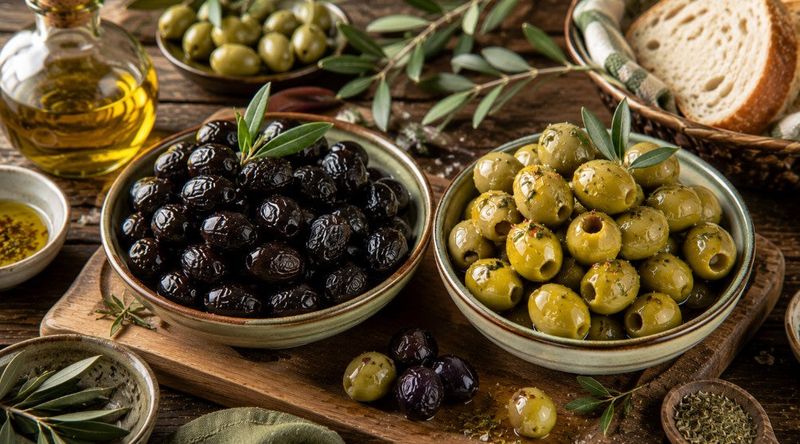
Turkey grows a mind-blowing number of olives, especially along the Aegean coast. So of course they show up at breakfast every single day.
Wrinkly black Gemlik olives taste rich and salty. Cracked green olives are crunchier, often marinated with lemon, garlic, and herbs.
A small bowl of each is standard. Fun fact: many Turkish families buy olives by the kilo from open markets and taste-test before buying.
11. Fresh Tomatoes and Cucumbers
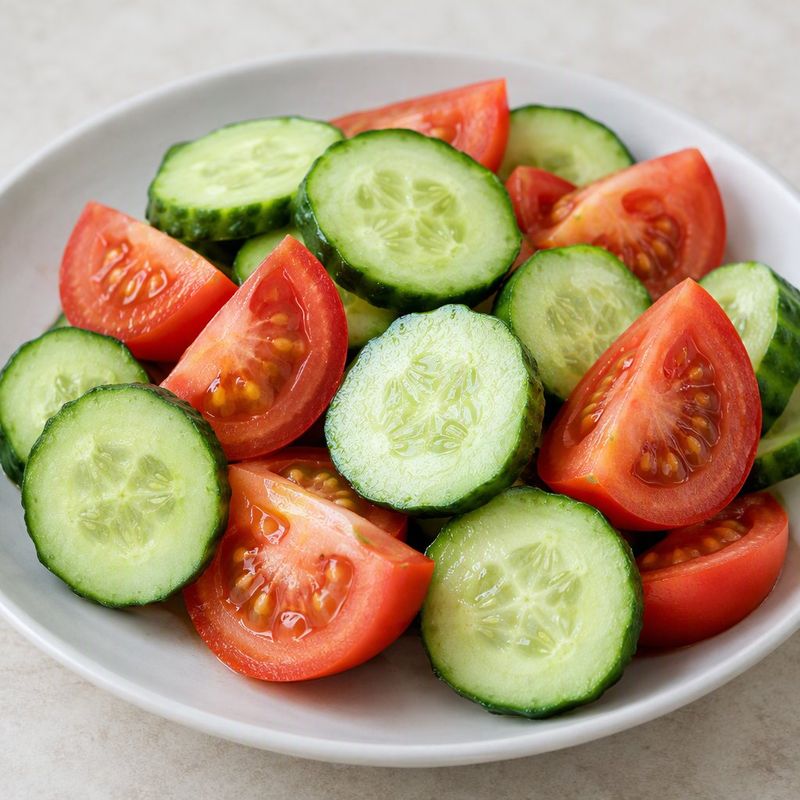
Simple does not mean boring. A plate of sliced tomatoes, cucumbers, and green peppers brings freshness that balances all that cheese and bread.
Turkish tomatoes in summer taste incredibly sweet. Many families just add a pinch of salt and a few mint leaves.
Want to eat like a local? Grab a cucumber slice between bites of salty cheese.
Your taste buds will thank you for the cool break.
12. Turkish Tea in Tulip Glasses

Here is a number to remember: Turks drink more tea per person than almost anyone on Earth, and breakfast is where it all starts.
The tea brews in a stacked double pot called a caydanlik. Strong tea goes in the glass, then hot water lightens it.
Little tulip-shaped glasses keep it hot. Ask for koyu if you like it strong, or acik if you prefer it light.
13. Pisi, Fried Dough Puffs
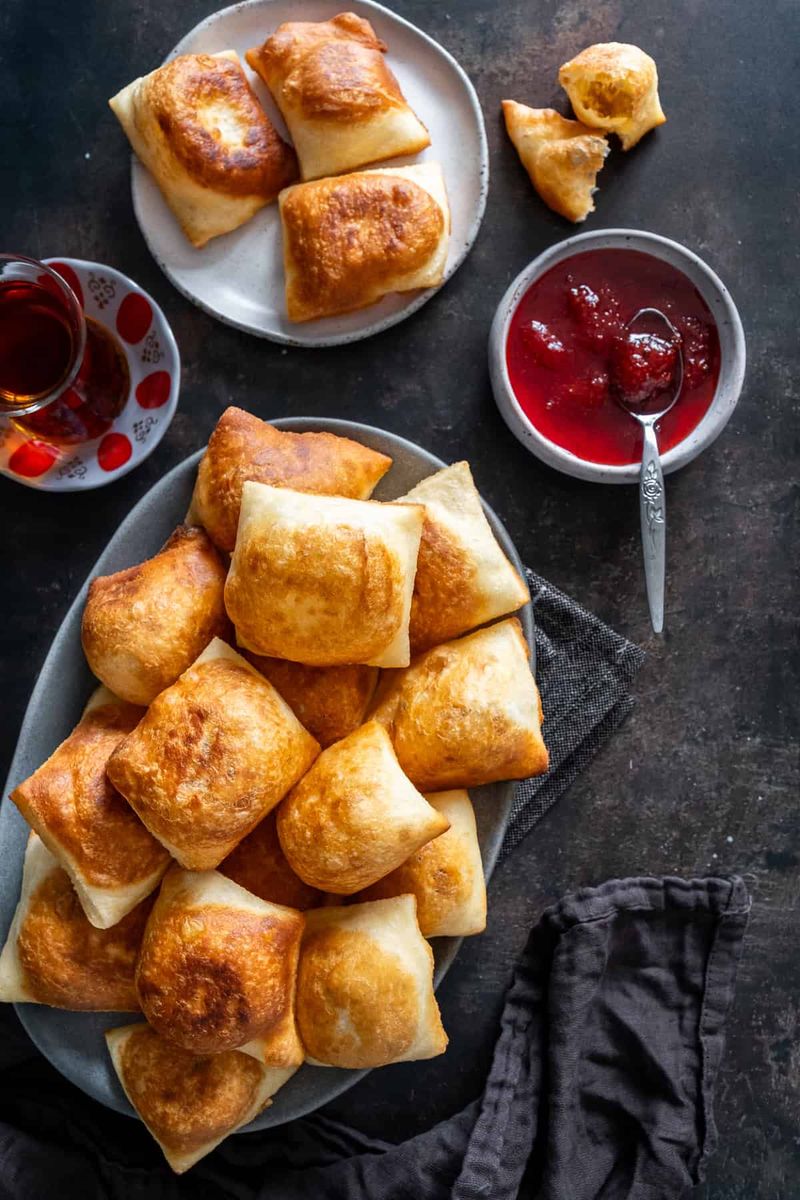
Weekend mornings at grandma’s house often smell like pisi. These puffy bits of fried dough are pure comfort.
Plain yeast dough gets torn into pieces, stretched a little, and dropped into hot oil. They puff up like pillows within seconds.
Eat them warm with cheese, jam, or honey. They do not keep well, so make only what your family can eat.
Leftovers are rare anyway.
14. Muhlama from the Black Sea
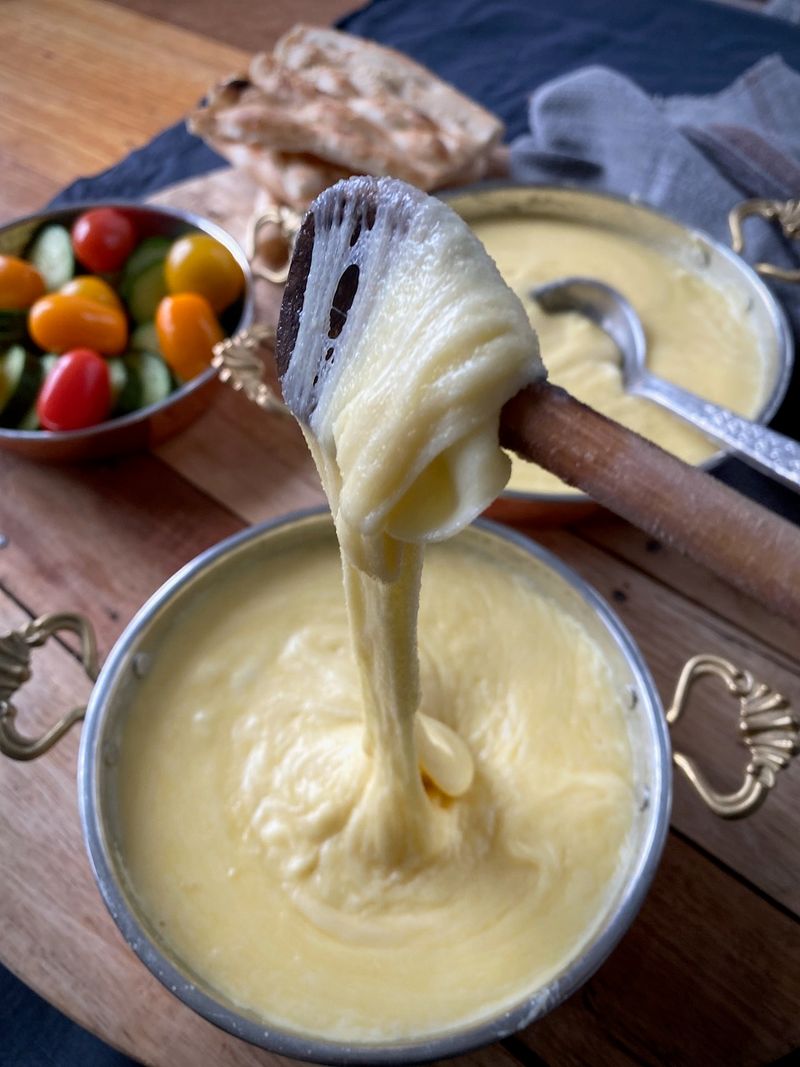
Cheese lovers, this one is for you. Muhlama, also called kuymak, comes from the rainy Black Sea mountains, where people need hearty food.
Butter, cornmeal, and stringy local cheese melt together into a gooey, stretchy pool. When you lift your bread, the cheese pulls into long strings.
Eat it straight from the pan while it is bubbling. Once it cools, it firms up fast.
15. Homemade Fruit Jams

Rose petals in jam? Absolutely.
Turkish kitchens turn almost any fruit, and even flowers, into sweet spreads.
Sour cherry is a classic favorite. Fig, apricot, quince, and the fragrant rose jam also appear on many tables.
Families often make big batches in summer when fruit is cheap. Try spreading a little jam on top of kaymak.
Locals swear that combo is one of the greatest bites on the table.
16. Tahini and Pekmez
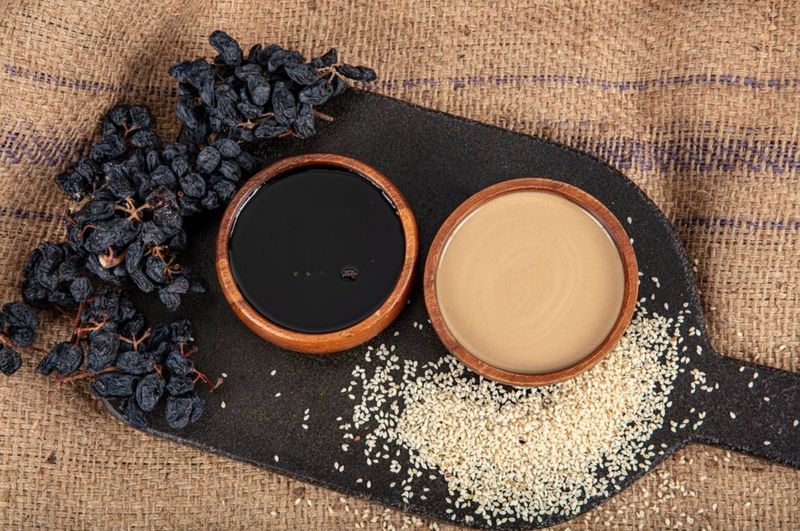
Tahini and pekmez is the Turkish answer to peanut butter and jelly, only older and maybe tastier.
Tahini is a nutty sesame paste. Pekmez is a thick, dark syrup made by boiling down grape juice.
Swirl them together on a plate and dip bread right in.
Winter is the best season for it. Grandparents say it warms you up and gives you energy for cold mornings.
17. Sigara Boregi
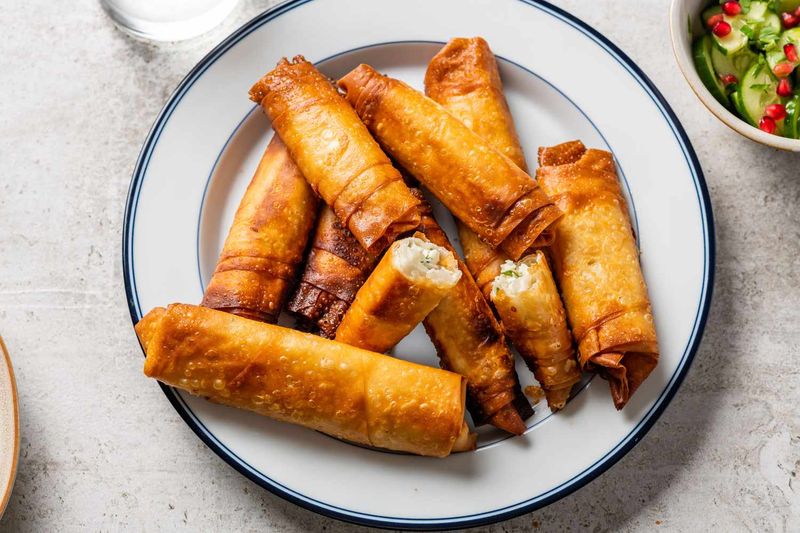
Shaped like skinny cigars, these crunchy rolls get their name from the word sigara. Thankfully, they are way more delicious.
Thin dough gets wrapped around white cheese and chopped parsley, then fried until golden and crackly.
Party hosts love them because they disappear fast. Roll a batch ahead and freeze them uncooked.
On a busy morning, fry straight from the freezer for an easy treat.
18. Kasar Cheese
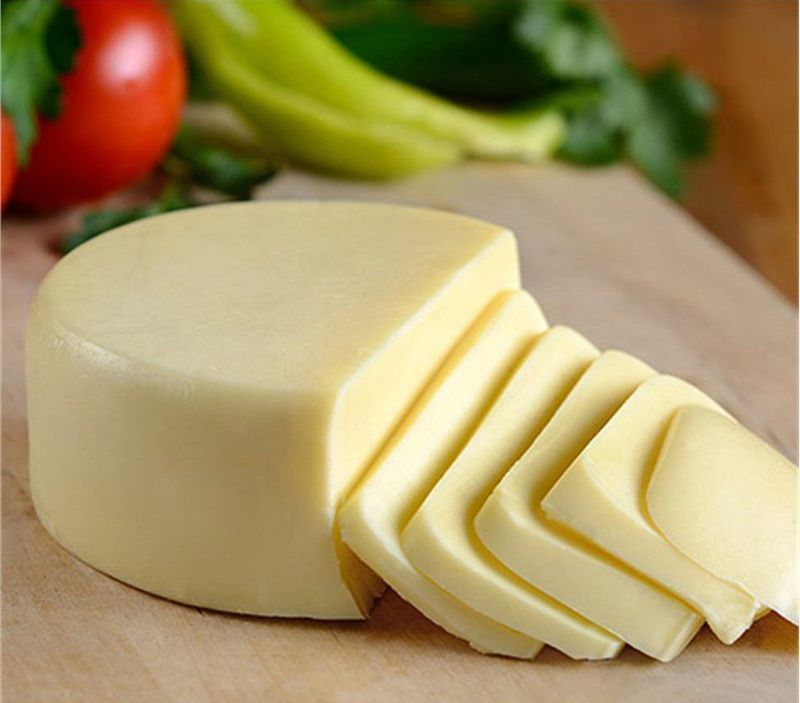
Where white cheese is salty and tangy, kasar keeps things mellow. This pale yellow cheese is smooth and slightly firm.
Many people compare young kasar to mozzarella, while aged versions get sharper, almost like cheddar. Both kinds melt beautifully.
That melting power makes it the go-to cheese for toasted sandwiches called tost. A good kasar can make even plain bread feel special, so pick some up if you see it.
19. Bazlama
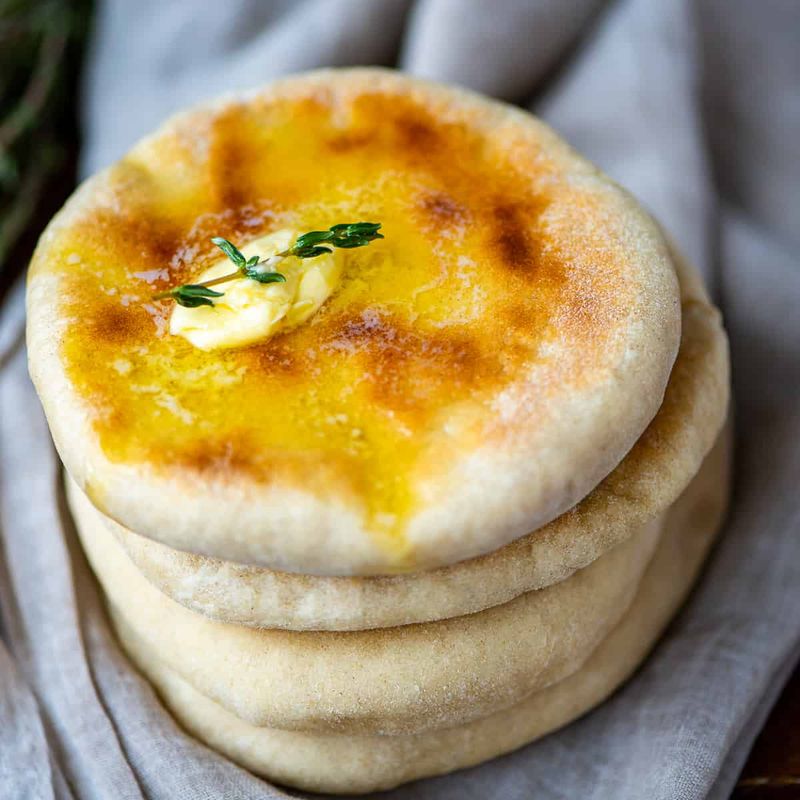
Fluffy, warm, and slightly charred, bazlama is a village flatbread that tastes best minutes after cooking.
The yeast dough is pressed into thick rounds and cooked on a hot griddle, no oven needed. It puffs up beautifully, leaving air pockets inside.
Brush it with butter while still hot. Honestly, you could stop there and be happy.
It also makes a great wrap for eggs or cheese.
20. Haydari Yogurt Dip
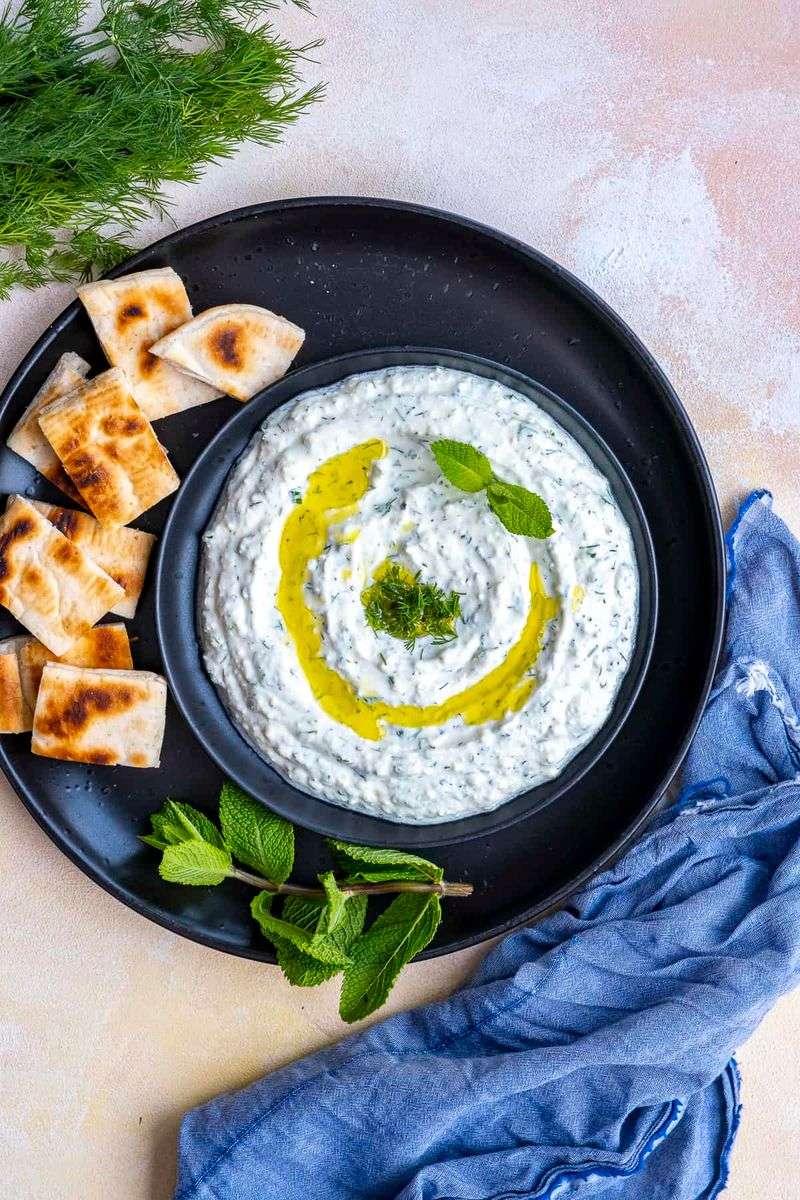
Cool, thick, and herby, haydari brings a fresh pop to the breakfast spread. It looks plain at first, but the flavor surprises people.
Strained yogurt mixes with garlic, dried mint, dill, and sometimes crumbled white cheese.
Spread it on warm bread or dip veggies into it. Strain store yogurt overnight in a coffee filter for a texture that is thick enough to hold a spoon upright.
21. Su Muhallebi

Got a sweet tooth? In some parts of Turkey, especially near Izmir, people start the day with a cool bowl of su muhallebi.
It is a soft starch pudding made with water or milk, then topped with powdered sugar and a splash of rose water.
The texture wiggles like jelly and melts in your mouth. Making it needs just a few pantry items, so it is great for beginner cooks.
22. Tost Sandwiches
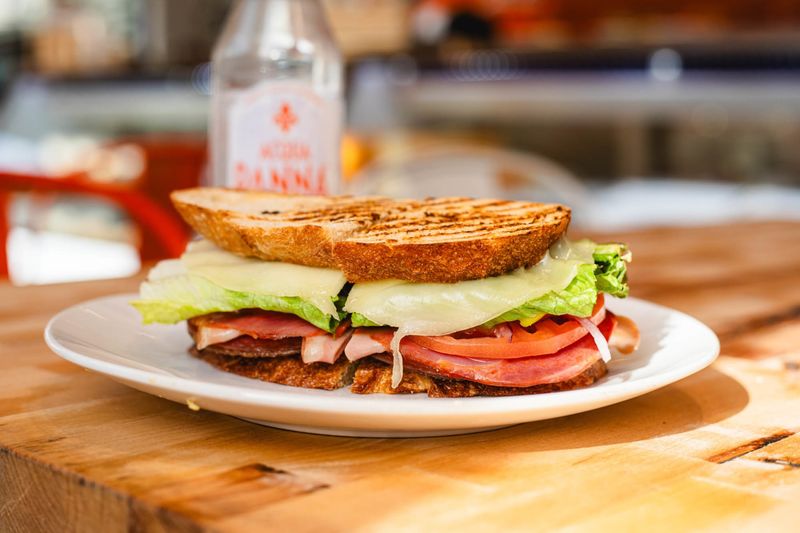
Students in Turkey basically survive on tost. Every corner cafe has a sandwich press heating up from early morning.
The classic version is called kasarli tost, just melted cheese pressed between flat bread. Add sucuk and it becomes karisik, meaning mixed.
It costs very little and fills you up fast. Press yours with a heavy pan if you do not own a sandwich maker.
It works surprisingly well.
23. Serpme Kahvalti Spread
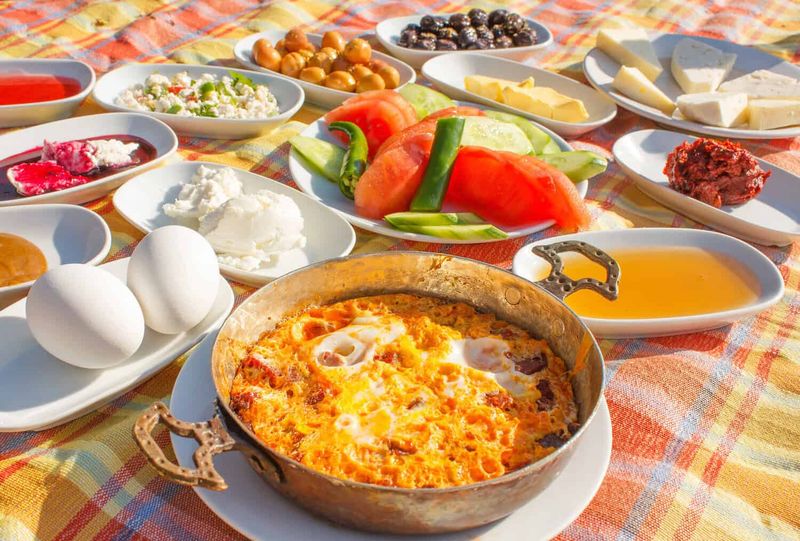
Save the best for last. Serpme kahvalti means scattered breakfast, and that describes it perfectly, since dozens of tiny plates cover the whole table.
Cheeses, olives, jams, eggs, borek, and veggies all arrive together. Tea refills keep coming as long as you sit.
Weekend mornings along the Bosphorus are a favorite spot for it. Bring friends, skip lunch, and plan to stay for at least two hours.