
Korean food is packed with flavours that wake up your taste buds, from sweet and smoky to spicy and tangy. The best part is that many Korean dishes are simple to make at home with a few key ingredients.
Cooking these meals can turn a boring weeknight into something exciting. Grab a pan and get ready to try something new and delicious.
1. Sweet and Savory Beef Bulgogi
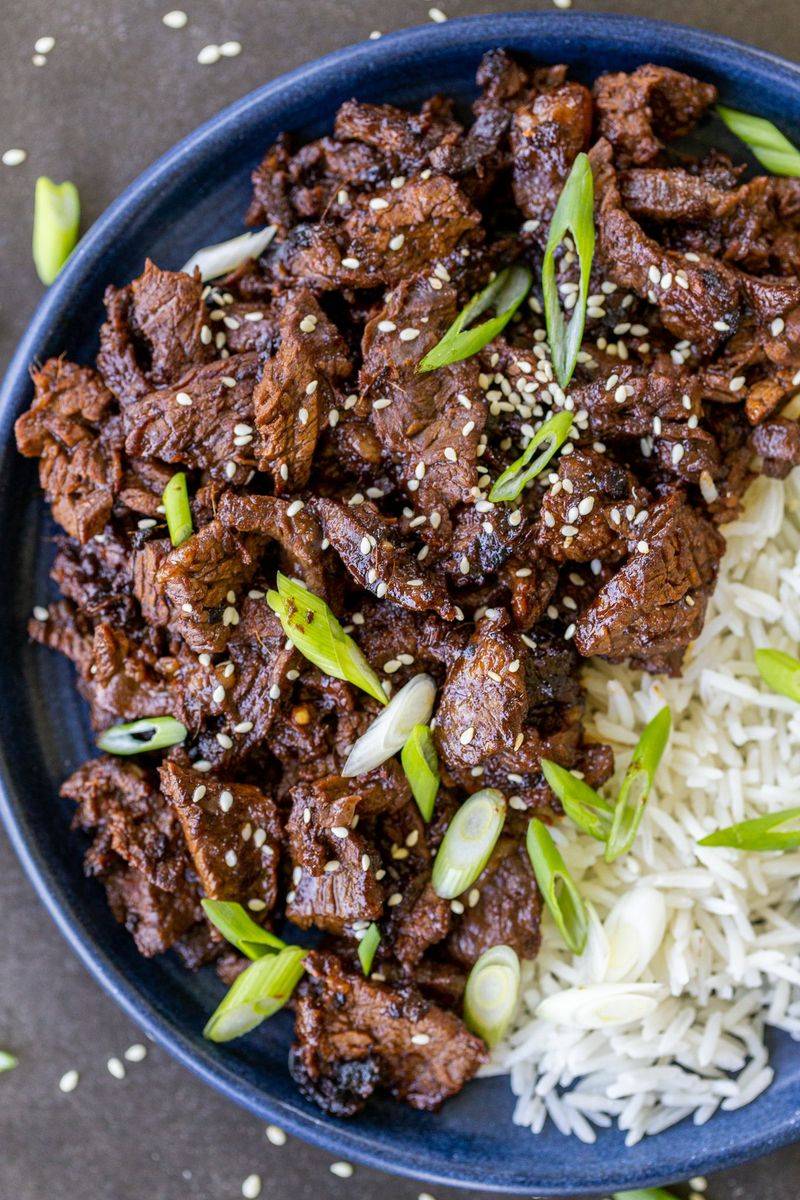
Picture tender beef soaked in a sweet soy sauce and pear marinade, then seared until the edges caramelize. Bulgogi means fire meat in Korean, and it has been loved for centuries.
Slice ribeye or sirloin very thin. Freezing it for 20 minutes first makes cutting much easier.
Let the meat soak for at least an hour, then cook it fast over high heat. Serve with rice and crisp lettuce leaves.
2. Colorful Bibimbap Bowls
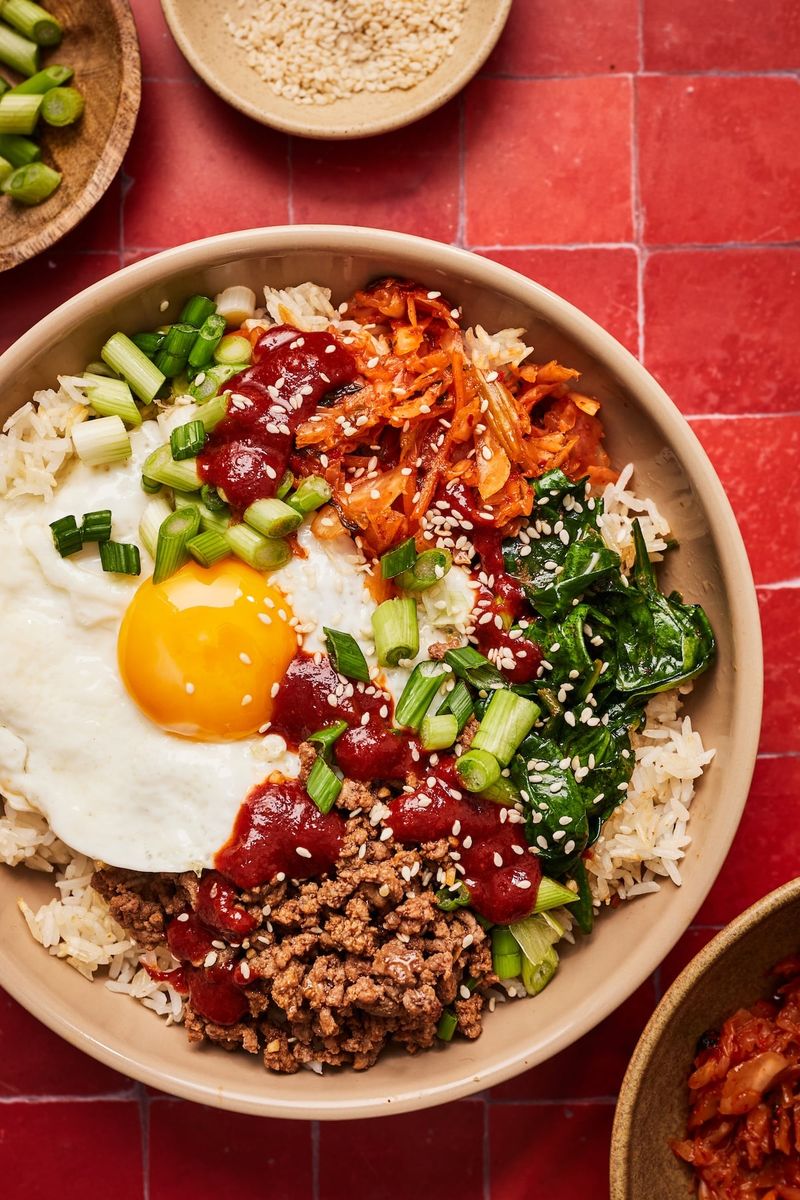
Got leftover veggies sitting in the fridge? Bibimbap is your answer.
The name simply means mixed rice, and it is a perfect clean-out-the-fridge meal.
Arrange cooked spinach, carrots, mushrooms, and bean sprouts over warm rice. Add a fried egg with a runny yolk on top.
Finish with a spoonful of gochujang, the spicy red pepper paste. Stir everything together before eating so every bite gets a little sauce.
3. Crispy Korean Fried Chicken
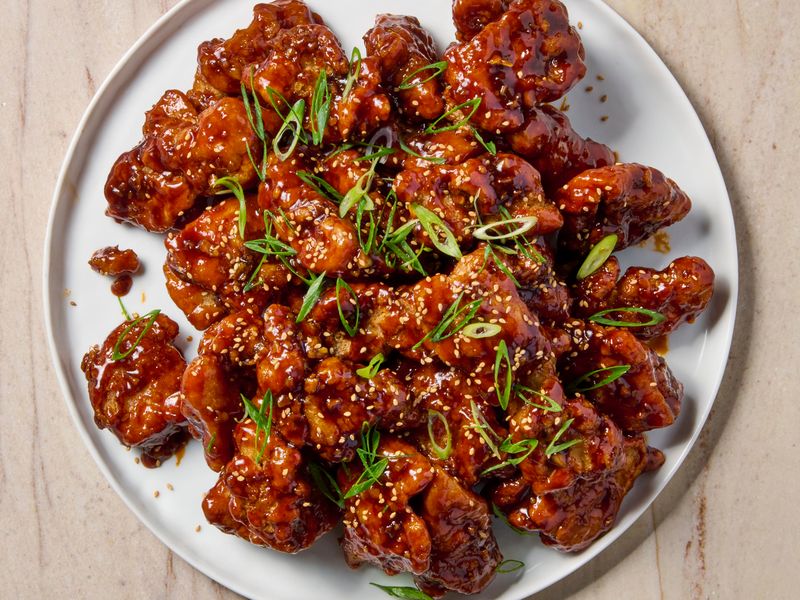
Fun fact: Korean fried chicken is fried twice, which gives it that famous shattering crunch. Once you try it, regular wings may feel a bit plain.
Coat chicken wings in cornstarch, fry them, rest them, then fry again. The second round makes the skin extra crispy.
Toss them in a sticky glaze of gochujang, honey, garlic, and soy sauce. Keep plenty of napkins nearby, because things get messy fast.
4. Cozy Kimchi Fried Rice
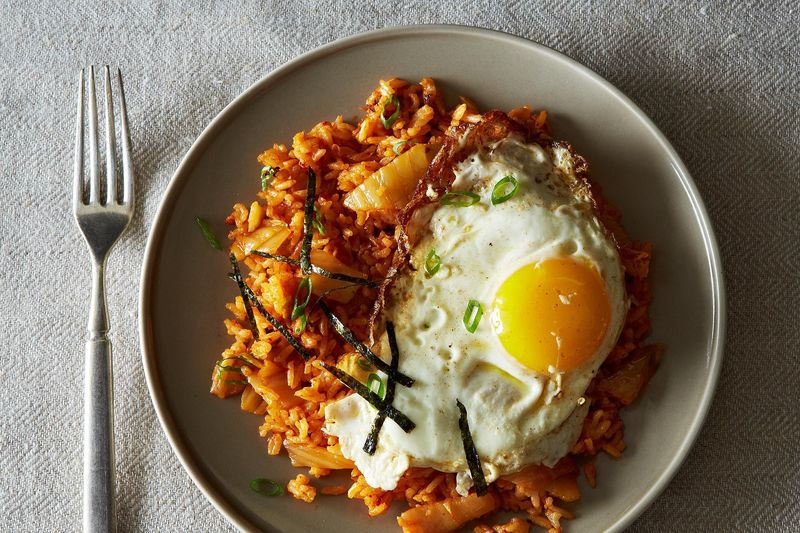
Many Korean kids grow up eating kimchi fried rice as a quick after-school meal. It is cheap, filling, and ready in about fifteen minutes.
Day-old rice works best because it is drier and fries up nicely. Older, sour kimchi adds deeper flavour than fresh kimchi.
Cook chopped kimchi in butter, add rice and a splash of kimchi juice, then top with a fried egg. Simple comfort in one pan.
5. Spicy Pork Bulgogi
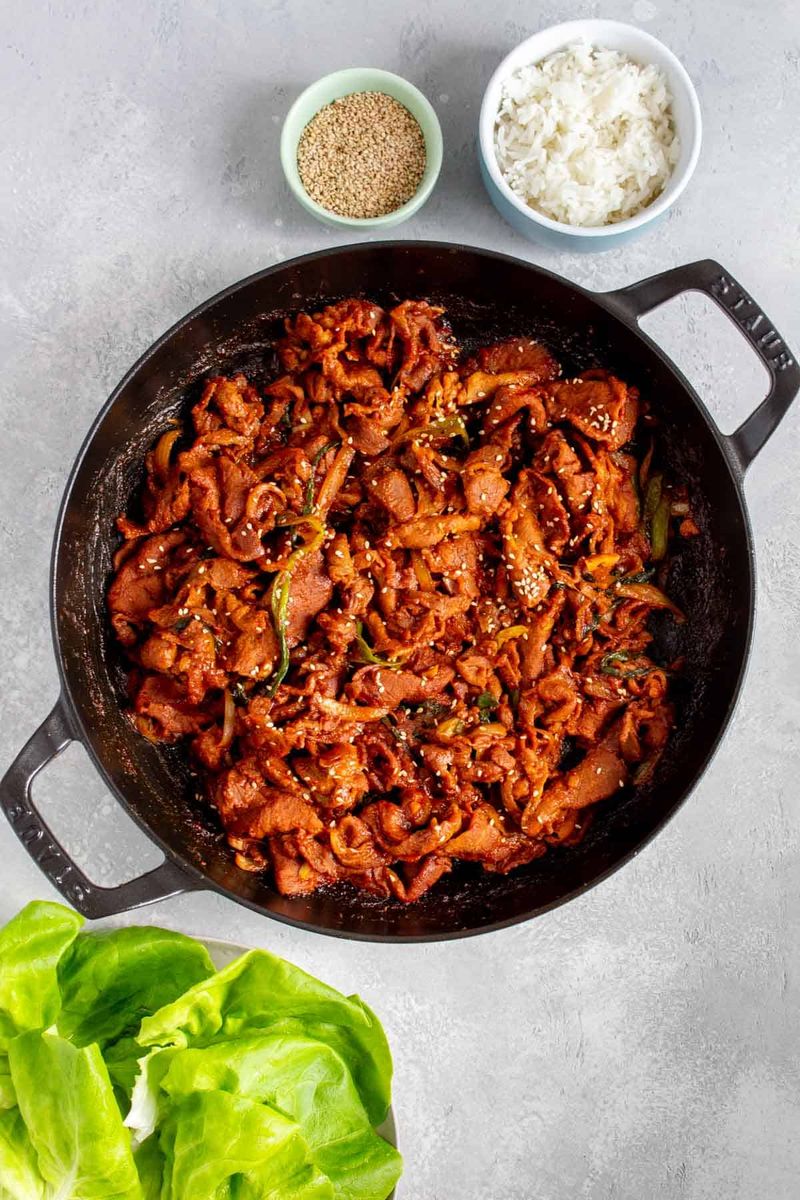
If beef bulgogi is the polite cousin, spicy pork bulgogi is the wild one. Known as jeyuk bokkeum, it brings real heat to the table.
Thinly sliced pork shoulder soaks up a fiery sauce made with gochujang, gochugaru, garlic, ginger, and a little sugar.
Stir fry it with onions until slightly charred. Wrap bites in lettuce with rice to cool your mouth between spicy mouthfuls.
6. Bubbling Kimchi Jjigae
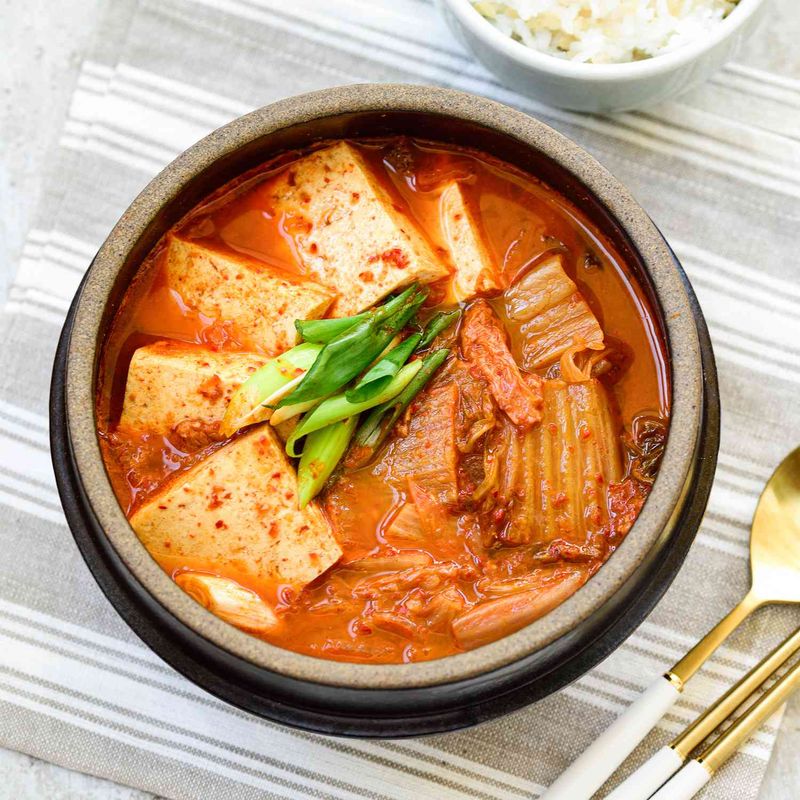
On a chilly evening, nothing hugs you quite like a bubbling pot of kimchi stew. Korean families often make it when the kimchi jar gets extra sour.
Simmer kimchi with pork belly or canned tuna, then add soft tofu cubes and sliced onion.
A spoonful of gochugaru boosts the heat if you like. Serve it straight from the pot with a bowl of steamed rice on the side.
7. Glass Noodle Japchae
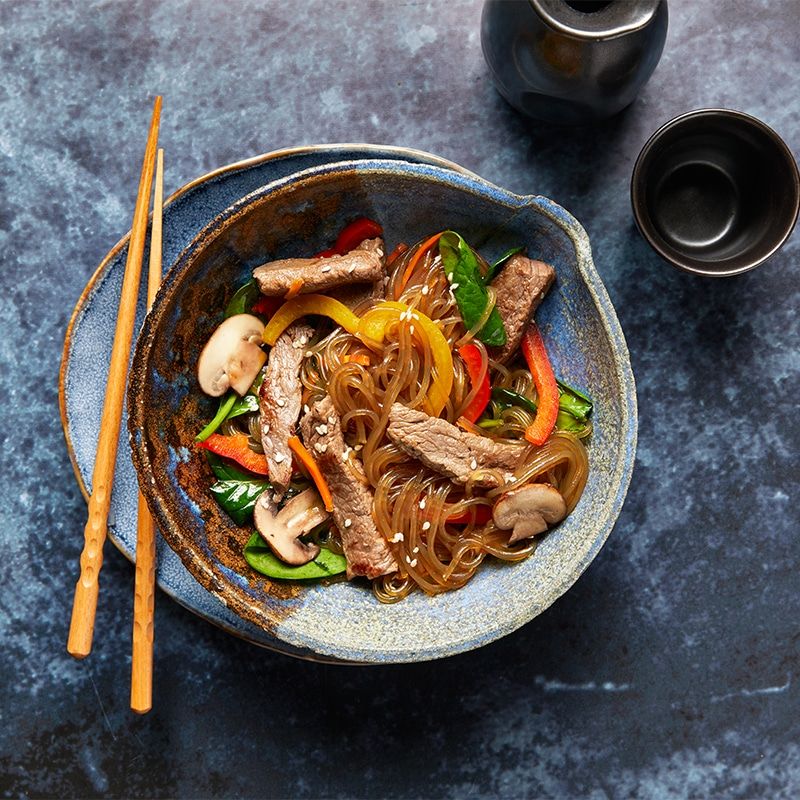
Slippery, chewy, and slightly sweet, japchae is a party favourite in Korea. It shows up at birthdays, holidays, and big family gatherings.
The noodles are made from sweet potato starch, so they turn clear when cooked. Toss them with sesame oil, soy sauce, and a little sugar.
Add stir fried spinach, carrots, mushrooms, and beef. Leftovers taste great cold the next day, making it handy for lunch too.
8. Chewy Tteokbokki
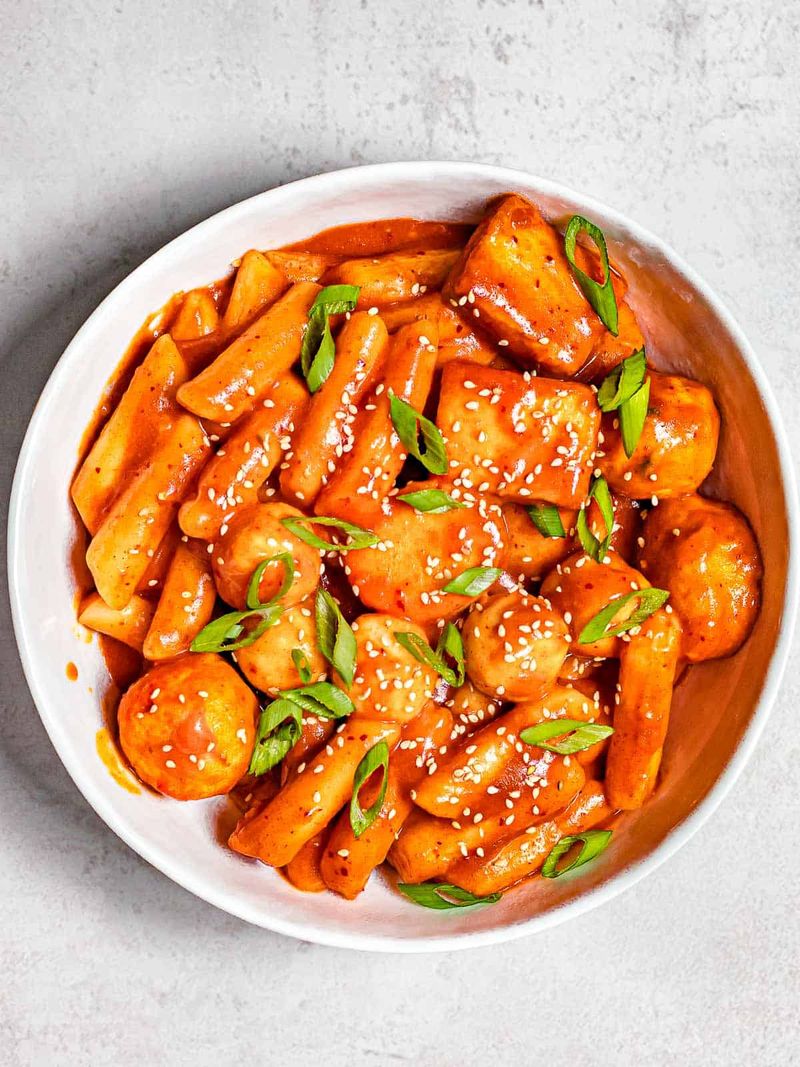
Walk down any busy street in Seoul and you will spot vendors stirring huge pans of bright red tteokbokki. It is Korea’s most famous street snack.
Chewy rice cakes simmer in a sweet and spicy gochujang sauce until thick and glossy.
Toss in fish cakes, boiled eggs, or cabbage to make it a full dinner. Melted cheese on top is a popular twist kids especially love.
9. Crispy Scallion Pancakes
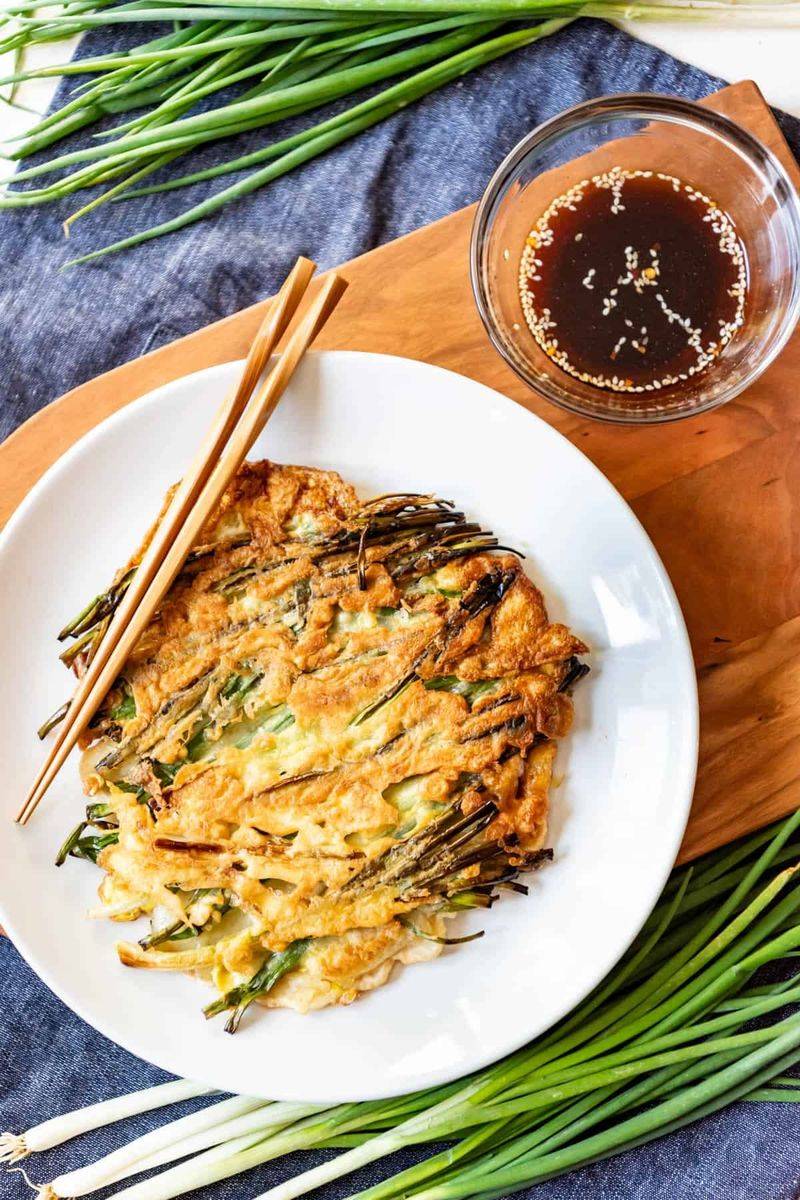
Rainy day in Korea? People often crave pajeon, because the sizzle of the pan sounds like falling rain.
It is a sweet little tradition.
Mix flour, water, and an egg into a thin batter. Lay long green onion pieces in a hot oiled pan and pour batter over them.
Fry until golden and crispy on both sides. Dip pieces in soy sauce mixed with vinegar and a pinch of chili flakes.
10. Soft Tofu Soondubu Stew
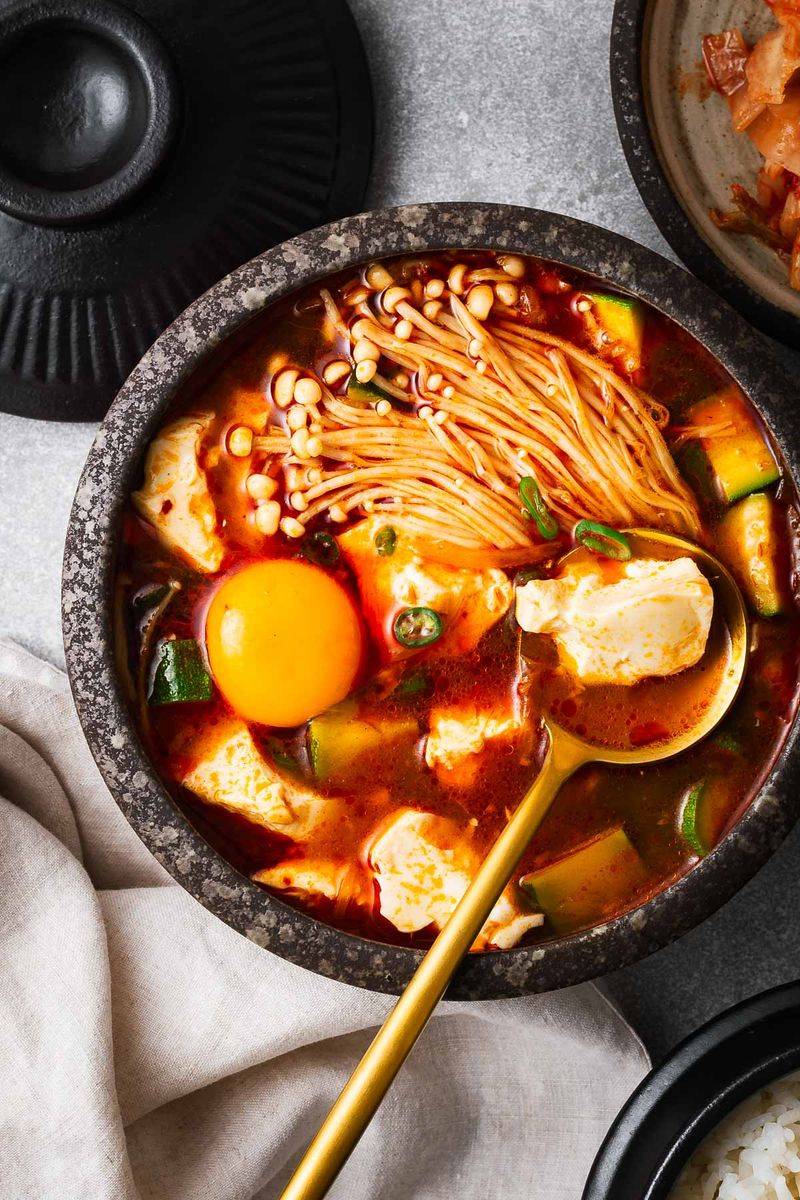
Silky as custard and spicy as a dare, soondubu jjigae is pure comfort in a bowl. The tofu is so soft it almost melts.
Start with a spicy broth made from gochugaru, garlic, and a little oil. Add seafood, pork, or mushrooms for extra flavour.
Slide in the soft tofu and crack an egg on top right before serving. The heat gently cooks it while you carry it to the table.
11. Galbi Short Ribs
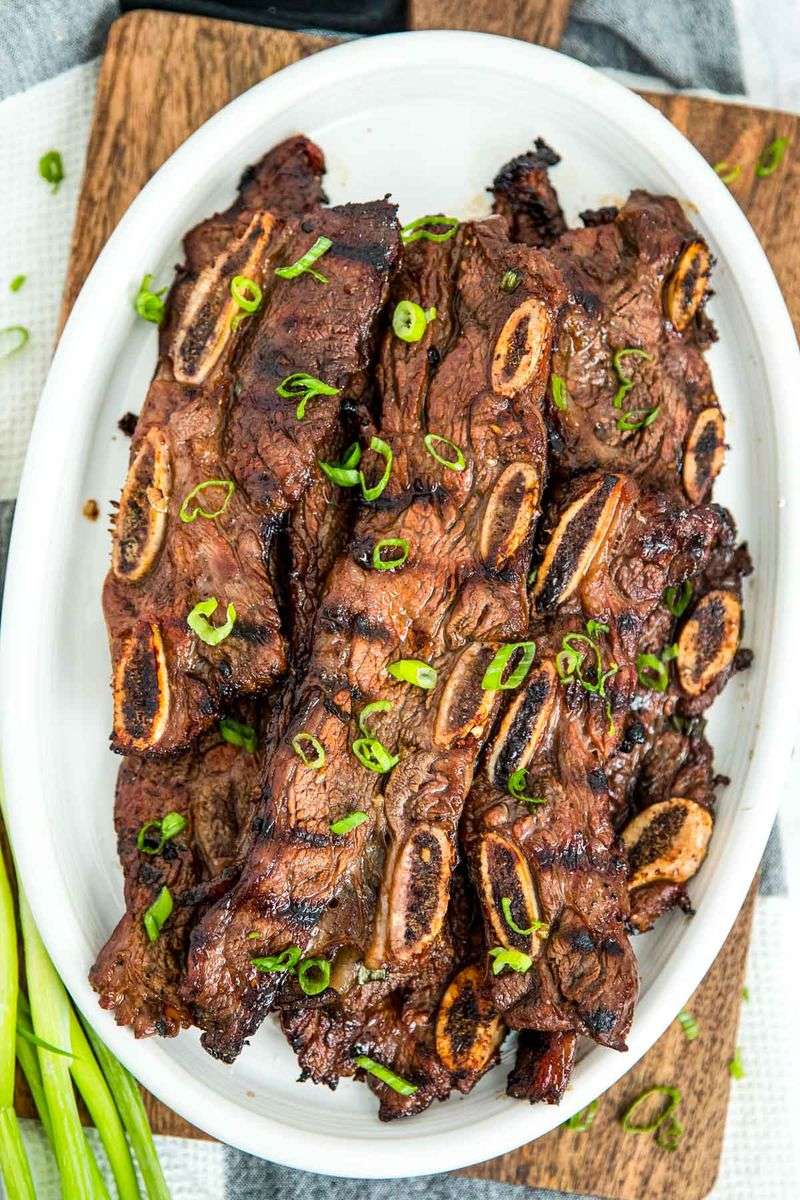
Smoky, sticky, and full of flavour, galbi is often the star at Korean barbecue restaurants. You can make it at home without a fancy grill.
Ask your butcher for flanken-cut short ribs, which are sliced thin across the bone.
Marinate them overnight in soy sauce, grated pear, garlic, and sesame oil. Grill or broil for just a few minutes per side until nicely charred.
12. Gochujang Glazed Salmon
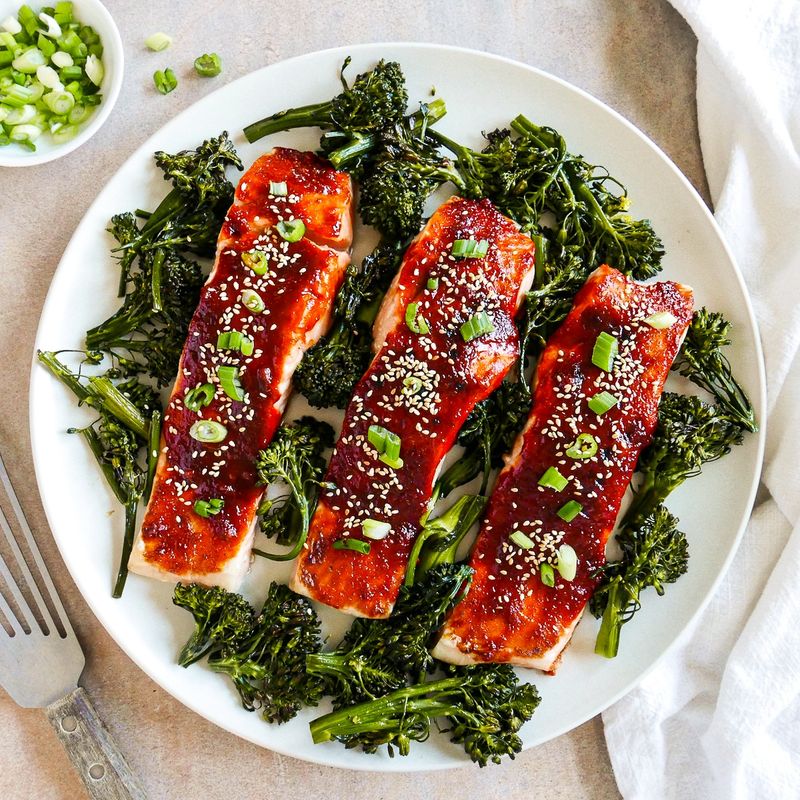
Want a Korean twist that is ready in under twenty minutes? Gochujang salmon fits the bill on busy school nights.
Whisk gochujang with honey, soy sauce, and a little rice vinegar. Brush the sauce over salmon fillets.
Bake at 400 degrees for about twelve minutes, then broil briefly to caramelize the top. Roast some broccoli on the same pan, and dinner is done with almost no cleanup.
13. Kimbap Rolls
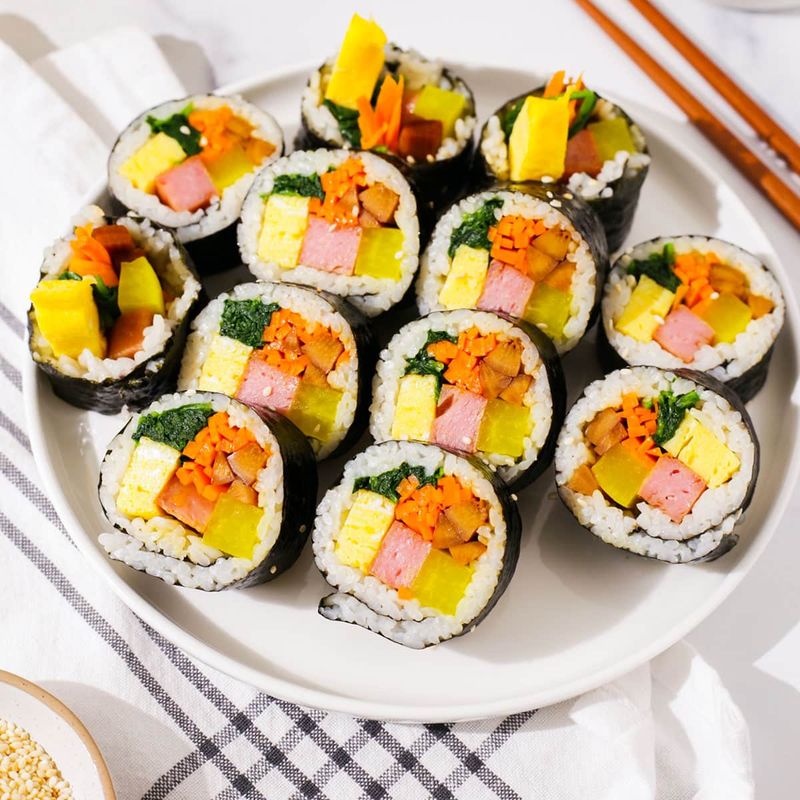
Kimbap might look like sushi, but it has its own personality. The rice is seasoned with sesame oil instead of vinegar, giving it a nutty taste.
Fill seaweed sheets with rice, egg strips, carrots, spinach, yellow pickled radish, and ham or tuna.
Roll tightly using a bamboo mat, then brush the outside with sesame oil. These rolls are great for picnics, lunchboxes, and fun family dinners where everyone helps.
14. Dakgalbi Spicy Chicken Stir Fry

The city of Chuncheon is famous for dakgalbi, and whole streets there are lined with restaurants serving it. Now you can bring that flavour home.
Toss chicken thighs in a spicy gochujang sauce. Stir fry with cabbage, sweet potato, onions, and rice cakes.
Here is a fun trick: when most of it is eaten, add rice and cheese to the leftover sauce and fry it up for round two.
15. Cold Bibim Naengmyeon
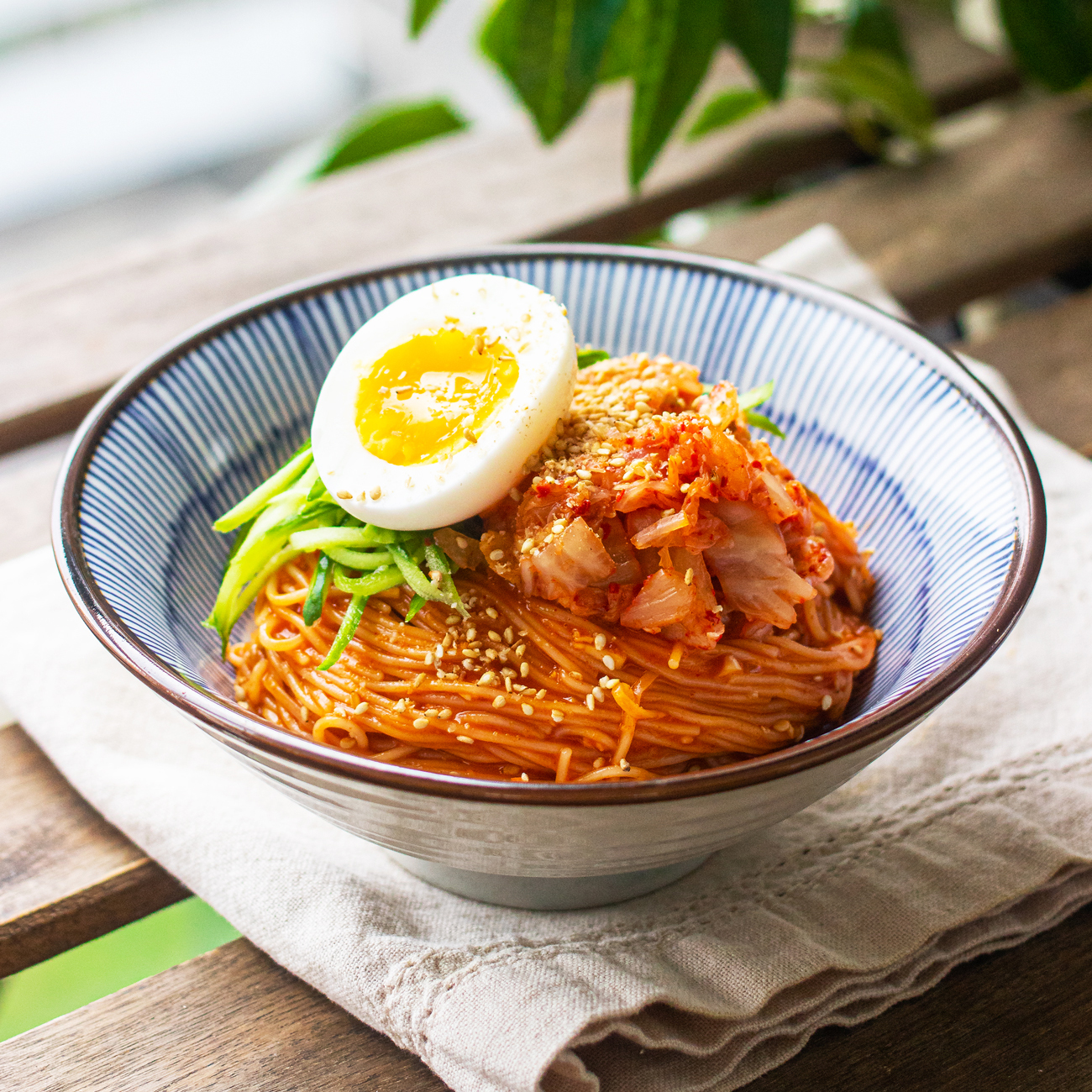
Hot summer nights call for something chilled. Bibim naengmyeon is a cold noodle dish that is spicy, sweet, and tangy all at once.
Cook thin buckwheat noodles, then rinse them in ice water until they are cold and chewy.
Mix with a sauce of gochujang, vinegar, sugar, and sesame oil. Top with cucumber, sliced pear, and a boiled egg.
You get a cool, refreshing meal that still packs a punch.
16. Korean Beef Rice Bowls
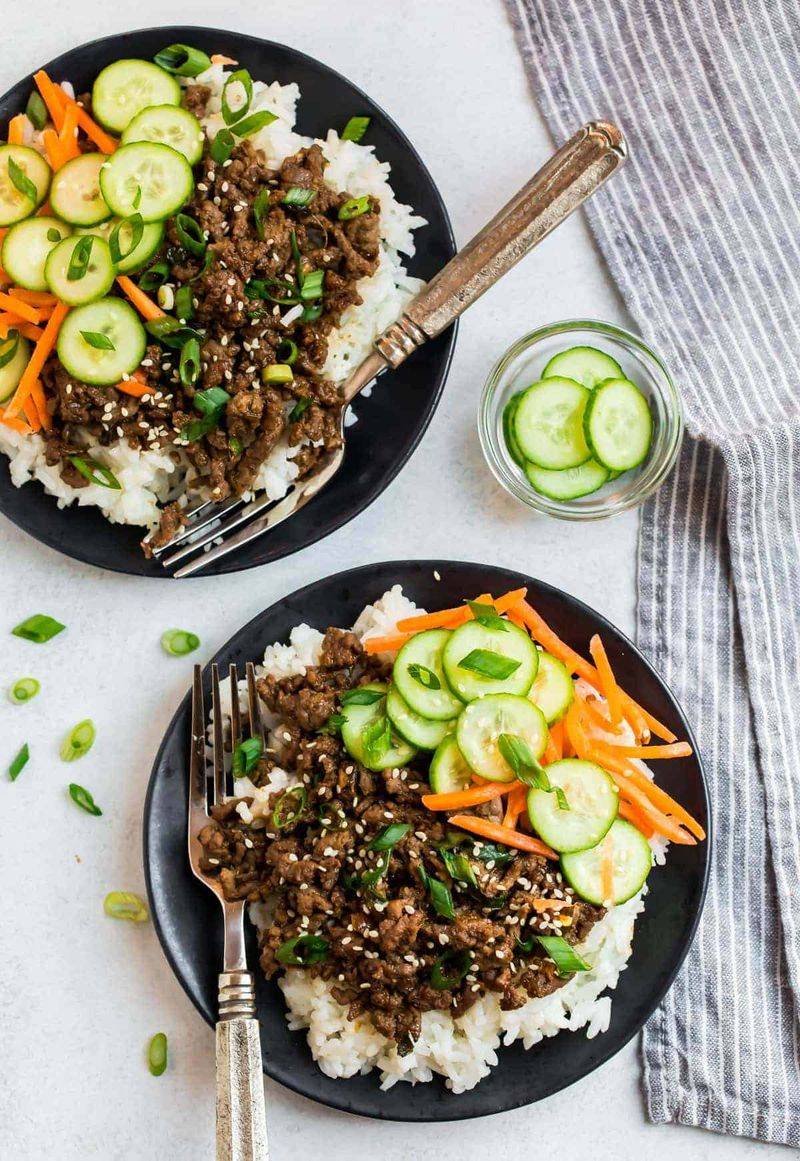
Honestly, this might be the easiest recipe on the list. Ground beef gets all the bulgogi flavour without any slicing or long marinating.
Brown the beef with garlic, then stir in soy sauce, brown sugar, ginger, and sesame oil.
Spoon it over rice and add cucumbers, green onions, and kimchi. The whole thing takes about fifteen minutes, which makes it a lifesaver when everyone is hungry and tired.
17. Budae Jjigae Army Stew
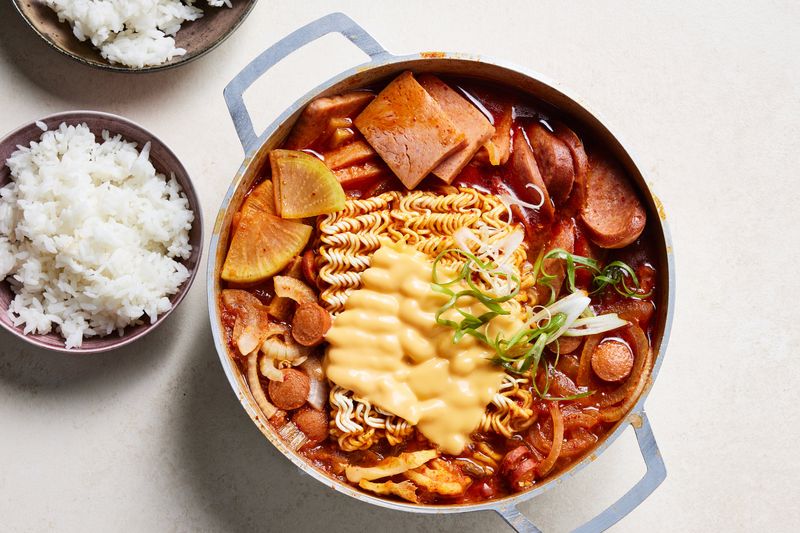
History lesson time. Army stew was born after the Korean War, when people mixed spam and hot dogs from US bases with kimchi and noodles.
Today it is a fun, hearty dish loved by friends sharing one big pot.
Layer kimchi, spam, sausages, tofu, and baked beans in a wide pan. Add spicy broth and instant ramen.
A slice of American cheese on top makes it extra rich.
18. Mandu Dumplings
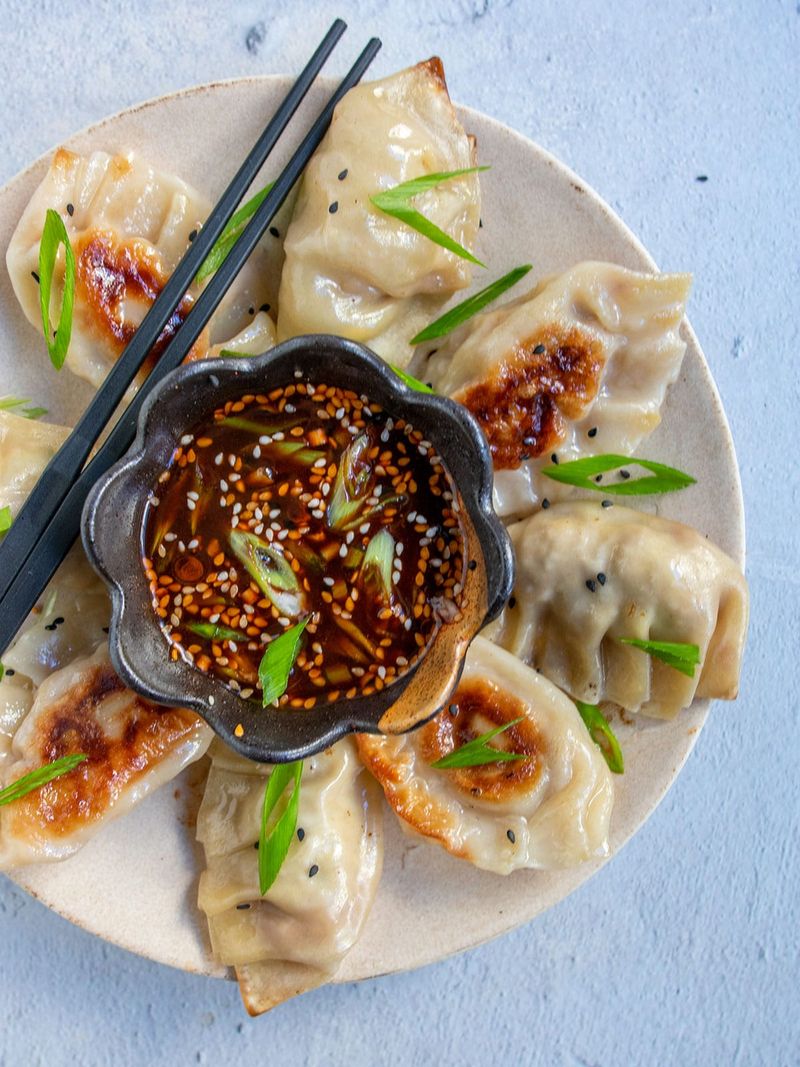
Making mandu is a classic Korean family activity, especially before the Lunar New Year. Everyone sits around the table folding dumplings and chatting.
Fill wrappers with ground pork, tofu, chopped kimchi, and glass noodles. Pinch the edges closed tightly.
Pan fry them until the bottoms are golden, then steam with a splash of water. Short on time?
Frozen mandu from the grocery store works great too.
19. Sesame Spinach and Egg Rice
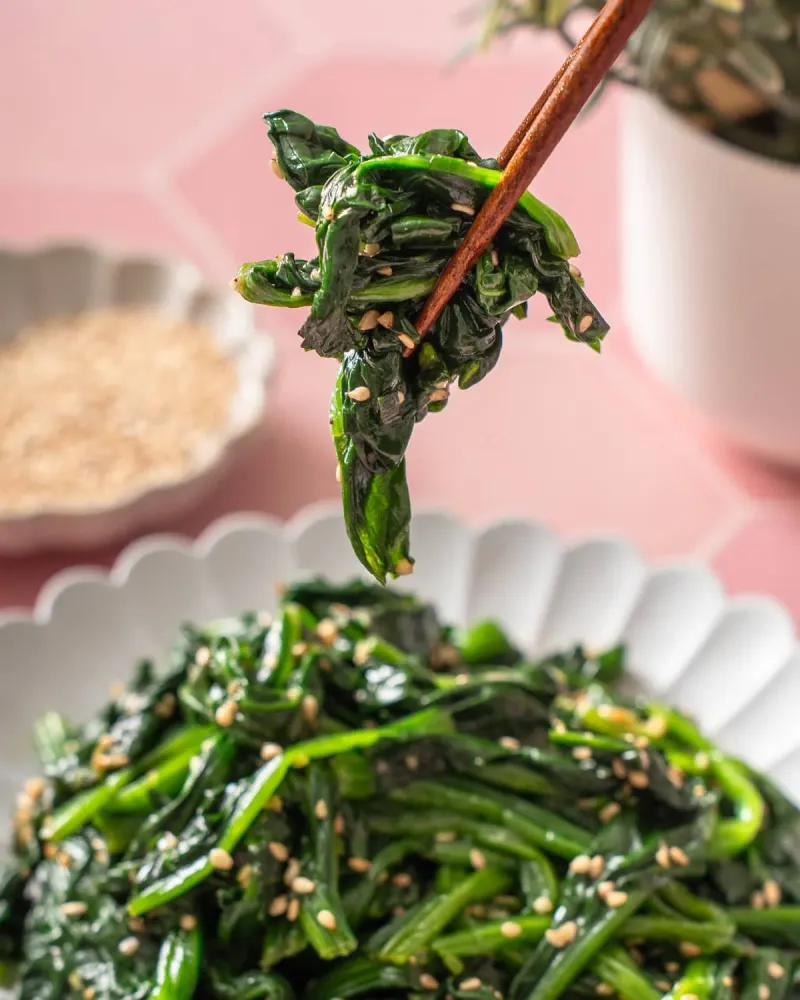
Not every Korean dinner needs to be fiery. Sometimes a gentle meal of rice, seasoned spinach, and fluffy steamed egg hits the spot.
Blanch spinach, squeeze out the water, and toss it with sesame oil, garlic, salt, and sesame seeds.
For gyeranjjim, whisk eggs with broth and microwave or steam until puffy. Together they make a light, calming meal that picky eaters often enjoy.