
Some meals are just too big for a regular kitchen pot. Around the world, people gather to cook giant batches of food for weddings, holidays, and town festivals.
These huge pots bring whole communities together, with neighbors stirring, tasting, and sharing stories while they wait. Get ready to discover the biggest, tastiest dishes that turn any celebration into a feast.
1. Spanish Paella
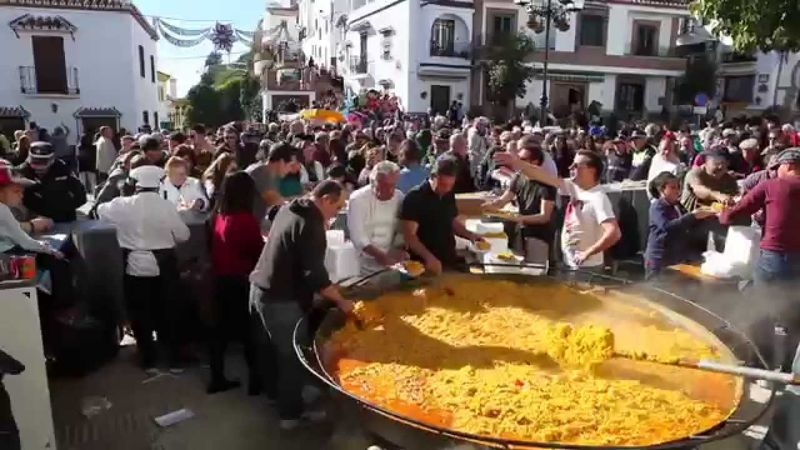
Picture a pan so wide that two people need long paddles to stir it. In Valencia, Spain, festival cooks have made paella big enough to feed over 100,000 people at once.
The dish mixes saffron rice with chicken, rabbit, beans, or seafood. Cooking over an open flame creates a crispy bottom layer called socarrat, and locals fight over it.
Want to try it at home? Use a wide, shallow pan instead of a deep pot.
2. Louisiana Jambalaya
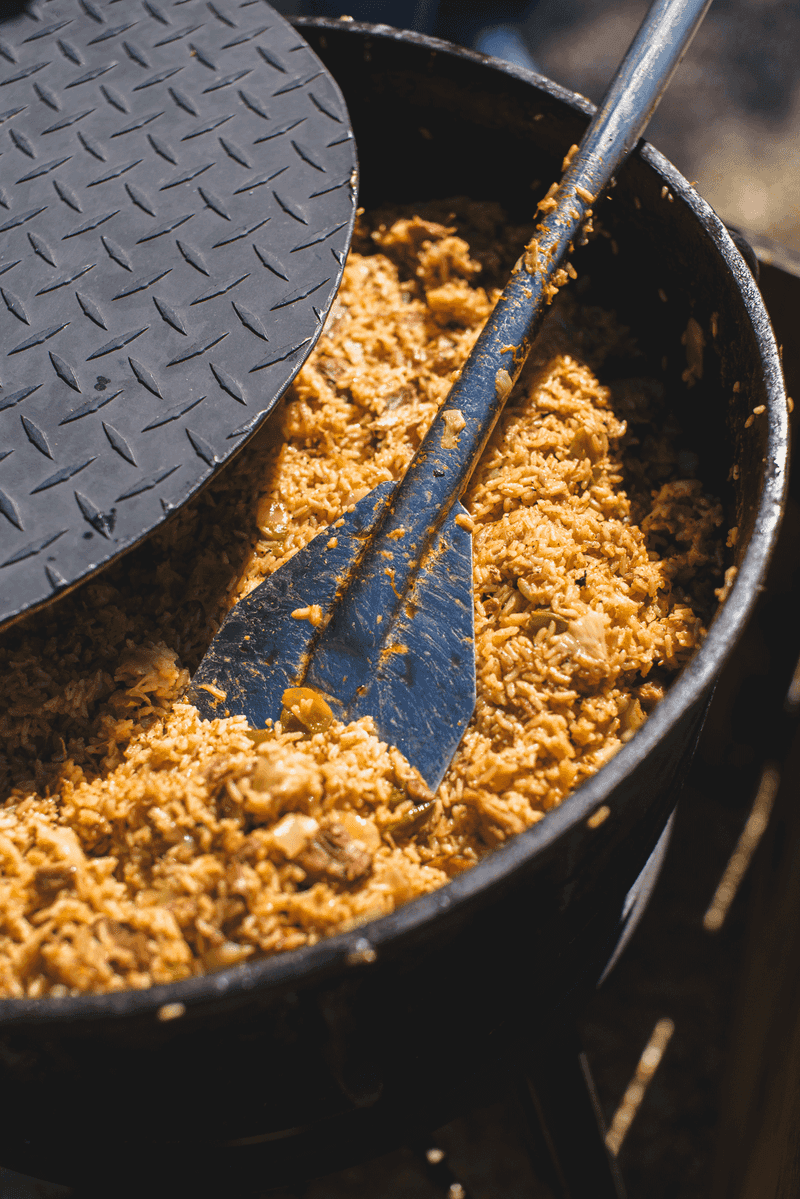
Gonzales, Louisiana, proudly calls itself the Jambalaya Capital of the World. Every spring, cooks compete with massive cast iron pots during a lively festival full of music.
Rice, sausage, chicken, onions, peppers, and celery all simmer together in one pot. Some versions add shrimp, while others keep it meaty.
Fun fact: the boat paddles used for stirring are a real tradition. A kitchen spoon simply cannot reach the bottom of those giant pots.
3. Hyderabadi Biryani
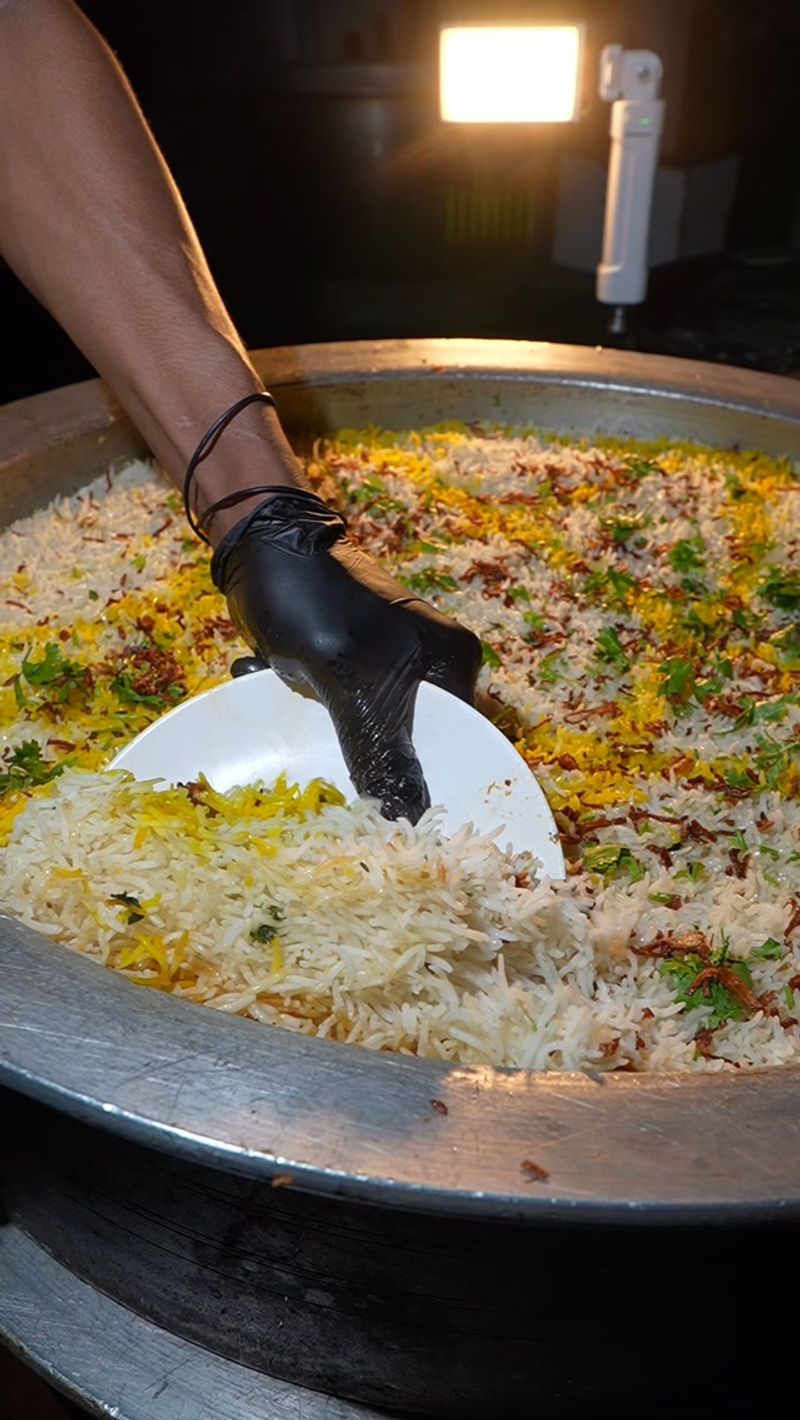
Ask anyone in India about wedding food, and biryani will come up fast. Cooks layer spiced rice and marinated meat inside a giant pot called a degh.
The lid gets sealed with dough so steam stays trapped. This slow method, called dum, lets every grain soak up flavor from saffron, mint, and fried onions.
When the seal finally breaks, the smell drifts across the entire party. Guests often line up before the pot even opens.
4. Brunswick Stew
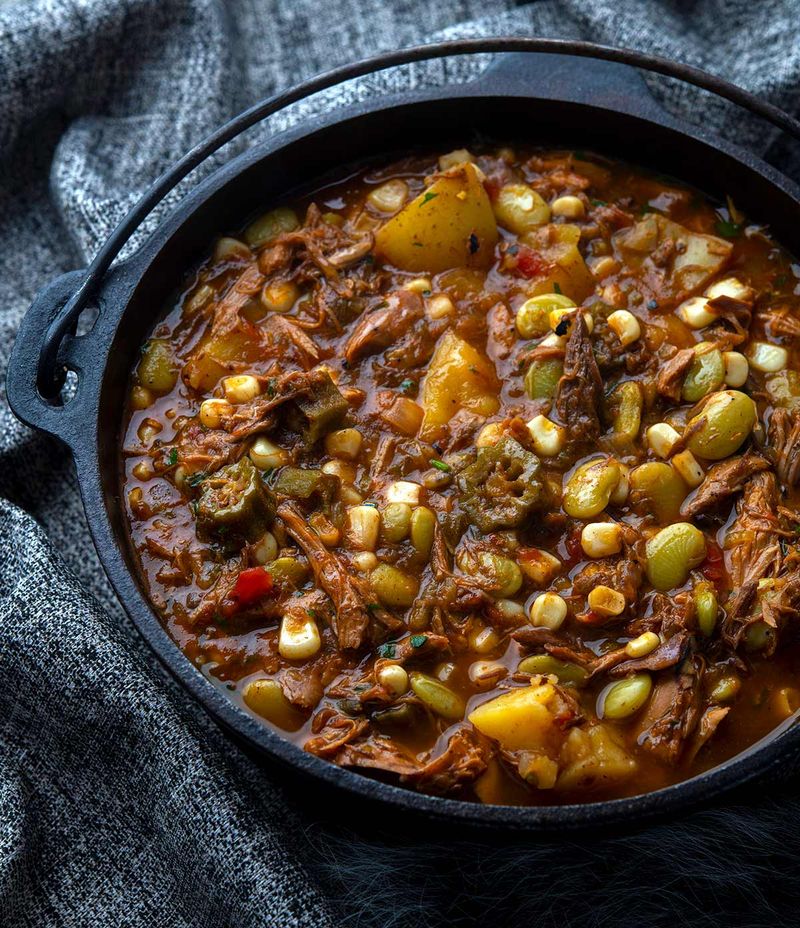
Virginia and Georgia have argued for years over who invented this hearty stew. Both states still hold cook-offs to prove their point.
Tomatoes, corn, lima beans, and smoked meats bubble for hours in huge iron kettles. Volunteers take turns stirring so nothing burns on the bottom.
Churches and fire departments often sell it by the quart to raise money. Grab a container, because one bowl rarely feels like enough on a chilly fall day.
5. Korean Kimchi Jjigae for Kimjang
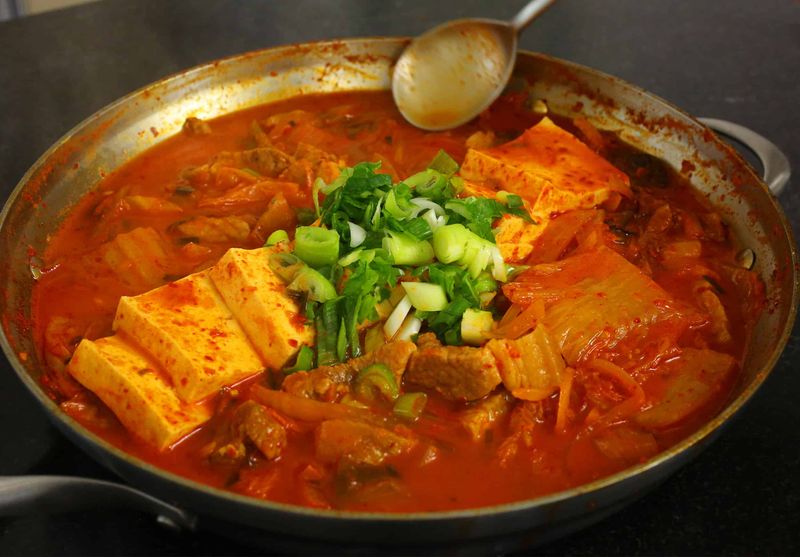
Late autumn in Korea means kimjang, when families make hundreds of heads of kimchi together. After all that hard work, everyone deserves a warm reward.
A giant pot of kimchi jjigae often becomes the shared meal. The spicy stew combines fermented cabbage, pork, tofu, and chili paste into something cozy and bold.
Here is a tip: older kimchi actually tastes better in stew. Its sour tang deepens the broth beautifully.
6. Nigerian Party Jollof Rice
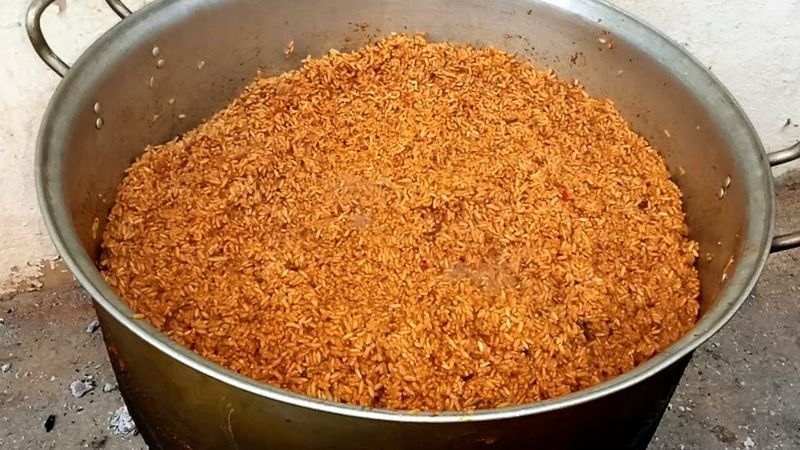
Nobody throws a Nigerian party without jollof rice. Seriously, guests would notice right away.
Cooks prepare it in enormous pots over firewood, which gives the famous smoky flavor known as party jollof. Tomatoes, peppers, onions, and spices turn the rice a bright orange-red.
West African countries love to debate whose jollof tastes best, especially Nigeria and Ghana. Try both styles and pick your favorite.
Just be ready to defend your choice!
7. Mexican Pozole
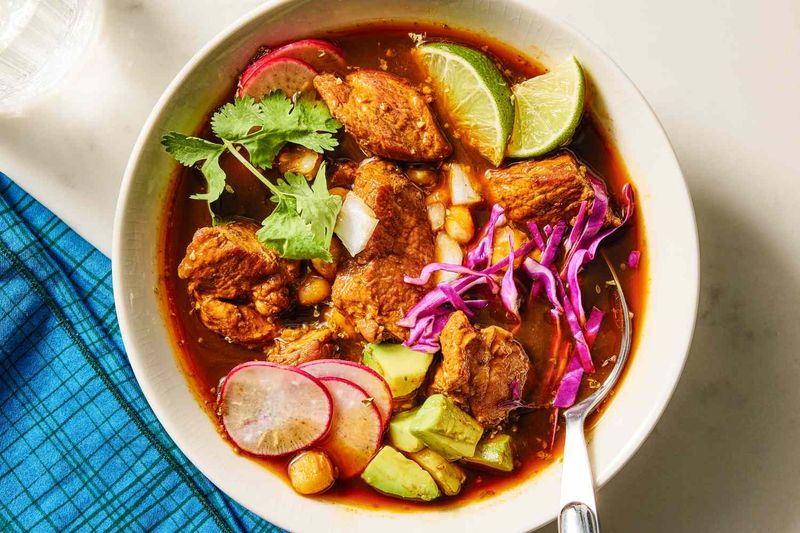
Every September 15th, Mexican families celebrate Independence Day with steaming bowls of pozole. Big pots simmer for hours before the fireworks start.
Fat hominy corn kernels and tender pork float in a broth colored red, green, or white. Each guest adds toppings like shredded cabbage, radishes, oregano, and lime.
Long ago, pozole was a sacred dish for the Aztecs. Today it still carries that special feeling of gathering and pride.
8. Hungarian Goulash
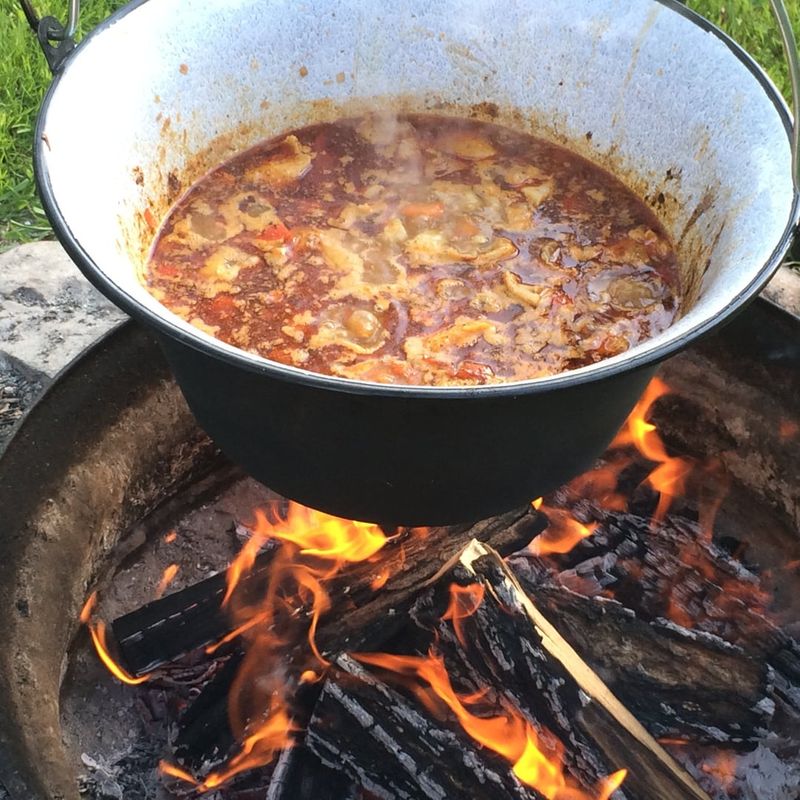
Hungarian herdsmen once cooked this stew in kettles hanging over campfires. That same kettle, called a bogrács, still shows up at festivals today.
Beef, potatoes, carrots, and plenty of sweet paprika create a deep red soup. It tastes smoky, warm, and filling after a long day outdoors.
Did you know? The word goulash comes from gulyás, meaning cattle herder.
So every spoonful honors the cowboys who first stirred it under open skies.
9. Filipino Lechon Paksiw and Pancit
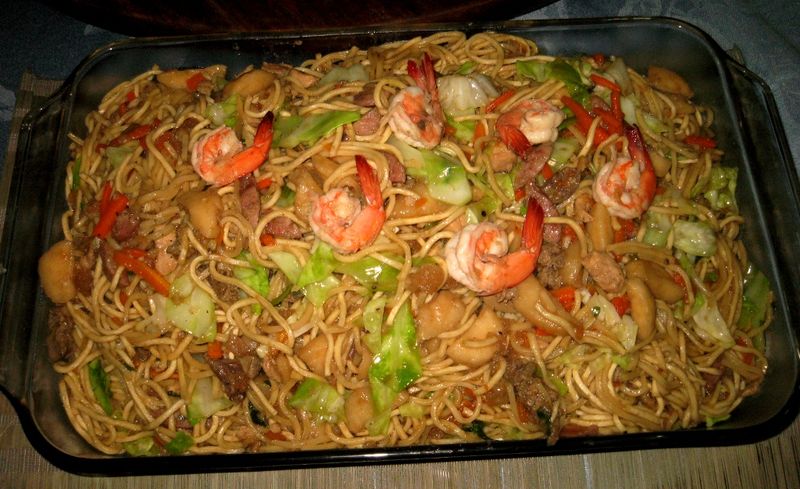
Long noodles mean long life, according to Filipino tradition. That is why pancit appears at nearly every birthday and town fiesta.
Cooks toss rice noodles with chicken, shrimp, cabbage, and carrots in massive woks called kawali. One batch can feed an entire barangay, or neighborhood.
One rule matters most: never cut the noodles short. Keeping them long is believed to protect good luck for the person being celebrated.
10. Portuguese Caldo Verde
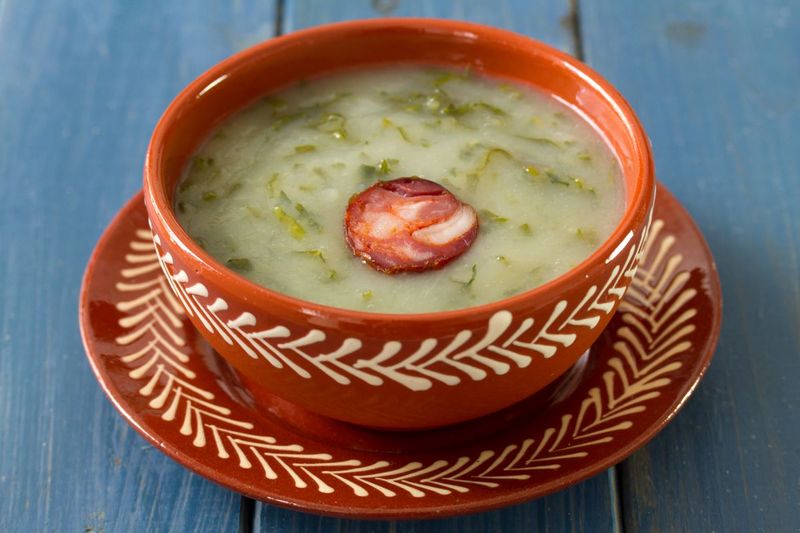
During Porto’s Saint John festival, people stay up all night dancing in the streets. Around midnight, hungry crowds look for one thing: caldo verde.
The soup is beautifully simple. Potatoes get mashed into a creamy broth, then thin ribbons of kale and slices of spicy chouriço join in.
Vendors ladle it from giant pots into small clay bowls. It is cheap, warm, and exactly what tired dancers need to keep going.
11. Japanese Imoni
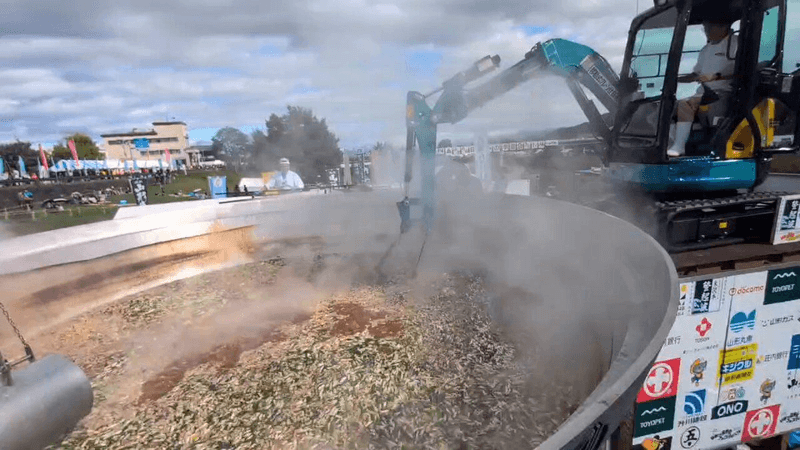
Imagine a construction excavator stirring your soup. That actually happens in Yamagata, Japan, at the yearly imoni festival.
The pot measures over six meters wide! Inside, taro root, beef, konjac, and green onions simmer in soy sauce broth.
Families also hold smaller imonikai parties along riverbanks each autumn. They bring portable pots, sit on blankets, and enjoy the cool weather together.
It is like a picnic, but with warm soup.
12. Brazilian Feijoada
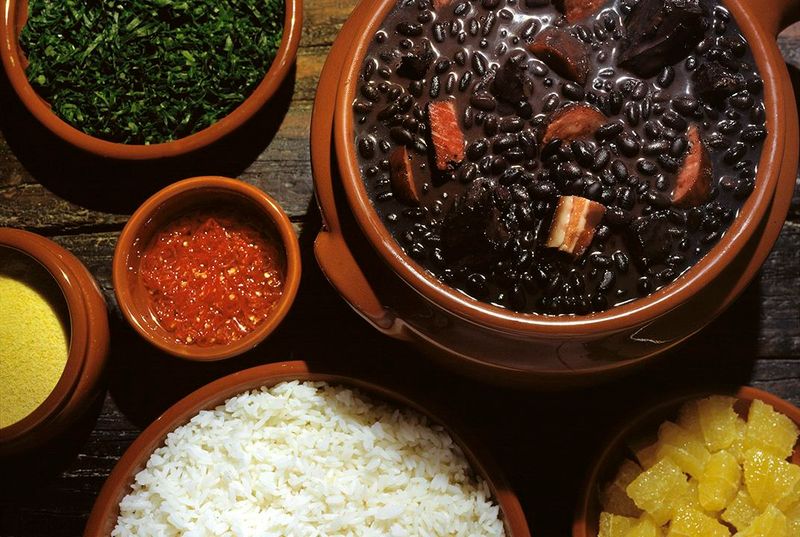
Saturdays in Brazil often mean feijoada with friends and family. The meal can last all afternoon, filled with music and laughter.
Black beans cook slowly with smoked sausage, pork ribs, and bacon in a big pot. People serve it with rice, sautéed collard greens, farofa, and orange slices.
Those oranges are not just decoration. Their bright, sweet juice helps balance the rich, heavy beans, so do not skip them.
13. Moroccan Couscous
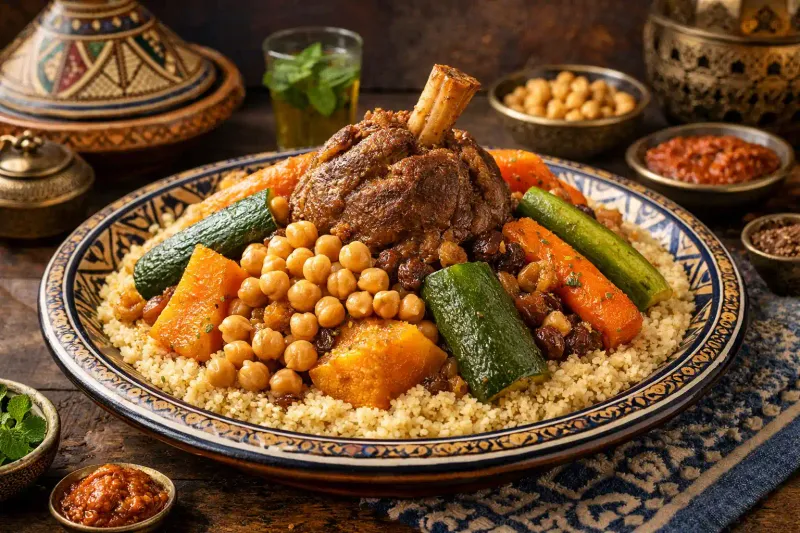
Friday couscous is a sacred family moment in Morocco. Weddings and holidays bring out the extra-large pots.
A special two-level pot called a couscoussier does the work. Stew with lamb, carrots, pumpkin, and chickpeas bubbles below while couscous steams in the basket above.
Everyone eats from one giant shared platter. Traditionally, each person sticks to their own section.
It is polite, practical, and makes the meal feel truly connected.
14. Burgoo
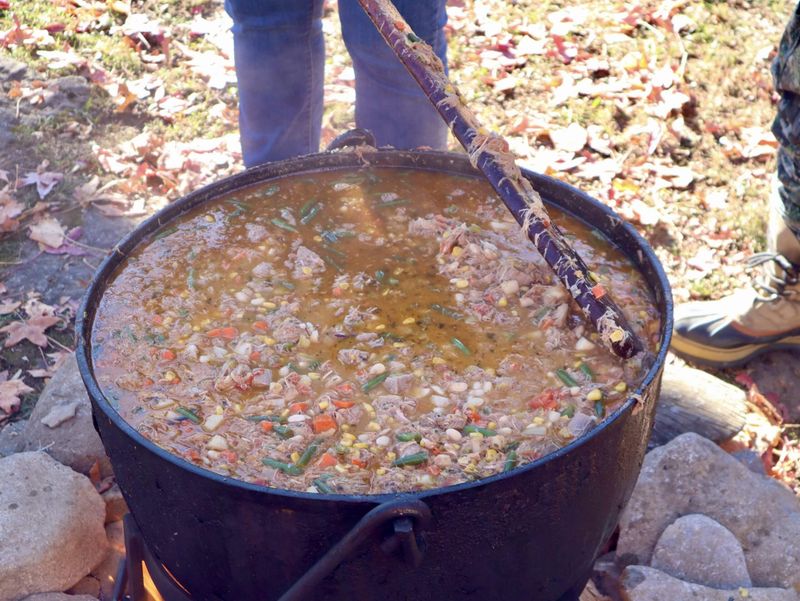
Kentucky folks have a saying: if you can shoot it or grow it, it can go in burgoo. That tells you a lot about this stew.
Traditional recipes mix several meats like mutton, pork, and chicken with corn, okra, potatoes, and lima beans. It cooks so long that a spoon can almost stand up in it.
Owensboro hosts a famous barbecue festival where burgoo kettles hold hundreds of gallons.
15. Sikh Langar Dal
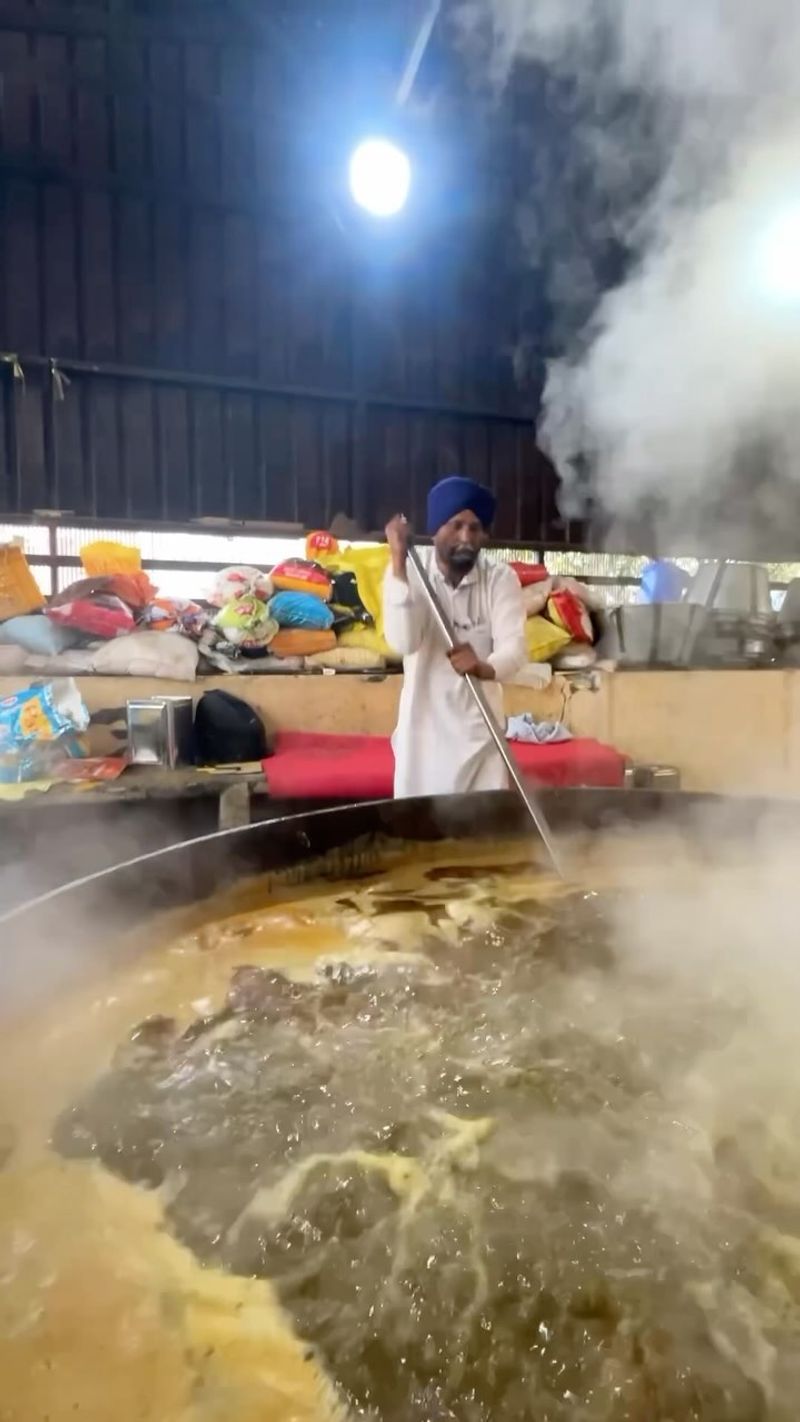
At the Golden Temple in Amritsar, India, volunteers serve free meals to around 100,000 visitors every single day. Festival days bring even bigger crowds.
Lentil dal simmers in steel pots big enough for a person to stand inside. Cooks stir with paddles that look like oars.
Anyone can sit and eat, no matter who they are. Langar teaches that sharing food is one of the kindest things people can do.
16. Russian Borscht
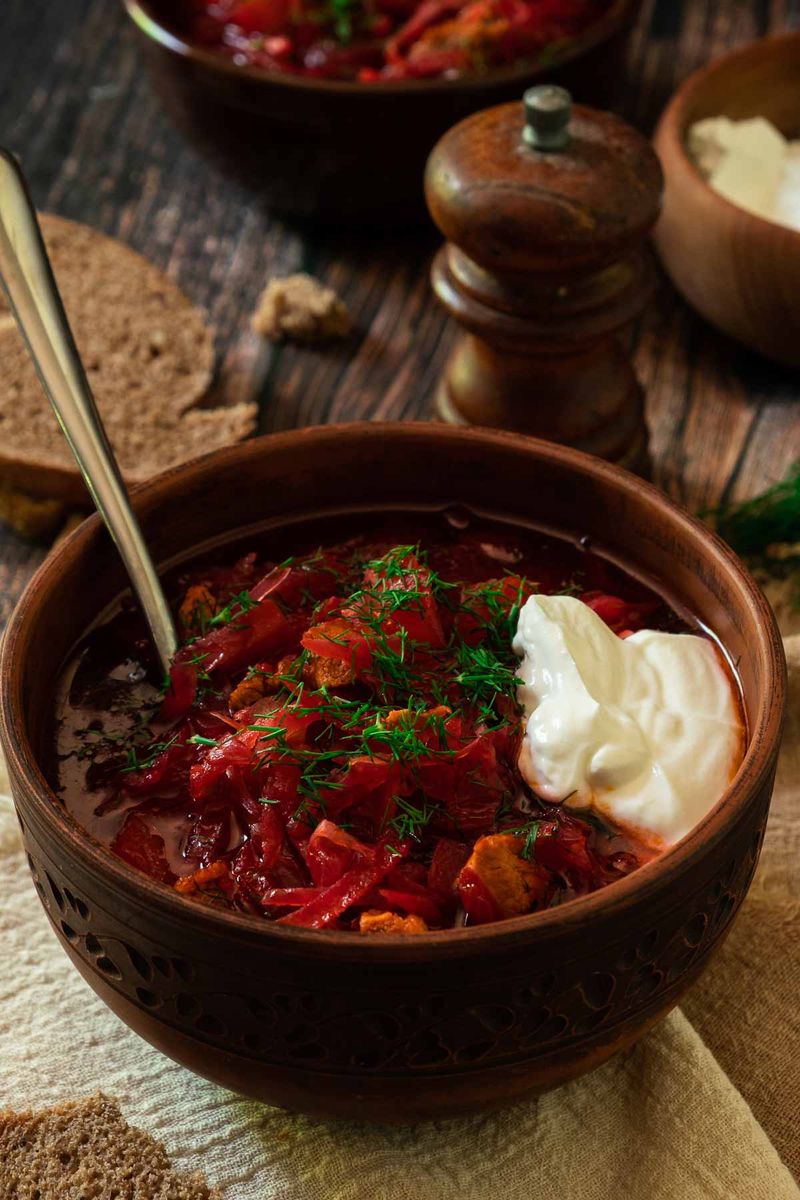
Bright magenta soup might sound strange, but borscht wins hearts fast. Families across Ukraine, Russia, and Poland cook it in big batches for holidays.
Beets give the soup its bold color. Cabbage, potatoes, carrots, and sometimes beef add hearty texture.
Many cooks say borscht tastes even better the next day. So making a giant pot is actually smart planning.
Finish each bowl with a spoonful of sour cream and some fresh dill.
17. Turkish Keşkek
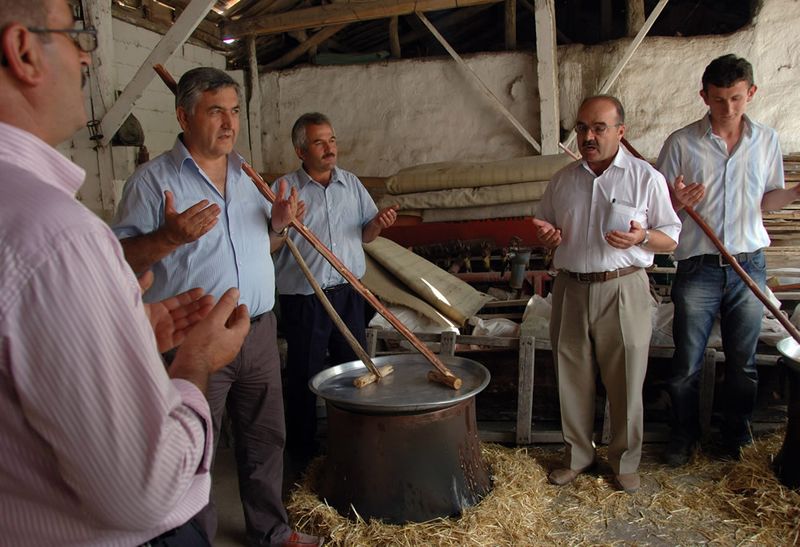
UNESCO lists keşkek as a cultural treasure, and one look at how it is made explains why. Whole villages join in.
Wheat and meat cook overnight in enormous cauldrons. The next morning, strong helpers pound the mix with wooden mallets until it becomes smooth and creamy.
Drums and pipes often play during the pounding at weddings. The music keeps everyone’s rhythm steady.
It turns hard work into a joyful, noisy party.
18. Peruvian Pachamanca
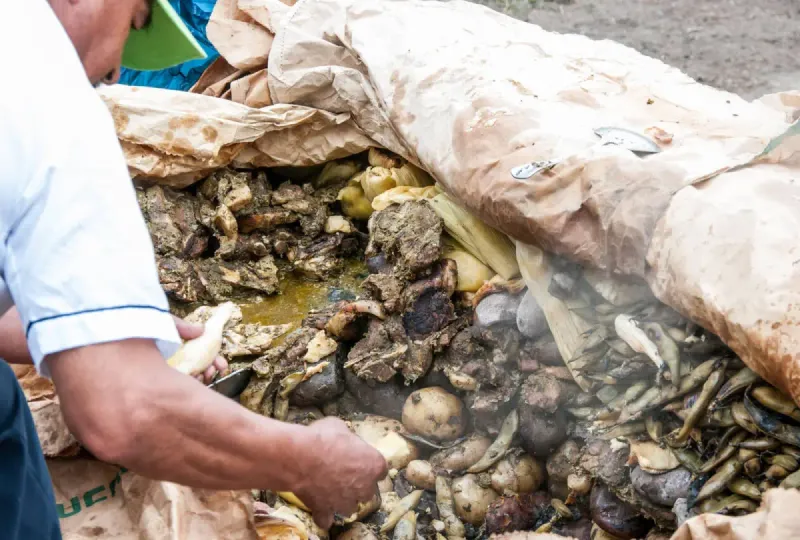
Here is a twist: the giant pot is actually the earth itself. Pachamanca means earth pot in the Quechua language.
Peruvians heat stones, dig a pit, then layer in meats, potatoes, corn, and fava beans with fragrant herbs. Everything gets buried and slowly cooks underground.
Festivals honoring Pachamama, or Mother Earth, often feature this meal. Uncovering it feels like digging up treasure, and the smoky aroma is unforgettable.
19. Chinese Poon Choi
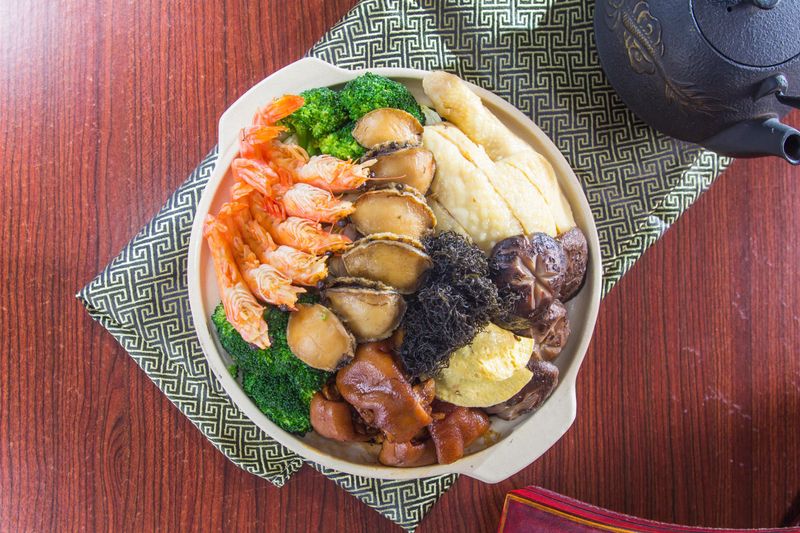
Legend says villagers once served this dish to a hungry emperor in wooden washbasins. They had no fancy plates, so they got creative.
Today, poon choi stars at Lunar New Year banquets in Hong Kong. Layers of shrimp, chicken, mushrooms, radish, and pork are stacked in a big basin.
Diners dig down layer by layer. The best treats sit on top, while the bottom soaks up all the delicious sauces.
20. Swiss Cheese Fondue
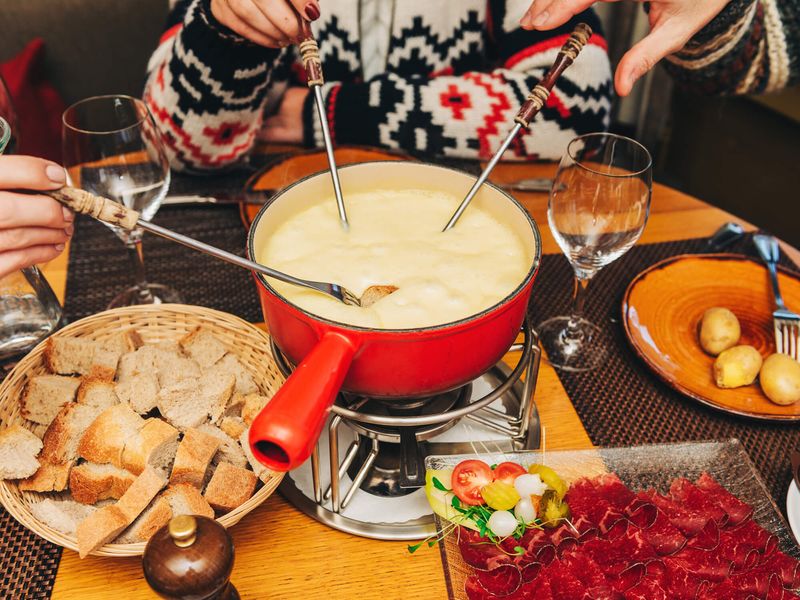
Swiss winter festivals sometimes feature fondue pots large enough for dozens of forks. Everyone crowds around the bubbling cheese together.
Gruyère and Vacheron melt with a splash of wine and garlic. Guests dip cubes of bread on long forks, swirling to coat each bite.
Watch out for an old tradition: drop your bread in the pot and you might owe the table a song! The crispy cheese crust at the bottom is a prize.
21. Haitian Soup Joumou
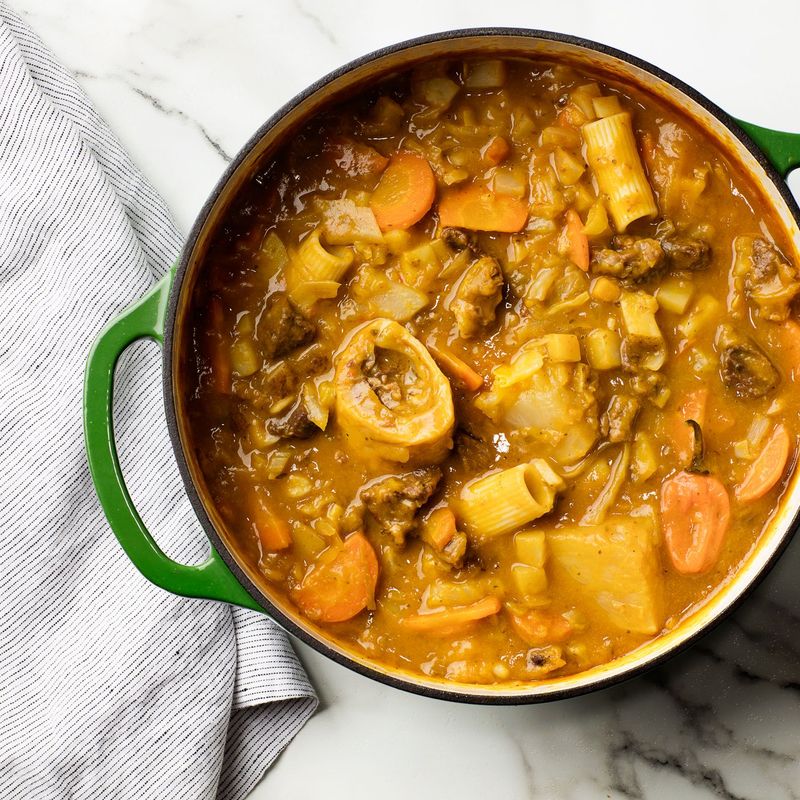
Every January 1st, Haitian families share soup joumou to celebrate freedom. Before 1804, enslaved people were not allowed to eat it.
When Haiti won independence, everyone claimed this pumpkin soup as their own. Beef, pasta, cabbage, and potatoes swim in a creamy squash broth.
Families make giant pots to share with neighbors and relatives. UNESCO recognized it as world heritage in 2021, honoring its powerful story of hope.
22. Ethiopian Doro Wat
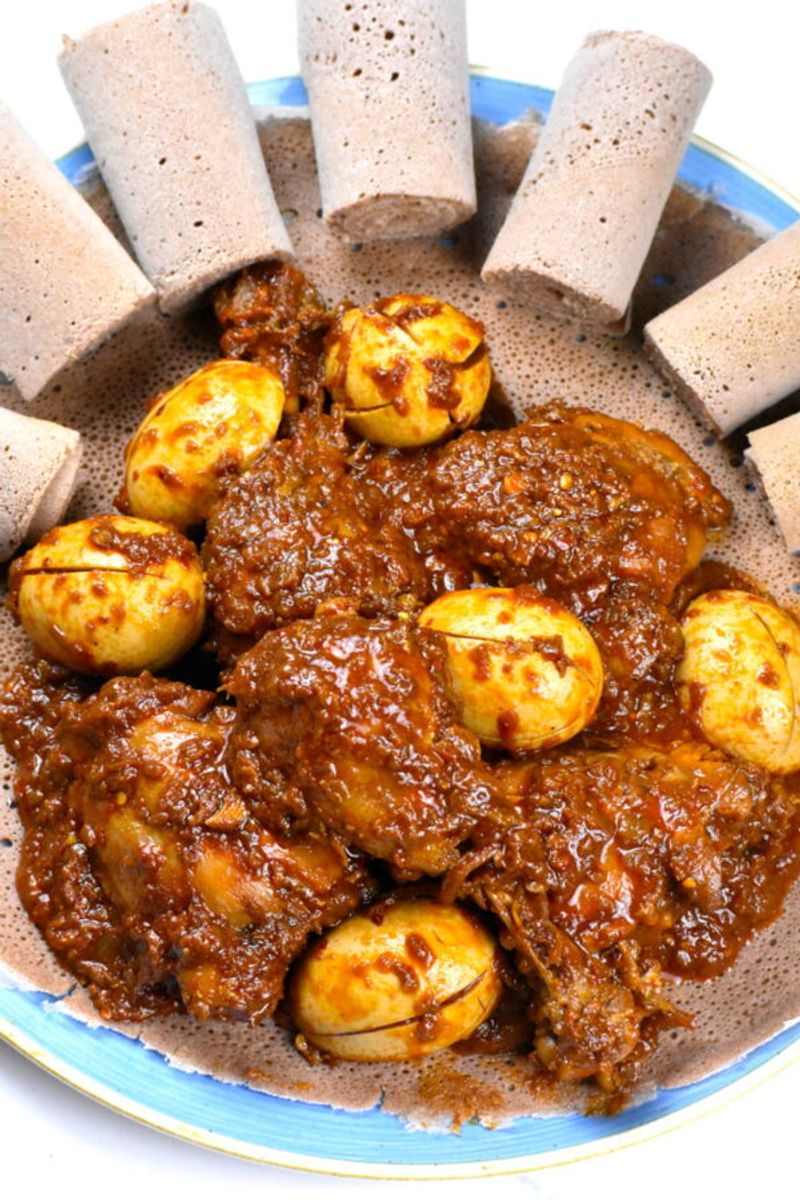
After weeks of fasting, Ethiopian Christians break their Easter fast with doro wat. The wait makes it taste extra special.
Chicken and hard-boiled eggs simmer in a thick, spicy sauce made with berbere spice and slowly cooked onions. Some cooks spend a whole day on the onions alone.
People scoop it up using injera, a soft, spongy flatbread. Forks are not needed, and sharing from one platter is part of the fun.
23. Italian Polenta Festival
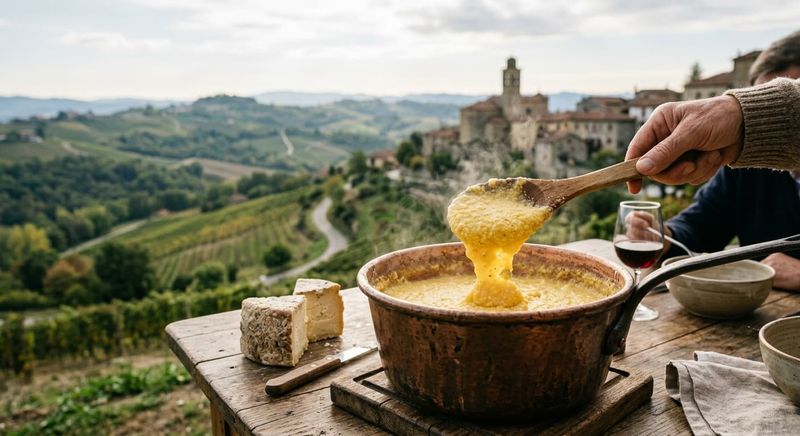
Golden, creamy, and humble, polenta once kept mountain families in northern Italy fed through tough winters. Now villages throw entire festivals in its honor.
Cornmeal cooks in huge copper cauldrons, called paioli, while volunteers stir nonstop for nearly an hour. Then it gets poured onto a wooden board.
Toppings range from mushroom sauce to sausage and melted cheese. Tip: let leftovers firm up, slice them, and grill for a crispy treat.