
A few quiet words can be more frightening than a shout in The Godfather. Its famous lines reveal a world where family, power, and loyalty come at a heavy price.
Some sayings linked to the movie actually come from Mario Puzo’s novel or the sequels, so their origins matter too. Here is what makes these familiar words stick with us.
1. The Offer Nobody Can Refuse
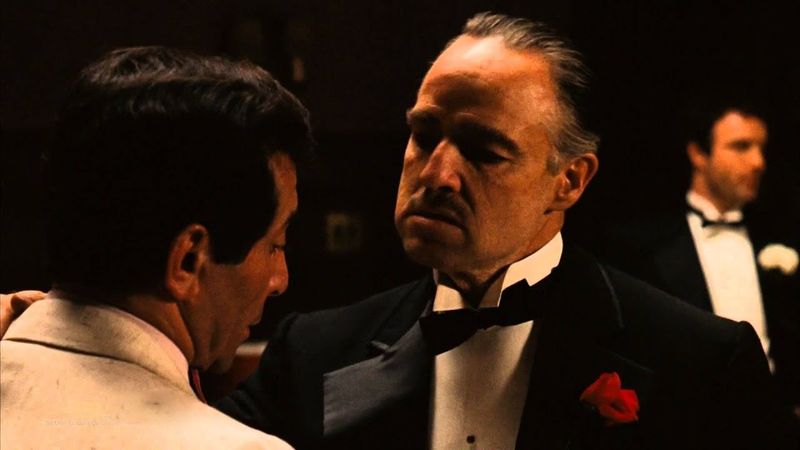
A calm voice makes this promise more chilling than any shouted threat. Vito tells Johnny Fontane, “I’m gonna make him an offer he can’t refuse,” turning a friendly favor into a warning about his reach.
The familiar wording often changes slightly when people quote it. What matters is the hidden pressure: refusal is not really an option.
Watch how little Vito needs to explain. His confidence tells us that someone else will pay the price.
2. Family Time Becomes a Test
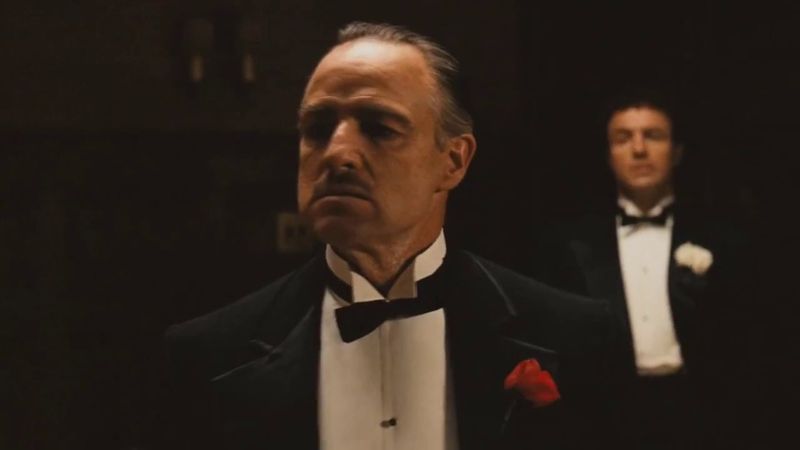
Wedding music plays outside, but Vito has a serious lesson inside his office. “A man who doesn’t spend time with his family can never be a real man” sets out his standard for fatherhood and loyalty.
There is an uneasy twist beneath the warmth. His criminal work puts that same family in danger.
For everyday readers, the useful takeaway is simpler: being present matters more than claiming that everything you do is for loved ones.
3. Cannoli After a Killing
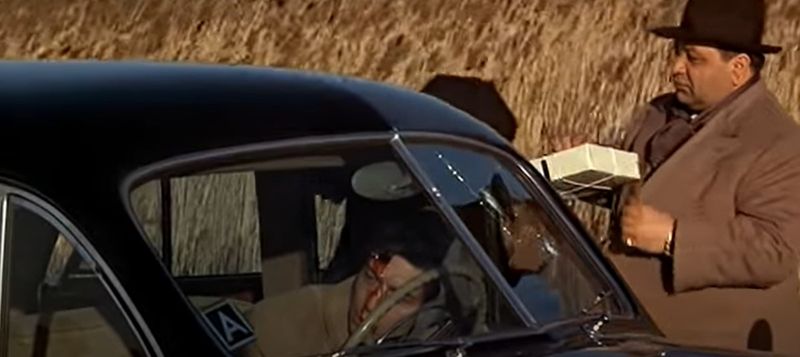
Dessert should not belong in a murder scene, which is exactly why this moment sticks. After Paulie’s killing, Clemenza tells Rocco, “Leave the gun.
Take the cannoli.” His delivery treats both tasks like ordinary errands.
The contrast is funny, then deeply unsettling. These men can move from violence to household concerns without pausing.
Richard Castellano’s cannoli addition is widely credited as an improvisation, giving the scene a small detail that became a huge cultural memory.
4. A Father’s Grief Breaks Through
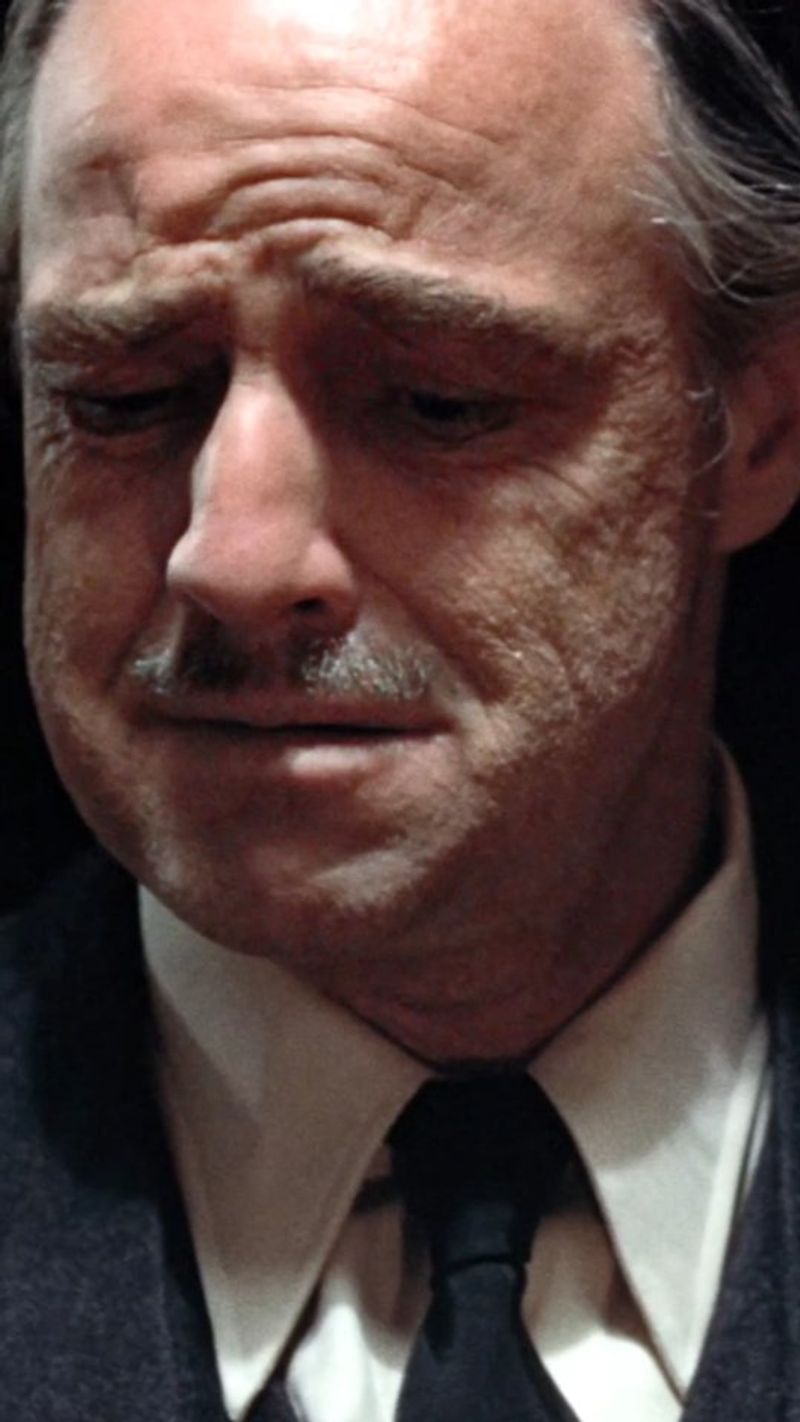
Power disappears when Vito faces the loss of his son. “Look how they massacred my boy” comes as he asks Bonasera to prepare Sonny’s body so his mother will not see the terrible damage.
Marlon Brando lets grief replace the Don’s usual control. The scene reminds viewers that revenge stories have real human costs, even when the people involved commit crimes.
Notice his broken delivery rather than the words alone. That vulnerability makes the moment devastating.
5. Business as a Dangerous Excuse
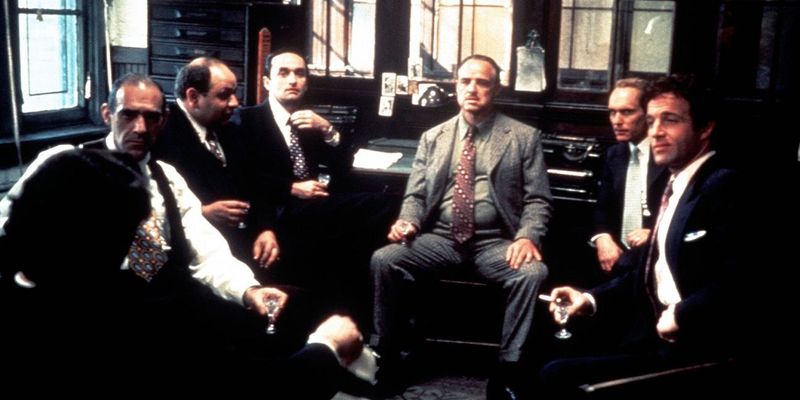
Michael sounds almost reasonable while proposing something terrible. His fuller statement, “It’s not personal, Sonny.
It’s strictly business,” follows his plan to kill Sollozzo and Captain McCluskey after the attack on Vito.
Calling violence business gives him emotional distance from his choice. Yet protecting his father is clearly personal, making the excuse revealing.
Listen for the gap between his steady tone and the danger ahead. The moment marks a major step away from his earlier independence.
6. Revenge Waits Until It Is Cold
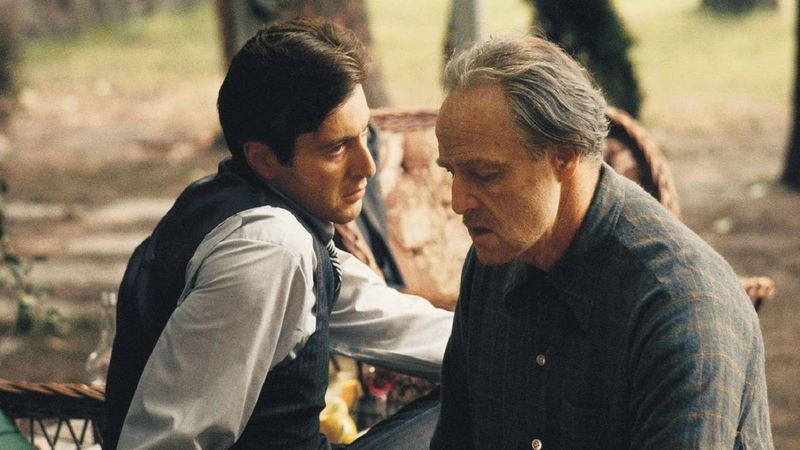
Patience can look wise until its goal is revenge. “Revenge is a dish that tastes best when served cold” is associated with Puzo’s novel, rather than spoken by Vito in the original film.
The saying captures the family’s habit of waiting until anger cools and plans become precise. That makes it useful for understanding the story, not as advice to hurt someone.
In ordinary conflicts, taking time before responding can help you choose peace instead of payback.
7. Hatred Clouds the Plan
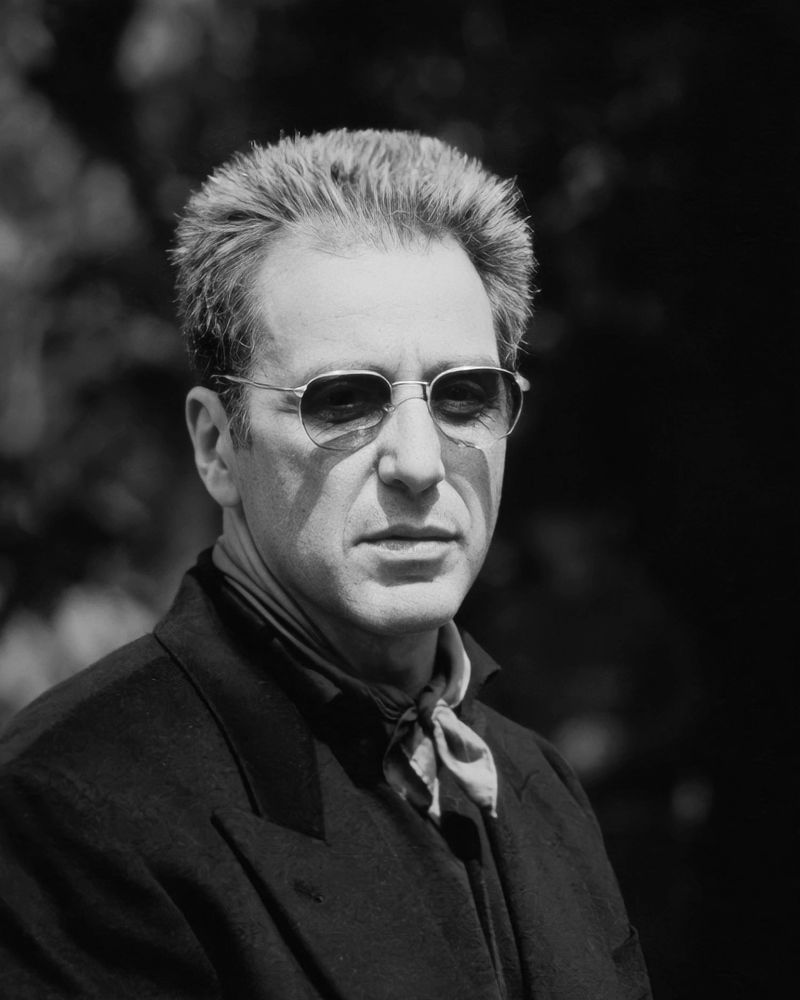
Anger feels powerful, but Michael sees it as a weakness. “Never hate your enemies. It affects your judgment” belongs to The Godfather Part III, where he advises Vincent, not to the 1972 original.
Its appeal reaches beyond the crime story. Strong dislike can make people miss facts, rush decisions, or mistake pride for good sense.
You do not need enemies to use the lesson: pause during an argument and check whether your feelings are driving your conclusions.
8. Friendship Carries Its Own Price
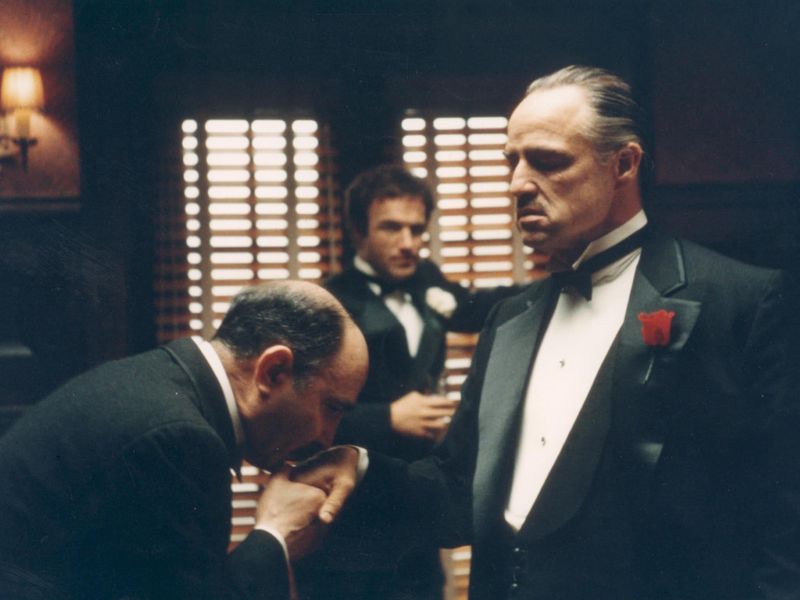
A favor in Vito’s world rarely ends with a thank you. The novel’s statement that “Friendship is everything” places trusted relationships above talent and government, almost alongside family.
That sounds comforting until friendship becomes a debt someone must repay. Puzo shows how loyalty can offer protection while also limiting freedom.
When reading this passage, ask whether both people can refuse a request. Genuine friendship allows boundaries; the Don’s version often turns kindness into a lasting claim.
9. Greatness Is Something People Grow
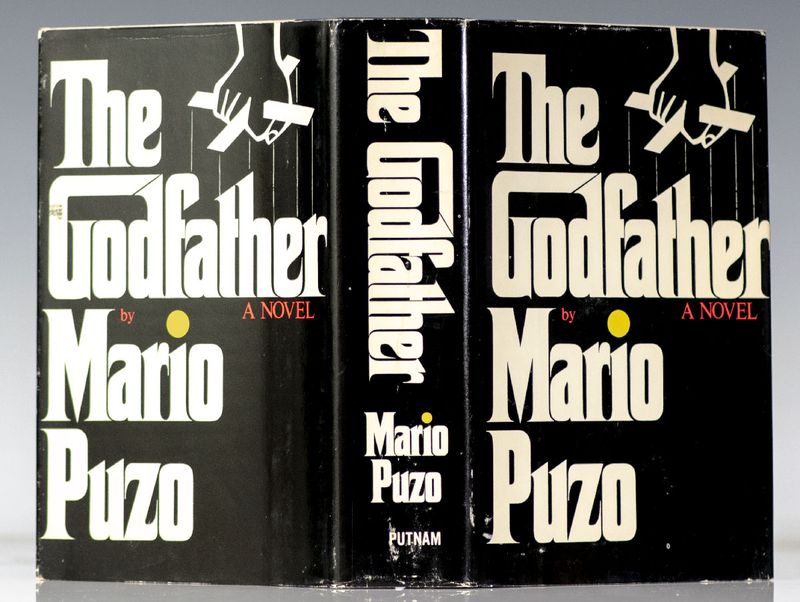
Nobody enters the story with a finished legend. “Great men are not born great, they grow great” is a line from Puzo’s novel, not dialogue spoken by Vito in the original movie.
It fits the wider saga’s interest in how experience shapes a person’s power. Still, greatness here does not automatically mean goodness.
A reader can borrow the hopeful part without admiring crime: skills, confidence, and judgment develop through practice, choices, mistakes, and time spent learning.
10. The Briefcase Can Hide a Weapon
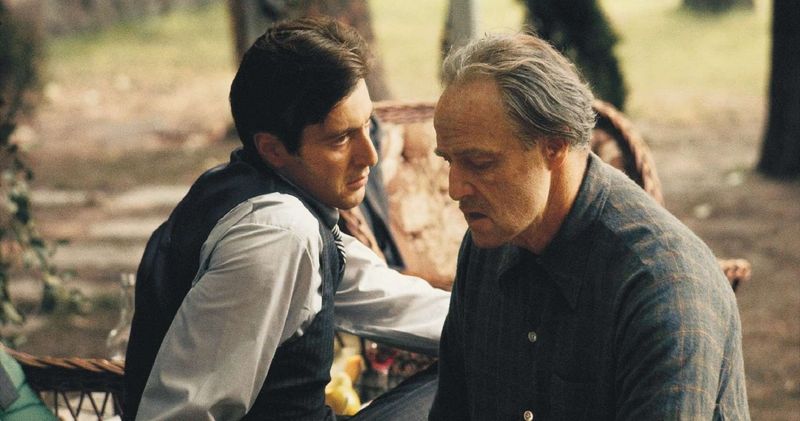
A polished suit can conceal harm as easily as a dark alley. The novel’s observation that a lawyer with a briefcase can steal more than a gunman links money, law, and power.
It should not be treated as a claim that all lawyers are dishonest. Instead, the line challenges the idea that respectable appearances guarantee fair behavior.
Follow the contracts and favors in the story: paperwork can serve the same controlling purpose as an open threat.
11. Taking Sides Becomes Forbidden
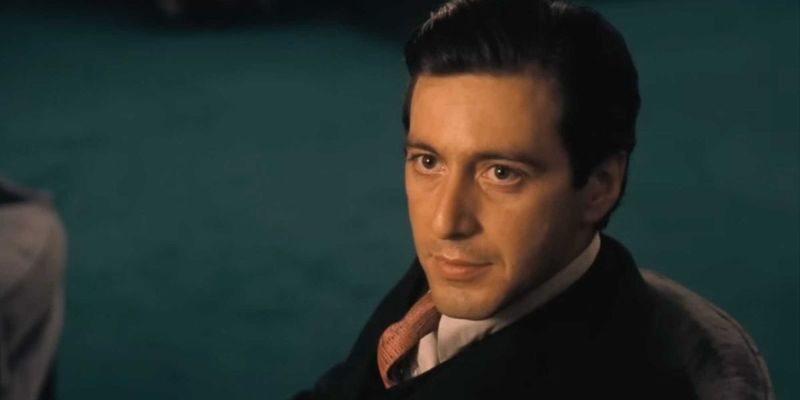
Fredo expects room to disagree; Michael gives him a boundary instead. “Don’t ever take sides with anyone against the family again. Ever” follows Fredo’s defense of Moe Greene during the Las Vegas visit.
The final word lands like a locked door. Michael no longer speaks as a younger brother seeking approval, but as someone claiming command.
Watch Fredo’s discomfort to understand the cost. Loyalty becomes dangerous when family members are denied the freedom to question each other.
12. A Message From the Fishes
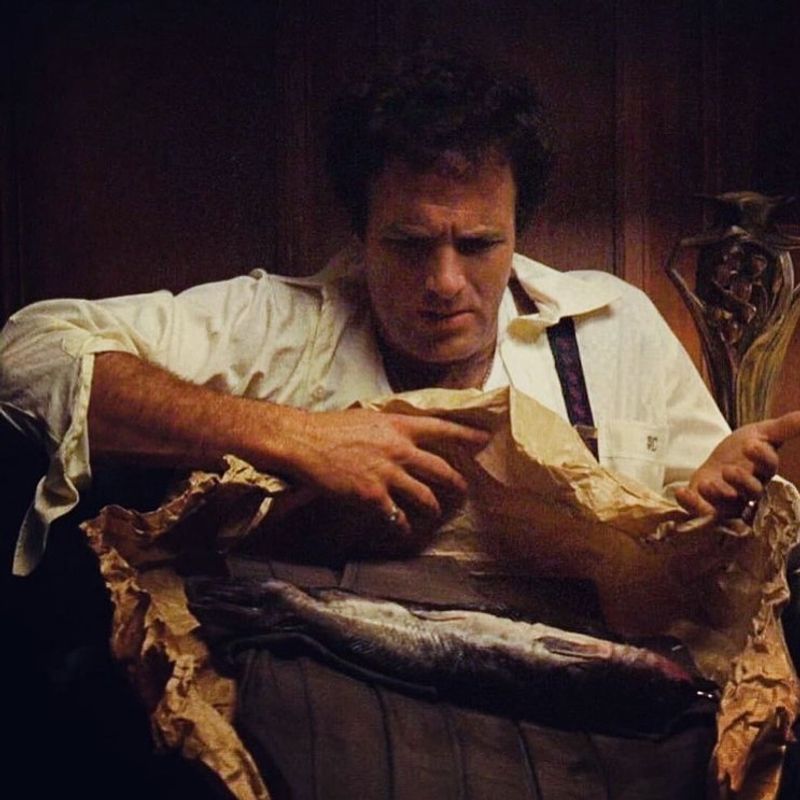
A fish wrapped in a bulletproof vest delivers news nobody wants. When the package arrives, Tessio explains, “It’s a Sicilian message.
It means Luca Brasi sleeps with the fishes.” Clemenza is often wrongly credited.
The phrase turns murder into a cold, almost casual image. No lengthy speech is needed because everyone understands the warning.
Its lasting power comes from that economy. Notice how a simple object lets the filmmakers reveal danger without showing another killing on screen.
13. Providing Without Apology
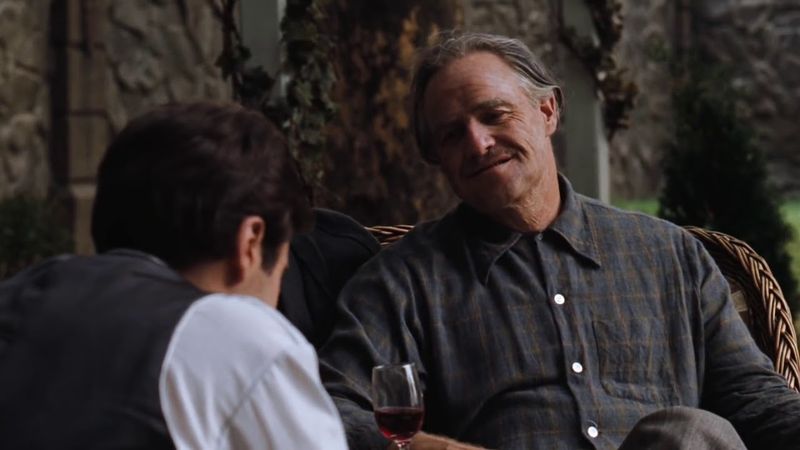
Near the end, Vito speaks less like a boss and more like an aging father. “I work my whole life, I don’t apologize, to take care of my family” explains how he justifies his past.
He also reveals that he wanted a different future for Michael. That hope makes the conversation painfully tender.
Providing for loved ones is relatable, but the film asks a harder question: can a good intention excuse methods that damage other people’s families?
14. Saying No While Making It Sound Like Yes
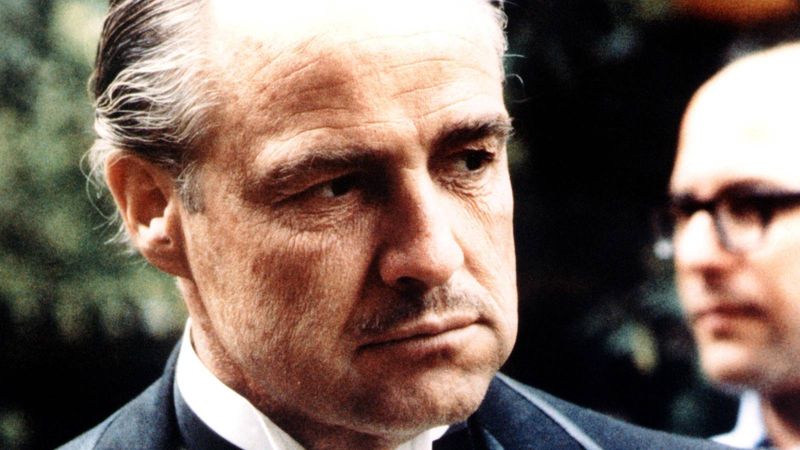
Even affection becomes a negotiation in the Corleone household. Puzo’s novel gives Vito a lesson about rarely saying no to loved ones, then making a refusal sound like agreement or guiding them to refuse themselves.
The advice reveals skill, but also a wish to control the outcome. Unlike the warm sound of its opening, the full thought is uneasy.
In real relationships, a kind, honest boundary is healthier than quietly steering someone toward the answer you prefer.
15. Every Bit of Business Is Personal
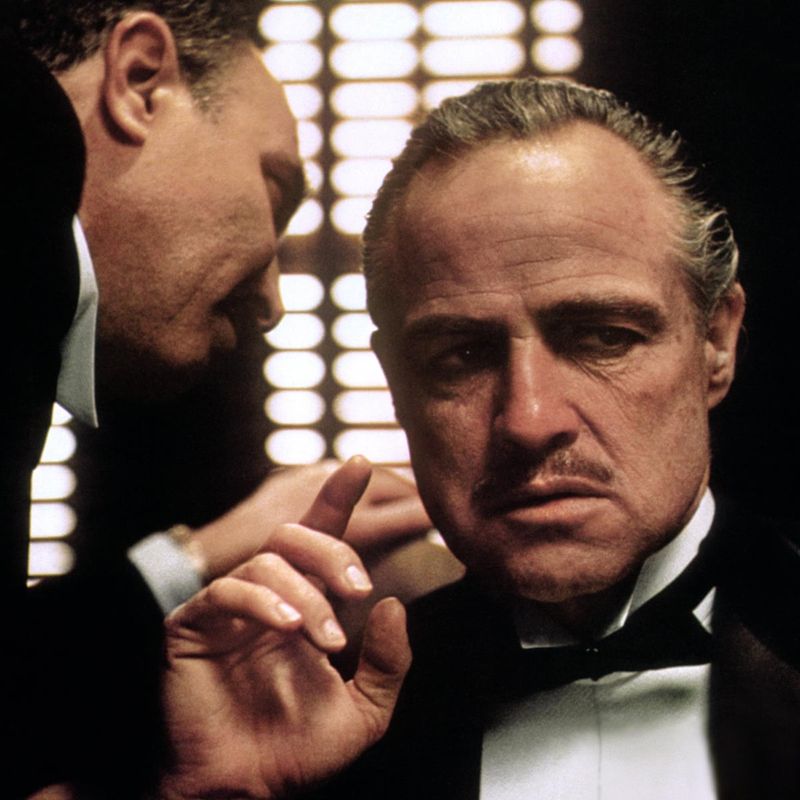
The neat divide between feelings and work finally falls apart. “It’s all personal, every bit of business” is associated with Michael’s reflections in Puzo’s novel, rather than a spoken Tom Hagen line in the original film.
That distinction matters because the idea exposes Michael’s deeper thinking. Decisions about money and power still touch pride, fear, and family.
Keep it in mind when revisiting his earlier business excuse. His cool language cannot erase the personal wounds driving his choices.