
Once you hit your forties, your body starts asking for a little more care and attention, and what you eat plays a big role in how you feel every day. Stocking your kitchen with the right ingredients can help you stay energized, support your health, and even make cooking more enjoyable.
You do not have to overhaul everything at once. Start with these simple, powerful staples that can make a real difference.
1. Olive Oil

Ask any Mediterranean grandmother and she will tell you olive oil is liquid gold. Rich in healthy monounsaturated fats, it supports heart health, which becomes increasingly important as you age.
A drizzle over roasted vegetables or a splash in a salad dressing goes a long way.
Extra virgin olive oil also contains antioxidants that help fight inflammation. Keep a quality bottle on your counter and use it as your go-to cooking fat every day.
2. Turmeric
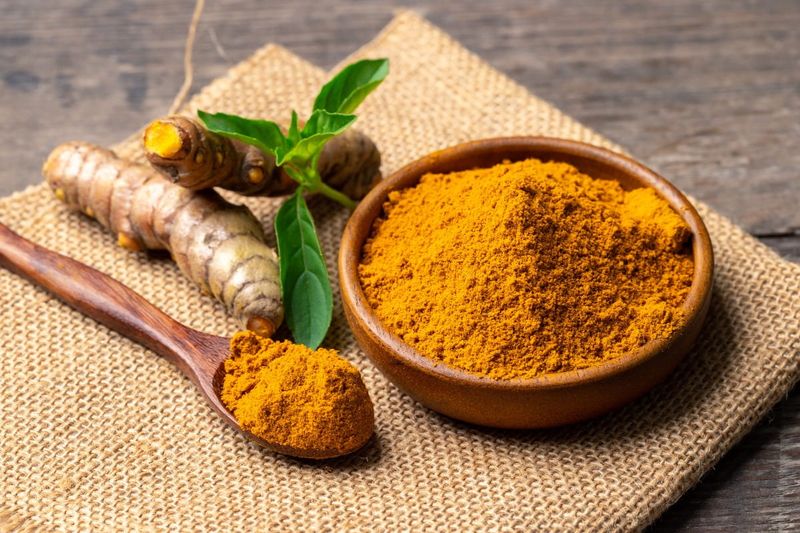
Turmeric has been used in cooking and traditional medicine for thousands of years, and modern science is finally catching up. Its active compound, curcumin, has strong anti-inflammatory properties that may help ease joint stiffness, something many people in their forties start to notice.
Stir it into soups, golden milk, or scrambled eggs for an easy boost. Pair it with black pepper to help your body absorb curcumin more effectively.
3. Garlic

Few ingredients punch above their weight quite like garlic. Beyond its bold, savory flavor, garlic contains allicin, a compound linked to lower blood pressure and improved immune function.
For people in their forties, keeping blood pressure in check is a real priority.
Raw garlic delivers the most benefits, but cooked garlic still offers plenty of goodness. Keep a fresh bulb on your counter and add it to almost anything you cook.
4. Canned Salmon

Canned salmon is one of the most underrated pantry heroes out there. Packed with omega-3 fatty acids, it supports brain health, reduces inflammation, and helps maintain muscle mass, all things that matter more as you move through your forties.
It is also incredibly convenient. Toss it into salads, mix it with avocado for a quick lunch, or stir it into pasta.
Wild-caught varieties tend to have higher nutrient levels, so check the label.
5. Greek Yogurt
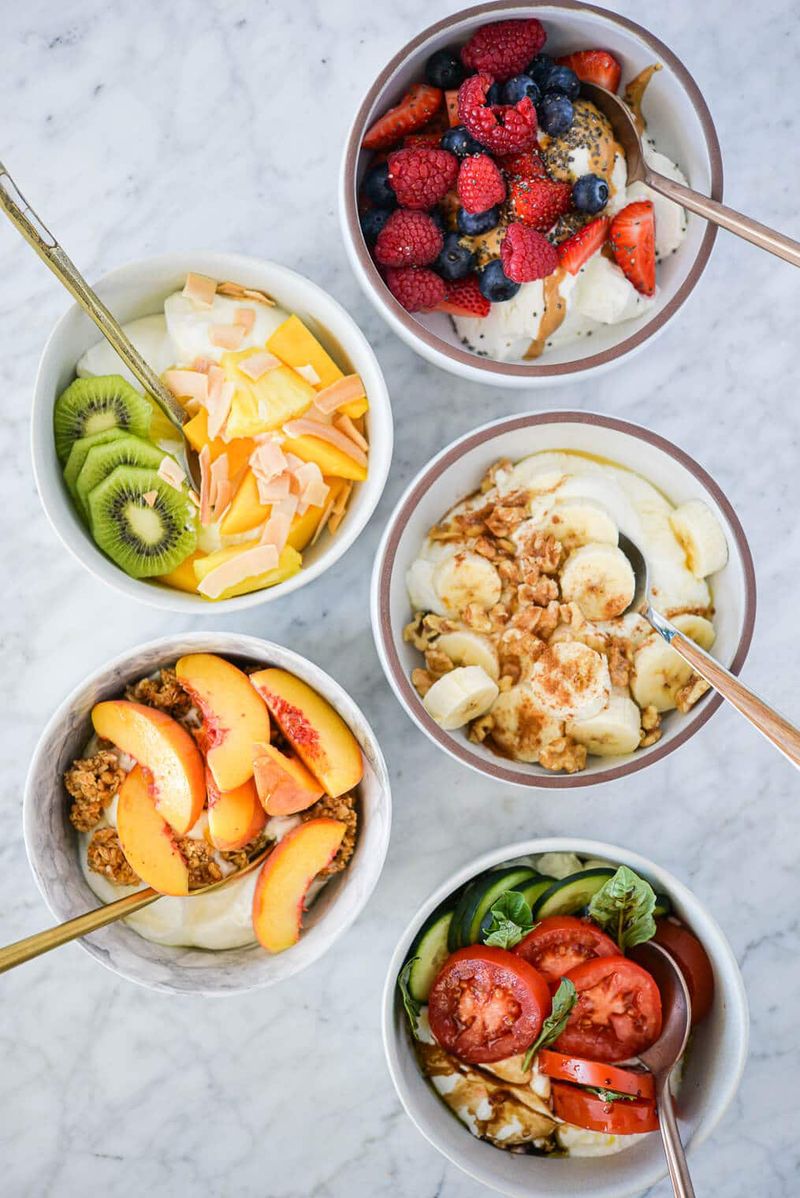
Creamy, tangy, and surprisingly filling, Greek yogurt is a protein powerhouse that also delivers probiotics for gut health. A healthy gut is connected to better digestion, mood regulation, and even immune function, making this a smart fridge staple in your forties.
Go for plain, unsweetened varieties to avoid added sugars. Use it as a base for smoothies, a topping for fruit, or a substitute for sour cream in savory dishes.
6. Leafy Greens
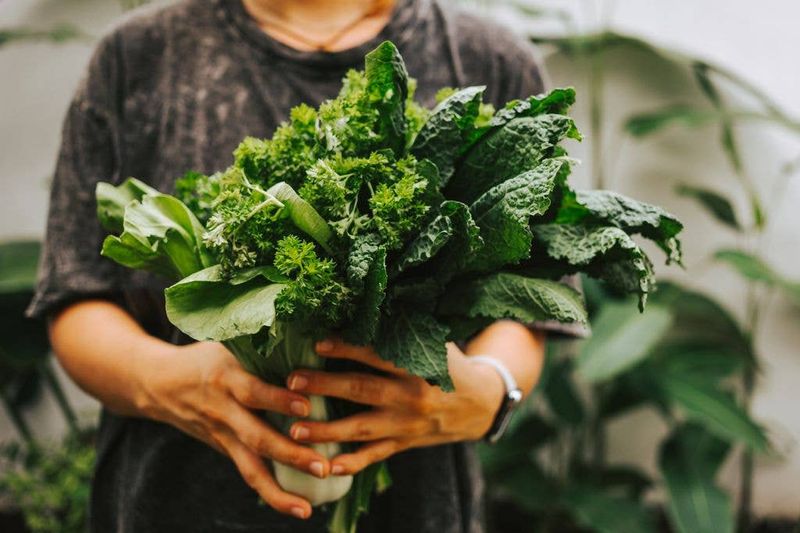
Spinach, kale, Swiss chard, and collard greens are nutritional workhorses. They are loaded with magnesium, folate, vitamin K, and calcium, nutrients that support bone density, heart health, and energy levels.
Bone loss can quietly begin in your forties, making calcium-rich foods more important than ever.
Toss a handful into smoothies, soups, or stir-fries for an easy upgrade. Frozen leafy greens work just as well as fresh and are often more affordable.
7. Eggs
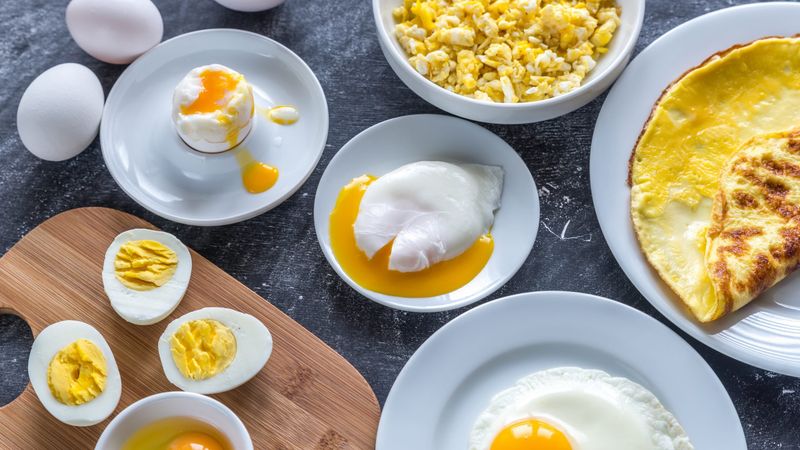
Eggs have had a complicated reputation over the years, but research has largely cleared their name. They are one of the most complete protein sources available, containing all essential amino acids along with choline, which supports brain function and memory.
That matters a lot in your forties.
Hard-boil a batch at the start of the week for grab-and-go snacks, or whip up a quick omelet loaded with vegetables for a nutrient-dense meal any time of day.
8. Beans and Lentils
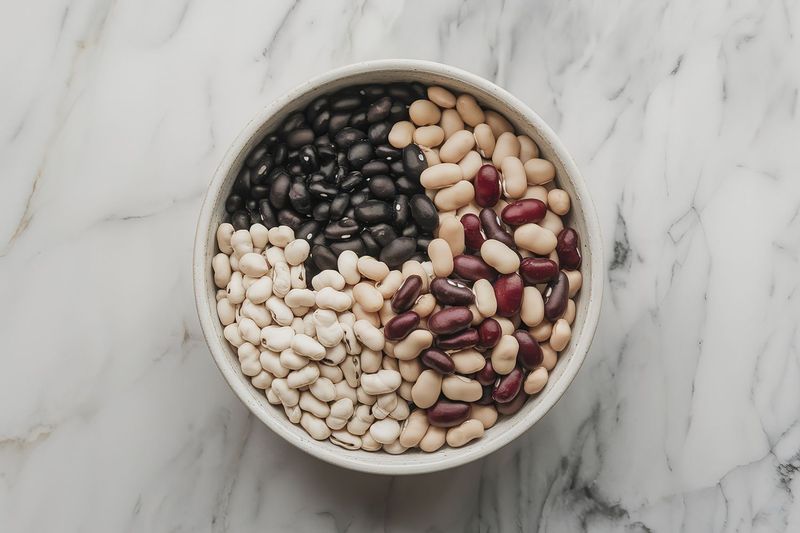
Humble and budget-friendly, beans and lentils are fiber champions. Fiber helps regulate blood sugar, supports digestive health, and keeps you feeling full longer, all of which become more relevant as metabolism naturally slows in your forties.
Canned versions are perfectly fine and save a lot of time. Add them to stews, salads, tacos, or soups.
Lentils cook quickly without soaking, making them one of the most practical ingredients you can keep on hand.
9. Avocado
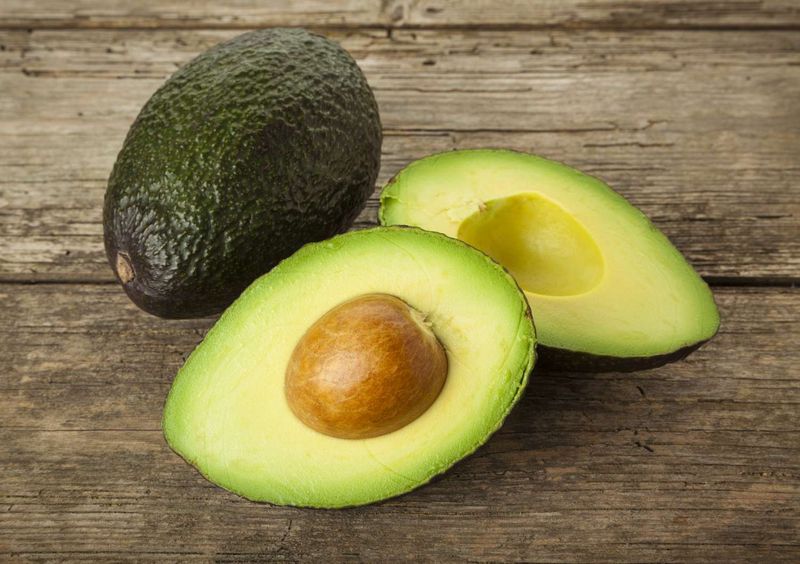
Avocados are packed with heart-healthy monounsaturated fats, potassium, and fiber. Potassium helps manage blood pressure, and getting enough of it in your diet is one of the simplest ways to support cardiovascular health as you age.
Spread it on toast, blend it into a smoothie, or slice it over a grain bowl. Avocados also contain lutein, which supports eye health.
Keep a few on the counter and refrigerate once ripe to extend their life.
10. Nuts
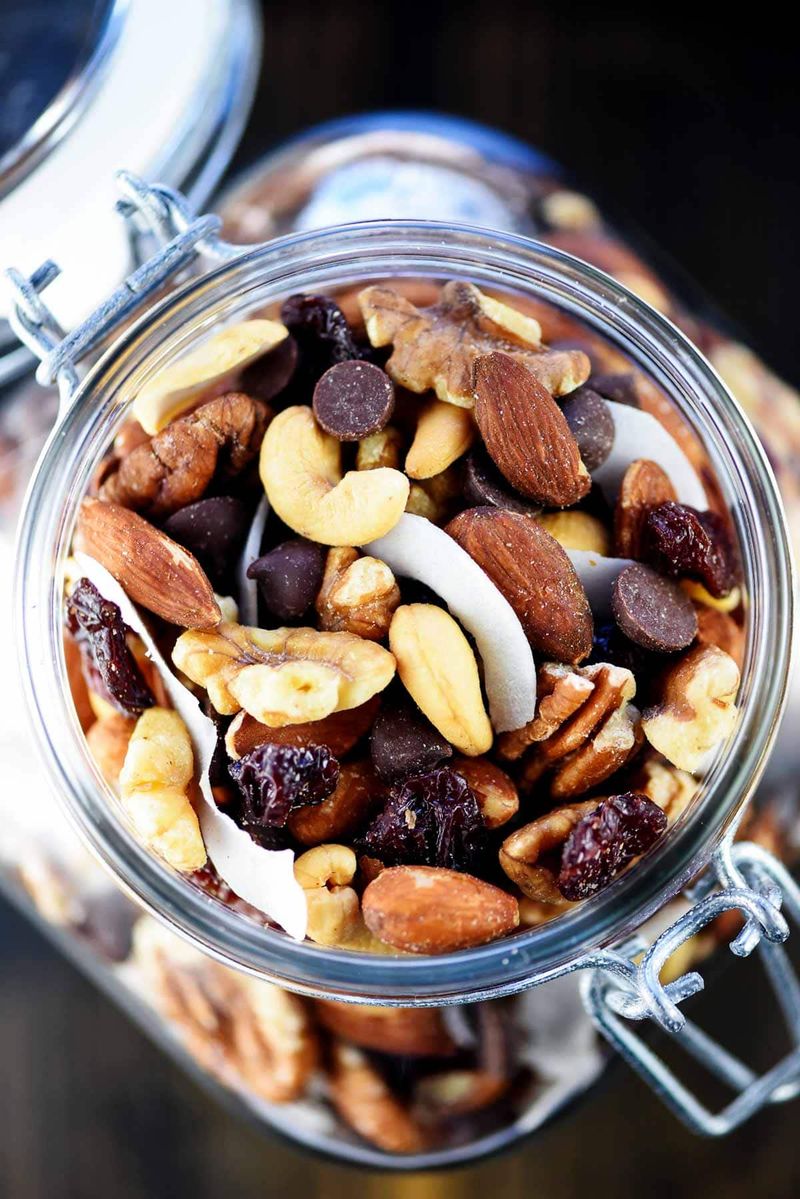
A small handful of nuts goes a long way. Walnuts are especially rich in omega-3 fatty acids, while almonds deliver vitamin E and magnesium.
Regular nut consumption has been linked to better heart health and reduced inflammation, two concerns that grow more pressing with age.
Keep a jar on your counter for easy snacking. Nuts also add satisfying crunch to salads, oatmeal, and stir-fries.
Just watch portion sizes since they are calorie-dense.
11. Oats
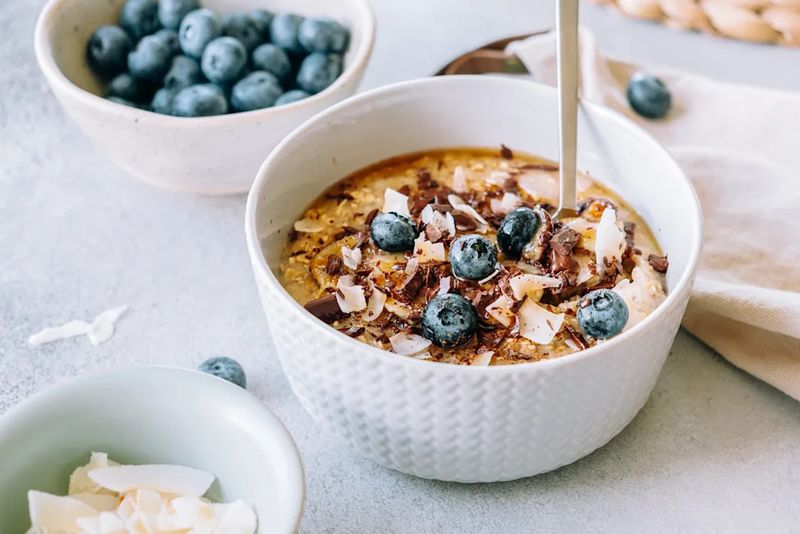
Oats are one of the most satisfying breakfast ingredients you can keep in your pantry. They are rich in a soluble fiber called beta-glucan, which has been shown to lower LDL cholesterol levels.
Keeping cholesterol in a healthy range becomes a bigger priority once you reach your forties.
Steel-cut oats have a lower glycemic index than instant varieties, meaning they digest more slowly and keep blood sugar steadier. Top them with berries and nuts for a balanced, energizing start.
12. Berries
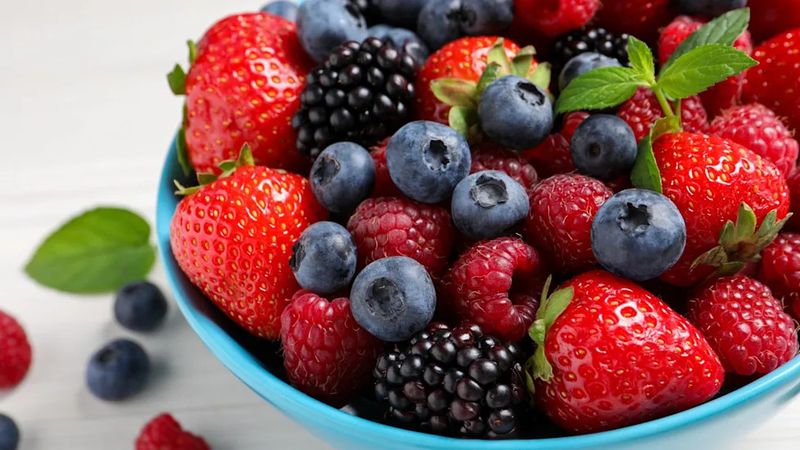
Blueberries, raspberries, strawberries, and blackberries are some of the most antioxidant-rich foods you can eat. Antioxidants help protect cells from damage caused by free radicals, which is essentially everyday aging at the cellular level.
Eating berries regularly is one of the tastiest ways to fight that process.
Frozen berries are just as nutritious as fresh and far more affordable year-round. Blend them into smoothies, stir them into yogurt, or eat them straight from the bowl.
13. Ginger
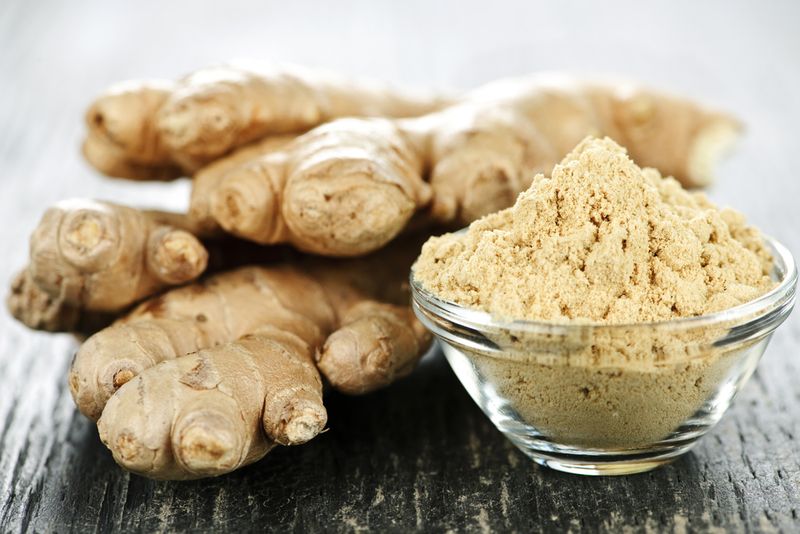
Sharp, warming, and deeply aromatic, ginger is a spice that earns its place in any well-stocked kitchen. It has well-documented anti-nausea properties and also works as a natural anti-inflammatory agent, which can help with the joint discomfort that sometimes creeps in during your forties.
Fresh ginger can be grated into stir-fries, steeped into tea, or blended into smoothies. Ground ginger works great in baked goods and soups.
Keep both forms on hand for maximum flexibility.
14. Sweet Potatoes
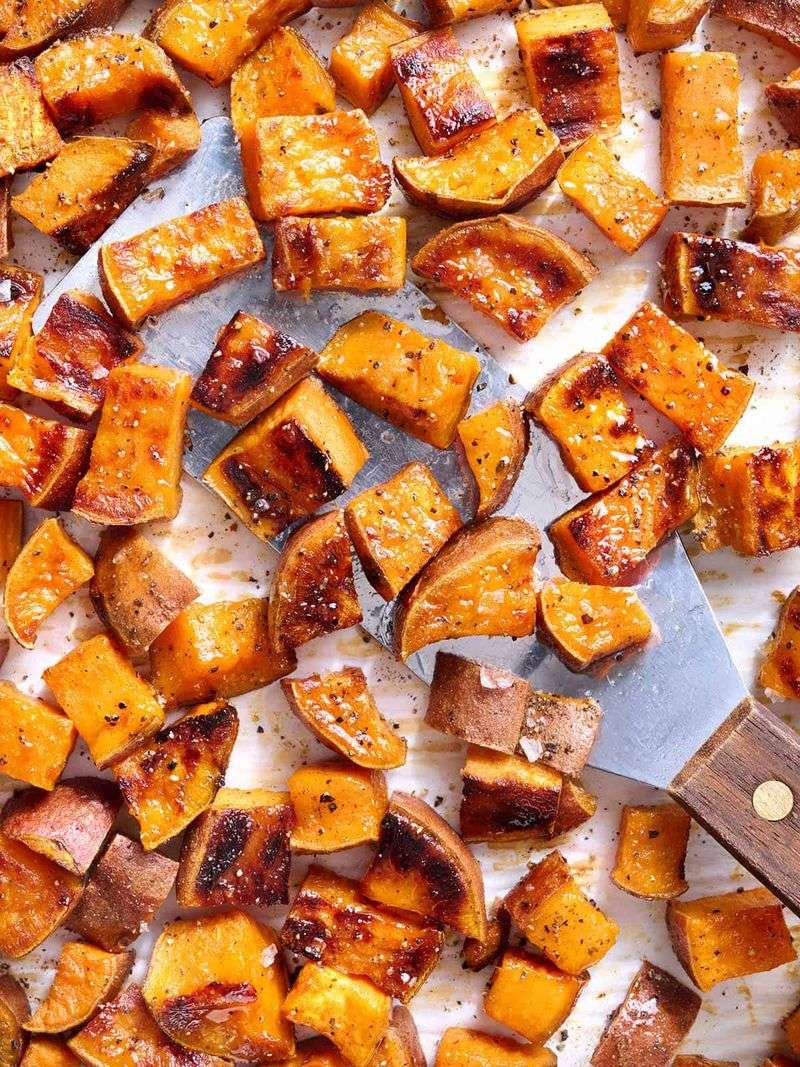
Sweet potatoes are one of those feel-good foods that also happen to be incredibly nutritious. They are loaded with beta-carotene, which converts to vitamin A in the body and supports eye health and immune function.
They also provide a steady source of complex carbohydrates that fuel energy without spiking blood sugar.
Roast them whole for an easy weeknight side, mash them with a little olive oil, or cube them into soups. They store well and are very affordable.
15. Apple Cider Vinegar
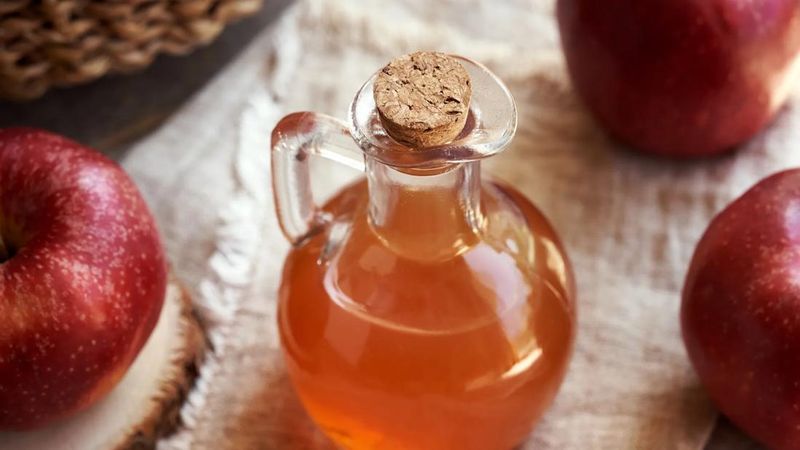
Apple cider vinegar has been a kitchen staple for centuries, and it is earning renewed attention for good reason. Research suggests it may help improve insulin sensitivity and support healthy blood sugar levels after meals, which matters more as metabolic changes occur in your forties.
Use it in salad dressings, marinades, or diluted in a glass of water before meals. Look for raw, unfiltered varieties that contain the mother, which holds most of the beneficial compounds.
16. Cinnamon
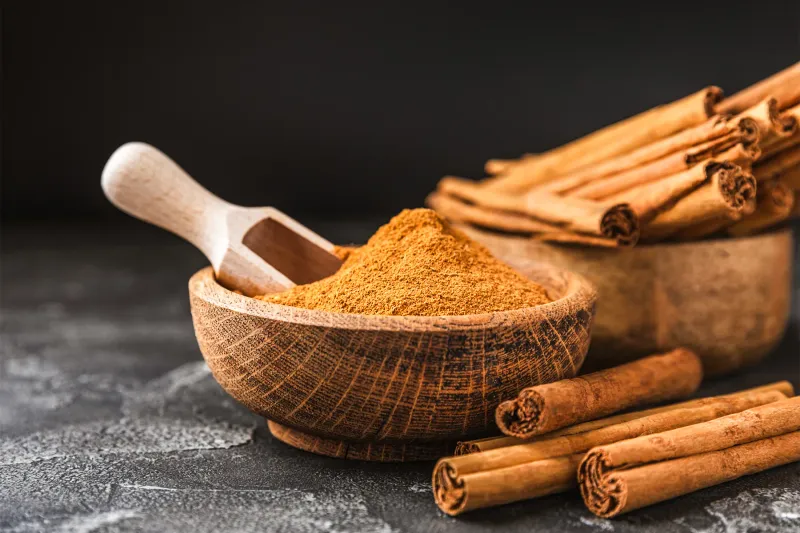
Cinnamon does more than make your kitchen smell amazing. Studies suggest it can help improve insulin sensitivity and lower fasting blood sugar levels.
For people in their forties, when the risk of type 2 diabetes begins to rise, adding cinnamon regularly to your diet is a simple, flavorful step.
Sprinkle it into oatmeal, coffee, smoothies, or baked goods. Ceylon cinnamon is considered the safer option for daily use compared to the more common Cassia variety.
17. Chia Seeds
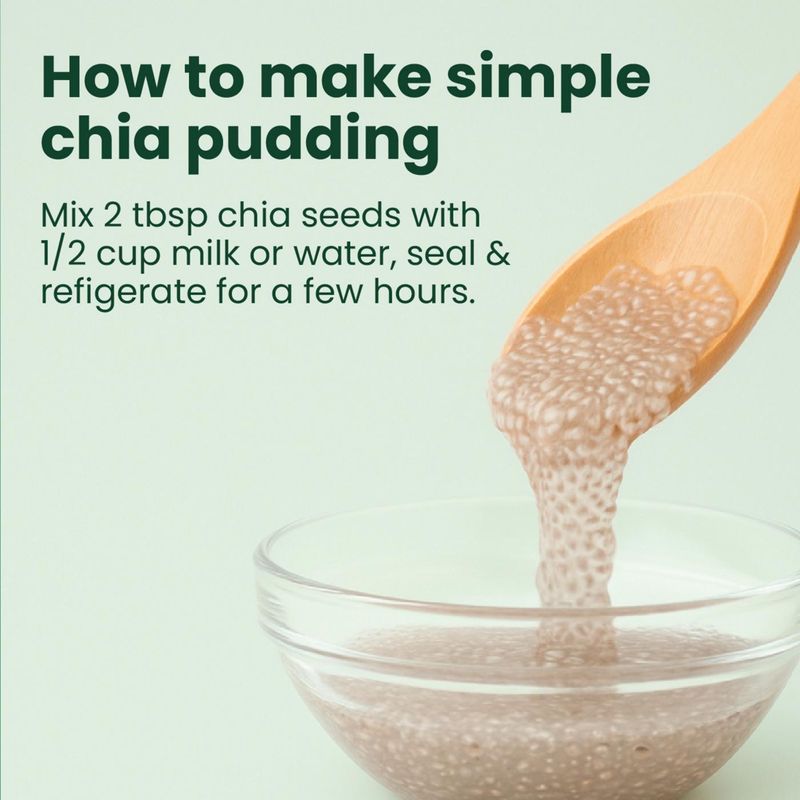
Tiny but mighty, chia seeds pack an impressive nutritional punch. Just two tablespoons provide a solid dose of omega-3 fatty acids, fiber, protein, and calcium.
For people in their forties who are watching bone health and cardiovascular wellness, that combination is hard to beat.
Stir them into yogurt, blend them into smoothies, or soak them overnight in almond milk for a simple chia pudding. They have almost no flavor, so they blend seamlessly into almost any dish.
18. Bone Broth
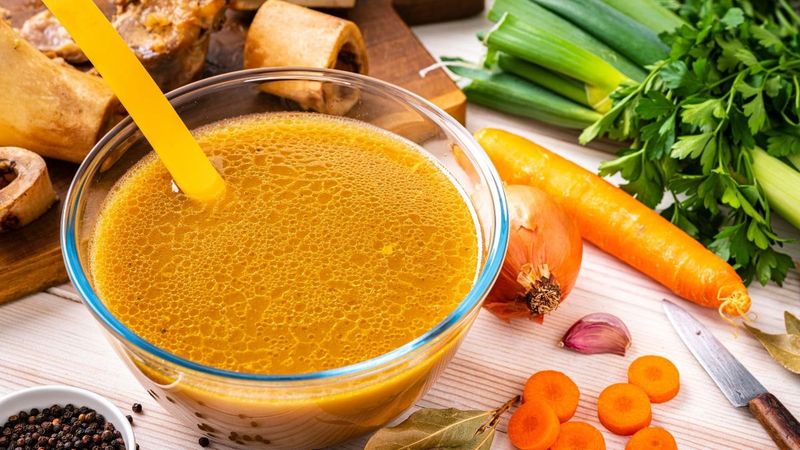
Bone broth has had a real moment in recent years, and the hype is not entirely without merit. It contains collagen, gelatin, and amino acids like glycine and proline, which support joint health, gut lining integrity, and skin elasticity.
All three of those things tend to need more support in your forties.
Sip it warm like tea, use it as a base for soups and grains, or add it to sauces for extra depth of flavor and nutrition.
19. Flaxseeds
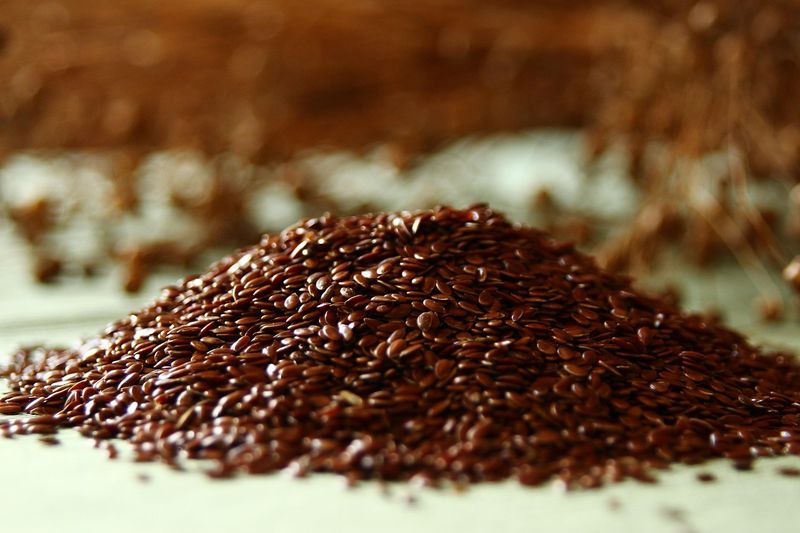
Flaxseeds are one of the richest plant-based sources of omega-3 fatty acids and lignans, compounds that may help balance hormones. For women moving through perimenopause in their forties, that hormonal support can be genuinely helpful.
Men benefit from the heart-protective omega-3s as well.
Ground flaxseeds are easier for your body to absorb than whole ones. Add a tablespoon to smoothies, oatmeal, or baked goods.
Store ground flax in the fridge to keep it fresh longer.
20. Dark Chocolate

Good news for chocolate lovers: dark chocolate with at least 70 percent cocoa is genuinely good for you in moderate amounts. It is rich in flavonoids, which support blood flow, lower blood pressure, and may even boost brain function.
That makes it one of the most enjoyable health-supporting foods on this list.
A square or two after dinner satisfies sweet cravings without derailing your nutrition. Look for brands with minimal added sugar and real cocoa as the first ingredient.
21. Green Tea
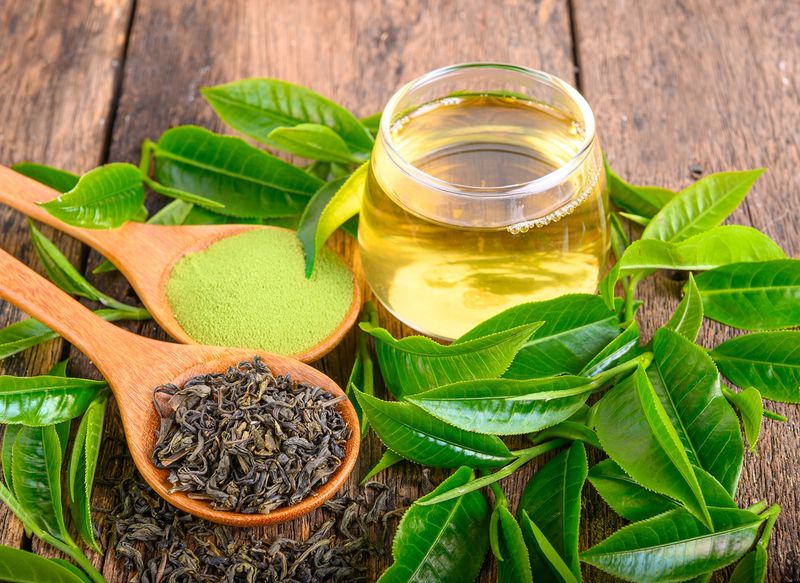
Green tea has been celebrated in Asian cultures for centuries, and for good reason. It contains a powerful antioxidant called EGCG, along with a modest amount of caffeine and an amino acid called L-theanine that promotes calm alertness without the jitteriness of coffee.
That combination is a real gift for busy people in their forties.
Brew a cup in the morning or afternoon as a gentler alternative to coffee. Matcha is a concentrated powdered form that delivers even more antioxidants per serving.
22. Quinoa
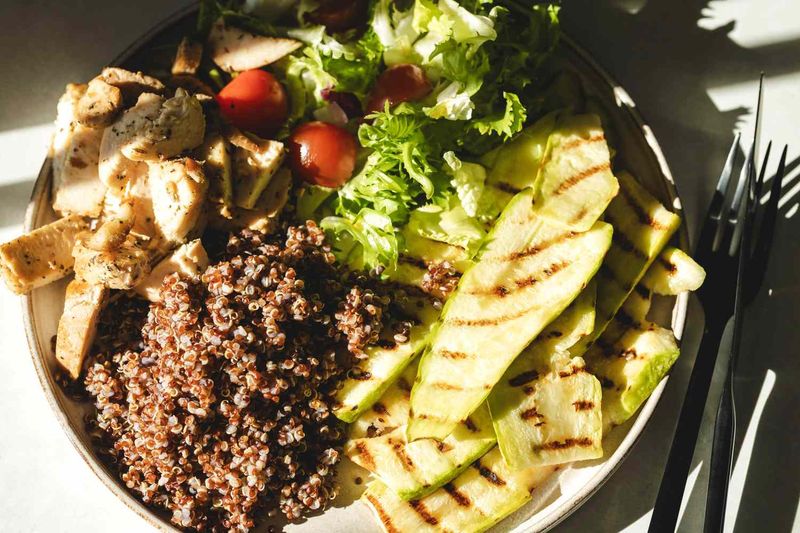
Quinoa is technically a seed, but it cooks and tastes like a grain, making it one of the most versatile bases for meals. What sets it apart from most grains is that it contains all nine essential amino acids, making it a complete protein.
That is rare in the plant world and valuable for maintaining muscle as you age.
Cook a big batch at the start of the week and use it in salads, bowls, and soups. It stores well in the fridge for up to five days.
23. Fermented Foods

Kimchi, sauerkraut, miso, and kefir all fall into the fermented food category, and they share one big benefit: they are loaded with live beneficial bacteria that support a healthy gut microbiome. Research increasingly links gut health to everything from mood and immunity to metabolism and inflammation control.
Add a spoonful of sauerkraut to a grain bowl, stir miso into soup broth, or enjoy kefir as a tangy drink. Small, consistent servings work better than large occasional ones.