
Some movies do more than entertain you. They crawl into your brain and make you question the world around you.
Dystopian films imagine dark, broken futures where governments control everything, technology goes wrong, or humanity simply gives up. The 20 films on this list are the ones that stick with you long after the credits roll.
1. Metropolis (1927)
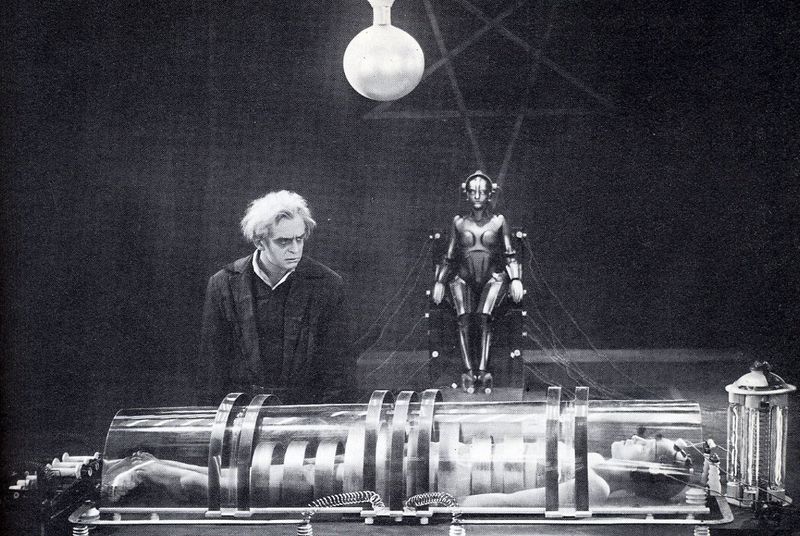
Back in 1927, director Fritz Lang imagined a future so terrifying that audiences had never seen anything like it. Metropolis splits society into two worlds: the wealthy elite living above ground in luxury, and exhausted workers toiling below in dangerous machines.
The film invented visual ideas that sci-fi movies still copy today. Class struggle, corporate greed, and rebellion are all packed into this silent masterpiece.
Watching it now still feels shockingly relevant to modern life.
2. Blade Runner (1982)
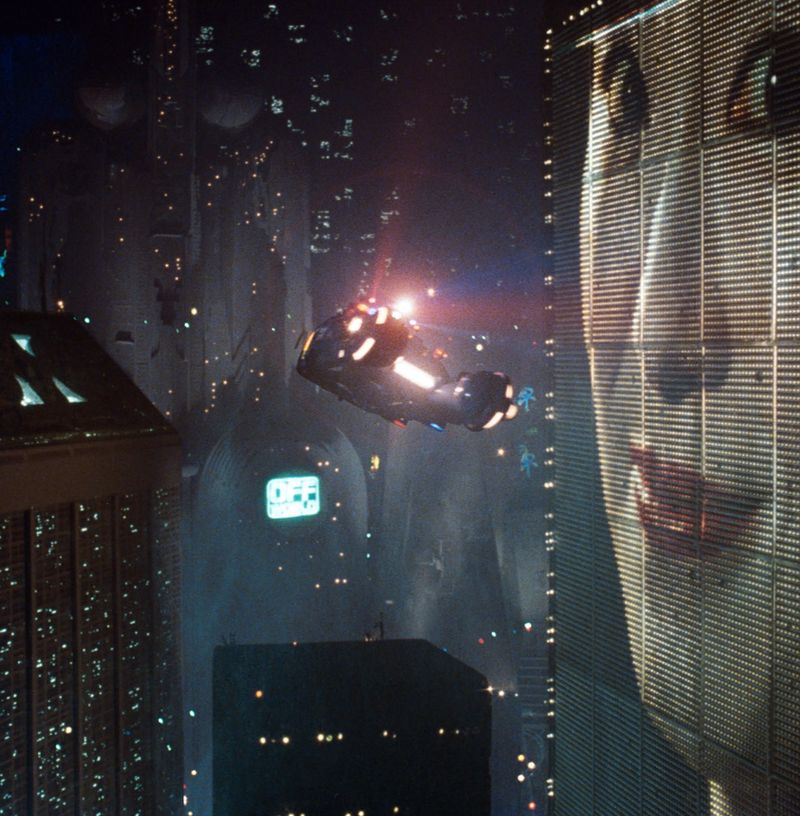
Rain never stops falling in the Los Angeles of 2019, and that gloomy atmosphere perfectly matches the film’s big question: what does it mean to be human? Blade Runner follows a detective hunting down androids called replicants who are nearly indistinguishable from real people.
Ridley Scott built an entire visual language for science fiction with this film. The cyberpunk look, the moral confusion, and the haunting ending have influenced hundreds of movies since.
Few films carry this much emotional weight.
3. Blade Runner 2049 (2017)
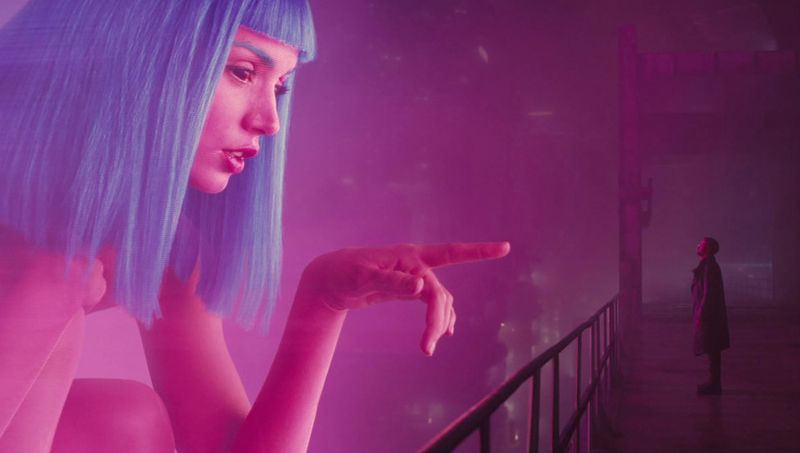
Thirty-five years after the original, this sequel somehow matched its depth and surpassed its visual beauty. Officer K, a new blade runner played by Ryan Gosling, uncovers a buried secret that could reshape what remains of society.
Director Denis Villeneuve treats every frame like a painting. Memory, identity, and what makes a life meaningful are explored with rare patience and intelligence.
This is one of those films that rewards a second and even third viewing with new details every time.
4. 1984 (1984)
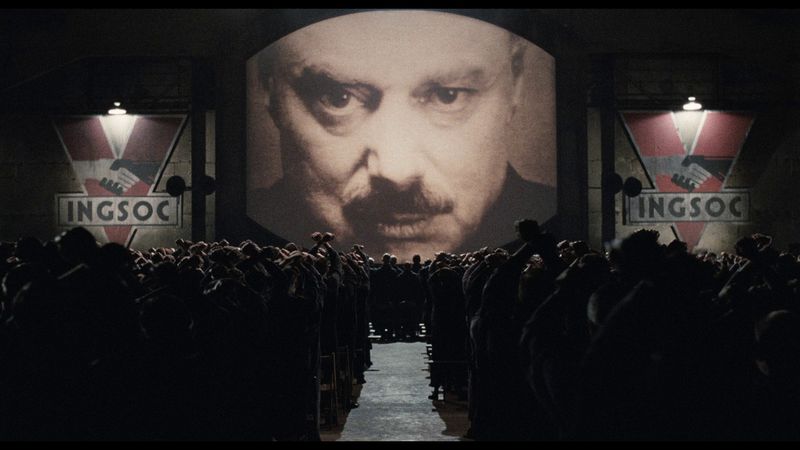
George Orwell wrote his famous novel as a warning, and this film adaptation delivers that warning with cold, suffocating dread. Winston Smith lives in a world where the government monitors every thought, rewrites history, and punishes anyone who dares to think differently.
John Hurt gives a heartbreaking performance as a man slowly crushed by a system designed to destroy individuality. The phrase “Big Brother is watching” comes from this story.
Watching the film today, the parallels to modern surveillance culture are impossible to ignore.
5. A Clockwork Orange (1971)
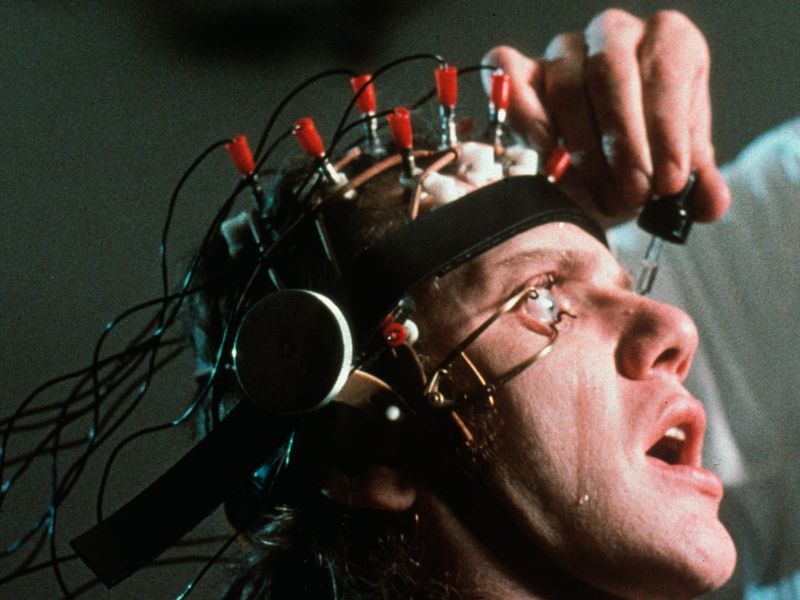
Stanley Kubrick made a film so disturbing and provocative that he personally requested it be pulled from UK theaters for nearly 30 years. Alex DeLarge is a violent teenager who gets captured by the state and subjected to a brutal psychological treatment meant to make him incapable of violence.
The real question the film asks is unsettling: is a person who cannot choose to do wrong still truly a person? Free will, punishment, and government control collide in ways that still spark fierce debate among film students and philosophers alike.
6. Children of Men (2006)
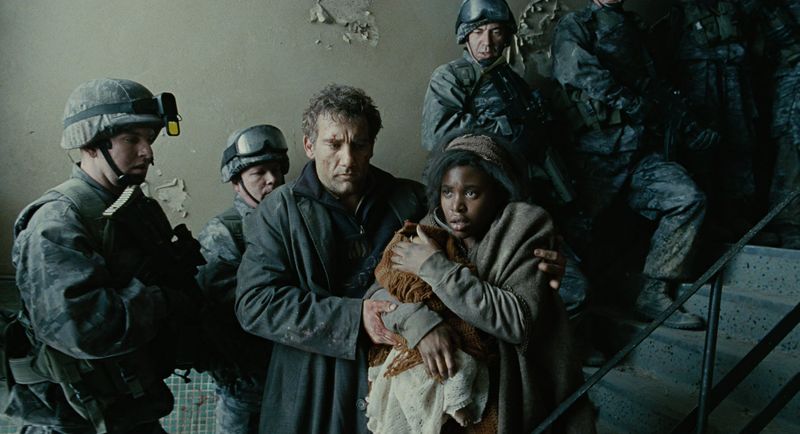
Imagine waking up in a world where no baby has been born for 18 years. Alfonso Cuaron built that terrifying premise into one of the most viscerally realistic dystopian films ever made.
Clive Owen plays a jaded man who reluctantly becomes the protector of the world’s only pregnant woman.
The film’s long, uncut action sequences make you feel like you are actually there. Refugees, martial law, and a crumbling Britain serve as the backdrop.
Underneath all the chaos, a fragile thread of hope runs through every scene.
7. Gattaca (1997)
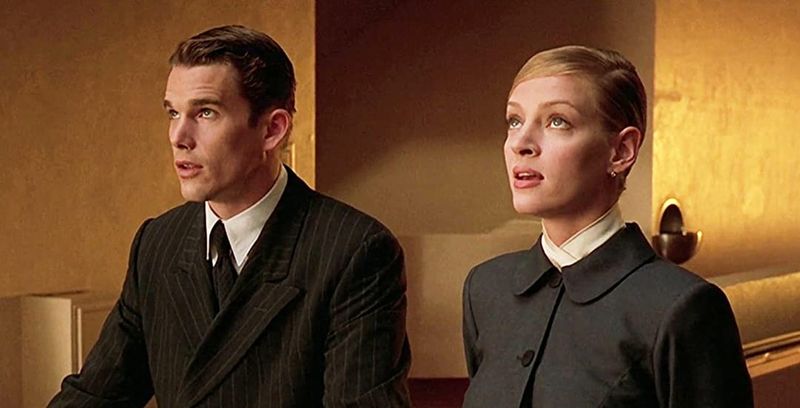
Your entire future decided by a drop of blood at birth. That is the chilling premise of Gattaca, a film set in a society where genetic testing determines your job, your relationships, and your worth as a human being.
Ethan Hawke plays a man born with imperfect genes who secretly takes on another person’s genetic identity to fulfill his dream of going to space. The film is elegant and quiet, but its anger at discrimination and elitism burns steadily beneath the surface.
It still feels uncomfortably plausible.
8. The Matrix (1999)
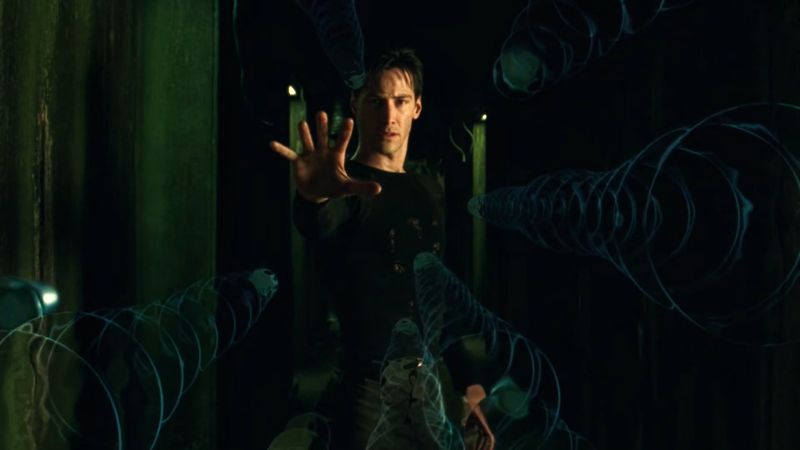
What if everything you see, touch, and feel is a computer program designed to keep you obedient? The Wachowskis dropped that question on audiences in 1999 and permanently changed how people think about reality.
Neo, a mild-mannered programmer, discovers the world is a simulated prison run by machines.
Beyond its groundbreaking special effects, the film is packed with philosophy borrowed from Plato, Buddhism, and cyberpunk literature. Choosing between the red pill and the blue pill became a cultural shorthand for seeking uncomfortable truth versus comfortable ignorance.
9. V for Vendetta (2006)
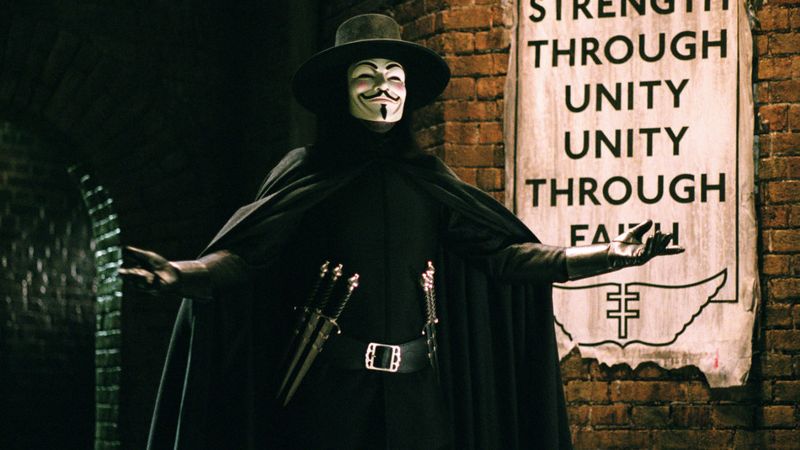
Remember, remember the fifth of November. That line became a rallying cry for real-world protest movements after this film turned the Guy Fawkes mask into a global symbol of resistance.
Set in a fascist future Britain, a mysterious masked revolutionary known only as V fights to wake a sleeping population.
Natalie Portman plays Evey, an ordinary woman drawn into the rebellion. The film tackles censorship, fear-based governance, and the power of ideas with genuine passion.
It raises a question worth sitting with: when does rebellion become necessary?
10. Brazil (1985)
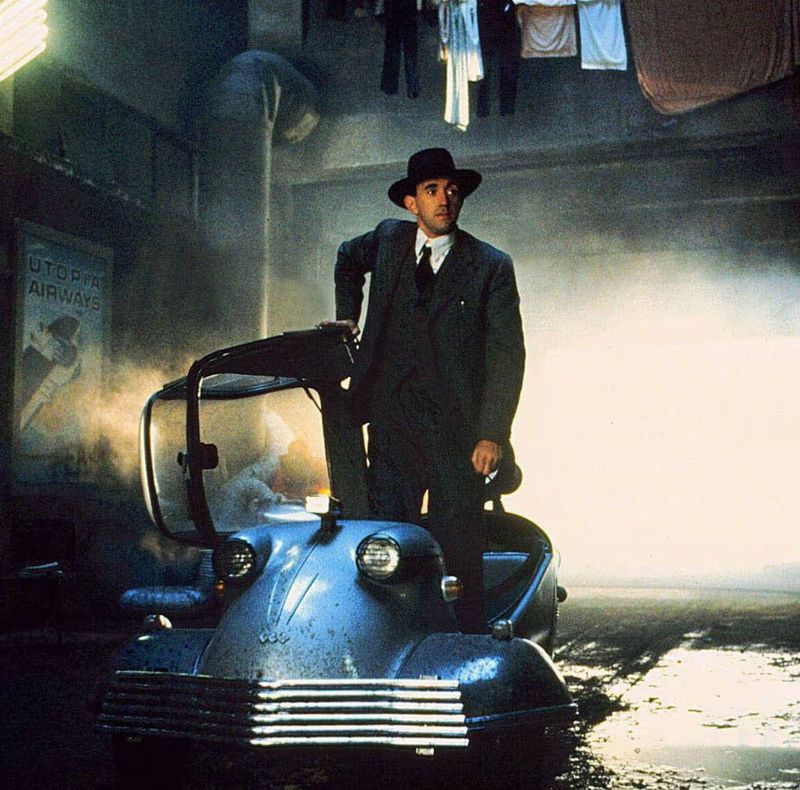
Terry Gilliam built a dystopia out of paperwork, and somehow that is scarier than any robot uprising. Brazil imagines a retro-futuristic society so buried in red tape and bureaucratic nonsense that people literally die waiting for the right forms to be processed.
Sam Lowry is a daydreaming government clerk who gets tangled in a dangerous case of mistaken identity. The film is darkly funny, visually bizarre, and deeply pessimistic about modern institutions.
Its satirical jabs at consumerism and government inefficiency feel sharper now than ever.
11. Snowpiercer (2013)
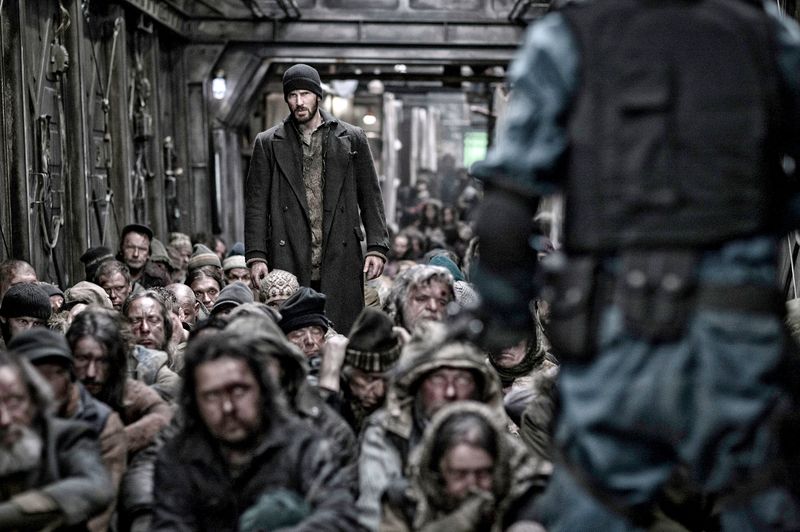
Picture all of humanity crammed onto a single train circling a frozen, dead Earth. The rich sit in luxury at the front.
The poor are packed like cargo in the back. Bong Joon-ho used that setup to create one of the sharpest class struggle films in recent memory.
Chris Evans leads a rebellion car by car toward the engine, and each section of the train reveals a new layer of how the elite maintain control. The ending is brutal and thought-provoking.
Snowpiercer never lets you get comfortable with easy answers.
12. WALL-E (2008)
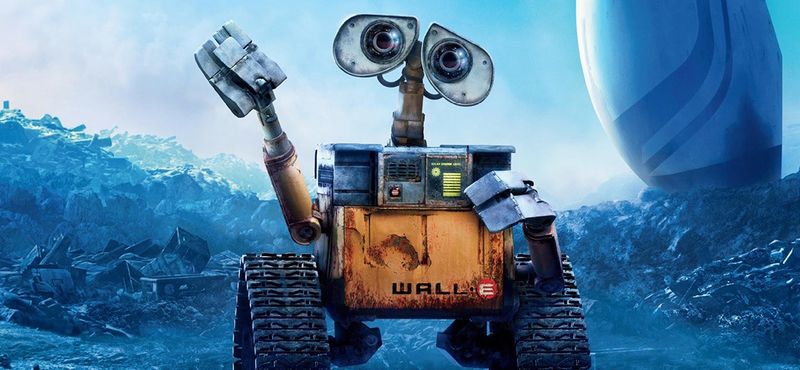
Pixar told one of the most powerful environmental stories ever made without using many words at all. WALL-E is a lonely little trash-compacting robot left behind on an Earth so buried in garbage that all humans fled to a cruise ship in space centuries ago.
When a sleek robot named EVE arrives searching for signs of life, WALL-E falls head over wheels in love. The film is adorable on the surface but genuinely alarming underneath.
Its warnings about overconsumption and environmental neglect land harder with every passing year.
13. Idiocracy (2006)
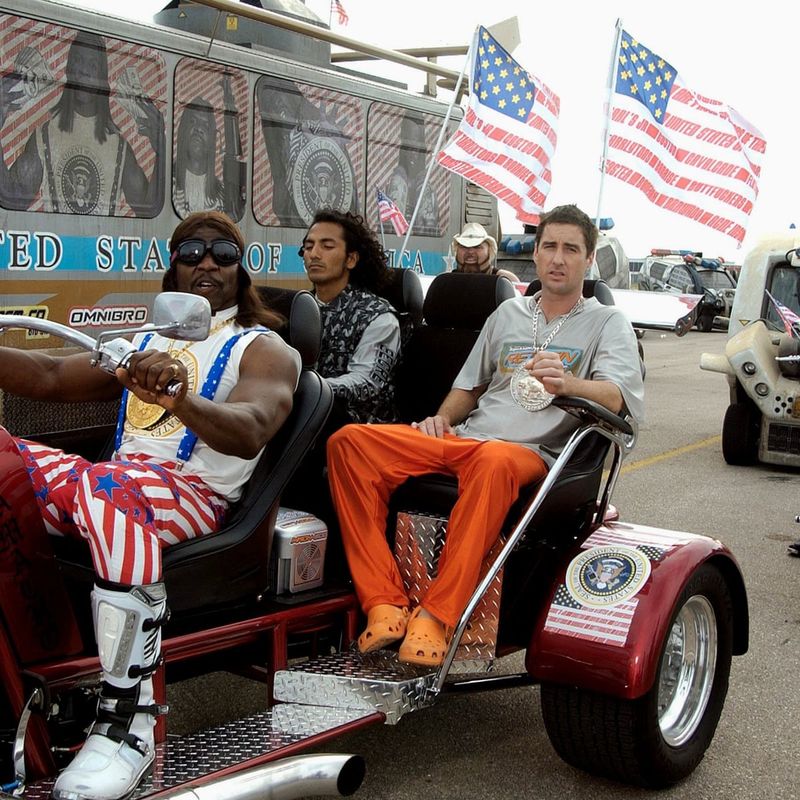
Mike Judge made a comedy in 2006 that people now watch with a growing sense of dread rather than pure laughter. An average Army librarian wakes up 500 years in the future to discover that centuries of anti-intellectual culture have left humanity barely functional.
Crops are watered with sports drinks. The most popular TV show is literally called Ow My Balls.
The president is a former wrestler and porn star. What started as absurdist comedy now reads like a documentary trailer, which is both hilarious and genuinely unsettling.
14. Mad Max: Fury Road (2015)
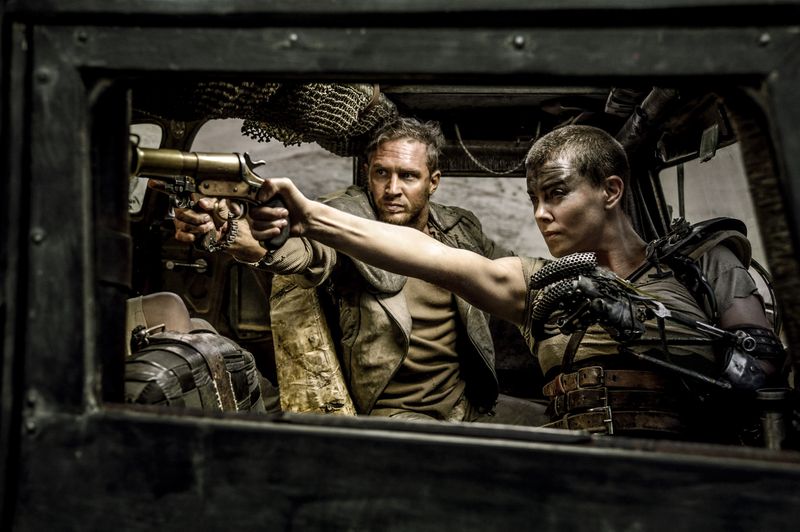
George Miller spent decades planning this film, and the result is arguably the greatest action movie ever made. Set in a waterless wasteland ruled by a tyrant who controls the last water supply, Fury Road is essentially a two-hour car chase that doubles as a feminist liberation story.
Charlize Theron’s Furiosa is one of cinema’s most compelling heroes. The film has almost no CGI, relying on real stunts and practical effects.
Every frame screams with energy and purpose. It is the rare blockbuster that earns its place on a list like this.
15. Soylent Green (1973)
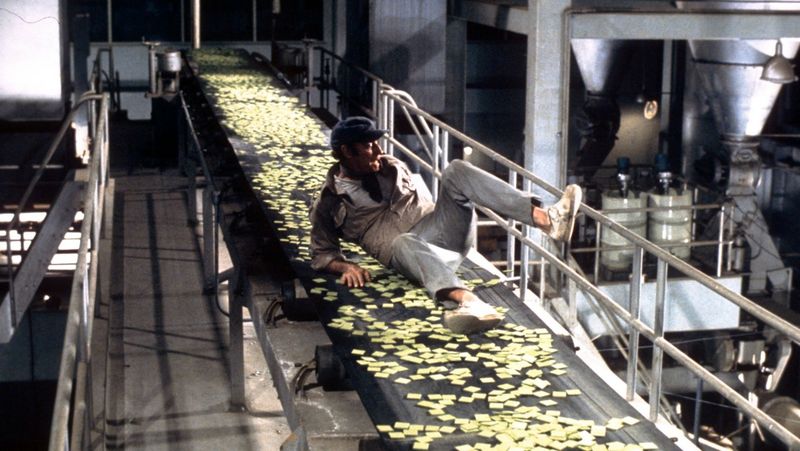
Even if you have never seen this film, you have probably heard its most famous line shouted in pop culture dozens of times. Set in a 2022 New York City so overpopulated and resource-depleted that most people survive on mysterious processed food wafers called Soylent Green.
Charlton Heston plays a detective uncovering the horrifying truth behind the wafers. The film was made in 1973 but predicted real concerns about overpopulation, food scarcity, and corporate deception with uncomfortable accuracy.
The shocking twist ending became one of cinema’s most quoted moments.
16. Fahrenheit 451 (1966)
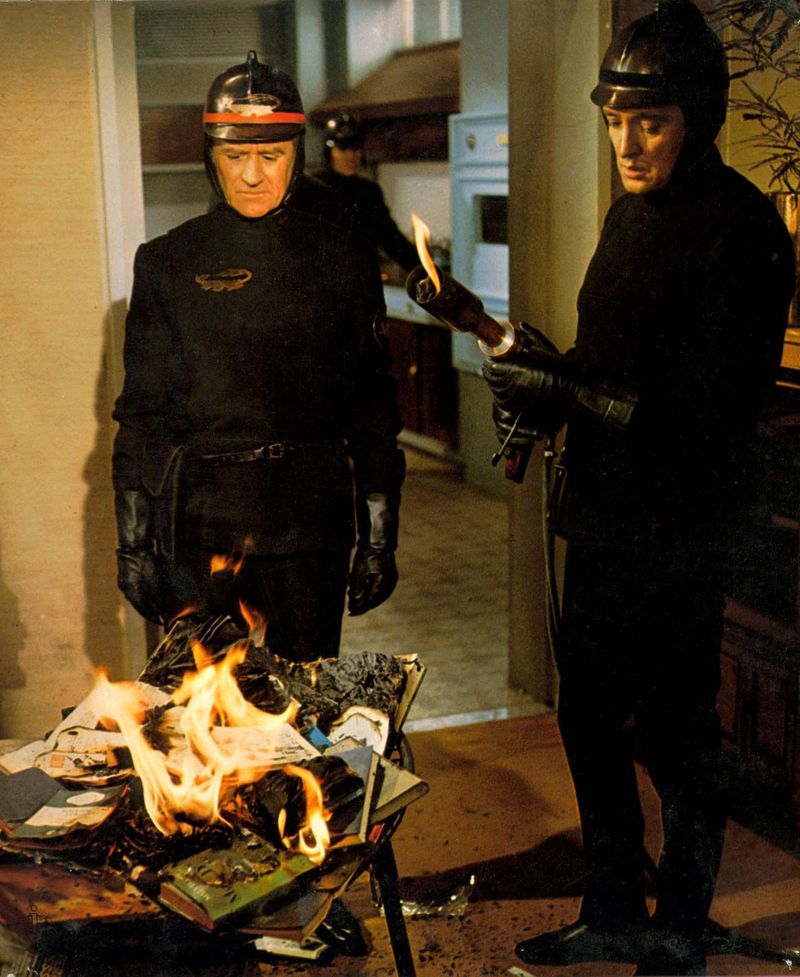
Ray Bradbury named his novel after the temperature at which paper catches fire, and Francois Truffaut turned that story into a haunting film about a world where owning a book is a crime. Firemen in this society do not put out fires.
They start them, burning any books they find.
Guy Montag is a fireman who begins secretly reading and cannot stop. The film is quieter and more melancholy than you might expect, which makes its defense of literature and free thought feel deeply sincere.
Book lovers feel this one in their bones.
17. RoboCop (1987)
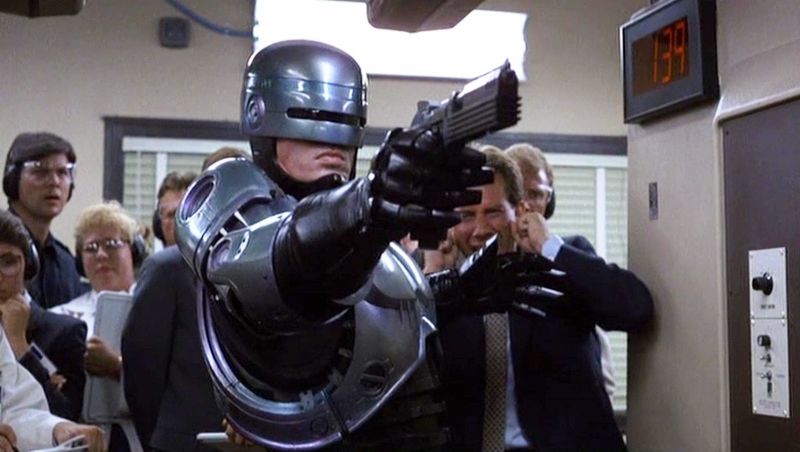
On the surface, RoboCop looks like a fun, violent action movie from the 1980s. Underneath, director Paul Verhoeven was making a sharp and often hilarious satire about corporate greed, privatized law enforcement, and a media culture that turns everything into entertainment.
A murdered cop is resurrected as a corporate-owned crime-fighting machine, but his human memories keep breaking through. The film skewers the idea of handing public safety over to profit-driven companies with a wit that most people missed on first viewing.
It aged remarkably well as a piece of social commentary.
18. District 9 (2009)
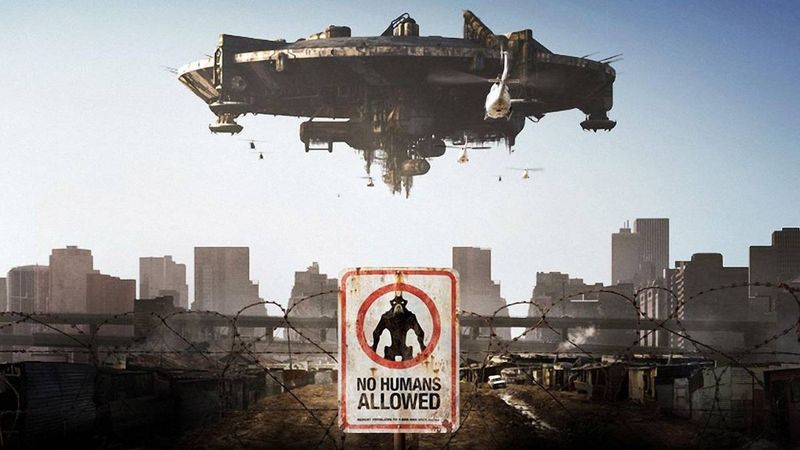
Neill Blomkamp shot this film in actual South African slums, and that decision gives District 9 a rawness that most sci-fi films never achieve. Alien refugees have been stranded on Earth for decades, forced to live in a squalid camp called District 9 while humans debate what to do with them.
The apartheid allegory is impossible to miss, and the film does not soften it. Sharlto Copley plays a bureaucrat whose transformation is both grotesque and genuinely moving.
Few genre films have delivered this level of political honesty wrapped inside an action-packed story.
19. Dark City (1998)
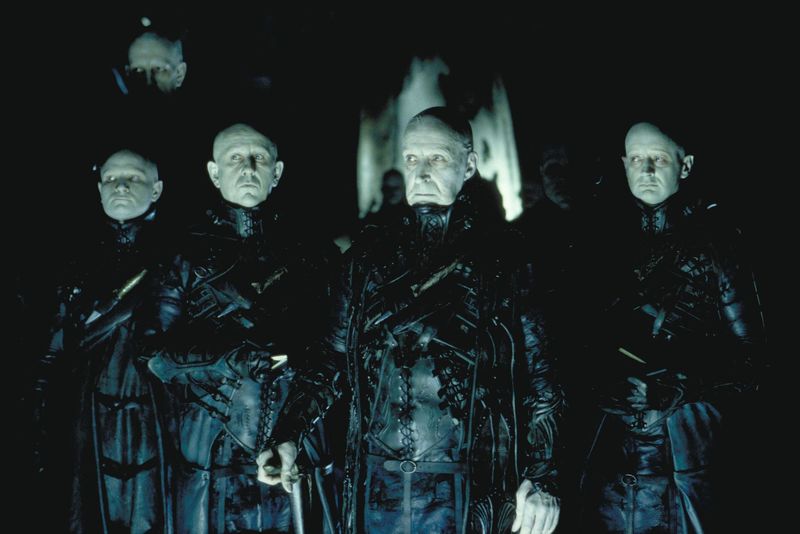
Alex Proyas created a world where the sun never rises, and nobody seems to find that strange. Dark City follows a man who wakes up with no memory in a city controlled by pale, mysterious beings who rearrange buildings and rewrite human memories every night while everyone sleeps.
The film explores identity and the question of whether our memories define who we truly are. Visually, it feels like someone mixed film noir with a nightmare.
Released a year before The Matrix, it tackled many of the same philosophical ideas and deserves far more recognition than it typically receives.
20. Logan’s Run (1976)
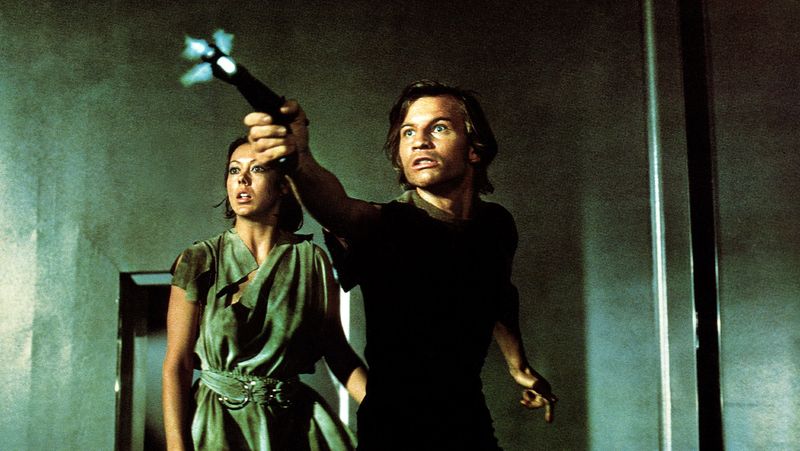
Imagine a perfect world with no war, no poverty, and no old people. Sounds appealing until you learn the secret: everyone is executed when they turn 30.
Logan’s Run presents a sealed utopian city where youth and pleasure are everything, and the concept of aging has been eliminated entirely.
Michael York plays a government enforcer who discovers the truth and makes a run for it. Made in 1976, the film taps into real anxieties about population control and the cult of youth.
Its candy-colored sets hide a genuinely disturbing premise that lingers long after watching.