
Most of us grab food from the fridge or pantry without a second thought. But some of the most common foods in your kitchen might actually carry hidden risks when eaten the wrong way or in large amounts.
From fruits to snacks to drinks, the danger is often in the details. Knowing what to watch out for can help you and your family make smarter, safer choices every day.
1. Raw Honey
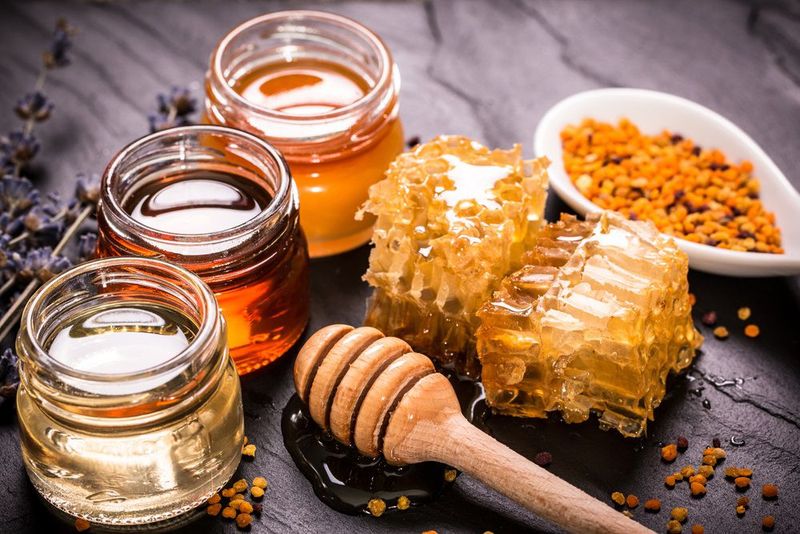
Raw honey sounds like the ultimate natural treat, but it carries a surprising risk for babies under 12 months. It can contain spores of a bacteria called Clostridium botulinum, which causes infant botulism, a serious illness.
Adults can handle these spores just fine, but a baby’s digestive system cannot.
Always use pasteurized honey for young children. For everyone else, raw honey is generally safe in moderate amounts, but buying from trusted sources still matters.
2. Tuna Fish
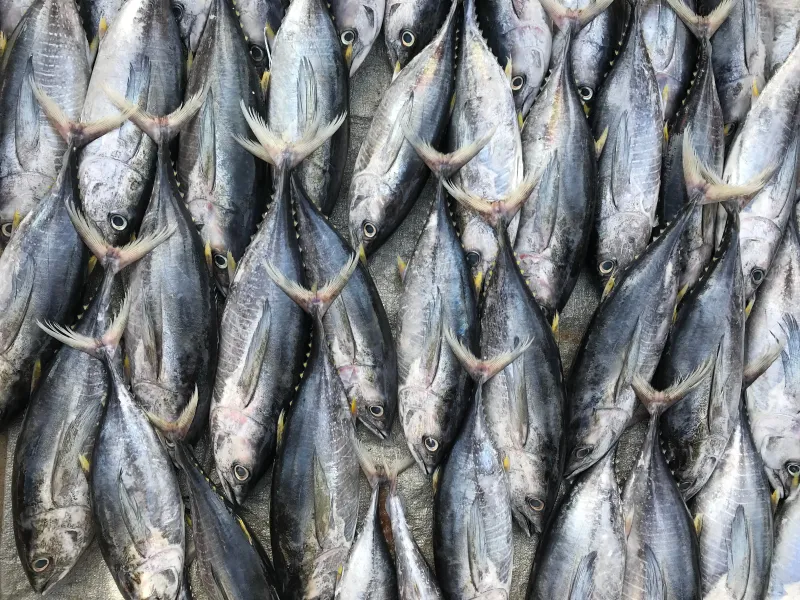
Tuna is packed with protein and omega-3 fatty acids, making it a popular lunchtime staple. The catch?
Larger tuna species like albacore contain high levels of mercury, a heavy metal that can affect brain development and nerve function over time.
Pregnant women, young children, and people who eat tuna daily are most at risk. Health experts suggest limiting tuna intake to two or three servings per week to stay on the safe side.
3. Nutmeg
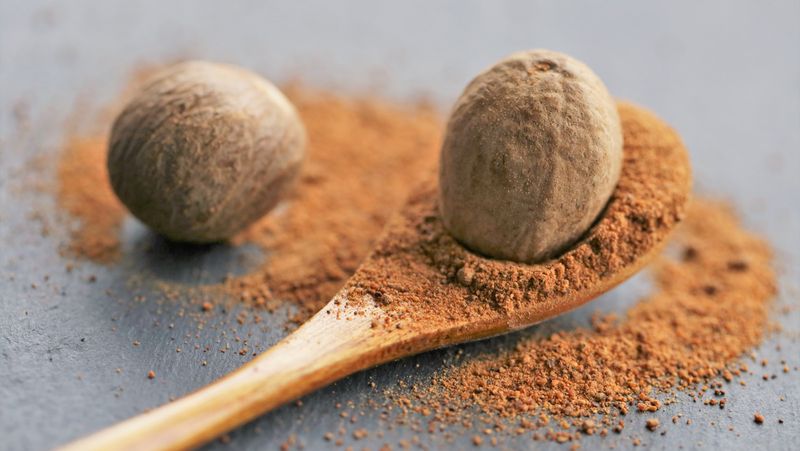
Sprinkled on eggnog or baked into holiday cookies, nutmeg seems completely harmless. Surprisingly, eating more than one to two teaspoons of nutmeg at once can cause hallucinations, nausea, dizziness, and even seizures.
The compound responsible is called myristicin, a natural chemical found in the spice.
Nutmeg poisoning is rare but real, and it has actually sent people to the emergency room. Stick to small pinches in recipes and you will be perfectly fine.
4. Almonds
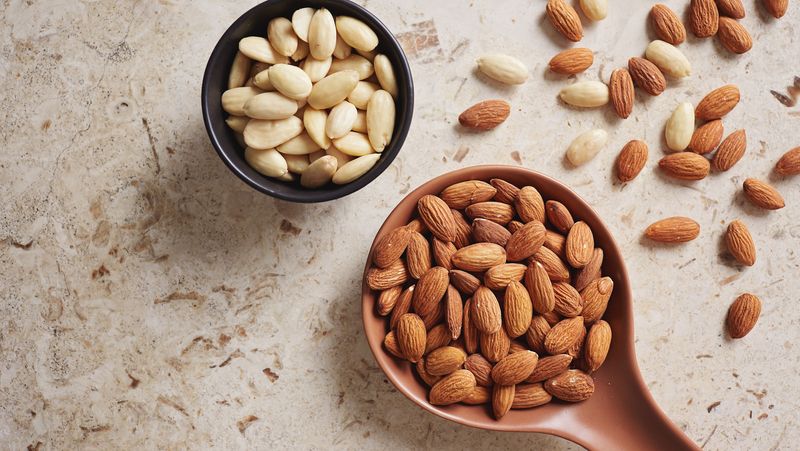
Here is something most people do not realize: there are two types of almonds, sweet and bitter. Bitter almonds naturally contain hydrogen cyanide, which is genuinely toxic to humans.
Eating just a handful of raw bitter almonds can be fatal for a child and dangerous for an adult.
The almonds sold in grocery stores are the sweet variety, which are safe. However, raw almonds in some countries may still pose a risk, so always know your source.
5. Potatoes

Potatoes are a household staple, but green or sprouted ones are quietly dangerous. When potatoes are exposed to light or begin to sprout, they produce solanine, a toxic compound that can cause nausea, headaches, and in large amounts, more serious neurological effects.
Cutting away the green parts does not always remove all the toxin. The safest move is to throw out any potato that looks very green or has large, well-developed sprouts growing from it.
6. Cherry Pits
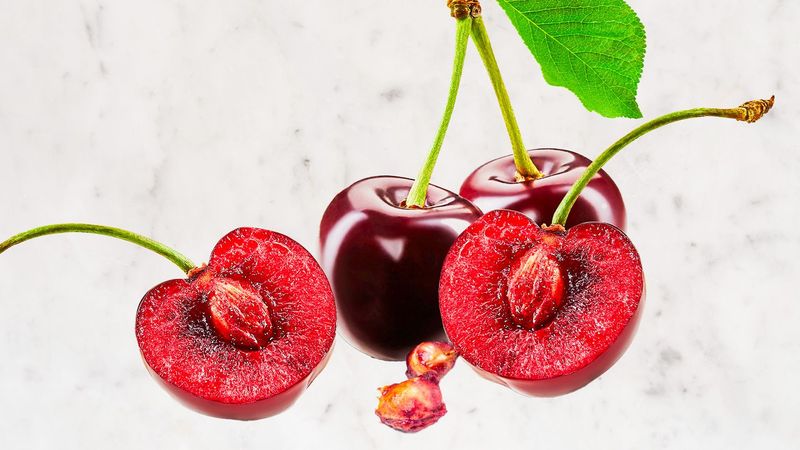
Cherries are sweet, refreshing, and full of antioxidants. Their pits, though, are a different story.
Cracked or chewed cherry pits release hydrogen cyanide, the same compound found in bitter almonds. Swallowing a whole pit is generally not dangerous since the hard shell keeps the toxin locked inside.
The real risk comes from biting into or crushing the pit. Children are especially vulnerable, so always remove pits before serving cherries to young kids.
7. Elderberries
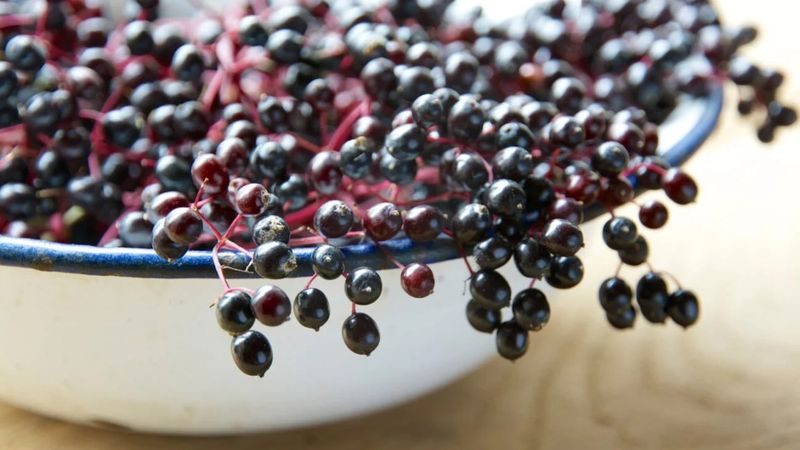
Elderberry syrup has become wildly popular as a cold and flu remedy. Raw elderberries, however, are a very different matter.
The unripe berries, leaves, and stems of the elderberry plant all contain cyanogenic glycosides, which can cause vomiting and severe nausea when consumed raw.
Cooking elderberries breaks down these compounds and makes them safe to eat. Always use properly prepared elderberry products and never snack on raw berries picked straight off the bush.
8. Kidney Beans
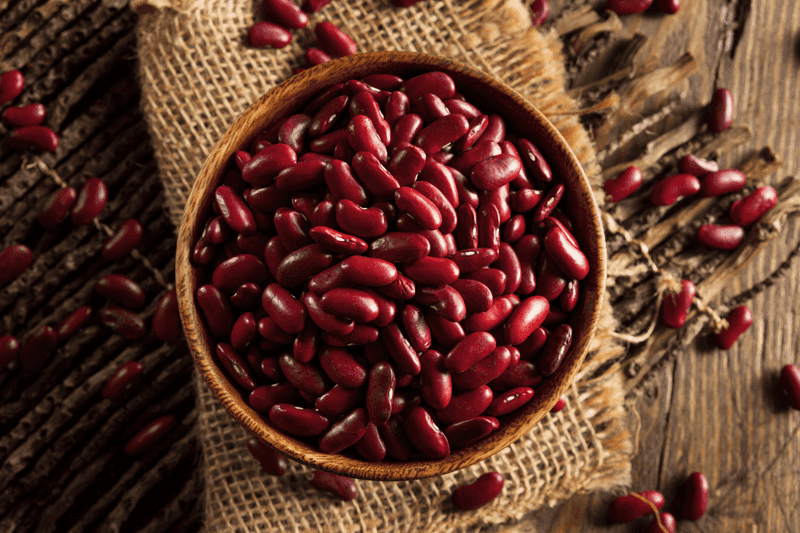
Raw kidney beans contain one of the highest concentrations of phytohaemagglutinin, a natural toxin also called PHA, of any food. Eating just four or five raw kidney beans can trigger intense vomiting and diarrhea within a few hours.
Slow cookers set on low heat can actually make the problem worse, not better.
Always boil kidney beans vigorously for at least ten minutes before eating or adding them to recipes. Canned beans are already cooked and are perfectly safe straight from the can.
9. Grapefruit
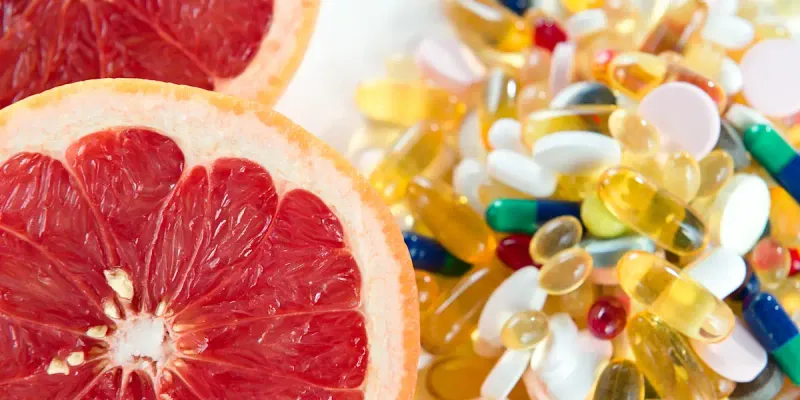
Grapefruit is loaded with vitamin C and makes a refreshing breakfast choice. What most people do not know is that it interferes with a surprisingly long list of prescription medications.
It blocks an enzyme in your gut that normally breaks down certain drugs, causing medication levels in your blood to spike dangerously high.
Statins, blood pressure medications, and some antihistamines are among the affected drugs. If you take any prescription medicine regularly, check with your doctor before adding grapefruit to your diet.
10. Rhubarb Leaves
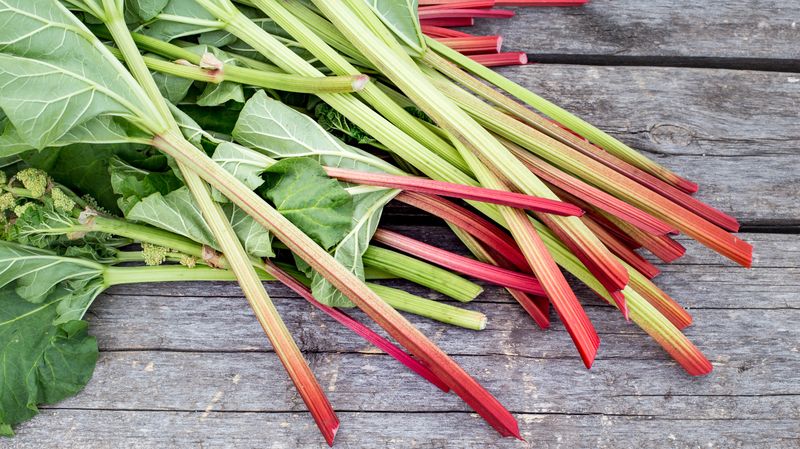
Rhubarb stalks are perfectly fine for pies and jams, but the broad green leaves attached to them are toxic. They contain very high levels of oxalic acid, which can cause kidney failure, difficulty breathing, and in extreme cases, death.
Many home gardeners grow rhubarb without realizing the leaves are dangerous.
Always cut the leaves off immediately and dispose of them safely. Never compost rhubarb leaves in a pile that pets or children can access, either.
11. Canned Tomatoes
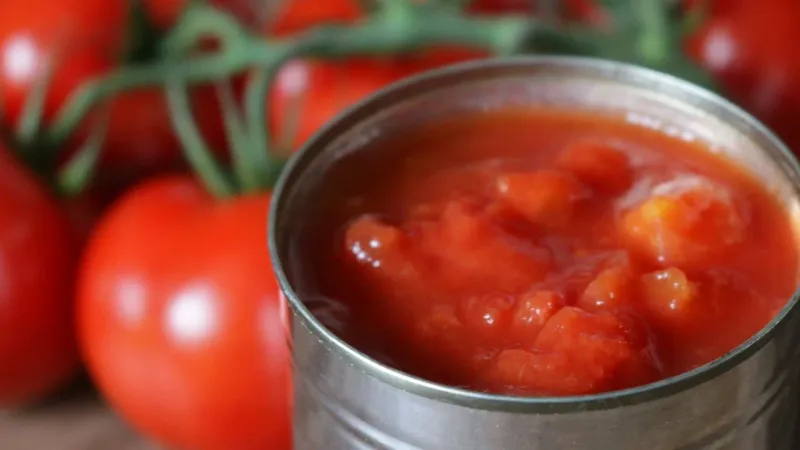
Tomatoes are a kitchen essential, and canned versions are incredibly convenient. The concern here is not the tomatoes themselves but the can lining.
Many cans are coated with a chemical called BPA (bisphenol A), and the high acidity of tomatoes causes more BPA to leach into the food than almost any other canned product.
BPA has been linked to hormone disruption and other health concerns. Choosing BPA-free canned tomatoes or switching to glass jars when possible is a simple, smart swap.
12. Microwave Popcorn

Movie night would not be the same without popcorn, but the microwave variety has a few hidden issues. The bags are often lined with a chemical called PFOA, and when heated, they can release harmful compounds into the popcorn.
Some artificial butter flavorings also contain diacetyl, a chemical linked to a serious lung condition nicknamed popcorn lung.
Air-popped popcorn with real butter is a much safer and just as delicious alternative. Reading ingredient labels carefully can help you avoid the riskiest products.
13. Farmed Salmon
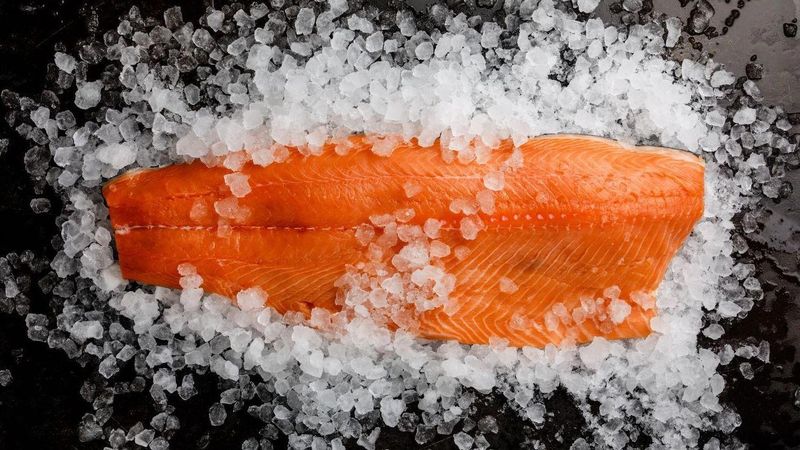
Salmon is celebrated as one of the healthiest fish you can eat, but farmed salmon tells a more complicated story. Studies have found that farmed salmon contains significantly higher levels of PCBs (polychlorinated biphenyls) and other contaminants compared to wild-caught varieties.
These pollutants accumulate in the fatty flesh of farm-raised fish.
PCBs are linked to cancer and immune system problems with long-term exposure. Wild-caught Alaskan salmon is generally the cleaner, safer option when it is available and within budget.
14. Soy Sauce
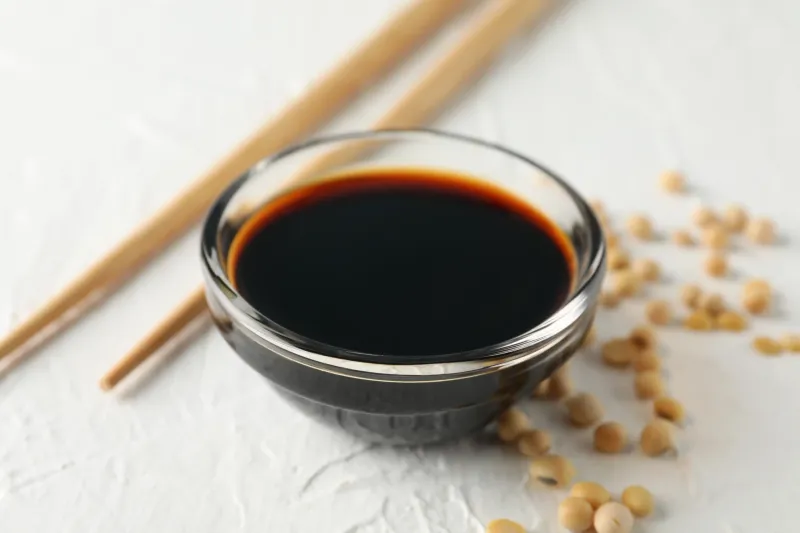
A splash of soy sauce can transform a dish, but this condiment is shockingly high in sodium. Just one tablespoon contains around 900 to 1,000 milligrams of sodium, which is nearly half the recommended daily limit for most adults.
Regularly consuming too much sodium raises blood pressure and increases the risk of heart disease and stroke.
Low-sodium soy sauce is a good alternative that still delivers flavor. Using smaller amounts and balancing it with fresh herbs or citrus can also help reduce the sodium load.
15. Processed Deli Meats
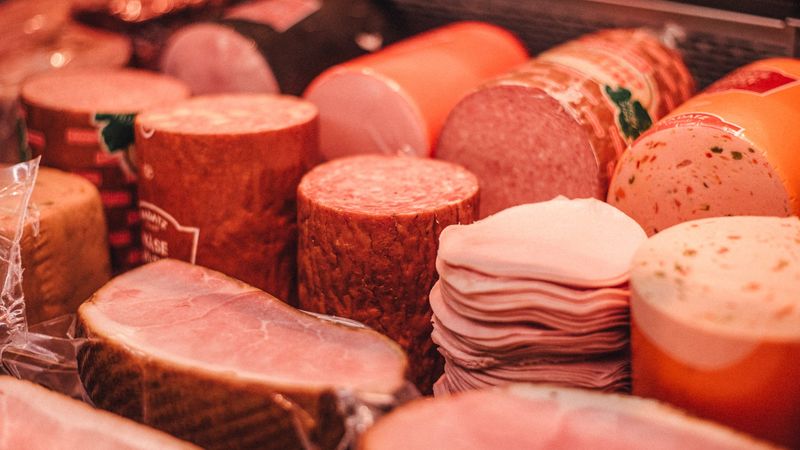
Convenient and kid-approved, deli meats are a lunchbox regular. The World Health Organization classifies processed meats as Group 1 carcinogens, meaning there is strong evidence they can increase the risk of colorectal cancer.
They are loaded with sodium, preservatives like nitrates, and often unhealthy saturated fats.
Eating deli meats occasionally is unlikely to cause harm, but making them a daily habit adds up over time. Roasting your own chicken or turkey at home is a much cleaner protein option for sandwiches.
16. Energy Drinks

Energy drinks are marketed as a quick fix for tiredness, but their combination of caffeine, sugar, and stimulants like taurine can be genuinely risky. Teens and young adults who consume multiple cans in a short period have been hospitalized with heart palpitations, high blood pressure, and even cardiac arrest.
Mixing energy drinks with alcohol makes the risks significantly worse. Sticking to water, herbal tea, or a moderate amount of coffee is a far safer way to get through a long day.
17. Sprouts
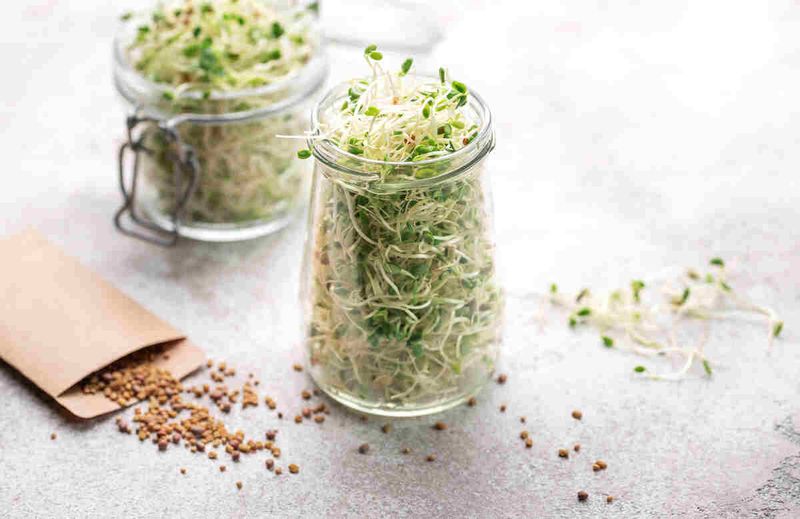
Raw sprouts look like the picture of health, often piled on salads and sandwiches in health-conscious cafes. The warm, moist conditions needed to grow sprouts are unfortunately also perfect for bacteria like Salmonella and E. coli.
The FDA has linked sprouts to dozens of foodborne illness outbreaks over the years.
Lightly cooking sprouts kills harmful bacteria and makes them much safer to eat. People with weakened immune systems, pregnant women, and young children should avoid raw sprouts altogether.
18. Breakfast Cereals
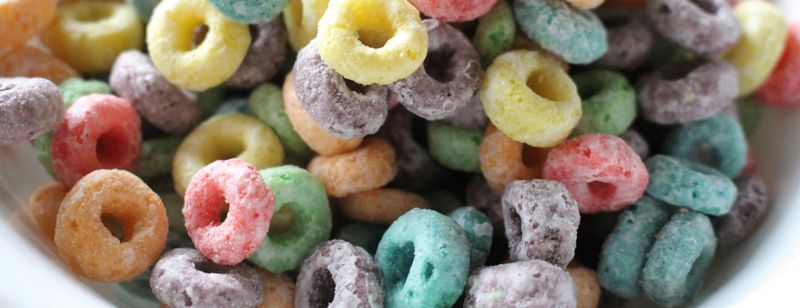
Bright boxes and cartoon mascots make breakfast cereals seem like a fun morning treat. Many popular brands, especially those aimed at children, are packed with added sugar, artificial colors, and refined carbohydrates that spike blood sugar quickly.
Some cereals marketed as healthy contain as much sugar as a candy bar per serving.
Checking the nutrition label for added sugars before buying is a smart habit. Choosing cereals with whole grains, high fiber, and less than 6 grams of sugar per serving makes a big difference.
19. Artificially Flavored Fruit Juice
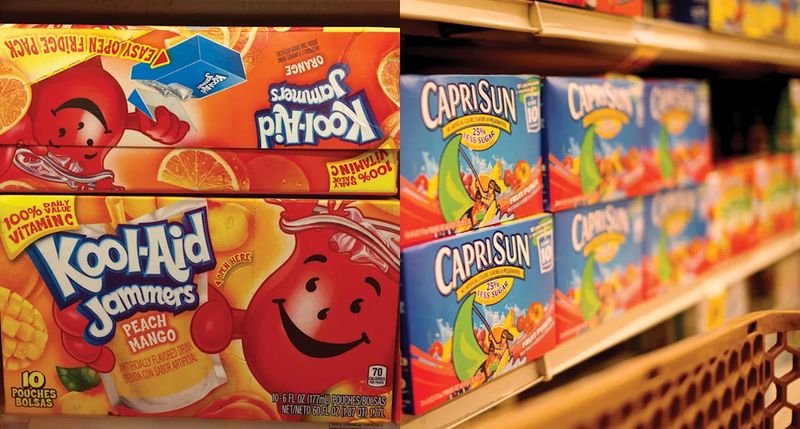
Fruit juice sounds healthy, but many products labeled as juice are mostly water, sugar, and artificial flavoring with very little actual fruit. High-fructose corn syrup, artificial dyes like Red 40, and preservatives are common ingredients in these drinks.
Regular consumption has been linked to obesity, tooth decay, and blood sugar imbalances in children.
Reading labels carefully helps sort real juice from impostors. Whole fruit always beats juice because it comes with fiber that slows sugar absorption and keeps you fuller longer.
20. Margarine

For decades, margarine was promoted as a heart-healthy alternative to butter. The truth turned out to be far more complicated.
Many older margarines were made with partially hydrogenated oils, which are a major source of artificial trans fats, the worst type of fat for cardiovascular health. Trans fats raise bad cholesterol and lower good cholesterol at the same time.
Most countries have now banned or restricted artificial trans fats in food. Still, checking that your margarine says zero trans fats on the label remains a wise precaution.
21. Artificial Sweeteners
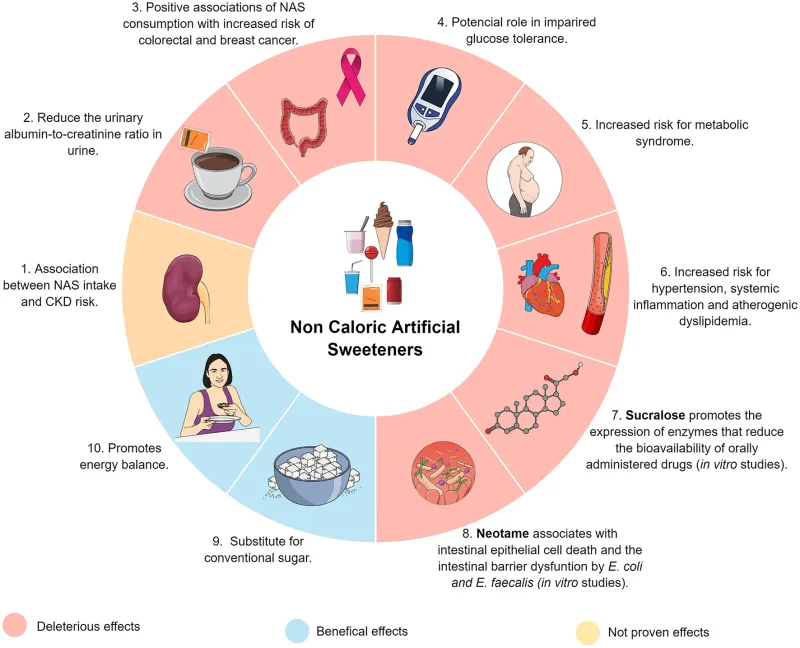
Artificial sweeteners like aspartame, saccharin, and sucralose are everywhere in diet sodas, sugar-free gum, and low-calorie snacks. Research on their safety is genuinely mixed.
Some studies suggest they may disrupt gut bacteria, increase cravings for sweet foods, and may be linked to metabolic changes that actually promote weight gain over time.
The WHO recently reclassified aspartame as possibly carcinogenic to humans. Moderation is key, and replacing sweetened drinks with water or sparkling water is always a solid choice.
22. Unpasteurized Cheese
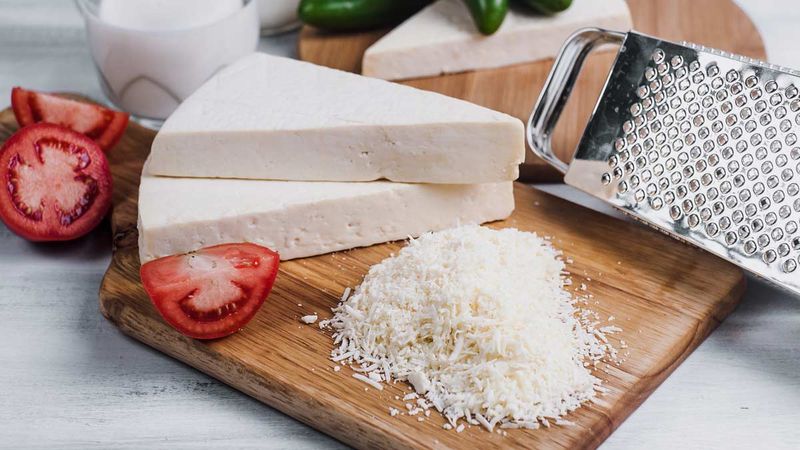
Artisan raw milk cheeses have a devoted following thanks to their rich, complex flavors. The problem is that unpasteurized dairy can harbor dangerous bacteria including Listeria, E. coli, and Salmonella.
Listeria is especially dangerous for pregnant women because it can cause miscarriage, stillbirth, or serious illness in newborns.
Pregnant women, elderly individuals, and people with compromised immune systems should always stick to pasteurized cheese. For everyone else, enjoying raw milk cheese occasionally from reputable producers carries a lower but still present risk.
23. Swordfish
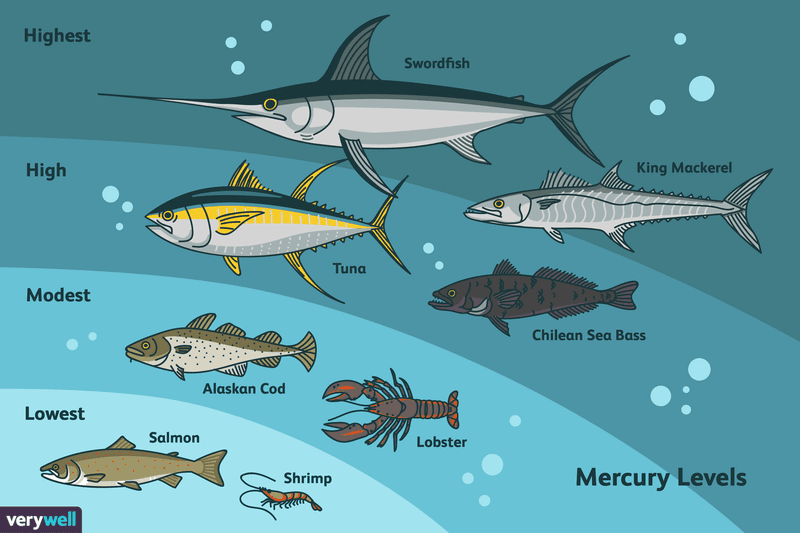
Swordfish is a bold, meaty fish that feels like a special occasion meal. As a large predatory fish that lives a long time, swordfish accumulates mercury at some of the highest levels of any seafood.
Mercury toxicity affects the nervous system and can cause memory problems, tremors, and developmental delays in children.
The FDA advises pregnant women and young children to avoid swordfish entirely. Adults without those health considerations can enjoy it occasionally, but keeping servings infrequent is a sensible approach.