
Storms, power cuts, and sudden illness can keep you stuck at home when you least expect it. Having a well-stocked cupboard means you can still make tasty, filling meals without rushing to the shop.
The best part is that many of these foods are cheap, last for months or even years, and need very little cooking. Here are the pantry heroes that deserve a spot on your shelves.
1. Canned Beans
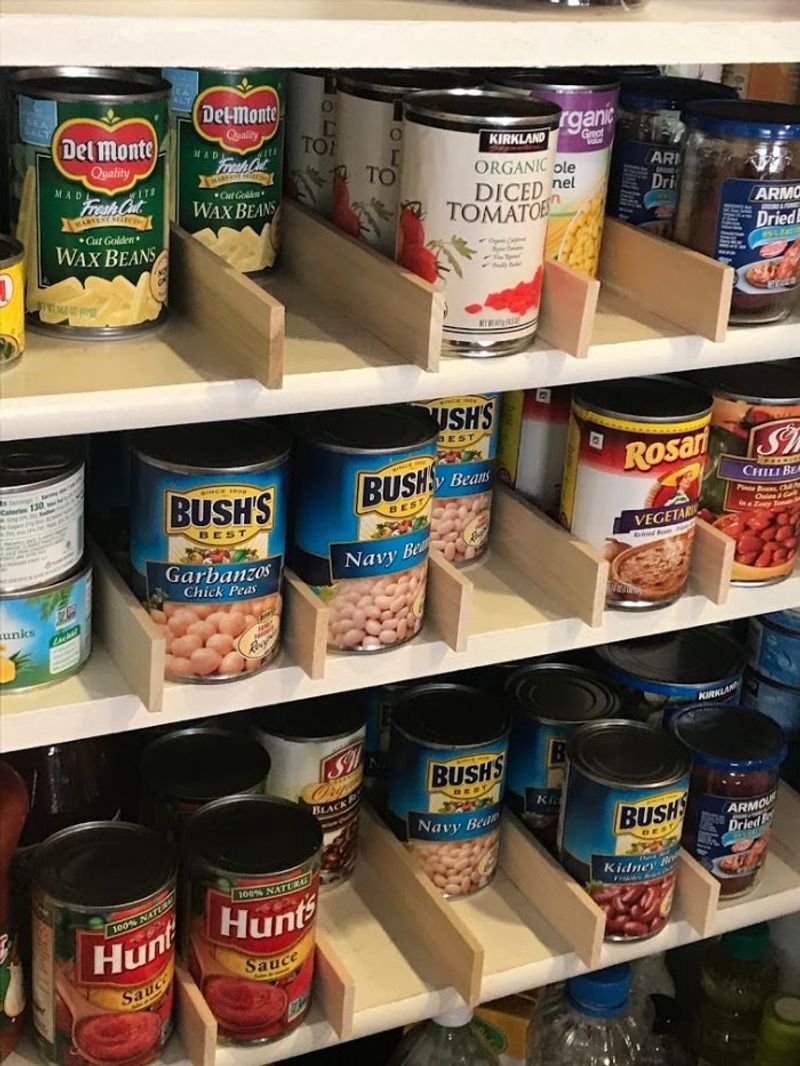
Picture a stormy night with no power and an empty fridge. A single can of beans can still turn that into a hearty dinner.
Kidney beans, chickpeas, and black beans are packed with protein and fiber, so they keep you full for hours. They are already cooked, which means you can eat them straight from the tin if needed.
Stock a mix of types for chili, salads, and soups. Most cans stay good for two to five years.
2. Dried Pasta
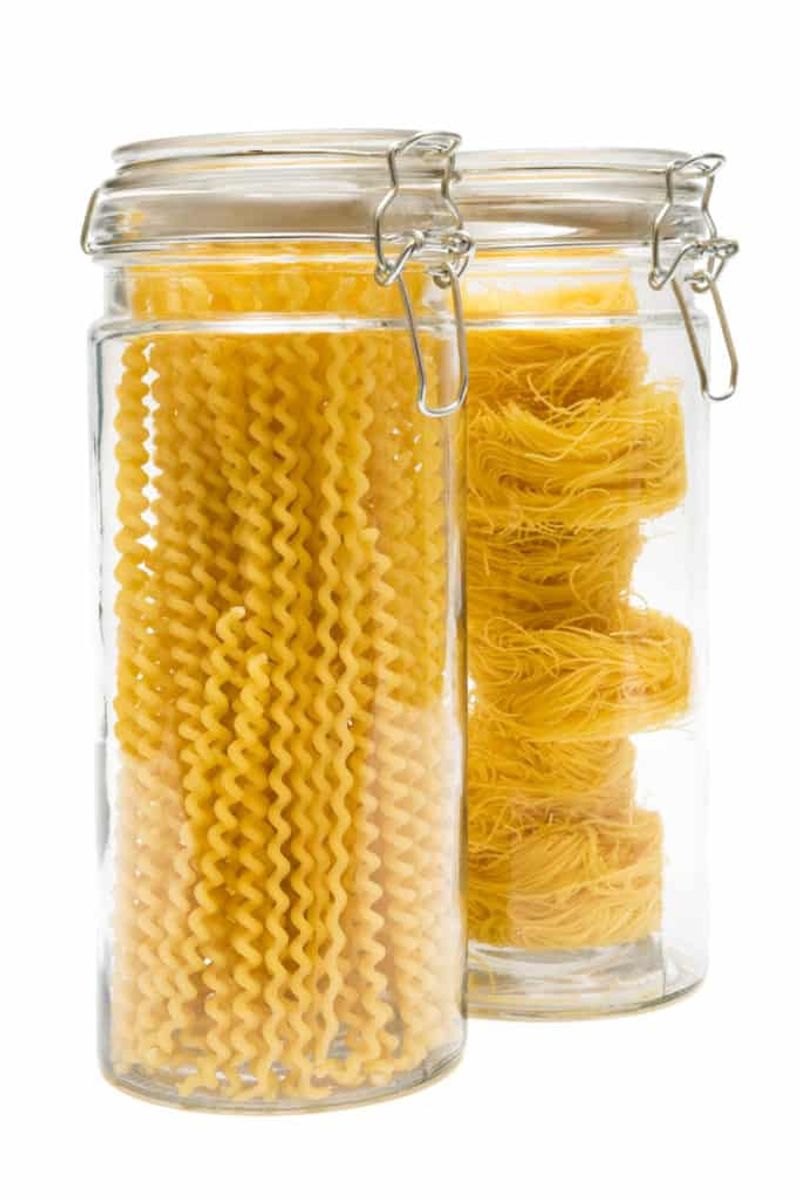
Few foods are as comforting or as forgiving as a pot of pasta. Dried pasta can sit in your cupboard for up to two years without losing quality.
Kids love it, adults rely on it, and it pairs with almost anything you have on hand. Toss it with olive oil, canned tomatoes, or a little cheese for a quick meal.
Keep a few shapes around. Spaghetti, penne, and macaroni each work in different dishes.
3. White Rice
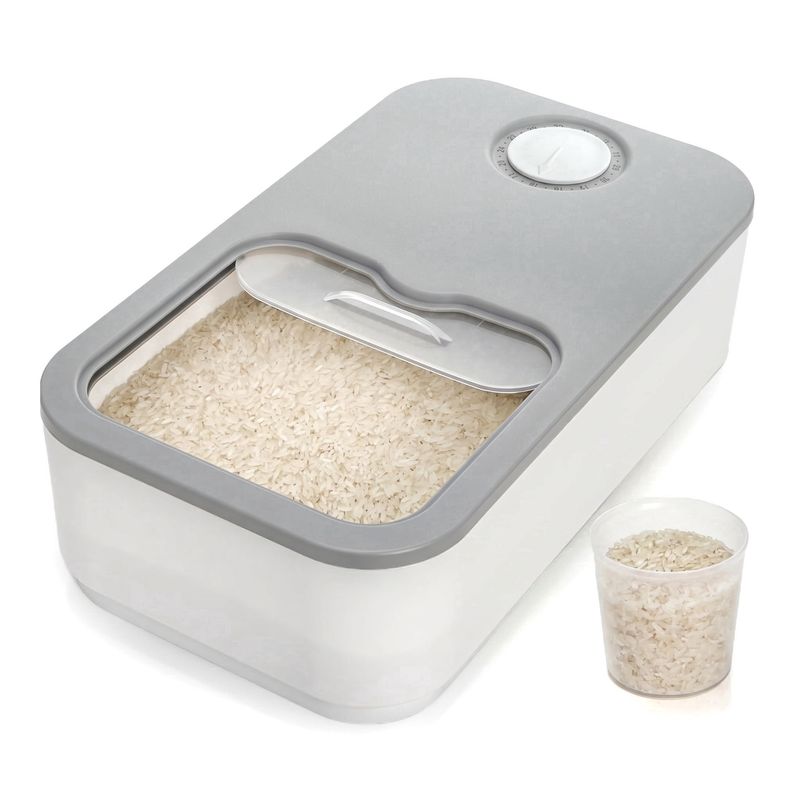
Here is a fun fact: properly stored white rice can last 25 years or more. That makes it one of the longest-lasting foods you can buy.
Rice is cheap, filling, and feeds lots of people for very little money. It works with beans, canned fish, vegetables, or even just soy sauce.
Store it in an airtight container to keep bugs and moisture away. Brown rice has more nutrients but spoils much sooner because of its natural oils.
4. Canned Tuna and Salmon
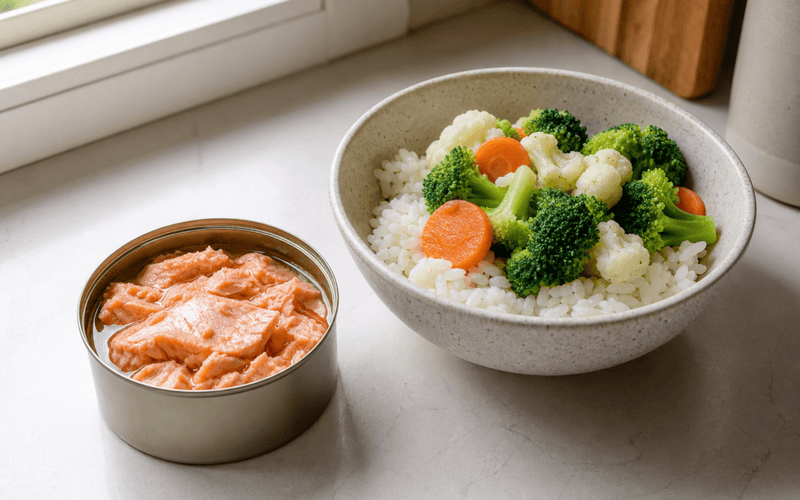
Grandparents have trusted tinned fish for generations, and they were onto something. Tuna and salmon give you lean protein plus healthy omega-3 fats that support your heart and brain.
No cooking is required, so they are perfect during a power outage. Mix tuna with mayo for sandwiches, or flake salmon over rice and pasta.
Look for cans with ring-pull lids. You will thank yourself if the can opener goes missing at the worst moment.
5. Peanut Butter
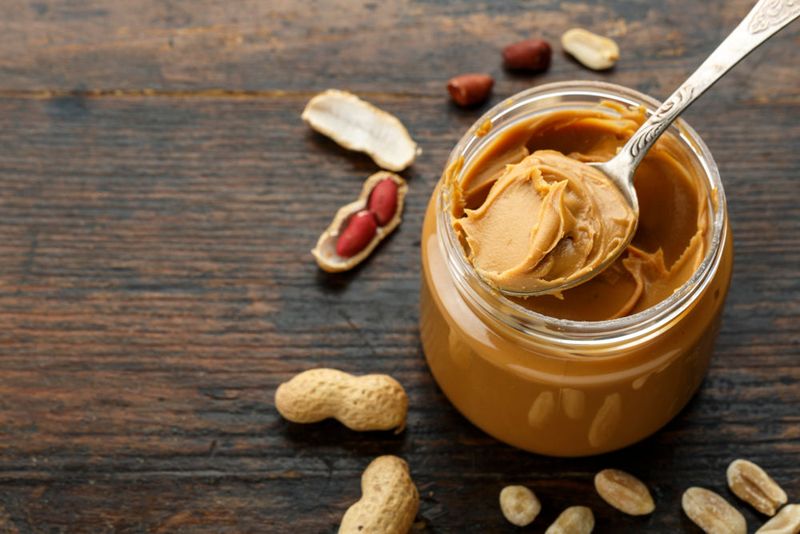
Sticky, rich, and wonderfully filling, peanut butter is basically energy in a jar. Just two spoonfuls give you around eight grams of protein along with healthy fats.
An unopened jar lasts for months, and it needs no fridge. Spread it on crackers, stir it into oatmeal, or simply eat it off a spoon when nobody is watching.
If someone in your home has a nut allergy, sunflower seed butter makes a great swap.
6. Rolled Oats
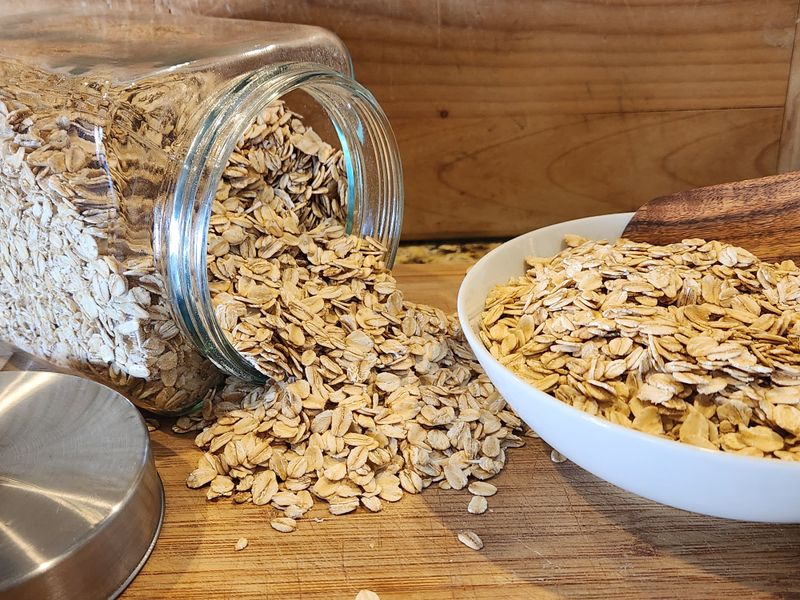
Breakfast sorted for weeks? Rolled oats make it possible.
A single large bag can feed a family many warm mornings, and it costs only a few dollars.
Oats cook in minutes with hot water or milk. They also work in baking, as a thickener for soups, or soaked overnight with no heat at all.
Their slow-release energy keeps hunger away until lunch. Store them in a sealed tub, and they will last up to two years.
7. Canned Tomatoes
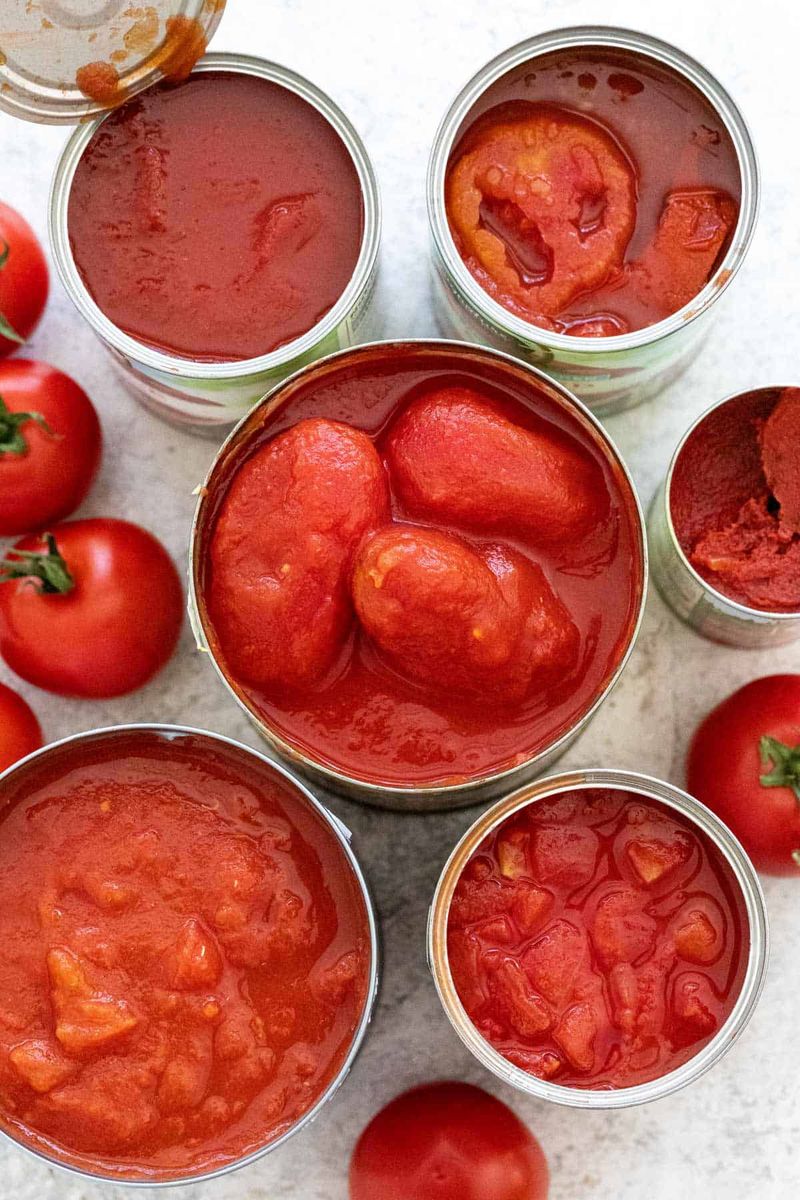
Ask any Italian grandmother, and she will tell you canned tomatoes are kitchen gold. They form the base of sauces, stews, soups, and curries.
Tinned tomatoes are picked and packed at peak ripeness, so they often taste better than fresh ones out of season. They also add vitamin C and lycopene, a helpful antioxidant.
Keep both chopped and whole versions. Tomato paste in a tube is handy too, since it keeps after opening.
8. Lentils
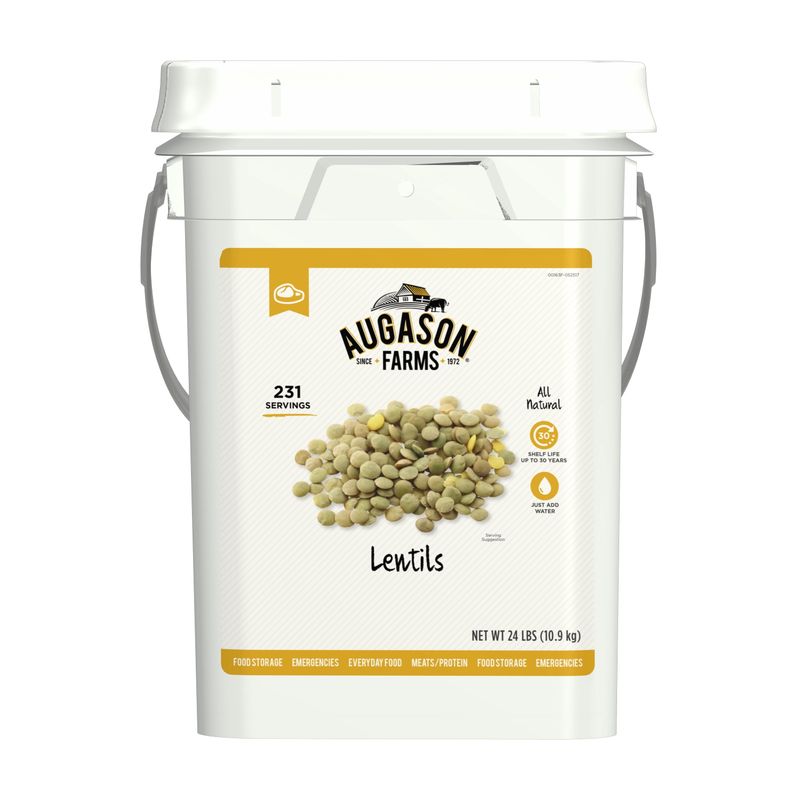
Tiny but mighty, lentils pack more protein per bite than most other dried foods. Unlike beans, they need no soaking, and red lentils cook in about fifteen minutes.
That speed matters when fuel or time is short. Toss them into soups to make them thicker, or cook them with spices for a simple dal.
Did you know? People have been eating lentils for over 9,000 years, making them one of the oldest crops on Earth.
9. Stock Cubes
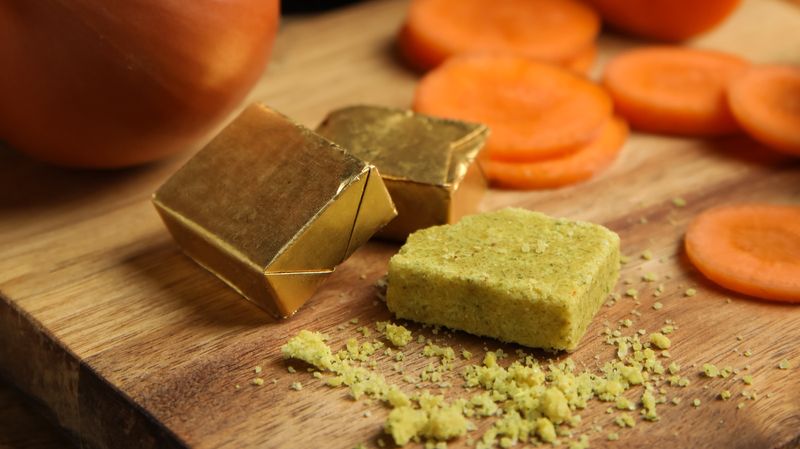
Plain rice tastes a little sad. Add a stock cube, though, and suddenly dinner has real flavor.
These small cubes take up almost no space yet last for years. Dissolve one in hot water for a warming broth, or crumble it into stews, gravy, and grains.
Chicken, beef, and vegetable versions cover most recipes. When you are feeling unwell, a mug of hot broth can also soothe you and help keep you hydrated.
10. Long-Life Milk
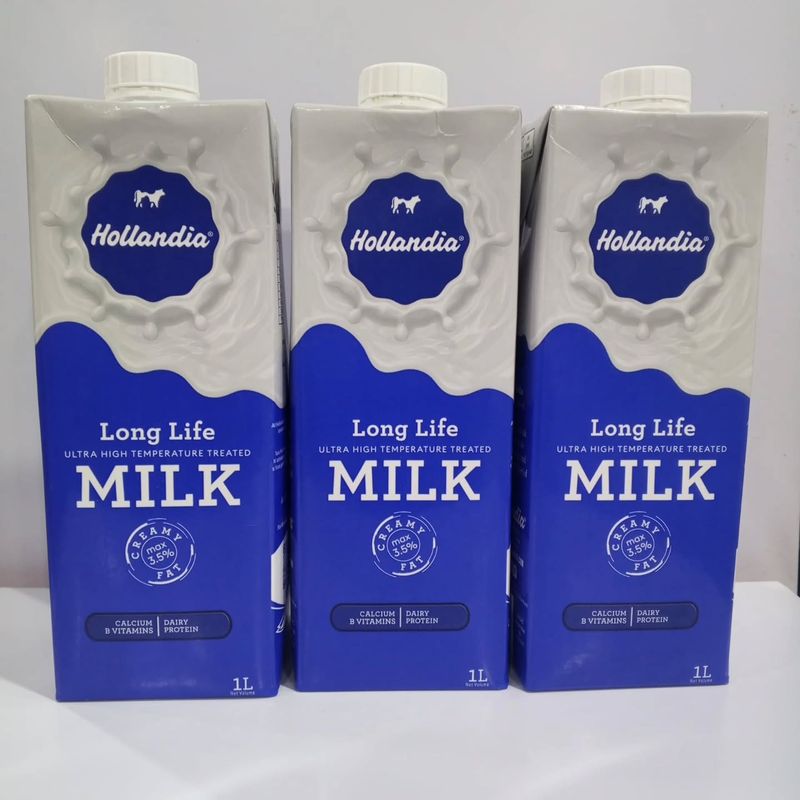
Running out of milk is annoying on a normal day and frustrating during a snowstorm. Long-life, or UHT, milk solves that problem neatly.
It is heated quickly to a high temperature, which lets it stay fresh on the shelf for months before opening. Use it for cereal, tea, baking, or sauces.
Once opened, keep it in the fridge like regular milk. Plant-based cartons such as oat or soy milk work the same way.
11. Powdered Milk
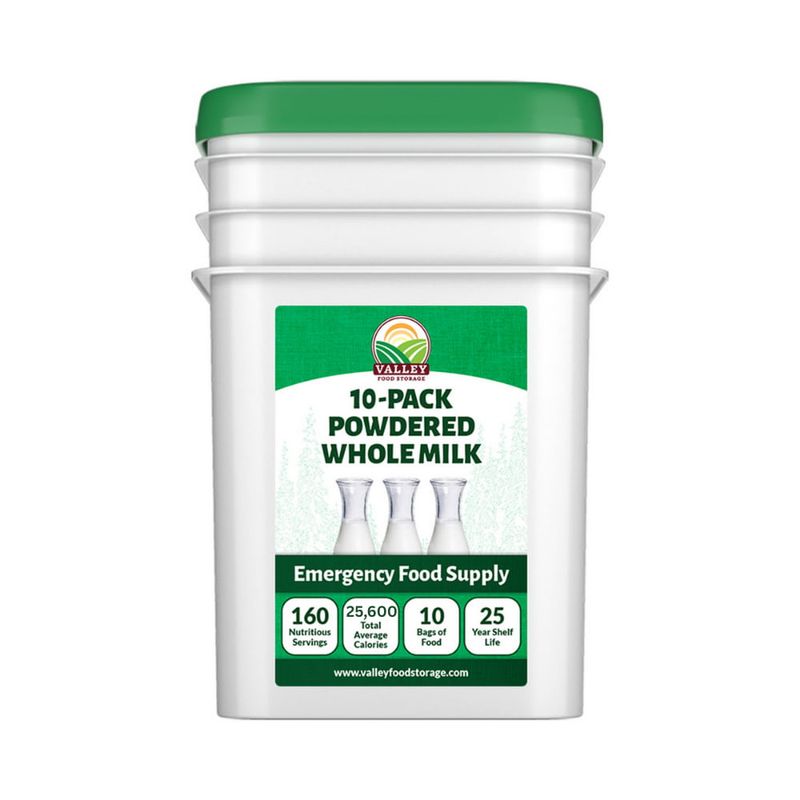
Think of powdered milk as a backup for your backup. It weighs very little, takes up little space, and can last over a year when sealed.
Just mix it with clean water to get milk for drinking or cooking. It works especially well in baking, porridge, and hot chocolate, where you will barely notice a difference.
Campers and sailors have relied on it for decades. Store it somewhere cool and dry to keep clumps away.
12. Crackers
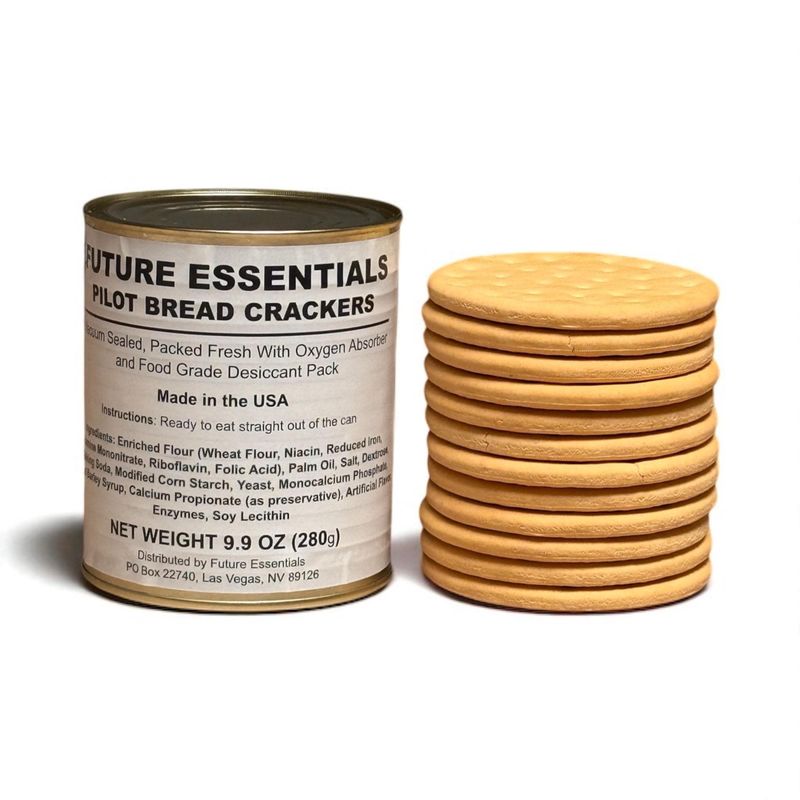
When the oven is out of action, crackers step up as your bread replacement. They need no cooking and stay crisp for months in a sealed box.
Top them with peanut butter, tinned fish, or cheese for an easy snack. Plain crackers are also gentle on upset tummies, which helps if someone gets sick.
Buy a few varieties, from salted to whole grain. After opening, clip the bag tightly so they do not go stale.
13. Honey
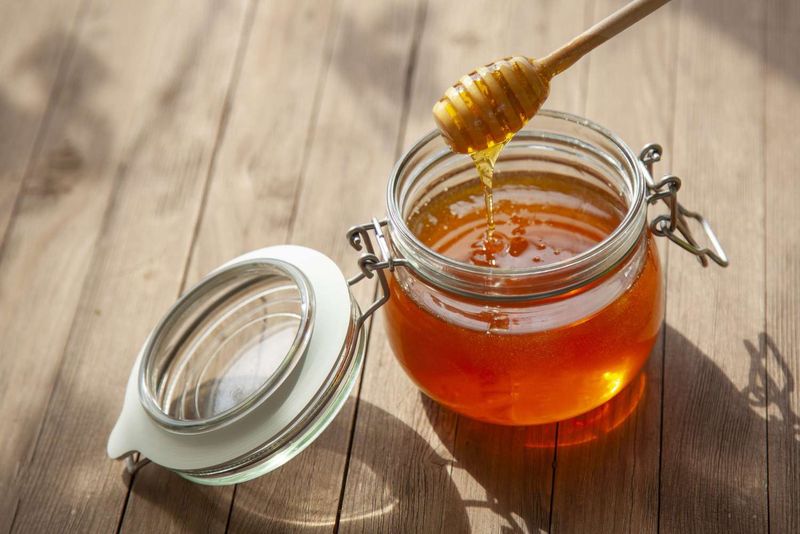
Archaeologists found pots of honey in ancient Egyptian tombs, and it was still safe to eat after 3,000 years. Talk about shelf life!
Honey never truly spoils because of its low moisture and natural acidity. It sweetens tea, oats, and baking, and a spoonful can calm a scratchy throat.
If it turns grainy, do not worry. Simply place the jar in warm water, and it will turn smooth and runny again.
14. Canned Soup
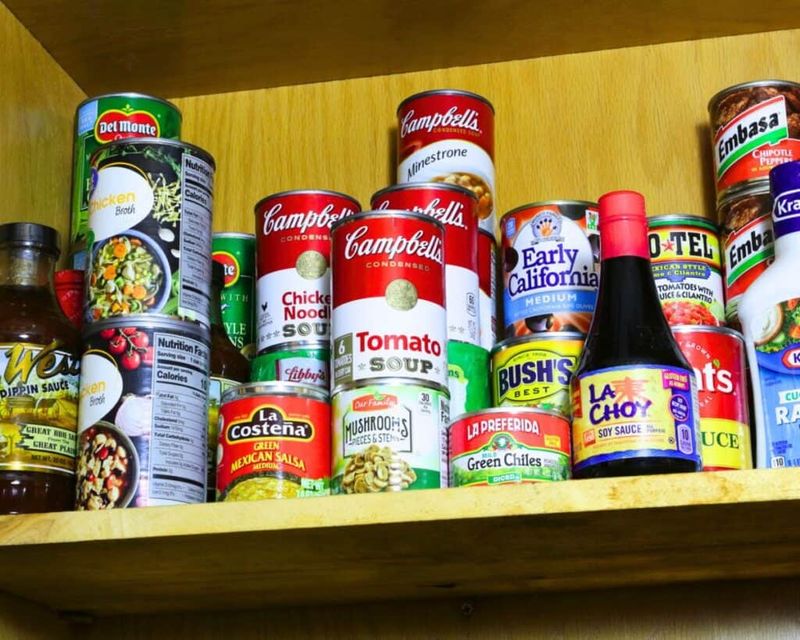
Sometimes you just want a meal you do not have to think about. That is exactly where canned soup shines.
Open, heat, and eat. Many soups can even be eaten cold if the power is out.
Chunky varieties with meat, beans, or vegetables are filling enough to count as a full meal.
Check labels for lower-salt options, since some brands are very salty. Rotate older cans to the front so nothing gets forgotten.
15. Canned Vegetables
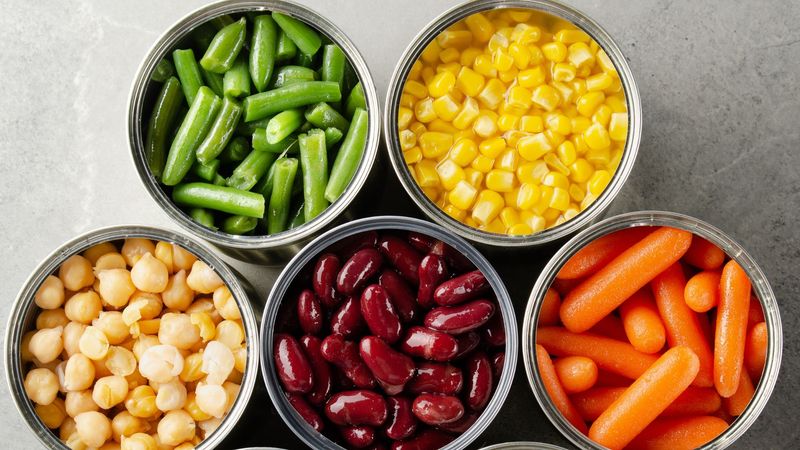
Fresh veggies wilt within days, but canned sweetcorn, peas, carrots, and green beans hang around happily for years.
They are picked and canned quickly, so they hold on to many of their vitamins. Stir them into rice, pasta, soups, or stir-fries to add color and crunch.
Rinsing them in water can wash away some extra salt. Sweetcorn is usually a hit with picky eaters, so grab a few extra tins.
16. Canned Fruit
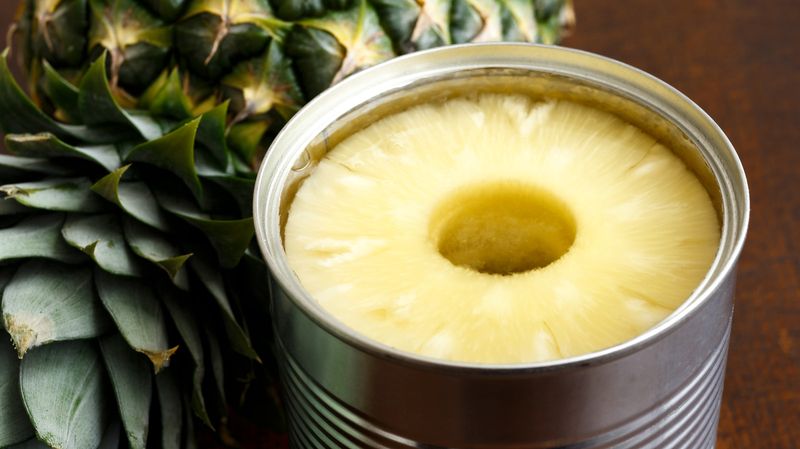
A little sweetness goes a long way when life feels stressful. Canned peaches, pears, and pineapple bring a cheerful treat to any emergency.
They count toward your daily fruit and offer vitamins when fresh produce is hard to find. Choose fruit packed in juice instead of heavy syrup for less sugar.
Spoon them over oats, enjoy with custard, or eat them straight from the can. The juice makes a tasty drink too.
17. Dried Fruit
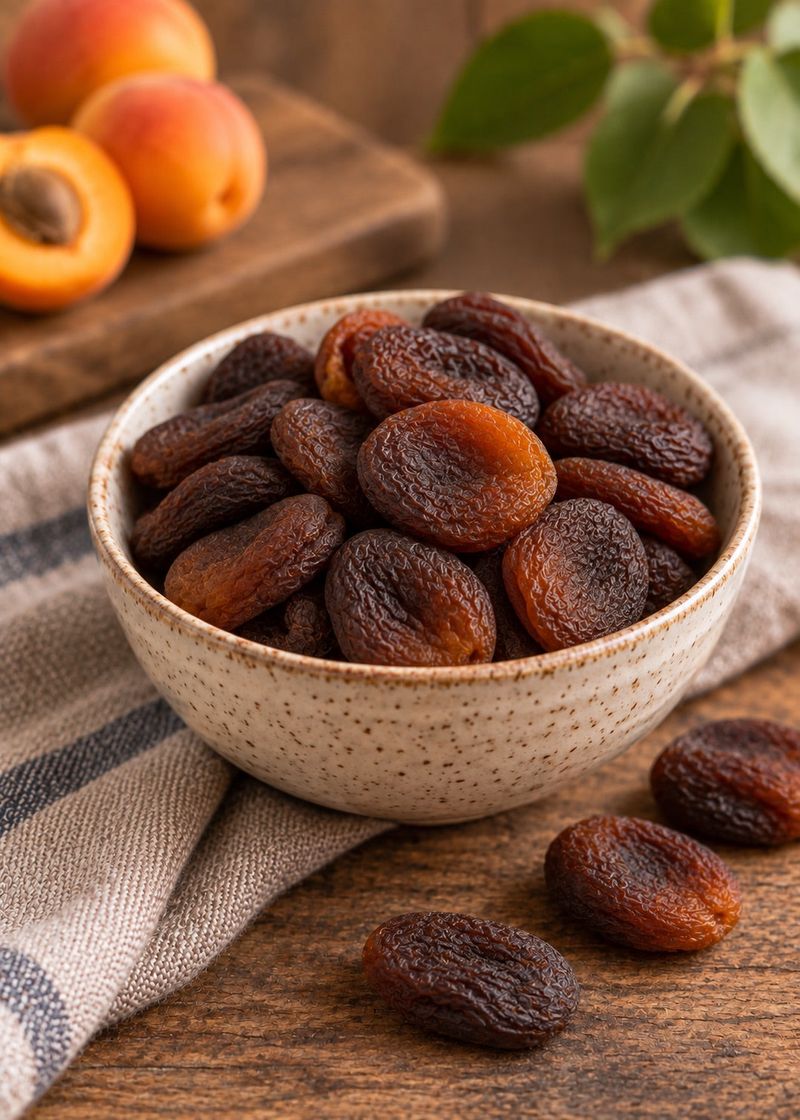
Raisins, apricots, dates, and cranberries are like nature’s candy. Drying removes the water, so the fruit shrinks, lasts longer, and becomes extra sweet.
They are light, easy to carry, and great for quick energy. Add them to oats, mix them into trail mix, or nibble on a handful when hunger strikes.
Dried apricots are rich in iron, and prunes help digestion. Keep them sealed tightly, or they will become hard and chewy.
18. Nuts and Seeds
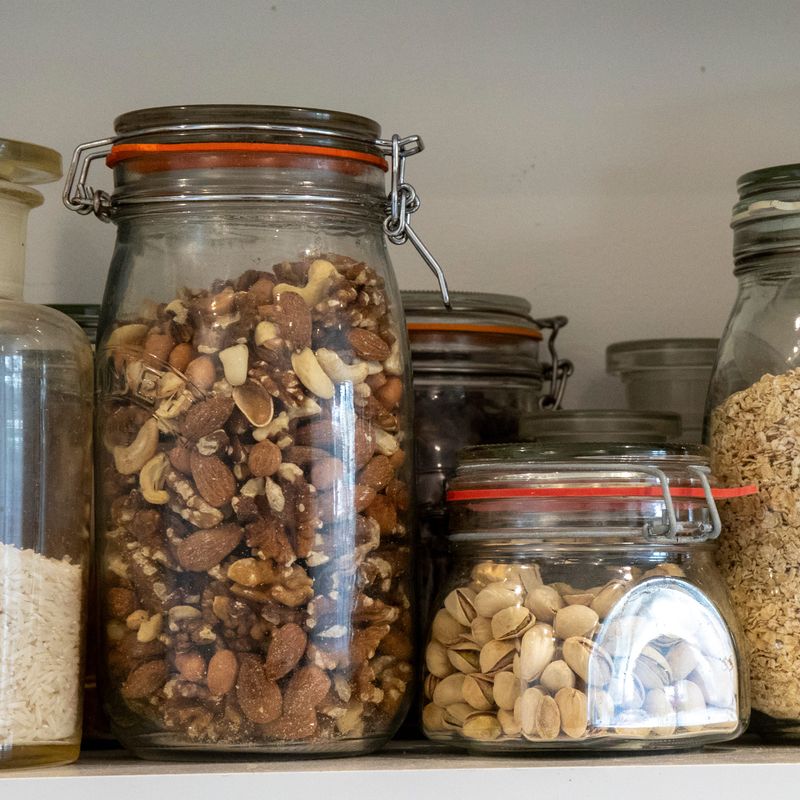
Hikers carry them for a reason. Nuts and seeds deliver a big boost of protein, fats, and energy in a tiny package.
Almonds, cashews, walnuts, and sunflower seeds make great snacks with zero prep. Sprinkle them on porridge or salads for extra crunch.
Because of their natural oils, they can go stale after several months. Keep them in airtight jars somewhere cool, or freeze extras to stretch their life even longer.
19. Flour
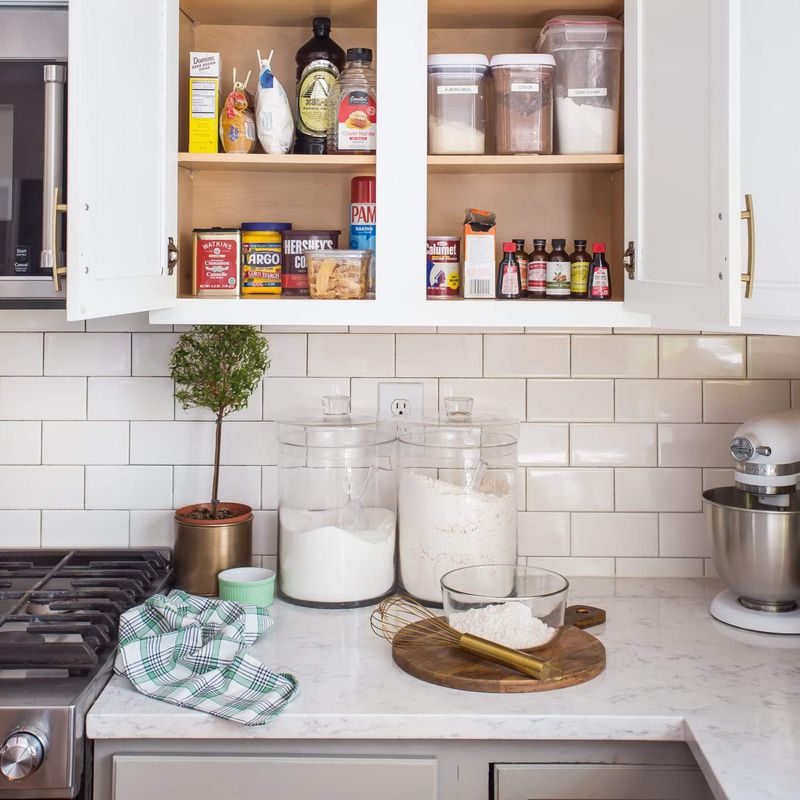
With a bag of flour, you hold the power to make bread, pancakes, flatbreads, and cakes from scratch. That is pretty exciting during a long stay at home.
Plain flour also thickens sauces and gravies. Self-raising flour is handy if you do not have baking powder nearby.
White flour lasts around a year, while whole wheat spoils sooner. Store it in a sealed container to keep tiny pantry bugs from moving in.
20. Cooking Oil
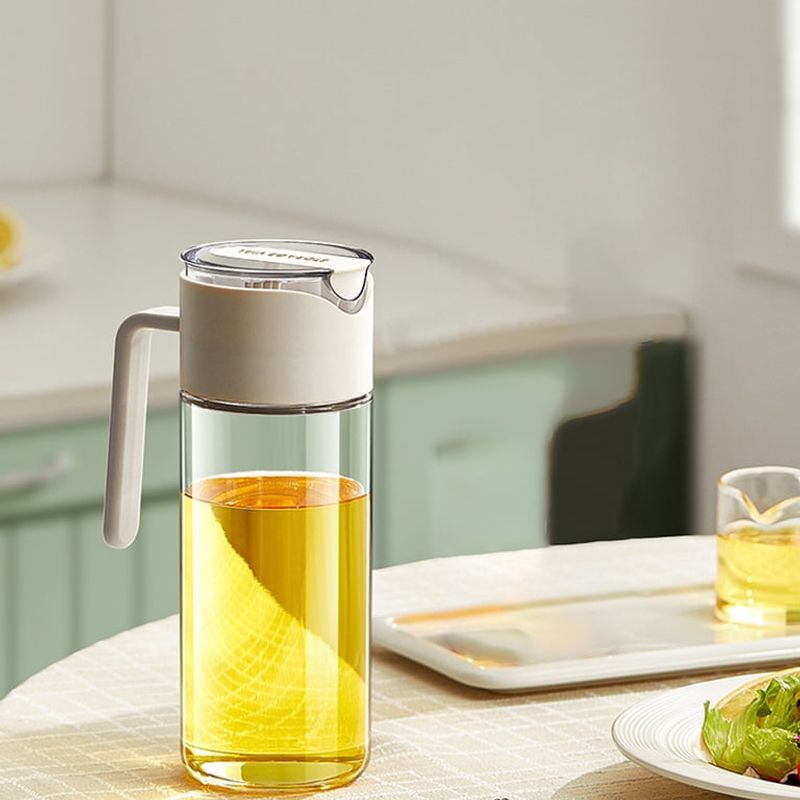
Nearly every meal starts with a splash of oil. Without it, frying an egg or making pancakes gets tricky fast.
Olive oil is great for flavor and salads, while vegetable or sunflower oil handles high heat cooking. Oil also adds calories, which matters when food is limited.
Keep bottles away from sunlight and the stove, since heat makes oil go stale. A smell like old crayons means it is time to replace it.
21. Salt, Sugar and Spices
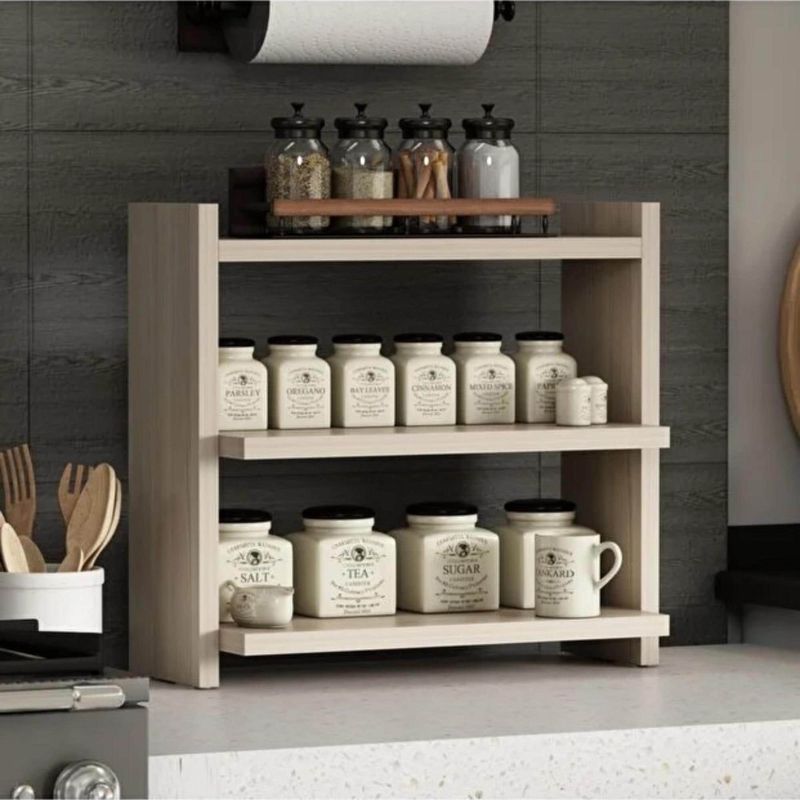
Bland food gets boring by day three. A small collection of seasonings keeps meals tasty, even when ingredients are limited.
Salt and sugar last basically forever. Add black pepper, garlic powder, chili flakes, cumin, and dried herbs to turn plain rice and beans into something exciting.
Spices lose strength after a couple of years but stay safe to eat. Give them a sniff, and if the smell is faint, just use a little more.
22. Instant Noodles
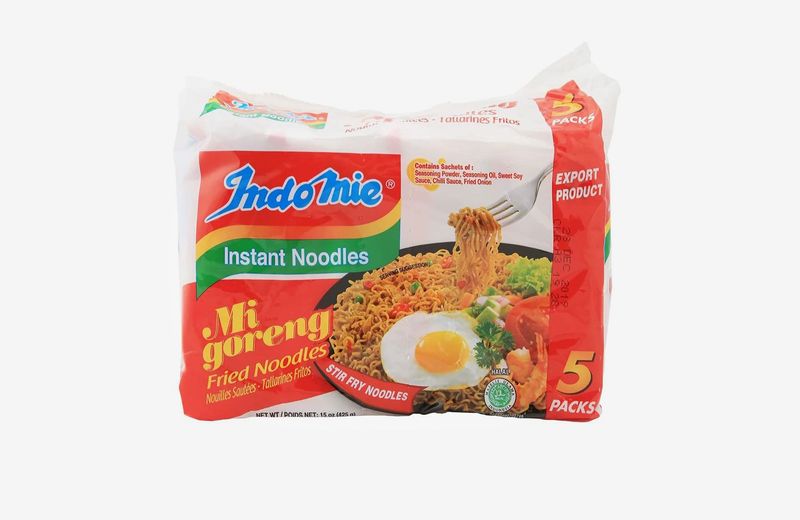
College students know the magic well. Instant noodles are cheap, quick, and ready with just a kettle of hot water.
They come in handy when cooking fuel is low or you are too tired to fuss. Boost the nutrition by tossing in canned veggies, an egg, or leftover chicken.
Fun fact: Momofuku Ando invented them in Japan in 1958. Today, people eat over 100 billion servings every year worldwide.
23. Bottled Water
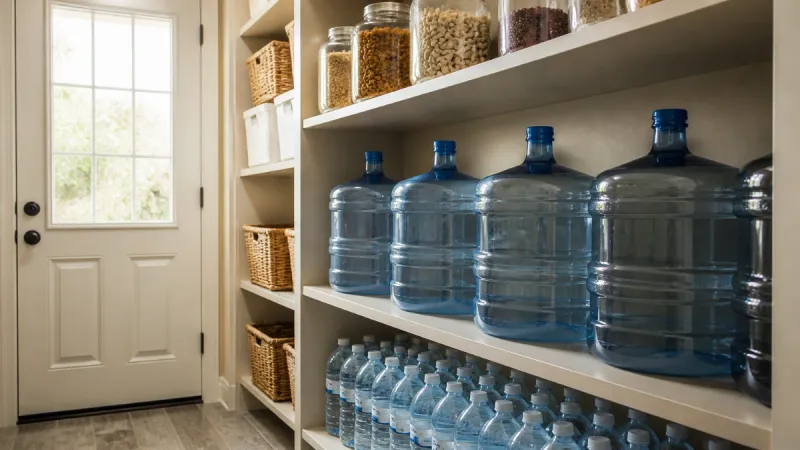
Okay, water is not technically food, but no emergency kit works without it. Experts suggest storing about one gallon per person each day for at least three days.
You need water for drinking, cooking pasta, mixing powdered milk, and washing up. Pipes can freeze or supplies can get contaminated, so a backup is smart.
Store bottles somewhere dark and cool. Swap them out every year or so to keep everything fresh.