
Classic TV made family life and friendship look easy, but life behind the cameras could be much harder. Some cast disputes and personal struggles became clear only years later, even when the bigger headlines were already familiar.
Not every story below is a proven scandal, and claims about how little coverage each received are hard to measure. Looking past the gossip helps separate real harm, disputed memories, and private pain.
1. Desi Arnaz and the Trouble Behind the Laughter
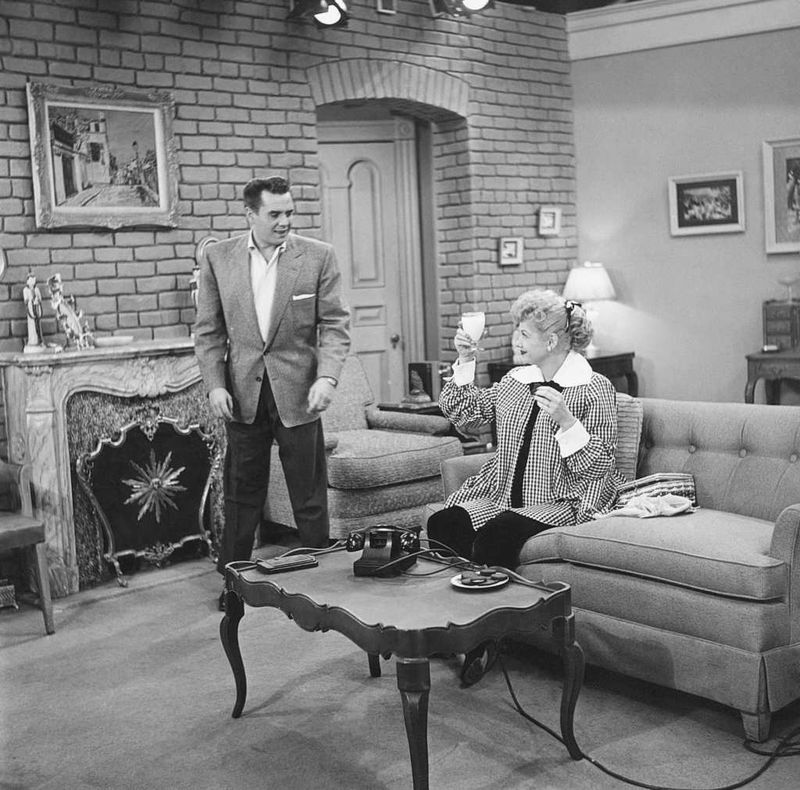
America watched Lucy and Ricky laugh through trouble, while their real marriage faced problems that comedy could not fix. Desi Arnaz’s drinking and infidelity became part of the public record through reporting and later accounts.
Some coverage appeared during their marriage, so calling everything secret would be misleading. What viewers understood less fully was the strain behind the performances.
Their story shows why a cheerful screen partnership tells us little about a couple’s private life.
2. Dick York’s Pain Behind Darrin’s Smile
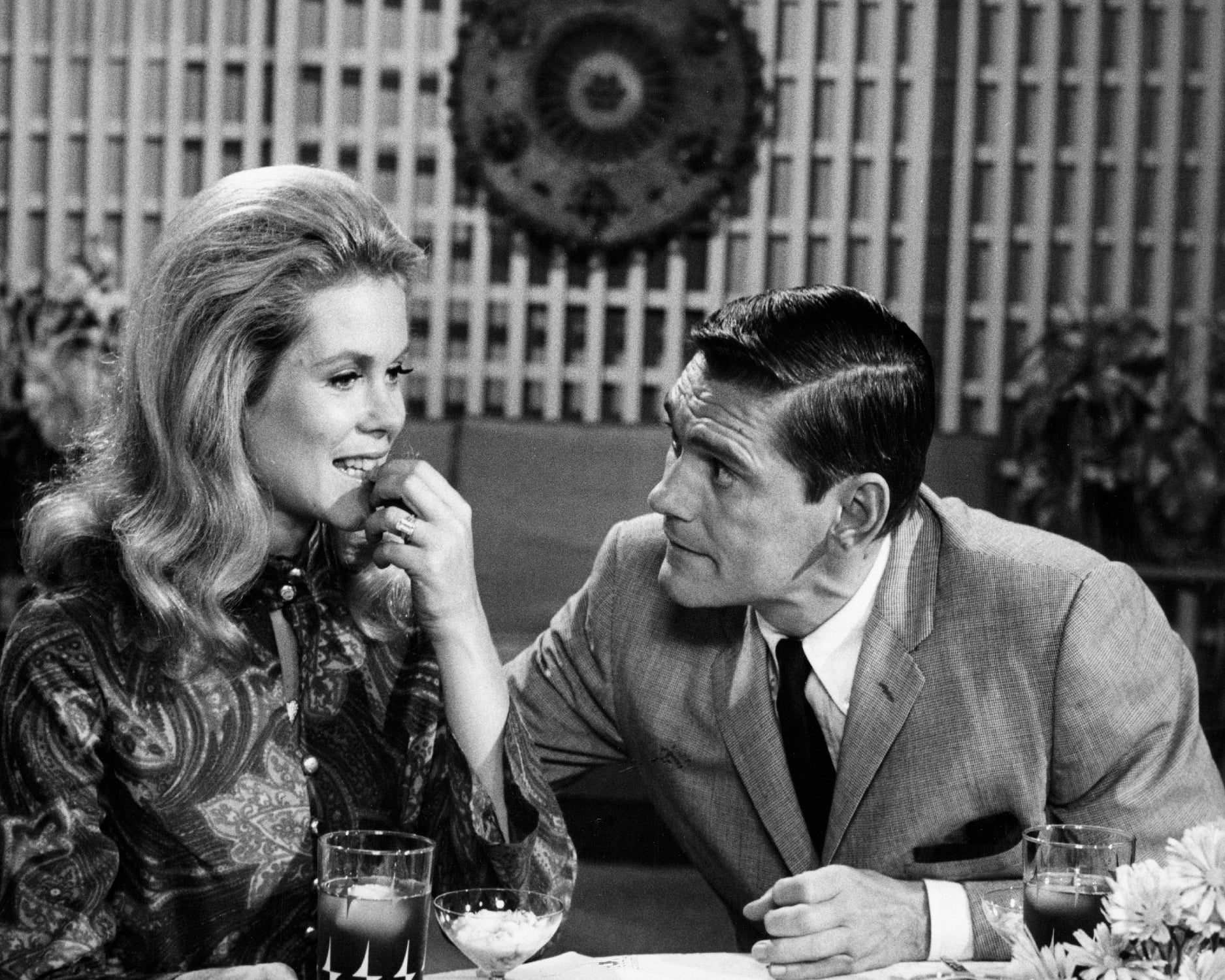
A bright sitcom smile can hide serious pain. Before playing Darrin on Bewitched, Dick York suffered a back injury that affected him for years.
He later described dependence on prescription pain medication during that struggle.
His worsening health helped end his time on the show, leaving viewers with a replacement actor and limited explanation. Rather than treating illness as wrongdoing, his experience invites sympathy for performers working through conditions that audiences cannot see from home.
3. Suzanne Somers and the Lonely Phone Scenes
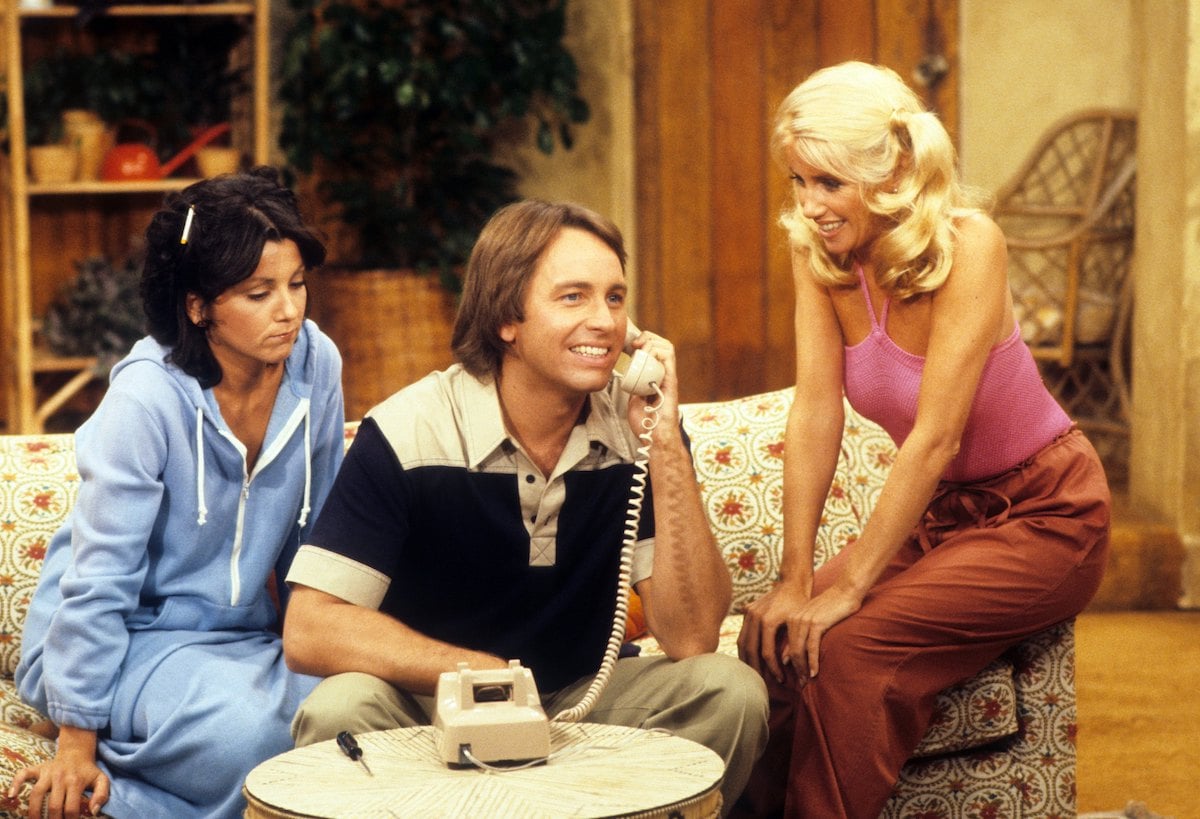
Chrissy Snow once stood at the center of the fun. During Suzanne Somers’ contract dispute on Three’s Company, her role shrank to brief telephone scenes filmed apart from the main cast.
The salary fight made headlines, but that unusual working arrangement revealed another side of the split. Somers sought a major raise and a share of profits.
Her experience remains a useful example of how contract battles can change both workplace relationships and television storytelling.
4. Todd Bridges’ Account of Tension With Gary Coleman
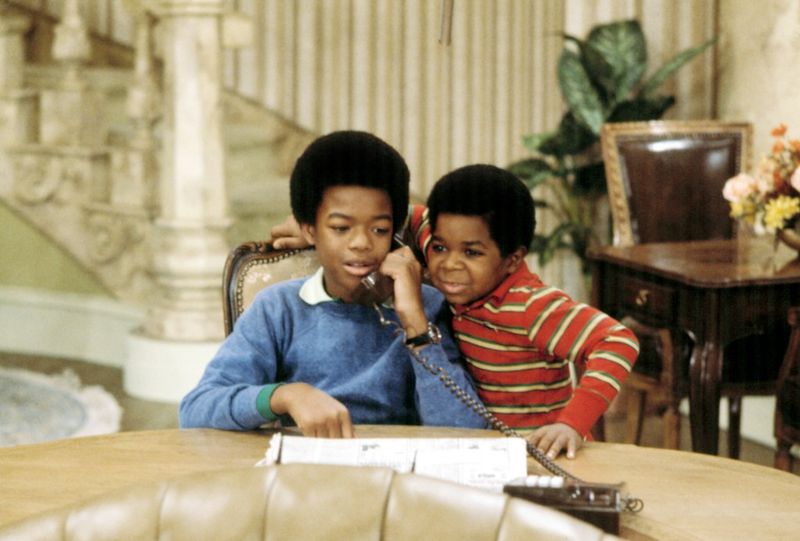
Growing up on a hit show did not guarantee an easy childhood. Todd Bridges later described a physical clash with Gary Coleman during Diff’rent Strokes, offering a troubling account of tension between the young actors.
Coleman also lived with serious kidney disease throughout his career. Specific claims about family pressure and production decisions need careful sourcing, rather than repetition as settled fact.
Together, these stories raise fair questions about how well television workplaces protected child performers.
5. Roseanne’s Battles Beyond the Writers’ Room Door
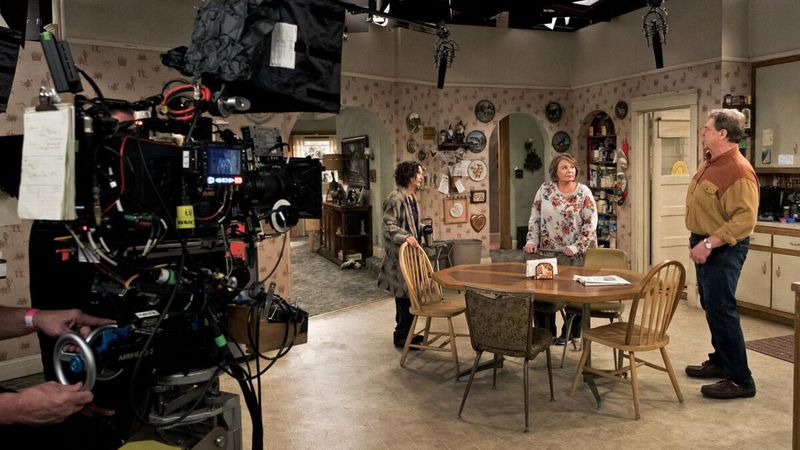
Sharp jokes were not the only things flying around the original Roseanne production. Accounts from writers and producers describe repeated clashes over scripts, authority, and the direction of the series.
Roseanne Barr pushed hard for control, while staff changes became part of the show’s history. Some disputes were reported at the time; later interviews added detail.
The useful distinction is between a star defending a creative vision and behavior that colleagues describe as damaging or intimidating.
6. Dustin Diamond’s Tell-All That Needed Its Own Fact Check
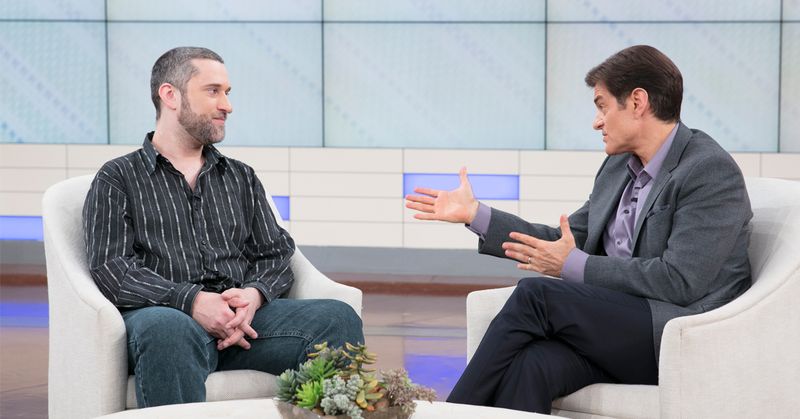
A tell-all book can make noise without settling what happened. Dustin Diamond’s 2009 book about Saved by the Bell presented sensational claims about his former castmates, many of which they disputed.
Diamond later distanced himself from parts of the book and criticized the ghostwriting process. That history makes the book a shaky guide to life on set.
Readers should separate documented events from disputed stories, especially when one account risks defining other people’s reputations for years.
7. Jessica Walter Spoke About Jeffrey Tambor’s Conduct
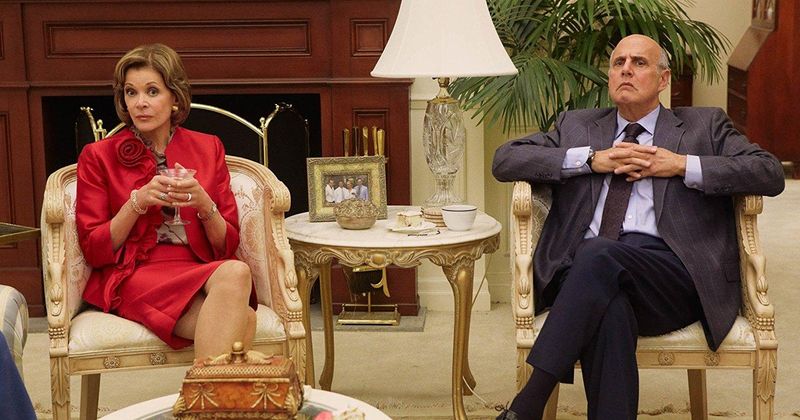
During a 2018 New York Times cast interview, Jessica Walter described being verbally mistreated by Jeffrey Tambor while making Arrested Development. Her emotional account brought attention to conduct viewers had not witnessed.
Tambor acknowledged an incident and apologized. The interview itself also drew criticism over how other cast members responded to Walter.
Beyond the show’s jokes, the exchange offered a reminder: hearing a colleague describe harm calls for listening, not quick excuses about a difficult workplace.
8. Lisa Robin Kelly’s Struggles Beyond Laurie Forman
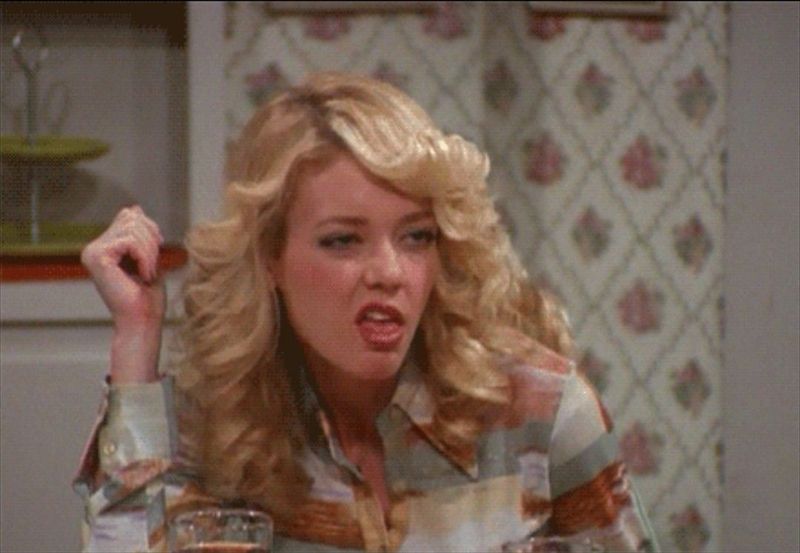
Laurie Forman’s sharp remarks made her hard to miss, but the actress playing her faced struggles beyond the sitcom. Lisa Robin Kelly later discussed alcohol abuse and personal loss after leaving That ’70s Show.
The role was eventually recast, while public explanations developed over time. Kelly died in 2013.
Her history deserves more care than a label such as difficult star. Addiction is a health issue, and a cast change rarely explains everything someone is facing.
9. Kirk Cameron and the Disputed Growing Pains Exit
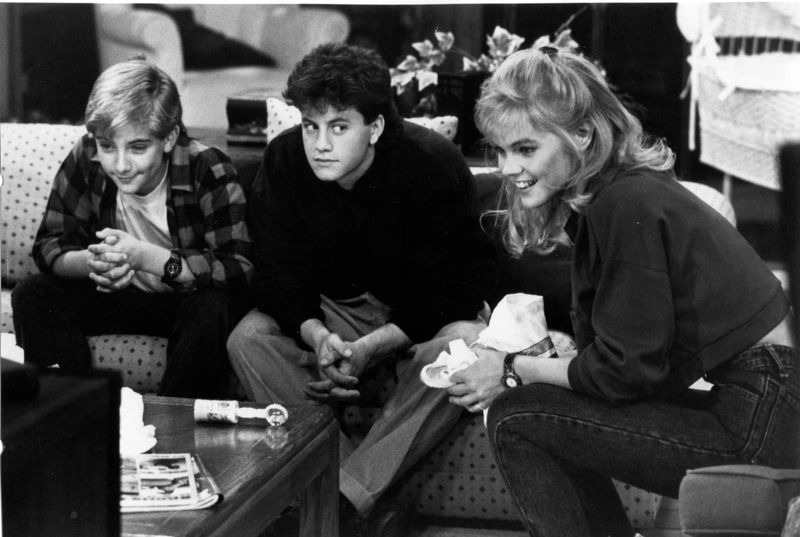
Faith changed how Kirk Cameron approached his work on Growing Pains. His objections to some material became part of a larger controversy surrounding Julie McCullough’s departure from the series.
McCullough connected her exit to Cameron’s objections over her Playboy appearance; Cameron denied getting her fired. Those competing accounts should remain clearly separated.
A personal belief, a script disagreement, and responsibility for another actor’s dismissal are different claims, even when later retellings blend them into one story.
10. Ted Danson and Shelley Long’s Uneven Working Bond
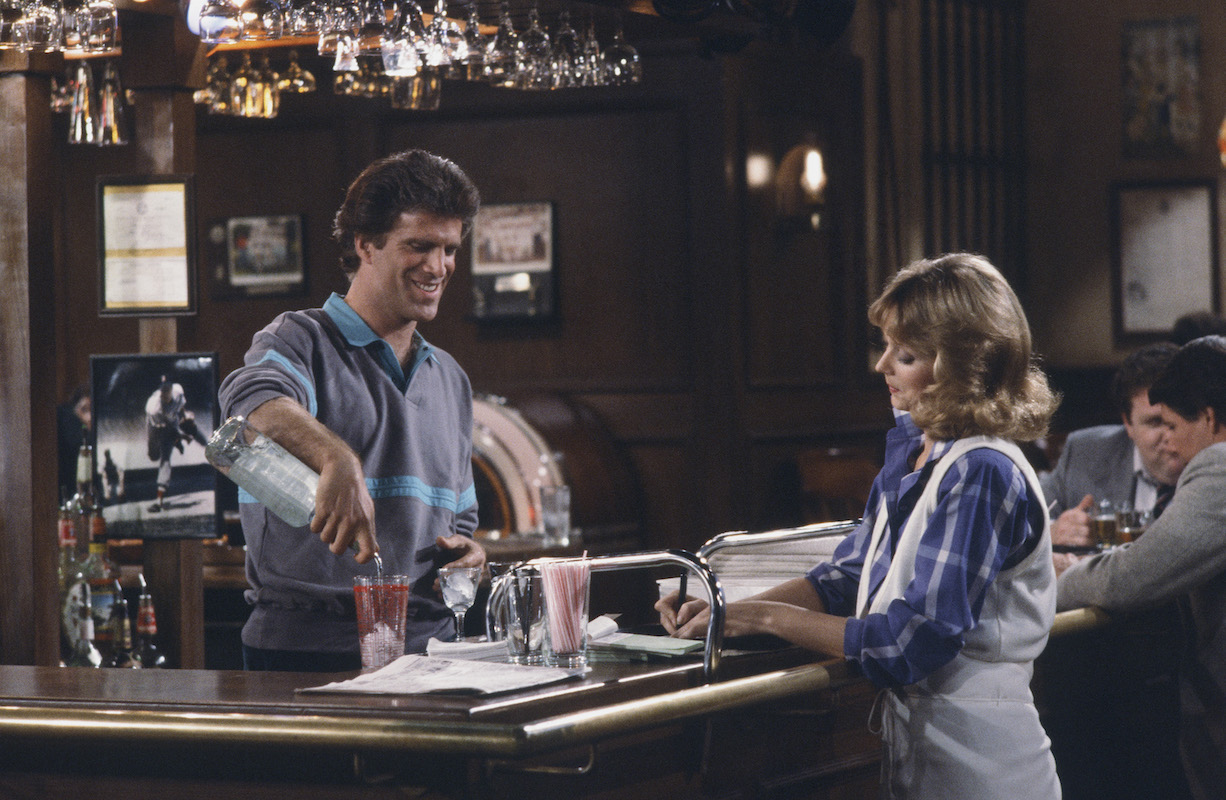
Sam and Diane turned romantic friction into television gold. Away from Cheers’ bar, accounts of Ted Danson and Shelley Long’s working relationship suggest it was not always comfortable or easy.
Still, describing them as enemies goes further than the evidence supports. Both have also spoken with respect about the other’s talent.
Their history offers a less dramatic lesson than a feud headline: actors can work brilliantly together without sharing the same habits, temperament, or lasting friendship.
11. Bea Arthur and Betty White Were Not Always Close
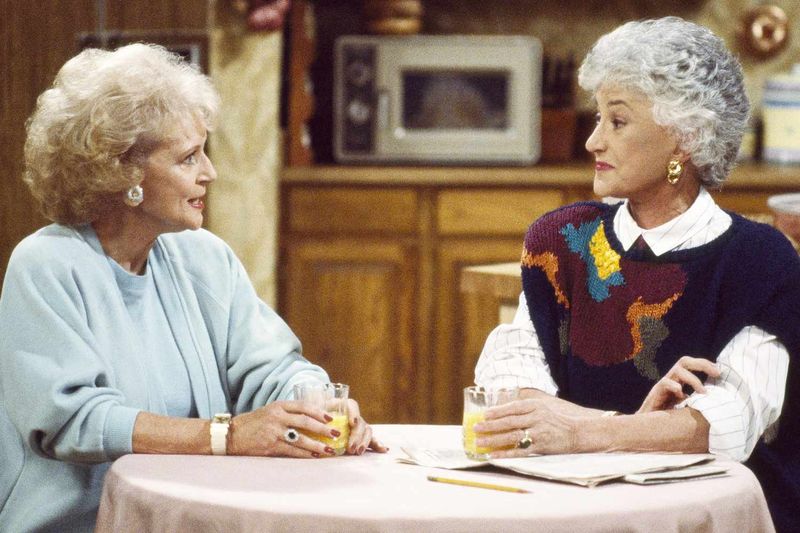
Cheesecake and close friendship were reliable comforts on The Golden Girls. The actresses’ relationships, however, did not always match the warmth written for their characters.
Betty White acknowledged that Bea Arthur was not especially fond of her, and later accounts described differences in personality and working style. Calling that a constant feud can oversell a complicated relationship.
Enjoying their performances does not require imagining that every cast member was equally close once the cameras stopped rolling.
12. Janet Hubert’s Departure Had More Than One Side
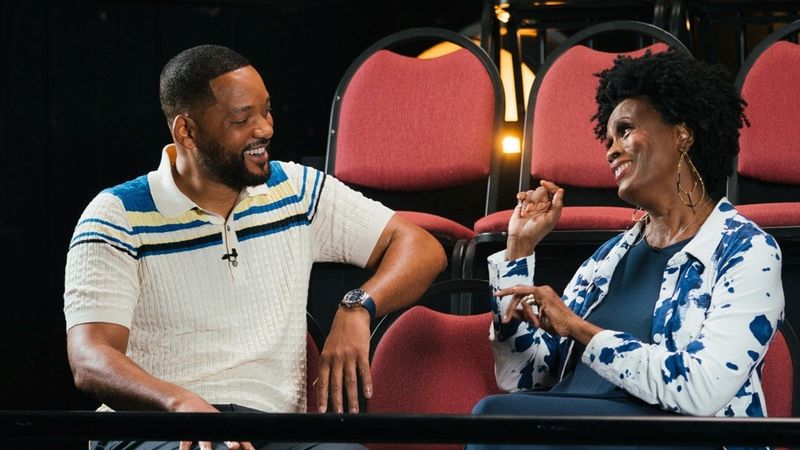
For years, the original Aunt Viv’s departure was reduced to a feud with Will Smith. Janet Hubert later explained that pregnancy, personal hardship, and an unacceptable contract offer shaped her exit from The Fresh Prince of Bel-Air.
At the 2020 reunion, she and Smith discussed the damage caused by their split. Her account challenged the familiar difficult actress label.
Listening to both participants showed how a simple entertainment headline can hide unequal power and lasting consequences.
13. Mackenzie Phillips’ Addiction Interrupted Her Sitcom Career
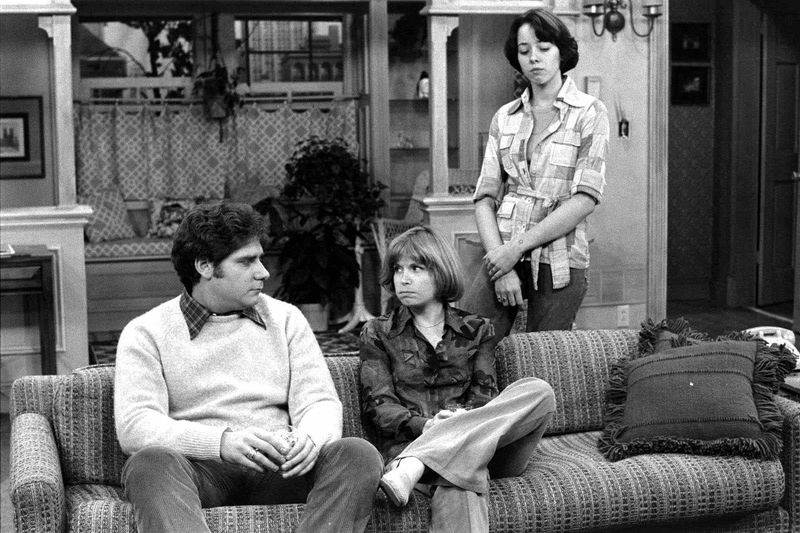
Playing a teenager in a busy household made Mackenzie Phillips a familiar face. Away from One Day at a Time, substance use increasingly disrupted her health and work.
She was dismissed, later returned, and left again as those struggles continued. Her addiction and recovery became subjects she discussed publicly.
The fuller history goes beyond a single firing: a successful television job does not protect someone from illness, and recovery does not always follow a straight path.
14. Phil Hartman’s Death Was Not a Hidden Scandal
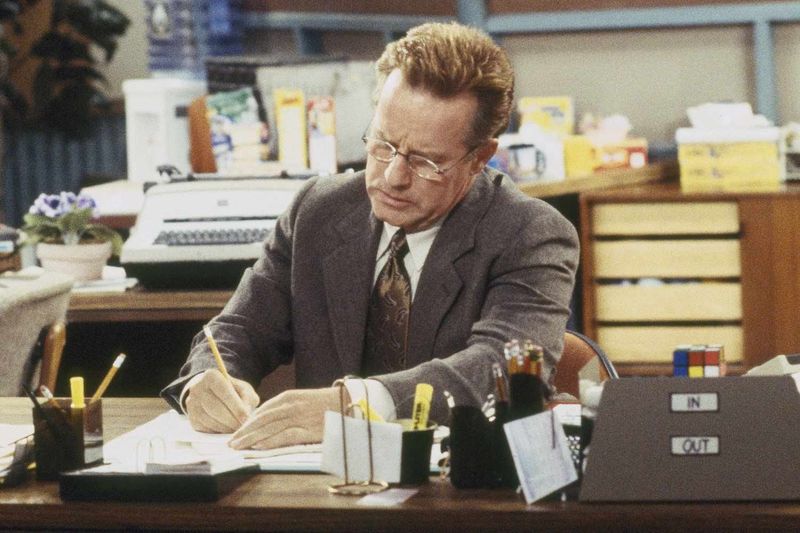
NewsRadio lost a beloved performer when Phil Hartman was killed by his wife, Brynn, in 1998. She then died by suicide.
The deaths received extensive coverage, making this a poor example of a little-reported scandal.
What audiences had known less about beforehand were difficulties within their private lives. Accounts discuss substance use and marital strain, but those details should not become a neat explanation for murder.
Remembering Hartman’s work need not turn family tragedy into gossip.
15. Ted Knight Worried Viewers Saw Only Ted Baxter
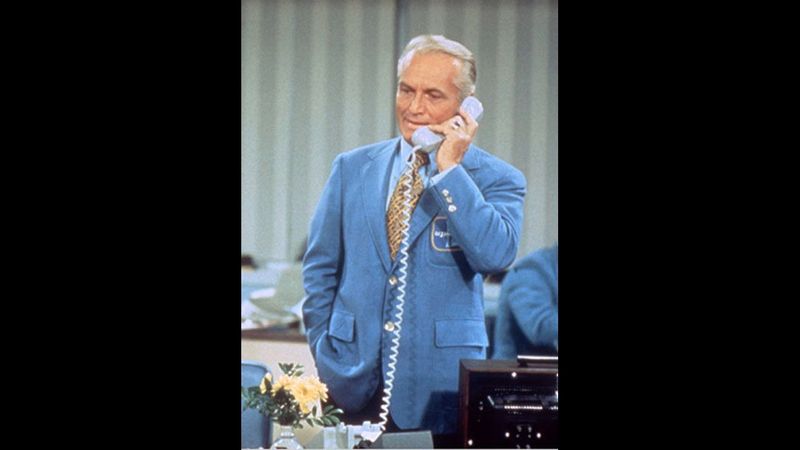
Few actors made foolish confidence funnier than Ted Knight did as newsman Ted Baxter. Yet accounts from The Mary Tyler Moore Show describe his distress over viewers confusing him with that character.
That is a private professional worry, not evidence of misconduct or a true scandal. Including the distinction matters because embarrassment should not be dressed up as wrongdoing.
Knight’s experience reveals a strange cost of convincing acting: audiences may mistake a carefully built performance for personality.
16. John Stamos Wanted the Olsen Twins Replaced
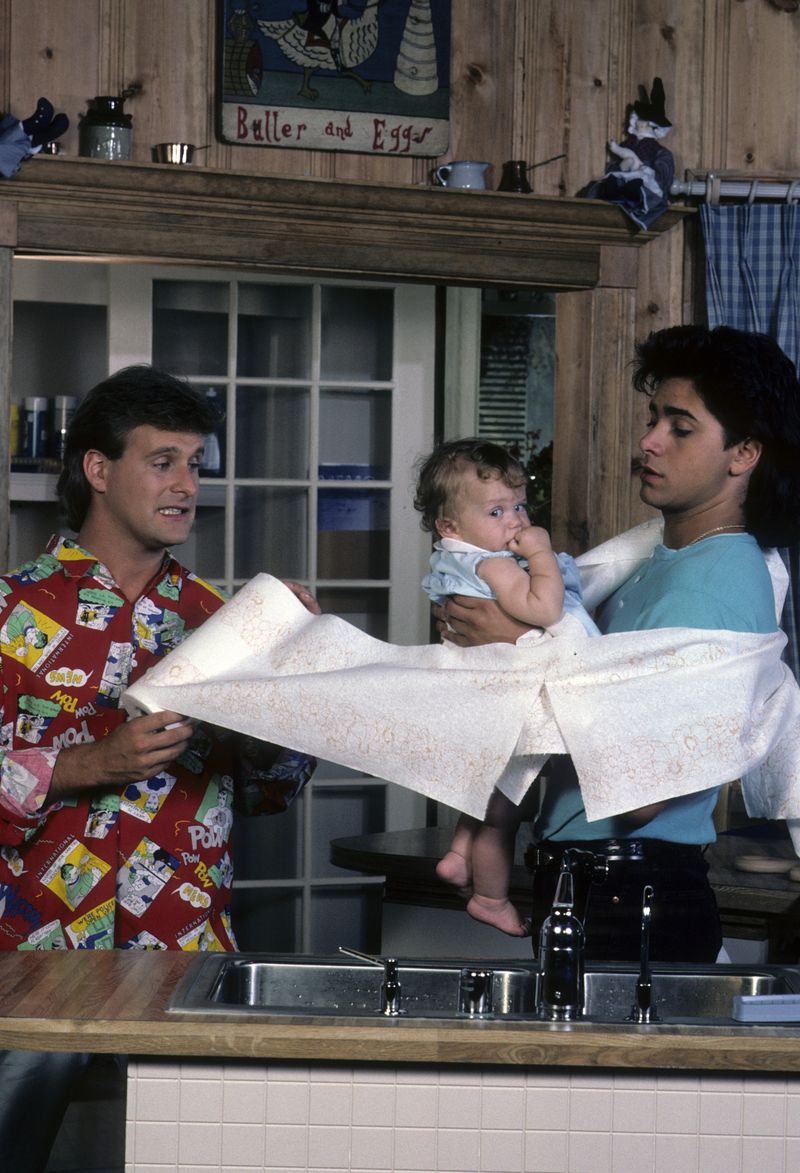
Even Full House had a rocky start behind its friendly front door. John Stamos later recalled pushing to replace Mary-Kate and Ashley Olsen when their crying made an early scene difficult to film.
Other babies were briefly tried before the twins returned. The story became a surprising footnote because the Olsens helped define the series.
It also highlights a basic truth about infant performers: crying is normal behavior, not a failure to meet an adult’s professional expectations.
17. Cybill’s Creative Disputes Became Part of Its Legacy
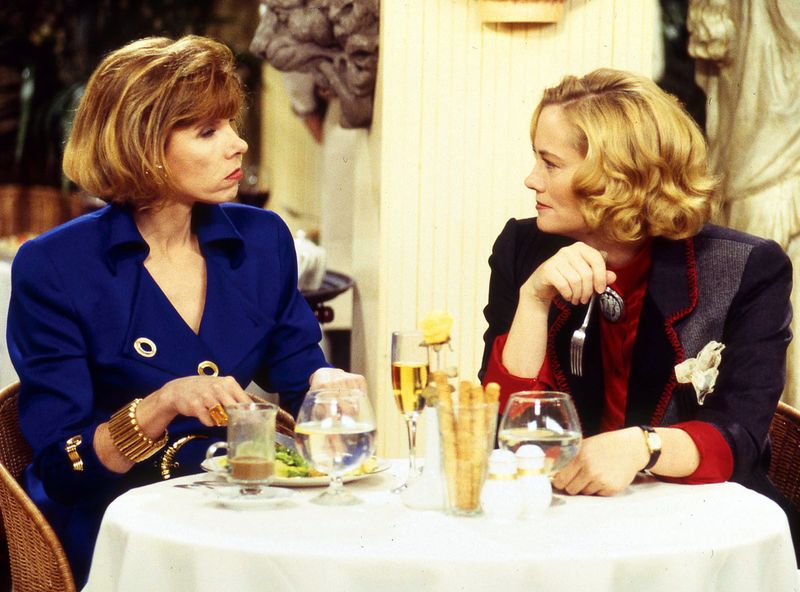
A comedy about an actress brought its own stories of creative conflict. Later accounts of Cybill describe disputes involving Cybill Shepherd, producer Chuck Lorre, and the balance of power behind the series.
Reports also describe tension with Christine Baranski, whose performance earned major praise. Claims about controlling behavior should be credited to the people making them, not treated as neutral fact.
Conflicting memories can reveal workplace problems without proving every dramatic detail repeated in entertainment coverage afterward.
18. Michael Landon’s Inclusion Needs a Genre Check
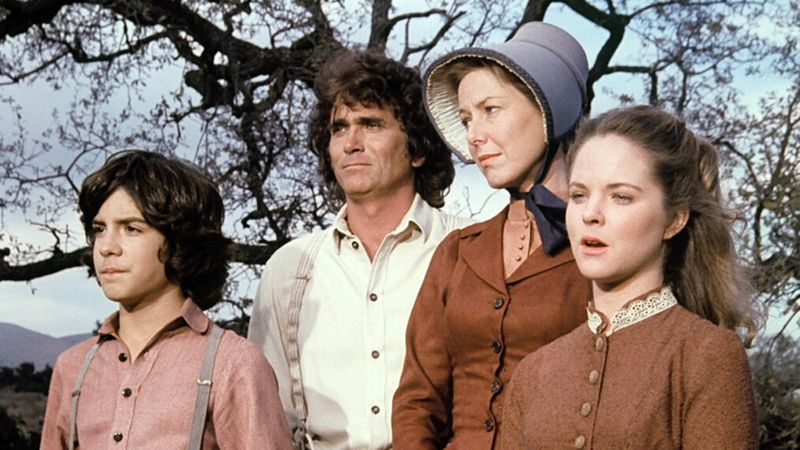
One name on this list does not fit the sitcom label. Michael Landon starred in dramas, including Bonanza and Little House on the Prairie.
His relationship with Cindy Clerico began while he was married to Lynn Noe.
The resulting split became public, so describing the entire story as hidden would be inaccurate. Accounts of childhood trauma belong in a separate discussion, not a scandal tally.
Keeping those boundaries clear respects both television history and painful personal experiences.