
Food is one of the most powerful ways people show kindness and hospitality around the world. From steaming bowls of soup to sweet, sticky pastries, every culture has its own special dish that says “you are welcome here.” These traditions have been passed down for generations, carrying deep meaning and warmth.
Get ready to travel the world through some of the most delicious and heartfelt welcome foods you have never heard of.
1. Bread and Salt – Russia
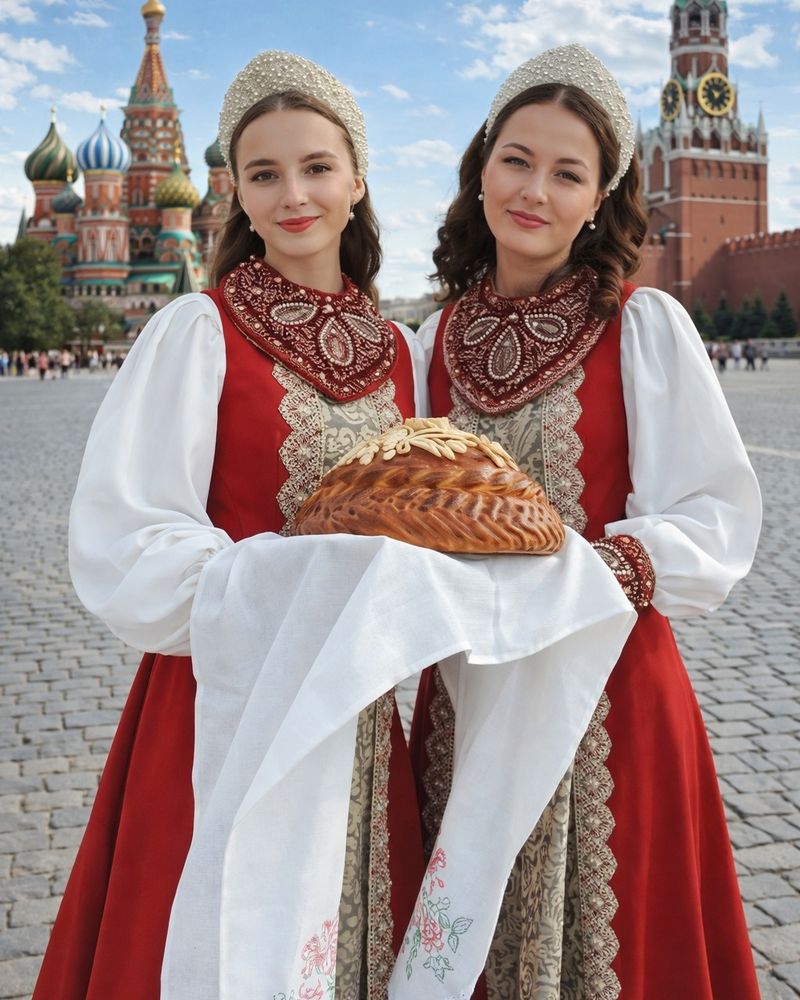
In Russia, offering bread and salt to a guest is one of the oldest and most respected traditions. The bread symbolizes prosperity, while the salt represents friendship and loyalty.
Guests are expected to tear off a piece of bread, dip it in salt, and eat it as a sign of acceptance.
This ritual dates back centuries and is still practiced at weddings, official ceremonies, and homecomings across the country today.
2. Mint Tea – Morocco
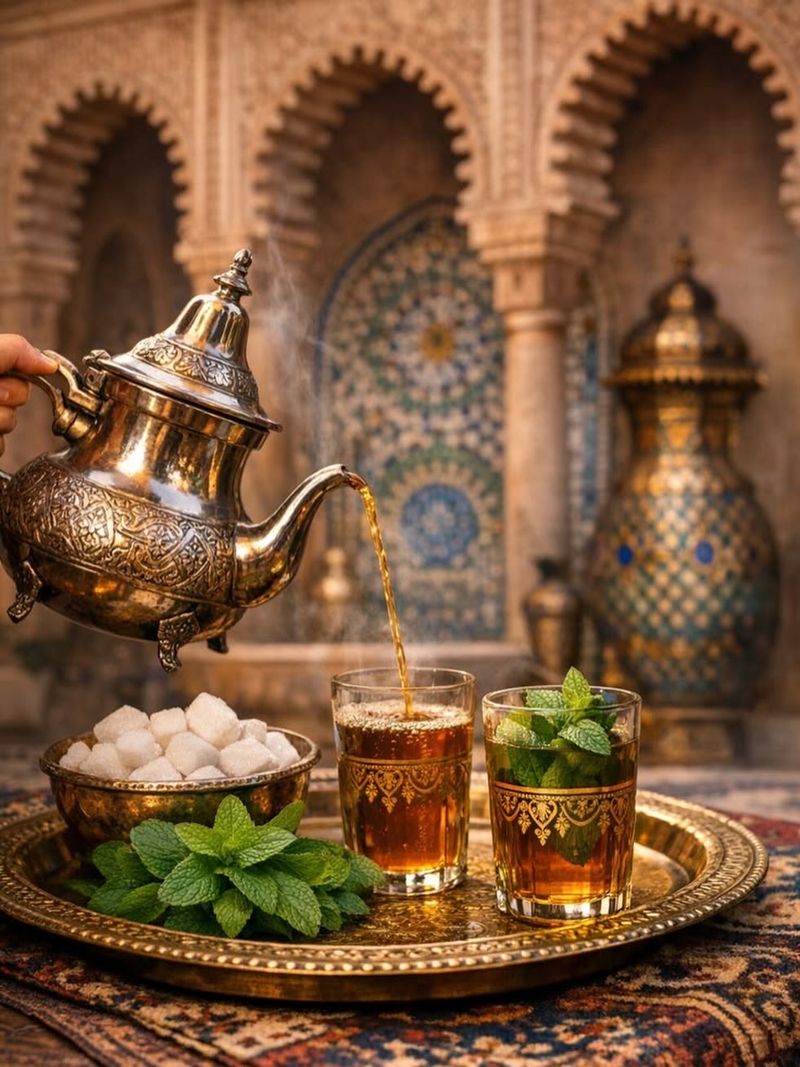
Pouring tea from a great height is not showing off in Morocco. It is actually a skill that aerates the tea and creates a frothy top, which is considered a sign of a good host.
Mint tea made with gunpowder green tea, fresh spearmint, and plenty of sugar is served in three rounds.
Each round has a different meaning: the first is as bitter as life, the second as strong as love, and the third as sweet as death.
3. Dates and Coffee – Saudi Arabia
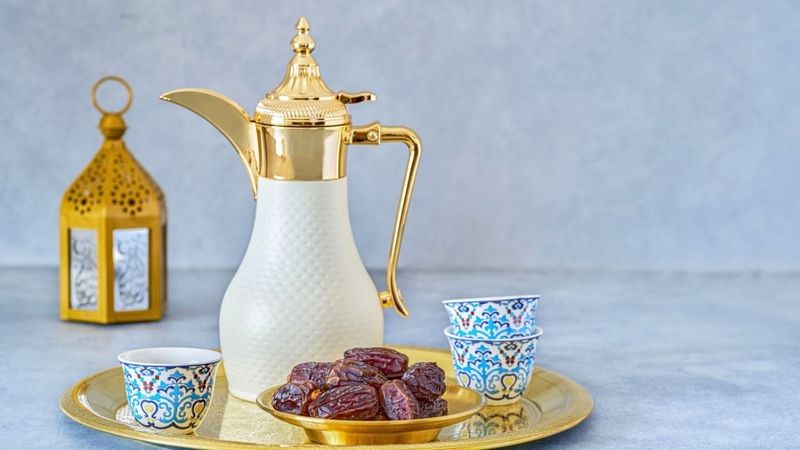
Walking into a Saudi home or business meeting almost always starts with a cup of Arabic coffee and a few sweet dates. The coffee, called qahwa, is lightly roasted and flavored with cardamom and sometimes saffron.
It has a pale golden color and a gentle, earthy flavor very different from the dark roasts many people are used to.
Dates balance the slight bitterness of the coffee perfectly. Refusing this offering is considered impolite, so guests are always encouraged to enjoy at least a small cup.
4. Pineapple – Caribbean Islands

Long before modern tourism, the pineapple was the ultimate symbol of welcome across the Caribbean islands. When a chief or village leader wanted to signal that strangers were safe and invited to enter, a pineapple was placed at the entrance of the village.
European explorers brought this tradition back home, and it spread through Europe and colonial America too. Today, pineapple carvings and motifs on door knockers and gateposts still carry that original meaning of warmth and open invitation.
5. Koha – New Zealand (Maori)
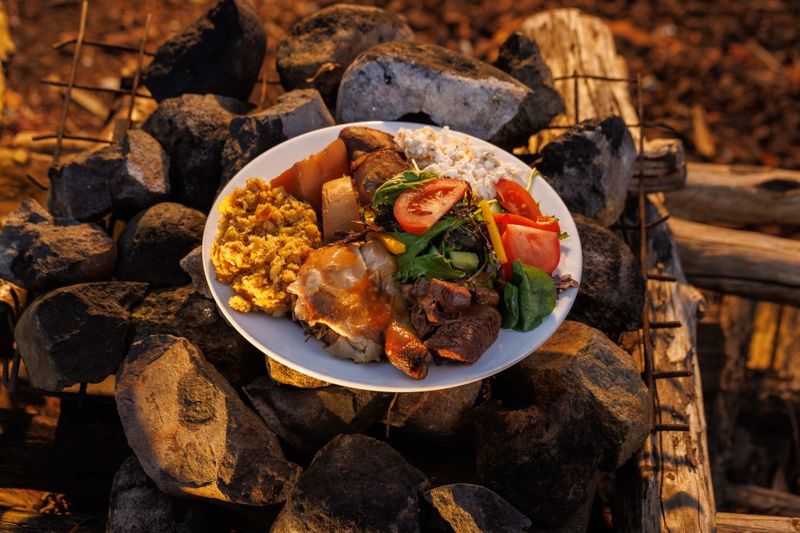
Among the Maori people of New Zealand, welcoming guests involves a powerful ceremony called the powhiri, which includes the sharing of food as a central act of connection. A hangi, which is food cooked underground using heated stones, is often prepared for significant gatherings.
Kumara, a sweet potato deeply tied to Maori culture, is a staple of this feast. Sharing a hangi meal is not just eating together.
It is a spiritual act that joins the guests and hosts as one community.
6. Baklava – Turkey and Greece
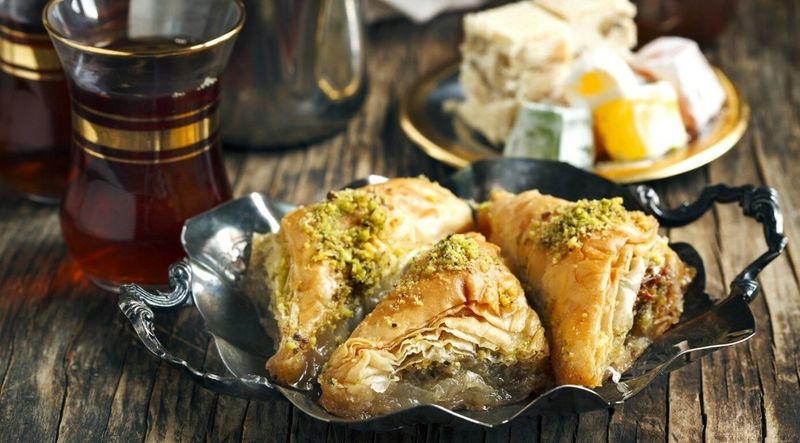
Few sweets carry as much cultural weight as baklava. Across Turkey, Greece, and much of the Middle East, this flaky pastry layered with nuts and drenched in honey syrup is a go-to offering for guests at any time of the day.
Making baklava from scratch is a labor of love involving dozens of paper-thin phyllo layers. When a host serves homemade baklava, it signals genuine effort and deep respect.
Store-bought versions are common too, but nothing compares to a tray made with family hands.
7. Injera with Stews – Ethiopia
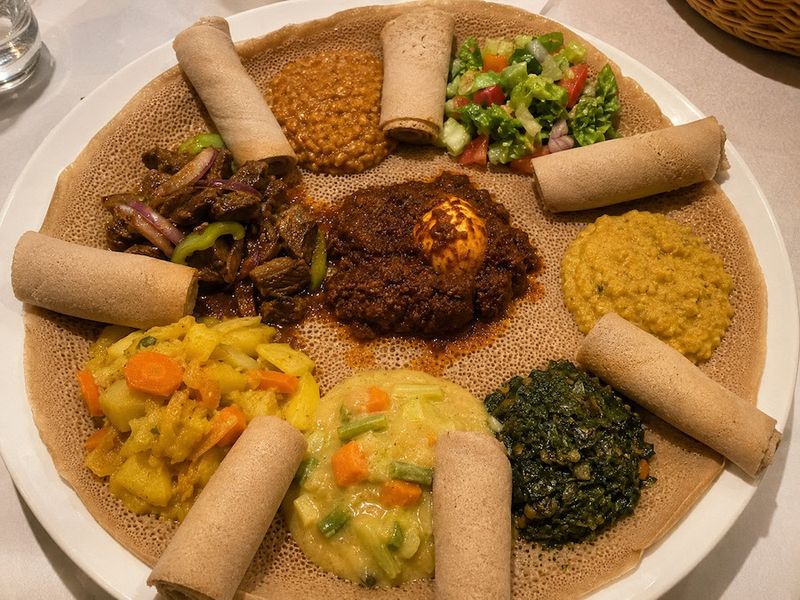
Eating in Ethiopia is a deeply communal experience. Injera, a spongy sourdough flatbread made from teff grain, serves as both the plate and the utensil.
Guests and hosts tear pieces of injera and use them to scoop up fragrant stews called wot, all from one shared platter.
Being served from the same dish is a powerful symbol of trust and togetherness in Ethiopian culture. Hosts often place the best bites directly into a guest’s mouth as a gesture called gursha, which means love.
8. Mochi – Japan
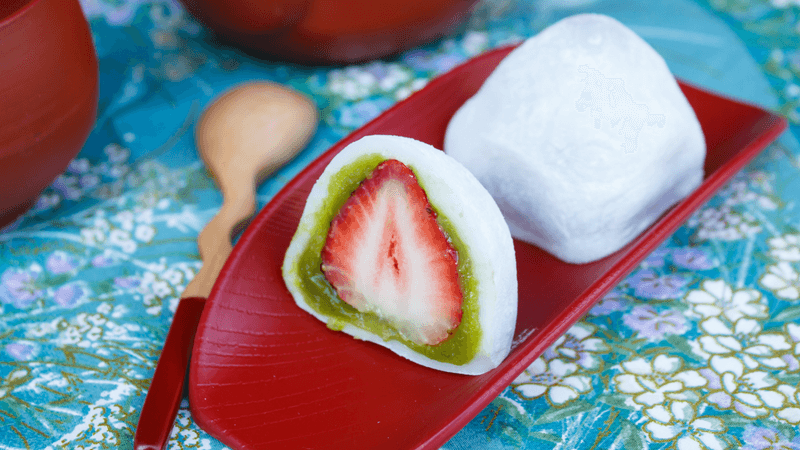
Japan has a deeply rooted culture of gift-giving and hospitality, and mochi holds a special place in that tradition. These chewy rice cakes made from pounded glutinous rice are given to guests during New Year celebrations and important visits as a symbol of good luck and good health.
The process of making mochi, called mochitsuki, is itself a festive communal activity. Watching the rhythmic pounding of the rice is considered entertainment, and the resulting treats are shared with joy and ceremony.
9. Lavash with Herbs and Cheese – Armenia
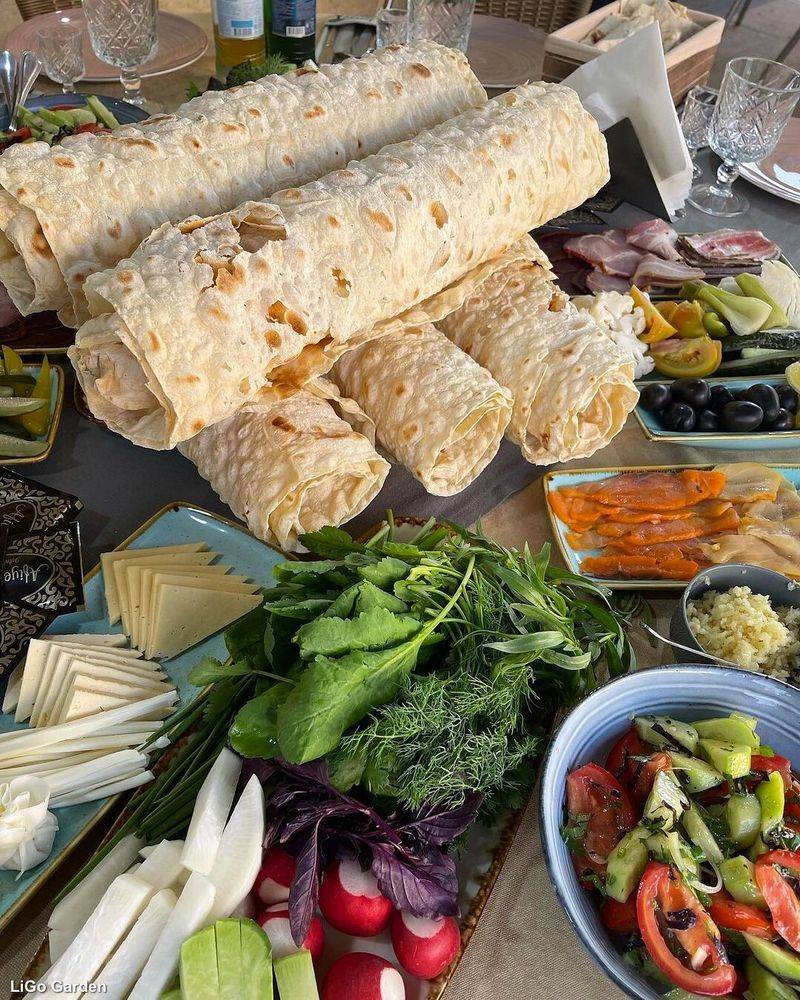
Armenia’s UNESCO-recognized flatbread, lavash, is more than just a food. It is a cultural symbol baked in clay ovens called tonirs and shared with guests as a sign of respect and abundance.
Traditionally, lavash is draped over the shoulders of newlyweds and honored guests for good luck.
When served at the table, it comes alongside fresh herbs like tarragon and basil, creamy white cheese, and walnuts. Rolling it all up together creates a simple but deeply satisfying bite full of fresh flavor.
10. Pho – Vietnam
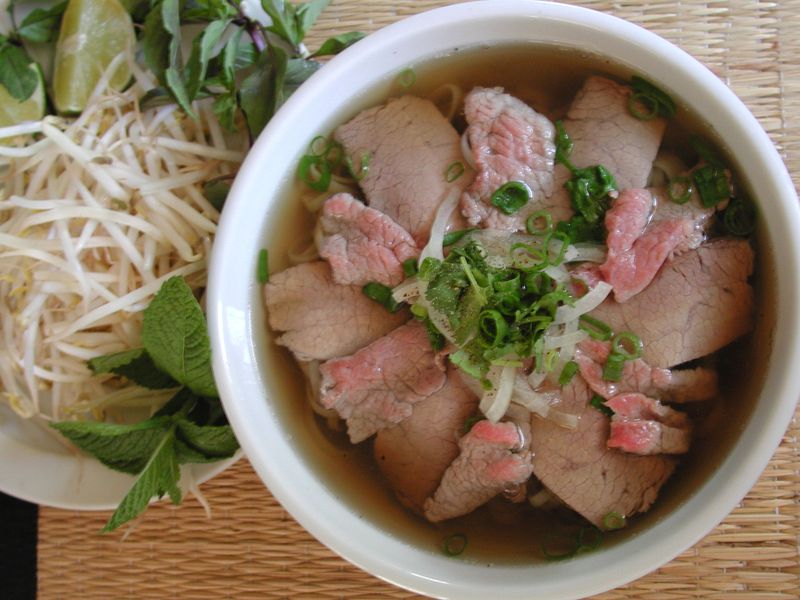
There is something almost magical about a bowl of pho. This aromatic Vietnamese noodle soup made with slow-simmered bone broth, rice noodles, and fresh herbs has warmed countless guests across Vietnam for generations.
The broth alone can take 12 hours or more to prepare properly.
Serving pho to a guest is a genuine act of time and care. Each person customizes their bowl with squeeze of lime, fresh basil, and chili slices.
That personal touch makes every bowl feel like it was made just for you.
11. Kolach – Ukraine
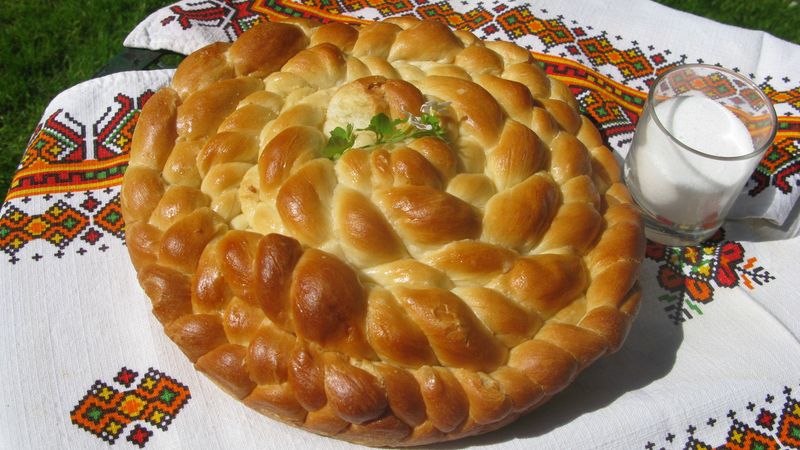
Kolach is a braided ceremonial bread that Ukrainians have placed on tables to welcome guests for hundreds of years. Its circular shape represents eternity and the unending cycle of life, making it a deeply meaningful offering.
During Christmas and Easter, kolach is placed in the center of the table as a symbol of blessing for all who enter.
The bread is often decorated with intricate dough ornaments shaped like flowers or birds. Guests are invited to tear off a piece as a sign that they are truly at home.
12. Tamales – Mexico
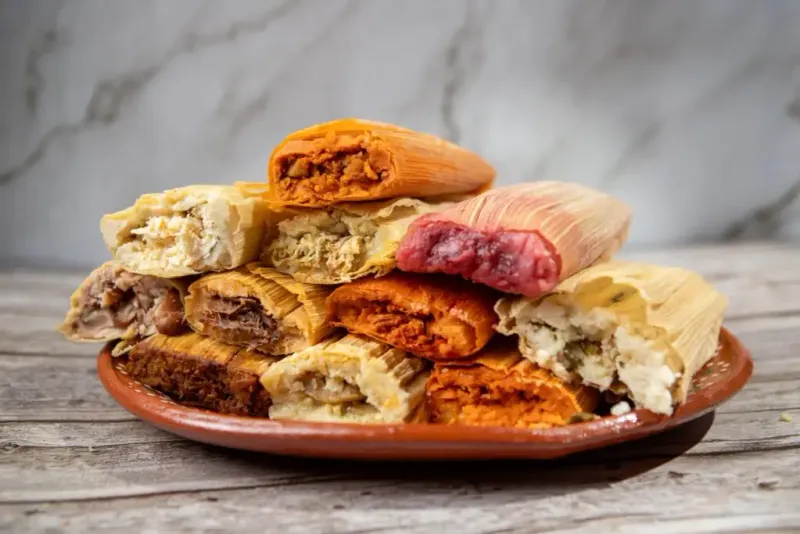
Making tamales is never a solo job. Across Mexico, families gather in groups called tamaladas to prepare these labor-intensive bundles of masa dough filled with meats, cheese, or chilies and steamed in corn husks.
When guests arrive for celebrations, tamales are almost always part of the spread.
The sheer effort involved in making tamales communicates respect and affection for those being fed. Every tamale carries the fingerprints of multiple family members, making it one of the most personal foods a host can offer.
13. Khachapuri – Georgia (Country)

Khachapuri might just be the world’s most satisfying bread. This boat-shaped Georgian pastry is filled with a rich mixture of melted cheese and topped with a raw egg and butter that guests stir in themselves at the table.
The interactive element makes it a memorable experience from the first bite.
In Georgia, the country nestled between Europe and Asia, food is treated as an art form. Hosting a guest without offering khachapuri would feel genuinely incomplete, as it represents Georgian generosity in its most delicious form.
14. Suppawn (Cornmeal Porridge) – Native American Tribes
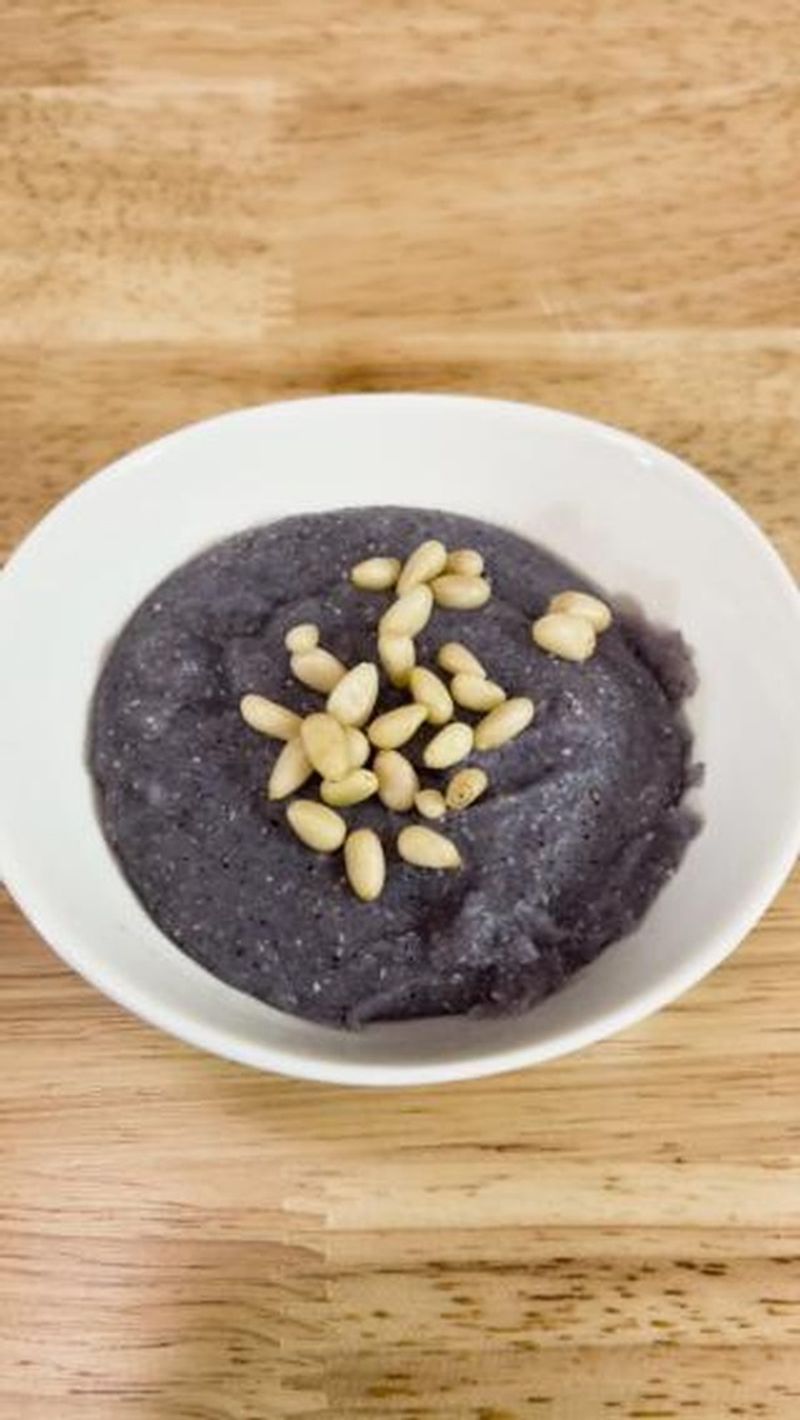
Among many Native American nations, particularly in the northeastern regions, sharing food with a visitor was considered a sacred duty. Suppawn, a thick porridge made from ground corn, was one of the most common dishes offered to travelers and guests seeking shelter.
Corn held immense spiritual and practical importance in Indigenous cultures, making it a fitting symbol of welcome. Offering suppawn meant sharing something vital and cherished.
That spirit of radical generosity toward strangers is a value woven deeply into the traditions of many Native communities.
15. Borscht – Poland and Eastern Europe
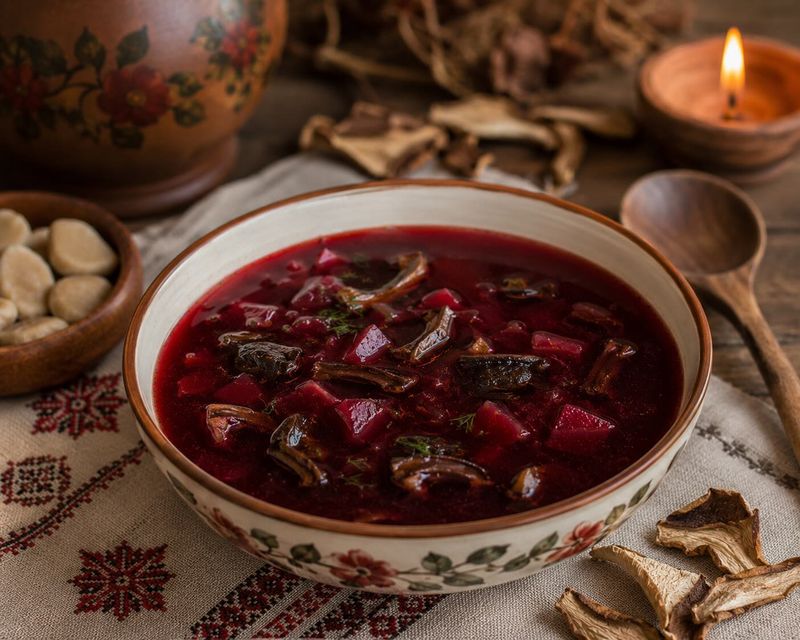
Borscht is the kind of soup that feels like a hug in a bowl. This vibrant red beet soup is a cornerstone of hospitality across Poland, Ukraine, and much of Eastern Europe.
A pot of borscht simmering on the stove signals that guests are expected and warmly anticipated.
Recipes vary by region and family, but most versions include beets, cabbage, carrots, and a generous spoonful of sour cream. Some families add mushrooms or beans.
Sharing a family recipe of borscht is itself considered a meaningful act of trust.
16. Mansaf – Jordan
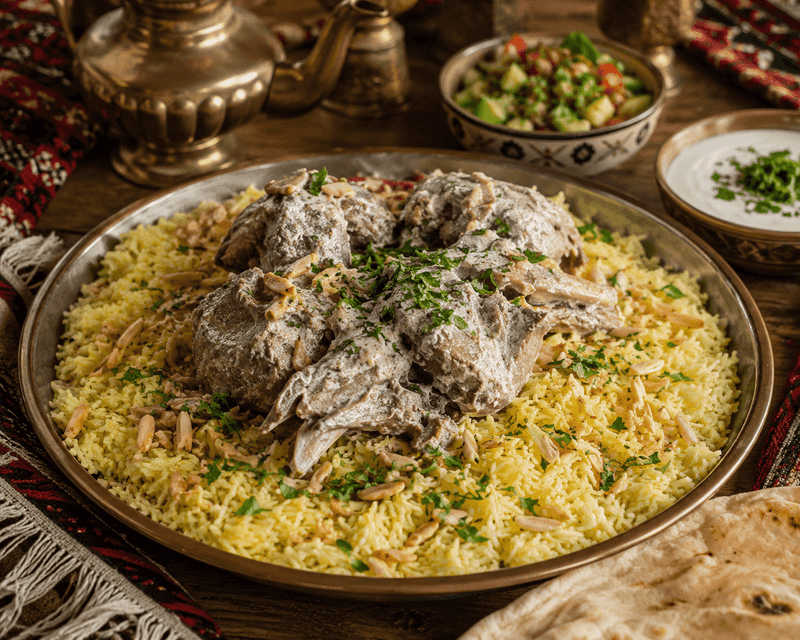
Mansaf is not just Jordan’s national dish. It is a statement of Bedouin honor and hospitality so important that the size of the mansaf platter can reflect the host’s respect for the guest.
Lamb slow-cooked in a tangy fermented yogurt sauce called jameed is served over a mountain of saffron rice and flatbread.
Traditionally, guests eat standing around the communal platter using only their right hand. The host serves the best cuts of meat personally, ensuring every guest feels honored and valued throughout the meal.
17. Pierogi – Poland
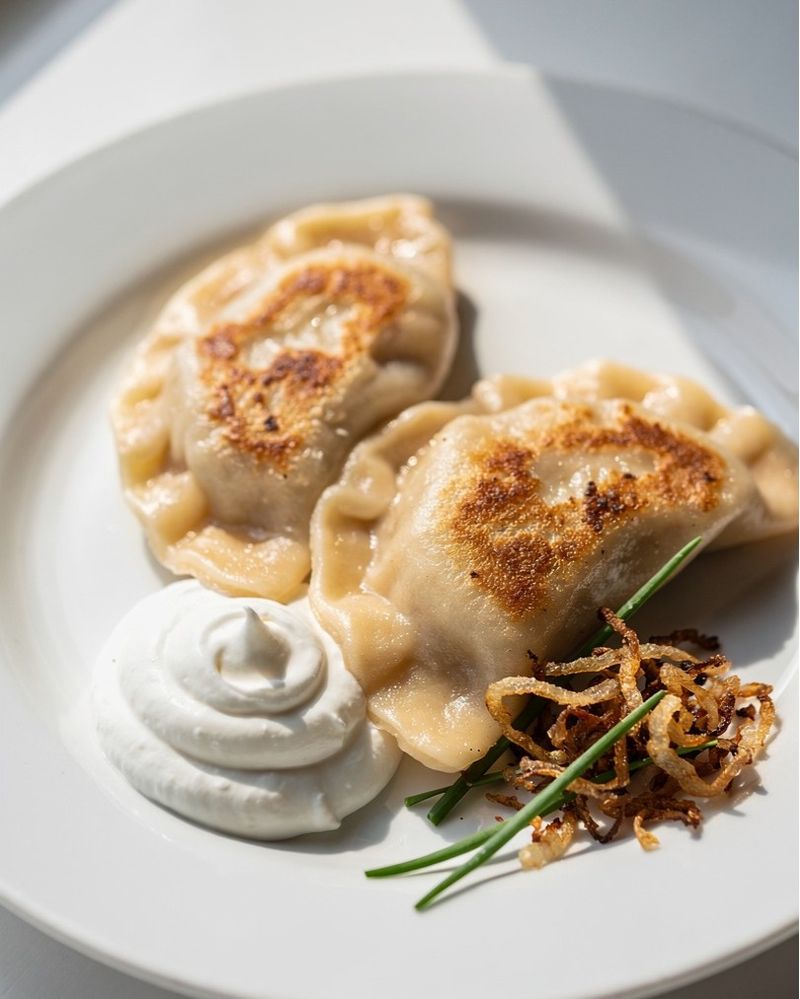
Ask any Polish grandmother what she makes when family comes to visit, and the answer will almost certainly involve pierogi. These half-moon shaped dumplings stuffed with potato and cheese, sauerkraut, or meat are a universal symbol of home and welcome in Poland.
Boiling them first and then pan-frying them in butter gives pierogi their signature golden crust and soft interior. Making a big batch takes time and patience, which is exactly why receiving a plate of homemade pierogi feels like receiving a warm embrace from the cook.
18. Naan with Chai – India
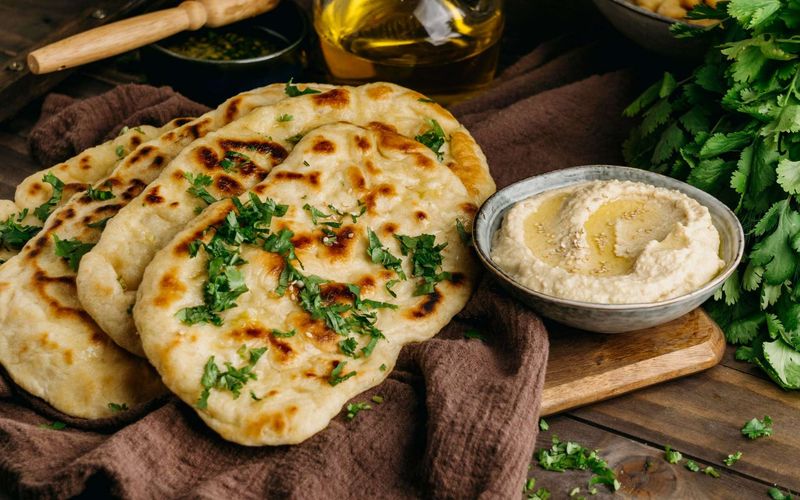
Across northern India, welcoming a guest almost always begins with a hot cup of masala chai. This spiced milk tea brewed with ginger, cardamom, cloves, and black tea leaves is aromatic, warming, and instantly comforting.
Paired with freshly baked naan straight from a tandoor oven, it is a combination that feels both humble and deeply generous.
Refusing chai when offered in an Indian home can cause mild offense, as the act of brewing it for someone is considered a sincere expression of care and welcome.
19. Ful Medames – Egypt
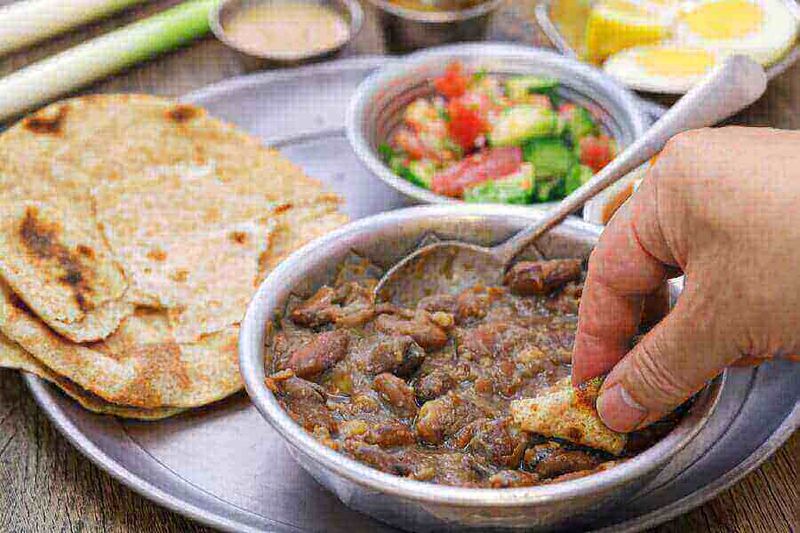
Ful medames has been feeding Egyptians for thousands of years, and some food historians believe it may be one of the oldest continuously eaten dishes in the world. This hearty stew of slow-cooked fava beans seasoned with garlic, lemon juice, and olive oil is served morning, noon, or night to welcome guests.
It is humble, filling, and deeply flavorful. Serving ful medames with warm pita bread and fresh vegetables shows that Egyptian hospitality does not need to be fancy.
It just needs to be wholehearted.
20. Coxinha – Brazil
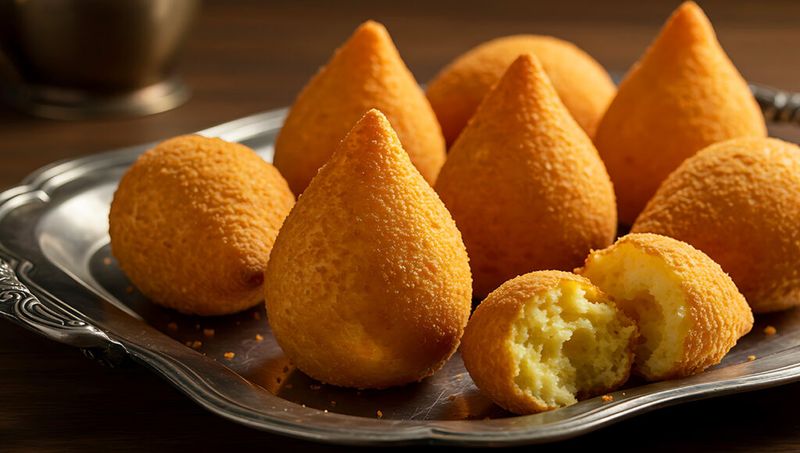
Brazil has a party food culture that is hard to match, and coxinha is one of its most beloved creations. These teardrop-shaped croquettes filled with shredded seasoned chicken and cream cheese are coated in dough and fried until perfectly golden.
At birthdays, family gatherings, and welcoming parties, a tray of coxinha disappears almost instantly.
The name means “little thigh” because the shape was originally meant to mimic a chicken drumstick. Fun origin aside, the real magic is in that first crispy, creamy bite that makes every guest feel celebrated.
21. Haggis – Scotland
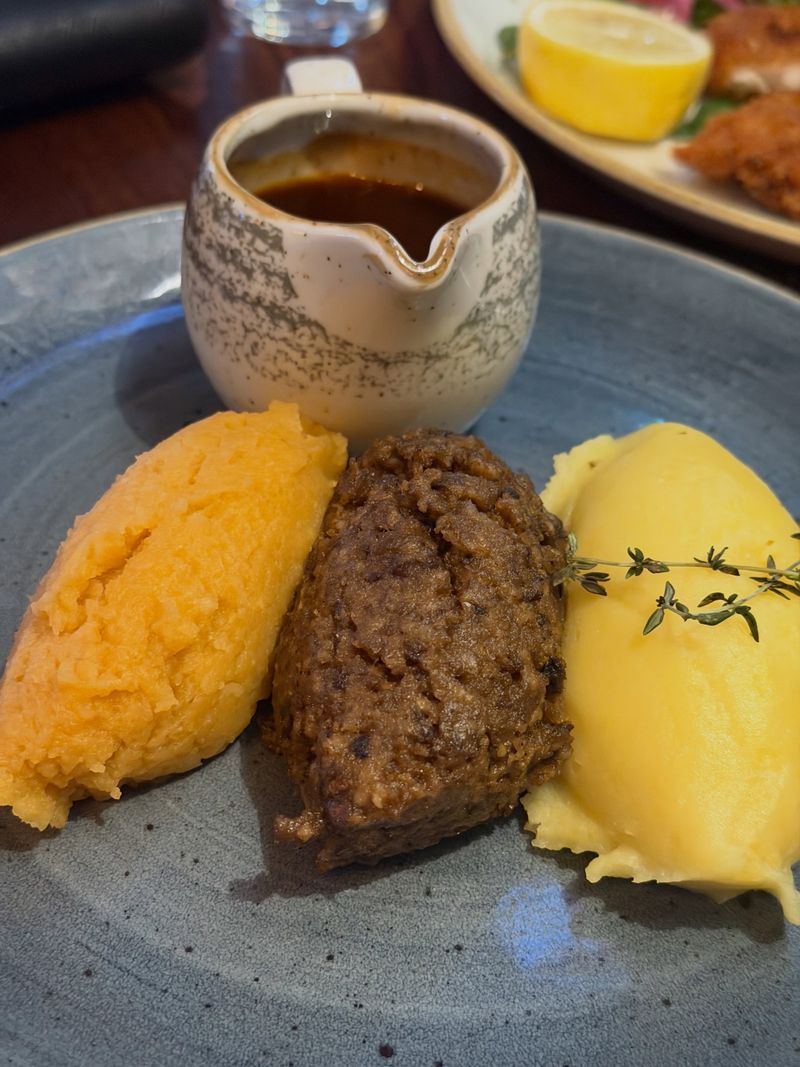
Scotland’s most famous dish might sound unusual at first, haggis is made from sheep’s offal mixed with oatmeal, onions, and spices and traditionally cooked inside a sheep’s stomach. But ask any Scot, and they will tell you it is one of the most flavorful and satisfying dishes their country has to offer.
Serving haggis to a guest, especially on Burns Night in January, is a mark of genuine Scottish pride and cultural sharing. It is always paired with mashed neeps (turnip) and tatties (potato) for a complete and hearty welcome meal.
22. Spit-Roasted Lamb – Greece
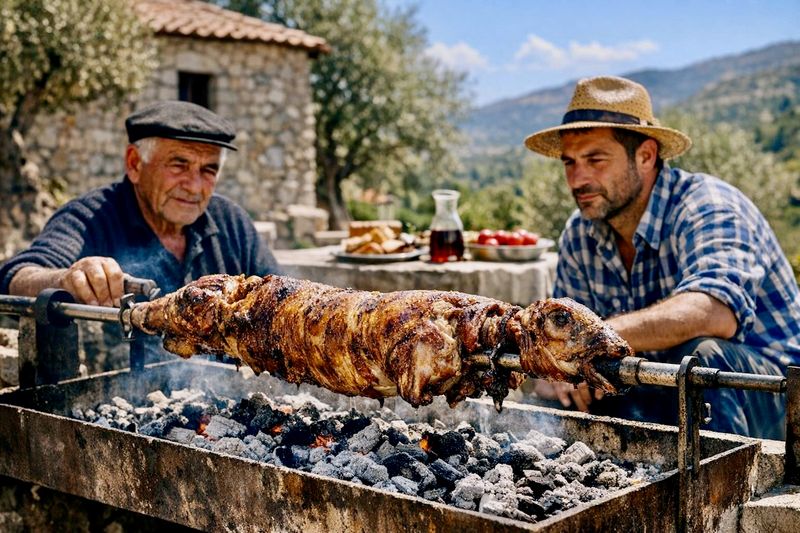
When Greeks really want to honor a guest, they fire up the spit. Whole lamb roasted slowly over an open wood fire is the centerpiece of Greek celebrations from Easter to summer festivals and family reunions.
The process takes hours, and the entire neighborhood can usually smell it happening.
That long, communal cooking process is part of the welcome itself. Guests arrive, wine is poured, stories are told, and by the time the lamb is ready, the gathering has already become a memory worth keeping for a lifetime.