
When most people think of Japanese food, sushi is usually the first thing that pops into their heads. But Japan has a huge world of tasty dishes, sweets, and snacks that have nothing to do with raw fish and rice rolls.
Many of these foods have been loved by families for hundreds of years, and each one tells a story about the place it comes from. Get ready to find your next favorite meal from the Land of the Rising Sun.
1. Ramen: The Soup That Conquered the World
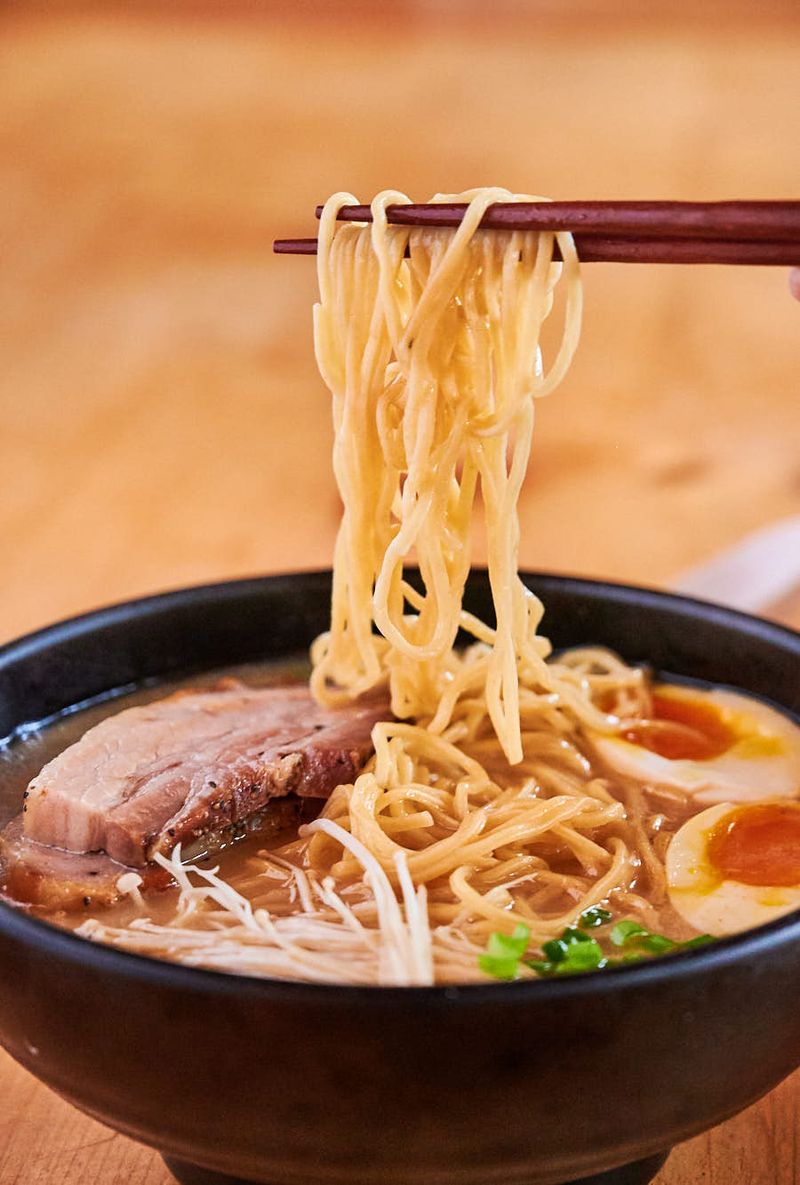
Slurping loudly is actually polite in a Japanese ramen shop. It shows the cook you love the food, and it cools the hot noodles too.
Ramen came to Japan from China over a hundred years ago, but Japan made it its own. Every region has a style, like rich pork tonkotsu in Fukuoka or miso ramen in snowy Sapporo.
Try a small shop with a ticket machine for the most authentic experience.
2. Okonomiyaki, the Pancake You Build Yourself
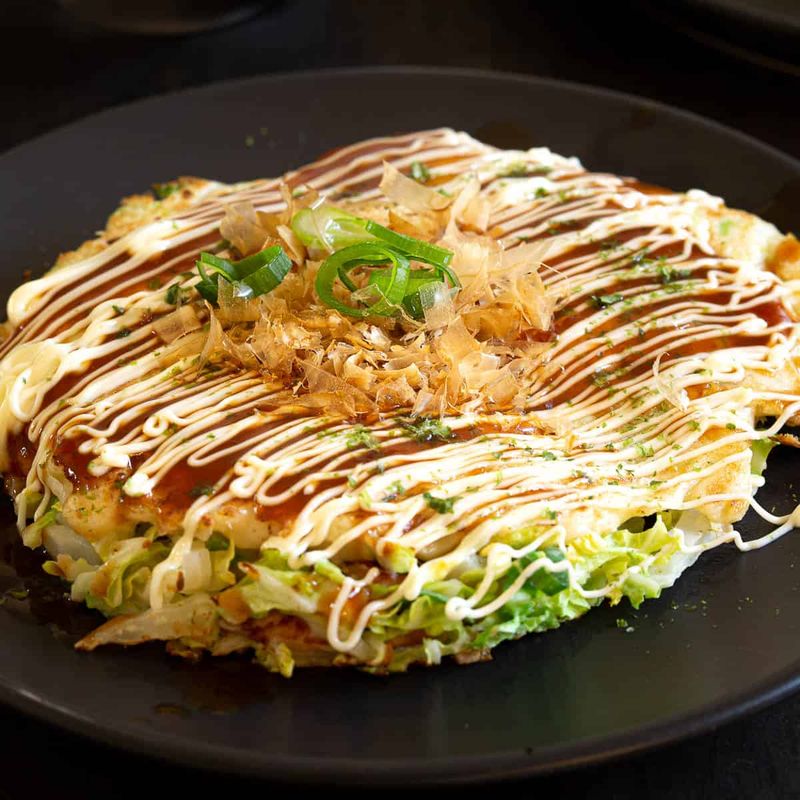
Picture a savory pancake stuffed with cabbage, pork, and whatever else you like. That is okonomiyaki, and its name literally means grilled how you like it.
In Osaka, diners often cook it themselves on a hot griddle built into the table. Hiroshima folks add a layer of noodles, which makes it extra filling.
Watch the bonito flakes on top. They wiggle in the heat like they are dancing!
3. Takoyaki Street Snack Magic
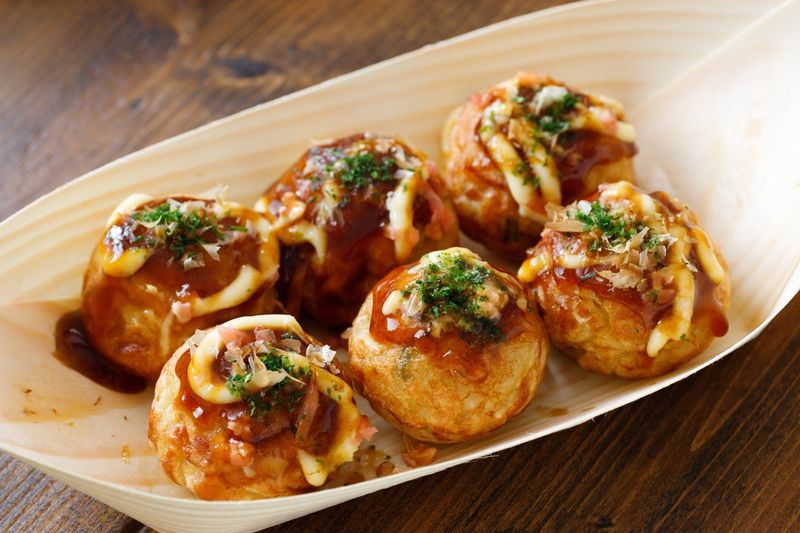
Crispy outside, gooey inside, and hiding a little piece of octopus in the middle. Takoyaki balls are Osaka’s favorite street snack for good reason.
Vendors flip them with tiny picks in a special pan full of round holes. Watching them work is half the fun.
A word of warning from anyone who has tried them: let them cool a moment. The center stays hot enough to surprise your tongue.
4. Tempura with a Portuguese Twist
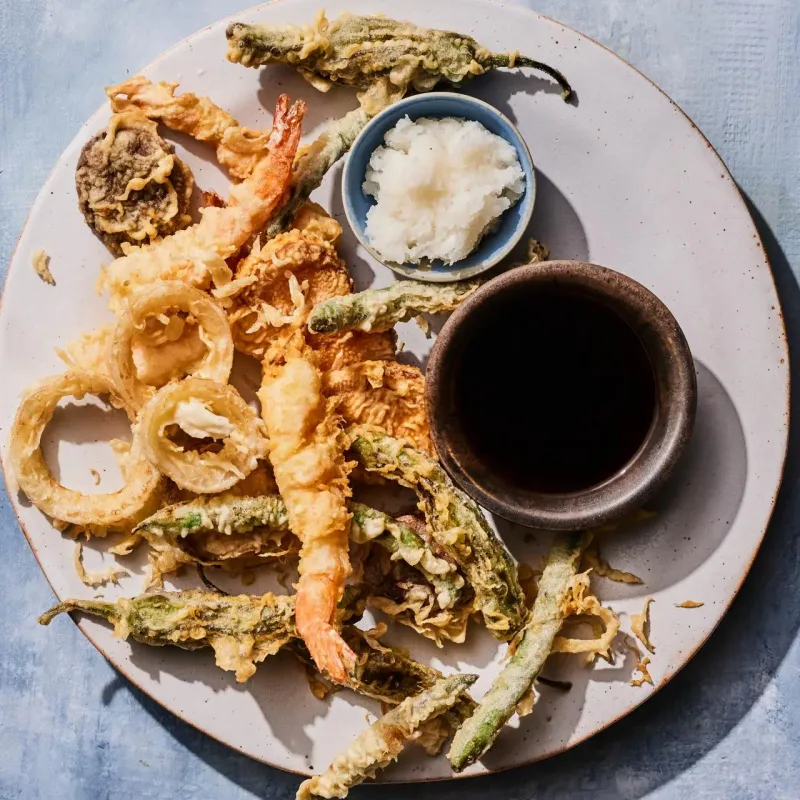
Did you know tempura may have Portuguese roots? Traders arrived in the 1500s and shared the idea of frying foods in batter.
Japanese cooks perfected it with an ice cold, super light batter. The result is shrimp, sweet potato, and mushrooms wrapped in a lacy, crunchy shell.
Dip each piece in tentsuyu sauce mixed with grated radish. Eat it fast, because tempura tastes best just seconds out of the oil.
5. Comforting Bowls of Udon
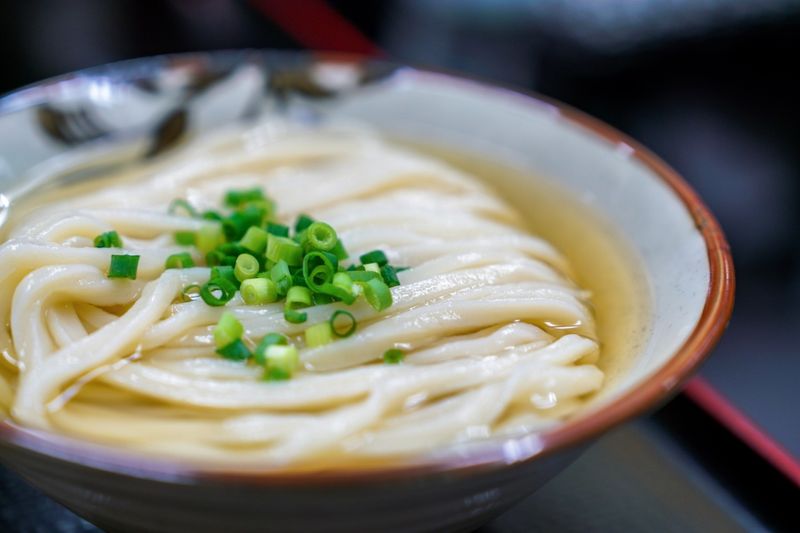
On a chilly afternoon, nothing hugs you from the inside quite like udon. These thick, chewy wheat noodles swim in a mild broth made from kelp and fish.
Kagawa Prefecture is so proud of its sanuki udon that it calls itself the Udon Prefecture. Some shops there charge just a couple of dollars a bowl.
Toppings range from fried tofu to a raw egg stirred right into the hot soup.
6. Soba Noodles for Good Luck
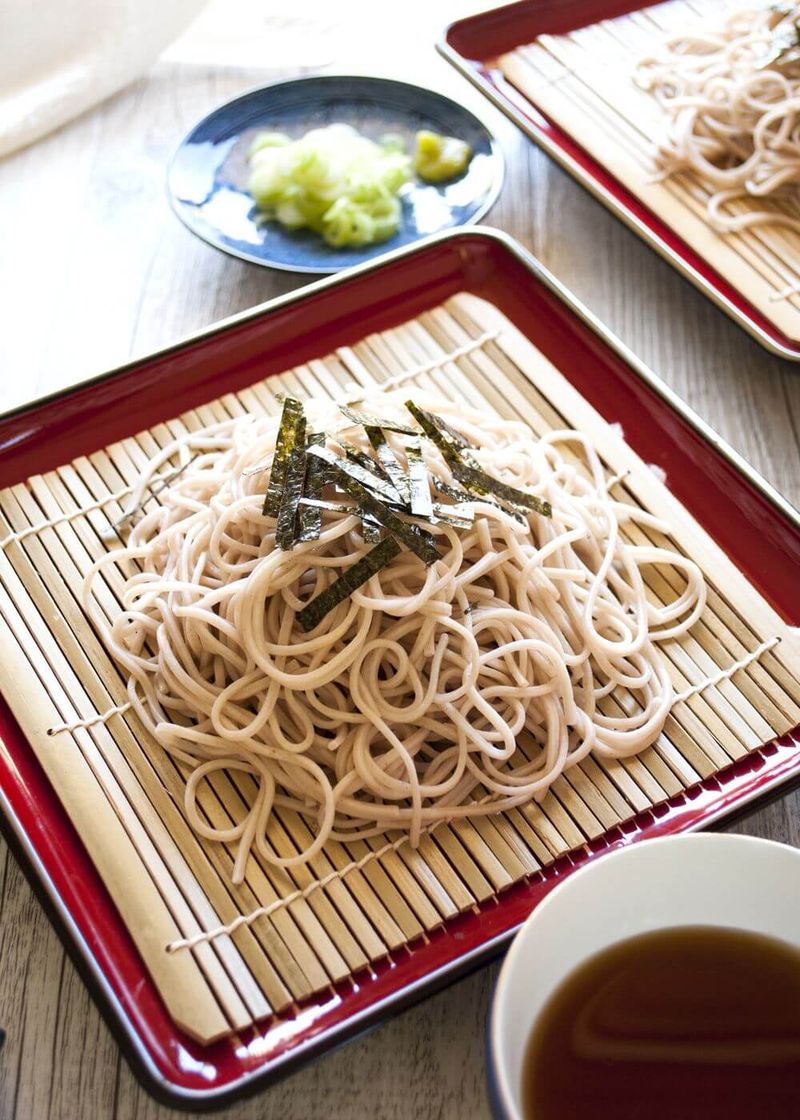
Every New Year’s Eve, millions of Japanese families eat a bowl of soba. The long buckwheat noodles stand for a long, healthy life.
Soba has a nutty, earthy flavor. In summer, people enjoy it cold on a bamboo tray, dipping each bite into a salty sauce.
Here is a fun tip: when you finish, ask for sobayu. It is the cooking water, which you pour into leftover sauce and drink like tea.
7. Crunchy Golden Tonkatsu
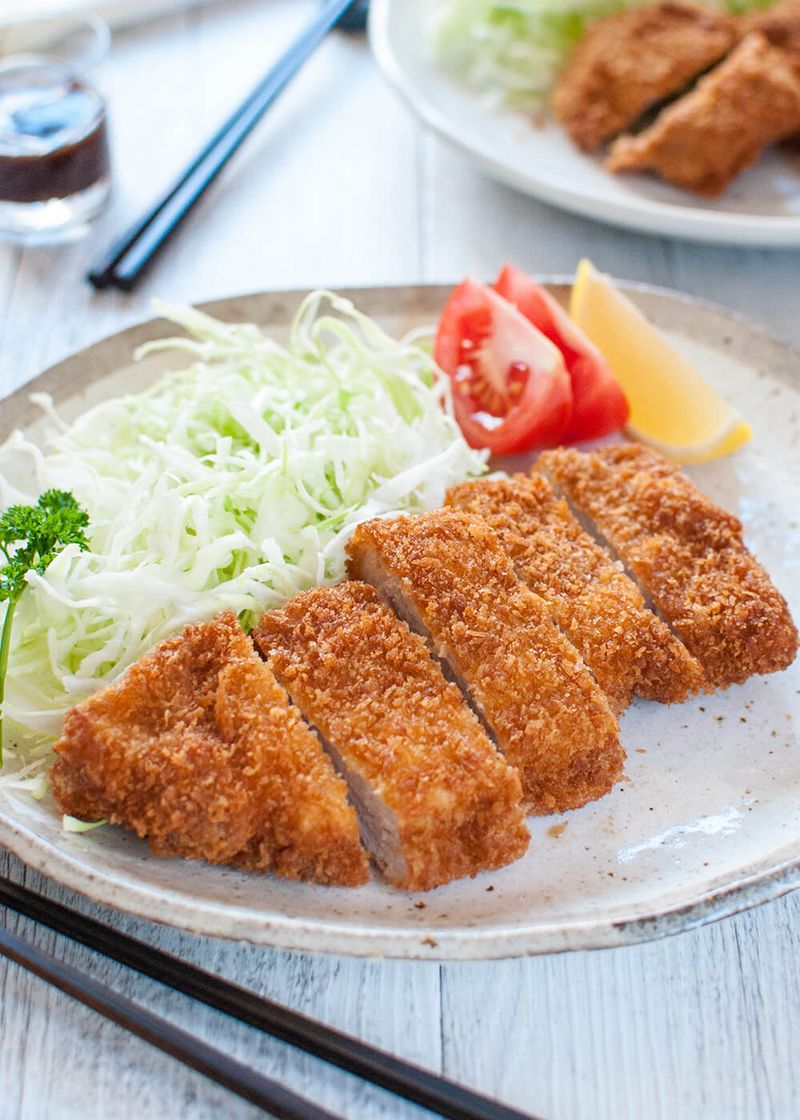
Crunch! That first bite of tonkatsu is music to hungry ears.
A thick pork cutlet gets coated in fluffy panko crumbs and fried until golden.
It is usually served with a mountain of shredded cabbage, rice, and miso soup. Many restaurants give free refills on the cabbage.
Students in Japan often eat katsudon before a big test. Katsu sounds like the word for winning, so it is thought to bring victory.
8. Yakitori by the Lantern Light
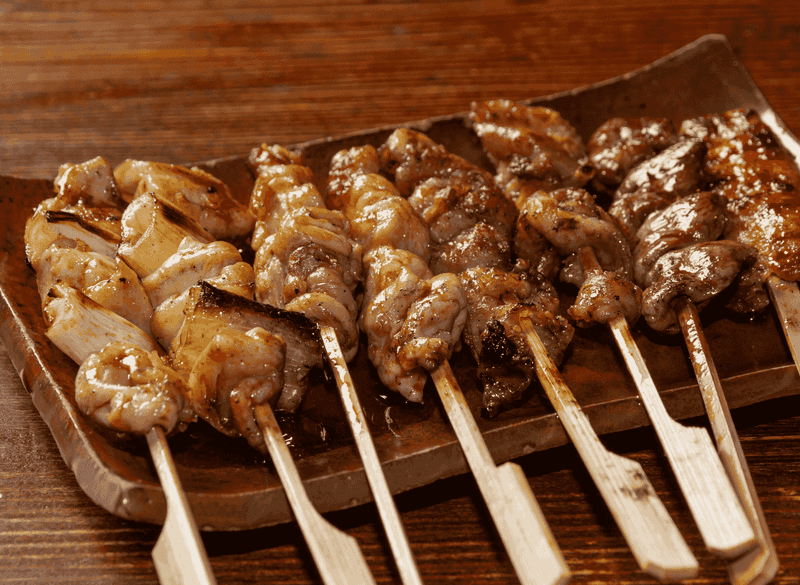
Follow the smoke and the red lanterns, and you will likely find a yakitori stand. Chefs grill bite-sized chicken on skewers over hot charcoal.
You can order almost every part of the bird, from thigh to skin to crispy cartilage. Each skewer is seasoned with either salt or a sweet soy glaze called tare.
Some shops have kept the same tare pot going for decades, just adding more each day.
9. Gyoza, Pan-Fried Perfection
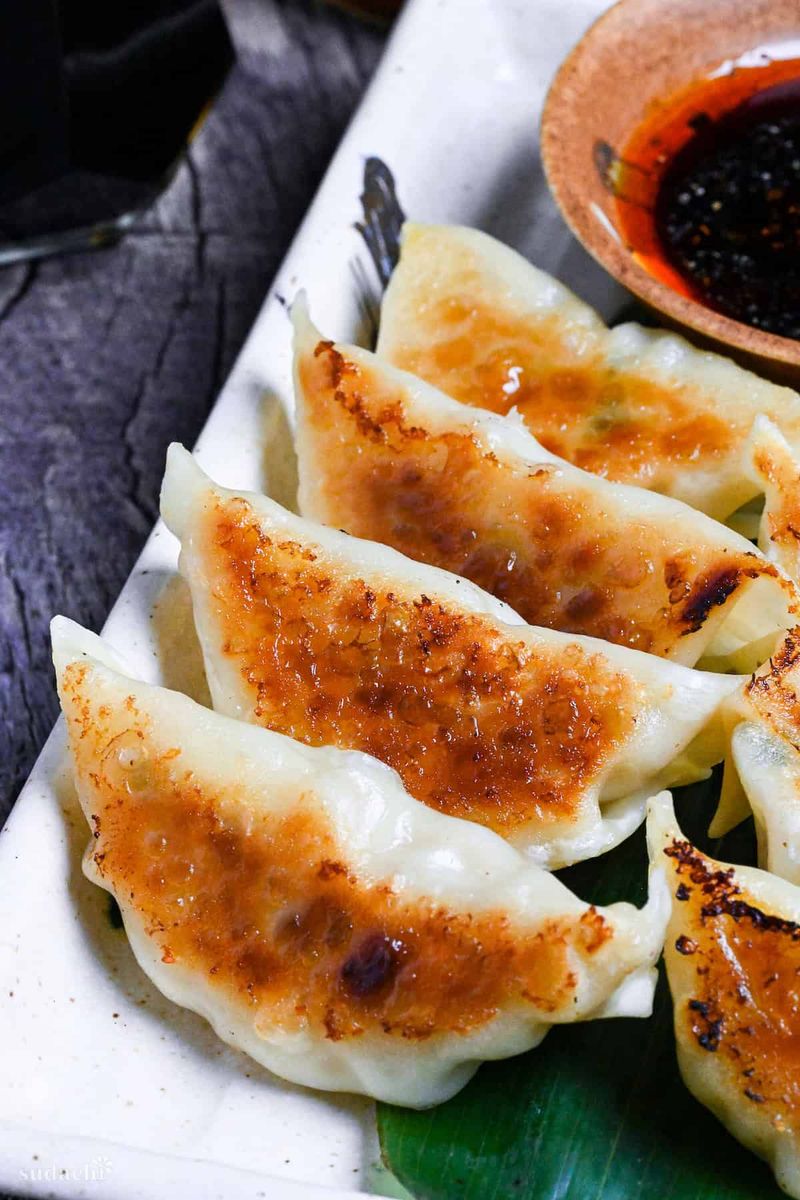
Crispy on the bottom, soft on top. Gyoza dumplings pull off a clever double texture by being fried and then steamed in the same pan.
Inside you will find ground pork, cabbage, garlic, and ginger. The city of Utsunomiya loves them so much it built a gyoza statue!
Making gyoza at home is a great family activity. Everyone can fold a few, and nobody minds if they look a little messy.
10. Onigiri, Japan’s Ultimate Lunchbox Hero
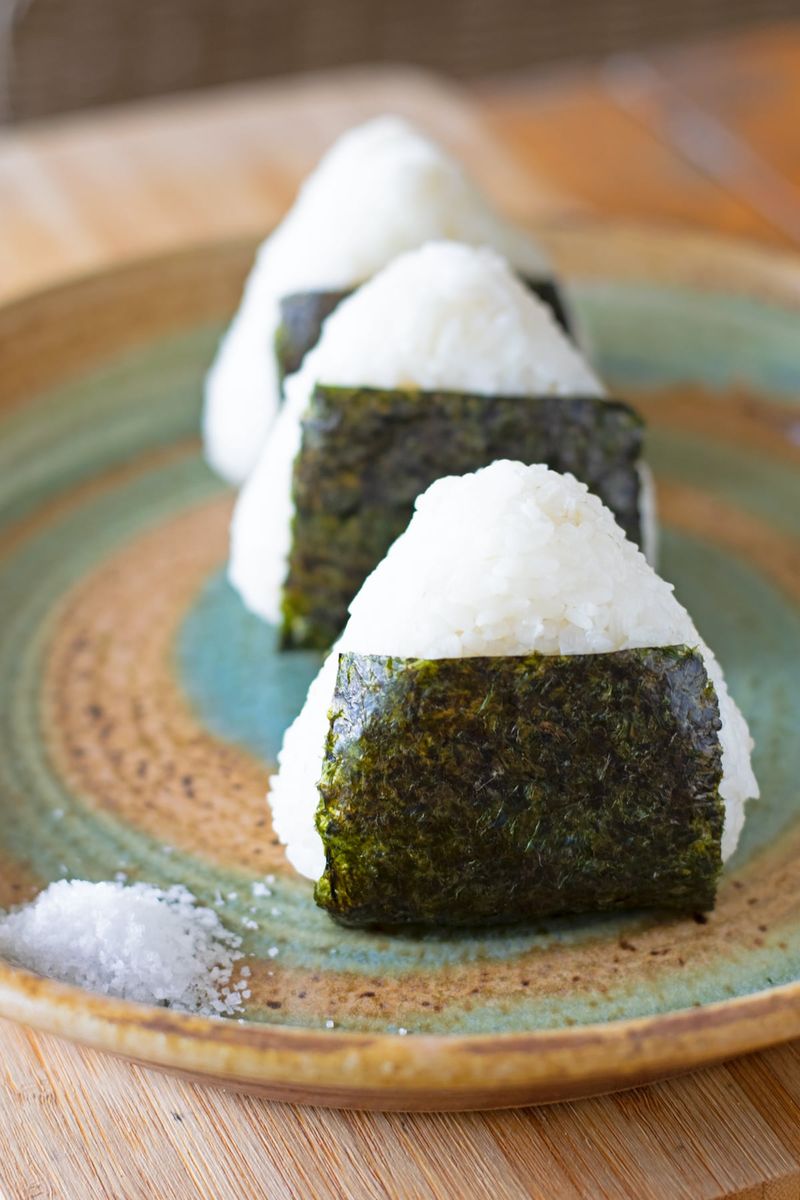
Grab one at any Japanese convenience store and you will see why onigiri are everywhere. These rice balls are cheap, filling, and easy to carry.
Fillings include salty salmon, tangy pickled plum, or tuna mayo. A strip of seaweed wraps around the outside so your fingers stay clean.
Moms and grandmas have packed them for picnics and school trips for centuries. They are basically a hug in triangle form.
11. Sukiyaki Night with Family
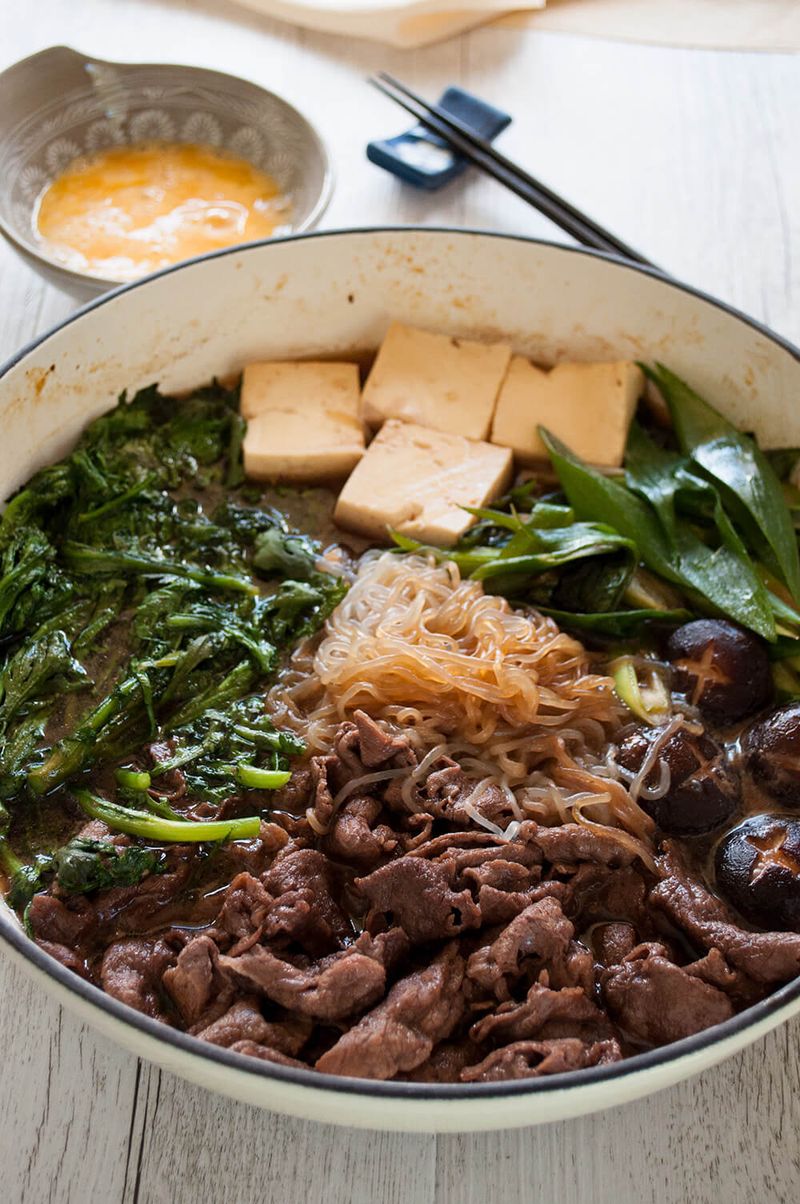
Gathering around a bubbling pot is a winter tradition in many Japanese homes. Sukiyaki fills that pot with thin beef, tofu, mushrooms, and veggies.
Everything simmers in a sweet and salty soy broth. Diners then dip each bite into raw beaten egg, which makes it silky and rich.
It started becoming popular in the late 1800s, when eating beef was still new in Japan. Now it feels like a celebration meal.
12. Shabu-Shabu, Swish and Eat
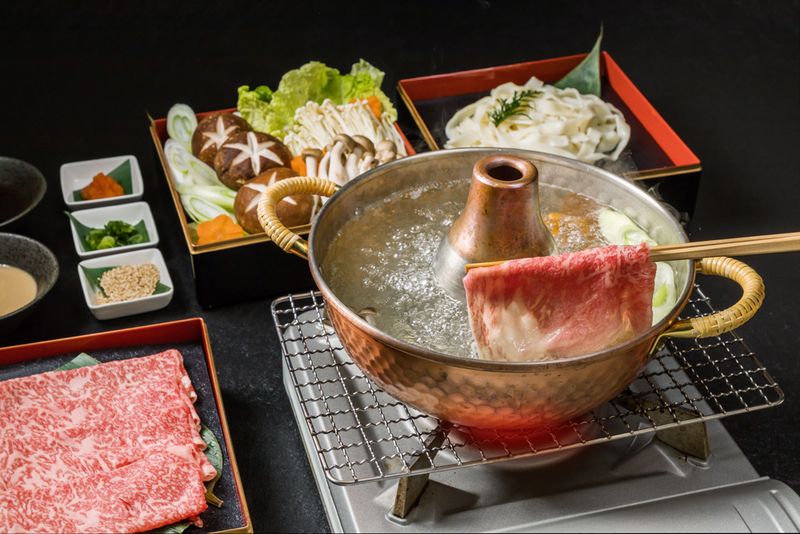
Swish, swish. That sound gave shabu-shabu its name.
You hold a paper-thin slice of meat with chopsticks and swirl it through hot broth for a few seconds.
Then you dip it into sesame sauce or citrusy ponzu. Vegetables and noodles cook in the same broth along the way.
It is a light, healthy meal that feels like a game. Kids especially enjoy cooking their own food right at the table.
13. Japanese Curry Rice
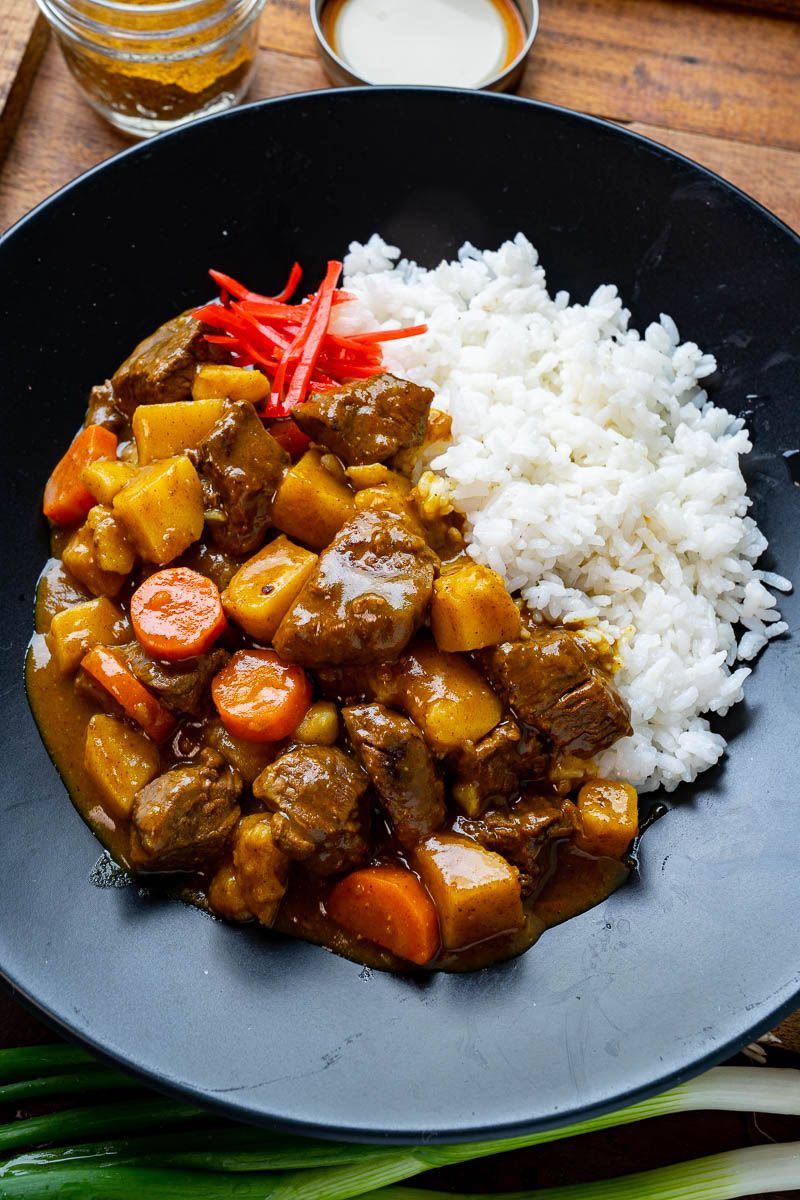
Ask any Japanese kid to name a favorite dinner, and curry rice will probably top the list. It is milder and sweeter than Indian curry, with a thick, gravy-like sauce.
The British Navy brought curry to Japan in the 1800s. The Japanese Navy still serves it every Friday!
Store-bought curry blocks make it easy to cook at home. Just add potatoes, carrots, onions, and your favorite meat.
14. Miso Soup, a Daily Ritual
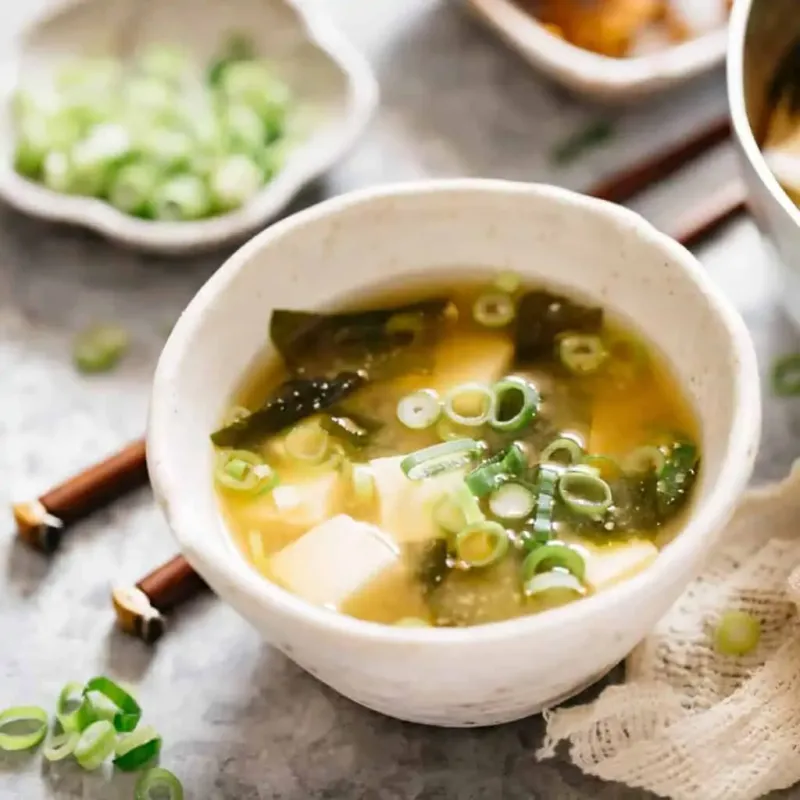
For many families, a day without miso soup just feels wrong. This simple bowl appears at breakfast, lunch, and dinner across Japan.
It is made by stirring fermented soybean paste into dashi broth. Little cubes of tofu and seaweed float on top.
Miso is packed with good bacteria that help your tummy. Never let the soup boil after adding miso, though.
High heat ruins the flavor and those healthy benefits.
15. Natto, the Ultimate Taste Challenge
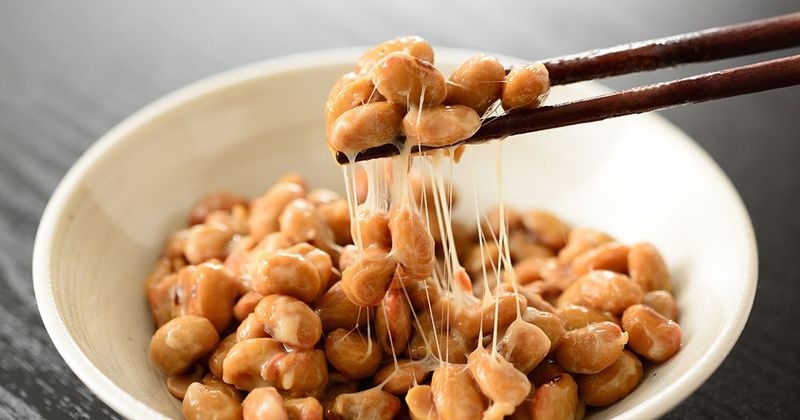
Brave eaters, this one is for you. Natto is fermented soybeans with a strong smell and sticky strings that stretch from bowl to mouth.
Even many Japanese people are divided on it. Folks in eastern Japan tend to love it, while some in the west avoid it completely.
Stir it well with soy sauce and mustard, then pile it on rice. It is super healthy, packed with protein and vitamin K.
16. Mochi Pounding Traditions
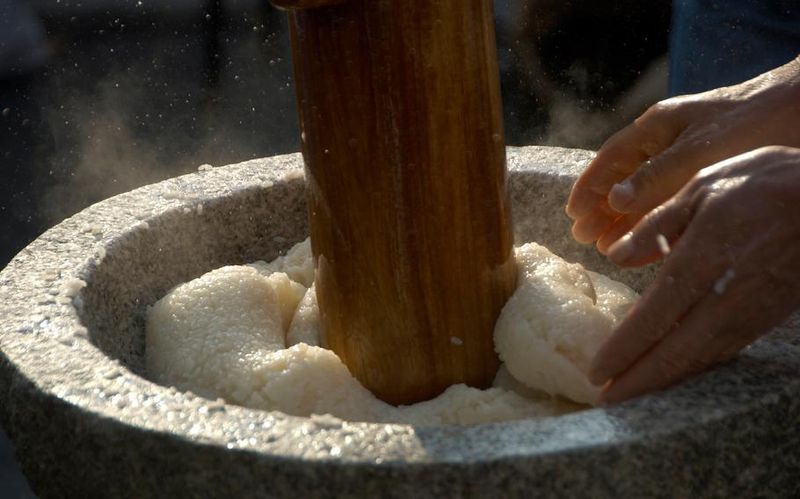
Thump! Thump!
At New Year, families gather to pound steamed rice with giant wooden mallets. The result is mochi, a soft and stretchy rice cake.
One person swings while another quickly flips the dough. Timing matters, or someone’s fingers get squished!
Mochi can be grilled, dropped in soup, or filled with sweet bean paste. Please chew slowly, since it is very sticky and can be tricky to swallow.
17. Fish-Shaped Taiyaki
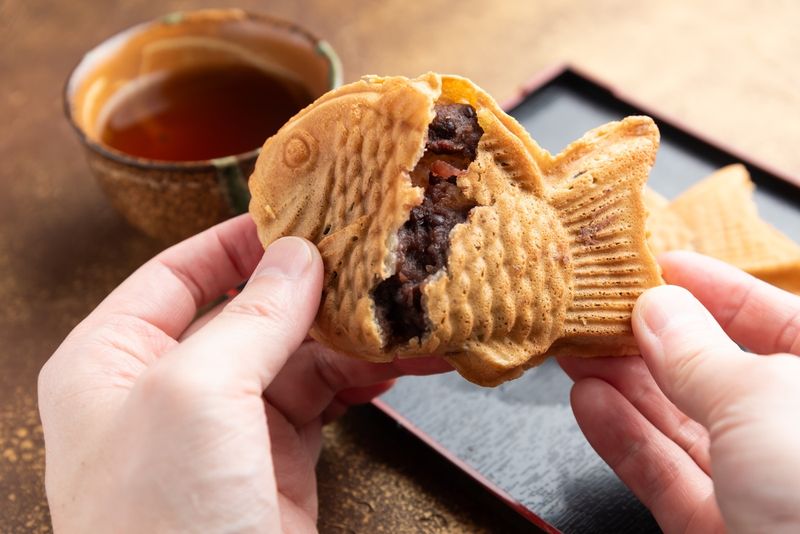
It looks like a fish, but there is no seafood inside. Taiyaki is a warm, crispy cake shaped like a sea bream and filled with sweet red bean paste.
Sea bream is a lucky fish in Japan, which explains the cute design. Modern versions come stuffed with custard, chocolate, or even ice cream.
Here is a fun debate to have with friends: do you eat the head or the tail first?
18. Dorayaki, a Cartoon Favorite
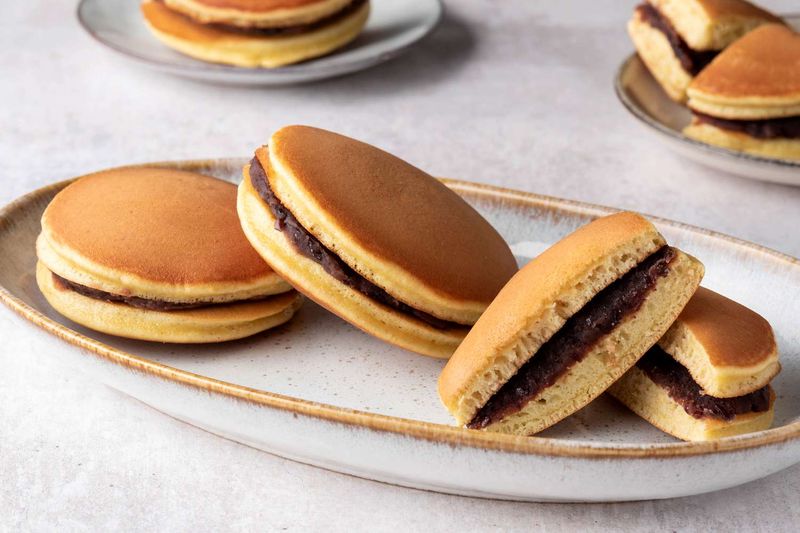
Fans of the cartoon robot cat Doraemon already know this treat well. Dorayaki is his favorite snack, two fluffy honey pancakes hugging a layer of red bean paste.
Legend says a samurai once made them on a gong called a dora. That is how the name supposedly came about.
They pair perfectly with green tea. Look for them in Japanese grocery stores if you want to try one at home.
19. Colorful Dango Skewers
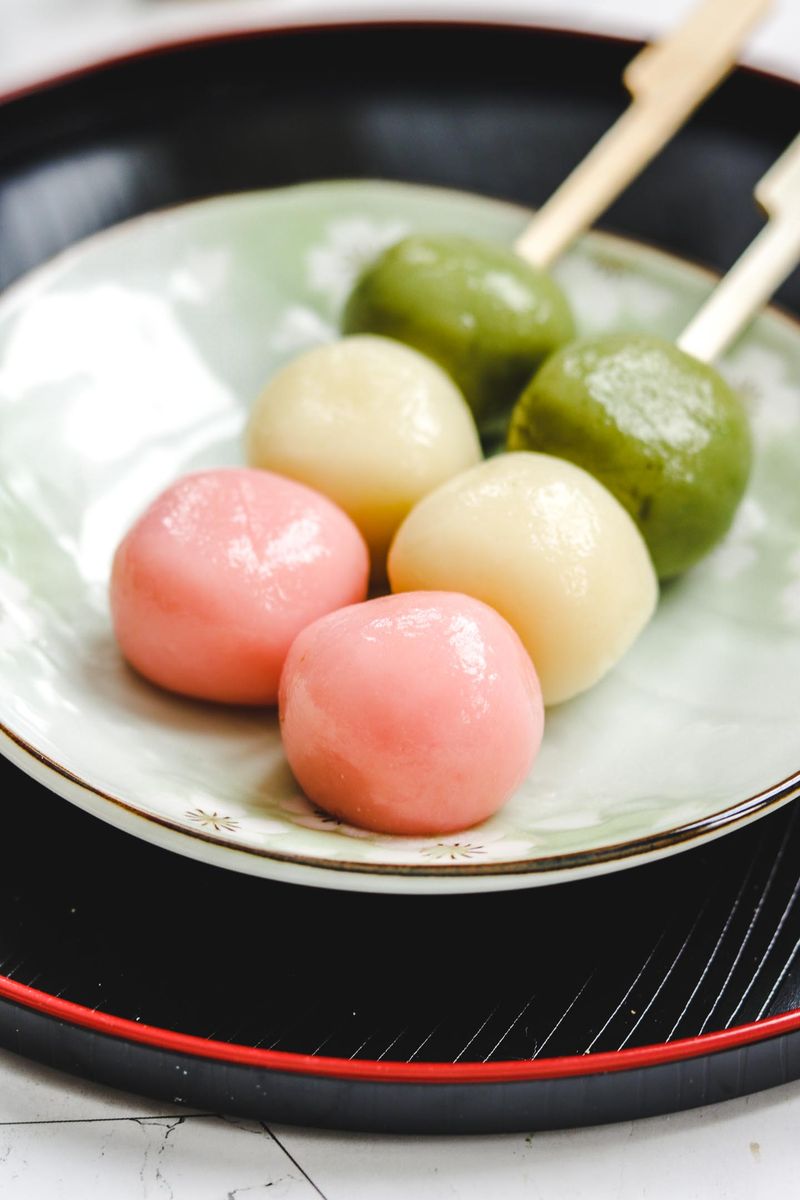
Cherry blossom season brings out a rainbow treat called hanami dango. Three chewy rice dumplings, pink, white, and green, sit on a single stick.
The colors stand for spring blossoms, leftover snow, and fresh new grass. Pretty clever for a snack, right?
Another popular kind is mitarashi dango, grilled and glazed with a sweet soy syrup. Grab some while picnicking under the trees, just like locals do every April.
20. Matcha and the Tea Ceremony
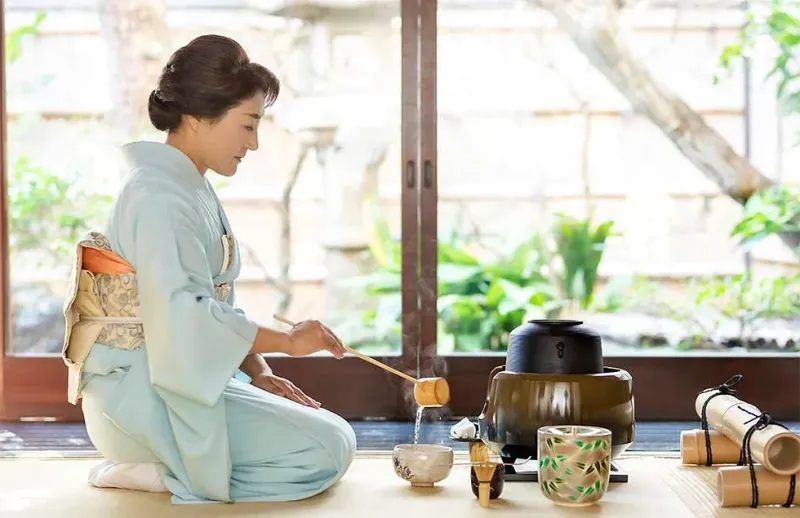
Calm, quiet, and full of meaning, the Japanese tea ceremony has been practiced for over 400 years. At its heart is matcha, a bright green powdered tea.
The host whisks it with a bamboo brush until it turns frothy. Every movement is careful and graceful.
Matcha tastes slightly bitter, so it is often served with a small sweet. You can also find it in ice cream, cookies, and lattes today.
21. Kaiseki, Dinner as Art
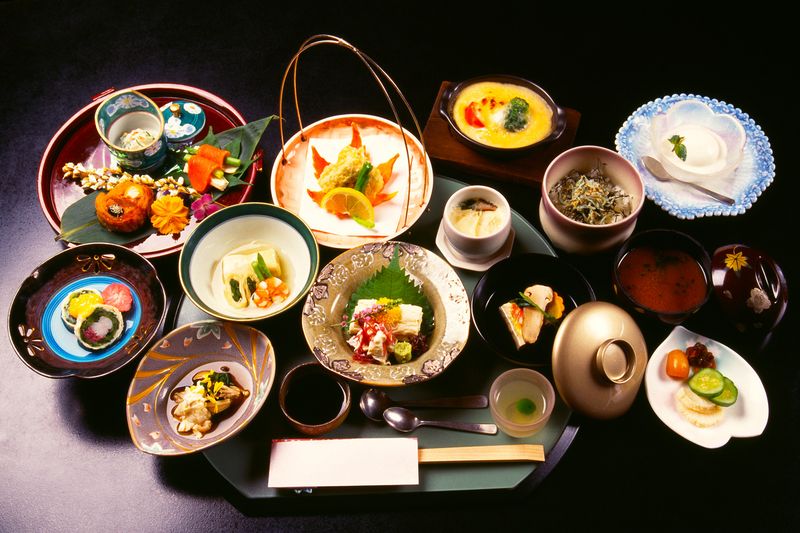
Imagine a dinner where every plate looks like a tiny painting. Kaiseki is Japan’s fanciest meal, served in many small courses at inns and fine restaurants.
Chefs choose ingredients based on the season, so spring might bring bamboo shoots while autumn brings chestnuts. Even the dishes and decorations change throughout the year.
It is a special occasion meal. Staying at a traditional ryokan inn is a great way to try it.