
Most of us grab spaghetti or penne without a second thought. But Italy has hundreds of pasta shapes, and many of them never make it to our dinner tables.
Each shape was made for a reason, like holding a certain sauce or honoring a local tradition. Trying a new one is an easy and tasty way to bring a little adventure to your next meal.
1. Trofie, the Twisty Pesto Partner
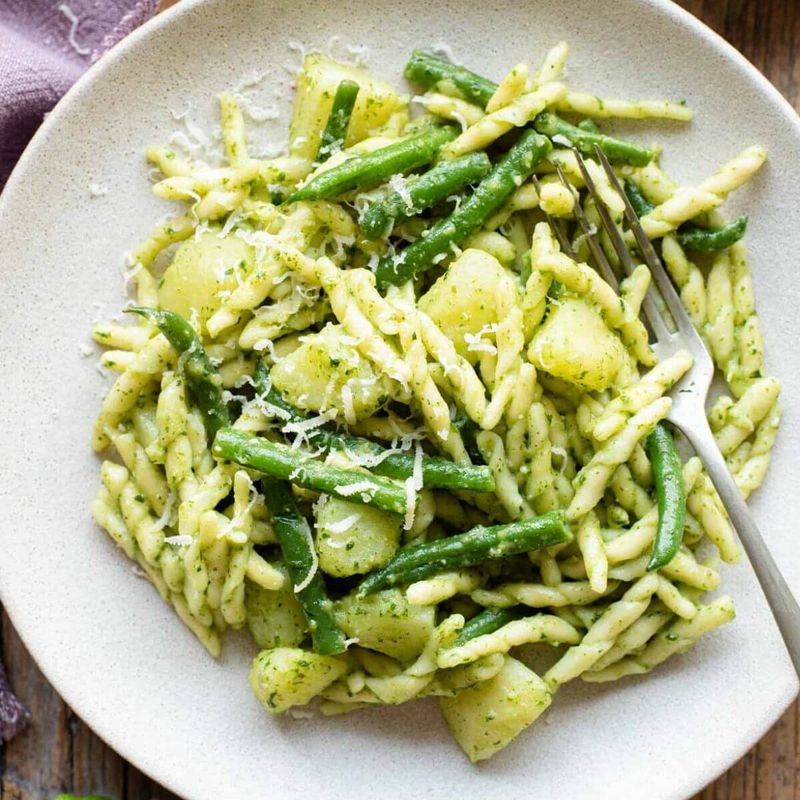
Picture a fisherman’s wife in Liguria rolling tiny dough twists between her palms. That is how trofie were born, and many cooks still shape them by hand today.
Their tight spirals grab onto pesto like nothing else. In Genoa, people toss them with basil pesto, sliced potatoes, and green beans all in one pot.
Give it a try on a busy weeknight. Dinner comes together fast, and cleanup is simple.
2. Orecchiette, Little Ears From Puglia
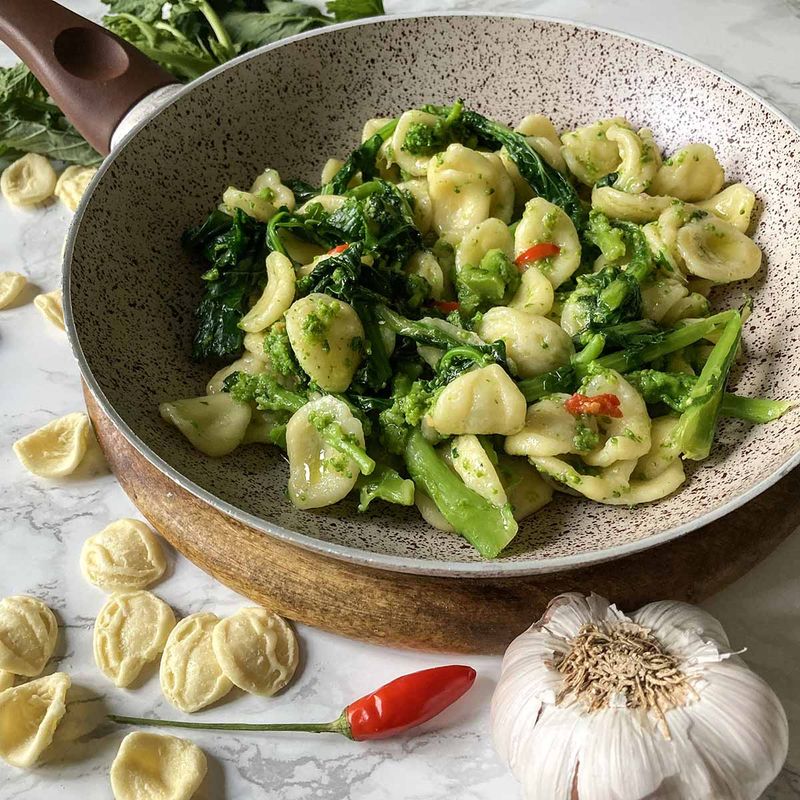
Walk down the old streets of Bari and you might spot grandmothers making pasta right outside their doors. Their specialty is orecchiette, which means little ears.
Each piece has a small cup shape that scoops up sauce and tiny bits of food. The classic dish pairs it with bitter broccoli rabe, garlic, and a pinch of chili.
Swap in regular broccoli and crumbled sausage if you want a milder, kid-friendly version.
3. Strozzapreti and Its Cheeky Name
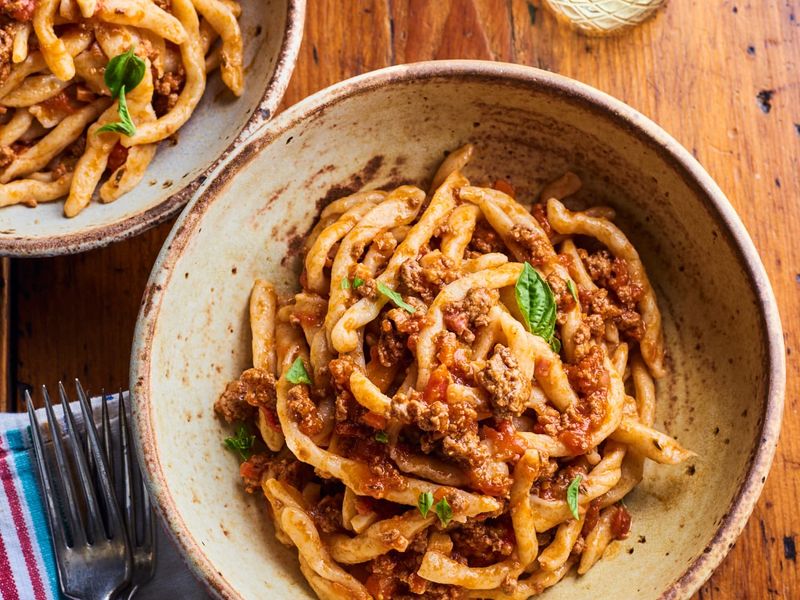
Here is a funny one. Strozzapreti translates to priest stranglers, and legend says greedy priests ate so much of it that they nearly choked.
The pasta looks like a short rope twisted by hand. Its chewy bite stands up well to hearty meat sauces, creamy sauces, or simple butter and sage.
Kids love hearing the story behind the name. It turns an ordinary dinner into a fun history lesson at the table.
4. Radiatori, Built Like Tiny Heaters
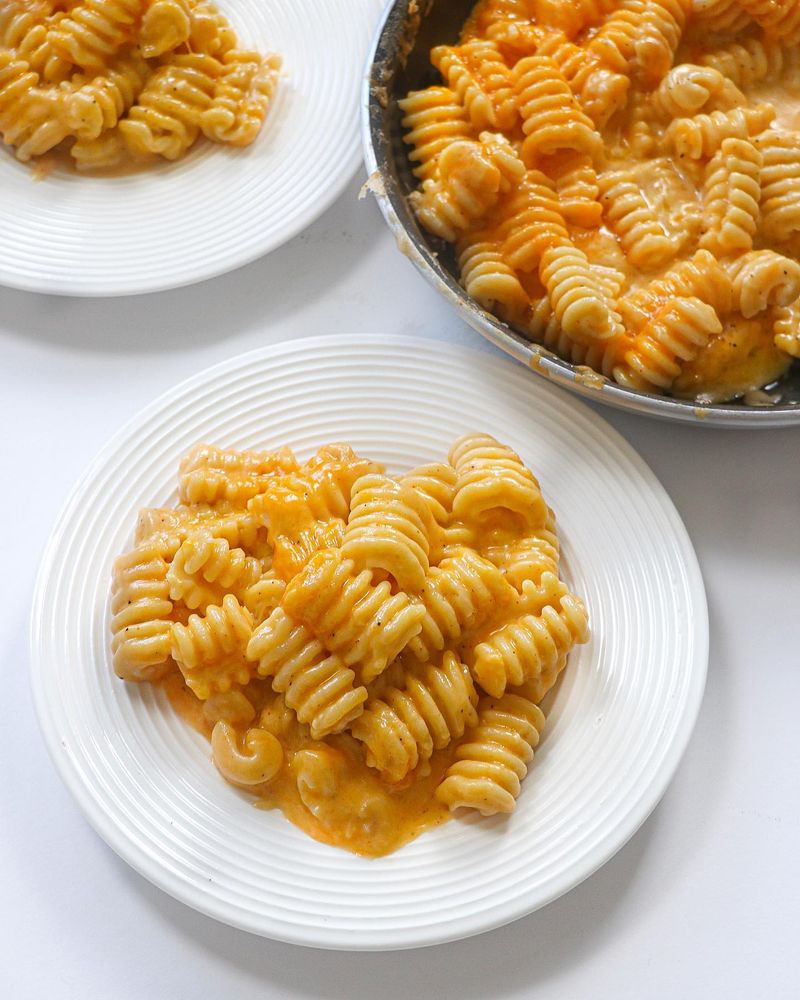
Back in the 1960s, someone looked at an old-fashioned heater and thought, why not make pasta that looks like this? Radiatori was the result.
All those ruffled fins create tons of surface area. Thick sauces, melted cheese, and chunky vegetables cling to every ridge.
For a cozy upgrade, use radiatori in your next mac and cheese. Every forkful holds more creamy goodness, and nobody will want to share leftovers.
5. Casarecce for Chunky Sauces
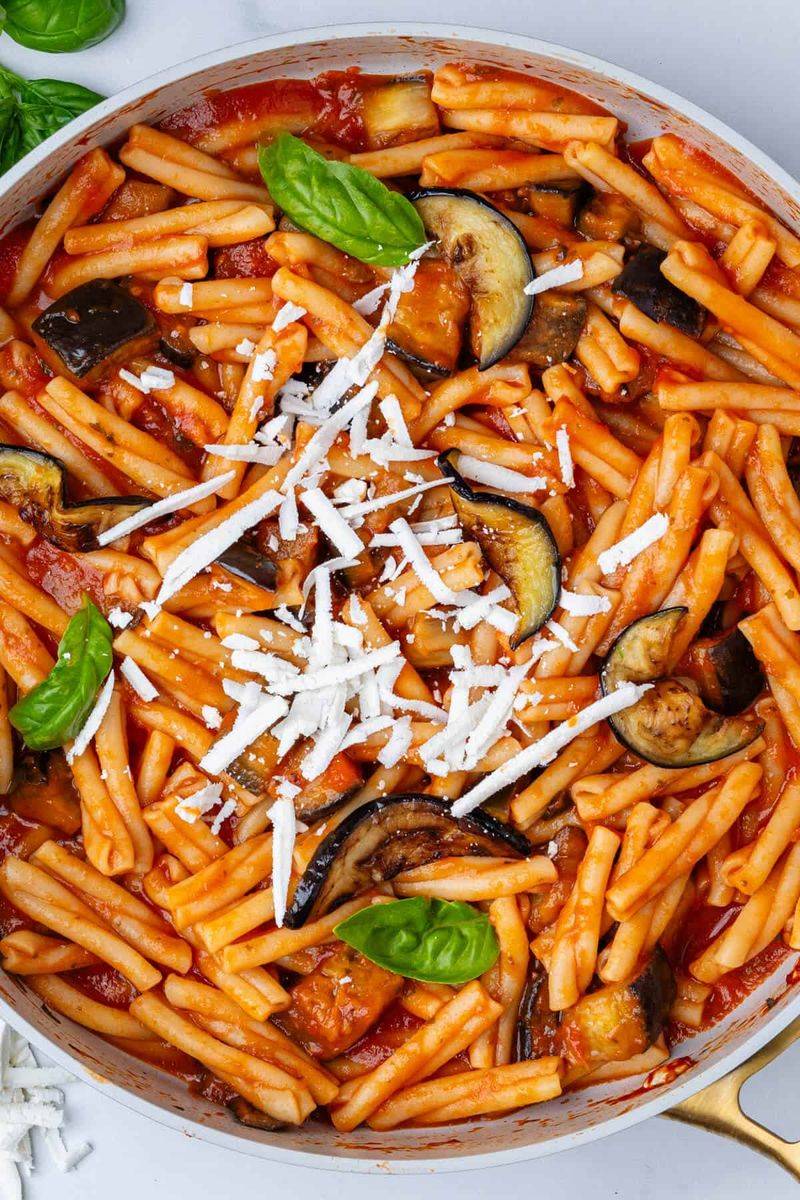
Sicilian home cooks have been rolling casarecce for generations. The name simply means homemade, and the shape is a short stick curled into an S.
That little groove down the middle is a secret pocket. Bits of eggplant, tomato, or tuna tuck right inside.
Try it in pasta alla Norma, a Sicilian favorite with fried eggplant and salty cheese. It tastes like a summer vacation, even on a rainy Tuesday.
6. Pici, Thick and Hand-Rolled
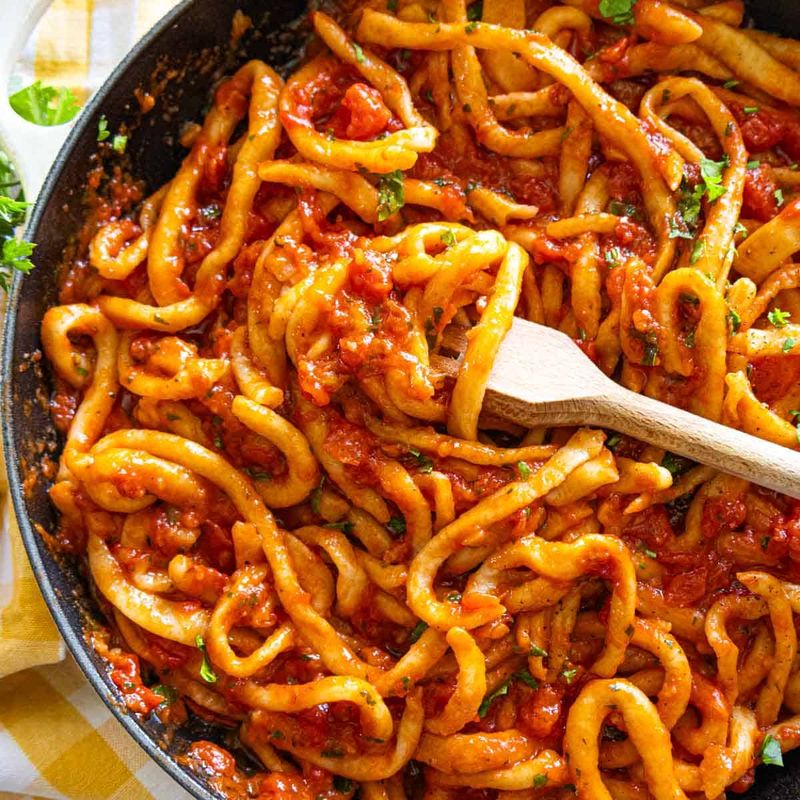
Think of spaghetti that hit the gym. Pici come from southern Tuscany and are rolled by hand into thick, chewy strands.
Many recipes use just flour and water, so this was food for farm families who could not afford eggs. A favorite topping is aglione, a garlicky tomato sauce.
Want a fun weekend project? Roll pici with your family.
Uneven strands are totally fine and actually part of the charm.
7. Gigli, Shaped Like Flowers
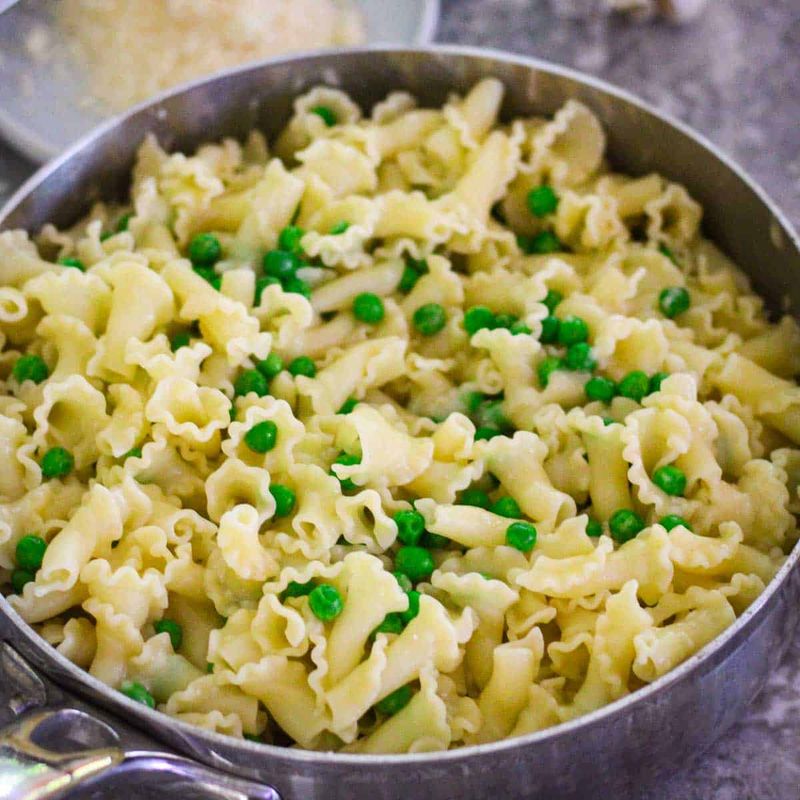
Did you know some pasta looks like lilies? Gigli means lilies in Italian, and each piece has a ruffled edge that opens like a tiny bloom.
The hollow center traps creamy or buttery sauces. Its pretty look also makes it great for parties and pasta salads.
Serve gigli with peas, ham, and a light cream sauce for a spring meal. Guests will notice the shape and probably ask where you found it.
8. Corzetti, Pasta With a Stamp
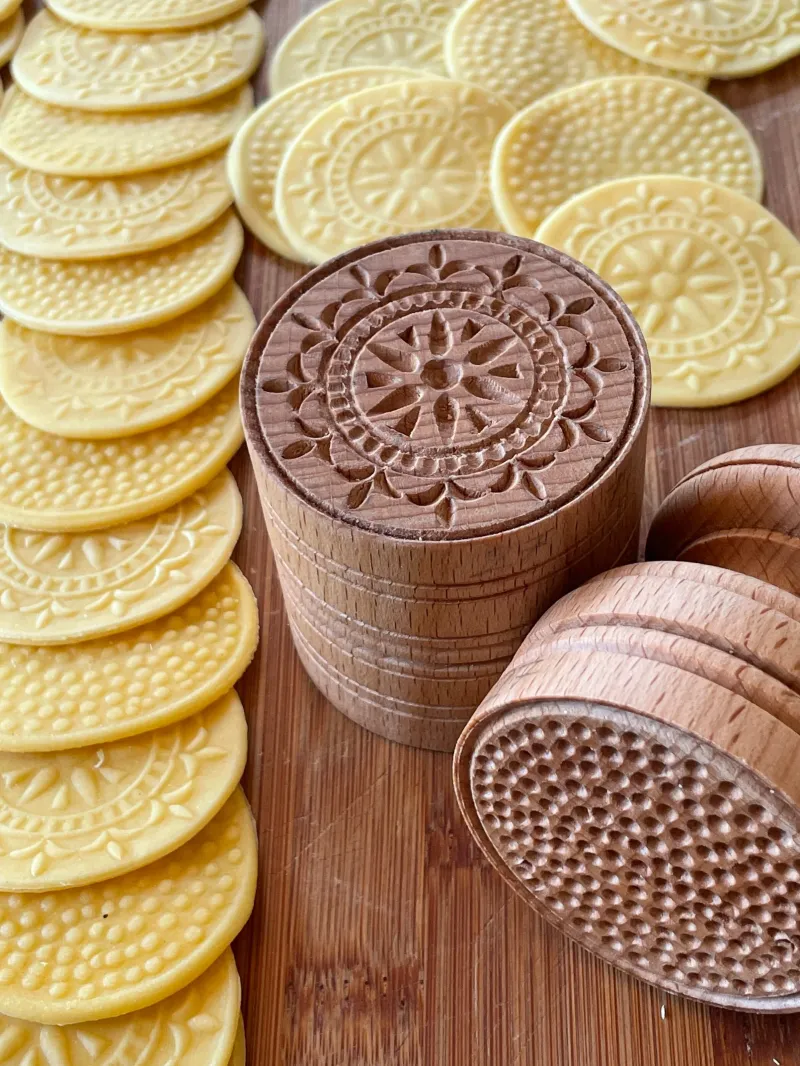
Long ago, rich families in Liguria stamped their coat of arms onto flat pasta coins. These were called corzetti, and they showed off a family’s wealth.
Today, carved wooden stamps still press designs like flowers or stars into each round. The flat surface holds light sauces such as walnut sauce or herb butter.
Look for a corzetti stamp online. It makes a lovely gift for any home cook who enjoys tradition.
9. Bucatini, Spaghetti With a Secret
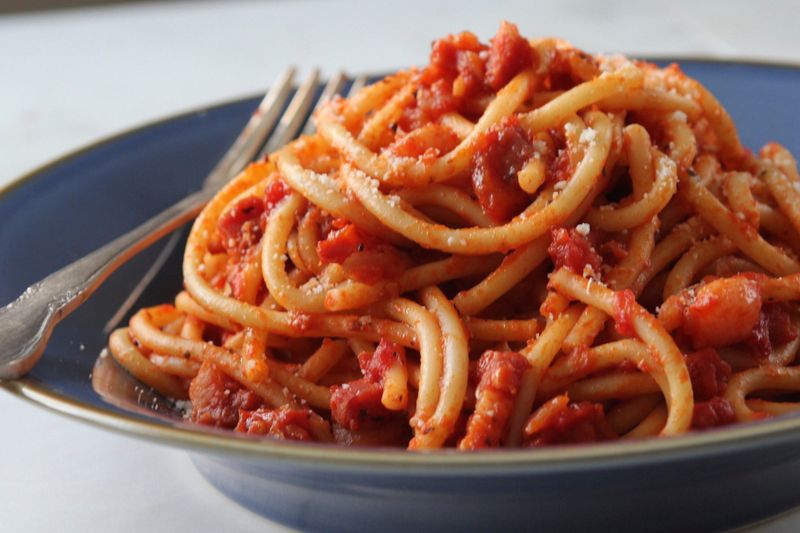
At first glance, bucatini looks like regular spaghetti. Look closer, though, and you will spot a tiny hole running through the middle of every strand.
That hollow center fills with sauce, giving each bite extra flavor. Romans love it in amatriciana, made with tomato, crispy pork cheek, and pecorino cheese.
One tip: it can splash while you twirl. Tuck a napkin in your shirt and enjoy the slurping fun.
10. Paccheri, Big and Bold
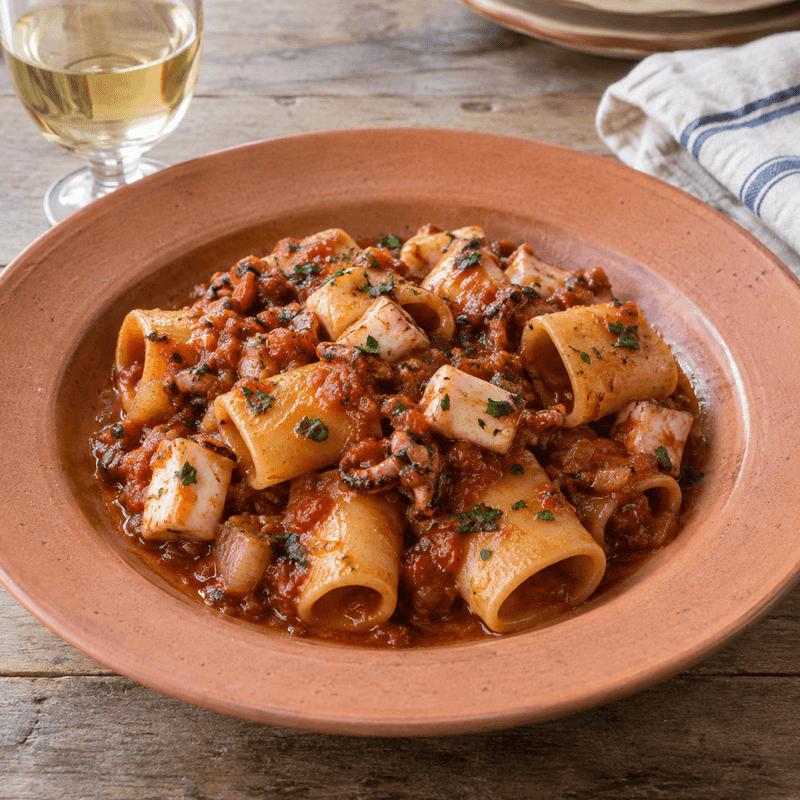
Paccheri are giant tubes from Naples, and their name comes from a word for a playful slap. Some say it describes the sound they make landing on a plate.
These wide noodles are perfect for seafood sauces or rich meat ragu. Some cooks even stuff them with ricotta and bake them.
Cook them gently, since big tubes can tear. A slow stir and a timer will keep them whole and happy.
11. Fregola, Sardinia’s Toasted Pearls
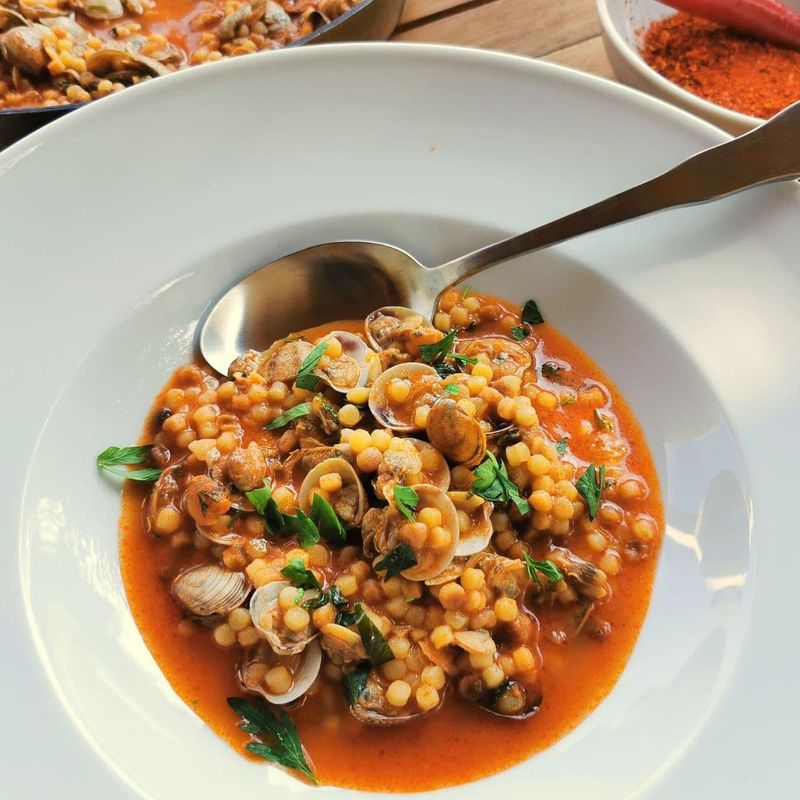
Sardinia, an island off Italy’s coast, gave us fregola. It looks a lot like couscous, but the little balls are toasted for a nutty flavor.
Islanders often cook it with clams in a tomato broth, almost like a soup. It also works great in cold salads with veggies and lemon.
Got leftover chicken soup? Toss in a handful of fregola.
Ten minutes later, you have a heartier, more interesting bowl.
12. Cavatelli, Curled Little Shells
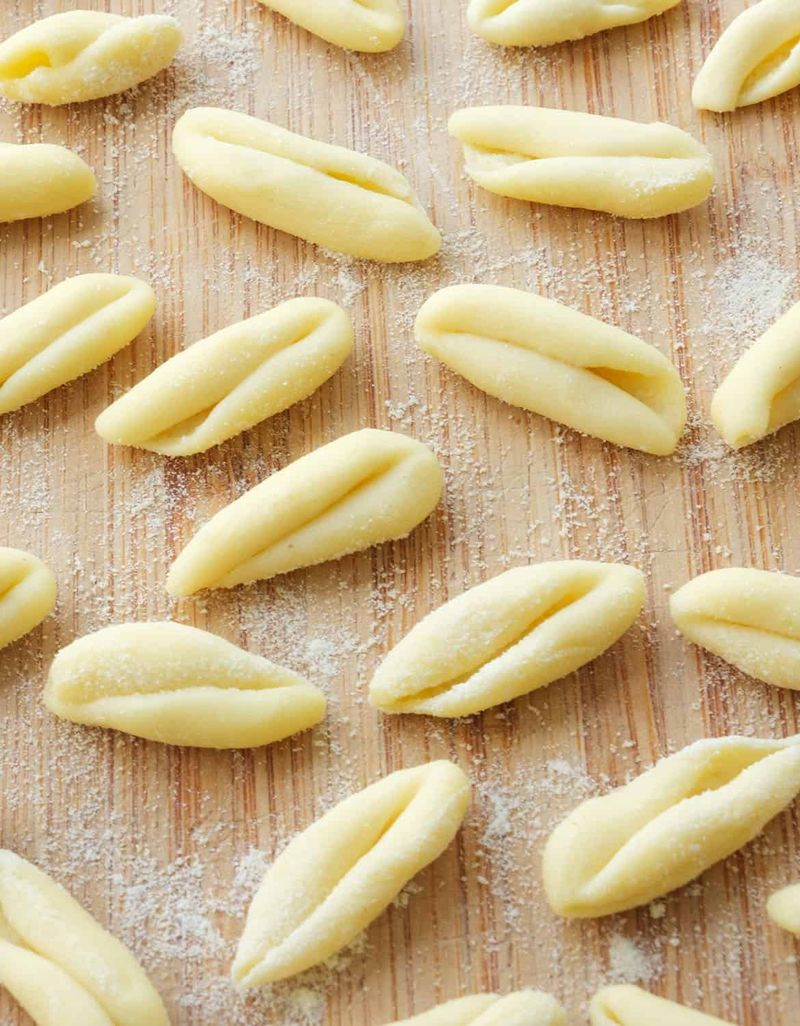
Grab a small piece of dough, press it with two fingers, and drag. Congrats, you just made cavatelli, one of the easiest shapes for beginners.
Popular across southern Italy, these little curls look like tiny hot dog buns. They hold ricotta, tomato sauce, and greens really well.
Cavatelli also freeze beautifully. Make a big batch on Sunday, store them in bags, and enjoy homemade pasta all week.
13. Campanelle, Ringing Little Bells
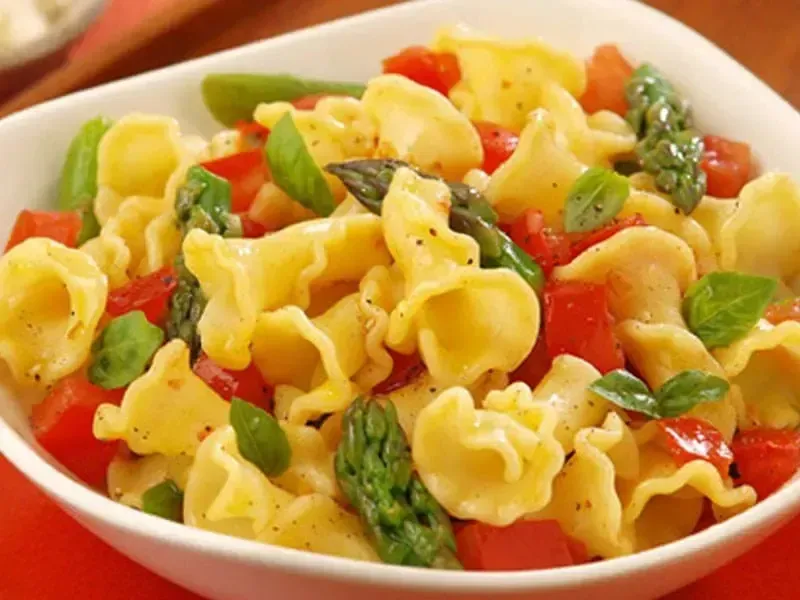
Ding, ding! Campanelle means little bells, and each piece has a ruffled cone shape with a flared edge.
Thanks to that cone, sauces collect inside like water in a cup. Creamy sauces, chunky vegetable mixes, and cheesy bakes all match well.
Picky eaters often warm up to campanelle because it looks fun. Add roasted zucchini and peppers, and you might sneak in a few extra veggies without any complaints.
14. Mafaldine, Fit for a Princess
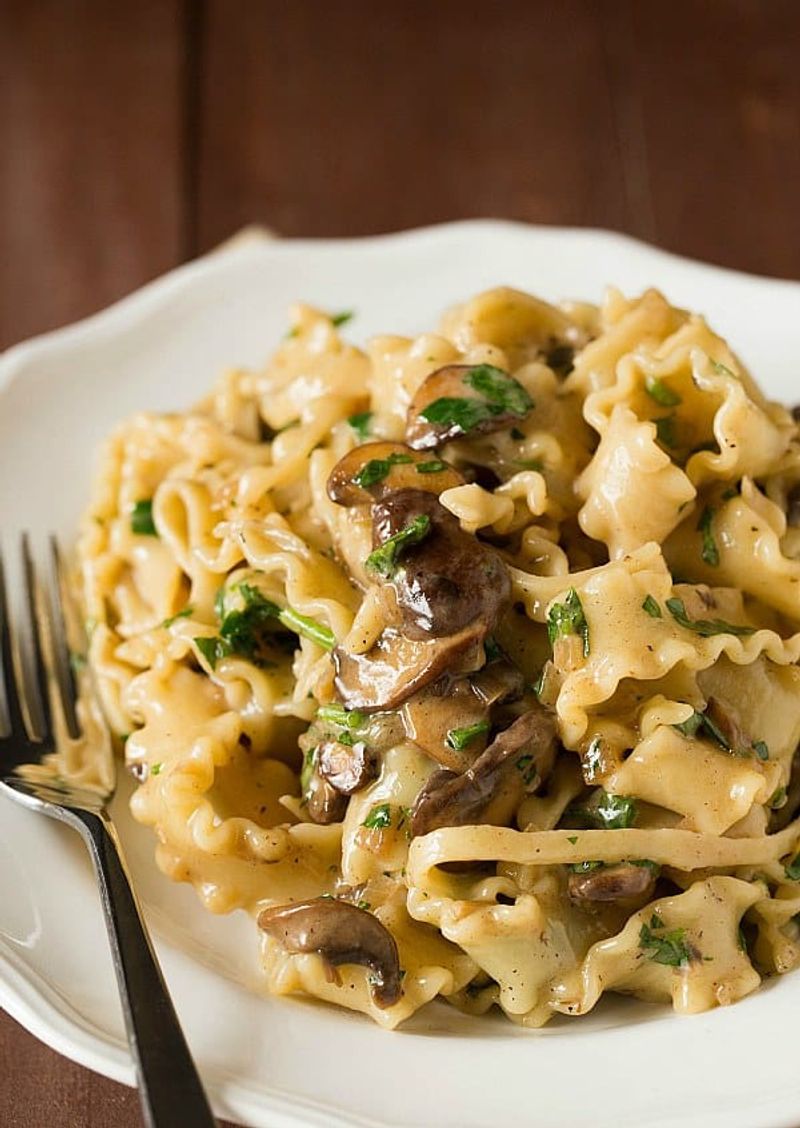
Royal history alert! Mafaldine were named after Princess Mafalda of Savoy, born in 1902.
Pasta makers in Naples honored her with these long, wavy ribbons.
The curly edges catch sauce while the flat center stays tender. Mushroom cream sauce or a simple tomato sauce both shine here.
Planning a special dinner? Mafaldine looks fancy with almost no extra effort, so it is great for birthdays or date nights.
15. Lorighittas, the Rare Braided Rings
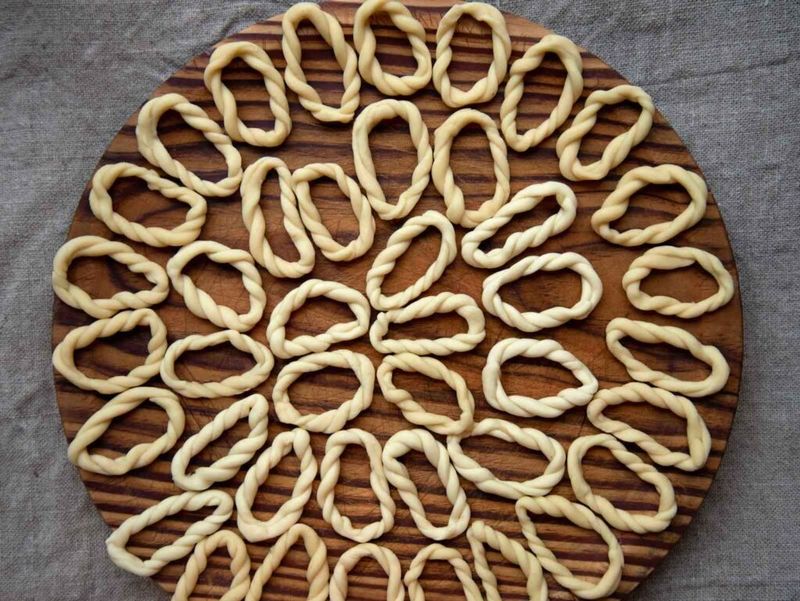
Only a small village in Sardinia called Morgongiori traditionally makes lorighittas. Women braid thin strands of dough into delicate rings, a skill passed down for centuries.
Every piece takes patience, so finding them feels like discovering treasure. They pair nicely with tomato sauce and chicken or rooster.
Spot a bag at an Italian specialty shop? Grab it.
You will be tasting a shape that very few people outside Sardinia have ever tried.