
When most people think of German food, they picture a sausage on a bun. But Germany has a huge kitchen full of cozy stews, crispy cutlets, tangy pickles, and sweet cakes that families have loved for hundreds of years.
Learning these dishes is a fun way to taste history and bring something new to your dinner table. Grab an apron, because some of these recipes might become your new favorites.
1. Sauerbraten
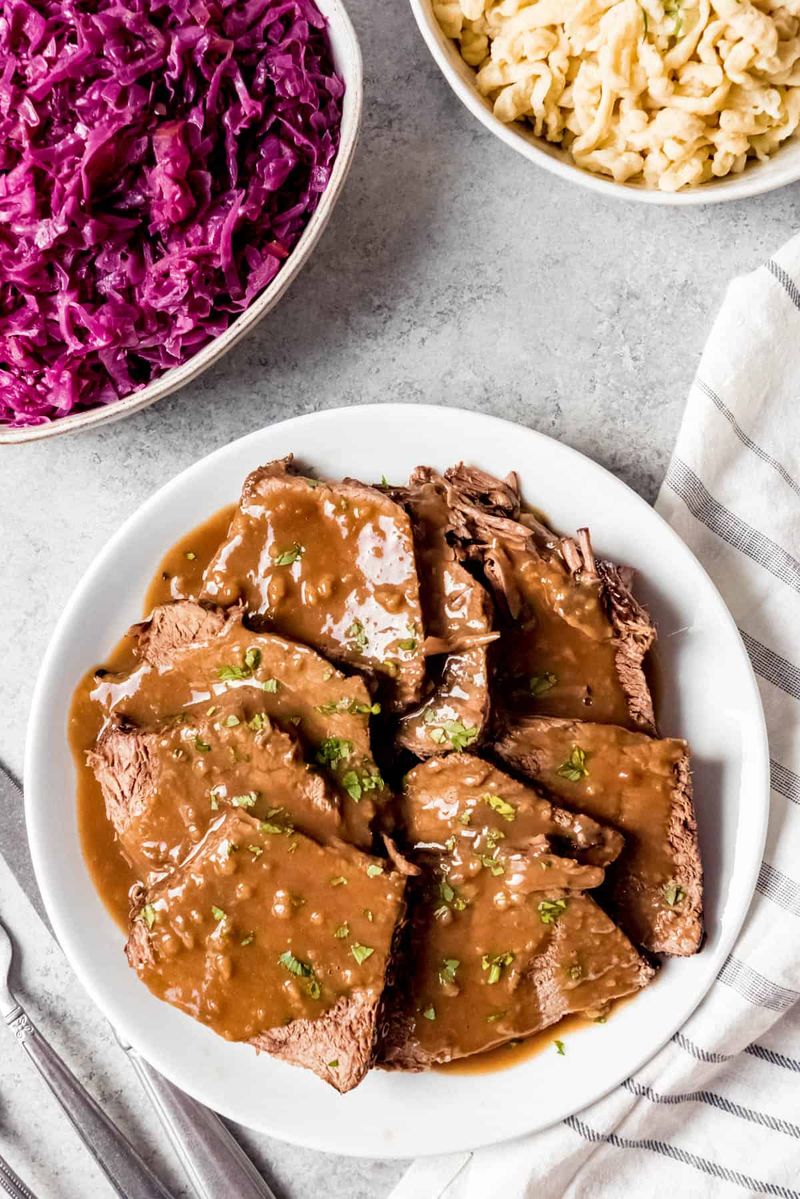
Patience is the secret ingredient here. German cooks soak beef in vinegar, wine, and spices for three to ten days before roasting it low and slow.
The long soak turns a tough cut into something fork-tender with a tangy, sweet flavor. Some families from the Rhineland even add crushed gingerbread cookies to thicken the gravy.
Plan ahead, start the marinade on a weekend, and serve it with red cabbage and dumplings for a true Sunday feast.
2. Wiener Schnitzel and Jägerschnitzel
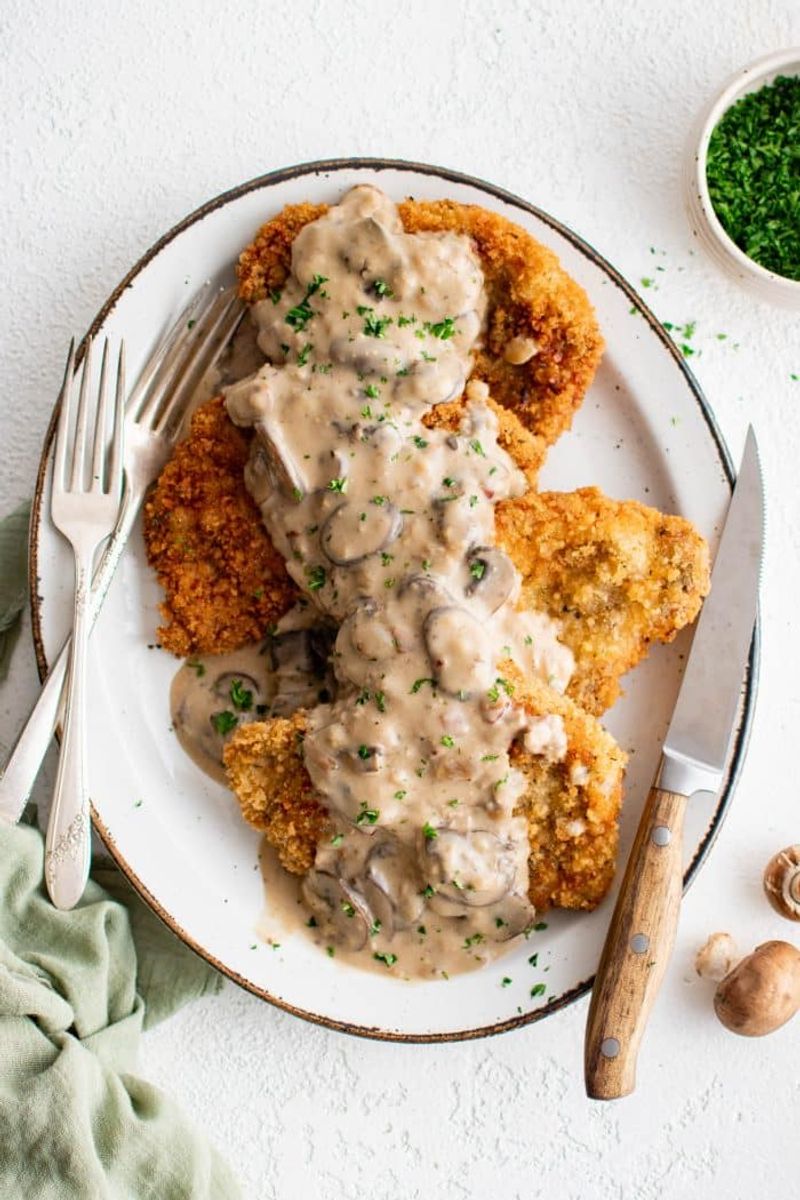
Crunch! That first bite of a golden schnitzel is pure happiness.
Cooks pound meat thin, dip it in flour, egg, and breadcrumbs, then fry it until puffy and crisp.
In Germany, pork is most common at home. Jägerschnitzel, or hunter’s schnitzel, adds a creamy mushroom gravy on top.
Here is a handy tip: keep the oil hot and gently shake the pan while frying. That little wiggle helps the coating bubble up beautifully.
3. Käsespätzle
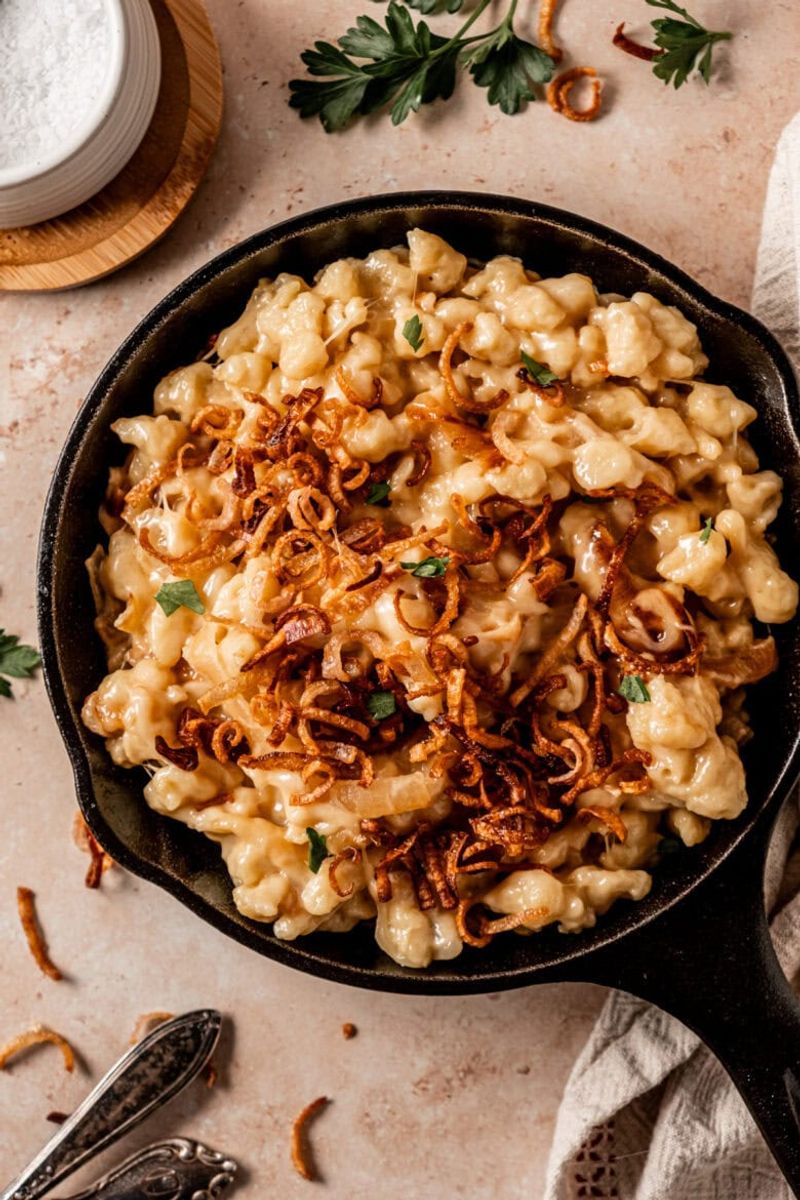
Think of it as Germany’s answer to mac and cheese, only better. Spätzle are tiny, wobbly egg noodles made from a simple batter pushed through a press or scraped off a board.
Layer them with melted Emmental cheese and top with crispy fried onions. Families in Swabia and the Allgäu Alps have made it for generations.
No special press? A colander with large holes works just fine.
Kids love helping with this messy, fun job.
4. Rouladen
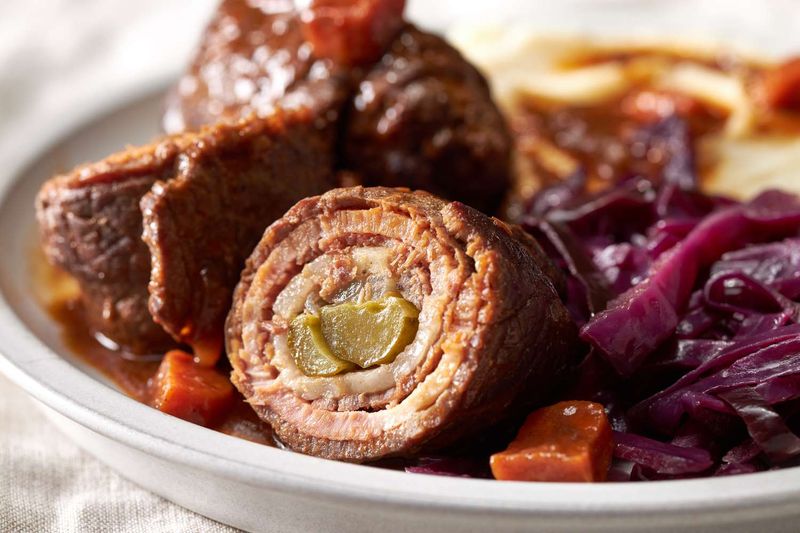
Grandma’s holiday table in Germany almost always had rouladen on it. Thin slices of beef get spread with mustard, then rolled around bacon, onion, and a pickle.
The little bundles are tied with string or toothpicks, browned, and simmered for hours in a rich gravy. The pickle sounds odd, but it adds a bright zip.
Serve them with mashed potatoes or noodles so every drop of that savory sauce gets soaked up.
5. Kartoffelpuffer
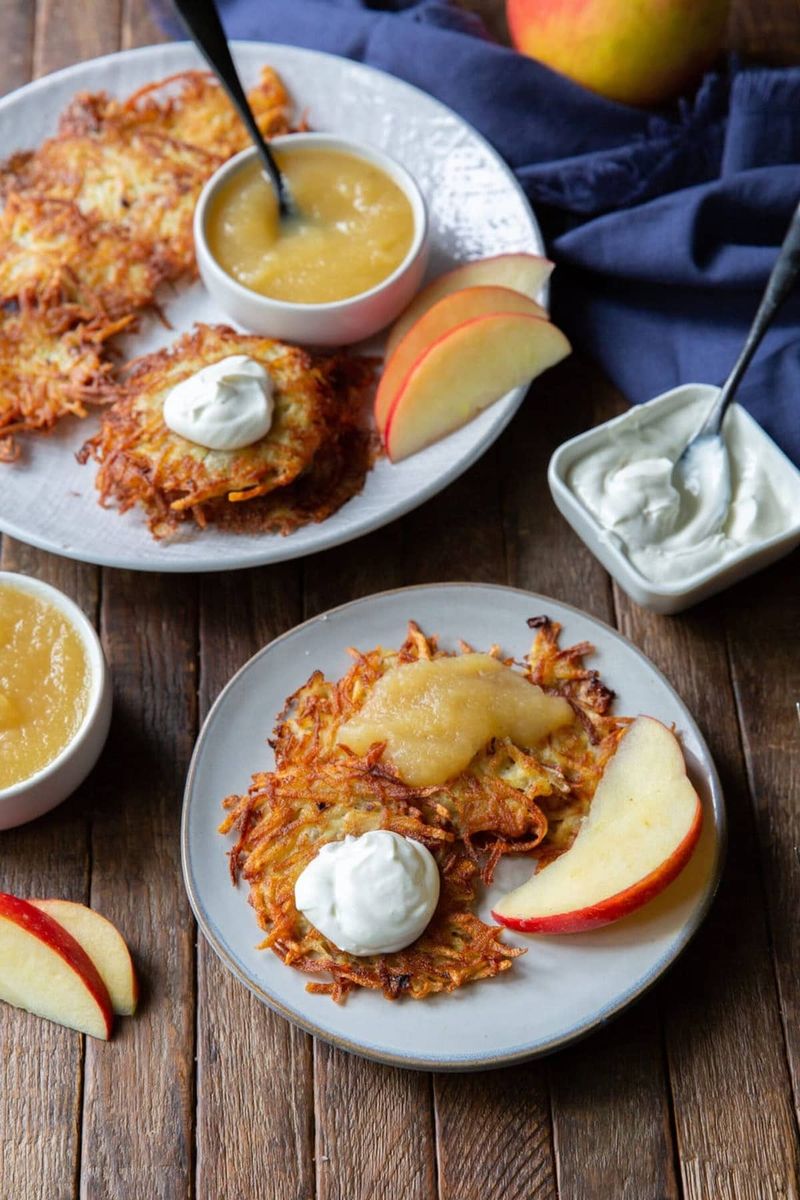
Walk through any German Christmas market and you will smell these sizzling before you see them. Kartoffelpuffer are crispy potato pancakes made from grated potato, onion, egg, and a bit of flour.
Squeeze out as much water as you can from the potatoes. Drier shreds mean crunchier edges.
Germans often eat them with applesauce, which might surprise you. Sweet and salty together?
Trust the locals on this one and give it a try.
6. Schweinshaxe
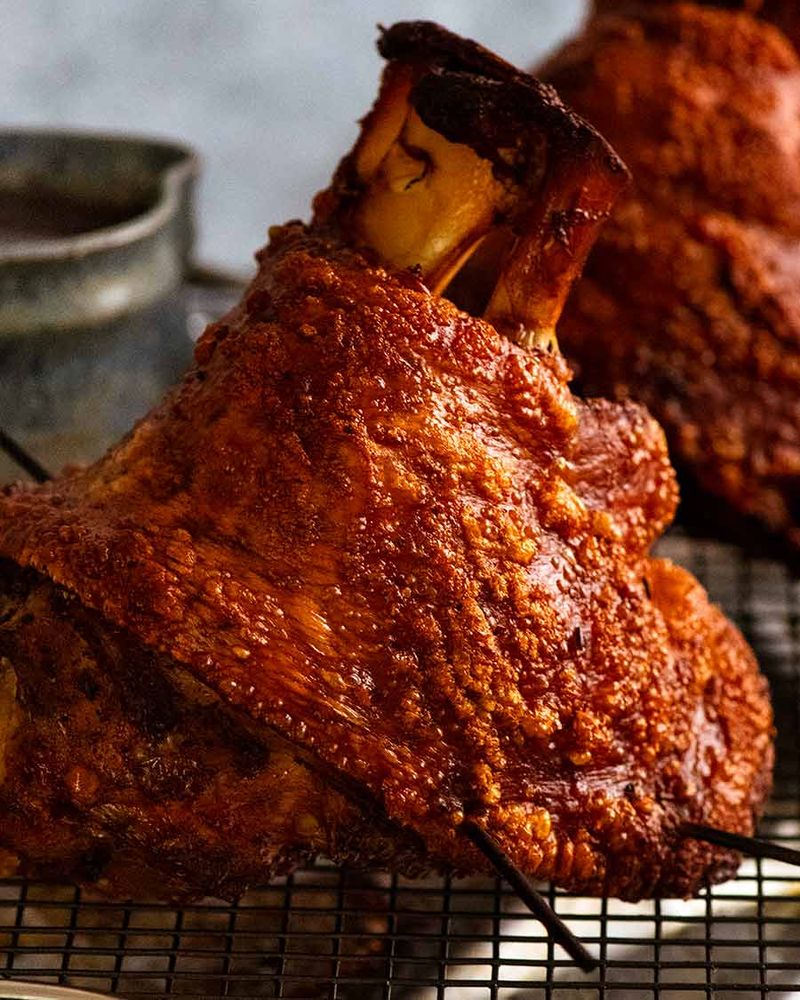
Did you know a single Schweinshaxe can weigh over two pounds? This roasted pork knuckle is a Bavarian beer hall legend, famous at Oktoberfest in Munich.
The meat is often simmered first, then roasted until the skin turns into crackly, glassy crunch. Underneath, the meat falls right off the bone.
For home cooks, a hot oven blast at the end is key. Pair it with sauerkraut and potato dumplings for a feast.
7. Homemade Sauerkraut
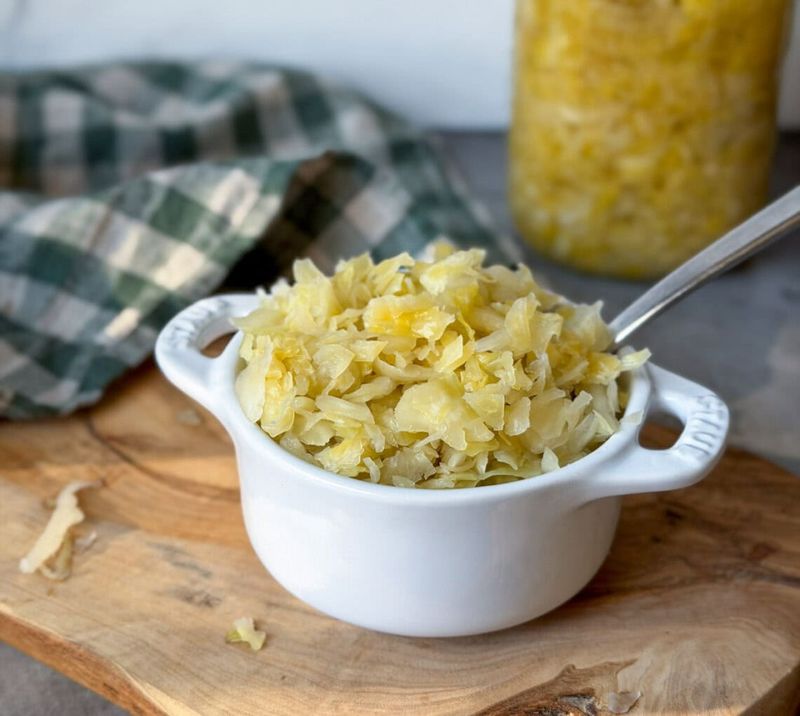
All you need is cabbage, salt, and time. Shred the cabbage, massage it with salt until juicy, then pack it tightly into a jar.
Over a few weeks, friendly bacteria turn it sour and tangy. Sailors once carried sauerkraut on long voyages because its vitamin C helped prevent scurvy.
Homemade kraut tastes fresher and crunchier than canned. Add caraway seeds or juniper berries for a classic German twist that pairs with nearly any roast.
8. Rotkohl
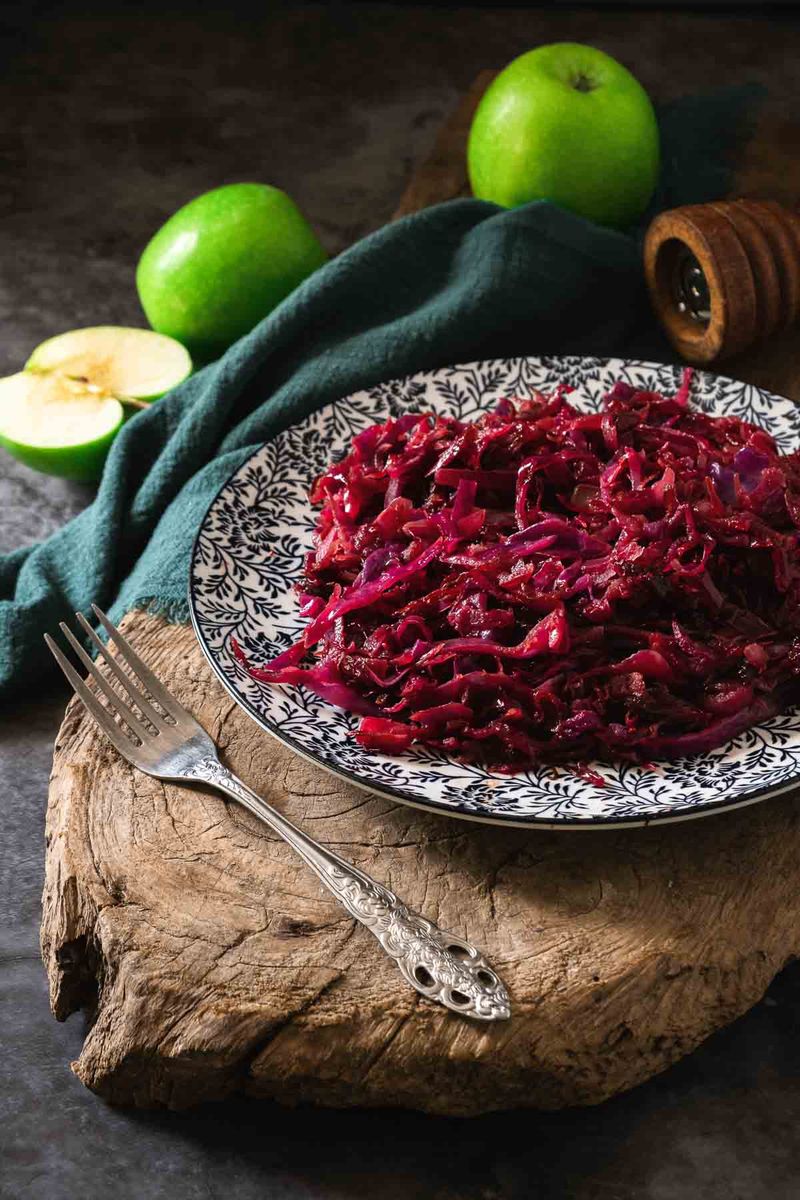
Bright purple and gently sweet, Rotkohl makes any plate look like a celebration. Red cabbage is slowly braised with apples, onions, vinegar, sugar, and warm spices like cloves.
Fun science moment: the vinegar keeps the cabbage a vivid red. Without acid, it can turn a dull blue.
It tastes even better the next day, so make a big pot early. Germans serve it beside roast goose, duck, or rouladen during the holidays.
9. Kartoffelknödel
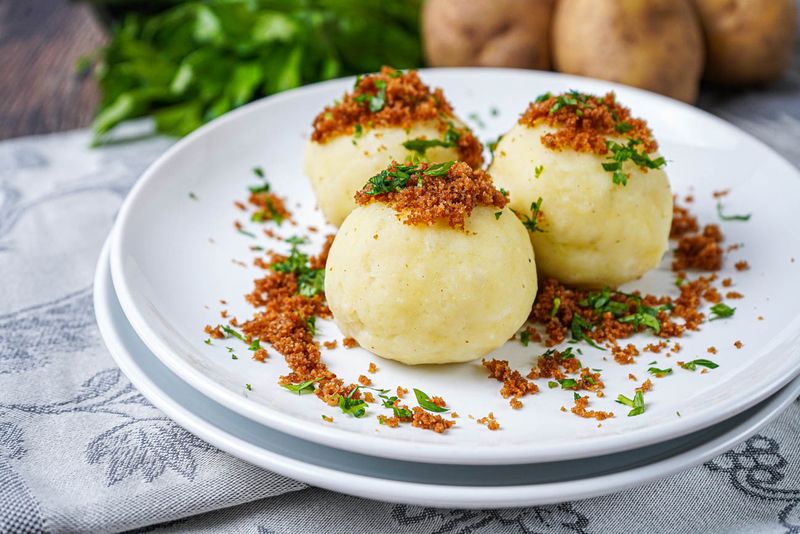
Soft, round, and perfect for gravy, potato dumplings are a true comfort food. Some recipes use raw grated potatoes, others use cooked ones, and many mix both.
Many cooks hide a small toasted bread cube in the center for a hidden crunch.
Here is a useful trick: simmer, never boil hard, or the dumplings may fall apart. When they float to the top and sit there a few minutes, they are ready to eat.
10. Semmelknödel
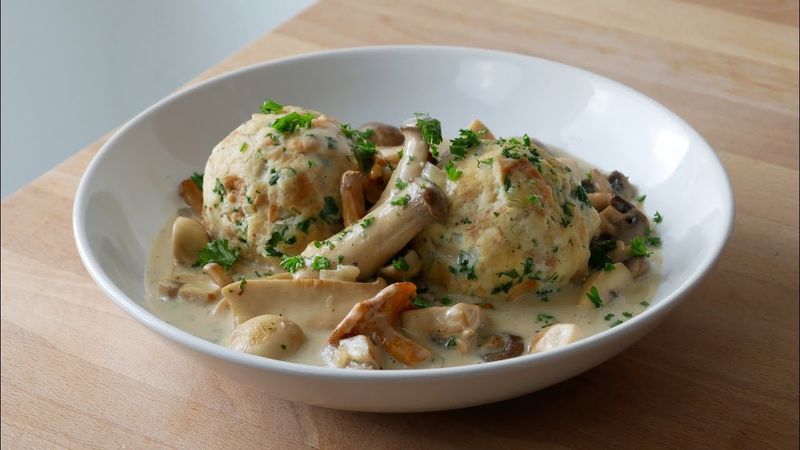
Got stale bread? Bavarians would never throw it away.
Instead, they soak bread cubes in warm milk, mix in eggs, onions, and parsley, then shape everything into fluffy dumplings.
Semmelknödel are a smart way to reduce food waste, and they taste wonderful too.
Try them with creamy mushroom sauce for a meatless dinner, or slice leftovers and fry them in butter the next morning. Crispy outside, soft inside, totally delicious.
11. Königsberger Klopse
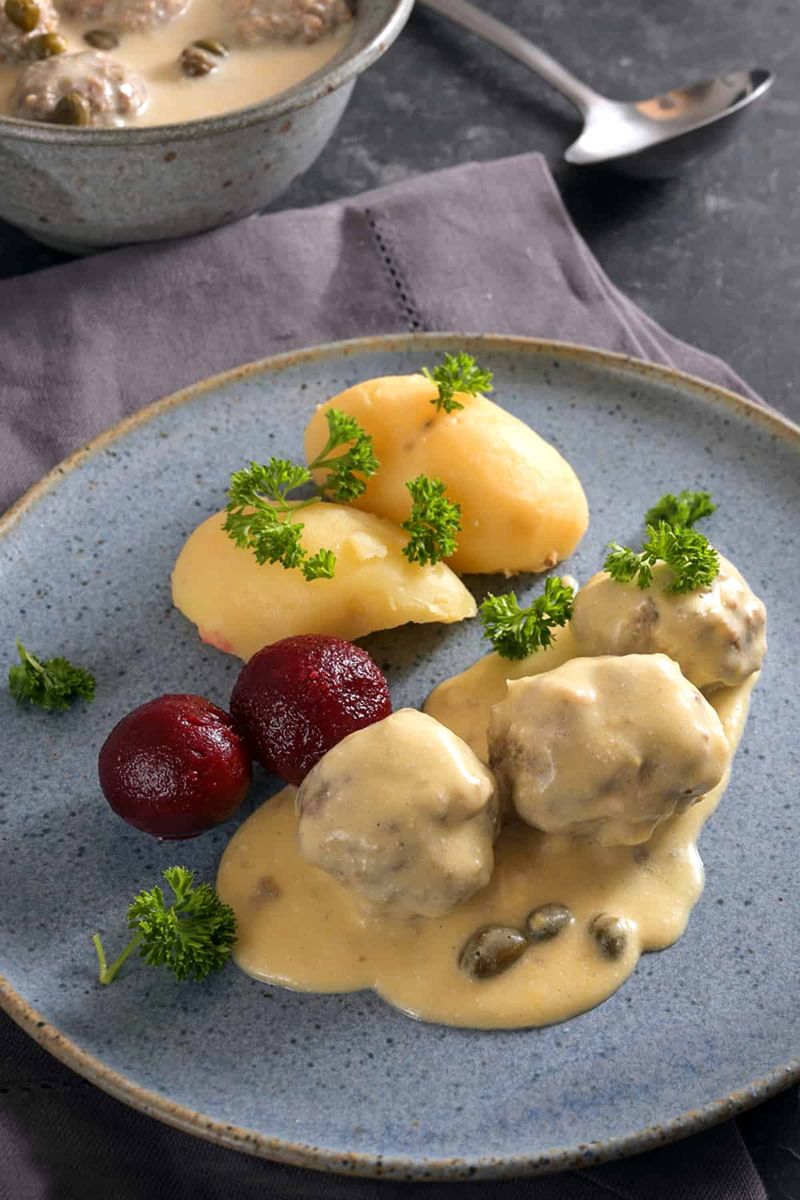
Meatballs in white sauce with capers might sound unusual, yet many Germans call this their favorite childhood dinner. The dish comes from the old city of Königsberg in East Prussia.
Tender meatballs simmer in broth, which then becomes a creamy, lemony sauce dotted with salty capers.
Boiled potatoes and pickled beets are the classic sides. If capers are too strong for picky eaters, use fewer.
The sauce still shines on its own.
12. Maultaschen
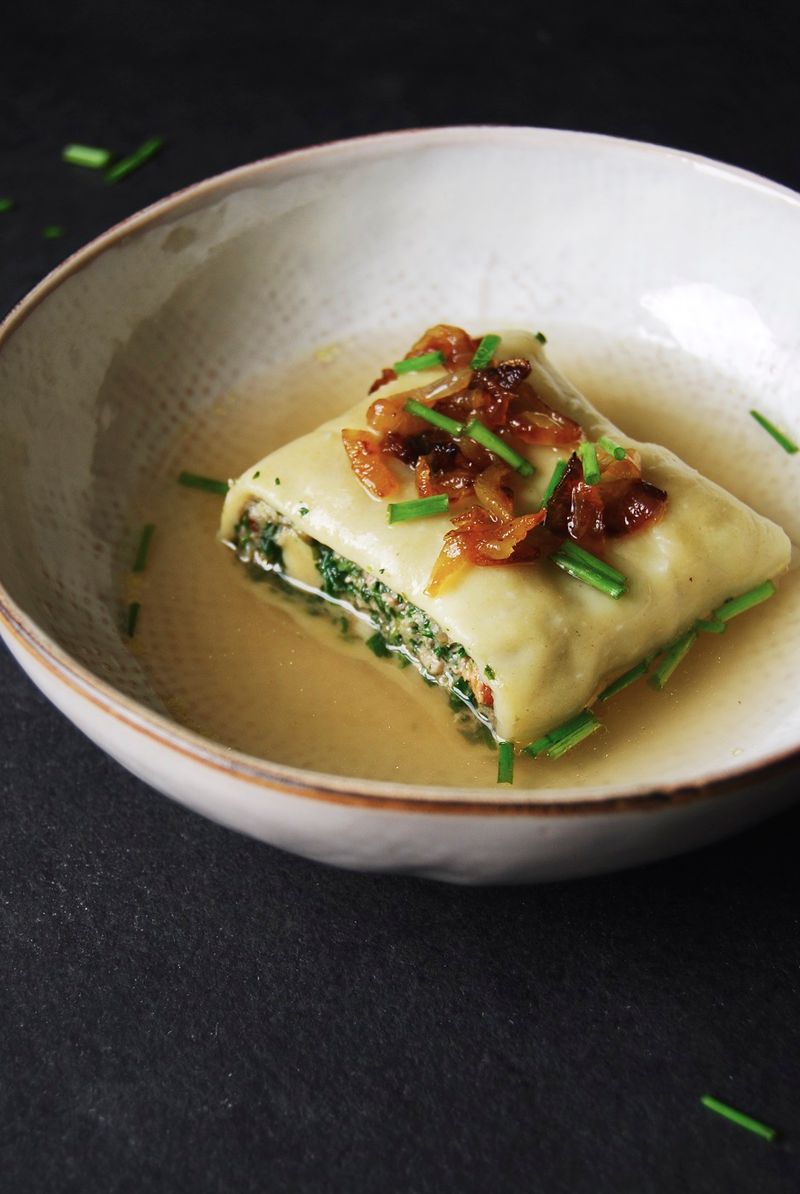
Legend says monks invented Maultaschen to sneak meat during Lent, hiding it inside pasta where nobody could see. Locals still jokingly call them little cheats on God.
These big Swabian dumplings are stuffed with meat, spinach, onions, and herbs.
Serve them floating in hot broth, or slice and pan-fry them with eggs. Making them takes time, so turn it into a family activity and freeze extras for busy weeknights.
13. Linseneintopf
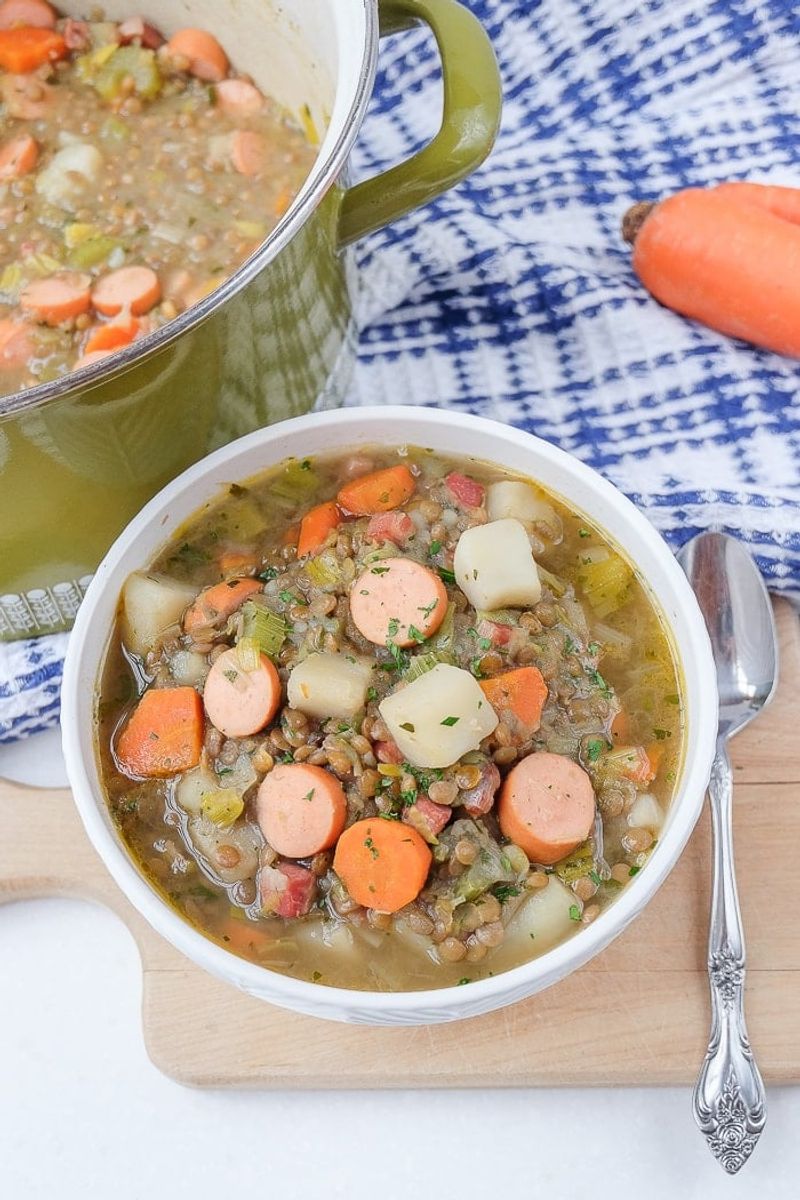
On a gray, rainy afternoon, nothing beats a steaming bowl of lentil stew. Linseneintopf is cheap, filling, and simple to make in one pot.
Brown lentils simmer with carrots, celery, potatoes, and onions. Many families toss in sliced sausage or bacon for smoky flavor.
The real German secret is a splash of vinegar right before serving. It wakes up all the flavors.
Keep the bottle on the table so everyone can add their own.
14. Rinderroulade-Style Gulaschsuppe
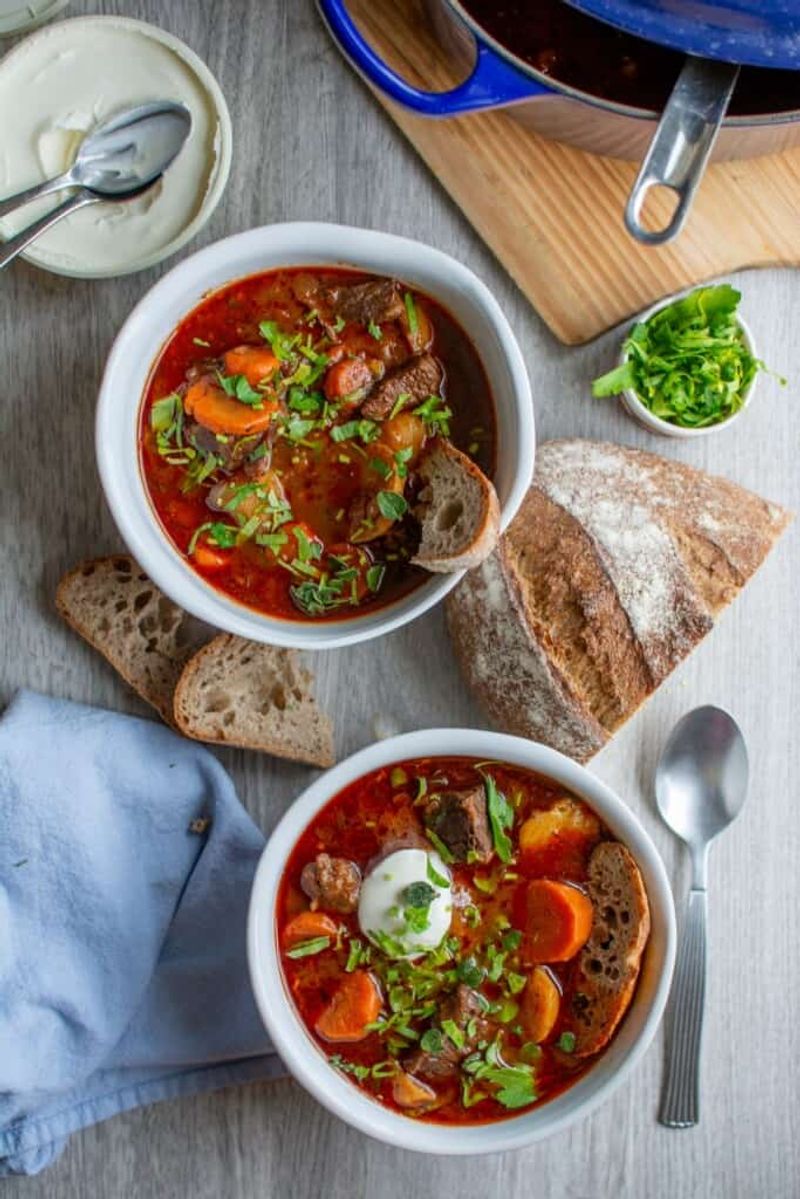
Hungry after a cold day of skiing? German lodges answer with Gulaschsuppe.
Borrowed from Hungarian neighbors, this spicy-sweet soup is packed with beef, peppers, onions, and plenty of paprika.
Brown the meat well first, since those dark bits create deep flavor.
Simmer slowly until the beef is tender, then serve with crusty bread for dunking. Like many stews, it improves overnight, making it great for packed lunches.
15. Himmel und Erde

The name means Heaven and Earth, and it is pure poetry on a plate. Apples grow up in the trees, so they are heaven.
Potatoes grow in the ground, so they are earth.
Cooks from the Rhineland mash them together, then top it with fried onions and often blood sausage.
Not a fan of blood sausage? Try crispy bacon or pork chops instead.
The sweet and savory mash is the real star anyway.
16. Flammkuchen
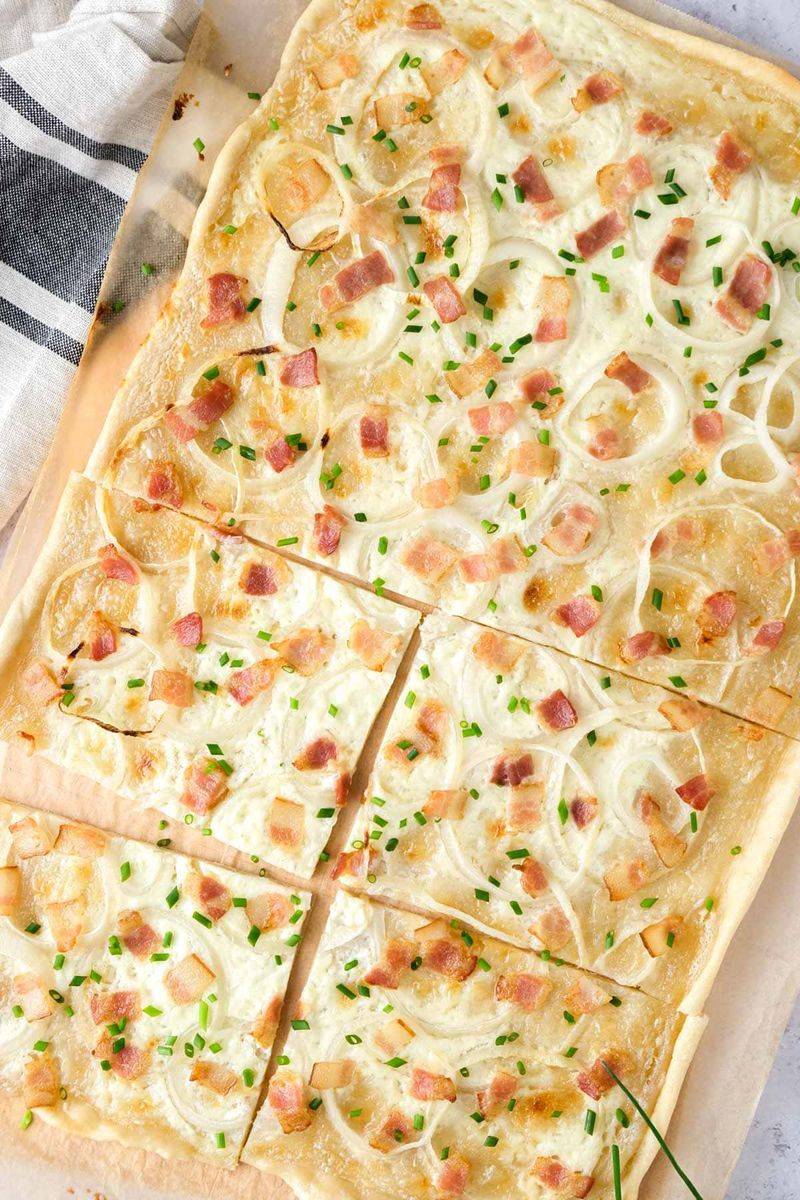
Bakers once tested their wood ovens by sliding in a thin piece of dough. If it baked in a minute or two, the oven was ready.
That test snack became Flammkuchen.
Think of a super thin pizza topped with crème fraîche, onions, and bacon.
At home, crank your oven as hot as it goes and roll the dough paper thin. A sweet version with apples and cinnamon makes a lovely dessert.
17. Soft Pretzels with Obatzda

Yes, Germans eat pretzels, but not like the ones at the mall. Real Bavarian Brezen get dipped in a special alkaline bath, giving them that shiny brown crust.
Many home bakers use a baking soda bath as a safer option.
Pair them with Obatzda, a creamy Bavarian dip of soft cheese, butter, paprika, and onion. Add sliced radishes for crunch, and you have a beer garden snack right in your kitchen.
18. Schwarzwälder Kirschtorte
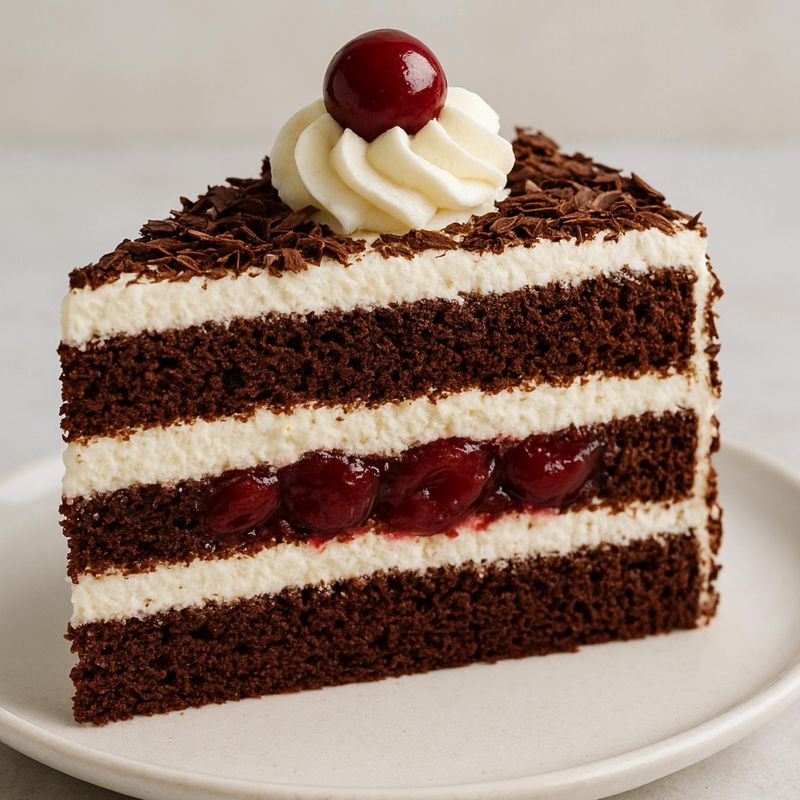
Chocolate, cherries, and clouds of whipped cream make this the queen of German cakes. Black Forest cake gets its kick from Kirschwasser, a cherry brandy from southwest Germany.
Kid-friendly bakers can swap the brandy for cherry juice without losing much flavor.
Chill the cake layers before slicing them, because cold cake cuts cleaner. Finish with chocolate shavings and bright red cherries for a dessert that looks like it came from a bakery window.
19. Apfelstrudel
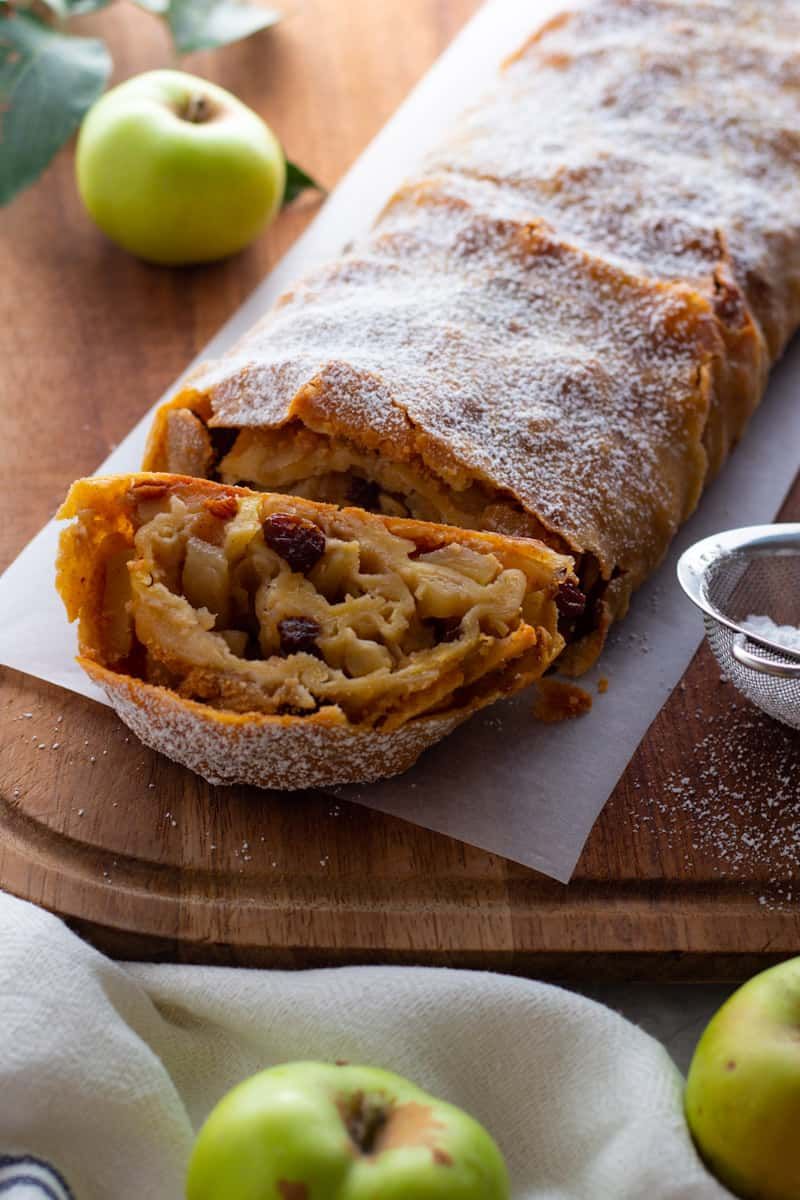
Old-school bakers claim strudel dough should be stretched so thin you can read a newspaper through it. That takes practice, so store-bought phyllo is a fine shortcut.
Inside, tart apples mix with cinnamon, sugar, raisins, and buttery breadcrumbs.
Roll it up, brush with butter, and bake until flaky and golden. Serve warm with vanilla sauce or ice cream.
The smell alone will pull everyone into the kitchen.
20. Bienenstich
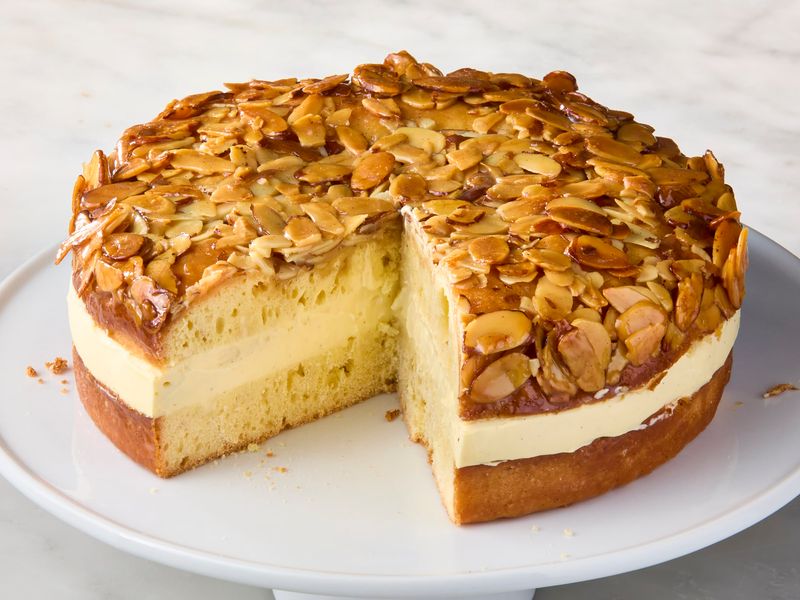
Bienenstich means bee sting, and one story says a baker got stung by a bee drawn to the honey topping. Ouch, but what a tasty legacy.
The cake has a soft yeast base, a crunchy honey-almond crust on top, and a thick vanilla cream filling.
Slice the top layer into pieces before putting it back on the cream. That way, the filling will not squish out when you cut it.
21. Lebkuchen
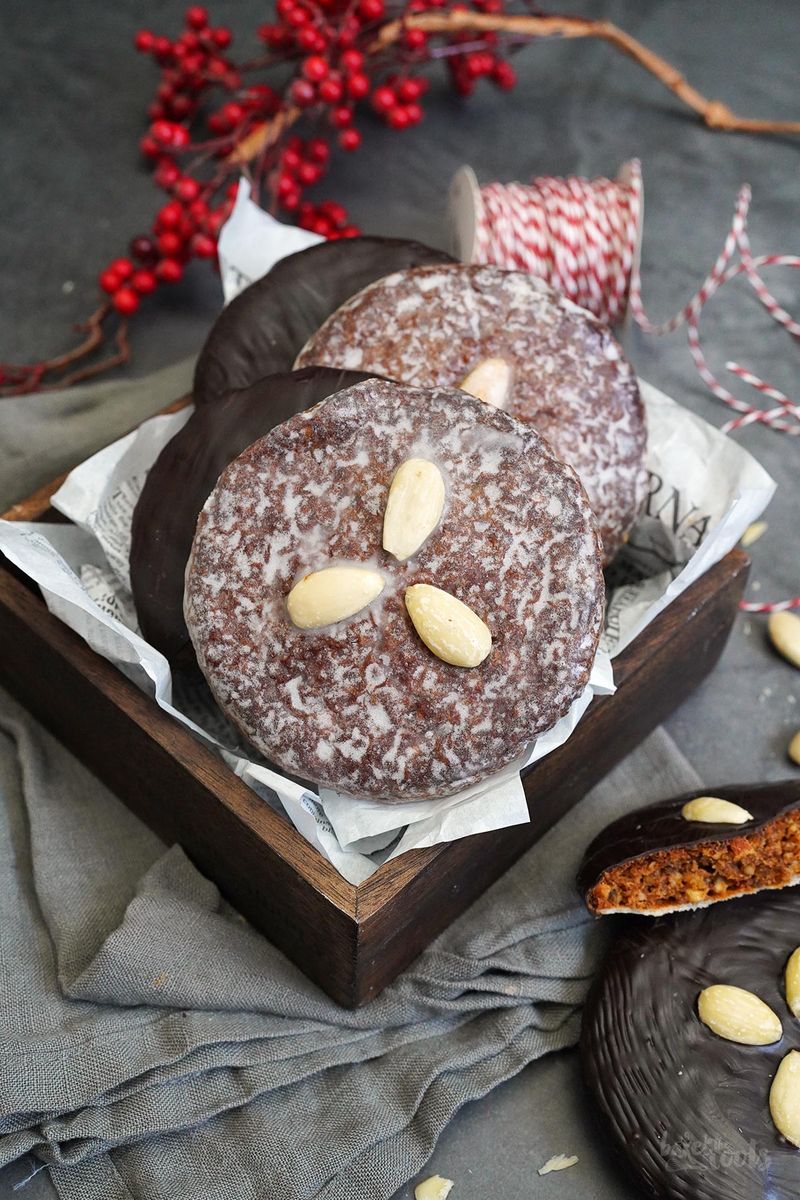
Nuremberg has been famous for Lebkuchen since the 1300s, when spices from faraway lands passed through the city.
These soft, chewy holiday cookies are packed with honey, nuts, candied peel, and warm spices like cinnamon, cloves, and nutmeg. Many sit on thin wafers called Oblaten.
Bake a batch in early December and store them in a tin with an apple slice. The moisture keeps them tender, and the flavors grow richer each day.