
Europe has been baking amazing cakes for hundreds of years, and many of the best recipes are still made in home kitchens today. Each country has its own favorites, from fluffy sponge layers to rich chocolate treats and fruity bakes.
Trying these cakes is a fun way to taste history and culture without leaving your house. Grab your apron, because your next baking project might come from a tiny village in Italy or a busy cafe in Vienna.
1. Sachertorte from Austria
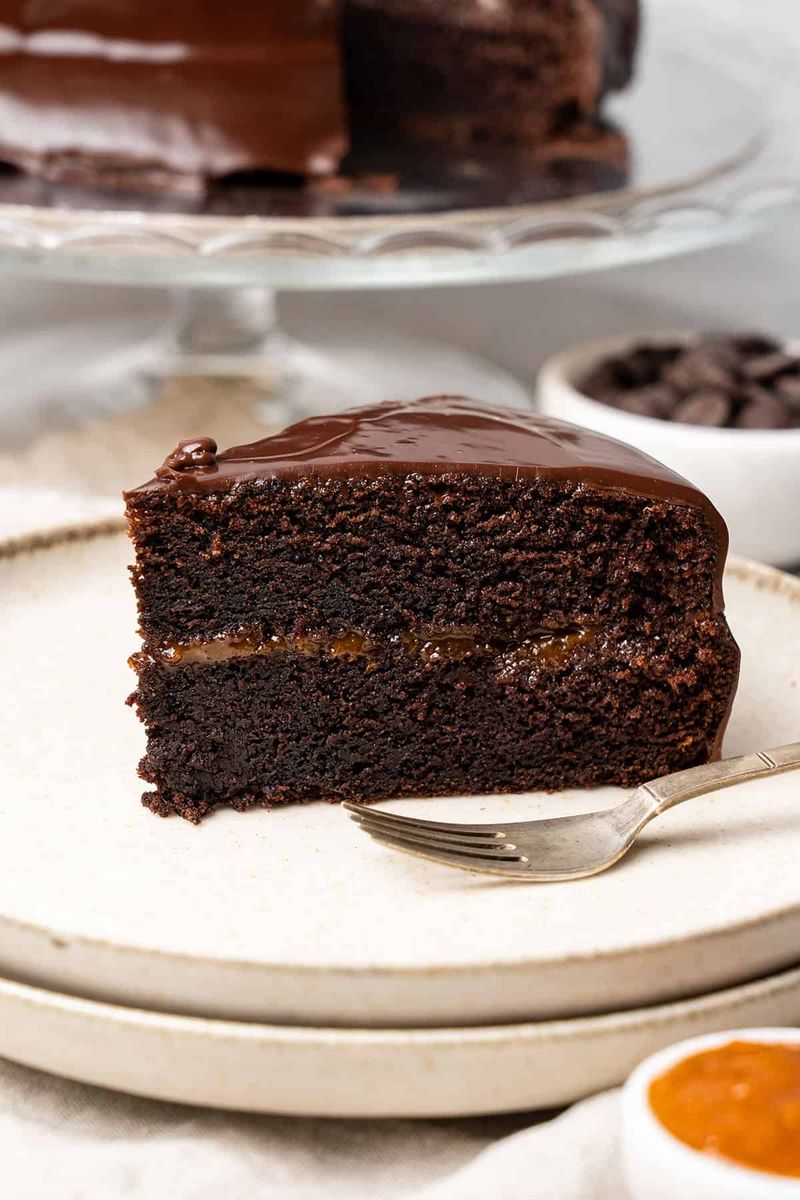
Back in 1832, a 16-year-old kitchen helper named Franz Sacher invented a cake for a prince. Nearly two hundred years later, people still line up in Vienna to eat it.
Sachertorte is a dense chocolate cake with a thin layer of apricot jam and a shiny chocolate glaze on top. Austrians serve it with unsweetened whipped cream.
Tip: warm the jam before spreading so it soaks in nicely.
2. Black Forest Cake from Germany
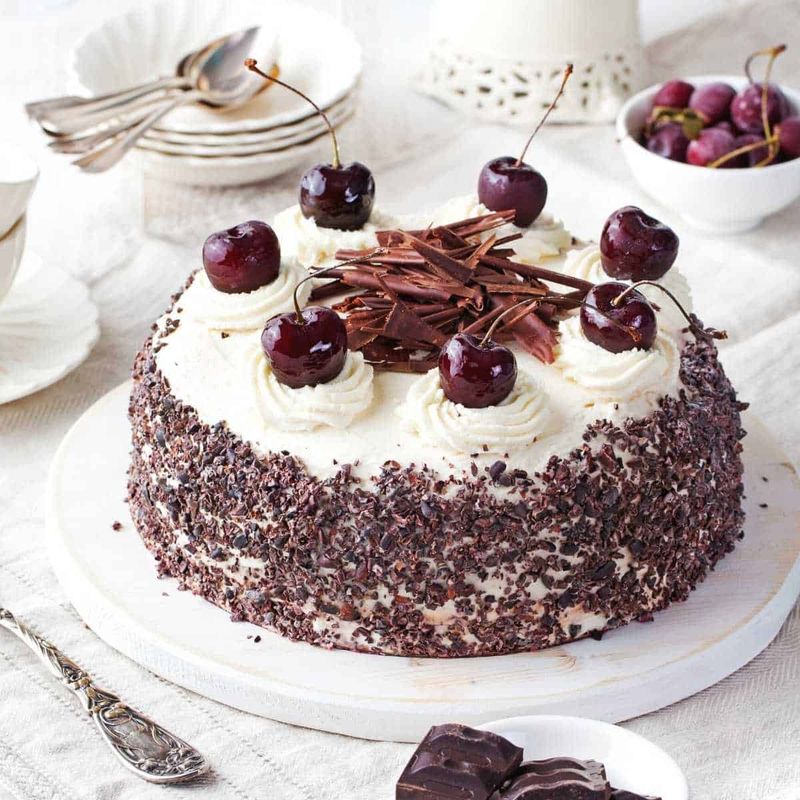
Chocolate, cherries, and clouds of cream. Could a dessert sound any more like a party?
Called Schwarzwalder Kirschtorte in Germany, this cake stacks chocolate sponge with whipped cream and sour cherries. Grown-up versions add cherry brandy, but cherry juice works just as well for families.
Chill it for a few hours before slicing. The layers firm up, and every piece comes out looking bakery perfect.
3. Victoria Sponge from England
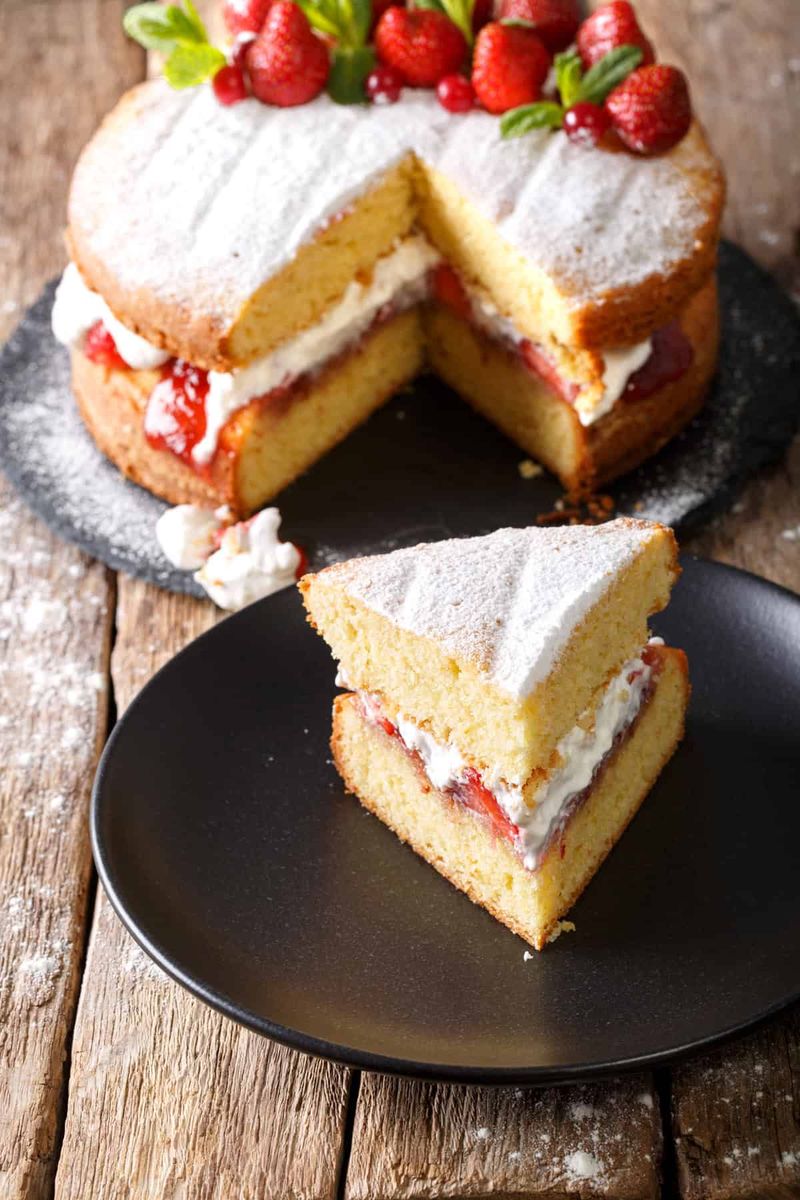
Queen Victoria loved a slice of cake with her afternoon tea, and this simple sponge was named in her honor.
Two soft vanilla layers hold a filling of raspberry jam and whipped cream or buttercream. A light dusting of powdered sugar finishes it off.
Beginners will love it. Weigh your eggs, then use the same weight of butter, sugar, and flour.
That old trick almost never fails.
4. Tiramisu from Italy
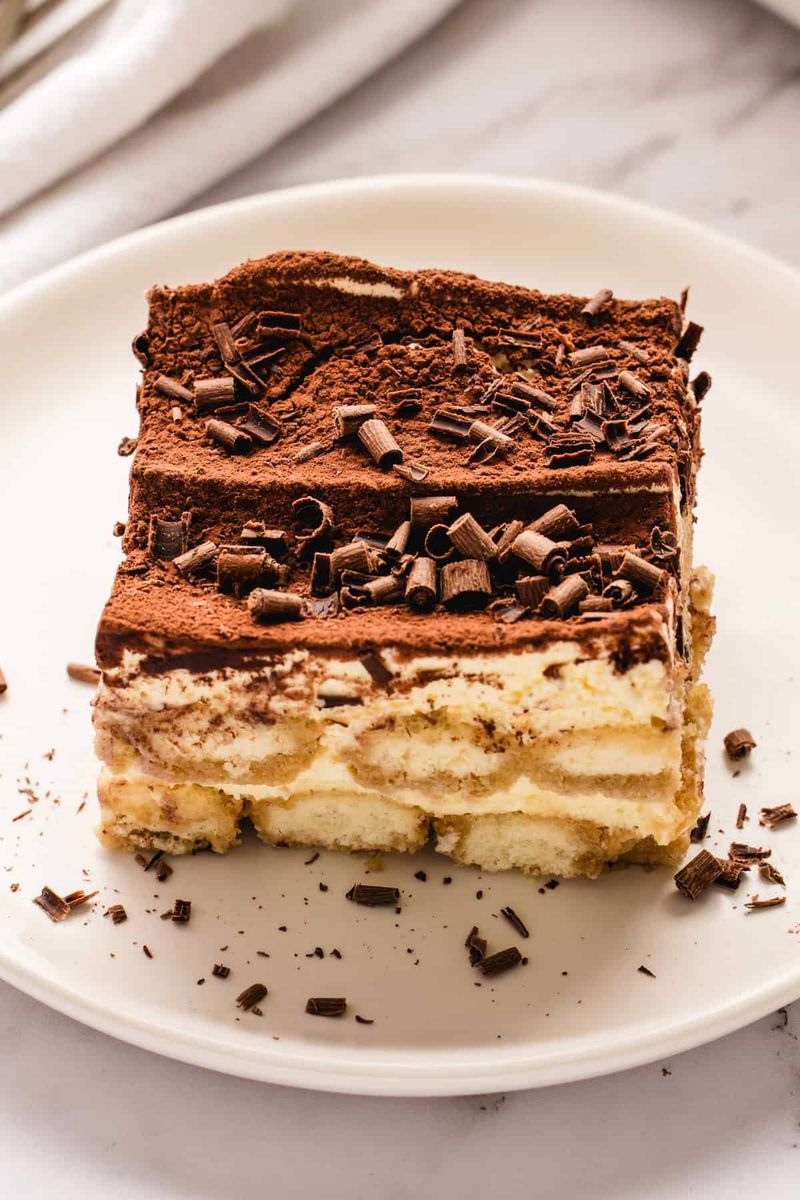
Here is a cake you never have to bake. Tiramisu means pick me up in Italian, and one bite explains the name.
Ladyfinger cookies get dipped in coffee, then layered with sweet mascarpone cream and dusted with cocoa powder.
For a kid-friendly twist, swap the coffee for hot chocolate. Let it rest overnight in the fridge so the flavors blend into something truly dreamy.
5. Basque Burnt Cheesecake from Spain
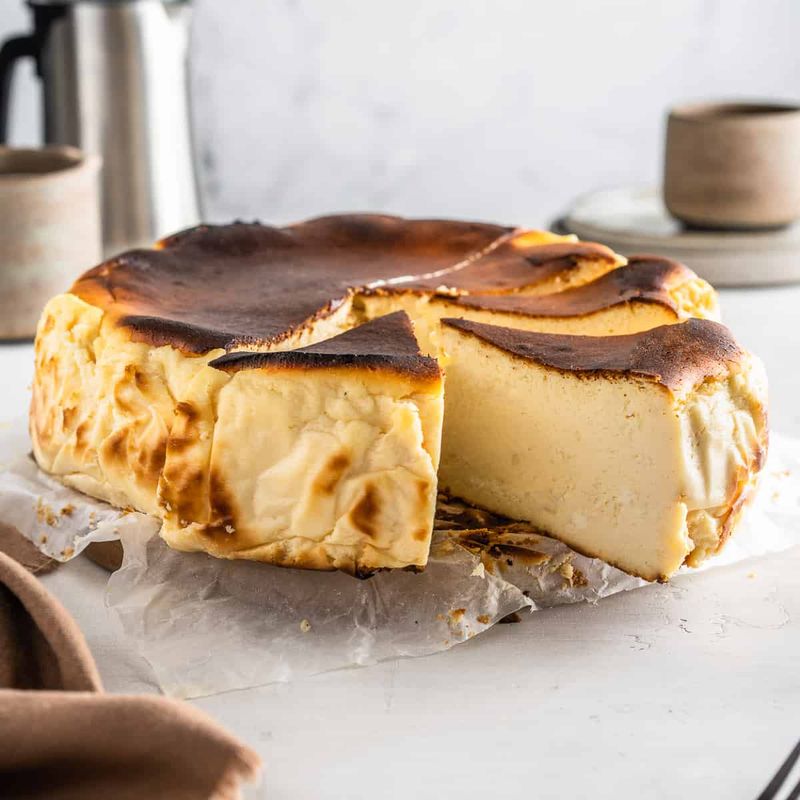
Most bakers panic when a cake turns dark brown. In San Sebastian, that is the whole point.
A small bar called La Vina created this cheesecake in 1990. It bakes at very high heat, so the outside caramelizes while the middle stays soft and creamy.
No crust is needed, and cracks are welcome. Just line your pan with crumpled parchment paper and let the oven do its magic.
6. Dobos Torte from Hungary
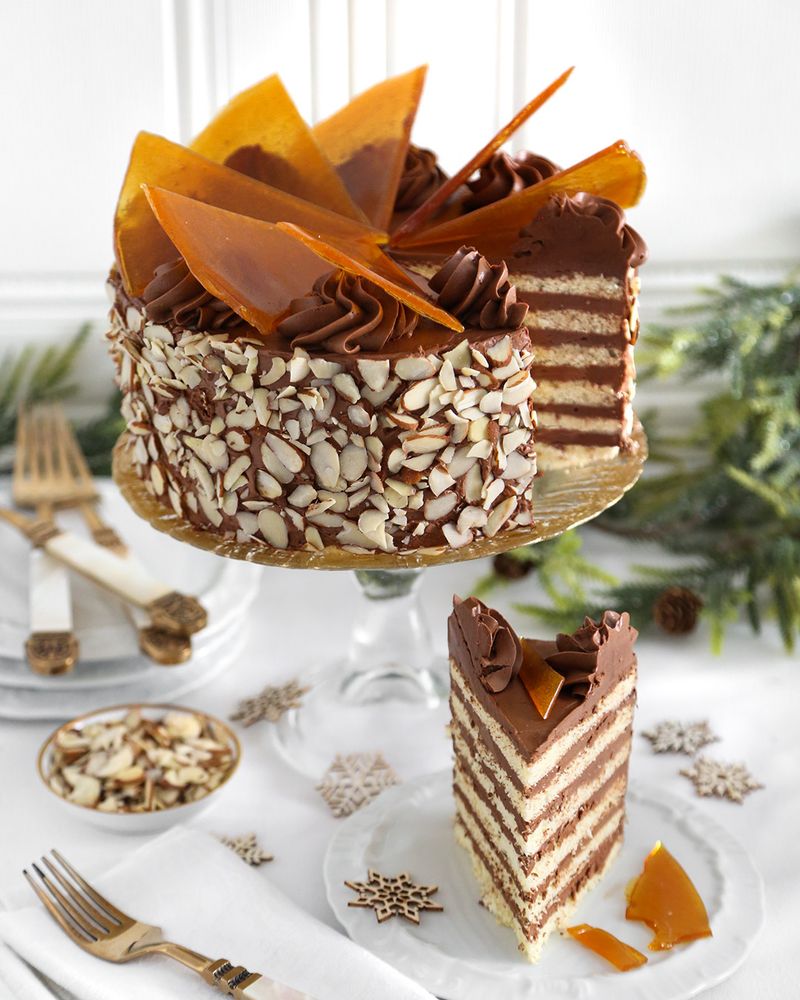
Count the layers and you will find at least six thin sponges stacked with chocolate buttercream. Pretty impressive, right?
Baker Jozsef Dobos created this torte in 1885 and even shipped it across Europe because it stayed fresh so long. The crown is a set of hard caramel wedges arranged like a fan.
Patience matters here. Bake the thin layers one or two at a time for the best results.
7. Gateau Basque from France
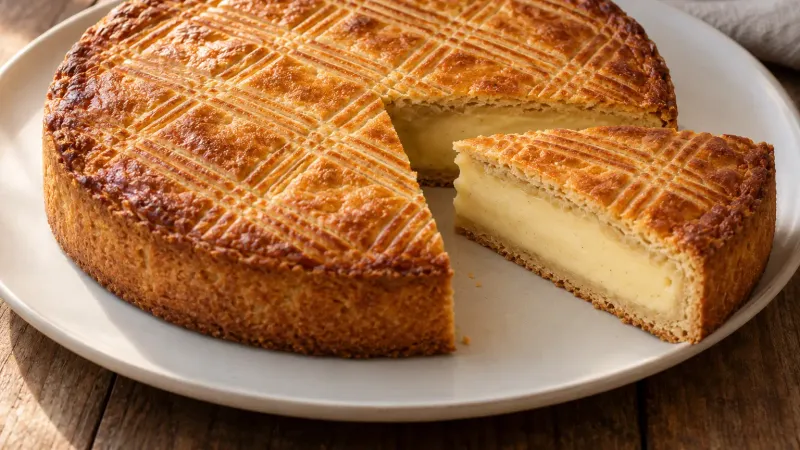
Picture a cookie and a pie having a delicious baby. Welcome to the Gateau Basque.
Families in southwest France fill a buttery, crumbly crust with vanilla pastry cream or black cherry jam. A crosshatch pattern scored on top makes it look beautifully homemade.
Fun fact: the town of Cambo-les-Bains holds a whole festival for this cake each year. It tastes even better the day after baking.
8. Princess Cake from Sweden
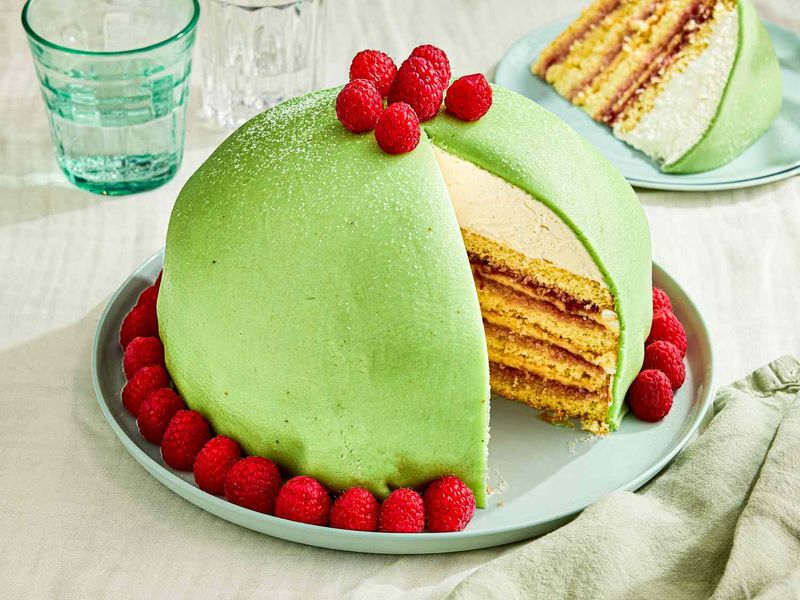
Bright green and topped with a pink rose, Prinsesstarta looks like it belongs in a fairy tale.
Swedish teacher Jenny Akerstrom created it for three young princesses in the 1920s. Inside, you will find sponge cake, raspberry jam, custard, and a big dome of whipped cream.
Store-bought marzipan makes the covering much easier. Roll it thin between sheets of plastic wrap so it drapes smoothly without tearing.
9. Torta Caprese from Italy
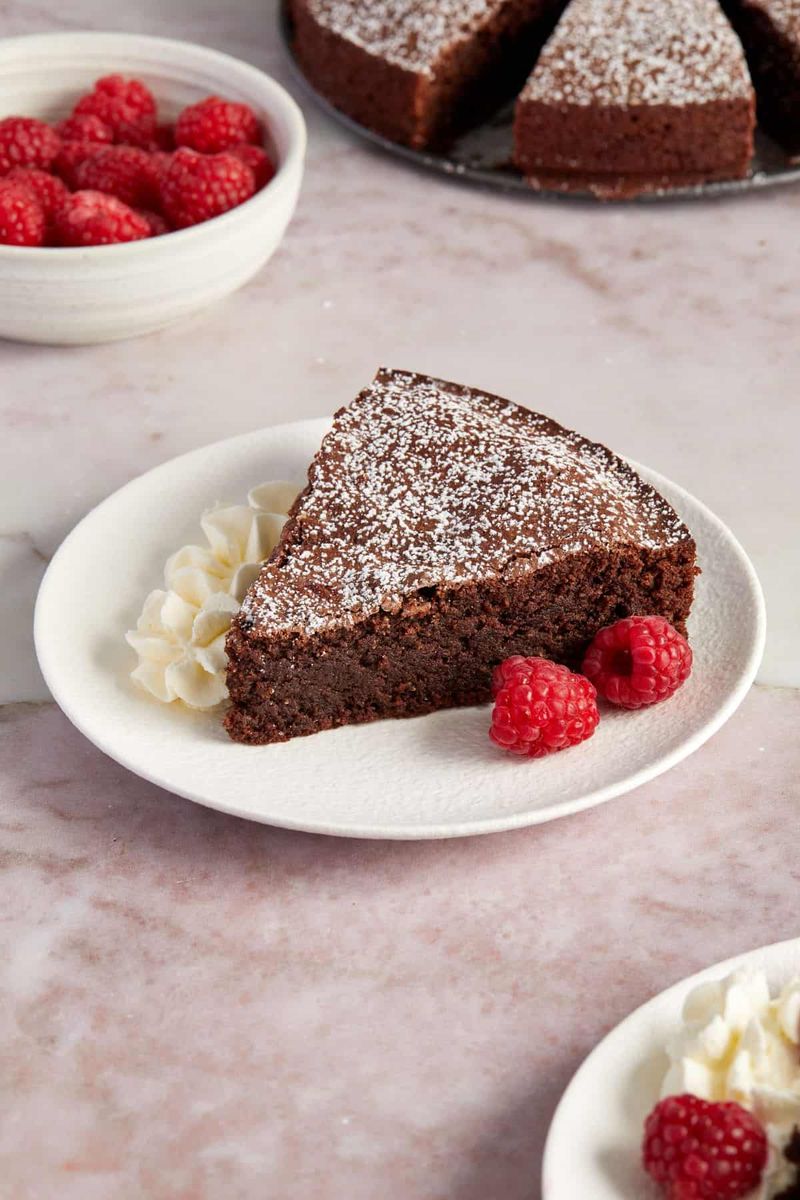
Legend says a baker on the island of Capri forgot to add flour, and the happy accident became famous.
Torta Caprese uses ground almonds, dark chocolate, butter, and eggs. The result is fudgy inside with a delicate crackly top, and it is naturally gluten-free.
Friends with wheat allergies will thank you. Serve a slice with fresh berries or a small scoop of vanilla gelato.
10. Pastel de Tres Leches Cousin: Portuguese Pao de Lo
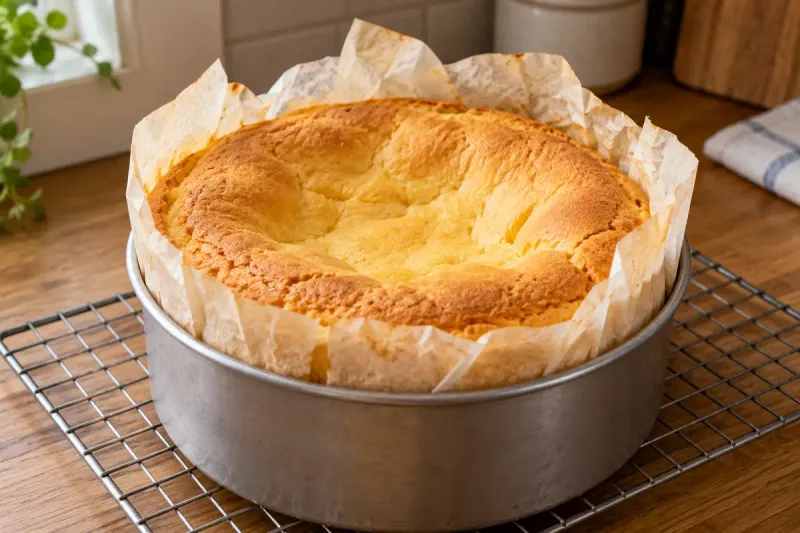
Soft, golden, and a little gooey in the middle, Pao de Lo is a sponge cake Portugal has loved for centuries.
Only eggs, sugar, and a small amount of flour go into it. Some regions, like Ovar, bake it underdone on purpose so the center stays creamy.
Beat the eggs and sugar for a full ten minutes. That air is what makes the cake rise high.
11. Medovik from Russia
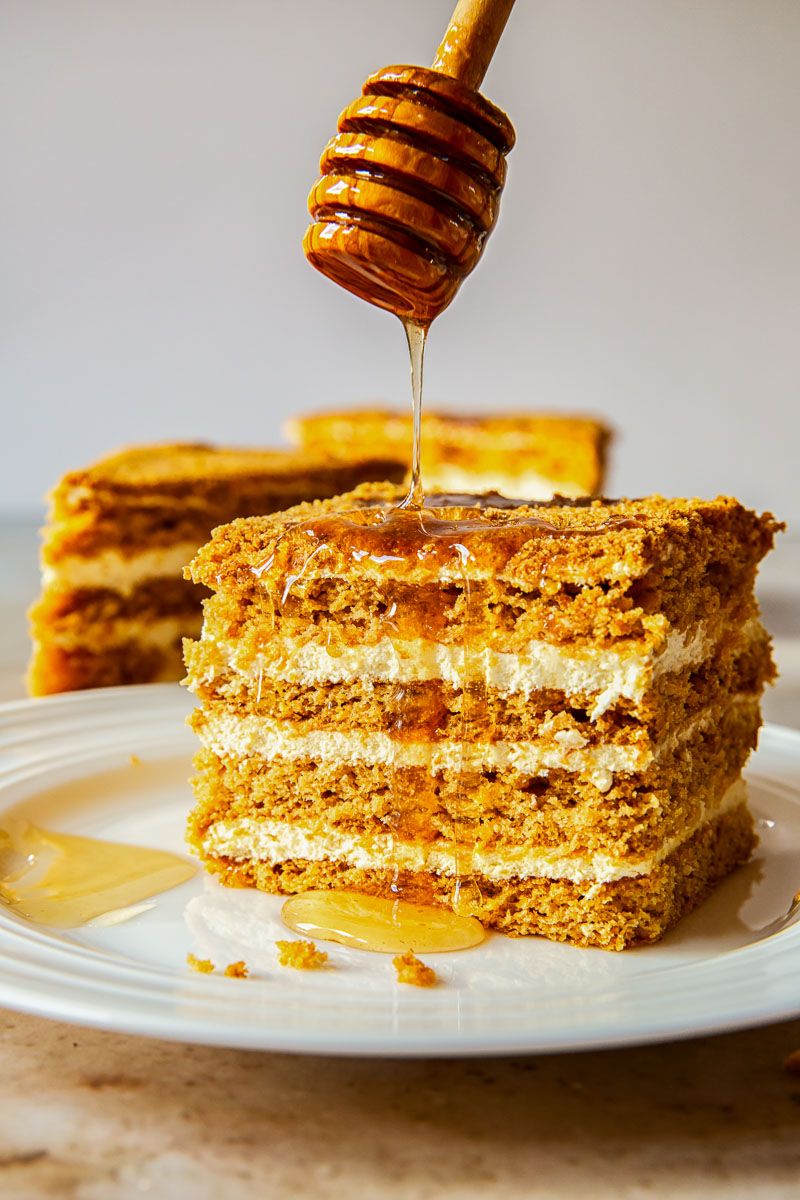
Smell the honey first. That warm, golden scent fills the kitchen the moment these layers start baking.
Medovik stacks up to ten thin honey cookies with a tangy sour cream frosting. After a night in the fridge, the crisp layers turn soft and almost melt.
Save the trimmed edges. Crush them into crumbs and press them around the outside for a classic finish.
12. Panforte from Italy
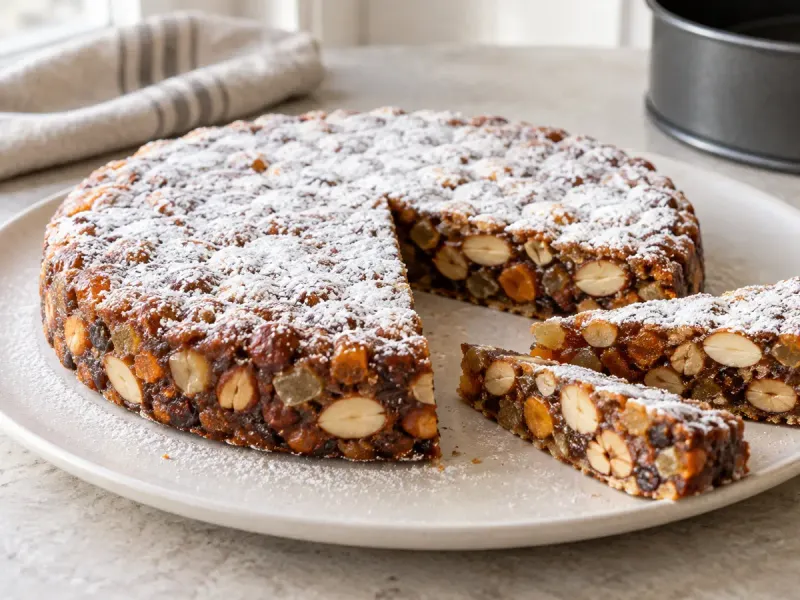
Siena bakers have made Panforte since the 1200s. Knights reportedly carried it on long journeys because it lasts for weeks.
This chewy, dense cake is packed with nuts, dried fruit, honey, and warm spices like cinnamon and cloves. It is more like candy than sponge.
Cut it into thin wedges. A little goes a long way, and it makes a lovely holiday gift.
13. Bara Brith from Wales
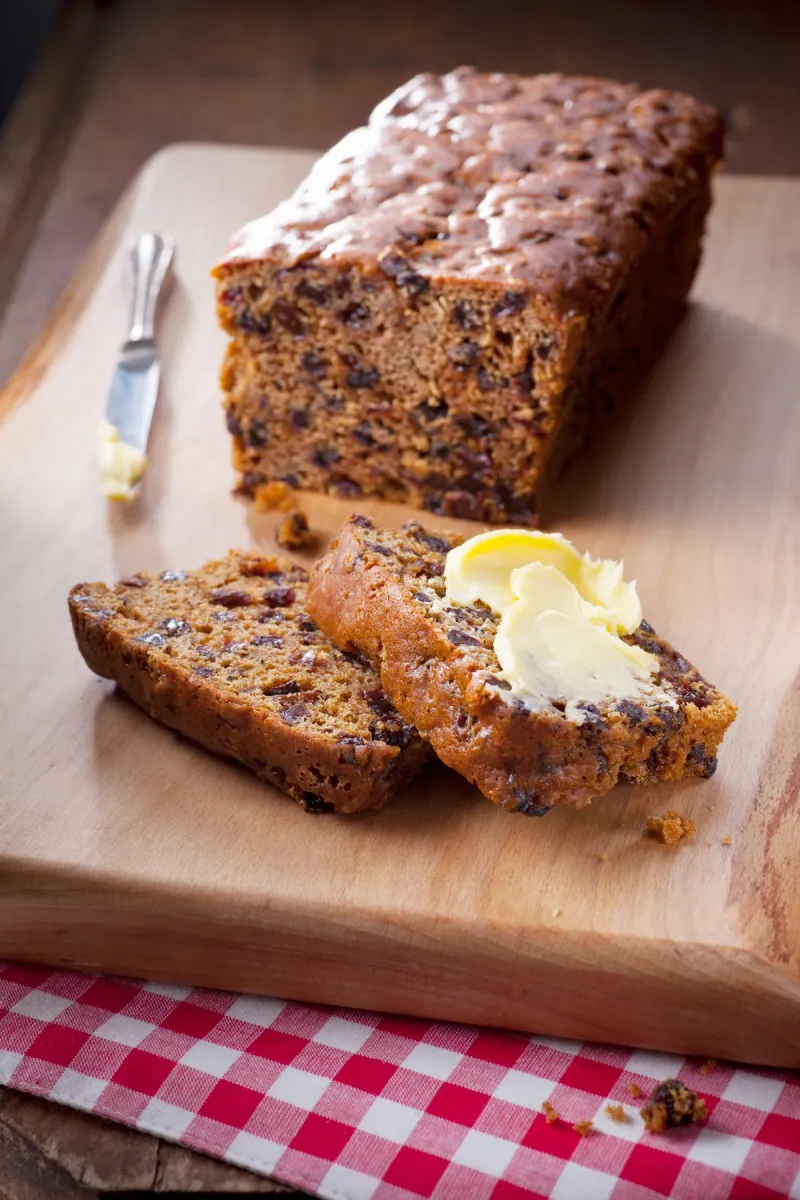
Grandmas across Wales have a secret: soak the fruit in tea overnight.
Bara Brith means speckled bread in Welsh, thanks to all the raisins and currants inside. Though often called a bread, it eats like a moist fruit cake, especially with butter.
The tea soak keeps every bite juicy. Try different teas, like Earl Grey, to give your loaf its own special flavor.
14. Kladdkaka from Sweden
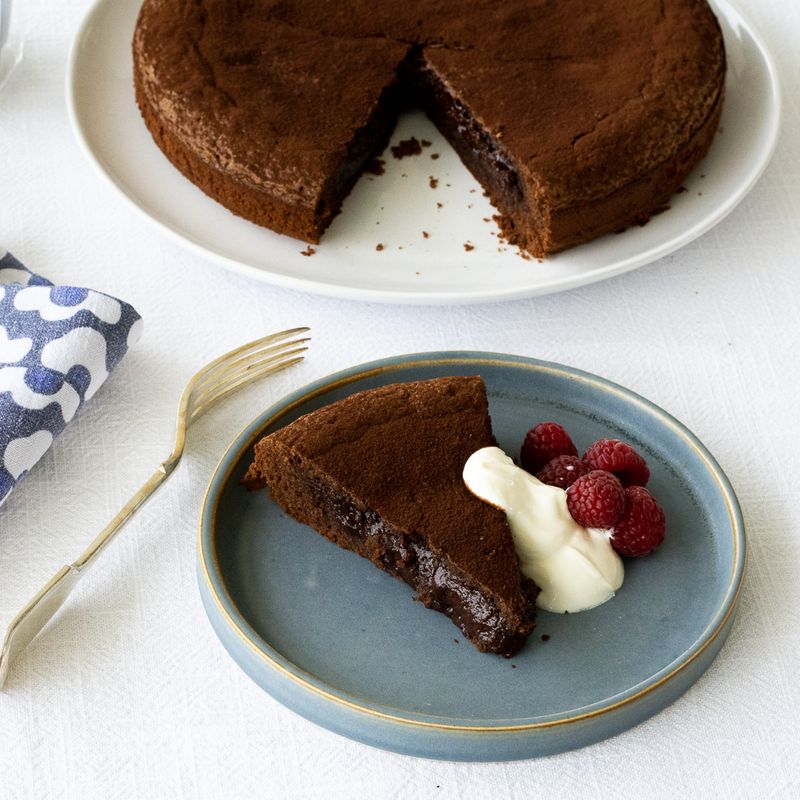
Kladdkaka literally means sticky cake, and Swedes eat it with zero shame about the gooey middle.
Requiring just one bowl and about thirty minutes, it is perfect for a last-minute craving. Butter, sugar, eggs, cocoa, and a little flour are all you need.
Pull it out while the center still jiggles. Whipped cream and raspberries on top turn a quick snack into a real treat.
15. Apfelstrudel from Austria
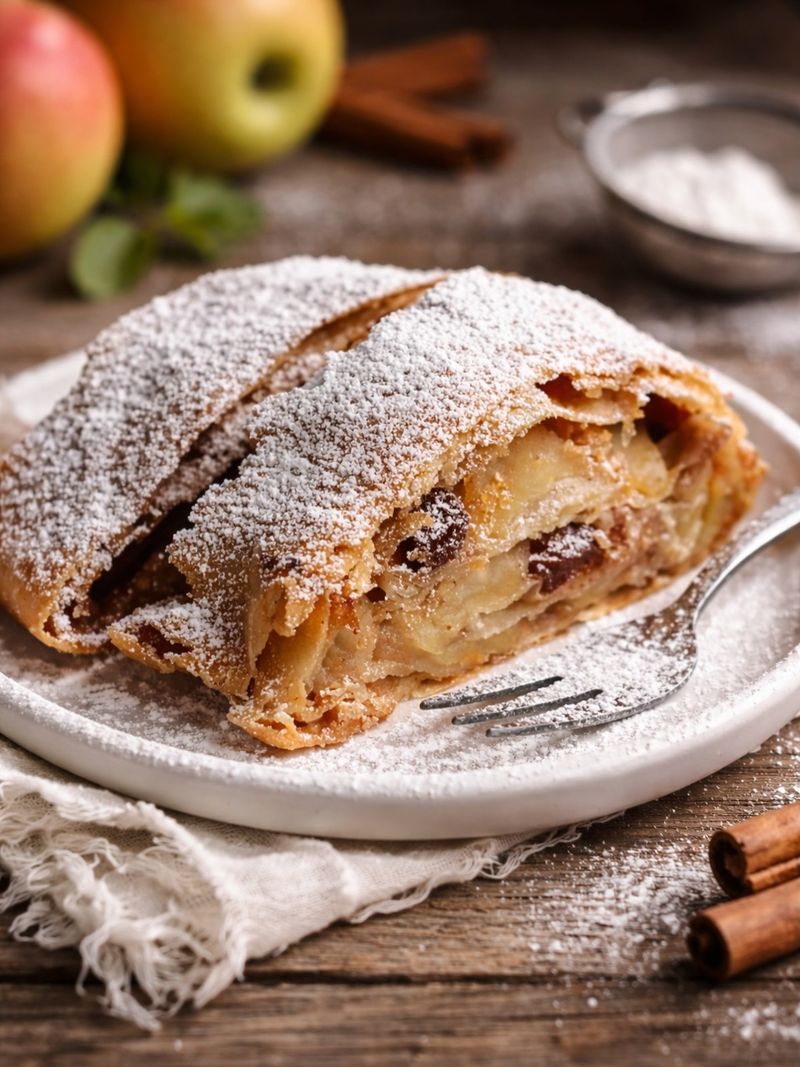
Old Viennese bakers claimed the dough should be thin enough to read a newspaper through it. Talk about a challenge!
Apfelstrudel wraps cinnamon apples, raisins, and toasted breadcrumbs in stretched pastry. The crumbs soak up juice so the bottom never gets soggy.
Short on time? Store-bought phyllo dough works great.
Serve warm with vanilla sauce for the full cafe experience at home.
16. Bienenstich from Germany
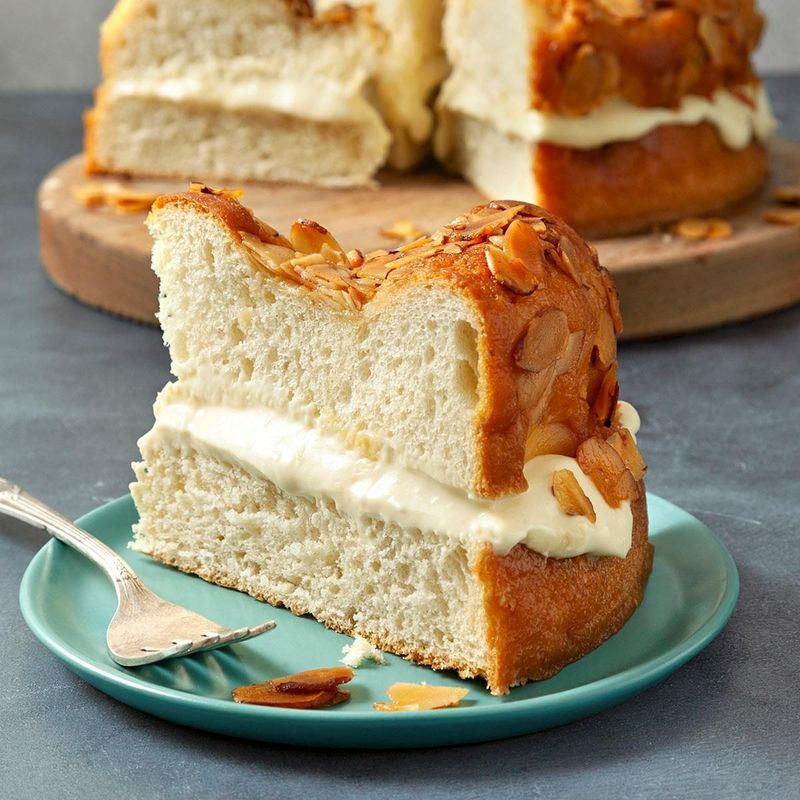
A bee sting never tasted so sweet. Bienenstich gets its funny name from a story about bakers who were stung by bees chasing the honey topping.
Soft yeast cake gets a crunchy almond and honey crust, then is split and filled with vanilla cream.
Let the cake cool completely before filling. Warm cake will melt the cream and cause a messy, slippery slice.
17. Tarta de Santiago from Spain
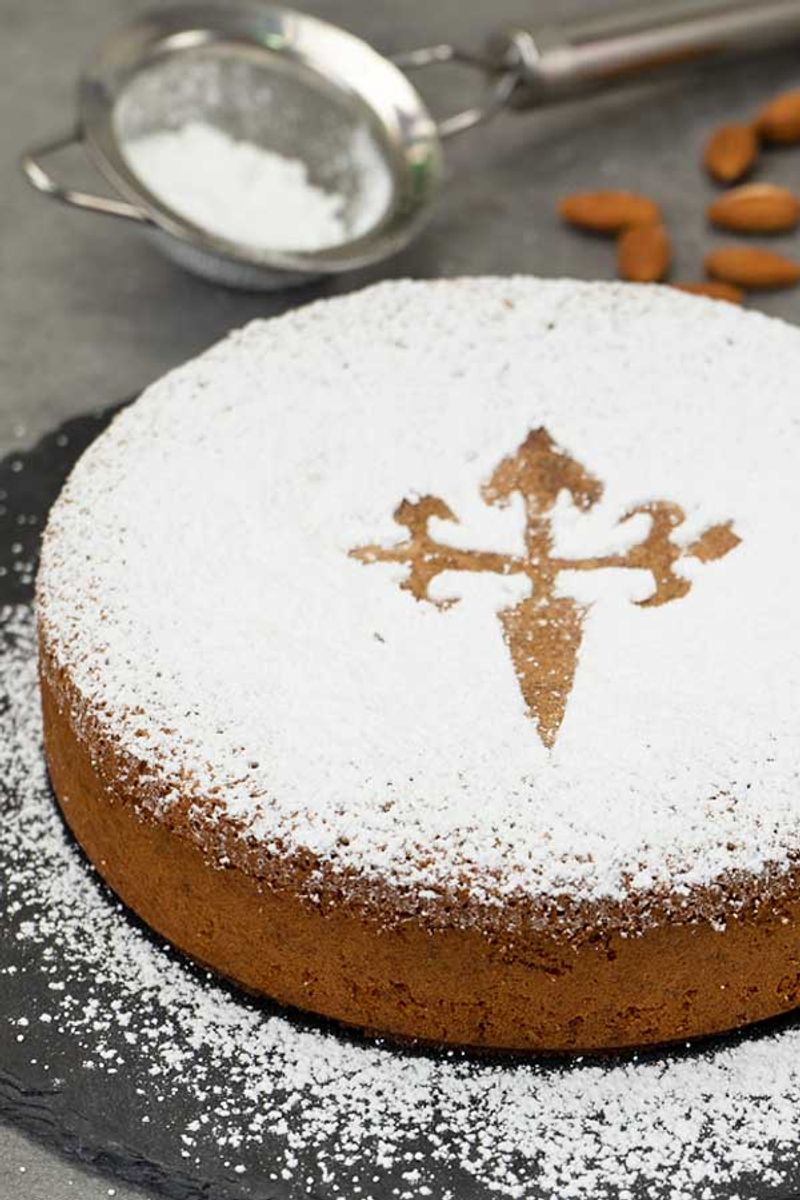
Pilgrims walking the Camino de Santiago often celebrate the end of their journey with this almond cake.
Made mostly from ground almonds, eggs, sugar, and lemon zest, it has a moist, nutty texture. The cross of Saint James is stenciled on top with powdered sugar.
Print a cross shape on paper, cut it out, and lay it on the cake before dusting. Instant wow factor!
18. Kardinalschnitte from Austria
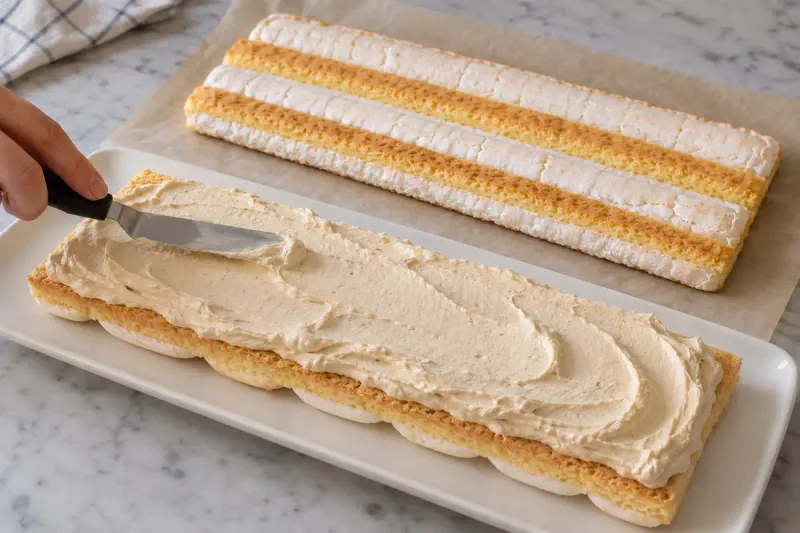
Yellow and white stripes on this dessert copy the colors of the Catholic Church, which explains the name, meaning cardinal slice.
Strips of meringue and sponge bake side by side, then sandwich a coffee or berry cream. The texture is light, crisp, and pillowy all at once.
Piping bags make the stripes neat. If you lack one, a zip bag with a snipped corner works fine.
19. Fraisier from France
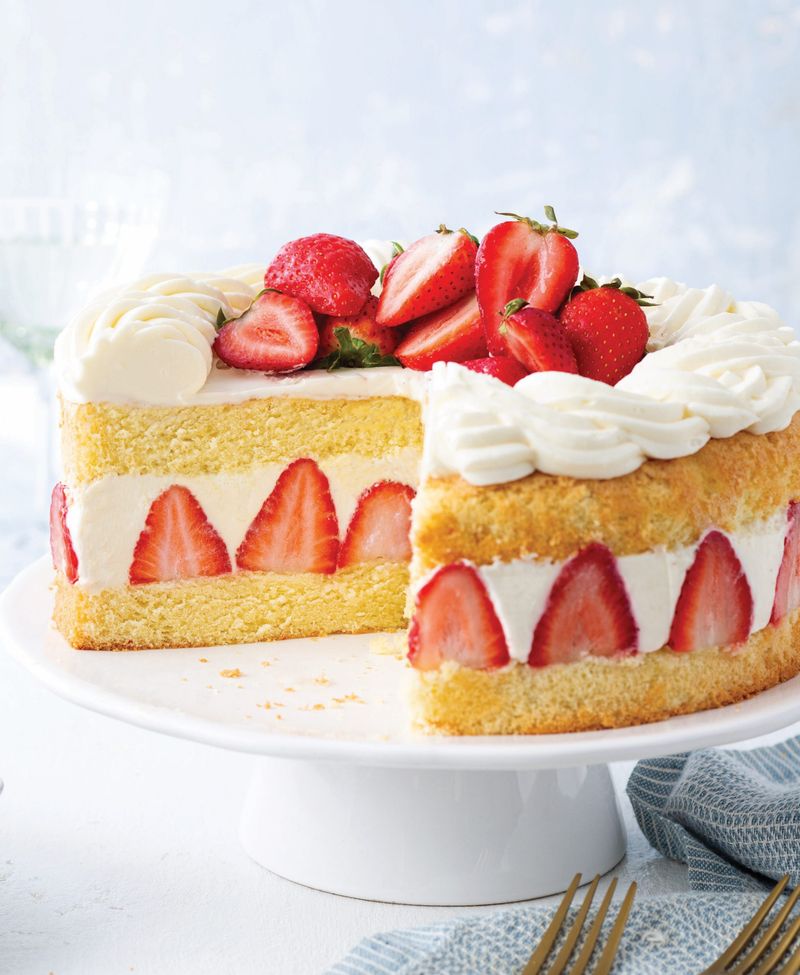
Walk past any Paris bakery in spring and you will spot this beauty in the window.
Fraisier shows off halved strawberries pressed against the sides, held in place by silky cream between two light sponge layers. A thin sheet of pink marzipan often covers the top.
Choose strawberries that are all the same size. Lined up evenly, they create that stunning, picture-perfect pattern everyone loves.
20. Babka from Poland
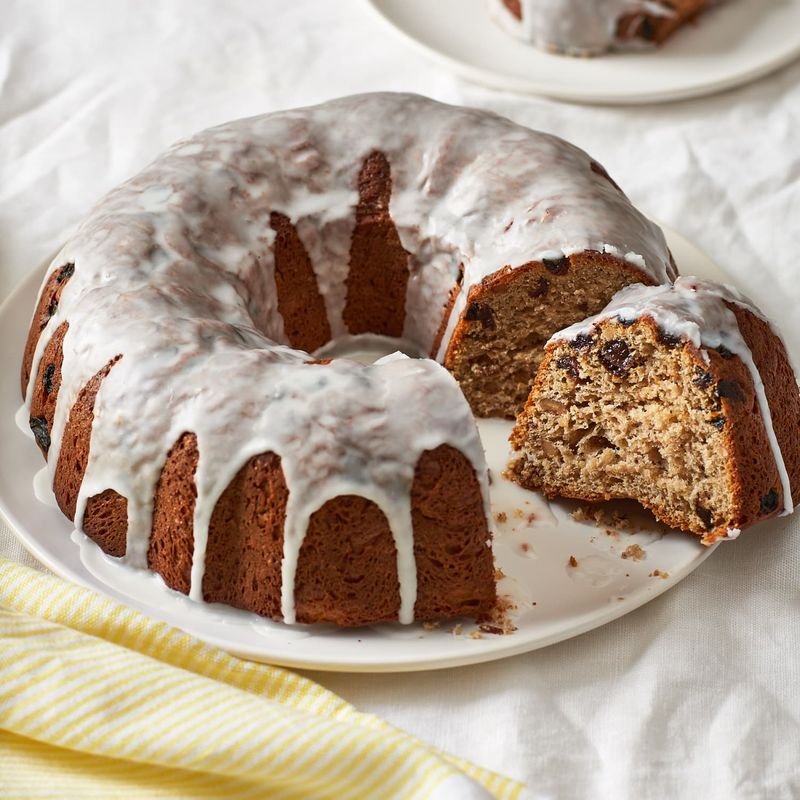
Easter in Poland would feel incomplete without a tall, glazed babka on the table.
The name means little grandmother, since the fluted shape looks like an old lady’s skirt. Traditional versions use yeast, butter, and plenty of eggs, often with raisins or orange zest.
A bundt pan gives you that classic look. Drizzle simple lemon icing over the top once it cools for extra brightness.
21. Karidopita from Greece
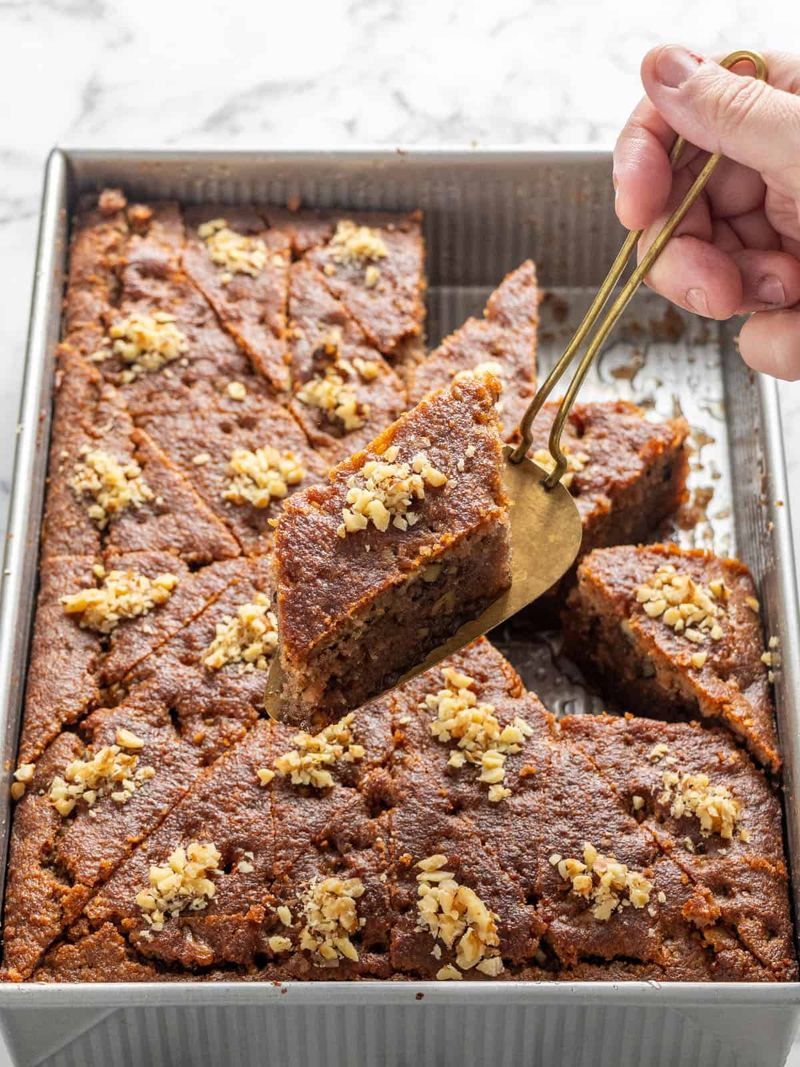
Greek grandmothers know a soaked cake stays moist for days, and Karidopita proves them right.
Chopped walnuts, cinnamon, and cloves fill this spiced cake. Right after baking, a warm honey syrup gets poured over the top and slowly sinks in.
Here is the golden rule: hot cake, cool syrup, or the other way around. Never both hot, or the cake turns mushy instead of sticky-sweet.